Native Florida Plants That Need Attention In May And Those That Don’t
May in Florida is basically garden mood-swing season. One day the soil feels dry enough to crunch, and the next, humidity rolls in like it paid rent.
Native plants can handle a lot, but they do not all want the same kind of attention right now. Firebush might appreciate a gentle tidy-up, scarlet sage may look better with a trim, and newly planted muhly grass could need a moisture check.
Meanwhile, cabbage palm is busy dropping old fronds on its own schedule, and Spanish moss is just floating through life like a porch-swing philosopher. The trick is knowing who wants a little help and who prefers to be left alone.
In a Florida yard, that can save time, water, and plenty of garden fuss.
1. Firebush May Need Gentle Size Control
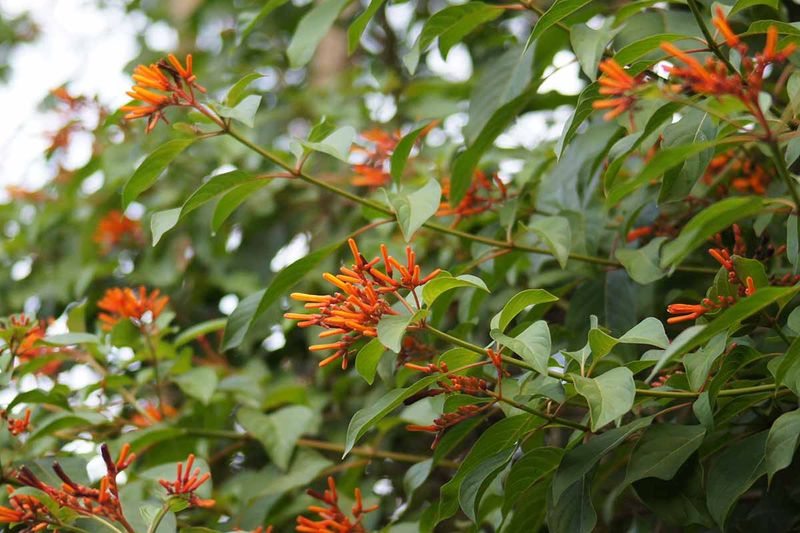
By May, firebush is usually putting on a show. The bright orange-red blooms are drawing in hummingbirds and butterflies, and the plant is pushing out new growth at a pace that can surprise even experienced Florida gardeners.
Left unchecked, firebush can get wide and leggy pretty quickly in the warm months ahead.
A light trim in early May can help keep the shape manageable without sacrificing too many flowers. Focus on cutting back any branches that are crossing, crowding walkways, or growing unevenly.
You do not need to do a hard cutback at this point in the season, since heavy pruning in May can reduce blooming right when pollinators are counting on it most.
Firebush grows fast in Florida’s heat, so a little shaping now sets up a tidier, fuller plant through summer. Skip the fertilizer unless your plant is showing clear signs of nutrient deficiency.
Established firebush in a sunny, well-drained spot rarely needs feeding in May. Consistent moisture for newer plants is more helpful than any extra amendments right now.
2. Beautyberry Benefits From Light Shaping Only
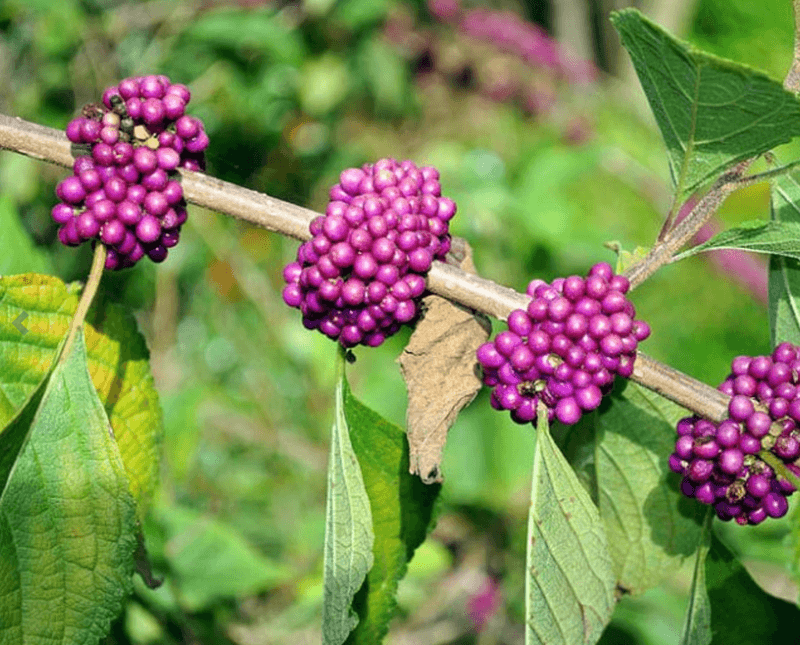
American beautyberry has a relaxed, arching growth habit that some Florida gardeners misread as messy. In May, the shrub is actively leafing out and beginning to set the tiny flower clusters that will eventually become those stunning purple berries in fall.
Reaching for the pruning shears too aggressively right now can cut off a lot of that berry potential.
Light shaping is fine if a branch is sticking out awkwardly or the shrub is crowding a path. Just avoid taking off more than about a third of the plant, and try to cut just above a leaf node so the remaining stems can branch out naturally.
Beautyberry responds well to selective trimming rather than an all-over shearing.
In shadier spots around Florida yards, beautyberry tends to stretch a bit more toward available light, which can make it look uneven by May. A few targeted cuts can correct that without stressing the plant.
Water newly planted beautyberry regularly through the dry weeks of spring, but established plants in the right spot handle Florida’s May conditions with very little extra help from you.
3. Scarlet Sage Can Use A Midseason Trim
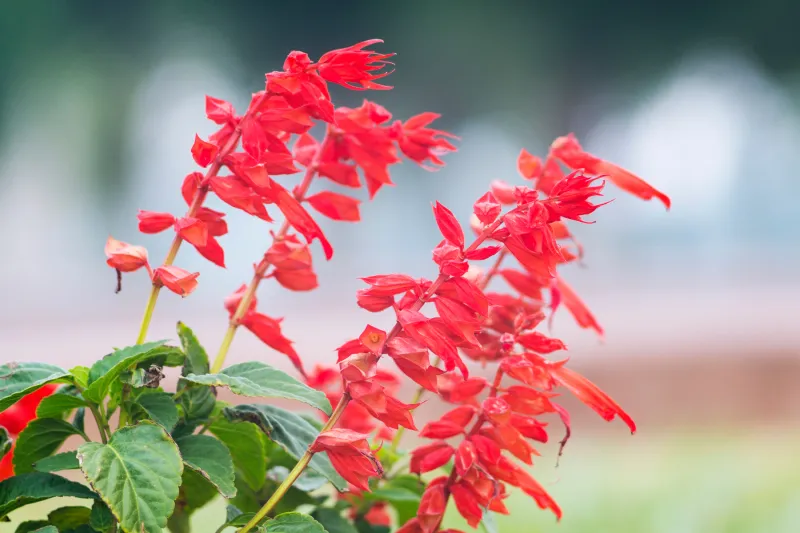
Scarlet sage, also called tropical sage, is one of those Florida natives that blooms in waves rather than all at once. By mid-May, some of the earlier flower spikes may already be fading while new growth is pushing up from the base.
Your Florida Garden Changes Every Week. Your Plan Should Too.
Gardening in Florida changes quickly throughout the season. Every Friday you’ll receive a simple weekly plan showing exactly what to plant, prune, fertilize, harvest, and protect so you never miss the right timing.
That is actually the best time to give the plant a light trim and encourage a fresh round of blooms.
Cutting spent flower stalks back by about half redirects the plant’s energy toward new growth and more flowers. You do not need to cut all the way to the ground.
A midseason trim keeps scarlet sage from getting top-heavy and helps it stay upright through Florida’s summer storms, which can knock over lanky stems.
Scarlet sage tends to self-seed generously in Florida landscapes, so if you want to control where it spreads, removing the old flower heads before seeds set is a practical step in May.
On the other hand, if you enjoy a naturalized look and want more plants next season, leaving a few spent spikes to go to seed is a perfectly reasonable choice.
Either way, the plant handles May heat well once it is settled into the ground.
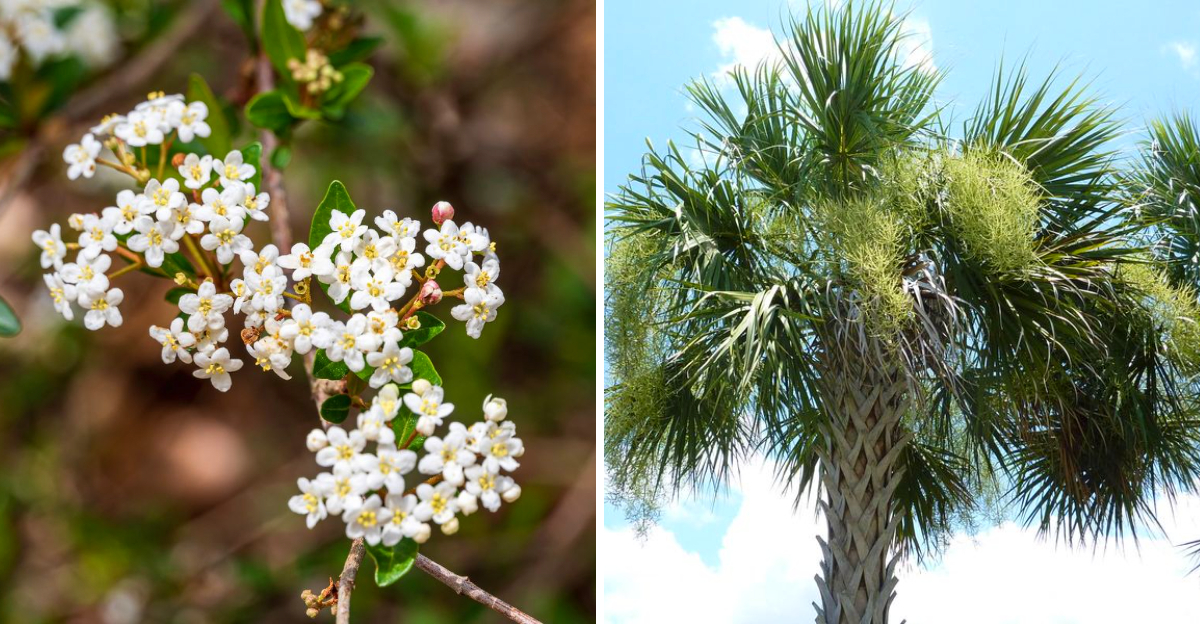
4. Walter’s Viburnum May Need Sucker Control
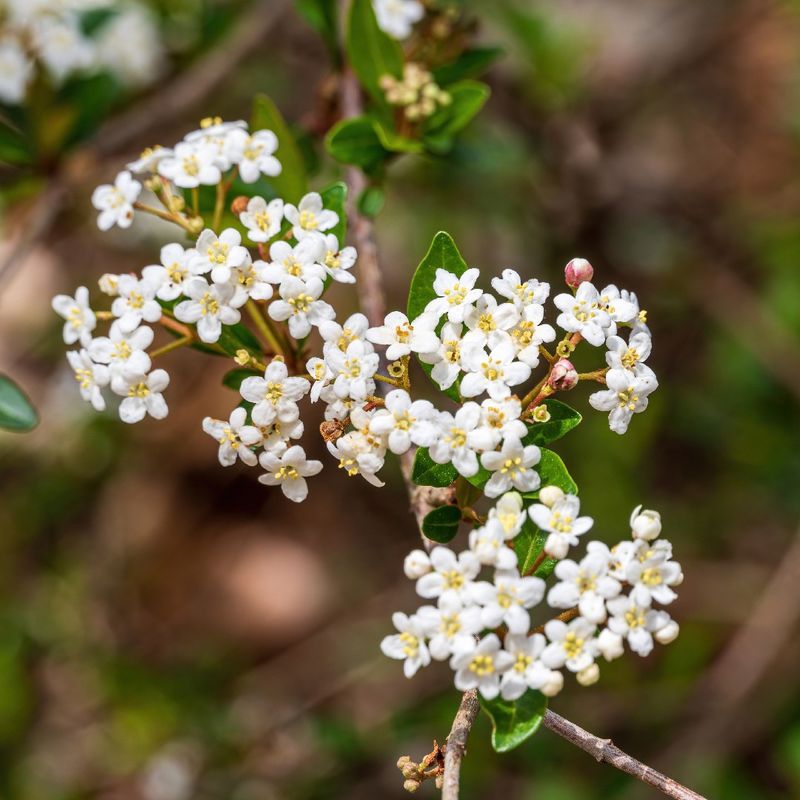
Walter’s viburnum is a tough, adaptable Florida native that works well as a hedge, screen, or specimen shrub. In May, it may be finishing up its white flower display and shifting energy into leafy growth.
One thing to watch for at this time of year is the appearance of root suckers, which are new shoots that sprout up from the base or from underground roots near the main plant.
Suckers are not harmful to the shrub itself, but they can spread the plant beyond where you want it and create a thicket-like appearance over time. Removing them close to the ground in May keeps the plant’s footprint where you intended it.
Use hand pruners rather than a mower to avoid spreading the roots further.
Walter’s viburnum is generally low-maintenance once established, handling Florida’s sandy soils and periods of drought without much complaint. It does not need fertilizing in May unless the foliage looks pale or growth seems unusually slow.
Newly planted viburnums, however, should be watered regularly through dry May stretches to help roots establish before the intense heat of summer arrives in Florida. Patience with new plantings pays off well into the growing season.
5. Newly Planted Muhly Grass Needs Moisture Checks
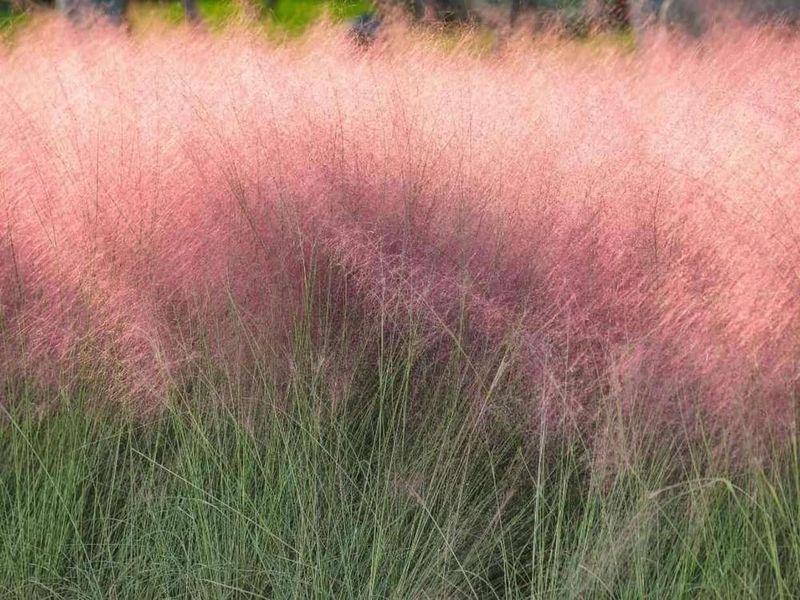
Muhly grass is one of the most beloved native ornamental grasses in Florida, known for its airy pink-purple plumes in fall. Established clumps are remarkably drought-tolerant and ask for very little once they are rooted in.
But plants that went into the ground this past fall or winter are still building their root systems, and May’s dry spells can put real stress on them before summer rains arrive.
Checking soil moisture around newly planted muhly grass every few days in May is a smart habit. Sandy Florida soils drain fast, and a plant that looks fine in the morning can be wilting by afternoon if it has not had enough water.
A two-to-three-inch layer of mulch around the base helps hold moisture longer between waterings.
Avoid overwatering, though, since muhly grass does not like sitting in soggy conditions and can develop root problems in poorly drained spots. If you notice yellowing at the base of new plants, back off the water and check drainage.
Once muhly grass has been in the ground for a full year in Florida, it generally handles dry May stretches on its own with little intervention needed from the gardener.
6. Cabbage Palm, However, Sheds Its Older Leaves On Its Own
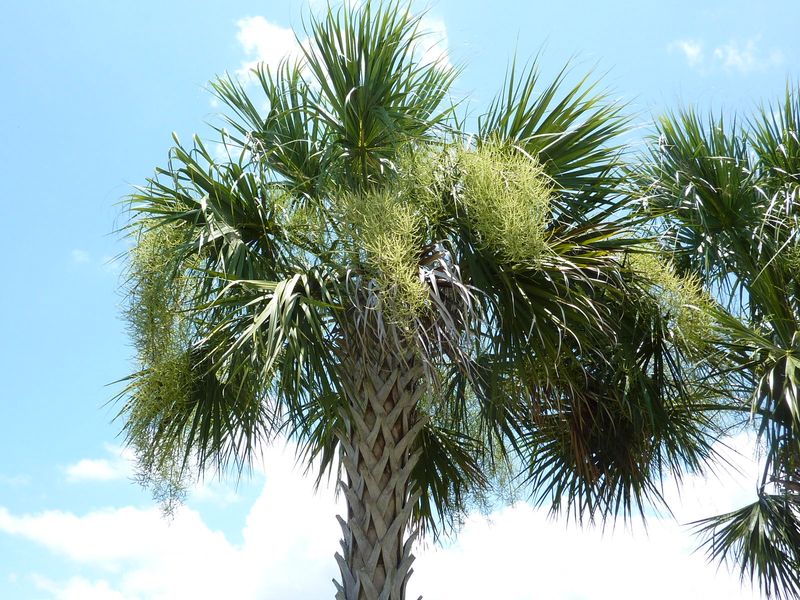
Walk through almost any Florida neighborhood in May and you will spot cabbage palms dropping their older, brown fronds without any help from a pruning saw. That is completely normal.
The cabbage palm, Florida’s state tree, is a self-cleaning palm that naturally sheds its lower leaves as they age, and that process often becomes more visible during the active growing months of spring and early summer.
Removing green fronds from a cabbage palm is not recommended. Green fronds are still feeding the tree through photosynthesis, and cutting them off stresses the palm unnecessarily.
The only fronds worth removing are those that are fully brown, hanging at an awkward downward angle, or creating a safety concern near a structure or walkway.
Some Florida homeowners feel the urge to “hurricane cut” their palms, which means removing nearly all the fronds to leave a bare trunk with just a small tuft of green at the top.
Research strongly discourages this practice because it weakens the palm and makes it more vulnerable to pests and storm damage, not less.
Letting cabbage palms do their natural thing in May is the kindest and most effective approach in Florida landscapes.
7. Spanish Moss Gets What It Needs From Air And Rain
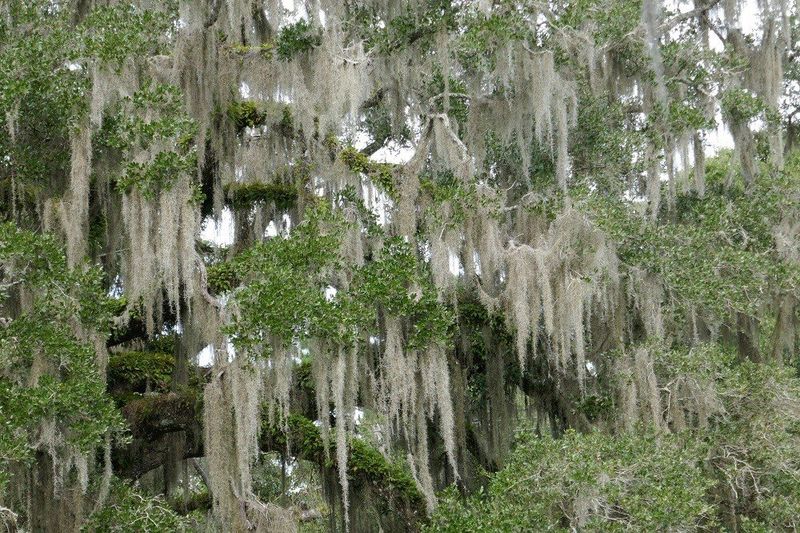
Spanish moss has a reputation that does not quite match reality. Many Florida residents assume it is a parasite slowly draining the life from trees, but that is not accurate.
Spanish moss is an epiphyte, meaning it grows on trees for support but takes nothing from them. It gets all the water and nutrients it needs directly from rainfall, humidity, and airborne particles.
In May, Spanish moss is in its element. Florida’s increasing humidity and occasional rain showers keep it healthy and growing.
The soft, silvery-green color you see on a humid morning will shift to a grayer tone on dry days, which is just the plant responding to moisture levels, not a sign of trouble.
There is no maintenance needed for Spanish moss in a home landscape. Removing it is a personal choice based on aesthetics, not plant health.
If heavy accumulations are blocking light to tree branches or adding significant weight to older, weaker limbs, thinning it out slightly makes sense.
Otherwise, Spanish moss in a Florida yard is one of those genuinely hands-off features that takes care of itself through every season without asking anything in return.
8. Sunshine Mimosa Stays Low And Spreads With Little Fuss
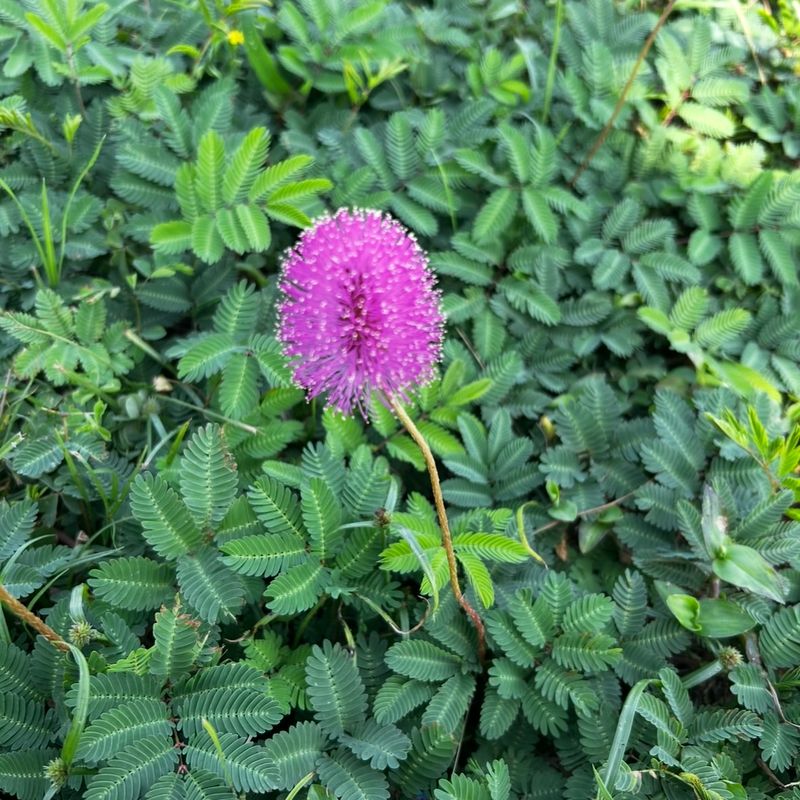
Sunshine mimosa is a native groundcover that quietly earns its place in Florida landscapes by doing exactly what a good groundcover should do: stay low, spread steadily, and require almost no attention once established.
By May, patches of sunshine mimosa that went in last season are likely spreading outward and producing their small, cheerful pink blooms that attract native bees and other pollinators.
One thing to know about sunshine mimosa is that it has a sensitivity response in its leaves, folding up when touched or brushed. Kids find this fascinating, and it does not harm the plant at all.
In a sunny, dry Florida yard, it can fill in bare sandy areas where lawn grass struggles, reducing erosion and the need for mulch.
May care for established sunshine mimosa is minimal. It does not need irrigation once it is rooted in, does not need fertilizer, and does not need mowing unless it starts creeping into places you would rather keep clear.
New plantings benefit from occasional watering through dry May periods. The plant handles Florida’s sandy, nutrient-poor soils well because it can fix its own nitrogen, making it a genuinely low-input choice for sunny spots.
9. Coral Honeysuckle Is Generally Low-Maintenance Once Established
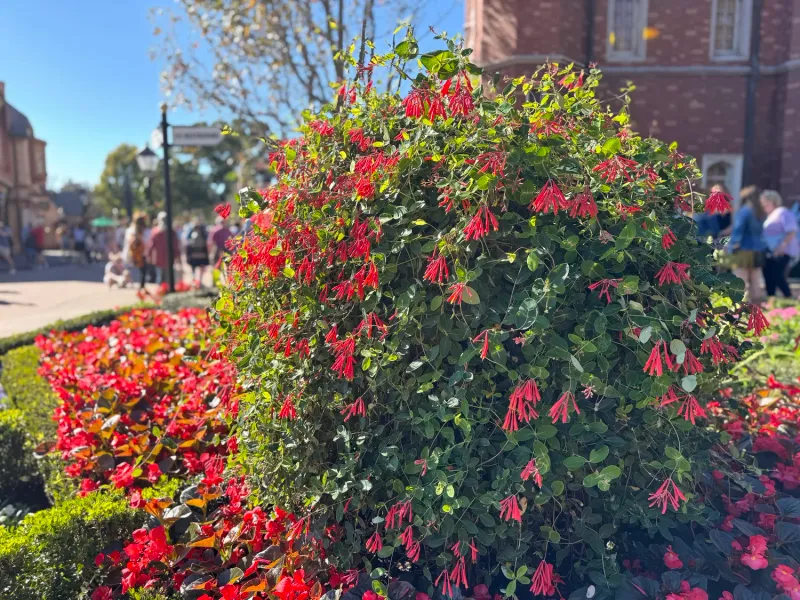
Few native vines in Florida are as rewarding as coral honeysuckle. The tubular red and orange flowers are practically a hummingbird magnet, and the plant blooms heavily in spring with scattered flowers continuing through the warmer months.
By May, an established coral honeysuckle is likely in full swing, twining happily over a fence, trellis, or arbor without asking much from the gardener.
Unlike its invasive relative, Japanese honeysuckle, the native coral honeysuckle is not aggressive or weedy. It grows at a manageable pace and tends to stay where you put it.
If some stems have grown beyond their support structure or are tangling with other plants, a light trim after the main flush of spring blooms is fine. Avoid cutting back hard in May since that removes the flowers hummingbirds and butterflies are actively using.
Watering established coral honeysuckle in May is usually unnecessary in Florida unless there has been an unusually long dry stretch. The vine handles Florida’s spring conditions well when planted in a spot with decent drainage and at least partial sun.
New plantings should be watered regularly for the first season to help roots settle in before the heat of summer fully arrives.
10. Gopher Apple Is Built For Dry, Sandy Florida Sites
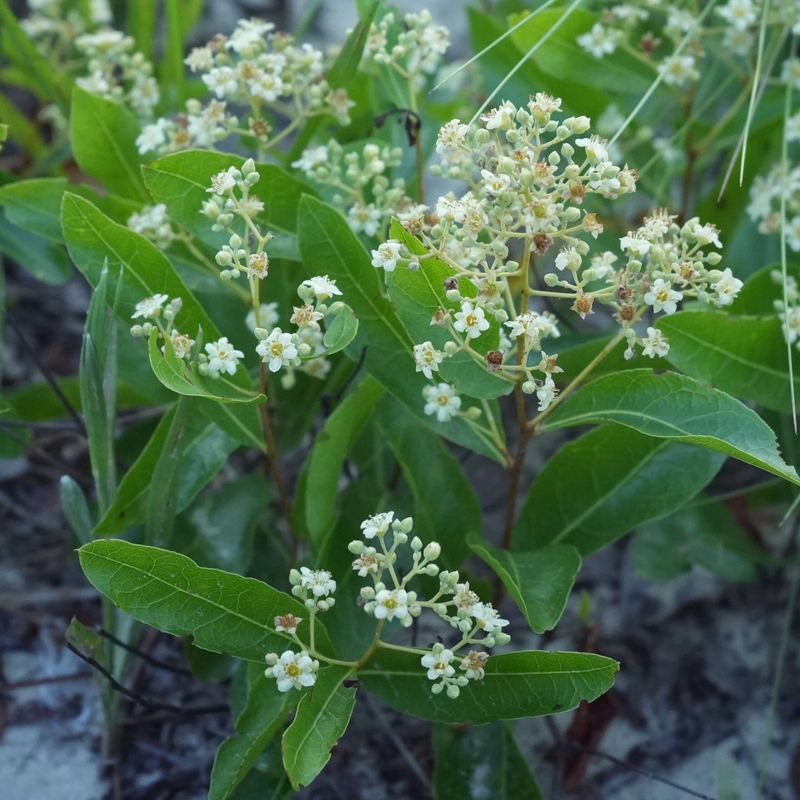
Gopher apple is one of those Florida natives that thrives in conditions that would stress most other plants. Sandy, nutrient-poor, well-drained soil in full sun?
That is exactly where gopher apple wants to be. By May, when Florida’s sandy uplands are heating up and drying out between rains, established gopher apple patches are typically doing just fine without any extra attention.
The plant stays low to the ground, spreads slowly by underground runners, and produces small white flowers in late spring that give way to edible fruits relished by gopher tortoises, birds, and other wildlife.
It is a keystone plant in Florida scrub and sandhill ecosystems, and it brings that ecological value into home landscapes planted in the right conditions.
Gopher apple does not respond well to irrigation, fertilizer, or organic soil amendments in the landscape. Planting it in rich, moist soil or watering it frequently in May are the most common mistakes homeowners make with this plant.
It truly prefers to be left alone once established. If you have a dry, sunny patch of sandy Florida soil where nothing else seems to grow, gopher apple is worth considering as a low-maintenance, wildlife-friendly solution.