Florida Herbs That Actually Survive Summer Heat (Plant These in May Before It’s Too Late)
May is the last honest window Florida herb gardeners get before summer closes the door.
Most people figure that out the hard way, planting in June with high hopes and watching those hopes wilt by the Fourth of July.
Florida’s summer heat does not ease herbs in gradually. It arrives at full volume and immediately sorts the plants that belong here from the ones that never really had a chance.
The herb section at any Florida garden center in spring tells a partial truth. Everything looks healthy and possible sitting in those plastic pots under a shade cloth.
Basil, rosemary, thyme, parsley, cilantro, all lined up looking like they’re ready to perform. Some of them will.
Others are a few weeks away from proving they were never built for what a Florida summer actually delivers.
The difference between an herb garden that produces straight through the hot months and one that collapses by mid-June almost always comes down to variety selection and planting timing.
Get both right in May and the payoff runs longer than most Florida gardeners expect. Wait too long and the heat makes the decision for you.
The herbs worth planting right now are the ones that treat Florida summer like a home field advantage.
1. Plant Basil Before Florida Heat Turns Brutal
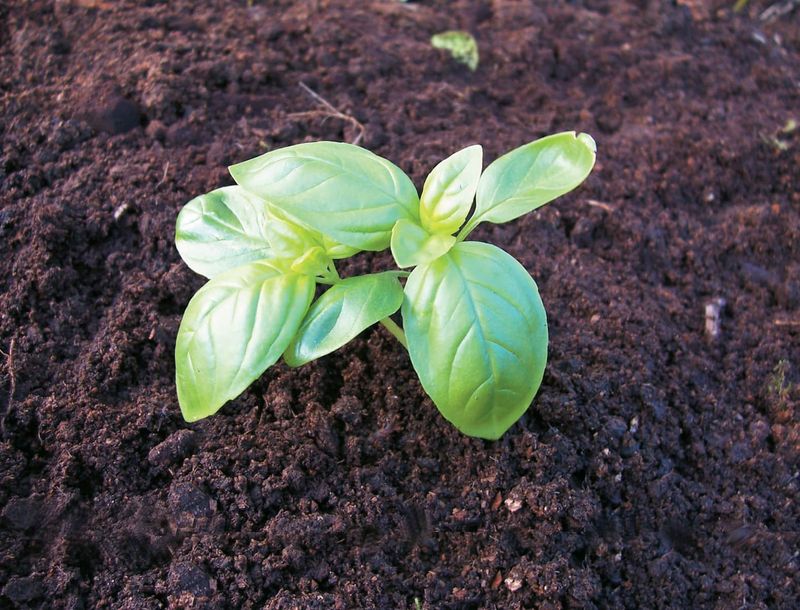
Few smells in a summer garden beat the sharp, sweet scent of fresh basil on a warm morning. Basil is a true warm-season herb, and in Florida, May is one of the best months to get it in the ground.
The soil is warm, the days are long, and basil responds quickly with vigorous growth when conditions are right.
That said, basil is not completely carefree in Florida’s summer humidity. Poor airflow between plants can encourage fungal leaf problems, especially during the rainy season.
Space plants at least 12 to 18 inches apart and water at the soil level rather than overhead to keep foliage dry. Sandy soils dry out fast, so consistent moisture matters, but standing water is just as harmful.
In South Florida and hot inland areas of Central Florida, basil may benefit from a little afternoon shade during the most intense heat of the day. Containers placed where they catch morning sun but get some relief after 2 p.m. can work well in these regions.
North Florida gardeners usually have more flexibility with full-sun placement in May.
Harvest regularly and pinch flower buds as soon as they appear. Once basil goes to flower, leaf production slows and flavor changes.
Keeping it trimmed encourages bushier growth and a longer productive season before the heaviest summer rains arrive.
2. Choose Rosemary For A Tough Summer Herb
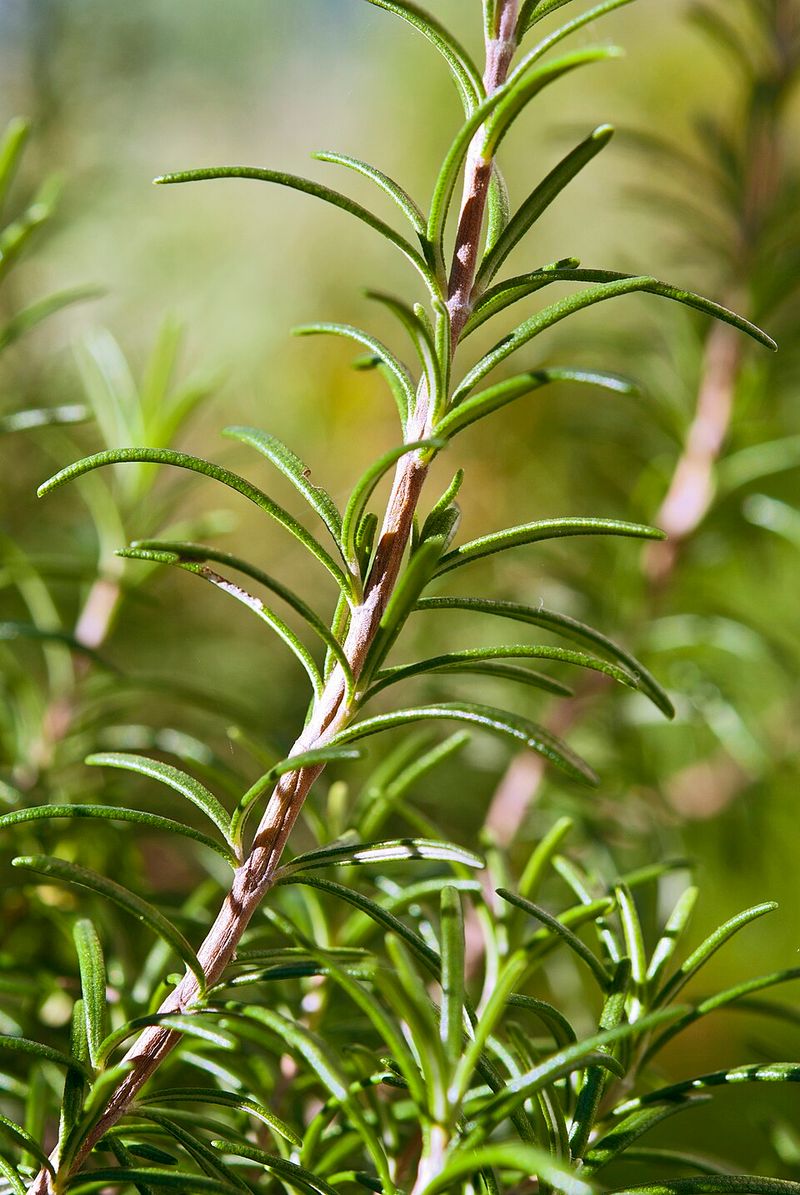
Rosemary has a reputation for being tough, and in Florida, that reputation is mostly earned, with one important condition: drainage is everything. This Mediterranean herb loves full sun and warm temperatures, but it absolutely cannot tolerate wet roots.
Florida’s summer rainy season, which brings heavy daily downpours across much of the state, can be harder on rosemary than the heat itself.
Your Florida Garden Changes Every Week. Your Plan Should Too.
Gardening in Florida changes quickly throughout the season. Every Friday you’ll receive a simple weekly plan showing exactly what to plant, prune, fertilize, harvest, and protect so you never miss the right timing.
Low spots in the yard, compacted clay-like areas, or beds that hold water after storms are not suitable places for rosemary. Raised beds, containers with drainage holes, or naturally sandy, elevated spots give it the best chance of staying healthy through summer.
Sandy Florida soils, while often lacking in nutrients, actually work in rosemary’s favor because they drain quickly.
Once rosemary is established, it handles drought surprisingly well and requires very little supplemental watering. The challenge is getting it through the first few months while roots are still developing.
Young plants need consistent moisture without being waterlogged, which takes some attention during Florida’s feast-or-famine rainfall patterns.
In South Florida, where humidity is strongest and the warm season is longest, rosemary can sometimes struggle more than in North or Central Florida. Excellent airflow and a very well-drained spot become even more critical there.
Trimming lightly after flowering helps maintain shape and encourages fresh growth through the season.
3. Grow Oregano Where Other Herbs Struggle
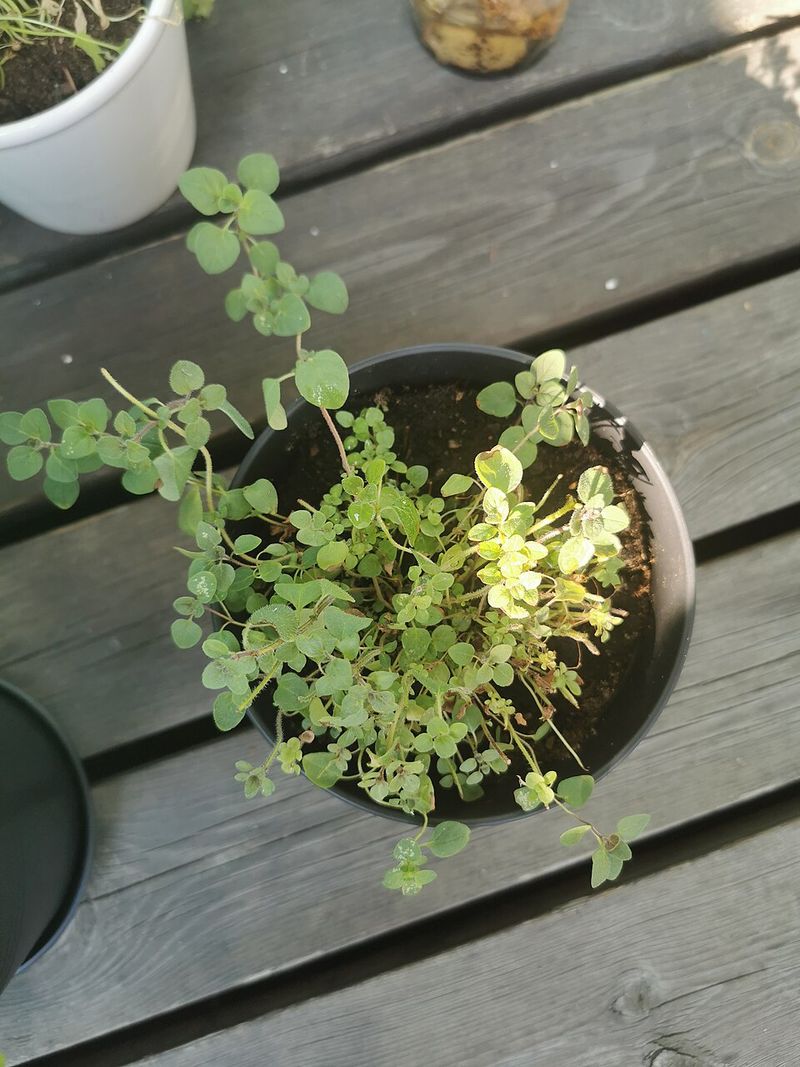
Oregano is the kind of herb that quietly earns its place in a Florida garden. It does not demand as much attention as basil and handles heat better than many people expect.
With the right setup, oregano can keep producing through Florida’s long, hot summers when more delicate herbs have long since faded.
Full sun and excellent drainage are the two non-negotiable requirements. Oregano planted in a spot with poor airflow or wet soil will develop root and stem problems quickly, especially once the rainy season ramps up.
Containers and raised beds are smart choices for Florida gardeners who want more control over soil conditions. Terracotta pots work particularly well because they allow excess moisture to evaporate through the walls.
Regular trimming keeps oregano from becoming leggy and encourages dense, flavorful new growth. Left on its own, it can spread and sprawl in a way that reduces airflow at the base, which creates exactly the kind of humid environment that causes problems in summer.
Harvesting frequently solves this naturally.
Gardeners in Central and South Florida may find that a little afternoon shade helps during the most intense heat, especially for container-grown plants sitting on a hot patio or concrete surface.
North Florida gardeners generally have a slightly easier time with oregano in May, but drainage still matters everywhere in the state.
Healthy oregano has a bold, peppery fragrance that makes the effort worthwhile.
4. Grow Mint In Containers For A Summer Safe Harvest
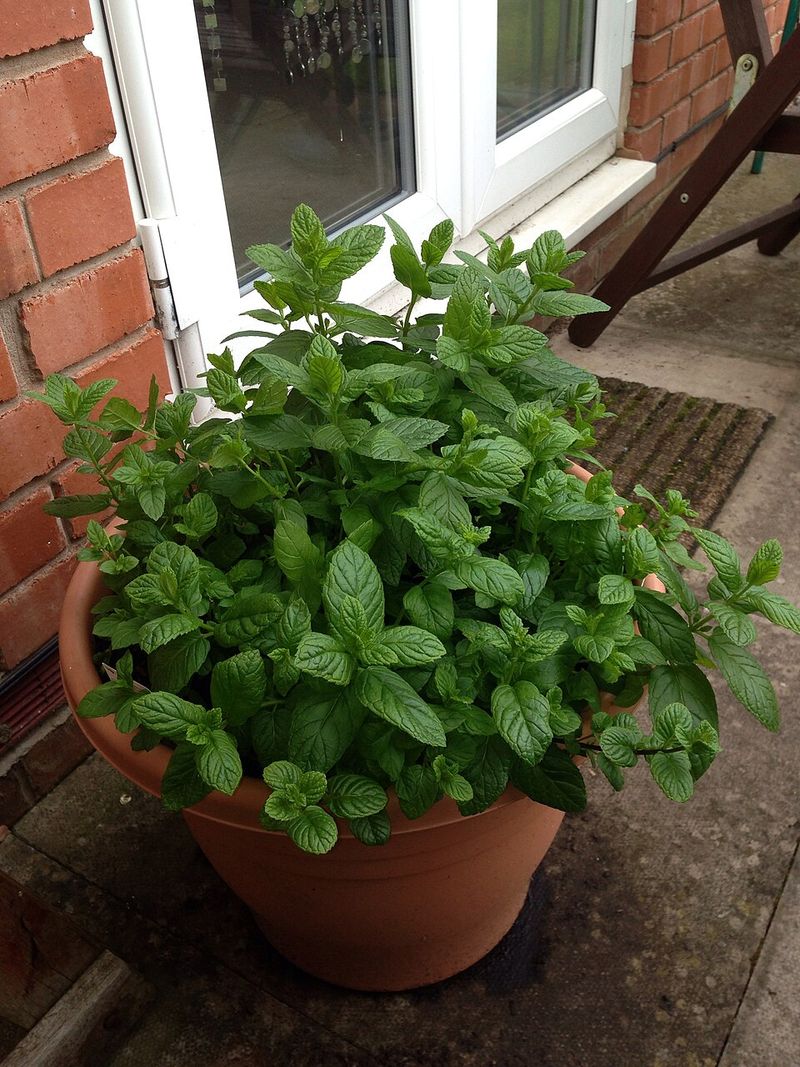
Mint is one of those herbs that sounds simple until you plant it directly in the ground. In Florida, putting mint in a garden bed is a decision most gardeners regret quickly.
It spreads through underground runners with surprising speed and can overrun nearby plants before you realize what is happening. Containers are the only responsible way to grow mint in Florida, full stop.
The good news is that mint genuinely can survive Florida summers when grown in a pot with proper drainage and the right light. Unlike rosemary or oregano, mint prefers more consistent moisture and does not want to dry out completely between waterings.
A container with good drainage holes placed in a spot that gets morning sun and afternoon shade is close to ideal, especially in South Florida or hot inland areas of Central Florida.
Make sure runners cannot escape from the container and root into nearby soil. Placing pots on a hard surface like a patio, deck, or stepping stone helps prevent this.
Mint can also become crowded quickly, so dividing the plant or repotting into a larger container every season keeps it healthy and productive.
Spearmint and peppermint are common choices, but there are many flavorful varieties worth exploring. Harvest frequently by snipping stems just above a leaf node.
Regular harvesting keeps the plant from getting too tall, encourages bushy growth, and gives you a steady supply of fresh leaves all summer long.
5. Use Lemongrass For Heat Humidity And Flavor
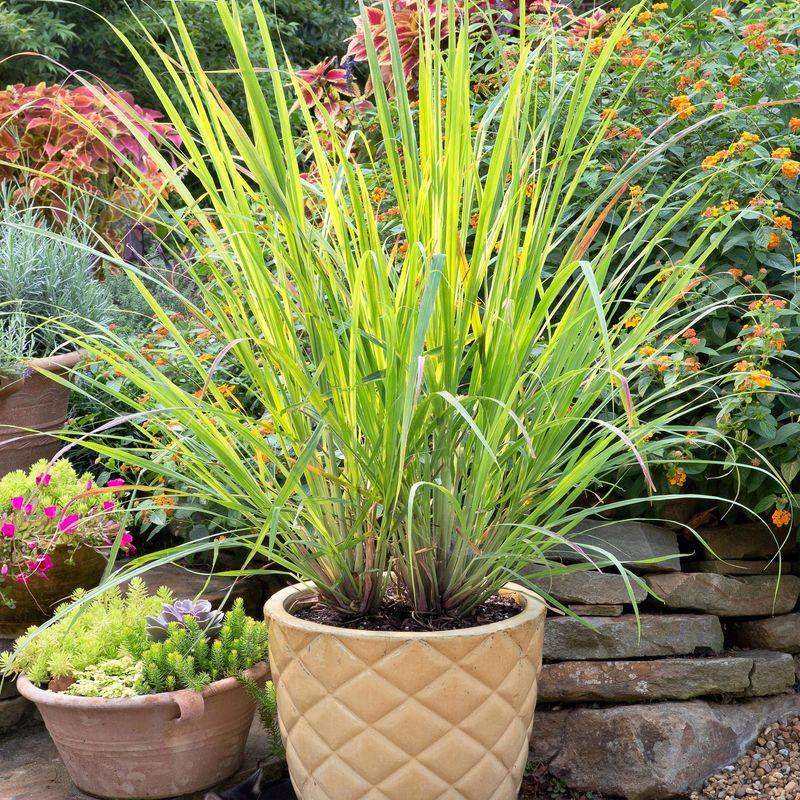
If there is one herb that genuinely loves Florida summer conditions, lemongrass is it. Warm temperatures, high humidity, strong sun, and regular rainfall are exactly what this plant is built for.
While other herbs are struggling to adapt, lemongrass is putting on vigorous growth and producing the thick, fragrant stalks that make it so useful in the kitchen.
Lemongrass forms large clumps over time, so give it room to spread. A single plant can grow several feet wide and tall within a season.
Gardeners with smaller spaces may prefer growing it in a large container, which also makes harvesting easier and keeps the clump more manageable. Make sure any container is big enough to support the root mass as it expands through summer.
Culinary lemongrass, which is what most Florida gardeners are looking for, should not be confused with ornamental or unrelated grasses. Look for Cymbopogon citratus specifically when sourcing plants or seeds.
It is widely available at Florida nurseries and farmers markets during the warm season.
Harvest stalks when they are at least a half inch thick at the base. The outer leaves can be sharp, so handling with care is smart.
Those outer leaves, while tough to eat, can be used to flavor soups or teas before being removed. Lemongrass grows well across all regions of Florida and is one of the most rewarding summer herb choices you can make in May.
6. Try Chives For A Reliable Warm Weather Harvest
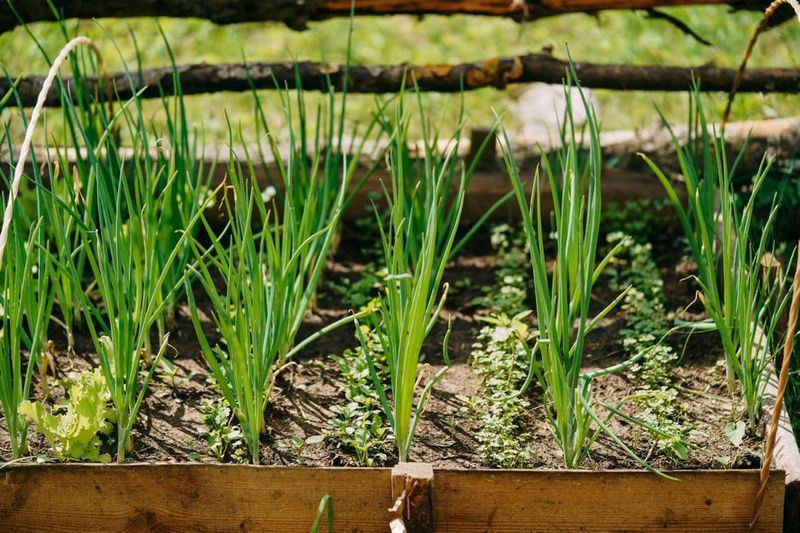
Chives bring a mild onion flavor to the kitchen and a manageable growth habit to the garden, which makes them a practical choice for Florida gardeners who want reliability without a lot of fuss.
Unlike spreading herbs that can take over a bed, chives grow in tidy clumps that stay mostly where you put them.
That alone makes them easier to work with than many other summer options.
For best results, chives need consistent moisture and good drainage. Florida’s sandy soils dry out fast, so regular watering matters during dry spells in May before the rainy season fully kicks in.
Once summer storms become more frequent, make sure the planting area does not stay waterlogged. Raised beds or containers with quality potting mix give you more control over both moisture and drainage.
In the hottest parts of Florida, especially in South Florida and exposed inland areas of Central Florida, chives may show some heat stress during the peak afternoon hours of summer.
A little afternoon shade in these regions can help keep the plants looking healthier and producing more consistently.
North Florida gardeners typically have fewer concerns with this in May, though July and August can bring more pressure.
Snip leaves regularly from the outer edges of the clump, leaving the center to keep growing. Garlic chives, a close relative with a slightly stronger flavor, are sometimes noted for handling warm conditions well.
Both types are worth trying in a Florida summer herb garden, and regular harvesting keeps them tidy and productive.
7. Swap Delicate Tarragon For Mexican Tarragon
French tarragon is one of those herbs that sounds wonderful until you try to grow it in a Florida summer. It prefers cooler temperatures and tends to struggle badly in the heat and humidity that define Florida from May onward.
Many Florida gardeners have watched it fade quickly after planting, wondering what went wrong. The answer is almost always the climate.
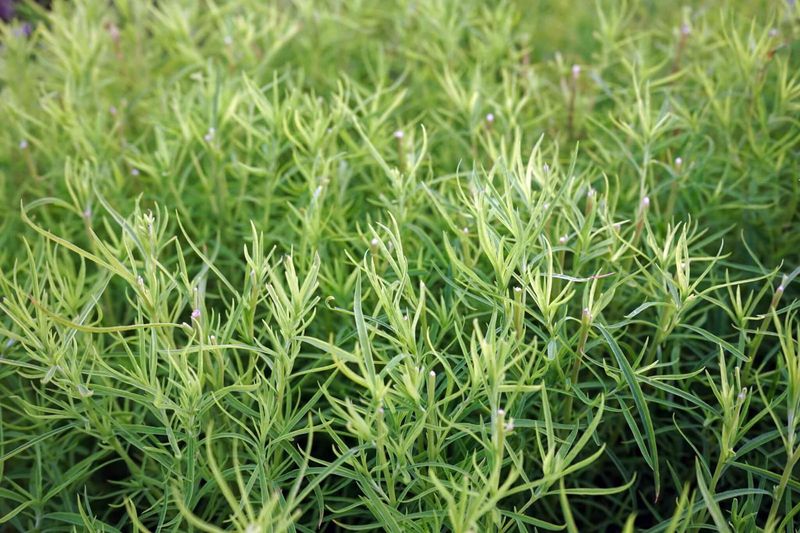
Mexican tarragon, also known as Mexican mint marigold or Tagetes lucida, is the smarter swap for warm-season Florida gardens. It carries a similar anise-like flavor that works well as a substitute for French tarragon in cooking, and it is genuinely suited to Florida’s heat.
This is not a compromise, it is actually a better fit for the growing conditions most Florida gardeners are working with.
Mexican tarragon prefers full sun to part sun and needs good drainage to stay healthy through the rainy season. It can grow two to three feet tall, so give it enough space to fill out without crowding neighboring plants.
Regular harvesting keeps the plant tidy and productive, and trimming before it flowers too heavily helps maintain strong leaf production.
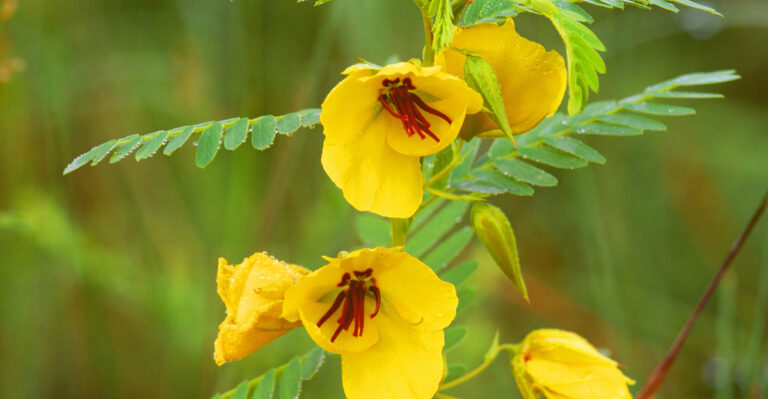
Across much of Florida, Mexican tarragon is a reliable warm-season performer. It also produces cheerful yellow flowers later in the season that attract pollinators to the garden.
If you have been disappointed by French tarragon in previous summers, making this switch in May could change your experience entirely.
8. Give Thyme Drainage And Afternoon Relief
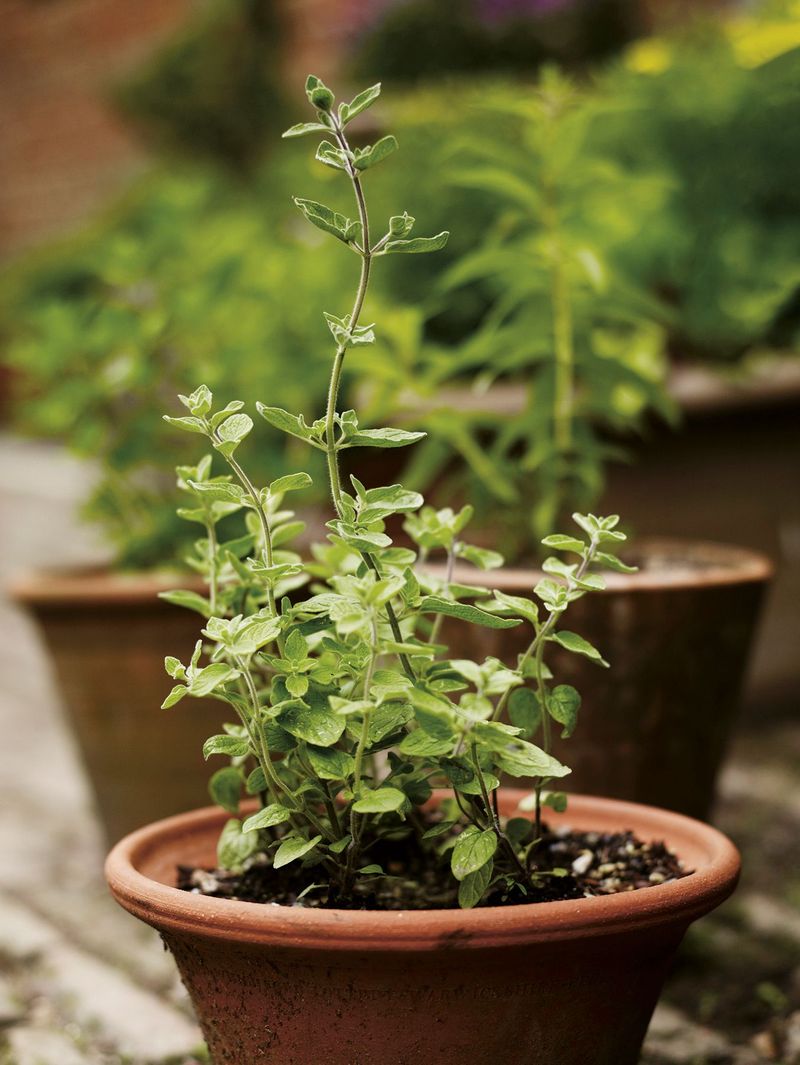
Thyme is honest about what it needs, and in Florida, meeting those needs takes some planning. This low-growing Mediterranean herb loves sun and warmth, but it has almost no tolerance for wet roots or stagnant, humid air sitting around its base.
Florida’s summer combination of heavy rain, high humidity, and warm nights creates exactly the conditions thyme finds most stressful.
The solution is not to avoid thyme altogether, but to set it up in a location that works in its favor. Containers with drainage holes and a fast-draining potting mix are one of the most reliable approaches.
Raised beds filled with sandy or well-amended soil also work well. Rock garden conditions, where water moves away from roots quickly, are another option that suits thyme’s preferences.
Avoid planting it in low areas or anywhere that puddles after a storm.
Afternoon relief from direct sun can help thyme during the hottest stretches of Florida summer, particularly for container plants sitting on dark pavement or exposed south-facing patios. In South Florida, where the warm season is longest and most intense, this becomes more important.
Central Florida gardeners should pay close attention during July and August when heat and rain peak together.
Harvest thyme by snipping stem tips regularly, which encourages new growth and prevents the plant from becoming woody too quickly. Light, frequent trimming is better than cutting back hard.
With the right drainage and some thoughtful placement, thyme can be a productive part of a Florida summer herb garden through the season.