California Native Shrubs To Plant Instead Of Bougainvillea This Season
Bougainvillea is hard to argue with on looks alone. That explosion of color climbing a fence or spilling over a wall is genuinely dramatic, and California gardeners have been reaching for it as a default for decades.
But spend a season dealing with the thorns, the aggressive spread, the water demands during establishment, and the way it takes over everything within reach, and the appeal starts to wear a little thin.
There are better options, and some of them are just as visually striking. California native shrubs have been having a well-deserved moment, and for good reason.
They’re adapted to the exact conditions here, which means less intervention, less water once established, and none of the boundary issues that make bougainvillea such a complicated long-term commitment.
Several of them bloom in colors just as bold, attract far more beneficial wildlife, and fit into a modern California landscape in a way that feels intentional rather than default. This season is a good time to make the switch.
1. Apricot Mallow
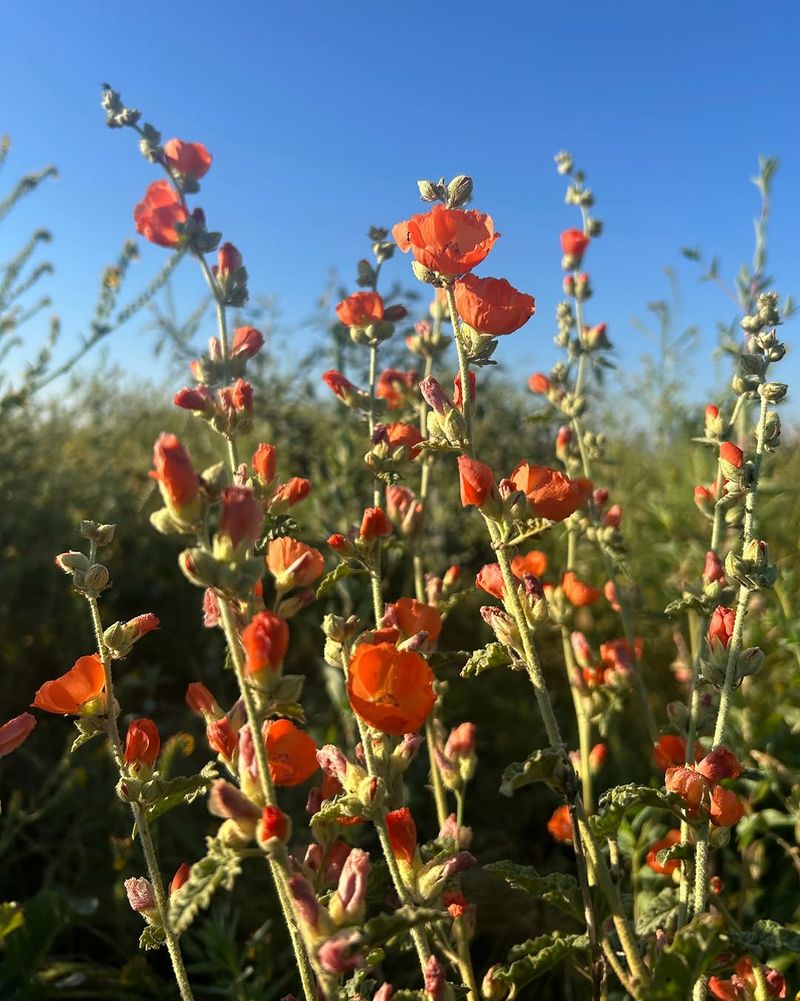
Soft, peachy-pink blooms and velvety silver leaves make Apricot Mallow one of the most eye-catching native shrubs in all of California. It looks delicate, but do not let that fool you.
This plant is built tough and thrives in hot, dry conditions where many other shrubs would struggle.
Apricot Mallow, also known as Sphaeralcea ambigua, grows naturally in desert regions of Southern California. It loves full sun and sandy or rocky soil.
Once established, it needs very little water, making it a perfect fit for drought-prone yards across the state.
The blooms appear in spring and can continue well into summer if conditions are right. Pollinators absolutely love it.
Bees and butterflies flock to the flowers, turning your garden into a busy, buzzing hub of activity.
It typically grows two to four feet tall and wide, so it fits nicely in borders, slopes, or dry garden beds. You can plant it near a path where its soft colors will greet visitors.
Unlike bougainvillea, it has no thorns and requires no heavy pruning. For California gardeners looking for low-effort, high-reward beauty, Apricot Mallow is a clear winner this season.
2. Desert Lavender
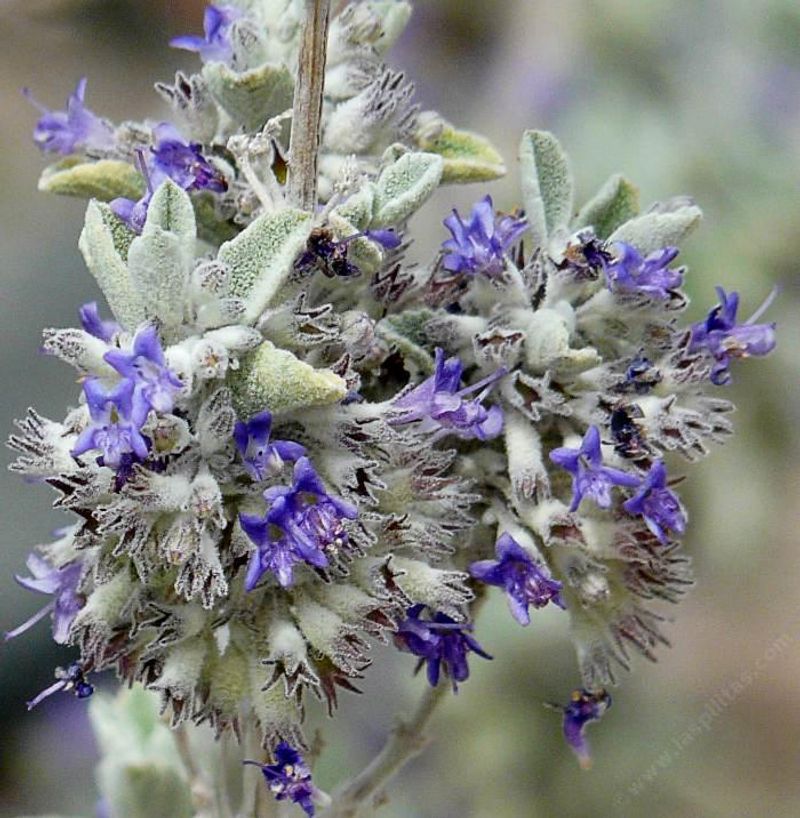
There is something deeply calming about a plant that smells like a spa and asks almost nothing in return. Desert Lavender, or Hyptis emoryi, is exactly that kind of plant.
Native to the desert regions of Southern California, it produces tiny purple-blue flowers that smell absolutely wonderful.
This shrub can grow quite tall, sometimes reaching six to eight feet, which makes it a great choice for creating natural privacy screens or filling large dry spaces. The silvery-gray leaves shimmer in sunlight and give the plant a soft, almost dreamy look throughout the year.
Hummingbirds and native bees are wild about the flowers. If you want to attract more wildlife to your California yard, Desert Lavender is one of the best plants you can add.
It blooms from late winter through spring, giving you color during the months when many other plants are still waking up.
Your California Garden Changes Every Week. Your Plan Should Too.
Gardening in California changes quickly throughout the season. Every Friday you’ll receive a simple weekly plan showing exactly what to plant, prune, fertilize, harvest, and protect so you never miss the right timing.
Plant it in full sun with well-drained soil and you are mostly done. It handles heat, drought, and poor soil without complaining.
Compared to bougainvillea, which needs regular feeding and watering, Desert Lavender practically takes care of itself. It is an honest, hardworking shrub that delivers beauty season after season.
3. California Bush Sunflower
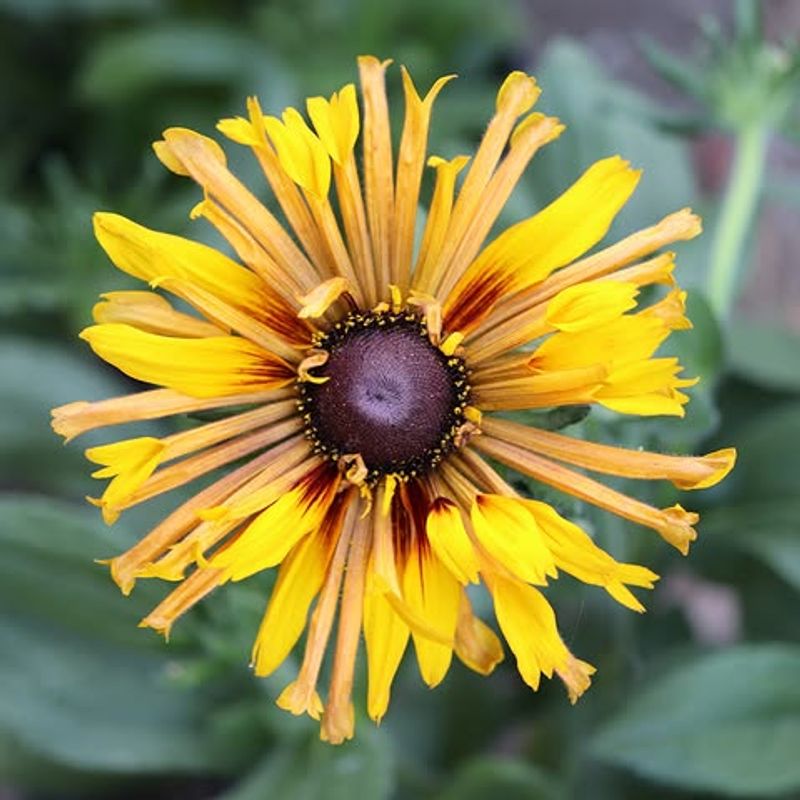
Bright yellow flowers that look like mini sunflowers covering an entire shrub? Yes, that is exactly what California Bush Sunflower delivers.
Encelia californica is a cheerful, fast-growing native shrub that lights up any yard with bold golden color from late winter through spring.
This plant is native to coastal Southern California and thrives in the warm, dry conditions that define so much of the state. It grows best in full sun and well-drained soil.
Once it gets established, it handles drought surprisingly well for such a showy plant.
One of the best things about California Bush Sunflower is how quickly it grows. You can have a full, flowering shrub within one to two growing seasons.
That makes it a fantastic choice if you want results fast without spending a lot of time or money.
Birds love the seeds, and native bees swarm the flowers all season long. It grows about three to five feet tall and wide, making it useful for hedges, slopes, or as a colorful focal point in the garden.
After blooming, you can cut it back hard and it will bounce back stronger than ever. It is an easy, generous plant that gives California gardens something to smile about all season.
4. Brittlebush
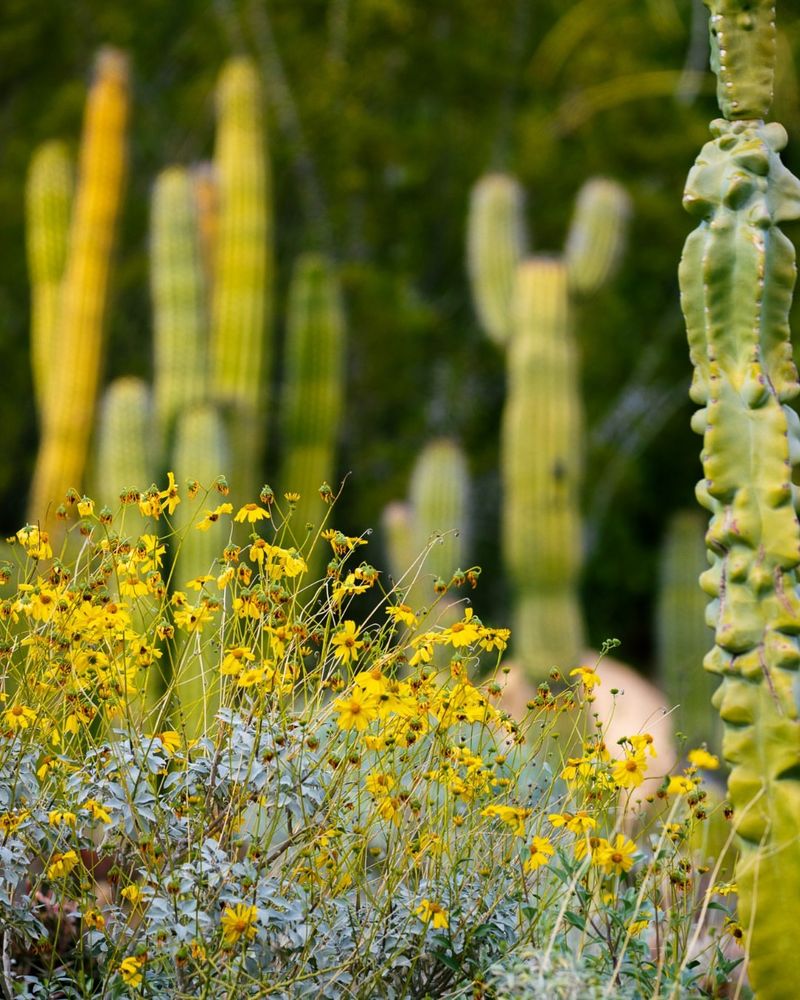
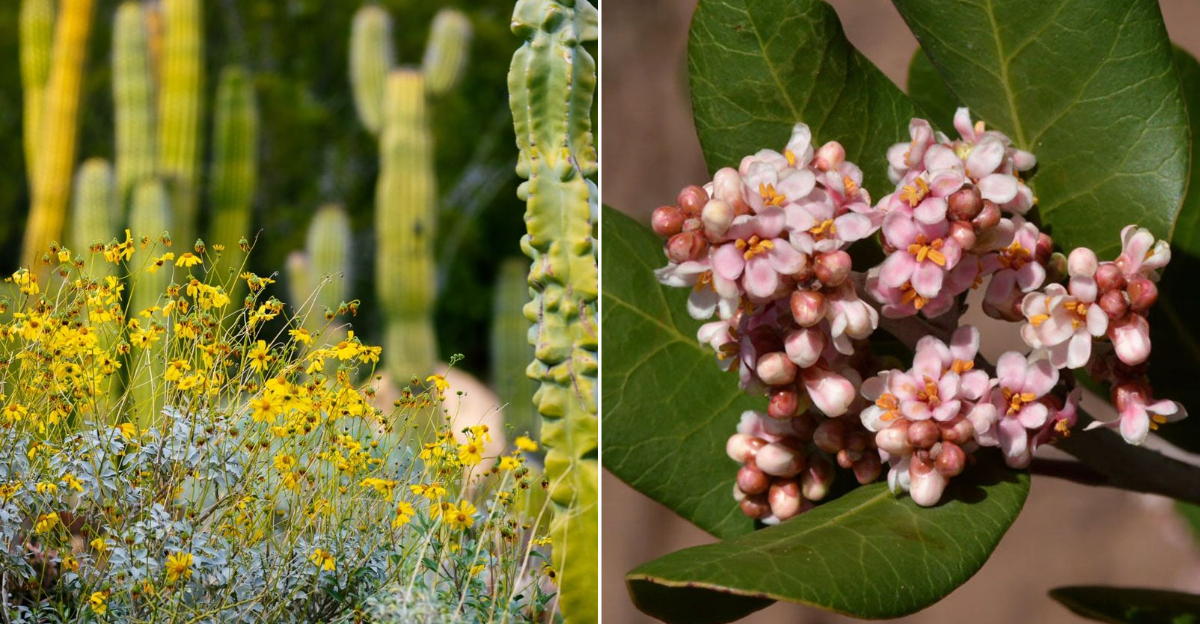
Few plants handle the California heat as gracefully as Brittlebush. Encelia farinosa is a desert native that turns rocky slopes and dry hillsides into something truly stunning.
Its silver-white leaves glow in the sun, and in late winter, bright yellow flowers shoot up on tall stems above the foliage like little fireworks.
Brittlebush is native to desert areas of Southern California, and it has been used by Indigenous communities for centuries. The resin from its stems was once burned as incense and used as a natural adhesive.
That kind of deep history makes it more than just a pretty plant.
It grows about two to five feet tall and prefers full sun and dry, well-drained soil. Once established, it is extremely drought tolerant.
You can plant it on slopes to help control erosion, which is a real bonus in fire-prone California landscapes.
After the bloom season, the plant may look a little ragged during summer. A light trim helps it stay tidy and encourages fresh growth when cooler weather returns.
Compared to bougainvillea, which demands regular water and care, Brittlebush is refreshingly independent. It is one of those plants that rewards you for leaving it alone, which is honestly the best kind of gardening.
5. Island Mallow
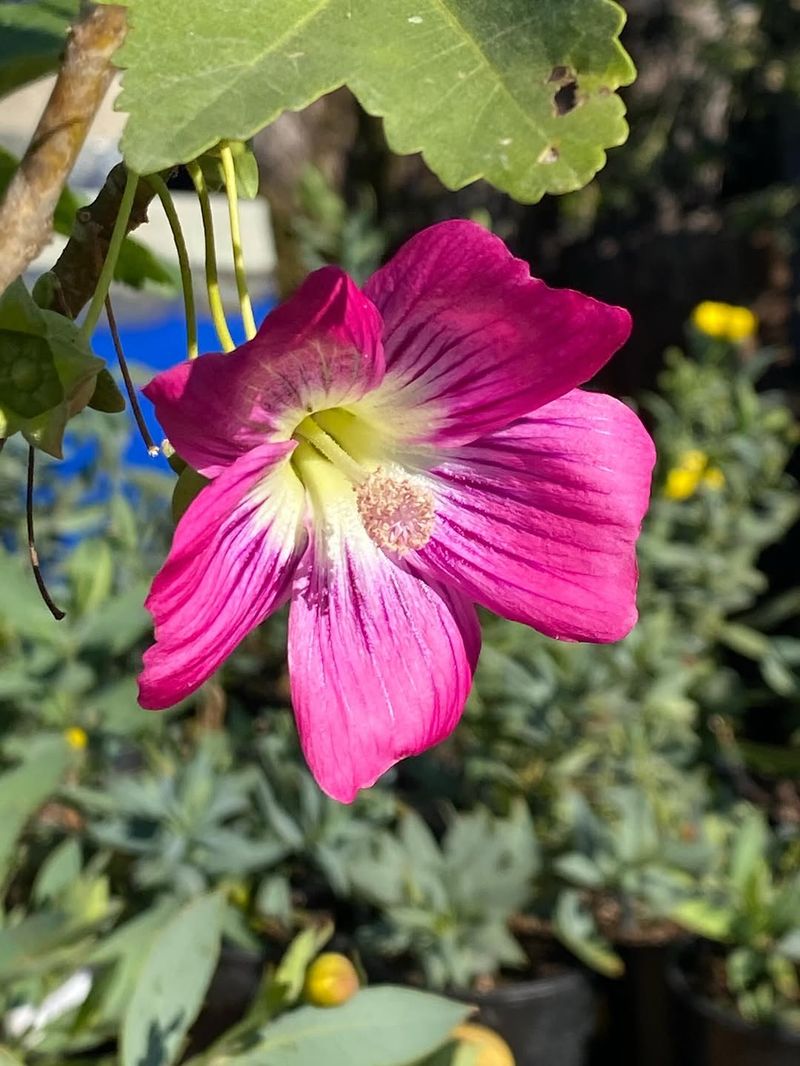
Not many native California shrubs can match the drama of Island Mallow. Lavatera assurgentiflora is a fast-growing, large shrub that produces big, showy flowers in shades of deep pink and purple.
Each bloom looks like a mini hollyhock, and they appear in impressive numbers throughout the growing season.
Island Mallow is native to the Channel Islands off the Southern California coast. It grows quickly, sometimes reaching ten to twelve feet tall, which makes it excellent for blocking views, creating windbreaks, or adding serious structure to a garden.
It handles coastal winds and salt air better than most plants.
This shrub is also a powerhouse for pollinators. Hummingbirds are especially fond of the flowers and will visit repeatedly throughout the blooming season.
If you want to turn your California yard into a hummingbird hangout, Island Mallow is one of the fastest ways to do it.
It grows best in full sun to partial shade with moderate water. It is more water-tolerant than many other California natives, which makes it flexible enough for different garden conditions.
Prune it regularly to keep it from getting too leggy. For anyone who loved bougainvillea for its bold, tropical feel, Island Mallow delivers similar energy with far less frustration and far more wildlife value.
6. Heartleaf Keckiella
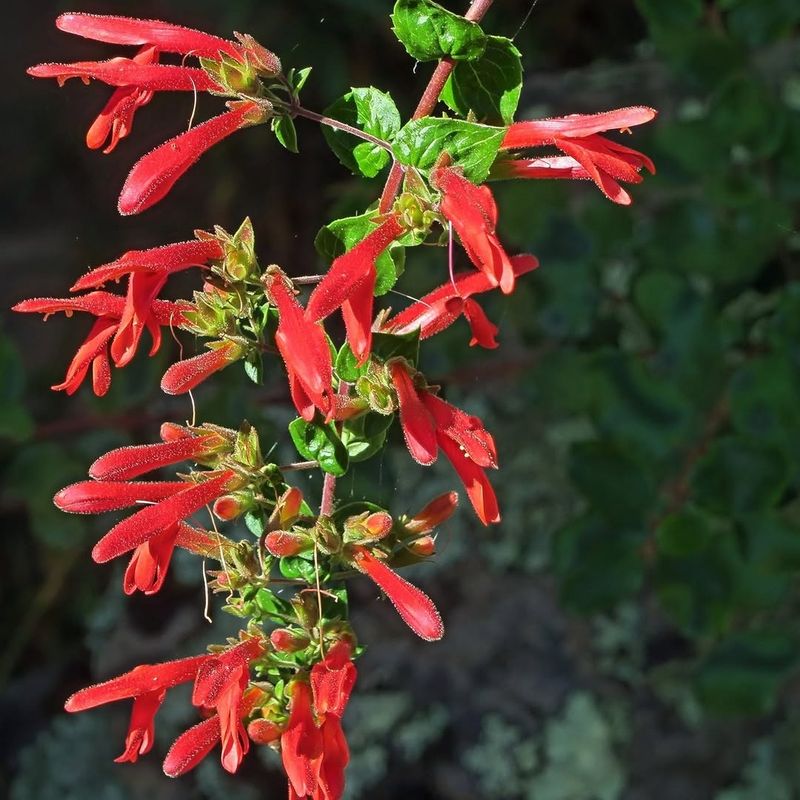
If you have ever wanted a native California plant with the wild, scrambling energy of bougainvillea but without the invasive tendencies, Heartleaf Keckiella might be your answer. Keckiella cordifolia is a sprawling shrub native to the chaparral regions of Southern California, and it produces gorgeous tubular red and orange flowers that hummingbirds find completely irresistible.
This plant has a loose, vining habit that lets it tumble over rocks, drape across slopes, or lean against fences and walls. It can spread six to ten feet wide, which gives it real presence in the landscape.
The heart-shaped leaves are soft and attractive even when the plant is not in bloom.
Heartleaf Keckiella blooms in late spring and early summer, right when many other native shrubs are winding down. That timing makes it a valuable addition to any California garden that aims to provide year-round color and wildlife support.
Hummingbirds especially seem to seek it out during their migration and nesting seasons.
Plant it in full sun or light shade with good drainage. It is very drought tolerant once established.
Cut it back after blooming to keep the shape tidy and encourage fresh growth. For gardeners in California who want a plant with personality and a little wild spirit, Heartleaf Keckiella is a genuinely exciting choice.
7. Fuchsia-Flowered Gooseberry
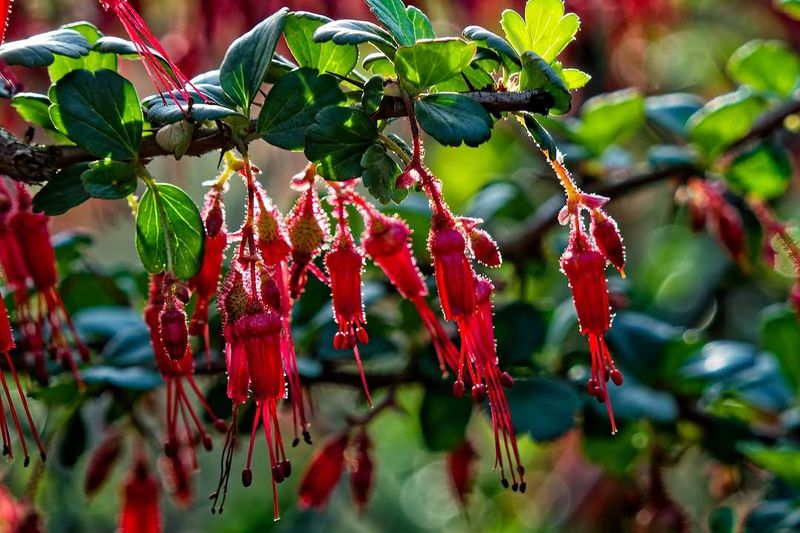
Dramatic, spiny, and impossibly beautiful, Fuchsia-Flowered Gooseberry is one of the most striking native shrubs California has to offer. Ribes speciosum blooms in late winter and early spring, producing long, dangling red flowers that look like tiny chandeliers hanging from every branch.
It is the kind of plant that makes people stop and stare.
Native to coastal scrub and chaparral habitats in California, this shrub has a bold, architectural form. The spiny branches make it a natural deterrent for foot traffic, which means it works beautifully as a barrier plant or along property edges.
It grows about four to six feet tall and wide.
Hummingbirds are obsessed with the flowers. The blooms appear so early in the season that they often provide nectar when little else is flowering, making them especially valuable to wildlife.
If you want to support hummingbirds during their winter months in California, this shrub is one of the best investments you can make.
Grow it in partial shade to full sun with well-drained soil. It is drought tolerant once established and actually prefers dry summers, which suits California’s climate perfectly.
It goes summer-dormant in hot areas, which is completely normal. For anyone who loves bold, unusual plants, Fuchsia-Flowered Gooseberry brings a theatrical quality that few other native shrubs can match.
8. Red-Flowering Currant
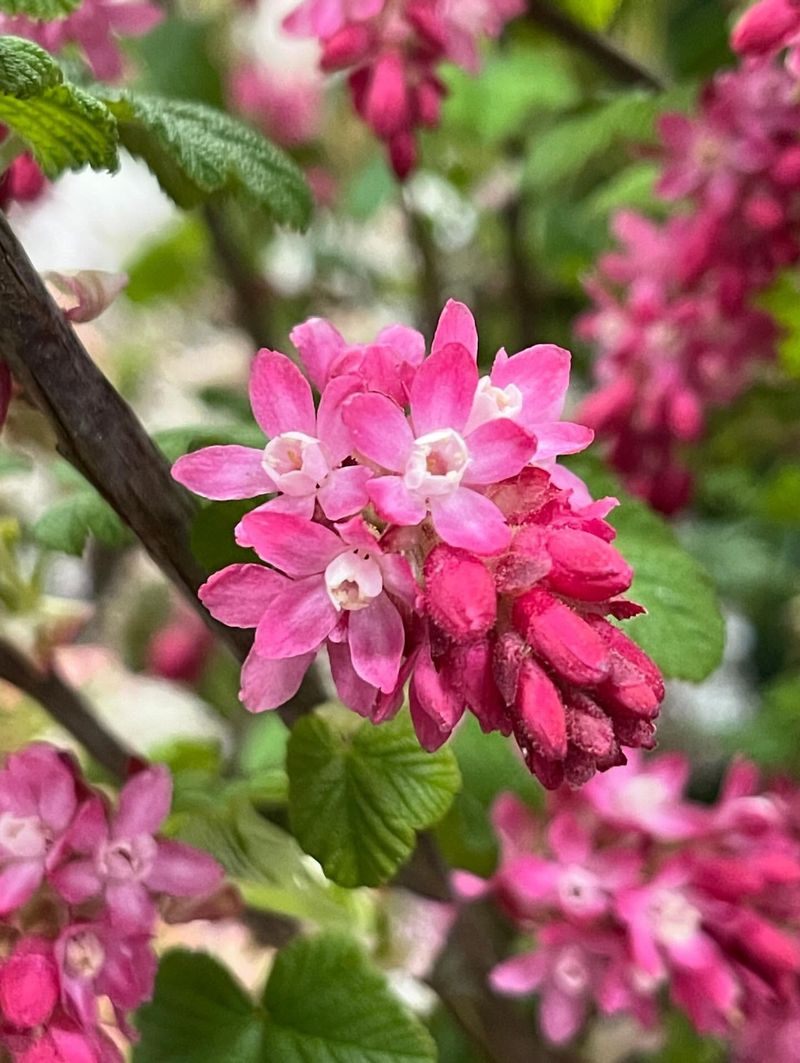
Spring arrives early when Red-Flowering Currant is in your garden. Ribes sanguineum var. glutinosum explodes into color in late winter, producing long, drooping clusters of deep pink to red flowers before most other plants have even started to wake up.
It is a genuine showstopper and one of the most beloved native shrubs in California.
This currant is native to the coastal ranges of California, where it grows in woodland edges and chaparral. It prefers partial shade but can handle full sun in cooler coastal areas.
The flowers are followed by small blue-black berries that birds absolutely love, extending the plant’s wildlife value well beyond the bloom season.
Growing four to eight feet tall, Red-Flowering Currant makes an excellent backdrop shrub, hedge, or standalone specimen. The lobed leaves have a pleasant, slightly spicy scent when brushed.
In fall, the foliage turns warm shades of yellow and orange before dropping, giving you seasonal interest almost all year long.
Water it occasionally during its first couple of summers in California, then ease off as it establishes. It is very tolerant of drought once its roots are settled.
Compared to the high-maintenance demands of bougainvillea, Red-Flowering Currant is a joyful, low-fuss alternative that rewards you with beauty, fragrance, and wildlife activity from the very first bloom.
9. St. Catherine’s Lace
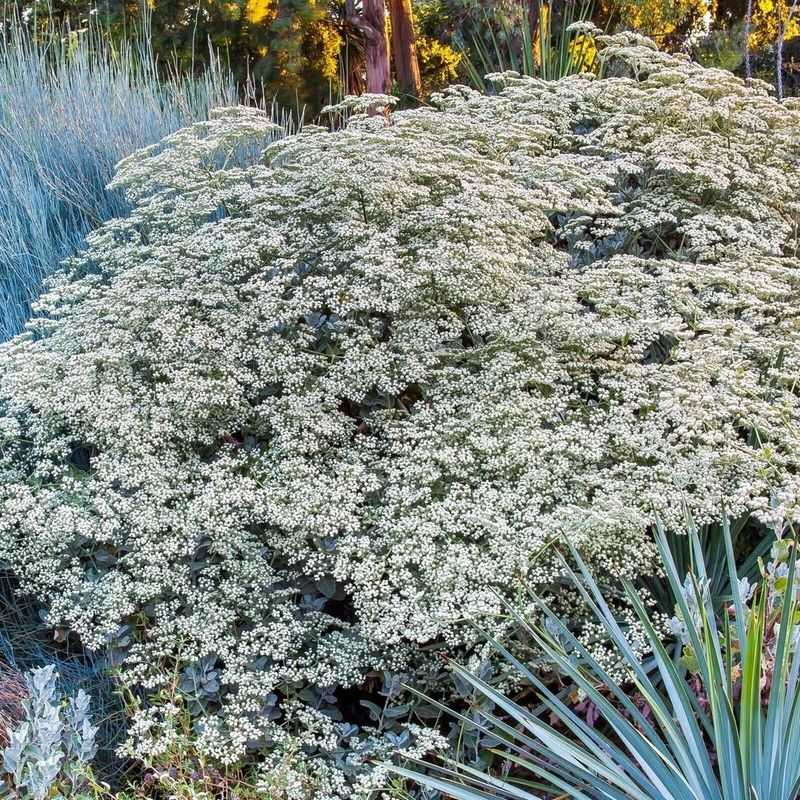
Imagine a shrub so generous with its blooms that it looks like it is wearing a lace tablecloth. St. Catherine’s Lace, or Eriogonum giganteum, is a large native shrub from the Channel Islands of Southern California that produces enormous flat-topped clusters of tiny white flowers.
The effect is genuinely breathtaking.
The flowers start white and slowly age to a rich rusty-red as the season progresses. That means the plant is constantly changing and always interesting.
Butterflies are especially drawn to it, and a mature plant in full bloom can host dozens of butterfly species at once.
St. Catherine’s Lace grows four to eight feet tall and equally wide. It needs full sun and excellent drainage.
Once established in a California garden, it is extremely drought tolerant and practically care-free. The dried flower heads also look beautiful left on the plant through winter, adding texture and structure to the garden during quieter months.
This shrub works well as a large specimen, a backdrop plant, or even a soft, informal hedge. The silvery-green foliage is attractive year-round.
For California gardeners who want something grand and wildlife-friendly without the water bill that bougainvillea racks up, St. Catherine’s Lace is a stunning, practical choice that will impress every visitor to your yard.
10. Lemonade Berry
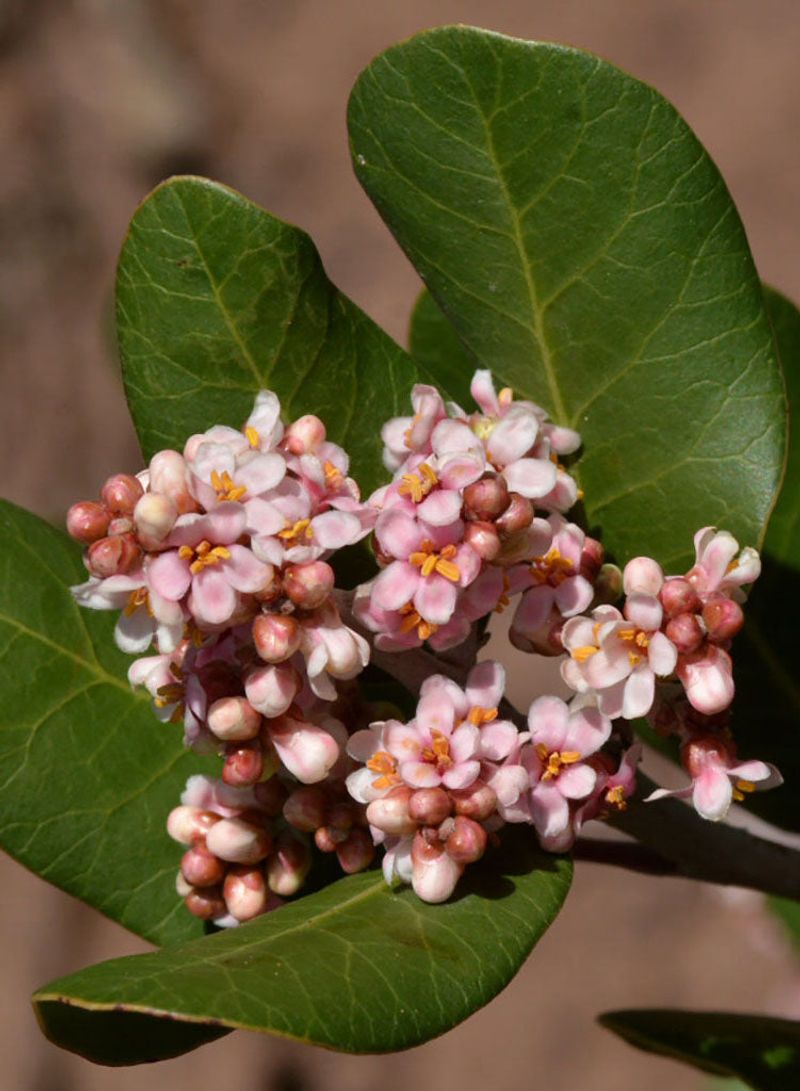
Hardy, handsome, and deeply rooted in California history, Lemonade Berry is a native shrub that deserves far more attention than it gets. Rhus integrifolia is a coastal native found naturally along the bluffs and hillsides of Southern California, and it has been used by Indigenous peoples for centuries.
The tart red berries were soaked in water to make a refreshing lemonade-like drink, which is exactly how it got its memorable name.
The plant itself is tough and dense, growing six to twelve feet tall with glossy, dark green leaves that stay attractive all year. Small pinkish-white flowers appear in late winter and spring, followed by sticky red berries that birds and wildlife eagerly eat.
It is a full-service plant for California ecosystems.
Lemonade Berry is ideal for slopes, hillsides, and erosion-prone areas. Its deep roots anchor soil effectively, which makes it especially useful in fire-prone regions of California where ground stability matters.
It handles wind, drought, and coastal salt spray without missing a beat.
Plant it in full sun with well-drained soil and give it some water during the first summer. After that, it largely takes care of itself.
For anyone replacing bougainvillea with something that looks great, supports wildlife, and actually belongs in California, Lemonade Berry is a deeply satisfying and practical choice for this season.