This Native Shrub Is Replacing Foundation Plantings In Florida Homes
Foundation plantings across Florida are quietly going through a transformation.
The same handful of shrubs that showed up in front of every home for decades are losing ground, not dramatically, not all at once, but steadily, as more homeowners discover what landscape professionals in the state have known for a while.
There is a native shrub that does everything a foundation planting is supposed to do and then some.
Stays full year-round, handles whatever Florida summer throws at it, never outgrows its space in a way that creates headaches, and actually gives something back to the local wildlife in the process.
No constant intervention, no seasonal drama, no expensive replacements every few years.
The frustrating part for anyone still wrestling with the usual foundation planting suspects is that this option has been right there the whole time.
Native to the state, proven in these conditions, and only recently getting the mainstream attention it deserved years ago. Landscape professionals across the state have been specifying it for a while now.
Homeowners are starting to catch on. And once you see it thriving on a neighbor’s property, the usual alternatives start looking a lot less appealing.
The shrub is called Simpson’s Stopper, and it might be the best foundation planting decision a Florida homeowner can make right now.
1. Choose Simpson’s Stopper For A Native Foundation Shrub
Not every shrub sold at a Florida nursery was born for this soil, but Simpson’s stopper genuinely was.
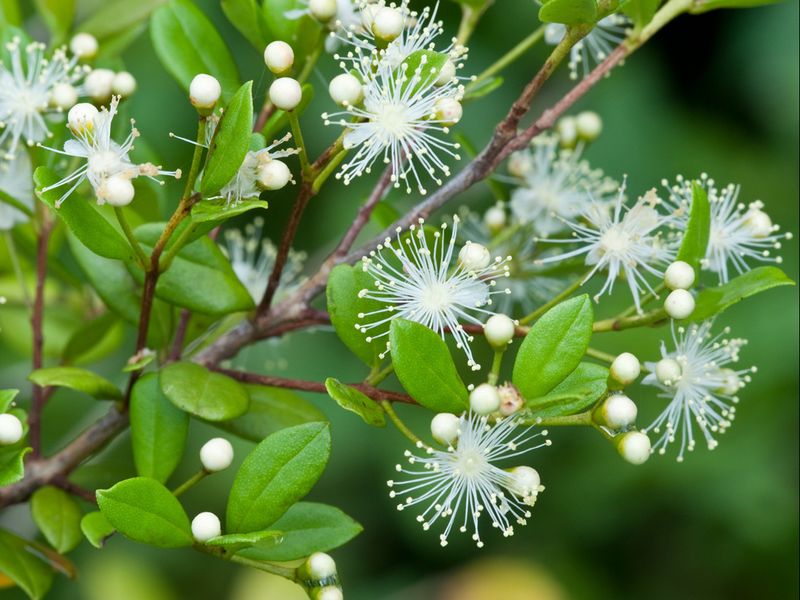
Myrcianthes fragrans, commonly called Simpson’s stopper, is a Florida native evergreen shrub or small tree found naturally in coastal hammocks and related habitats in parts of peninsular Florida and the Keys, especially central and southern coastal counties.
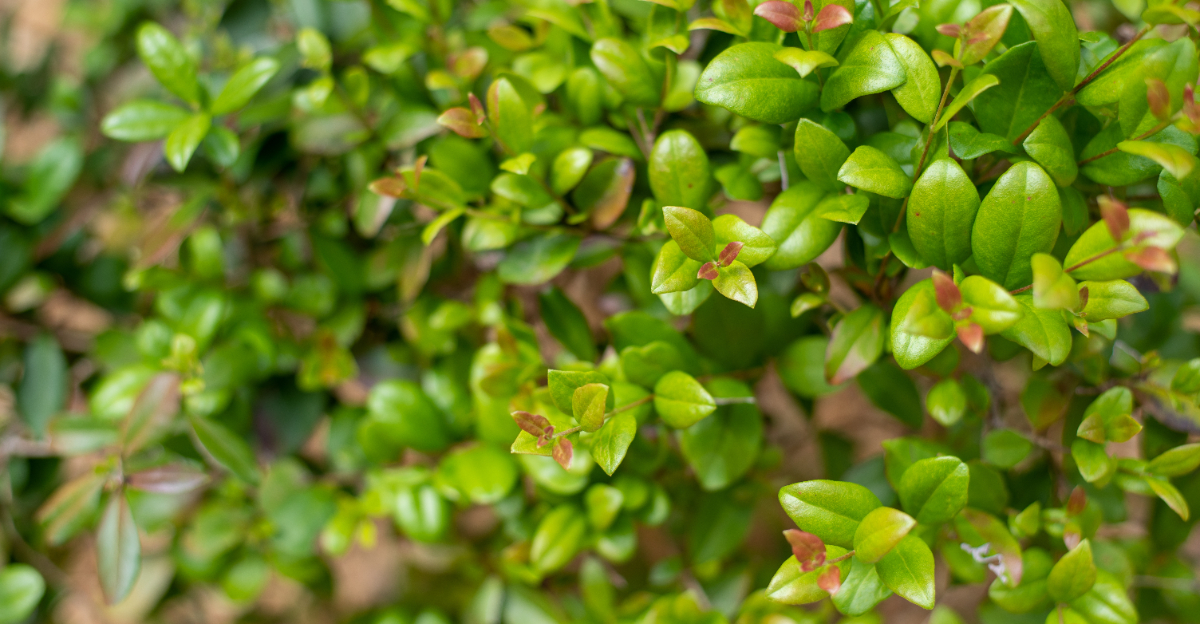
Its dark green, aromatic leaves form a dense canopy that looks polished near a home without requiring constant shaping to maintain that tidy appearance.
Small clusters of white flowers appear on the plant and carry a light fragrance that many gardeners notice and appreciate. After flowering, the plant produces small berries that ripen from orange to red and provide seasonal color.
Birds are known to visit plants that produce these berries, which adds a layer of backyard interest beyond just curb appeal.
One thing worth knowing before purchasing: Simpson’s stopper is not automatically a compact shrub. Left unpruned in a favorable site, it can grow into a large shrub or even a small tree over time.
Choosing the right form or cultivar at the nursery, and planning for mature size, matters more than assuming any plant labeled “stopper” will stay tidy on its own.
2. Use Compacta Where Regular Shrubs Get Too Large
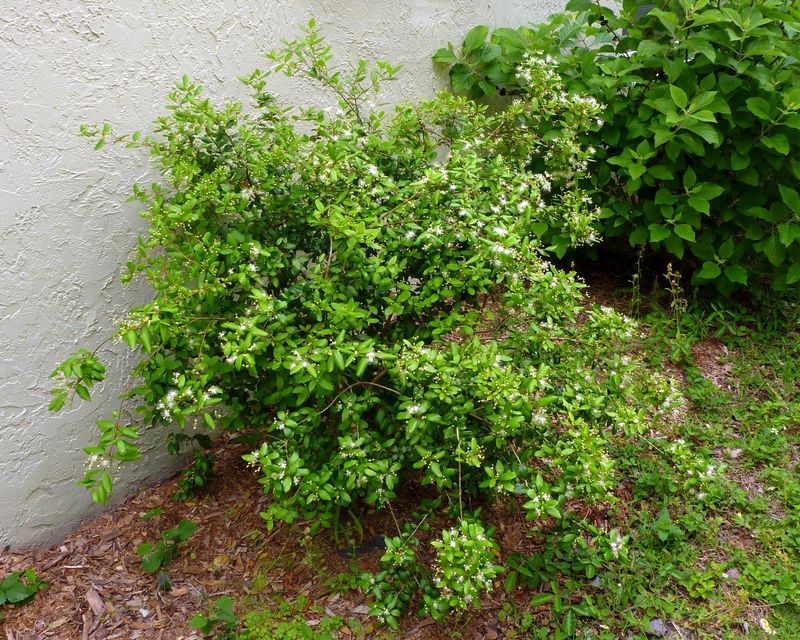
Standard Simpson’s stopper can reach heights of ten feet or more under good conditions, which makes it a poor fit for the narrow bed between a front walkway and a low window. That is exactly where a compact cultivar earns its place.
The compact form of Simpson’s stopper, sometimes sold under the cultivar name Compacta, tends to stay smaller and denser than the straight species, making it a more practical choice for tight foundation spaces.
Your Florida Garden Changes Every Week. Your Plan Should Too.
Gardening in Florida changes quickly throughout the season. Every Friday you’ll receive a simple weekly plan showing exactly what to plant, prune, fertilize, harvest, and protect so you never miss the right timing.
Forcing a large-growing shrub to stay small through repeated hard pruning is one of the most common and frustrating foundation planting mistakes Florida homeowners make.
Constant shearing stresses the plant, removes the flowers and berries before they can develop, and creates a cycle of regrowth that never really ends.
Choosing a compact form from the start saves time, reduces frustration, and lets the plant keep its naturally attractive shape.
Before buying, ask the nursery staff specifically about mature size and confirm whether the plant is the compact cultivar or the standard species. Small differences at the nursery pot stage can mean very different outcomes five years later.
For smaller yards, narrower beds, areas near windows, and spots along walkways, the compact form is the smarter starting point.
3. Give It Sun Or Partial Shade For Flexible Placement
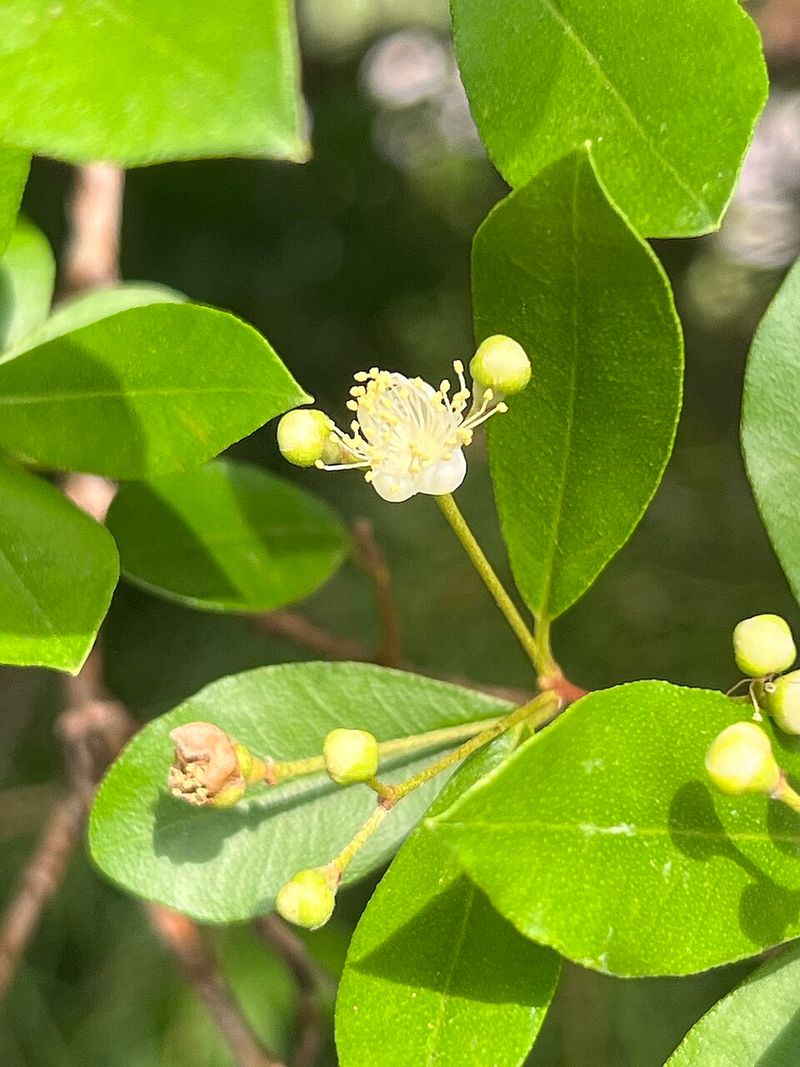
One of the most practical things about Simpson’s stopper for foundation use is its flexibility with light. It can grow in full sun to partial shade, which means it can work on multiple sides of a home without requiring you to redesign your planting plan from scratch.
Most foundation beds get a mix of direct morning sun, afternoon shade, or reflected heat from walls, and Simpson’s stopper handles that range reasonably well.
More sun generally encourages denser, more compact growth and tends to support better flowering and fruiting.
Partial shade can be helpful on the harsh west and south-facing sides of a home in Central and South Florida, where afternoon heat against a light-colored stucco wall can stress less adaptable plants.
Shaded north-facing foundation beds may produce slightly looser growth, but the plant typically remains healthy and attractive.
Inland sites in Central Florida often face intense summer afternoon heat, so some afternoon shade in those locations can reduce stress on newly planted shrubs during establishment.
Coastal sites usually benefit from the moderating effect of nearby water, but salt spray exposure is a separate consideration.
Checking with your local UF/IFAS Extension office about light and siting recommendations for your specific county is always a practical step before planting.
4. Plant It In Well-Drained Soil Near The House
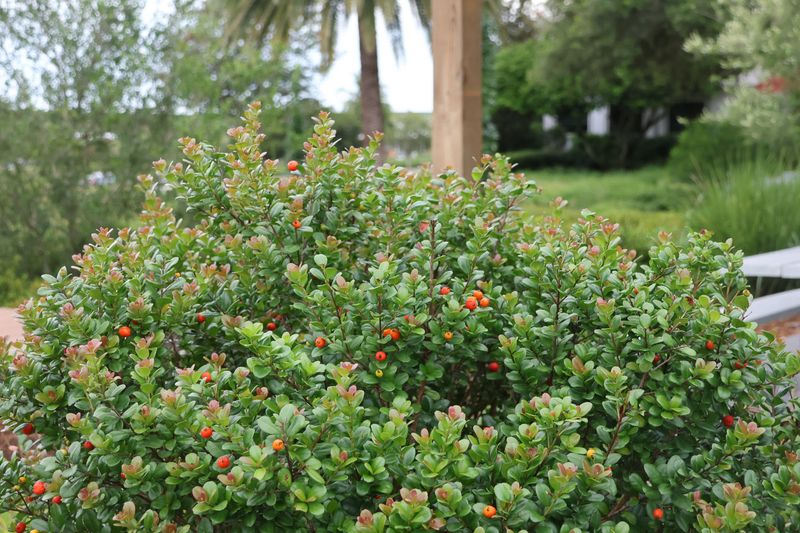
Sandy soil, alkaline limestone-influenced soil, and compacted construction fill are all realities homeowners deal with near their foundations. The good news is that Simpson’s stopper can adapt to a range of soil types as long as drainage is reasonable.
Standing water near the base of any shrub planted against a house is a recipe for root stress and eventual decline, so good drainage is the one condition worth prioritizing before planting.
South Florida gardeners gardening over limestone or marl soils should be aware that drainage and pH can both affect establishment.
In those areas, amending planting holes and using mulch to moderate soil temperature and moisture is especially helpful during the first growing season.
A two- to three-inch layer of mulch around the base of the plant, kept away from the stem, helps conserve moisture and moderate soil temperature without creating a soggy environment.
Plant Simpson’s stopper slightly away from the house wall rather than directly against it. A gap of at least eighteen inches to two feet between the shrub and the foundation improves airflow, reduces humidity around the plant, and allows maintenance access.
Even drought-tolerant native plants need regular watering during their first year in the ground, so plan on consistent irrigation until the plant is fully established in its new spot.
5. Expect Flowers Berries And Wildlife Value
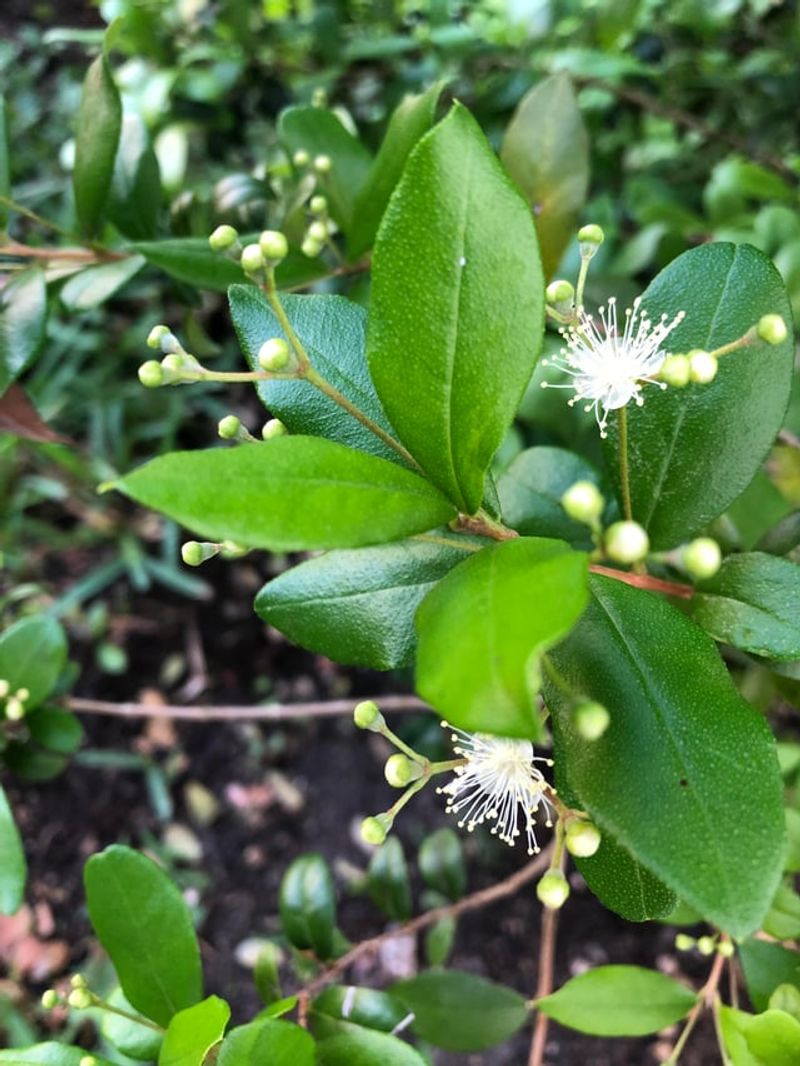
Fragrant white flowers and colorful berries are two of the most appealing seasonal features Simpson’s stopper brings to a foundation bed.
The flowers are small and appear in clusters, and many gardeners describe a pleasant fragrance when standing near the plant in bloom.
Flowering can occur multiple times throughout the year in South Florida’s long warm season, while Central and North Florida plants may flower on a more seasonal schedule.
After the flowers fade, small, round berries develop and ripen through shades of orange and red.
These berries are documented as a food source for birds in native plant references, which adds real ecological value to what might otherwise be just a decorative shrub.
Pollinators including bees can also visit the flowers, making the plant a quiet contributor to the local food web without requiring any extra effort from the homeowner.
Homeowners who prefer a completely tidy, fruit-free foundation bed should understand that berries are part of what makes this plant valuable. Pruning too frequently or too aggressively will remove flower buds and developing fruit before they can mature.
If wildlife visits and seasonal color are goals, allow some natural growth between light pruning sessions rather than shearing the plant back on a rigid schedule every few weeks.
6. Prune It Lightly For A Neat Foundation Look
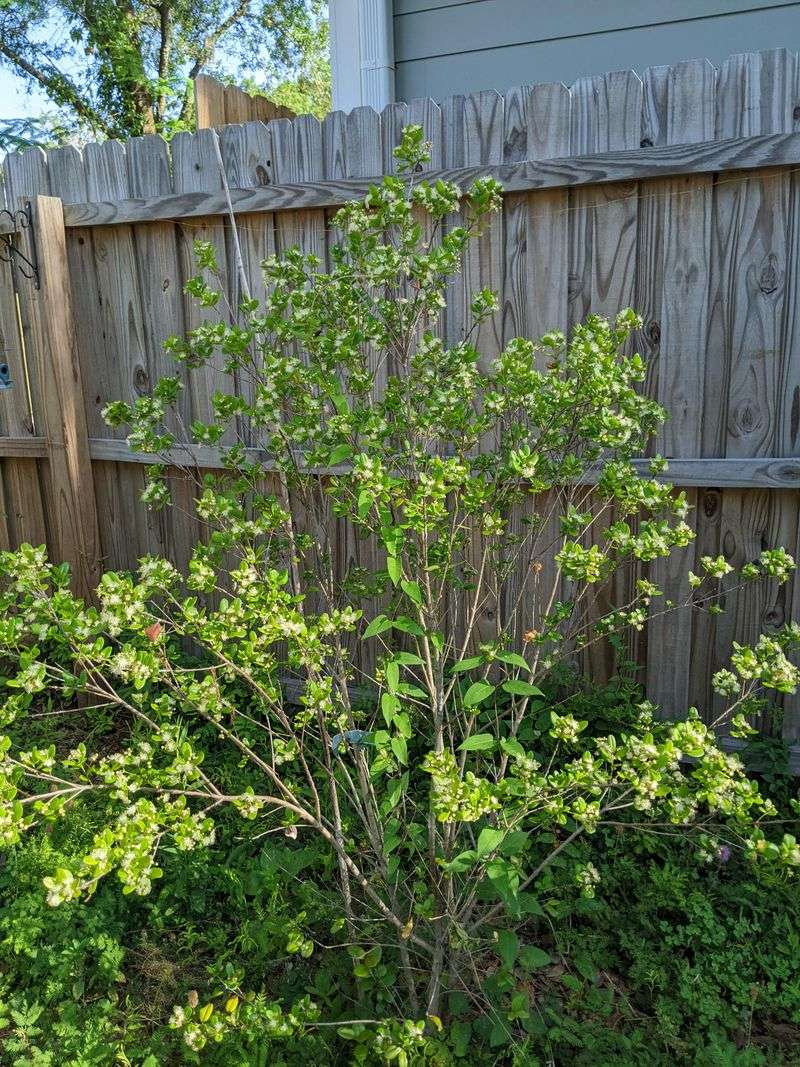
A well-placed Simpson’s stopper near a foundation does not need to be wrestled into a perfect geometric shape to look attractive.
Light, thoughtful pruning to remove wayward branches, maintain clearance from windows, and keep growth away from walkways is usually all it takes to keep the plant looking sharp.
The natural form of Simpson’s stopper is rounded and dense, which already suits foundation beds without heavy intervention.
Constant shearing with hedge trimmers removes the outer layer of growth repeatedly and can reduce flowering and fruiting significantly over time.
Hard pruning also stimulates a flush of soft new growth that can look ragged and requires yet another round of trimming to tidy up.
A better approach is to use hand pruners to selectively remove branches that are crossing, extending too far toward the house, or blocking a window or vent, while leaving the rest of the plant to fill in naturally.
Timing matters too. Avoid heavy pruning right before the plant is expected to flower if seasonal blooms and berries are a priority.
In South Florida, where growth continues nearly year-round, light maintenance pruning can be done more frequently.
In North and Central Florida, late winter or early spring is often a practical time for any significant shaping before the main flush of warm-season growth begins.
7. Match It To The Right Florida Region Before Planting
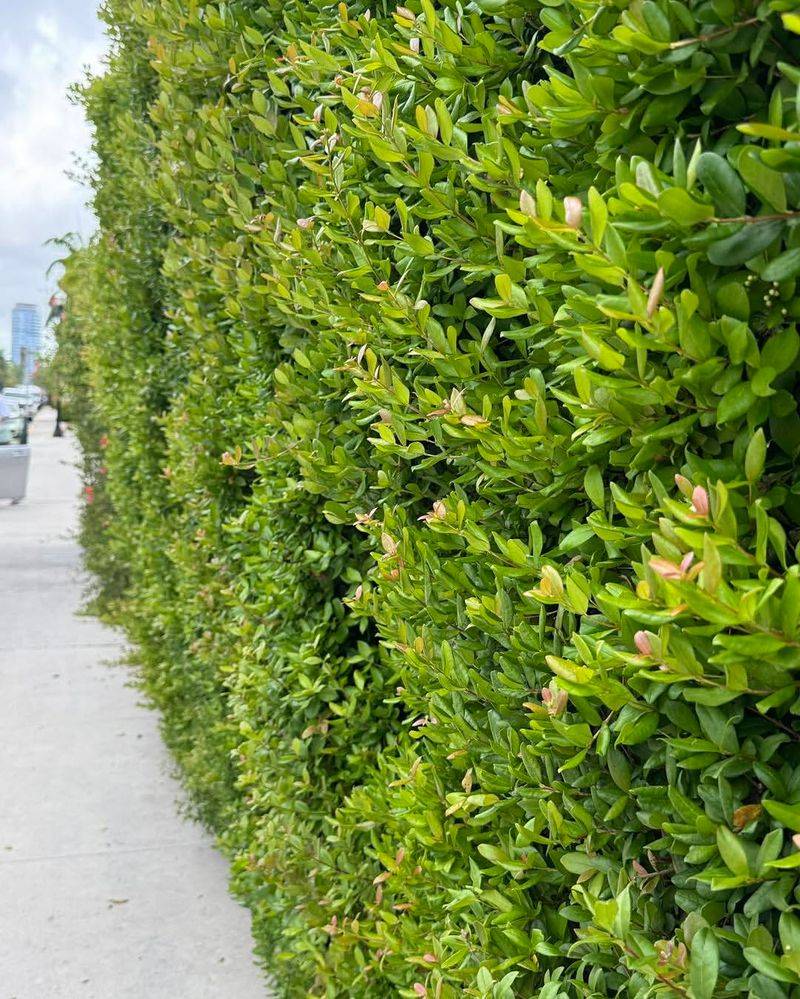
Florida stretches across nearly five degrees of latitude, and that range creates real differences in how plants perform from Pensacola to Key West.
Simpson’s stopper is native to peninsular Florida and the Keys, which means it is well suited to Central and South Florida landscapes.
North Florida gardeners in USDA hardiness zones 8a and 8b should check cold hardiness information and local UF/IFAS Extension recommendations before planting it as a foundation shrub, since occasional hard freezes can stress or damage the plant.
South Florida homeowners gardening in Miami-Dade, Broward, and Palm Beach counties will generally find that Simpson’s stopper grows vigorously and may need more frequent light pruning simply because the warm season never really ends.
Limestone and alkaline soils in parts of South Florida can affect nutrient availability, so monitoring plant health during the first season and adjusting as needed is a smart habit.
Coastal sites throughout the state may face salt spray and wind exposure, and while Simpson’s stopper has some reported tolerance to coastal conditions, placement matters.
Planting it on the sheltered side of a structure or using it as a secondary planting behind a salt-tolerant buffer can extend its success in exposed coastal yards.
Always confirm regional suitability with your county Extension office before purchasing plants for a foundation bed.
8. Avoid Crowding It Against Walls Windows And Walkways
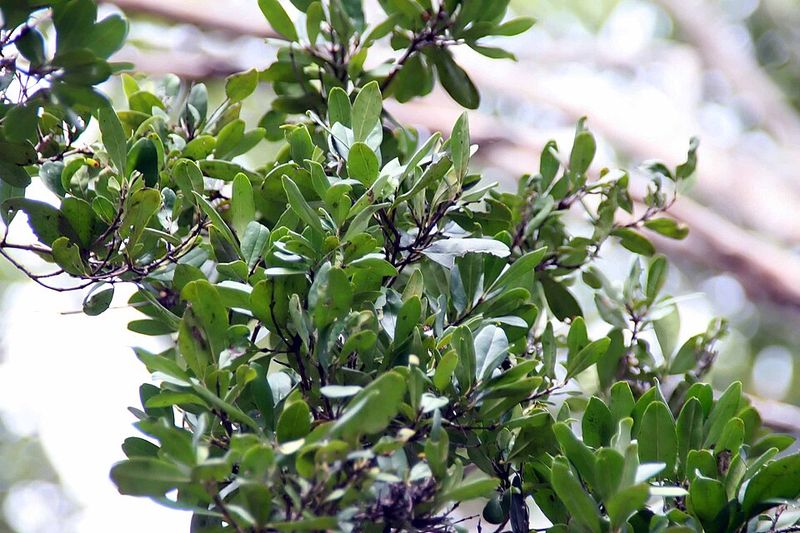
Even a well-chosen native shrub causes problems when it is planted too close to the house. Crowding Simpson’s stopper against a wall, directly under a window, or at the edge of a walkway sets up a situation where the plant and the homeowner are constantly in conflict.
The shrub wants to grow, the space does not allow it, and the result is a maintenance cycle that never really solves the underlying problem.
Plan for mature width, not the size of the plant in the nursery container.
A compact cultivar may reach four to six feet wide at maturity, which means spacing it accordingly from the house wall, from neighboring shrubs, and from any fixed structures like air conditioner units, utility boxes, hose bibs, and porch posts.
Planting too close to an AC unit is a particularly common mistake that restricts airflow and makes service access difficult.
Good spacing also improves airflow around the plant, which matters in humid conditions where poor circulation can encourage fungal issues on foliage.
A properly spaced Simpson’s stopper near a foundation will look more attractive, require less frequent pruning, and allow maintenance crews or the homeowner to reach behind and underneath the plant without a struggle.
Measure before you plant, not after the shrub has already outgrown its spot.