8 Plants To Prune During May In Texas Before Heat Takes Over
May in Texas comes with a pruning deadline that most gardeners don’t fully appreciate until they’ve missed it.
The window between manageable spring temperatures and the kind of relentless heat that makes significant pruning genuinely stressful for plants is shorter than it feels, and once that window closes, the smart move is to put the pruners away and let things ride until conditions improve.
Getting the right cuts in before that point matters more than most people realize. Pruning during active Texas heat isn’t just uncomfortable for the gardener – it’s actively harmful for many plants.
Fresh cuts during extreme temperatures create entry points for stress and disease at exactly the moment when plants have the least capacity to recover.
The plants that get properly pruned in May before the heat locks in come out of summer in significantly better shape than the ones that get left until conditions are already working against them.
This is the month to get it done, and these are the plants that need your attention right now.
1. Rose
Few plants reward a little extra care quite like the rose. In Texas, May is the sweet spot for giving your rose bushes a light trim before temperatures climb into the triple digits.
At this point in the season, roses are actively pushing out new growth, and a careful pruning session sets them up for a stronger second flush of blooms.
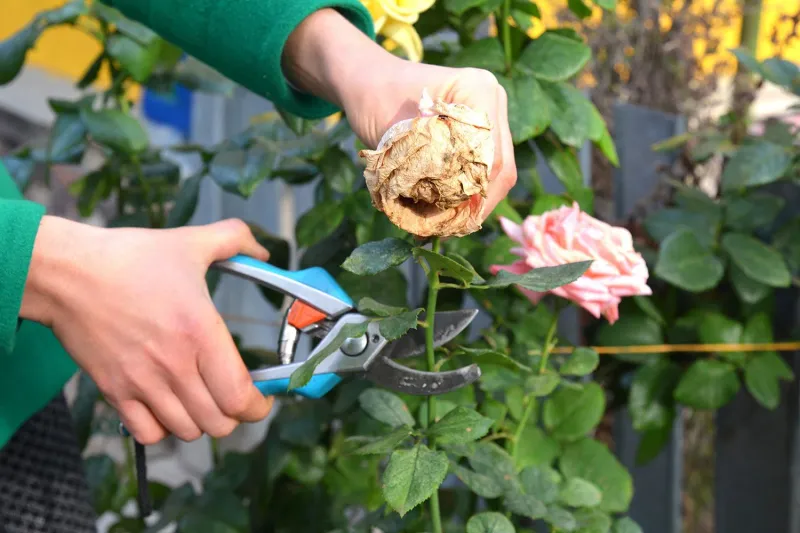
Start by removing any spent flowers, also called deadheading. Cut just above a set of five leaves to encourage a new stem to grow.
While you are at it, snip away any thin, weak, or crossing canes that crowd the center of the plant. Better airflow through the bush means fewer fungal problems, which are very common in Texas humidity.
Do not go overboard with heavy cutting right now. A light touch is all you need in May. Save the hard pruning for late winter or early spring. Use clean, sharp bypass pruners to make smooth cuts, and always wear gloves to protect your hands from thorns.
After pruning, give your roses a good watering and a dose of slow-release fertilizer to help them push out fresh, healthy stems before the real summer heat arrives in Texas.
2. Salvia
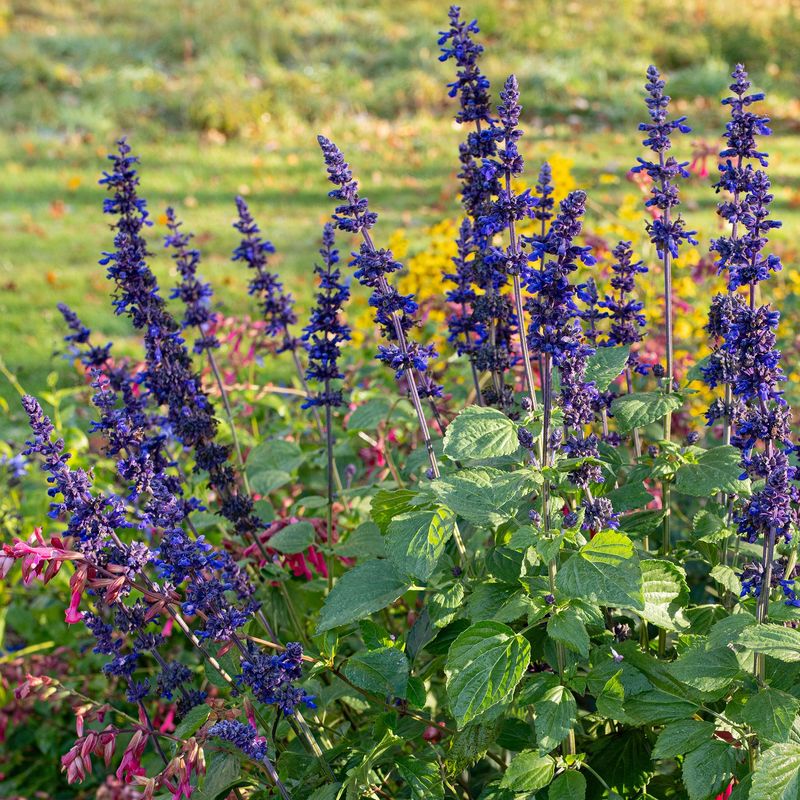
Salvia is a Texas garden favorite for good reason. It handles heat well, attracts pollinators, and keeps blooming through tough conditions.
But by May, many salvia plants have already pushed out their first round of flowers, and those spent blooms need to go if you want a second wave of color before summer fully takes hold.
Cutting back salvia is simple and satisfying. Use clean garden shears to trim the plant back by about one-third.
Focus on removing the faded flower spikes and any leggy stems that have stretched out toward the light. This encourages the plant to branch out and produce fresh side shoots, which means more blooms for you in the coming weeks.
One thing many Texas gardeners overlook is how quickly salvia can get woody and stiff if it is never trimmed. Regular light pruning keeps the plant looking tidy and full rather than sparse and bare at the base.
Your Texas Garden Changes Every Week. Your Plan Should Too.
Gardening in Texas changes quickly throughout the season. Every Friday you’ll receive a simple weekly plan showing exactly what to plant, prune, fertilize, harvest, and protect so you never miss the right timing.
After you trim, water deeply and consider adding a light layer of mulch around the base to hold in soil moisture.
Texas summers are no joke, and keeping the roots cool gives your salvia the best shot at thriving well into fall. Deadheading alone can extend the bloom season by several weeks.
3. Lantana
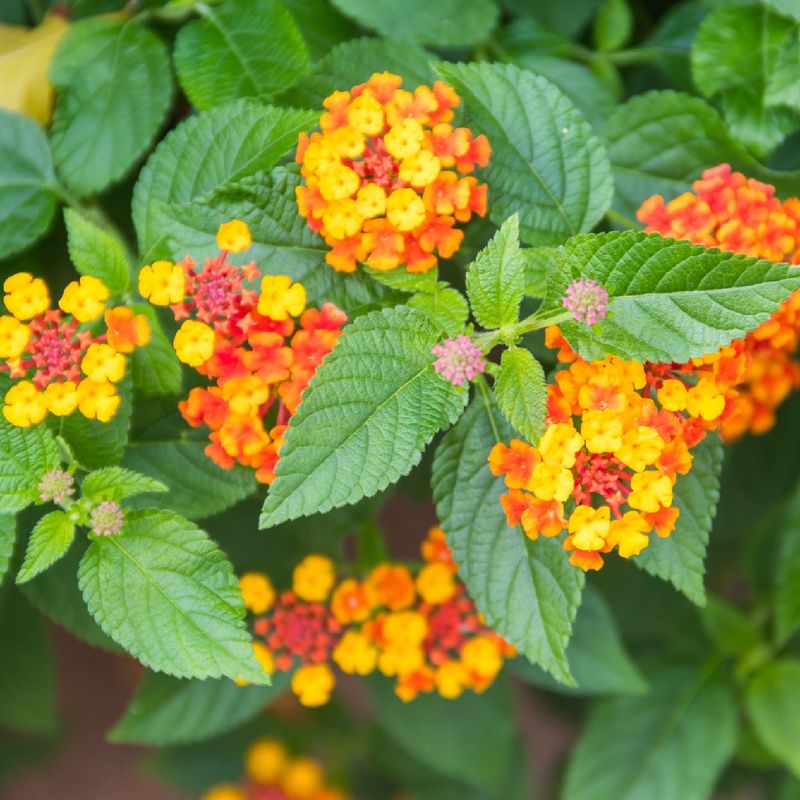
Lantana is one of the toughest plants you can grow in Texas, but even the toughest plants benefit from a good trim. By May, lantana that was planted last year may look a little scraggly or uneven after pushing through the cooler months.
A pruning session now helps reshape the plant and gets it ready to put on a full summer show.
Trim lantana back by one-third to one-half, cutting just above a leaf node. You do not need to be too precise here since lantana bounces back quickly.
The goal is to remove old woody growth and encourage fresh, green stems that will carry the next round of colorful blooms. This also helps control the size of the plant before it goes into full summer growth mode.
Lantana is beloved by butterflies and hummingbirds, so keeping it healthy and blooming through summer is a win for your whole garden ecosystem. In Texas, lantana can spread quite a bit in the heat, so shaping it in May keeps it from overtaking nearby plants.
After pruning, give it a deep watering and let the soil dry out between waterings. Lantana actually prefers slightly dry conditions, so do not overwater once the summer heat settles in across Texas.
4. Esperanza
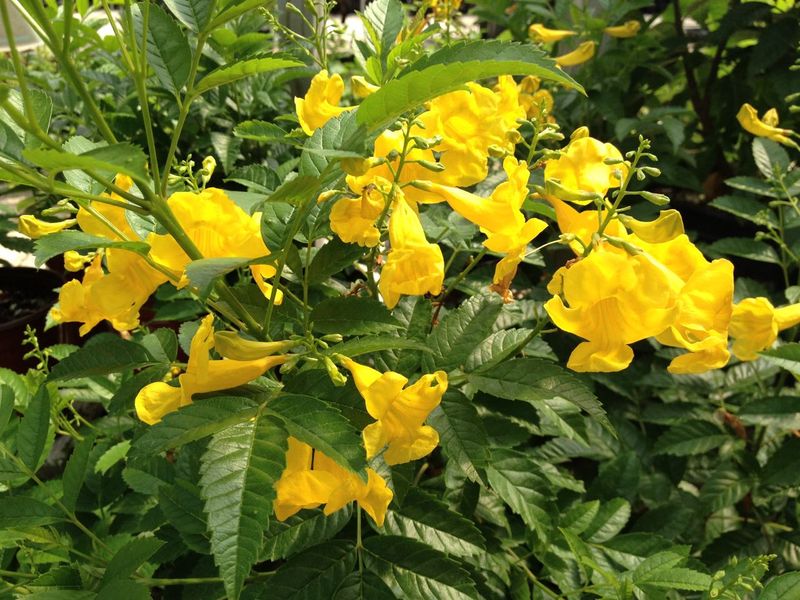
Esperanza, also known as yellow bells, is a showstopper in Texas landscapes. Its bright yellow trumpet-shaped flowers are hard to miss, and it blooms reliably through the hottest part of the year.
But to get the fullest, most impressive display possible, a little pruning in May makes a big difference before the real heat arrives.
By this time of year, esperanza may have put out long, reaching stems that make the plant look uneven or sparse. Cutting those leggy branches back by about one-third encourages the plant to branch out from lower on the stem.
More branches mean more flower tips, and more flower tips mean more of those gorgeous yellow blooms through the summer months.
Esperanza thrives in full sun and handles Texas heat like a champion, but it still benefits from some attention in the spring. Use sharp hand pruners and make clean cuts just above a node or set of leaves.
Avoid cutting into the very woody base of the plant at this time of year. After pruning, water thoroughly and allow the soil to dry out somewhat between waterings.
Esperanza is drought-tolerant once established, making it a perfect fit for water-wise Texas gardens. A little shaping now pays off in big, bold blooms all summer long.
5. Hibiscus
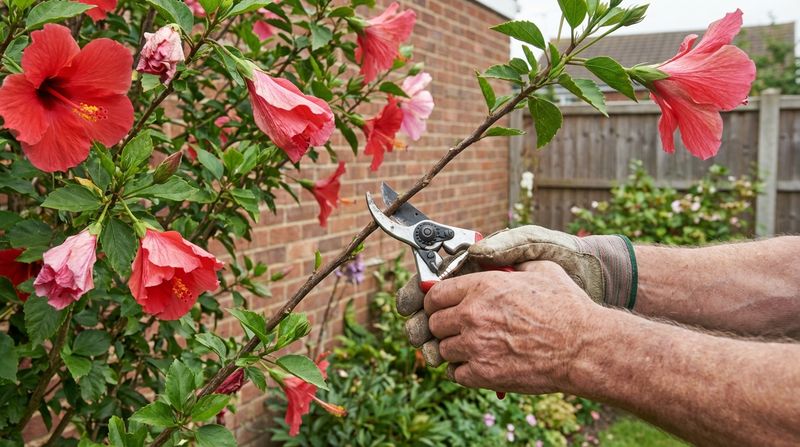
Walking past a hibiscus in full bloom is hard to do without stopping for a second look. Those big, bold flowers are practically made for Texas summers.
But before the heat really cranks up, a light trim in May helps the plant develop strong, well-branched stems that can support all those flowers through the long, hot months ahead.
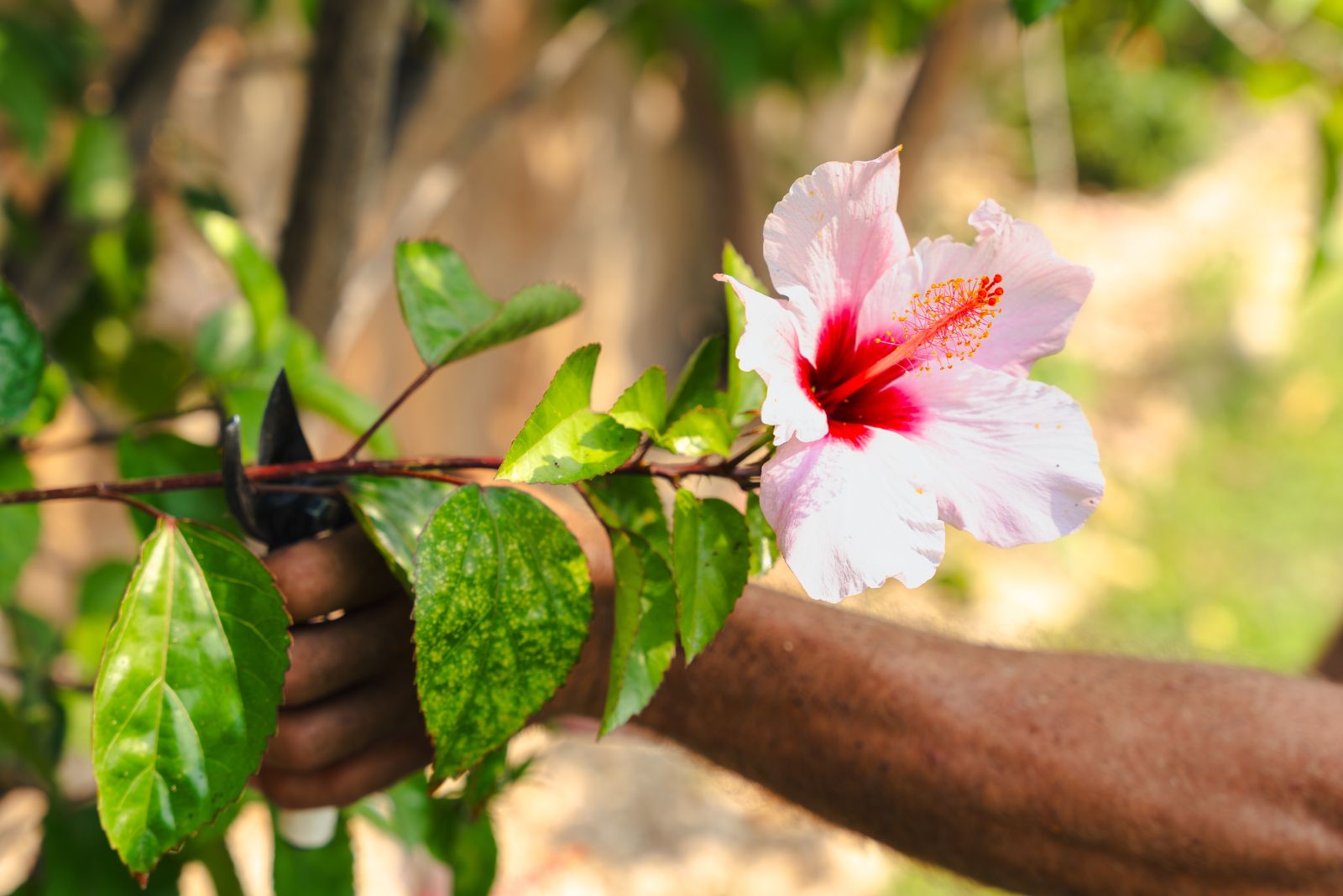
For tropical hibiscus, focus on trimming back any branches that are crossing, crowding, or growing in an awkward direction. Cut back to just above a healthy leaf or bud.
This opens up the plant and lets air and light reach all parts of the shrub. Better light distribution means more even flowering rather than just blooms at the tips of long, bare stems.
Texas Rose Mallow and other native hibiscus varieties also benefit from a light cleanup in May. Remove any dry or damaged stems from the winter months if you have not already done so.
After pruning, give your hibiscus a feeding with a balanced fertilizer that is slightly higher in phosphorus to support flower production. Hibiscus is a heavy feeder, especially during the growing season in Texas.
Keep the soil consistently moist but not waterlogged, and your hibiscus will reward you with weeks of stunning, saucer-sized blooms through the summer heat.
6. Oleander
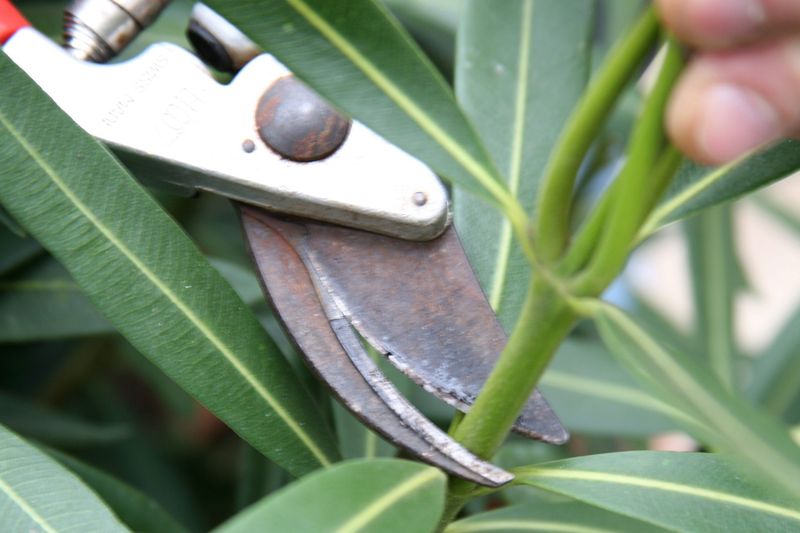
Oleander is practically built for Texas. It handles heat, drought, and coastal conditions with ease, and it rewards low maintenance with gorgeous clusters of flowers in shades of pink, red, white, and yellow.
May is the right time to tidy it up after its spring growth surge before summer temperatures make outdoor work uncomfortable.
After the first flush of spring growth, oleander can put on quite a bit of new length in a short time. Left unchecked, it can quickly outgrow its space or develop an uneven, top-heavy shape.
Pruning in May helps control the size and encourages a denser, more balanced structure heading into summer. Remove any dry, damaged, or crossing branches first, then selectively trim back longer stems to maintain the shape you want.
One important note about oleander: always wear gloves and long sleeves when pruning, as all parts of the plant contain a sap that can irritate skin.
Wash your hands and tools thoroughly after you finish. Never compost the trimmings since the sap can linger. Dispose of them in the trash instead.
Despite this extra precaution, oleander remains one of the most dependable flowering shrubs across Texas. With a little shaping in May, it will stay looking neat and continue blooming beautifully through the hottest stretch of the Texas summer season.
7. Yaupon Holly
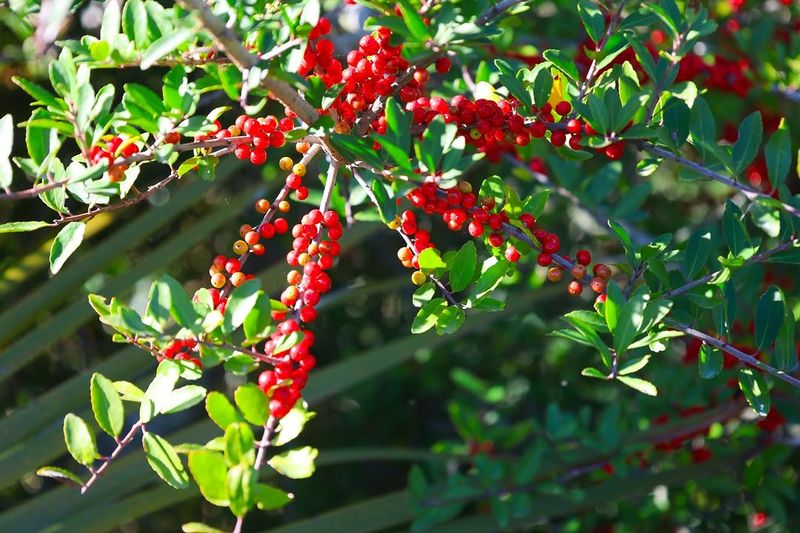
Yaupon holly might just be the most underrated native plant in Texas. It is tough, adaptable, and looks great in both formal and naturalistic landscapes.
By May, yaupon holly has typically finished a big push of new spring growth, making it the ideal time to shape it up before the summer heat locks things in for the season.
Grab a pair of hedge shears or hand pruners depending on the size of your plant. The goal is to clean up any wayward branches that are sticking out beyond the desired shape and to thin out any areas that look crowded or dense.
Removing overcrowded branches improves airflow through the canopy, which reduces the chance of fungal issues during Texas humid spells.
Yaupon holly is remarkably forgiving when it comes to pruning, so do not stress too much about making a mistake. It bounces back quickly and will push new growth within a few weeks.
Whether you are growing it as a hedge, a small tree, or a rounded shrub, a May trim keeps it looking intentional and well-maintained. If you have a weeping yaupon variety, focus on removing any upright shoots that disrupt the graceful, cascading form.
Yaupon holly is a native Texas plant, which means it is already perfectly suited for the climate and needs very little extra care after pruning.
8. Crepe Myrtle
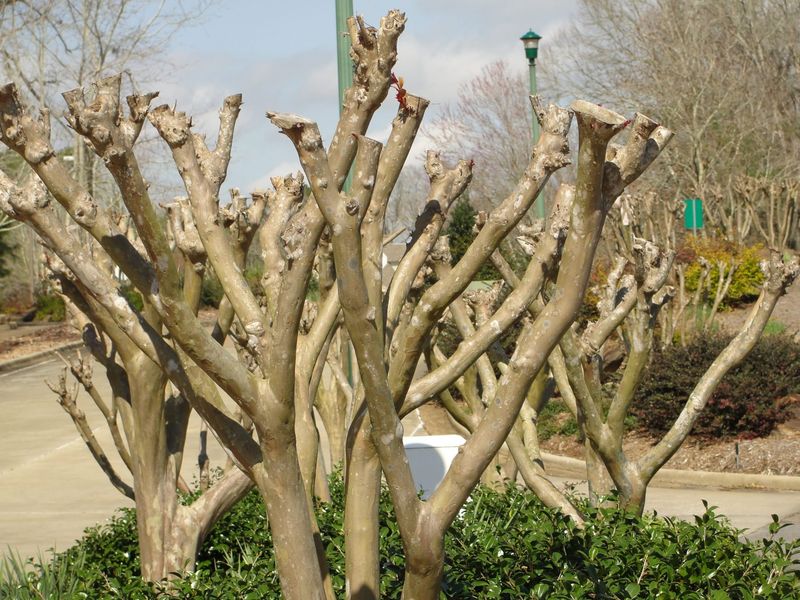
Crepe myrtles are everywhere in Texas, and for good reason. They are heat-tolerant, drought-resistant, and put on a spectacular summer flower show.
But there is one pruning mistake that Texas gardeners make every year, and May is a good time to correct it or avoid it altogether: over-pruning, often called crepe murder.
Heavy topping of crepe myrtles is not recommended at any time of year, but May is actually a great month for light cleanup pruning. Remove any suckers coming up from the base of the tree, as these steal energy from the main trunks.
Snip off any small, twiggy branches that clutter the interior of the canopy, and remove any crossing branches that rub together. This kind of careful, selective pruning improves airflow and lets more light reach the flowering branches.
At this point in May, crepe myrtles in Texas are setting up their flower buds for the summer. Avoid cutting back the tips of the main branches since that is where the blooms will come from.
Keep your cuts minimal and purposeful. A clean, well-structured crepe myrtle will deliver a much more impressive flower display than one that has been hacked back repeatedly.
After pruning, a light application of fertilizer helps fuel that upcoming bloom season. Your neighbors will definitely notice the difference come July and August in Texas.