How To Help California Avocado Trees Survive Summer Heat
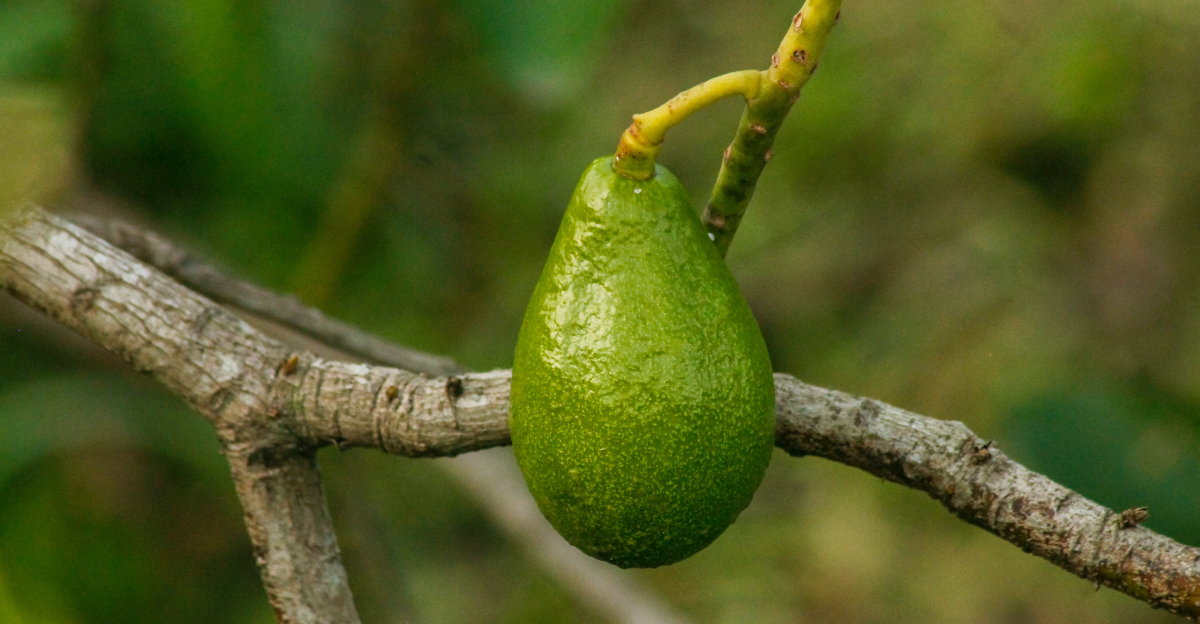
Avocado trees and California sunshine seem like a natural match, and in many ways they are.
But there’s a version of California summer heat that even avocados struggle with, and gardeners who have watched a previously healthy tree drop fruit, scorch leaves, or go into visible stress during a brutal heat stretch know exactly how quickly things can go sideways.
Heat tolerance has limits, and avocados hit theirs faster than most people expect. The trees that come through summer looking strong and productive are not just lucky.
They’re prepared. A few targeted steps taken before and during the hottest months make a significant difference in how well an avocado tree handles the heat, holds onto its fruit, and recovers quickly when temperatures finally drop.
California summers are not getting easier, and the gardeners treating avocado care as a year-round commitment rather than a warm-weather afterthought are the ones consistently pulling the best harvests.
What you do right now matters more than most people realize.
Deep Water Today Before The Heat Steals Your Summer
Watering your avocado tree before a heat wave arrives is one of the smartest moves you can make. Think of it like filling up a water bottle before a long hike.
If the soil is already dry when temperatures spike, your tree has nothing to pull from.
Avocado trees have shallow roots that dry out fast. In California, summer temperatures can push well past 100 degrees in inland areas.
A deep watering session a day or two before a heat wave helps the soil hold moisture longer, giving roots something to work with during the worst of the heat. Mulching around the base of the tree right after watering locks that moisture in even longer, reducing evaporation significantly during the hottest days.
Deep watering means letting water soak slowly into the soil, not just wetting the surface. Use a drip system or a slow hose for at least 30 to 60 minutes.
Water should reach 12 to 18 inches deep. Shallow watering encourages surface roots that dry out even faster.
During an active heat wave, check soil moisture every day rather than sticking to a fixed schedule, since extreme heat pulls moisture out of the ground faster than normal conditions would. Give your tree a thorough drink before the forecast shows triple digits, and you will be ahead of the problem before it starts.
Mulch Those Shallow Roots Before Summer Burns Them Out
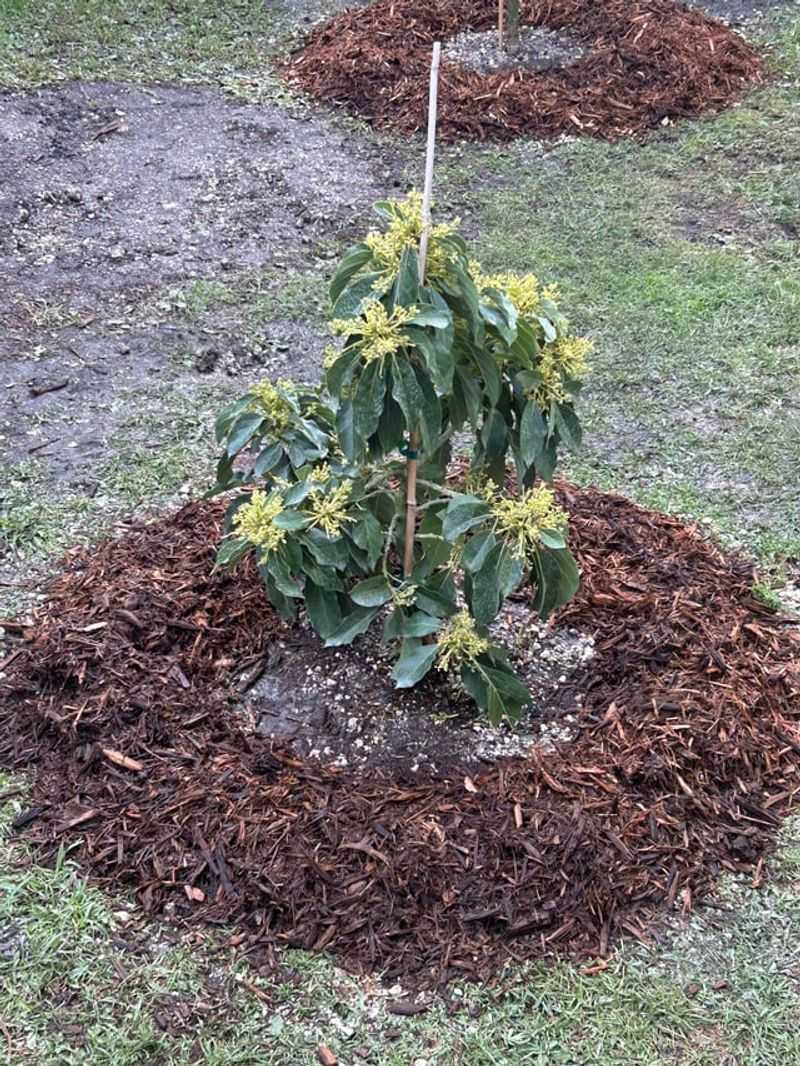
Avocado roots are surprisingly close to the surface. That means they heat up fast when the California sun beats down on bare soil all day.
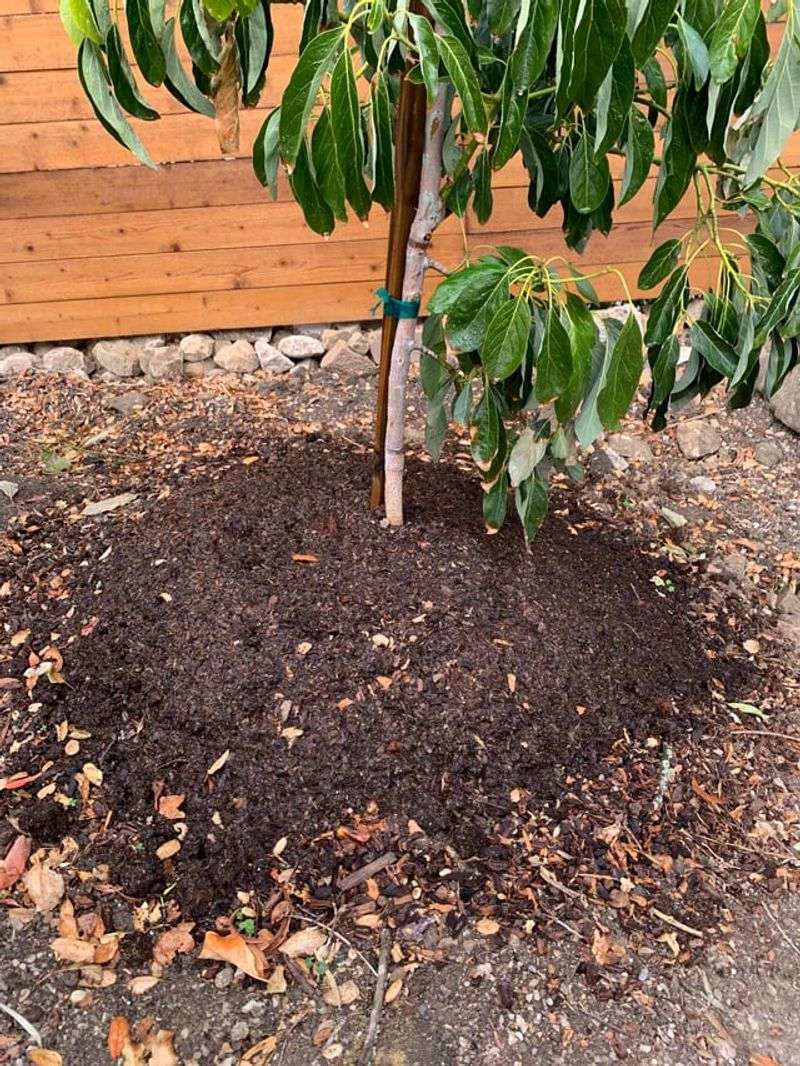
A thick layer of mulch acts like a blanket, keeping the ground cooler and slowing down moisture loss.
Wood chips work great for this. Spread them about 4 to 6 inches thick, starting a few inches away from the trunk and reaching out to the drip line of the tree.
Never pile mulch right against the bark because that can cause rot and invite pests. Keeping that gap around the base is a small detail that makes a real difference in the long-term health of the tree.
Your California Garden Changes Every Week. Your Plan Should Too.
Gardening in California changes quickly throughout the season. Every Friday you’ll receive a simple weekly plan showing exactly what to plant, prune, fertilize, harvest, and protect so you never miss the right timing.
Beyond keeping roots cool, mulch also breaks down slowly over time and adds nutrients back into the soil. It reduces how often you need to water, which saves you time and money.
In hot regions like Riverside or the San Fernando Valley, where summer ground temperatures can get extremely high, mulch is not optional. It is one of the easiest and most affordable things you can do to protect your tree.
Fresh mulch applied at the start of summer also helps suppress weeds that would otherwise compete with your avocado’s shallow root system for whatever moisture is available. Organic mulch from a local garden center or even shredded leaves from your own yard works perfectly well for this job, and your tree will show the difference by the end of the season.
Temporary Shade Now Could Save Your Young Trees
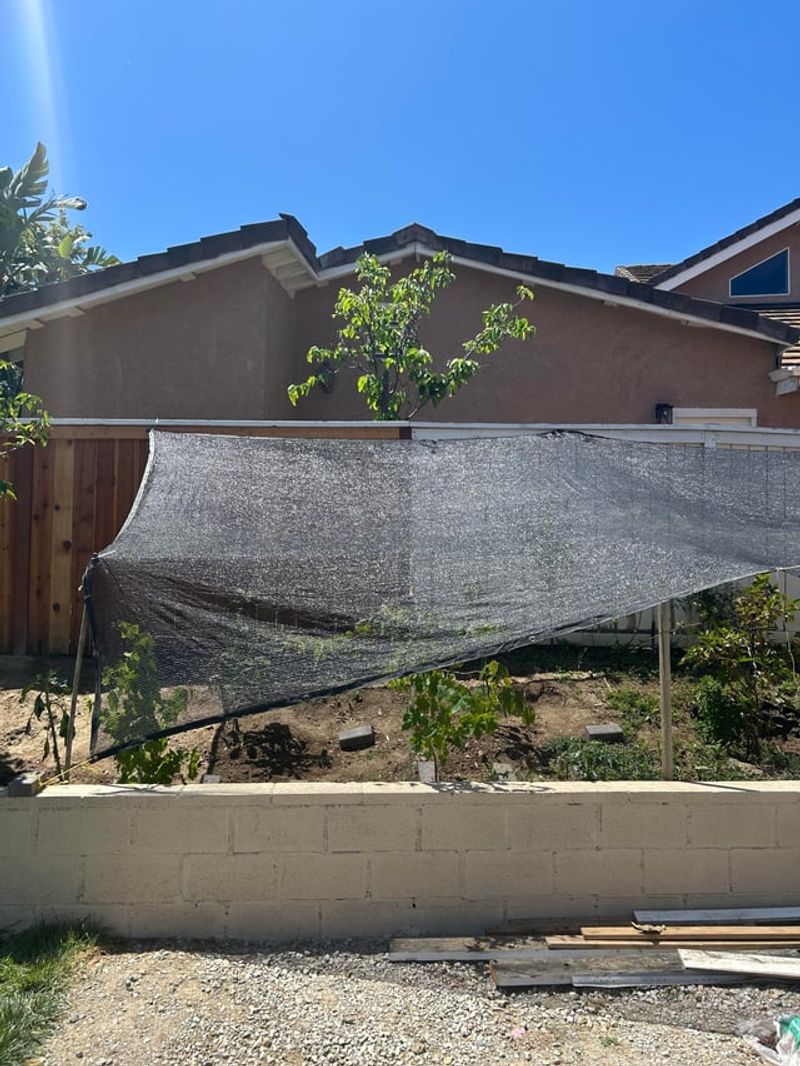
Young avocado trees are not ready to handle full California summer sun on their own. Trees that are less than three years old have not yet built up the root system or canopy size needed to manage intense heat.
They need a little help.
Shade cloth is an easy and affordable solution. You can find it at most garden supply stores in California.
A 30 to 50 percent shade cloth draped over a simple frame can reduce leaf temperature significantly. Set it up on the south and west sides of the tree where afternoon sun hits the hardest.
If you are not sure which direction gets the most brutal afternoon exposure in your yard, just watch where the shadows fall between two and five in the afternoon. That is your target zone.
You do not need to keep the shade cloth up all season. Use it during heat waves or when temperatures are expected to stay above 95 degrees for several days in a row.
Remove it when cooler weather returns so the tree still gets the light it needs to grow. Think of it as a temporary sunhat for your tree.
It is also worth checking on young trees daily during extended heat stretches, since stress signs like drooping leaves or dry leaf edges can appear quickly and are much easier to address early than after significant damage has already set in. This simple step can prevent sunburn on tender leaves and help young trees make it through their first few tough California summers without losing ground.
Exposed Bark Can Burn And It Happens Faster Than You Think
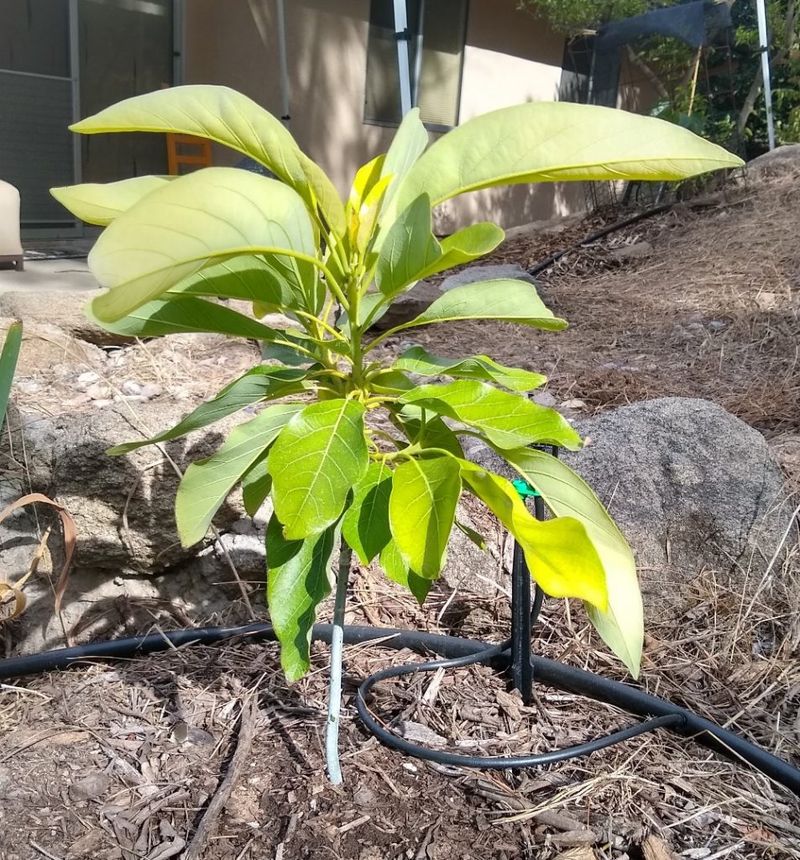
Sunburned bark is a real problem for avocado trees in California, especially after pruning or when a tree is still young and has thin bark. When the sun hits exposed trunk directly, the bark can crack, peel, and become damaged.
That damage opens the door for insects and disease.
One of the oldest tricks in the book is painting the trunk with diluted white latex paint. Mix it half and half with water and brush it onto the exposed parts of the trunk.
The white color reflects sunlight instead of absorbing it, which keeps the bark temperature much lower. It sounds simple because it is, and it works really well.
You can also wrap the trunk with tree wrap or burlap if you prefer not to use paint. Both options give the bark a layer of protection from direct sun.
In hotter inland parts of California, this step is especially important for trees planted in open areas with no nearby shade. Check the trunk every few weeks during summer and reapply paint if it starts to wear off.
Protecting the bark early means fewer problems to deal with later in the season.
Summer Heat And Pruning Do Not Mix, Here Is Why
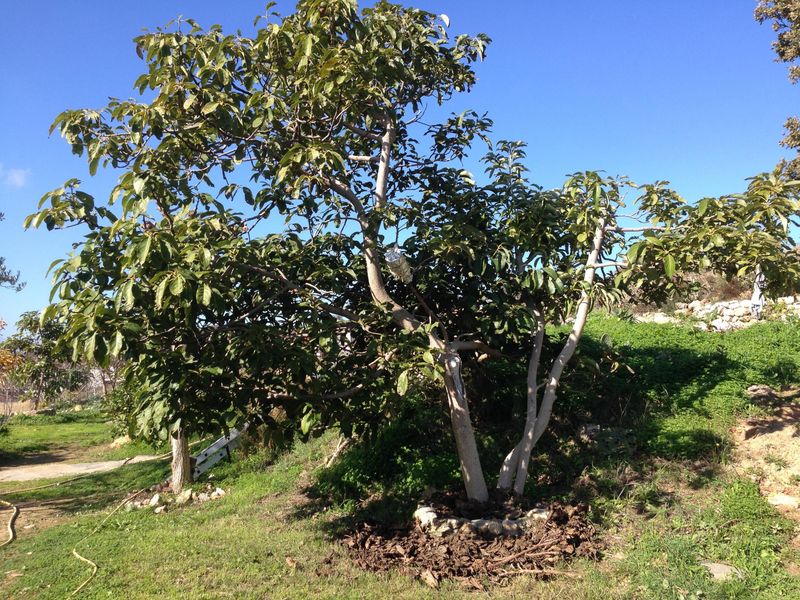
Pruning might seem like a good summer project, but it is actually one of the worst things you can do to an avocado tree when temperatures are high. Every cut you make removes leaves, and leaves are what shade the bark and branches underneath.
Less shade means more sunburn risk for the tree itself.
Avocado trees in California are already working hard to stay cool during summer. Pruning adds stress on top of stress.
The tree has to use extra energy to heal the cuts while also managing heat. That double load can slow fruit production and weaken the tree going into fall.
Save major pruning for late winter or early spring, before the heat arrives. If you absolutely must remove a broken or dead branch during summer, make the cut clean and quick.
Do not do a full shaping session or heavy trimming when it is hot outside. The canopy of an avocado tree is its best natural protection against the summer sun.
Keeping it full and intact during the hottest months in California is one of the simplest ways to support the tree through the season without adding unnecessary strain.
Hold Off On Fertilizer Until Temperatures Come Back Down
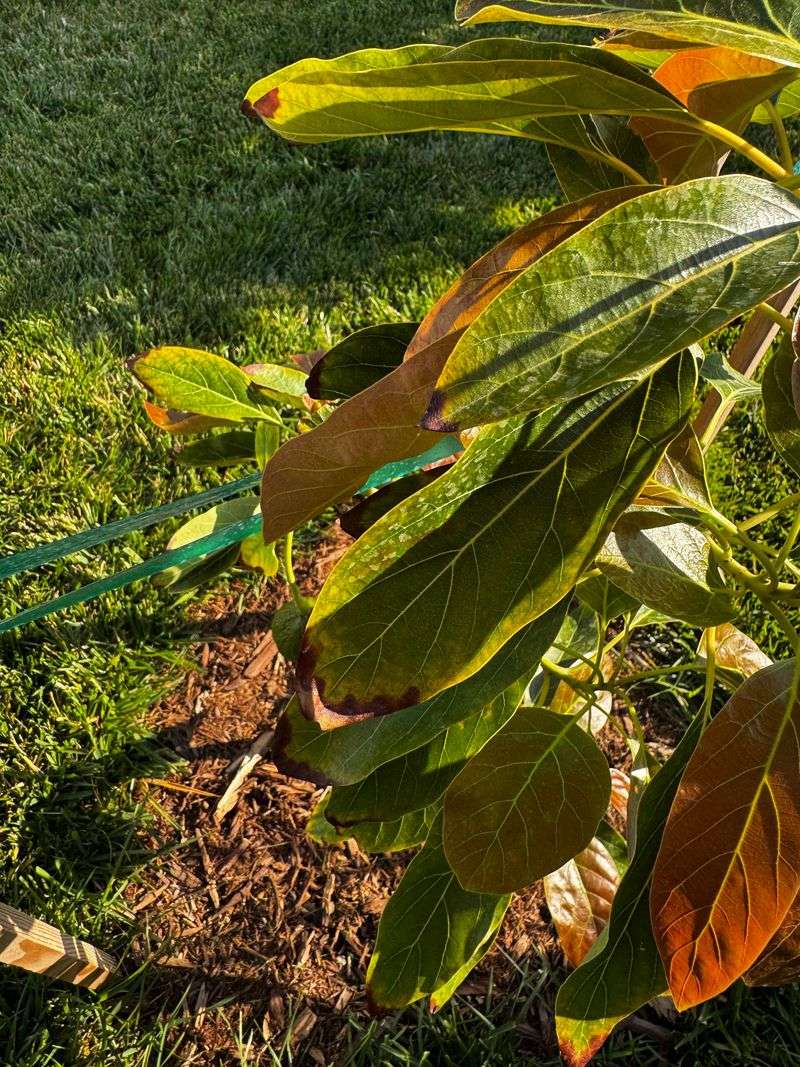
Fertilizer is great for avocado trees during the growing season, but heat waves are not the time to use it. When temperatures are extremely high, the tree shifts into survival mode.
Its main focus is staying cool and holding onto moisture, not growing new leaves or pushing out fruit.
Adding fertilizer during a heat wave can actually backfire. Fertilizer salts can build up in dry soil and pull moisture away from the roots, which puts the tree under even more stress.
In California, where some summer stretches bring weeks of triple-digit heat, this mistake can cause real damage to root systems.
A good rule to follow is to pause fertilizing when temperatures are above 90 degrees for several days in a row. Wait until conditions cool down before resuming your feeding schedule.
Once fall arrives and temperatures drop, you can get back on track with a balanced fertilizer made for avocado trees. Timing your fertilizer schedule around the weather, rather than just the calendar, is a smart habit that many experienced California growers swear by.
Your tree will respond much better when it is fed during comfortable growing conditions rather than during peak summer stress.
Do Not Water By Schedule, Check The Moisture First
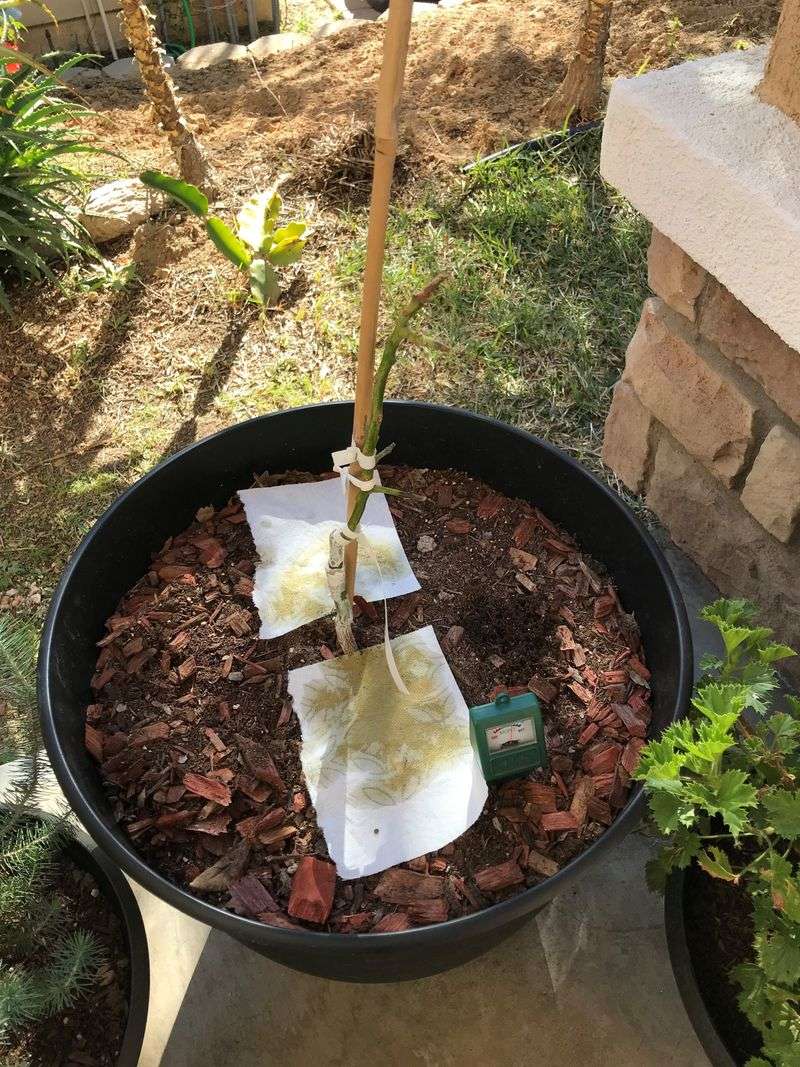
Guessing whether your avocado tree needs water is a risky habit, especially in California summers. Overwatering and underwatering both cause problems, and the signs can look surprisingly similar.
Yellowing leaves, drooping, and fruit drop can all happen from too much or too little water.
A soil moisture meter is a small and inexpensive tool that takes the guesswork out of the equation. Push the probe about 6 inches into the soil near the drip line of the tree.
If the reading shows dry or barely moist, it is time to water. If it shows wet, hold off for another day or two.
You can also do a simple finger test by pushing your finger a few inches into the soil. If it feels dry at that depth, water the tree.
If it still feels damp, wait. Avocado trees prefer soil that stays evenly moist but never soggy.
During summer in California, you may need to check moisture levels every couple of days because heat pulls moisture out of the soil quickly. Building this habit into your weekly routine keeps your tree from going through unnecessary stress between waterings.
Stop Letting Grass Compete With Your Tree For Water
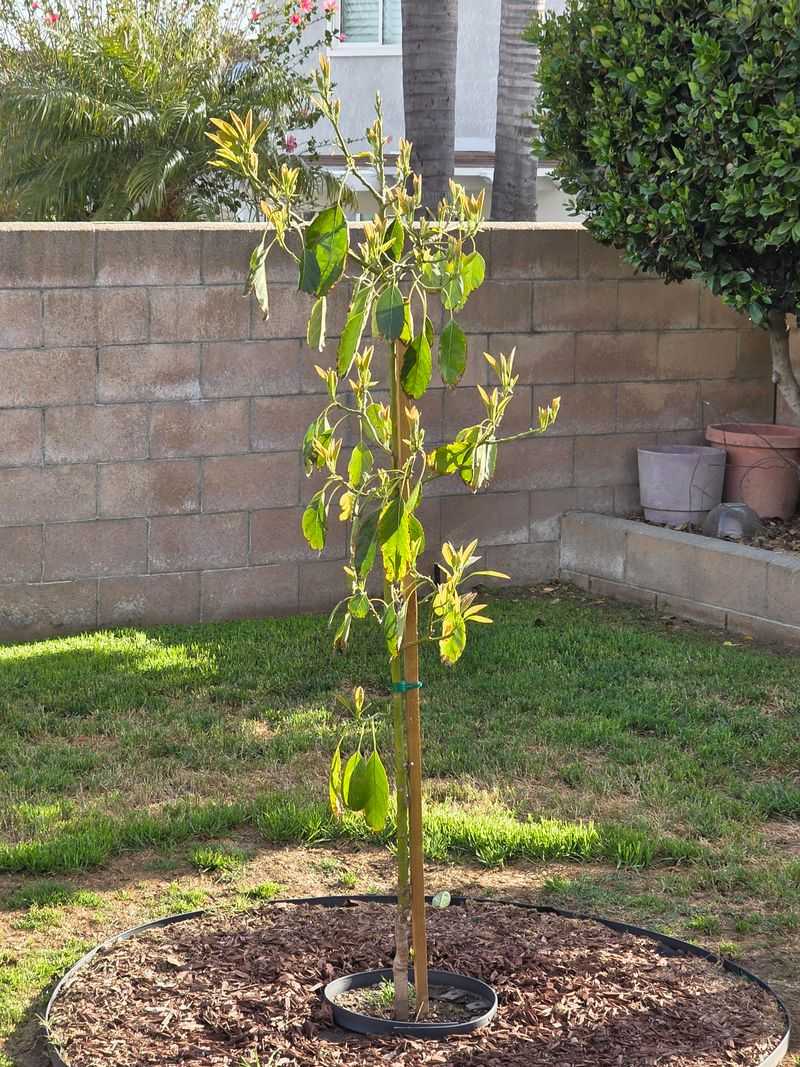
Grass growing right up to the base of an avocado tree might look tidy, but it creates a hidden problem. Grass roots compete aggressively for the same water and nutrients that your avocado tree needs, especially during hot California summers when resources are already stretched thin.
Lawn grass is particularly aggressive. It can pull moisture out of the top layer of soil very quickly, leaving the shallow roots of your avocado tree without enough water even after a good watering session.
This competition gets worse when temperatures rise and water demand from all plants increases at the same time.
Clear a ring around the tree that extends at least 3 to 4 feet from the trunk in all directions. Remove the grass and replace it with mulch instead.
This simple change reduces competition, holds moisture in the soil, and keeps the root zone cooler. In regions like Fallbrook, Temecula, and other avocado-growing communities in California, keeping a clean mulch ring around the base of the tree is standard practice among experienced growers.
It is a small adjustment that pays off in healthier trees and better fruit production throughout the summer season.