The Hidden Reasons Your Indiana Tomatoes Keep Splitting (And Most Gardeners Never Suspect Them)
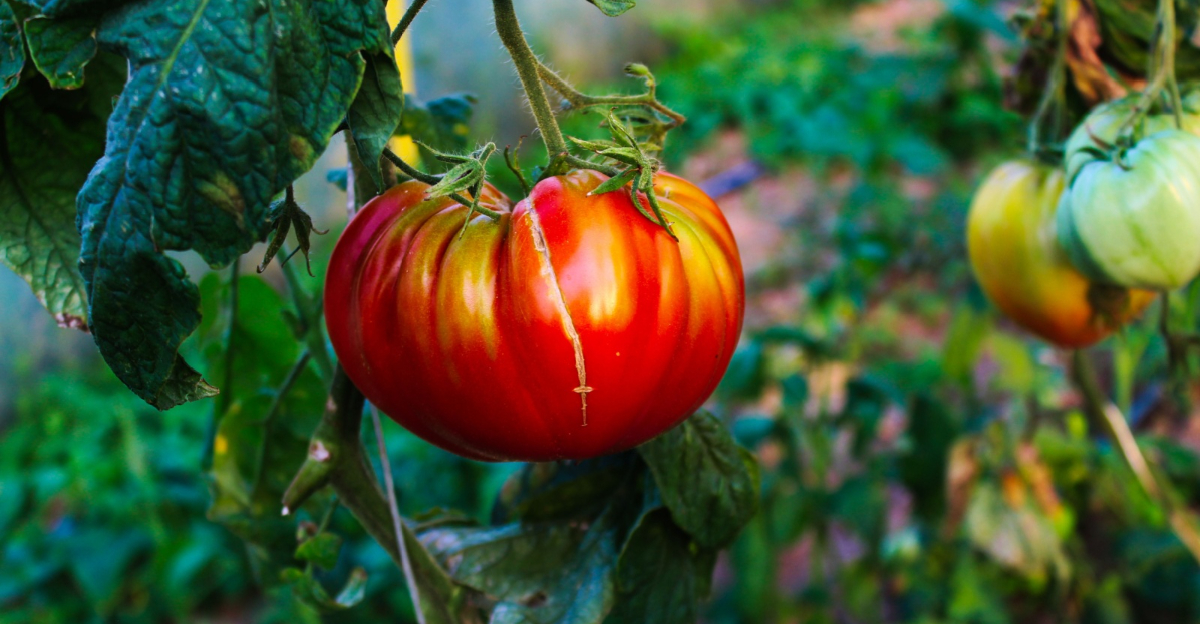
It is May, and your tomato seedlings are finally in the ground. You have picked the spot, amended the soil, maybe even named a few plants if you are that kind of gardener.
The whole season is ahead of you, full of promise and zero cracked tomatoes so far. But if last summer ended with you standing over a split fruit wondering what went wrong, this is the article you needed back then.
Tomato splitting is one of the most common complaints from backyard growers, and almost nobody figures out the real cause until it is too late to do anything about it. The good news is that you have something most gardeners never have: time.
Right now, before the heat of July rolls in and Indiana’s summer weather starts doing its worst, you can set your garden up to actually win this year. There are several surprisingly sneaky reasons tomatoes crack, and some of them start with decisions you make today, in May, before a single fruit even forms.
This is what you need to know, right when it still matters.
1. Uneven Watering Is Quietly Wrecking Your Tomatoes
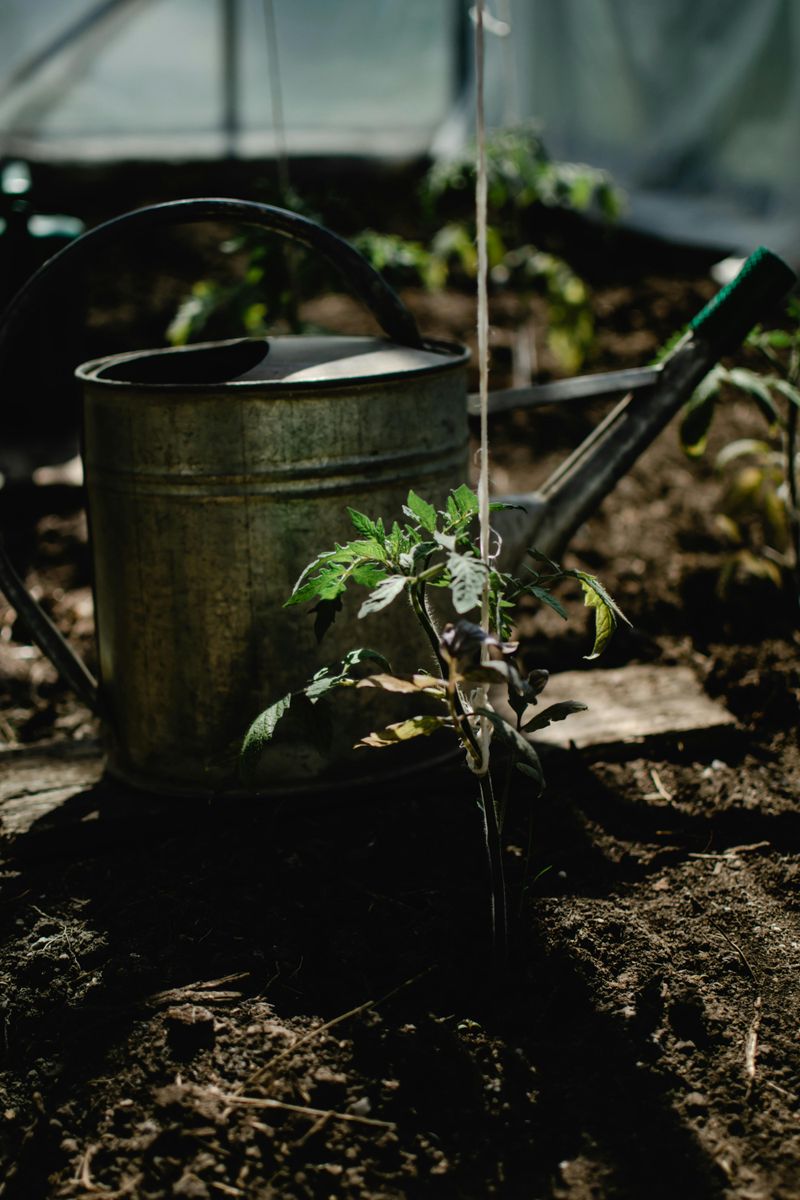
Tomatoes are dramatic fruits. Nothing proves that more than what happens when their water supply goes haywire.
A dry stretch followed by a sudden deep watering causes the inside of the tomato to expand so fast that the skin simply cannot keep up.
The result is that familiar crack running right across the shoulder of your fruit. Indiana summers are notorious for stretching into hot, dry weeks without a drop of rain.
Then you feel guilty and drench the soil all at once, trying to make up for lost time.
That single big drink triggers rapid growth inside the tomato, and the skin tears under the pressure. The fix is surprisingly straightforward: consistency is everything.
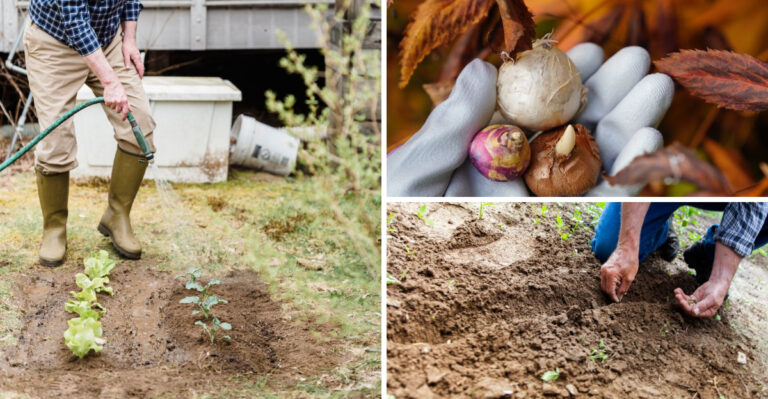
Aim for about one to two inches of water per week, spread out evenly rather than dumped in one session.
A drip irrigation system or a simple soaker hose can make this almost automatic.
Check your soil moisture before watering instead of going by a set schedule.
Stick your finger two inches into the soil near the base of the plant.
If it feels dry, water slowly and deeply rather than flooding the bed all at once.
Another trick seasoned gardeners swear by is watering in the early morning rather than the evening.
Morning watering gives the soil time to absorb moisture gradually throughout the day instead of sitting wet overnight.
It also reduces the chance of fungal issues that thrive in damp, cool conditions after dark.
If you can build just one new habit this season, make it this one.
2. The First Big Summer Storm Can Ruin Your Tomatoes Overnight
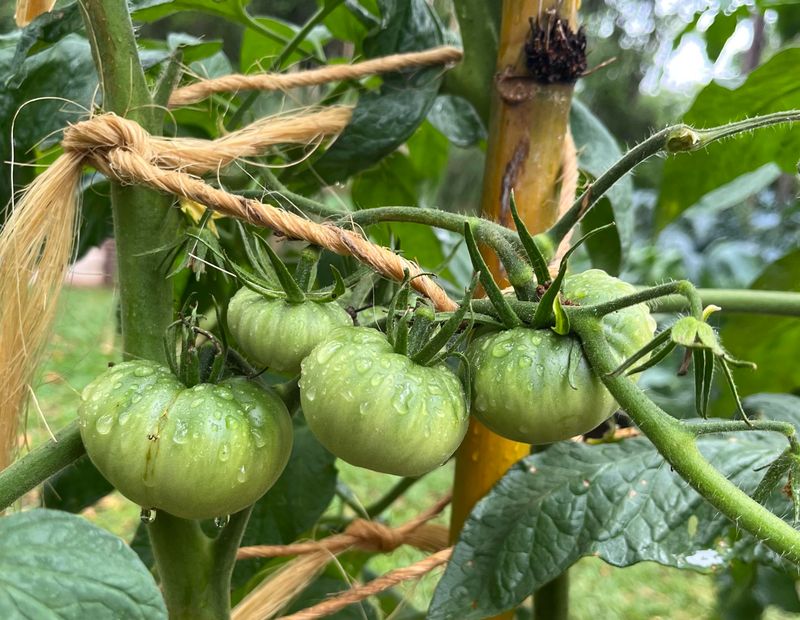
Blame the weather, because sometimes it really is not your fault.
Indiana summers are famous for going weeks without meaningful rainfall and then unleashing a storm that drops two inches in a single afternoon.
That kind of extreme swing is a tomato’s worst nightmare.
Your Illinois Garden Changes Every Week. Your Plan Should Too.
Gardening in Illinois changes quickly throughout the season. Every Friday you’ll receive a simple weekly plan showing exactly what to plant, prune, fertilize, harvest, and protect so you never miss the right timing.
When the ground is parched and then suddenly soaked, the roots drink up water at an almost frantic pace.
All that moisture rushes straight into the fruit, causing the flesh to swell rapidly from the inside out.
The skin, which has been sitting tight and dry for days, cannot stretch fast enough and splits under the pressure.
What makes this different from the watering issue is that you have no control over when the rain falls.
But you do have some control over how your soil responds to it.
Well-amended soil with good organic matter absorbs water more gradually, which slows down how fast that moisture reaches the fruit.
Mulching around your plants also buffers the soil from sudden saturation.
You cannot stop a summer storm, but you can absolutely soften the blow it delivers to your tomatoes.
One more thing worth doing before storm season hits: check that your garden beds have proper drainage.
If water tends to pool around your plants after a heavy rain, that is a sign your soil needs more organic matter or that your bed needs to be slightly raised.
Standing water around the roots speeds up that frantic absorption even more, making splits almost guaranteed.
3. Most Gardeners Pick Their Tomatoes Too Late And Do Not Know It
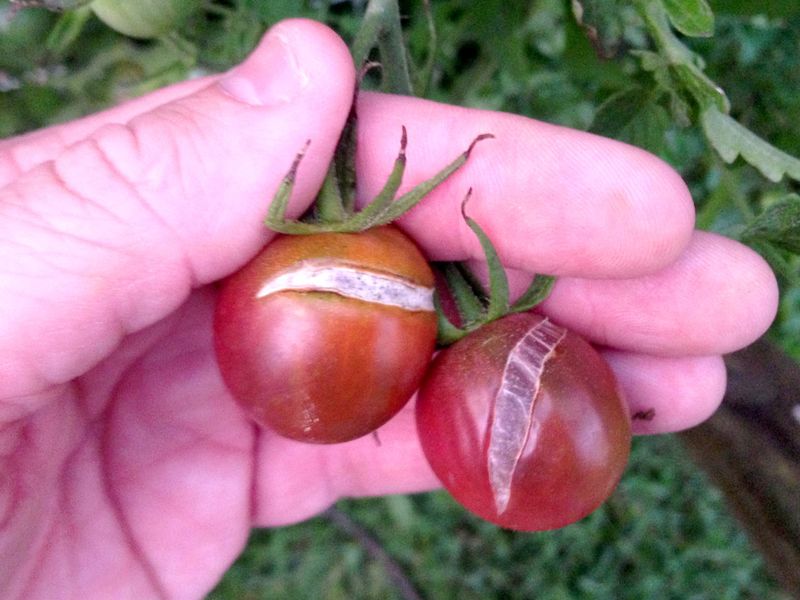
Most gardeners wait too long to pick their tomatoes, and that patience ends up costing them.
As a tomato ripens past its peak, the skin gets thinner, softer, and far less flexible.
At that point, even a light rain or a routine watering is enough to trigger a split.
Indiana’s summer heat speeds up the ripening process faster than many people realize.
A tomato that looked like it needed three more days can turn overripe within a day or two when temperatures climb into the upper 80s and 90s.
Heat accelerates the breakdown of the skin’s structure, leaving the fruit vulnerable.
Here is a tip that changes everything: pick your tomatoes when they are just starting to blush.
Once a tomato reaches about 70 percent color, it will finish ripening beautifully on your kitchen counter.
You get the same flavor without the cracking risk that comes from leaving it on the vine too long.
Letting tomatoes finish indoors away from direct sunlight also protects them from temperature swings and afternoon heat.
Set them stem-side down on a countertop and check them daily.
Within a day or two, you will have a perfectly ripe tomato with zero splits and full flavor.
A good habit is to walk your garden every single morning during peak season rather than every few days.
Tomatoes can move through that final ripening window surprisingly fast when the heat is on, and a daily check means you catch them at exactly the right moment.
Bring a small basket and pick anything that shows strong color, even if it does not look fully ripe yet.
Your countertop will do the rest of the work for you.
That one small routine change can save more tomatoes in a single season than almost anything else on this list.
4. The Tomato Variety In Your Garden Might Be Setting You Up To Fail
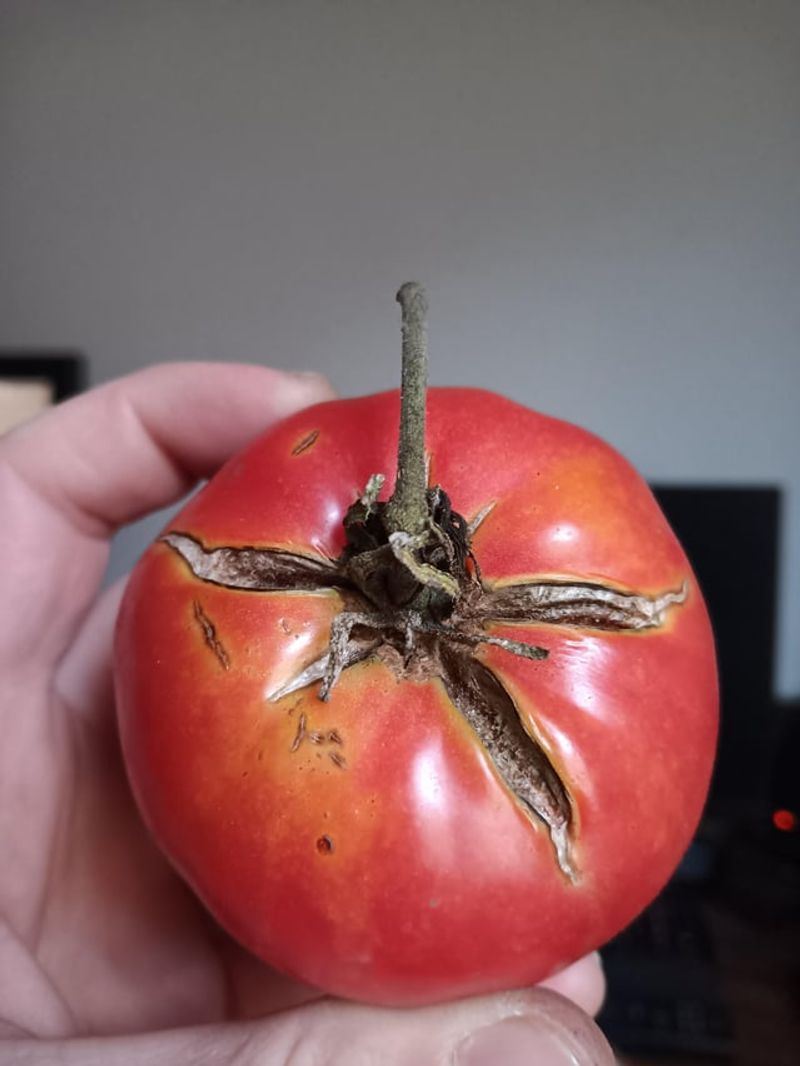
Not all tomatoes are built the same, and some varieties are practically begging to split in Indiana’s climate.
Large heirloom types like Brandywine and Mortgage Lifter are beloved for their flavor, but their thin, delicate skins make them prone to cracking under pressure.
Growing them here without extra care is setting yourself up for a frustrating season.
The good news is that plant breeders have developed varieties specifically designed to resist splitting.
Jet Star, Mountain Fresh Plus, and Celebrity are all solid performers in Midwestern gardens.
They have thicker skins and better tolerance for the wet-dry cycles that define a typical Indiana summer.
Choosing the right variety is honestly one of the most powerful things you can do before a single seed goes in the ground.
If you love heirlooms and do not want to give them up, try pairing them with a consistent drip watering setup and extra mulch to reduce moisture swings.
That combination can help even the most fragile varieties hold together longer.
Cherry tomatoes like Sun Gold and Sweet 100 are also known for cracking easily.
Swapping to Juliet, a grape-style tomato with tougher skin, can make a big difference.
Sometimes the smartest garden move is simply matching the plant to the place where it grows.
Another option worth exploring is grafted tomatoes, which have become more widely available at garden centers in recent years.
A crack-resistant variety grafted onto a vigorous rootstock gives you a more resilient plant overall, with better tolerance for the moisture swings that cause splitting.
They cost a little more upfront, but many gardeners who try them are genuinely impressed with the results.
If you are tired of losing your favorite varieties season after season, grafted plants might be exactly the upgrade your garden has been waiting for.
5. What Is Happening Under Your Soil Could Be Ruining Your Entire Harvest
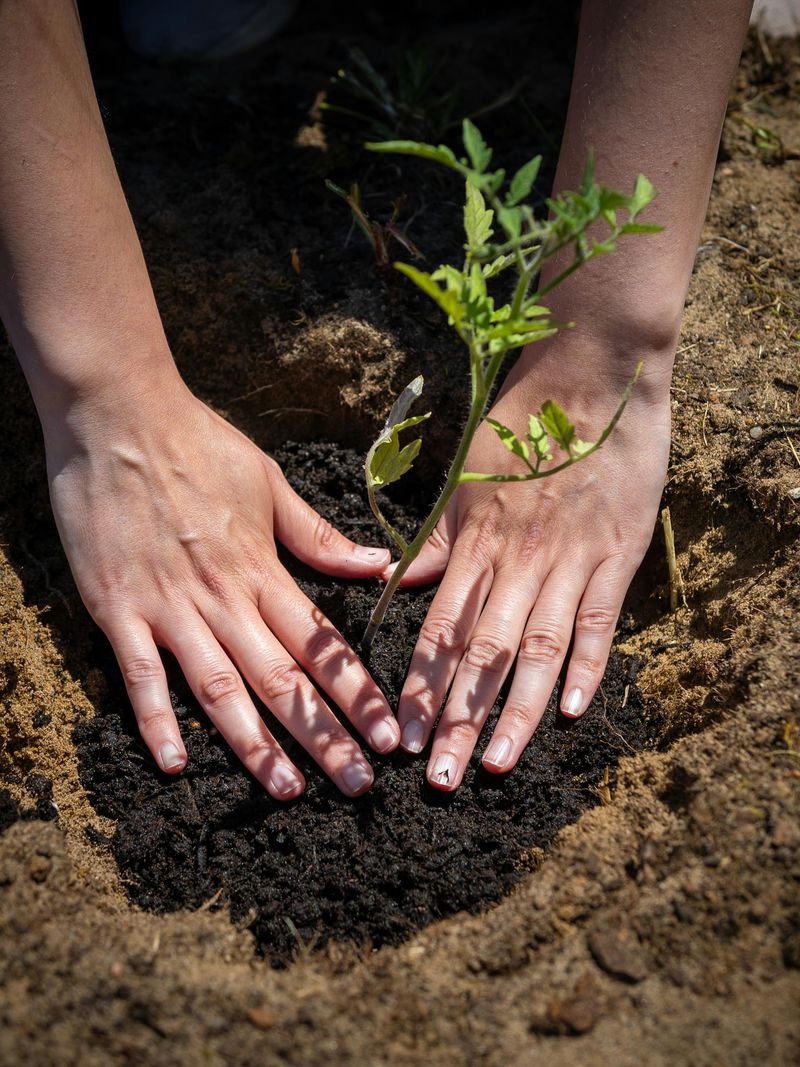
Soggy soil one day and bone-dry the next creates a chaotic environment for tomato roots, and that chaos shows up directly on your fruit.
Poor drainage means water pools around the roots, floods the plant all at once, and then evaporates quickly, leaving the soil parched again.
That cycle is one of the most overlooked causes of splitting in backyard gardens.
Poor nutrient balance can make fruit quality problems worse, but moisture swings are usually the main driver behind splitting.
Calcium helps build strong cell walls in tomato skin, and without enough of it, the skin becomes fragile and tears easily.
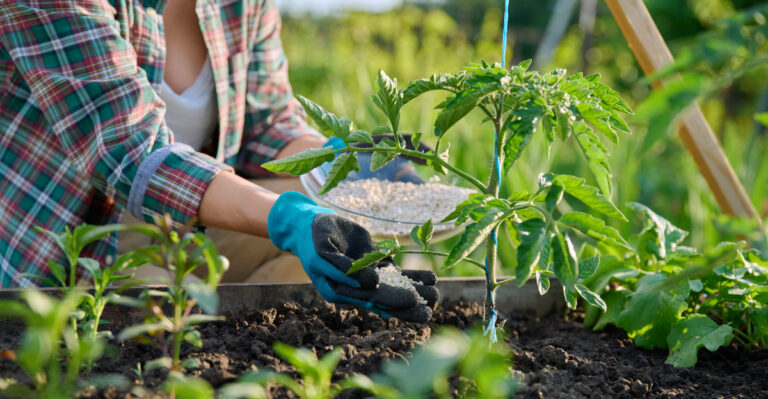
You can add crushed eggshells or a calcium-rich fertilizer to your soil before planting to help address this quietly damaging problem.
Mulch is one of the cheapest and most effective tools in any gardener’s kit.
A three to four inch layer of straw, shredded leaves, or wood chips around your tomato plants keeps soil moisture levels steady between waterings and rainstorms.
That stability alone can dramatically reduce how often your tomatoes split.
Indiana tomatoes splitting season after season is often a soil story more than a weather story.
Amend your beds with compost each spring to improve both drainage and nutrient content.
Healthy soil gives your plants the steady foundation they need to grow fruit that actually stays in one piece.
One simple test can tell you a lot about what your soil is missing before the season even begins.
A basic home soil test kit is available at most garden centers for just a few dollars. It will show you calcium levels, pH, and other nutrients that directly affect how your tomatoes perform.
If your pH is too high or too low, calcium becomes harder for the plant to absorb even when it is present in the soil.
Adjusting pH with lime or sulfur is straightforward once you know what you are working with.
Spending twenty minutes on a soil test in early spring can save you an entire summer of cracked, frustrating harvests.