Chinch Bugs Or Drought? How To Tell What Is Damaging Your Texas Lawn
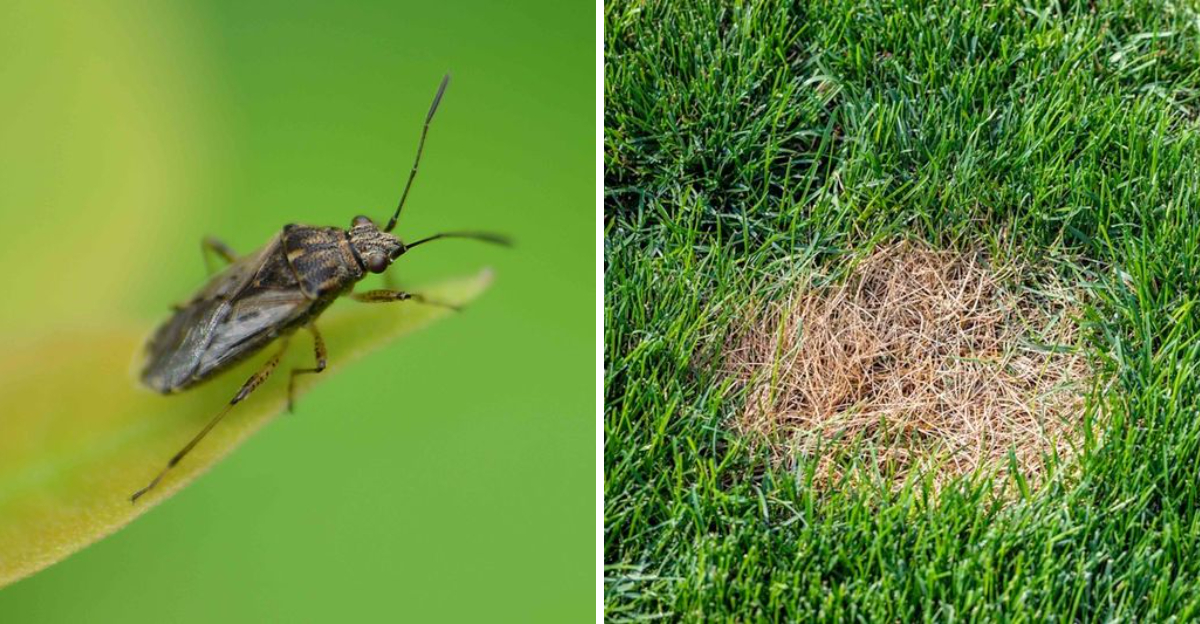
Brown patches in a Texas lawn can send homeowners straight into detective mode. One day the grass looks fine, and the next there is a dry, crispy-looking patch that seems to be spreading for no obvious reason.
The first instinct is usually to blame the heat and grab the hose. Fair enough.
Texas summers make that reaction feel completely reasonable. The trouble is that not every brown patch means the lawn is thirsty.
Chinch bugs can create damage that looks a lot like drought stress at first, which is exactly why so many lawns get misread. Extra water will not solve an insect problem, and the wrong treatment can send you in circles while the turf keeps looking worse.
A few simple clues can make the picture much clearer. Once you know what to look for, it gets a lot easier to figure out what your Texas lawn is really trying to tell you.
1. Sunny Lawn Damage Can Be A Clue
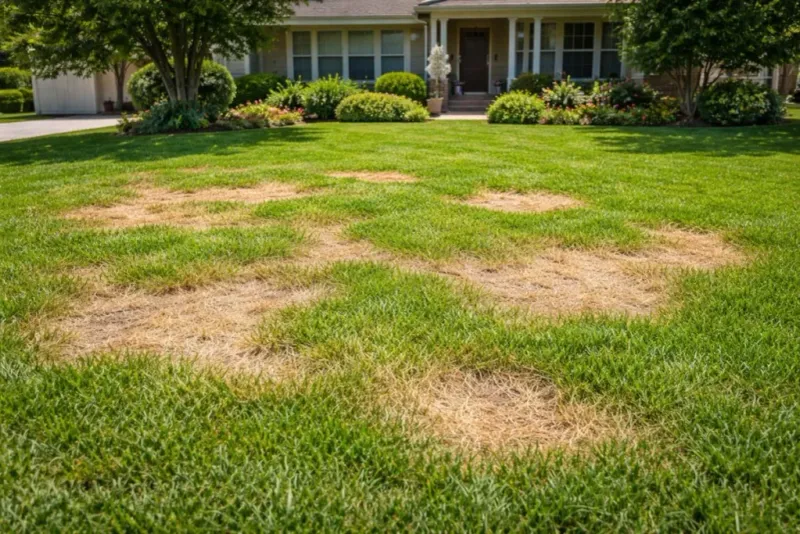
Patches of brown turf showing up in the sunniest parts of the yard are worth a second look. Chinch bugs in Texas tend to favor hot, dry, open areas where the sun hits hardest and the soil surface temperature climbs well above air temperature.
That pattern is one of the first things to notice when trying to figure out what is going on with a struggling lawn.
Drought stress can also show up in sunny spots, so location alone will not give you a definitive answer.
However, chinch bug damage tends to spread outward from those hot zones in an irregular pattern, almost like a slow-moving stain.
Drought stress, by comparison, tends to affect the lawn more evenly across exposed areas rather than radiating from a single point.
Checking whether the damage is expanding from a specific sunny corner or strip of turf can be a helpful early clue.
If the browning seems to creep along the edge of a sidewalk or driveway where heat reflects back onto the grass, chinch bug activity is worth investigating further.
Sunny placement alone is not proof, but it is a reasonable starting point for a closer inspection of your Texas lawn.
2. St. Augustinegrass Needs A Closer Look
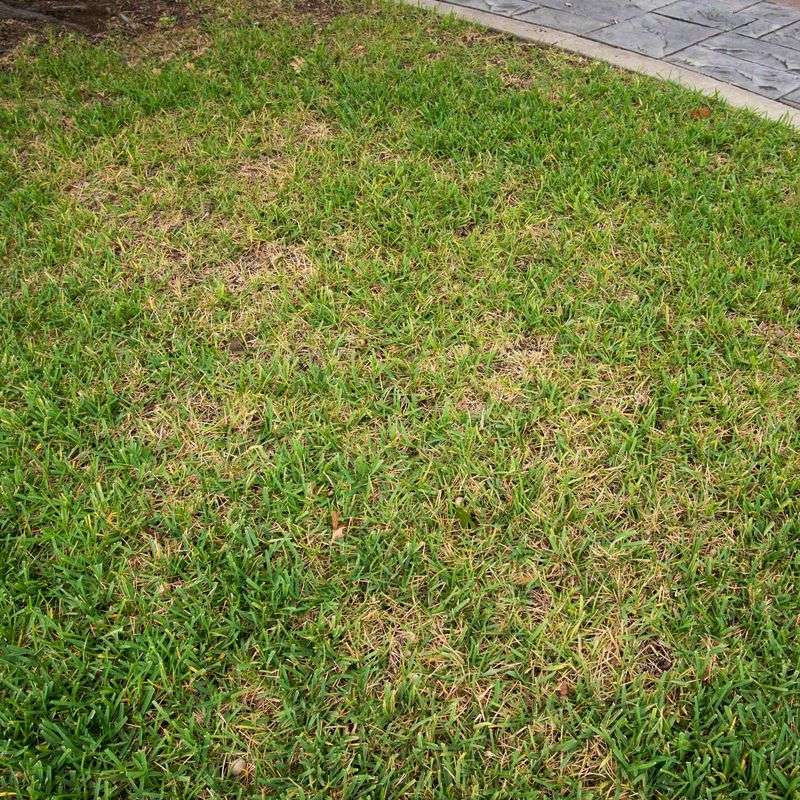
St. Augustinegrass is the most widely planted warm-season turf in Texas, and it also happens to be the grass that chinch bugs prefer above most others.
That combination means Texas homeowners with St. Augustine lawns should pay close attention when any browning or yellowing starts to appear during the warmer months.
Chinch bugs feed by piercing individual grass blades and pulling out plant fluids while injecting a substance that interferes with water movement inside the plant.
The result looks a lot like drought stress at first, with blades turning yellow and then brown as the damage progresses.
Because St. Augustinegrass is already prone to some summer stress, it can be easy to misread early chinch bug injury as simple heat fatigue.
Zoysiagrass is also susceptible to chinch bug feeding, though St. Augustine remains the primary concern for most Texas lawns.
Your Texas Garden Changes Every Week. Your Plan Should Too.
Gardening in Texas changes quickly throughout the season. Every Friday you’ll receive a simple weekly plan showing exactly what to plant, prune, fertilize, harvest, and protect so you never miss the right timing.
Bermudagrass tends to show more tolerance to chinch bugs, so the type of grass you have can actually help narrow down the diagnosis.
If your Texas lawn is planted with St. Augustinegrass and you are seeing irregular brown patches spreading through summer, checking for chinch bugs before increasing irrigation is a smart move.
3. Brown Patches Do Not Always Mean Drought
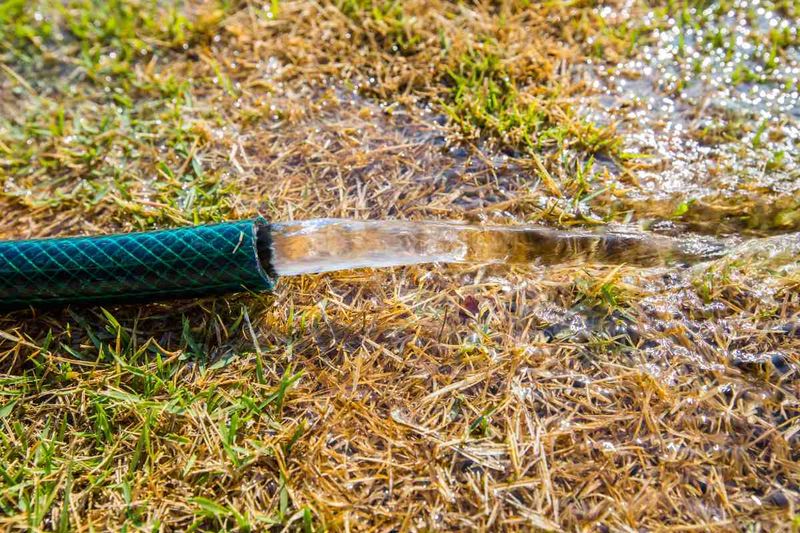
Grabbing the hose or bumping up the irrigation schedule is a natural first response when a Texas lawn starts turning brown. It feels logical, and during a hot Texas summer, drought really is a common cause of turf stress.
But treating a chinch bug infestation with more water will not reverse the damage, and overwatering can bring its own set of problems to an already stressed lawn.
Chinch bugs cause browning by disrupting the grass plant’s ability to move water through its own tissues. So even if the soil has adequate moisture, the affected blades will continue to look dry and stressed.
Watering more in that situation can leave the soil too wet without addressing the actual source of the problem.
One practical way to test the theory before watering is to look at how the brown areas are shaped and where they sit in the yard. Drought-related browning tends to be more uniform and spread across large open sections.
Chinch bug damage often appears in irregular patches, sometimes hugging warm hardscape edges like driveways or sidewalks.
Noticing those differences early can help Texas homeowners make a more informed decision before committing to a treatment approach.
4. The Coffee-Can Test Can Reveal Chinch Bugs
Few lawn tests are as simple or as satisfying as the coffee-can flotation method for finding chinch bugs. Remove both ends from a large metal coffee can, press one end firmly into the soil at the edge of a suspicious brown patch, and fill the can with water.
Keep it full for several minutes, adding more water as needed, and watch the surface carefully.
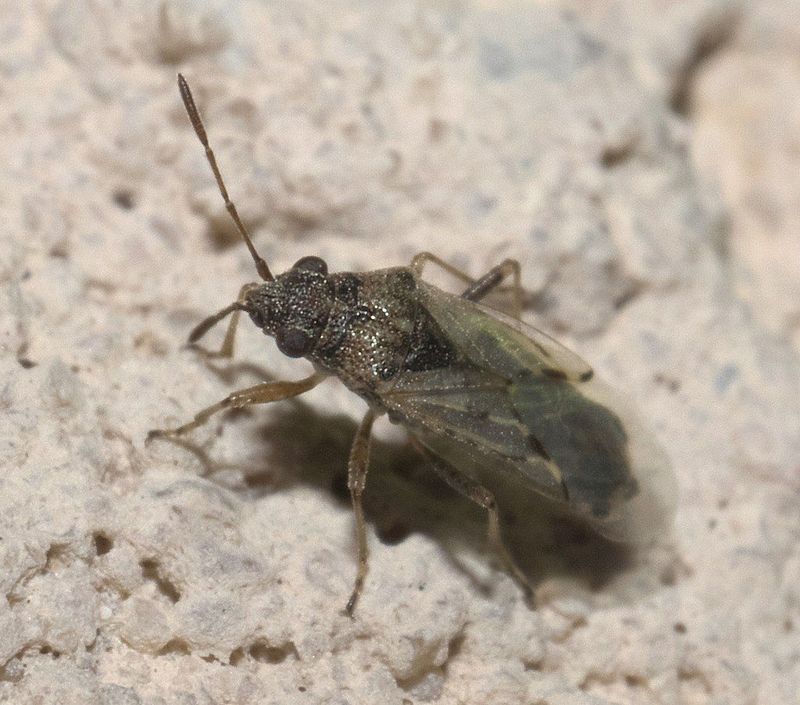
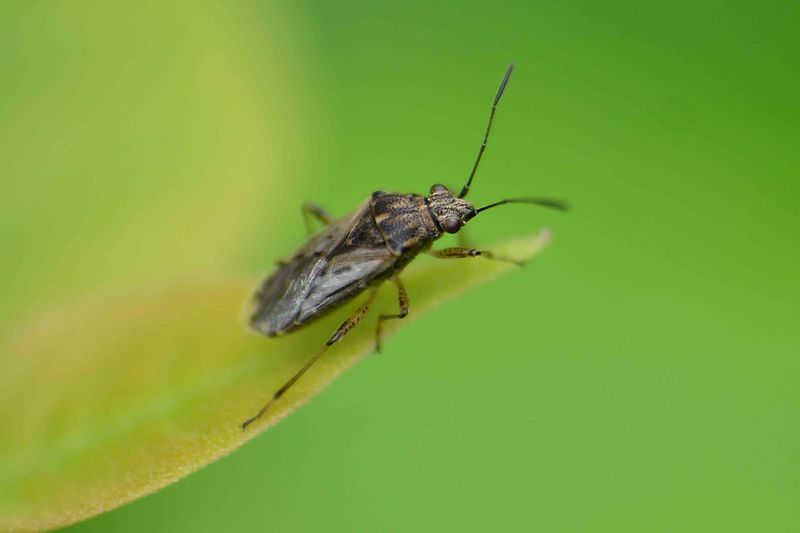
Chinch bugs will float to the top of the water if they are present in that area of turf. The adults are small, roughly one-fifth of an inch long, with black bodies and white wings folded flat across their backs.
Nymphs are even smaller and may appear reddish-orange, which makes them easy to miss if you are not looking closely.
Checking multiple spots around the damaged area gives a more complete picture, since chinch bug populations are not always evenly distributed across a lawn.
Testing near the border between healthy and damaged grass tends to produce the most reliable results, because that transition zone is often where active feeding is happening.
If several tests come back with no insects present, drought stress or another issue may be the more likely explanation for what is affecting your Texas lawn.
5. Bluish Folded Blades Often Point To Drought Stress
Grass blades that take on a dull bluish or grayish-green color and begin to fold lengthwise along the center are showing a classic sign of drought stress. This folding is actually a survival response.
The grass is reducing the surface area exposed to the sun in an attempt to slow down water loss from the leaf tissue.
Chinch bug damage does not typically produce this folded blade appearance in the early stages. Chinch bug-affected blades tend to yellow and then brown without going through that distinctive folded phase.
Noticing whether the blades look rolled or wilted before they turn brown can be a useful way to separate the two causes before running any additional tests.
Bluish folded blades are most visible during the hottest part of the day, often in the early afternoon when temperatures peak.
Checking the lawn in the morning and again in the afternoon can be helpful, since drought-stressed grass may look slightly better early in the day before the heat builds.
If the folded blue-gray color appears broadly across the lawn rather than in isolated patches near sunny edges, drought is a more reasonable explanation than chinch bug feeding for what is stressing the Texas turf.
6. Lingering Footprints Can Signal A Thirsty Lawn
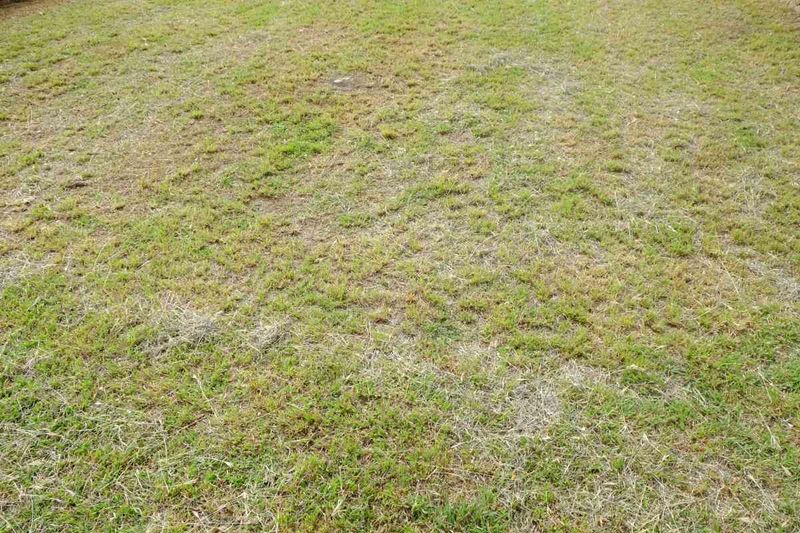
Walking across a well-watered lawn and leaving no trace behind is normal. When a lawn is drought-stressed, though, the blades lose enough turgor pressure that they cannot spring back quickly after being stepped on.
Those lingering footprints are one of the more reliable visual signals that the turf is running low on moisture.
This clue works because healthy, well-hydrated grass has enough internal water pressure to push the blades back upright within moments of being compressed. A thirsty lawn simply does not have that rebound capacity.
Footprints that stay visible for several minutes after walking through the yard are a sign worth taking seriously.
Chinch bug-damaged areas will not show the same footprint response in the same way, because the browning in those zones is often caused by disrupted water transport within the plant rather than a lack of soil moisture.
Testing footprint recovery in the areas that still look green but slightly stressed can give a clearer read on whether the overall lawn is dry.
If footprints are lingering broadly across the yard while only certain patches show browning, the lawn may be experiencing both drought and localized chinch bug pressure at the same time, which does happen in Texas summers.
7. Patch Edges Often Tell The Real Story
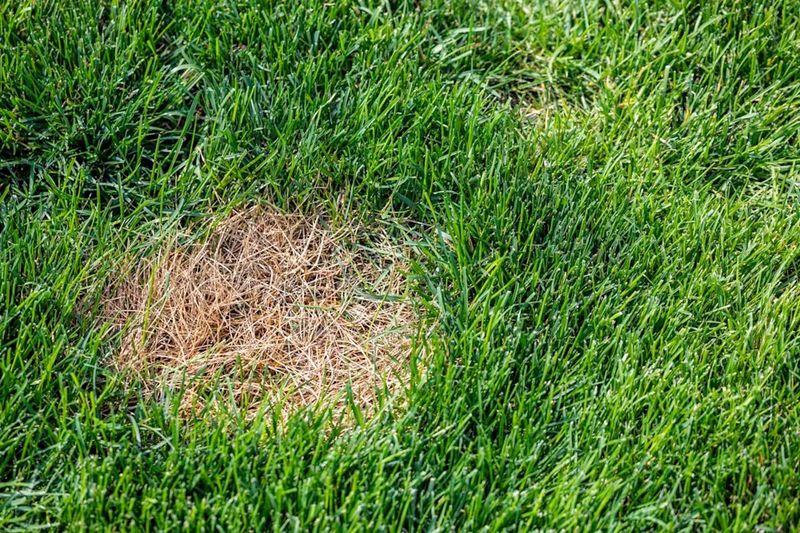
Looking carefully at the border between healthy grass and damaged turf can tell you quite a bit about what is causing the problem. Chinch bug damage often produces a relatively sharp, irregular edge where green grass transitions into yellow or brown.
That boundary tends to look uneven and somewhat ragged rather than gradual.
Drought stress typically creates a softer transition. The grass fades from green to a dull blue-gray to tan across a wider area, without a hard line separating the stressed turf from the healthy sections.
When the edge of the damaged area looks crisp and the pattern seems to radiate outward from a hot spot near pavement or a sunny fence line, that is a detail worth noting.
Expanding patches are another sign associated with chinch bug activity. Because the insects continue feeding and moving as populations grow, the damaged area tends to enlarge over time even when the lawn receives regular watering.
Drought damage, by contrast, may stabilize or improve once irrigation resumes. Watching whether the brown area grows despite consistent watering is a practical way to keep tracking the situation.
Patch edges and expansion patterns together give Texas homeowners a clearer picture before committing to a specific treatment plan.
8. The Best Treatment Starts With The Right Diagnosis
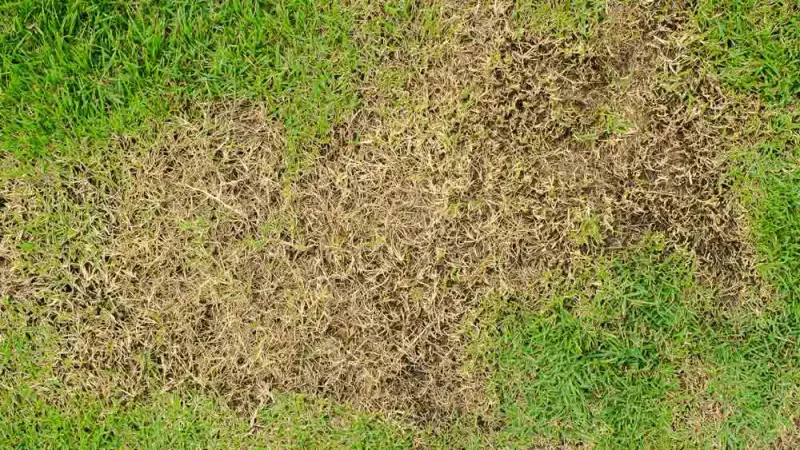
Treating the wrong problem is one of the most common ways a lawn situation goes from bad to worse.
Applying extra irrigation to a chinch bug infestation will not help the grass recover, and applying insecticide to a lawn that is simply drought-stressed wastes money and introduces chemicals unnecessarily.
Taking a few extra minutes to gather clues before acting tends to lead to better outcomes.
If the coffee-can test confirms live chinch bugs are present, targeted insecticide applications labeled for chinch bug control on the specific turf type can be an appropriate response.
Following product directions carefully, including timing and watering-in instructions, matters for both effectiveness and lawn safety.
Spot treatments focused on the affected areas and their borders are often more practical than treating the entire lawn.
If testing suggests drought stress rather than insects, adjusting the irrigation schedule and checking for dry spots in the watering pattern are reasonable first steps.
Texas summers can create uneven drying across a lawn, especially in areas where sprinkler coverage is inconsistent.
In some cases, both issues may be present at the same time, which is why observing multiple clues rather than relying on a single sign gives Texas homeowners the most reliable foundation for a smart, informed treatment decision.