These Are The Best Fruit Trees To Grow In Pots In Texas
Growing fruit trees in pots sounds like the kind of gardening idea that belongs in a magazine rather than in an actual Texas backyard. But the reality is more practical and more achievable than most people assume.
Container fruit trees have been gaining serious momentum among Texas gardeners, and for good reasons that go well beyond novelty or limited space situations.
Texas soil and climate create real challenges for in-ground fruit trees, from alkaline soil that fights certain varieties to unpredictable late freezes that can devastate a tree that’s been in the ground for years.
Container growing sidesteps a surprising number of those problems. You control the soil from the start, you can move the tree to protect it from late cold snaps, and you can position it for optimal sun without being locked into whatever your yard’s fixed conditions happen to offer.
The right fruit tree varieties in the right containers produce genuinely impressive harvests, and Texas gardeners who have figured this out aren’t going back to in-ground growing anytime soon.
1. Meyer Lemon
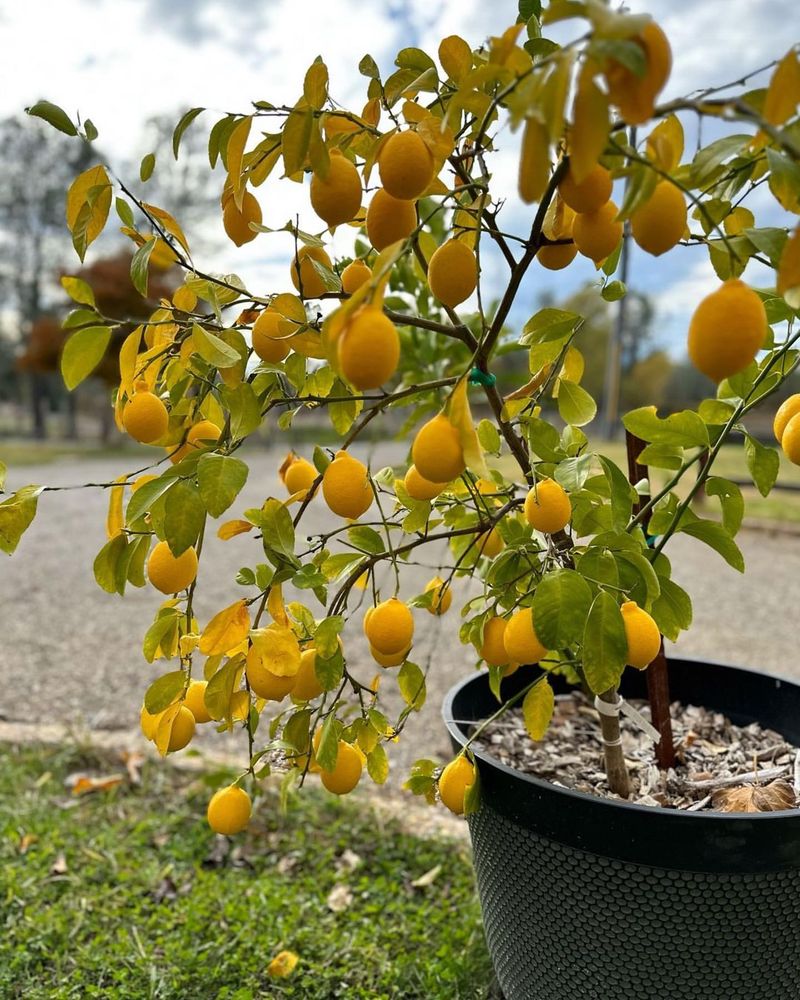
Few things feel as rewarding as walking out to your patio and picking a fresh lemon right off the tree. Meyer lemons are a favorite among Texas gardeners for a very good reason.
They are sweeter than regular lemons, easier to grow, and they absolutely love container life.
Meyer lemon trees stay compact enough to manage in a large pot, usually reaching about four to six feet tall when grown in containers. They do best in full sun, so place yours somewhere it gets at least eight hours of direct light each day.
In Texas, that is rarely a problem during the long, bright summers. Watering is the most important part of keeping your Meyer lemon happy. The soil should stay moist but never soggy.
Stick your finger about an inch into the soil. If it feels dry, it is time to water. Drainage holes in your pot are a must.
Feed your tree with a citrus-specific fertilizer every six to eight weeks during the growing season. Texas heat can cause the tree to dry out faster than you expect, so check soil moisture often in summer.
Bring the pot indoors or into a garage if temperatures drop below 28 degrees. Meyer lemons can bloom multiple times a year, which means you could be harvesting fruit in both fall and spring. The fragrant white blossoms smell amazing and attract pollinators too.
For container gardeners looking for a reliable citrus tree, Meyer lemon is a top pick every single time.
2. Fig Tree
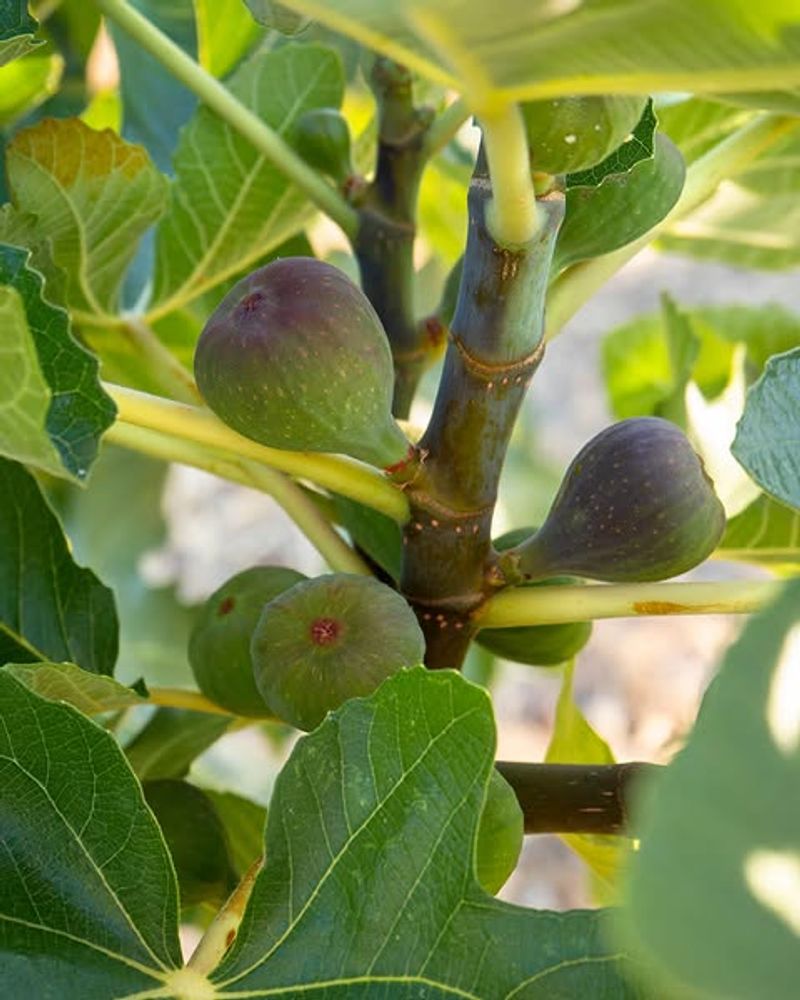
Figs have been grown in Texas for generations, and for good reason. They love heat, they are tough as nails, and they produce loads of sweet fruit without much fuss. The best part? They adapt surprisingly well to growing in large pots.
Varieties like Celeste and Brown Turkey are especially well-suited for container growing in Texas. These compact varieties stay manageable in size while still producing generous harvests.
Plant yours in a pot at least 15 to 20 gallons in size so the roots have room to spread out comfortably.
Your Texas Garden Changes Every Week. Your Plan Should Too.
Gardening in Texas changes quickly throughout the season. Every Friday you’ll receive a simple weekly plan showing exactly what to plant, prune, fertilize, harvest, and protect so you never miss the right timing.
Fig trees want full sun and warm temperatures, which Texas delivers in abundance. Water them regularly during the growing season, but allow the soil to dry out slightly between waterings.
Overwatering is one of the most common mistakes new fig growers make. One exciting thing about figs is that they do not need a pollinator. The tree is self-fertile, meaning you only need one plant to get fruit.
That makes it perfect for small patios where space is limited and you can only fit a few containers.
In colder parts of Texas, like the Panhandle or North Texas, you can move your potted fig to a sheltered spot or garage during hard freezes to protect it. Figs grown in containers are actually easier to protect than those planted in the ground.
Prune lightly after harvest to keep the shape tidy. With minimal effort, a potted fig tree can reward you with baskets of sweet fruit each summer.
3. Calamondin Orange
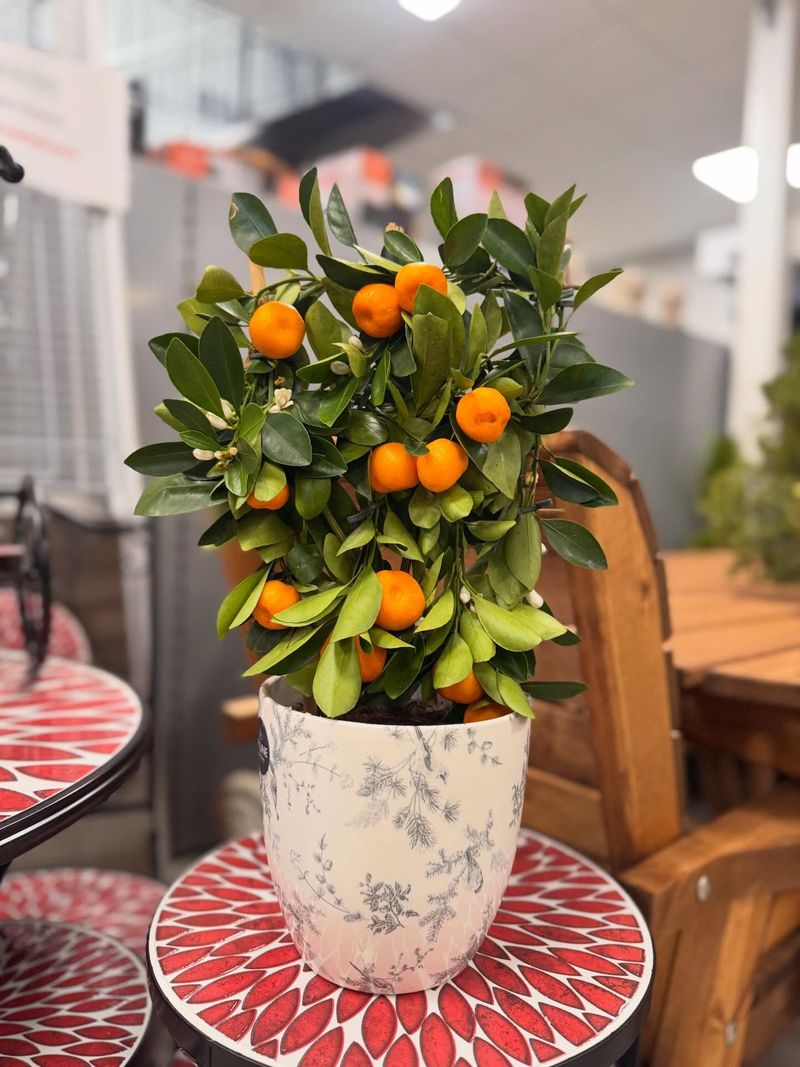
If you want a citrus tree that looks just as gorgeous as it tastes, Calamondin orange is calling your name. This compact little tree is covered in tiny, brilliantly colored fruits almost year-round.
It is one of the most ornamental fruit trees you can grow in a container in Texas. Calamondin oranges are a cross between a mandarin orange and a kumquat. The fruit is small, tart, and packed with flavor.
Many Texas gardeners use them to make marmalade, flavored drinks, and marinades. The flavor is bold and bright, kind of like a supercharged lime.
These trees stay small, usually topping out at three to five feet in containers, which makes them perfect for patios, balconies, and even indoor sunrooms. They need at least six hours of direct sunlight daily. A south-facing patio in Texas works wonderfully for them.
Water consistently and fertilize with a citrus blend every few weeks during spring and summer. Calamondin trees are sensitive to cold, so if you live in Central or North Texas, be ready to bring the pot inside when temperatures dip below freezing.
The good news is that they thrive indoors near a bright window. One fun fact: Calamondin trees are popular in Southeast Asia as both a culinary ingredient and a decorative houseplant. In Texas, they bridge that gap perfectly.
You get a beautiful container plant AND a productive fruit tree all in one. That is a pretty hard deal to beat for any patio gardener.
4. Pomegranate
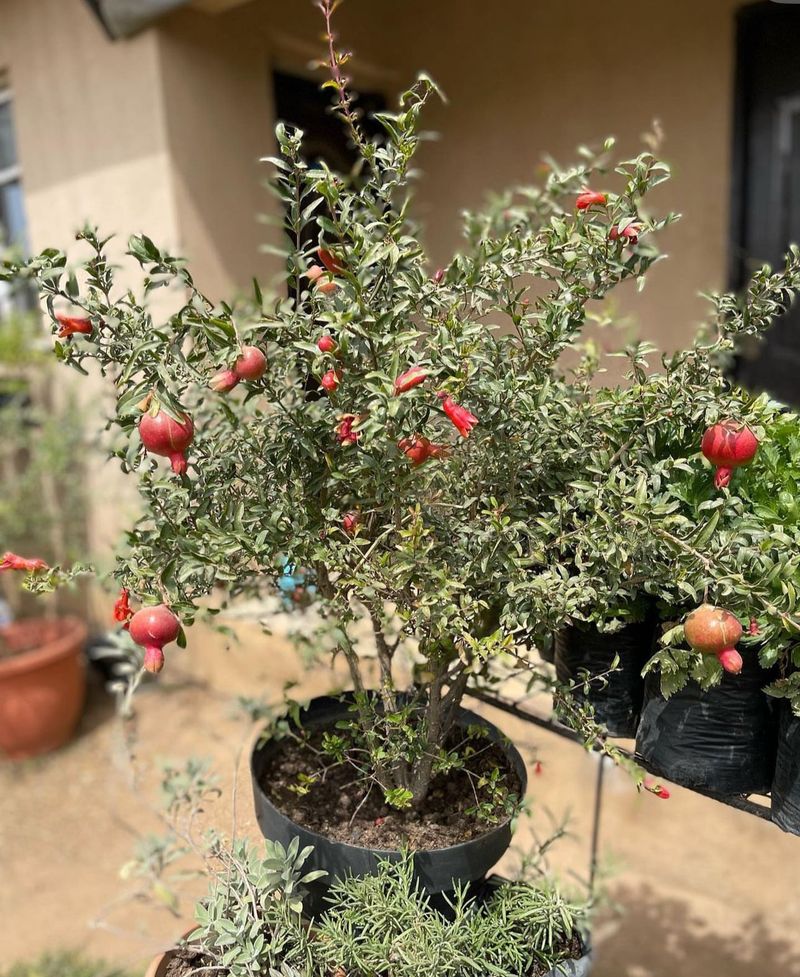
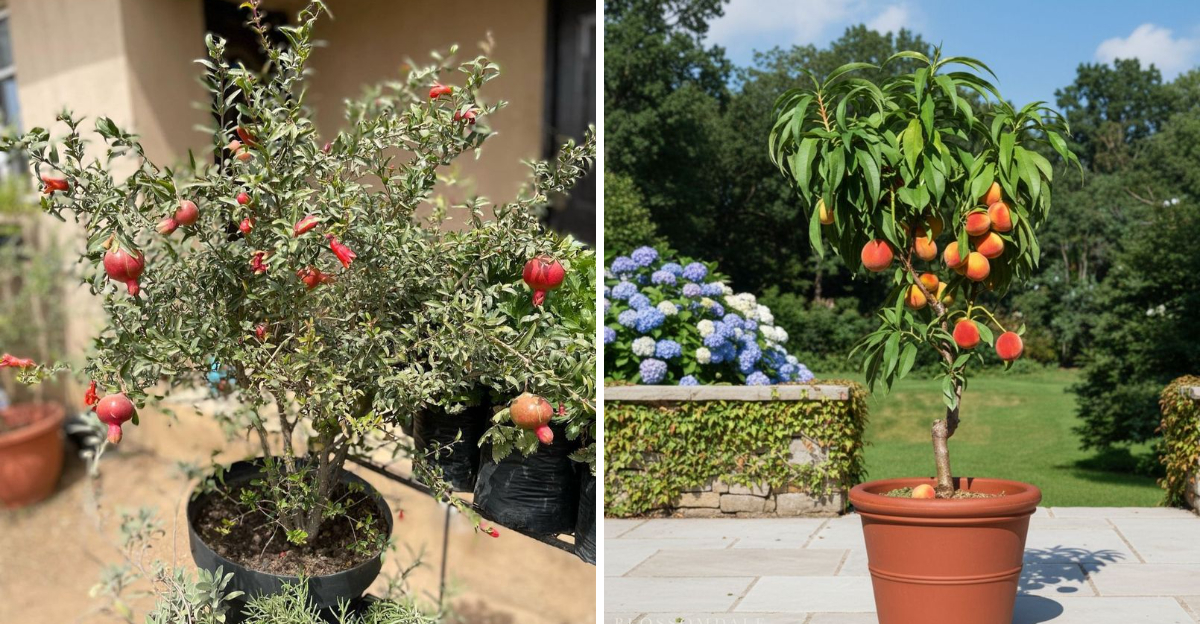
Pomegranates are practically built for Texas. They are tough, drought-tolerant, and handle the scorching Texas summers without skipping a beat.
Growing one in a container is a smart move because you get all that beauty and productivity while keeping the plant perfectly manageable.
The Wonderful variety is a popular choice, but smaller varieties like Nana are better suited for pots. Nana pomegranates stay compact, reaching only about three feet tall, and they still produce plenty of small, flavorful fruit.
The bright orange-red flowers that appear in spring are absolutely stunning too. Pomegranates love full sun and well-drained soil. In Texas, they are right at home on a hot south-facing patio.
Water deeply but infrequently, allowing the soil to dry out between sessions. These trees do not like sitting in wet soil, so good drainage is critical.
Fertilize lightly in spring and again in midsummer. Too much nitrogen will push leafy growth at the expense of fruit production, so use a balanced fertilizer rather than a high-nitrogen formula.
Pruning is minimal. Just remove any dry wood and crossing branches in late winter to keep the shape clean.
Pomegranates are packed with antioxidants and have been eaten for thousands of years across the Middle East and Mediterranean. Bringing one to your patio connects you to a long and rich agricultural tradition.
When those deep red fruits split open in fall, revealing jewel-like seeds inside, you will feel like you struck gold right in your own backyard.
5. Peach Tree
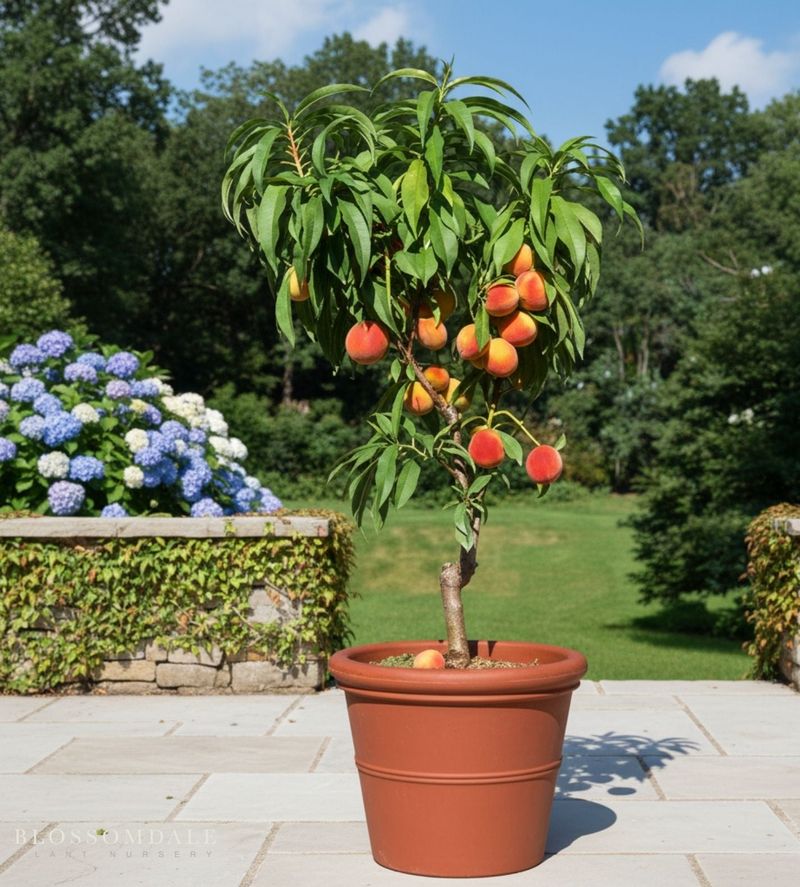
Texas and peaches go together like sweet tea and summer. The state has a proud history of peach growing, especially in the Hill Country around Fredericksburg.
Now, thanks to dwarf varieties, you can enjoy that same homegrown peach experience right from a container on your patio.
Dwarf peach varieties like Bonanza, El Dorado, or Pix Zee are excellent choices for container growing in Texas. They stay between four and six feet tall and produce full-sized, juicy peaches.
Plant them in a pot at least 15 gallons in size with rich, well-draining potting mix. Peach trees need full sun, at least eight hours per day, and summer sun delivers that in abundance. Water regularly, especially during fruit development.
Inconsistent watering can cause fruit to crack or drop early, so try to keep a steady schedule throughout the growing season.
One thing to keep in mind with peaches in Texas is chill hours. Peaches need a certain number of cold hours in winter to produce fruit the following year.
Look for low-chill varieties that work well in the warmer parts of Texas, like Houston or San Antonio, where winters are mild.
Thin the fruit when it is about the size of a marble. Removing some of the small peaches early allows the remaining ones to grow larger and sweeter.
It feels a little painful at first, but the results are worth it. Come summer, you will be biting into warm, sun-ripened peaches straight from your own patio tree. That is a very good day.
6. Olive Tree
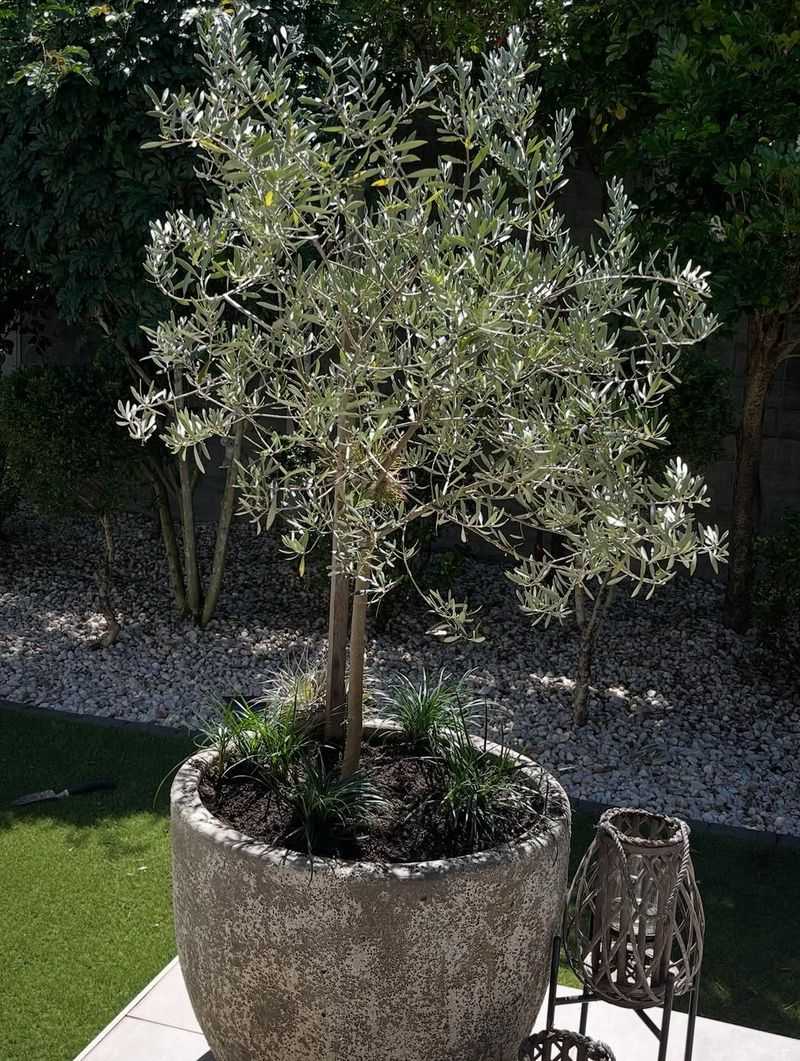
Olive trees have a quiet, ancient elegance about them. Their silvery-green leaves shimmer in the breeze, and their gnarled trunks develop real character over time.
Luckily for Texas gardeners, olive trees absolutely love the hot, dry conditions that much of the state offers.
Arbequina is the most popular variety for container growing in Texas. It stays compact, around five to six feet in a pot, and produces small, flavorful olives that are great for pressing into oil or curing at home.
The tree is also self-fertile, so you do not need a second tree to get fruit. Plant your olive tree in a large pot with excellent drainage. Olive trees strongly dislike wet roots and will struggle in heavy, waterlogged soil.
Use a fast-draining potting mix and make sure your container has plenty of drainage holes at the bottom.
Full sun is non-negotiable for olives. Place your pot in the sunniest spot on your patio or deck.
In Central and West Texas, conditions are nearly perfect. Coastal areas with higher humidity can still work, but you may need to watch for fungal issues more closely in those regions.
Fertilize lightly in spring with a balanced fertilizer. Olive trees are not heavy feeders, so less is more here.
Water deeply once a week in summer and reduce watering significantly in winter. The trees are surprisingly cold-hardy once established, tolerating temperatures down to about 15 degrees.
For a dramatic, low-maintenance container tree that also produces food, olive is a standout choice for patios.
7. Loquat
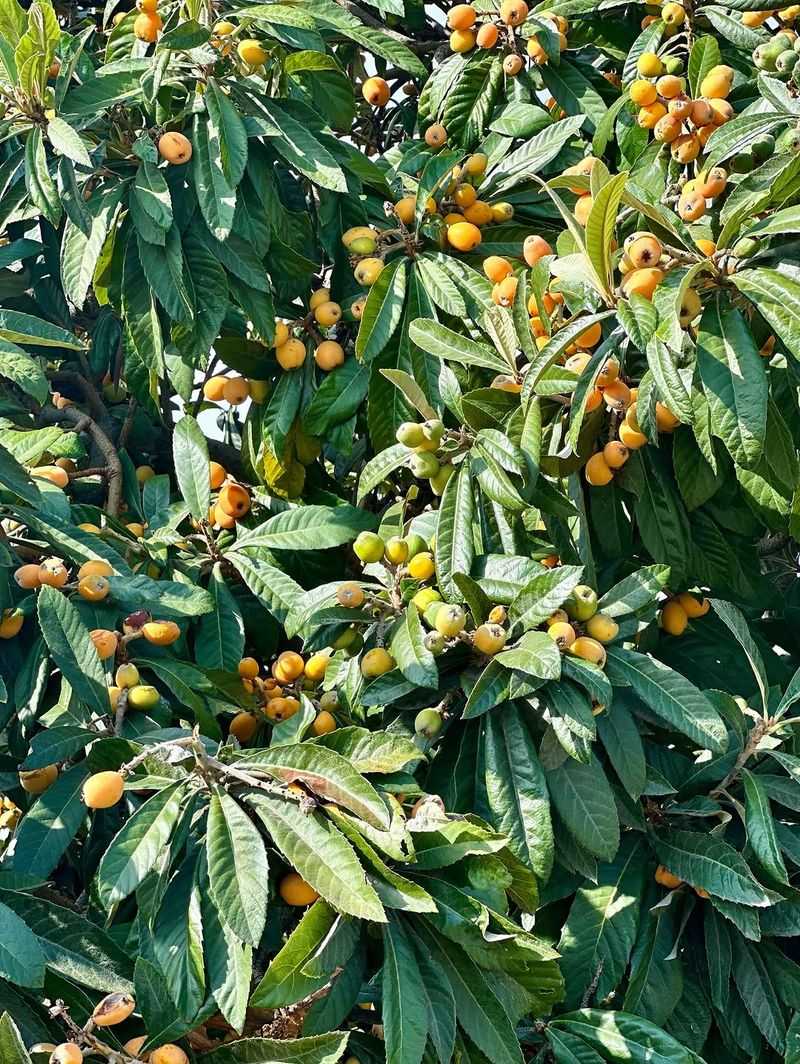
Most people walk right past loquat trees without knowing what they are looking at. But once you taste a fresh loquat picked at peak ripeness, you never forget it.
Sweet, slightly tangy, and wonderfully juicy, loquats are one of the most underrated fruits you can grow in Texas.
Loquats are well-suited to the Texas climate and grow naturally across much of the state, from the Gulf Coast to Central Texas. They are evergreen, meaning they keep their large, glossy leaves all year long.
That makes them attractive container plants even when they are not fruiting. In containers, loquats typically stay between four and eight feet tall depending on pot size and pruning. Use a large pot, at least 15 gallons, and fill it with a rich, well-draining mix.
Loquats are not overly picky about soil type, which makes them forgiving for beginner gardeners.
They bloom in fall and early winter, which is unusual compared to most fruit trees. The small white flowers have a lovely sweet fragrance.
Fruit matures in late winter to early spring, giving you fresh homegrown produce at a time when most other trees are still waking up. That early harvest window is a real bonus.
Loquats need moderate watering and occasional fertilizing with a balanced fertilizer in spring. They tolerate partial shade better than most fruit trees, which is helpful if your patio does not get full sun all day.
Hardy, beautiful, and productive, loquat is a hidden gem for container gardeners who want something a little different from the usual lineup.