8 Simple Ways To Refresh Your Ohio Yard In May Without Replanting Everything
Not every yard refresh needs to start from scratch. Most Ohio yards in May are closer to looking good than their owners realize, and the gap between tired and pulled-together is often smaller than it appears from the back porch on a Sunday afternoon.
May is a forgiving month to work with. Everything is greening up, and once the soil is dry enough to work, small changes land with more visual impact than the same effort would produce in the middle of summer or the tail end of fall.
A few targeted moves in the right spots can shift how an entire yard reads before you commit to buying a full cart of new plants. The temptation to tear things out and start fresh is understandable after a long Ohio winter.
But replanting everything is expensive, time-consuming, and often unnecessary when the bones of a yard are already decent.
Edging, clearing, adjusting, and refreshing what’s already there tends to do more than most homeowners expect before any new plant ever goes in the ground.
A few straightforward approaches make a noticeable difference in May without turning the weekend into a full landscaping project.
1. Clean Up Winter Debris Before New Growth Hides It
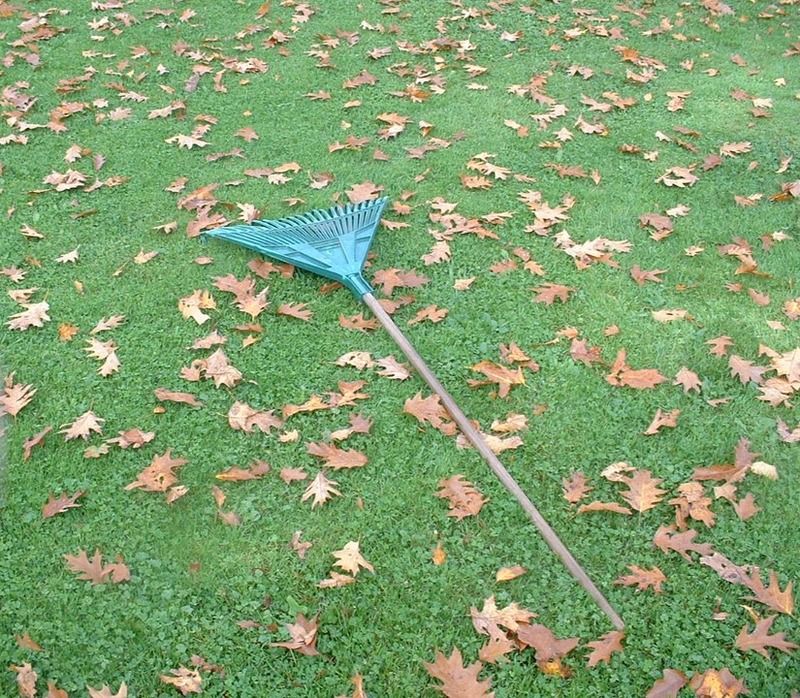
Walk through your yard on a dry morning in early May and you will probably notice how quickly the mess from winter and early spring can disappear under new growth, making it harder to clean up later.
Leave some clean leaf litter or hollow stems in out-of-the-way habitat areas if they are not smothering crowns, blocking new growth, or showing signs of disease.
Getting this material out before new growth fills in gives you a cleaner starting point and helps you see exactly what survived the winter.
Work carefully around beds where perennials are just emerging. Tender new shoots from hostas, daylilies, and coneflowers can be surprisingly easy to snap off if you are raking aggressively.
Use your hands or a soft rake near crowded areas, and save the heavy raking for open lawn edges and paths.
Ohio State University Extension recommends avoiding cleanup when soil is saturated, since walking on wet clay soil compacts it and makes it harder for roots to breathe.
Clean plant debris that shows no signs of disease can go into a compost pile. Anything with obvious disease symptoms, serious rot, or pest-infested material should go into the trash rather than a home compost pile.
Removing old stems from ornamental grasses and spent perennials now also lets you assess which plants need dividing, pruning, or a little extra attention as the season picks up.
2. Edge Beds For An Instant Neater Look
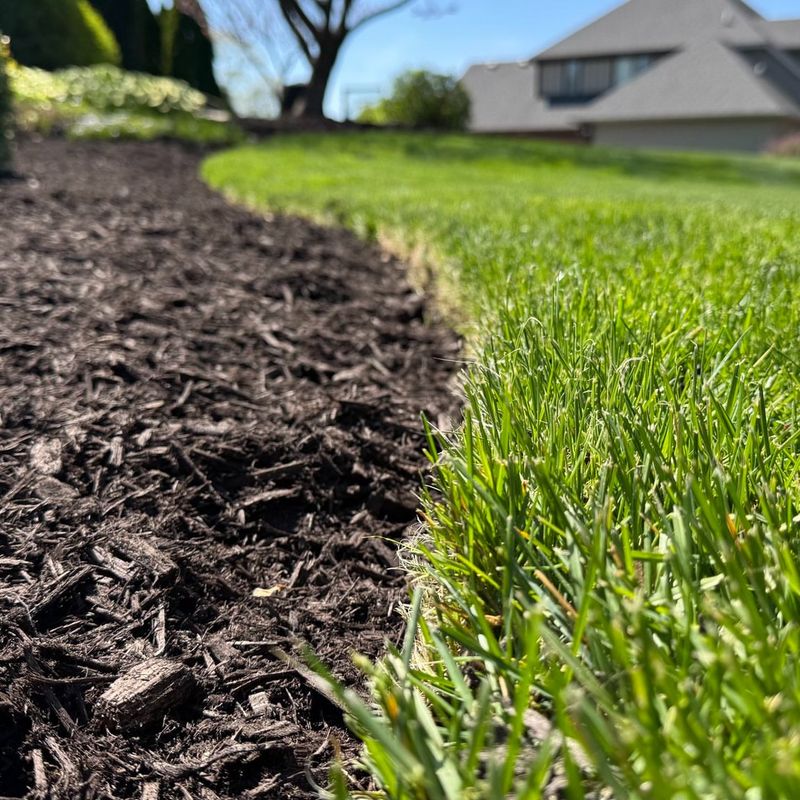
Few yard tasks deliver as much visual payoff as clean bed edging, and it takes far less time than most people expect.
When grass creeps into flower beds and bed borders blur into the lawn, the whole yard starts to look neglected even if the plants themselves are healthy and well-tended.
Redefining those edges is one of the fastest ways to make a yard look more put-together without replacing a single plant.
Your Ohio Garden Changes Every Week. Your Plan Should Too.
Gardening in Ohio changes quickly throughout the season. Every Friday you’ll receive a simple weekly plan showing exactly what to plant, prune, fertilize, harvest, and protect so you never miss the right timing.
A half-moon edger or flat spade works well for cutting a fresh edge along straight or gently curved beds. For more defined curves, lay out a garden hose first to mark your line, then cut along it.
Aim for a clean vertical cut that separates the lawn from the bed rather than a deep trench, which can damage shallow roots on perennials and shrubs planted close to the edge.
A depth of two to three inches is usually enough to keep grass from creeping back too quickly.
String trimmers can clean up straggly grass along edges between edging sessions, but they work best as a follow-up tool rather than a substitute for a true edging cut. Once you have a fresh edge, maintaining it through the season takes only a few minutes at a time.
Northern Ohio yards with heavier spring growth from lake-influenced moisture may need more frequent touch-ups than yards in drier central or southern parts of the state.
3. Refresh Mulch Before Ohio Heat Builds
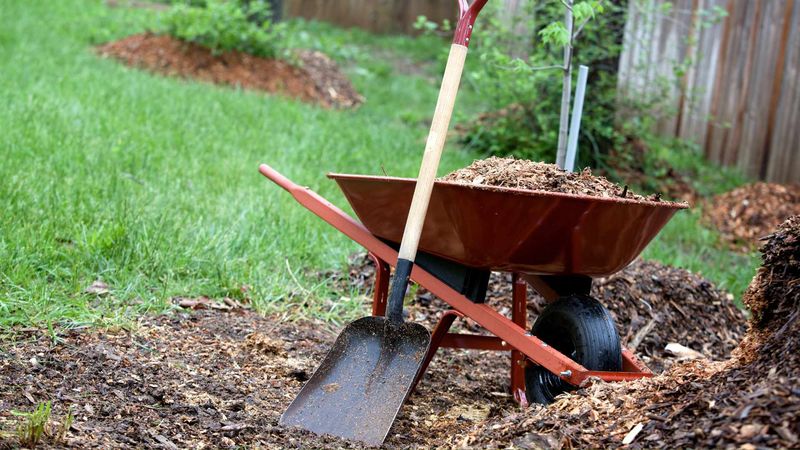
By the time May arrives, last year’s mulch has usually broken down, faded, or washed into uneven patches that leave parts of the bed exposed.
Refreshing mulch now, before consistent summer heat sets in, gives your beds a clean look while setting up the soil for a healthier season.
A fresh layer also helps keep moisture in the ground during the dry spells that often hit Ohio in June and July.
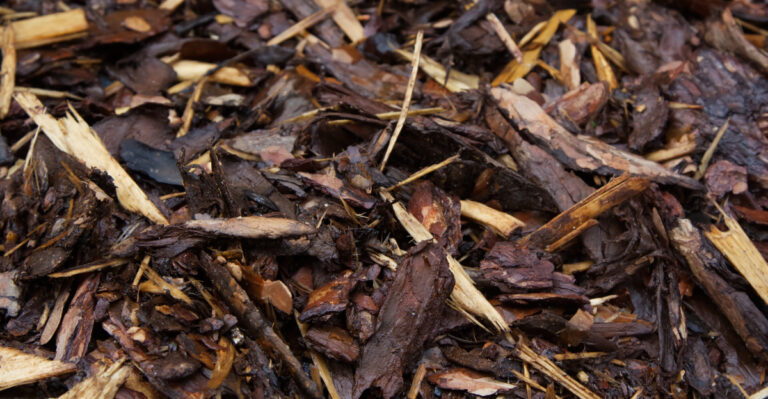
Ohio State University Extension recommends applying mulch two to three inches deep in ornamental beds. Shredded hardwood bark and wood chip mulch are both good choices for our yards because they break down gradually and improve soil structure over time.
Avoid piling mulch directly against plant stems, shrub crowns, or tree trunks. That buildup, sometimes called a mulch volcano, traps moisture and heat against bark and crowns in ways that can weaken plants over time.
Before adding new mulch, rake existing material to break up any matted or compacted layers. You may only need to add an inch or so on top of what is already there rather than starting from scratch.
Pull visible weeds first so they do not get covered and continue growing underneath.
Central and western Ohio yards with heavy clay soil benefit especially from mulching because it helps moderate soil temperature swings and slow moisture loss during the warm months ahead.
4. Divide Crowded Perennials That Can Handle Spring Moves
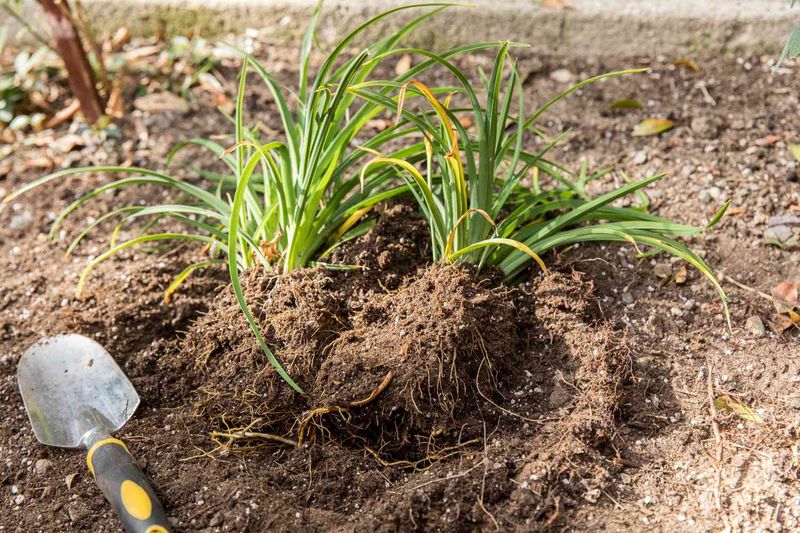
Crowded perennials often send up fewer blooms, flop over more easily, and compete with each other for water and nutrients. If you have clumps that look dense and tired, spring can be a reasonable time to divide some of them, but the key word is selective.
Not every perennial handles spring division equally well, and timing matters depending on when the plant blooms.
Summer and fall bloomers such as daylilies, ornamental grasses, black-eyed Susans, and hostas generally tolerate spring division when they are still in early growth stages.
Spring-blooming perennials like bleeding heart, creeping phlox, and pulmonaria are usually better divided after their flowers fade.
Dividing them while they are actively blooming stresses the plant and reduces your chances of getting good establishment before summer heat arrives.
To divide, use a sharp garden fork or spade to lift the clump, then separate it into sections that each have several healthy shoots and a good root mass.
Replant divisions at the same depth they were growing before, water them in well, and keep the soil consistently moist for the first couple of weeks.
Avoid dividing during a hot dry stretch or right before a heavy rain is forecast to wash away freshly placed soil. If you end up with more divisions than you need, share them with neighbors or pot them up for container use later in the season.
5. Fill Bare Spots With Annuals Instead Of Redesigning Beds
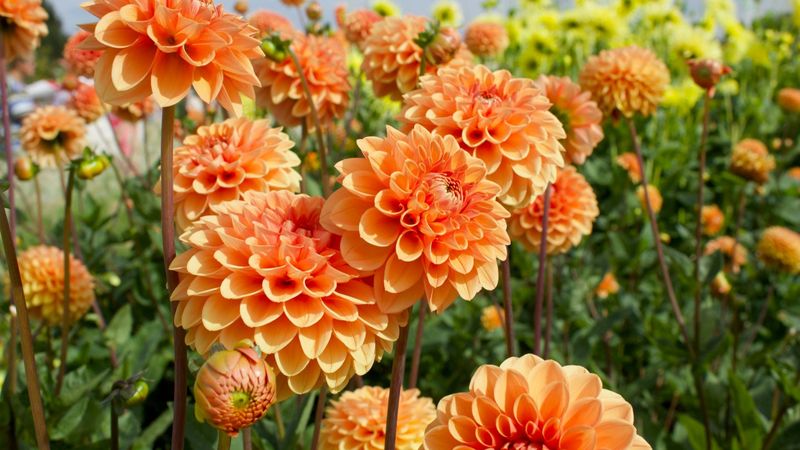
A few bare spots in an otherwise healthy bed can make the whole garden look unfinished, but that does not mean you need to redesign the layout or remove existing plants.
Annuals are one of the most practical tools for filling gaps quickly with seasonal color, and May is a good time to use them in most parts of the state once frost risk has passed.
Keep in mind that northern Ohio and lake-influenced areas often have a later last frost date than southern Ohio, so check local forecasts before setting out frost-sensitive annuals like impatiens or coleus.
Match annuals to the conditions of the spot rather than just picking what looks good at the garden center. Sunny, dry spots do well with marigolds, zinnias, and portulaca.
Shaded areas with consistent moisture are better suited to impatiens and begonias; wait until nights and soil are reliably warm before using heat-loving caladiums.
Checking the mature size of an annual before planting prevents overcrowding later in the season when summer growth picks up quickly.
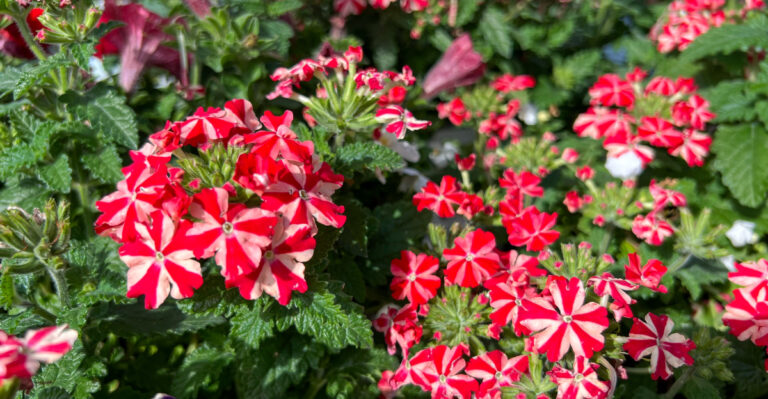
Annuals in containers near entries, patios, and walkways can also shift attention away from areas that still need work. A few well-placed pots of petunias or verbena near the front door can brighten the whole front yard without touching the garden beds at all.
Keep newly planted annuals watered consistently for the first week or two, especially if warm dry weather arrives quickly after planting, which is common here during late May.
6. Prune Spring Flowering Shrubs After Blooms Fade
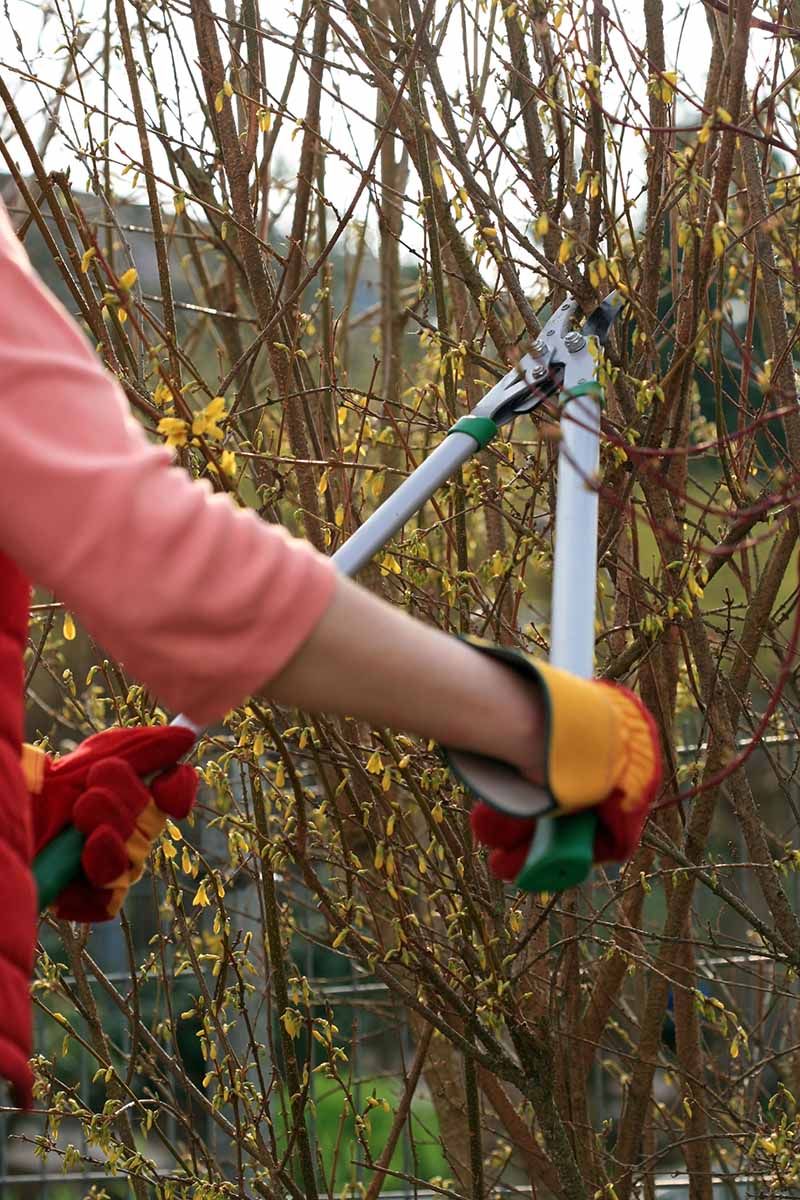
Grabbing the pruners and trimming shrubs in May sounds straightforward, but the timing of when you prune can make a real difference in how well shrubs bloom the following year.
Many popular landscape shrubs, including forsythia, lilac, and certain viburnums, bloom on old wood, meaning they set their flower buds during the previous growing season.
Pruning them before or during bloom removes those buds and reduces flowering next spring.
The general guideline from Ohio State University Extension is to prune spring-flowering shrubs shortly after their blooms fade, while the season is still cool and before the plants set new buds for next year.
Forsythia typically blooms in early spring and can be pruned in April or early May depending on your location.
Lilacs usually bloom in mid to late May, so pruning often happens in late May or early June.
Removing old, crossing, or crowded stems rather than shearing the whole plant tends to produce better long-term results and a more natural shape.
Summer-blooming shrubs like panicle hydrangeas and some shrub roses follow different rules and can often be pruned earlier in spring. Before cutting anything, take a moment to identify what the shrub is and when it blooms.
If you are unsure, your county Extension office can help with plant identification. Skipping one year of pruning is far less damaging than pruning at the wrong time and losing a full season of flowers.
7. Feed Containers And Check Drainage After Spring Rain
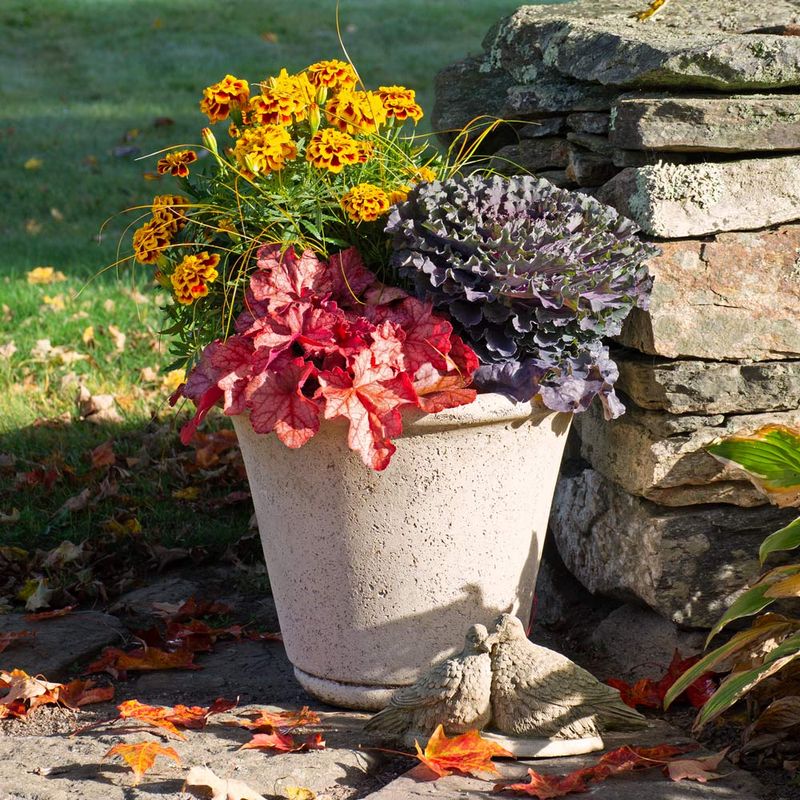
After a wet spring, containers can end up waterlogged, with compacted potting mix, plugged drainage holes, and plants that struggled through cold nights and heavy rain.
May is a good time to go through every container on your porch, patio, or deck and assess what actually needs attention before you commit to a full summer planting plan.
Some containers just need a refresh, while others may need a complete soil swap.
Start by checking drainage. Lift each pot and look at the drainage holes.
If water is not moving through freely, try clearing the holes with a skewer or pencil. Empty saucers that have been holding standing water, since roots sitting in pooled water for extended periods can weaken over time.
If the potting mix feels dense, heavy, and compacted rather than loose and slightly springy, mixing in a small amount of fresh potting soil can help restore some structure and drainage.
Old potting mix loses its ability to hold nutrients and drain properly after a season or two, so containers that have not been refreshed in a while may benefit from a partial or full soil replacement.
Adding a slow-release granular fertilizer at planting time gives container plants a steady nutrient supply through summer without requiring frequent liquid feeding.
Match your container plant choices to the actual sun and shade conditions of the spot, since May light levels in Ohio can look different than July light once trees fully leaf out.
8. Patch Thin Lawn Areas Before Summer Stress Arrives
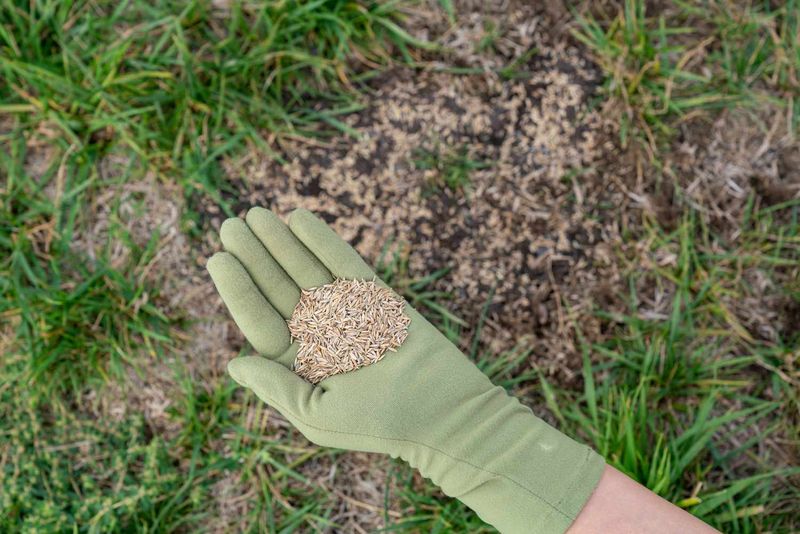
Bare and thin patches in lawn tend to stand out in May when the surrounding grass is actively growing and green.
While late summer to early fall is generally the best window for major lawn seeding because of cooler temperatures and more reliable moisture, small repairs done carefully in May can still produce decent results if you stay on top of watering and timing.
Before spreading seed, take a moment to figure out why the patch is bare in the first place.
Heavy foot traffic, pet damage, poor drainage, compacted soil, or too much shade can all prevent grass from establishing, and seeding into the same conditions without addressing the cause often produces disappointing results.
For compacted spots, loosening the top inch or two of soil with a hand rake before seeding improves seed-to-soil contact significantly.
Ohio’s cool-season lawns, which are typically tall fescue, Kentucky bluegrass, or perennial ryegrass, need consistent moisture to germinate well.
Seeded areas need to stay moist until seedlings are established, which can be a challenge during warm, windy late-May weather.
Seeding too late into a hot dry stretch reduces your chances of success.
If the timing does not feel right, Ohio State University Extension suggests waiting until late August or early September for the most reliable results, especially for larger bare areas or yards with heavier clay soils.