This Is How Ohio Gardeners Should Remove Faded Petunia Flowers For More Summer Color
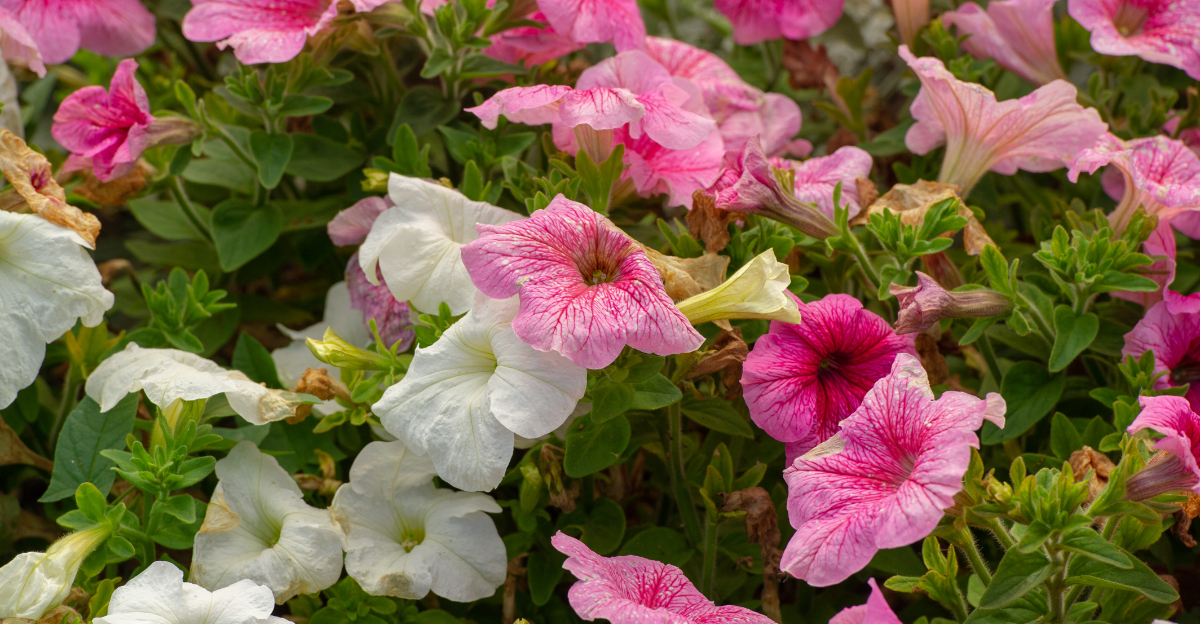
Petunias are generous plants. Give them decent sun and reasonable care and they will bloom their hearts out all summer long.
But leave the faded flowers in place and that generosity starts to taper off faster than most Ohio gardeners expect, usually right around the point in summer when the garden should be hitting its stride.
Deadheading petunias is one of those tasks that sounds straightforward until you look closely at the plant and realize there is a right way and a less effective way to go about it.
Pinching off just the spent bloom is not the same as removing the whole structure behind it, and that distinction matters more than most casual gardening advice lets on. Ohio’s summer gives petunias a long runway to perform.
The warm days, the reliable moisture, and the stretch of growing season between June and first frost add up to a lot of potential bloom time.
How much of that potential actually shows up in the garden comes down in part to how consistently and correctly the faded flowers get managed through the season.
The technique takes about thirty seconds to learn and pays back in color all the way to fall.
1. Know Why Faded Petunia Flowers Slow New Blooms
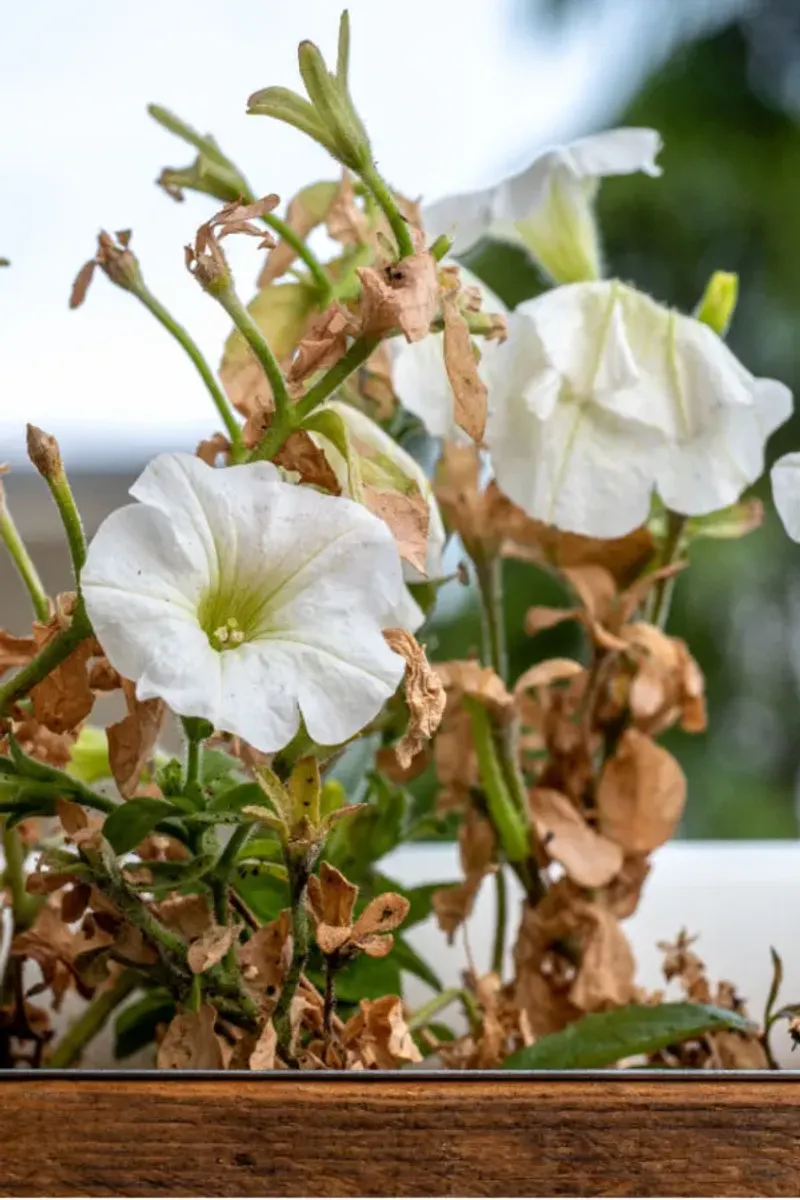
Every time a petunia flower finishes blooming, the plant gets a signal to start forming seeds. That shift in energy can slow down the production of new flowers, which means your baskets and beds start looking more tired and less colorful over time.
Removing faded flowers before seed pods develop can redirect that energy back toward fresh buds and new growth.
After a stretch of summer rain, old blooms can turn mushy and stick to foliage, making containers look messy even if the rest of the plant is healthy. Cleaning up spent flowers regularly helps the whole planting look neater and more intentional.
A quick pass every few days during peak bloom can go a long way.
That said, flower removal is not a magic fix on its own. Petunias still need enough sun, consistent moisture, proper drainage, and occasional light feeding to perform well.
Some newer self-cleaning varieties drop faded flowers on their own and may not need as much hands-on cleanup, while older large-flowered types tend to benefit more from regular attention. Knowing your variety helps you decide how much effort to put in.
2. Look For Limp Petals And Swollen Seed Pods
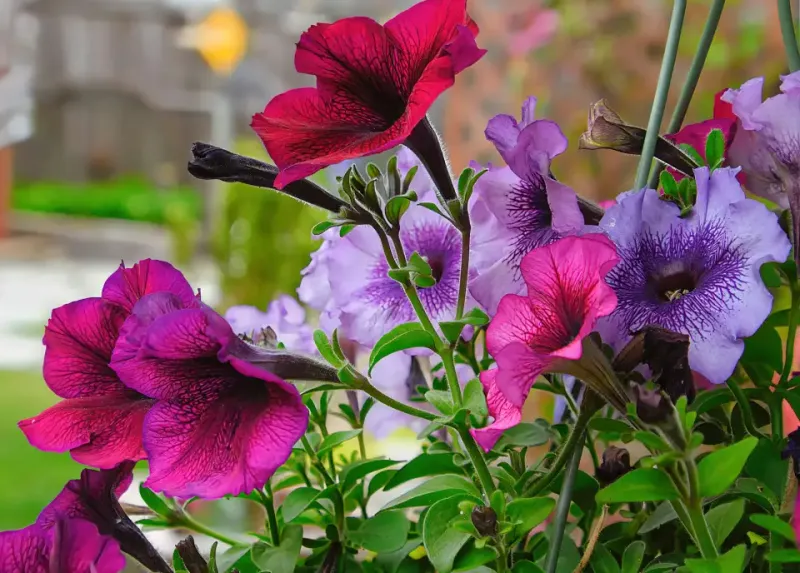
Not every flower that looks a little droopy is truly finished. On warm afternoons, petunias can wilt slightly from heat and then perk back up by evening.
The real sign that a bloom is done is a combination of limp, papery petals and a small swollen base forming just below where the petals attach.
That swollen base is the seed pod starting to develop. If you only pull off the soft petals and leave the base behind, the plant will still put energy into finishing that seed.
For the best results, you want to remove the entire spent flower, including the small stem section that holds the seed-forming structure.
Your Ohio Garden Changes Every Week. Your Plan Should Too.
Gardening in Ohio changes quickly throughout the season. Every Friday you’ll receive a simple weekly plan showing exactly what to plant, prune, fertilize, harvest, and protect so you never miss the right timing.
Take a close look at the stem just below the bloom. You will usually see a slightly thickened or greenish knob where the petals meet the stem.
That is the part that needs to come off along with the tired petals. Checking hanging baskets from underneath and from the sides can help you spot finished blooms that are easy to miss from above.
A few minutes of careful observation before you start makes the whole process more effective.
3. Pinch Below The Flower Instead Of Pulling Petals
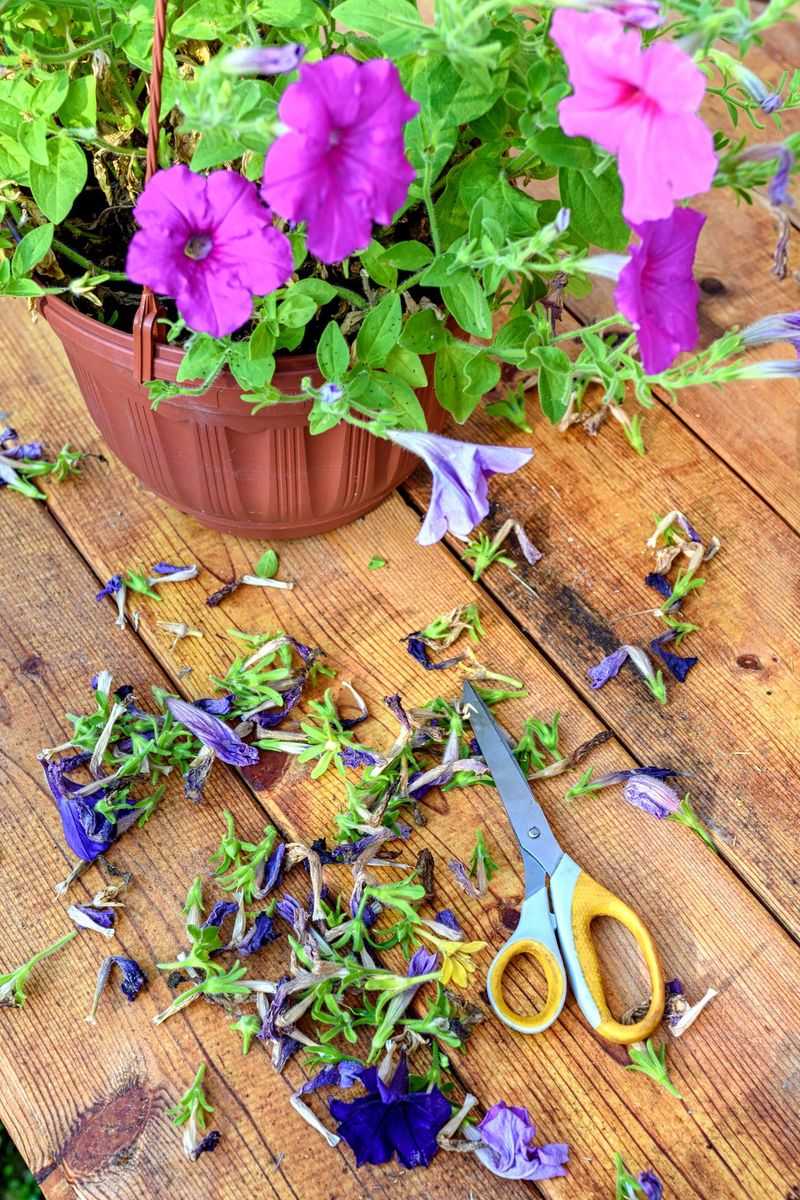
One of the most common mistakes people make when cleaning up petunias is grabbing the soft petals and pulling. The petals come off easily, but the seed-forming base stays right where it is.
Pinching below the entire flower, taking the small stem section and seed structure with it, is the approach that actually helps redirect plant energy.
Use your thumb and forefinger to grip the stem just below the spent bloom, then snap it off with a quick, clean motion. Most of the time, no tools are needed.
The stems are soft enough that a firm pinch does the job without tearing or damaging nearby growth. Work gently, especially around new buds that are just beginning to open nearby.
Hanging baskets can be tricky because blooms are often tucked underneath or along the sides where they are hard to see. Rotate the basket or lift it slightly to check all angles before calling it done.
Southern Ohio summers can push plants into heavy bloom cycles faster than northern Ohio, so baskets in warmer spots may need attention more often. A quick check every two to three days during peak season keeps things tidy and productive.
4. Trim Leggy Stems When Plants Start Looking Tired
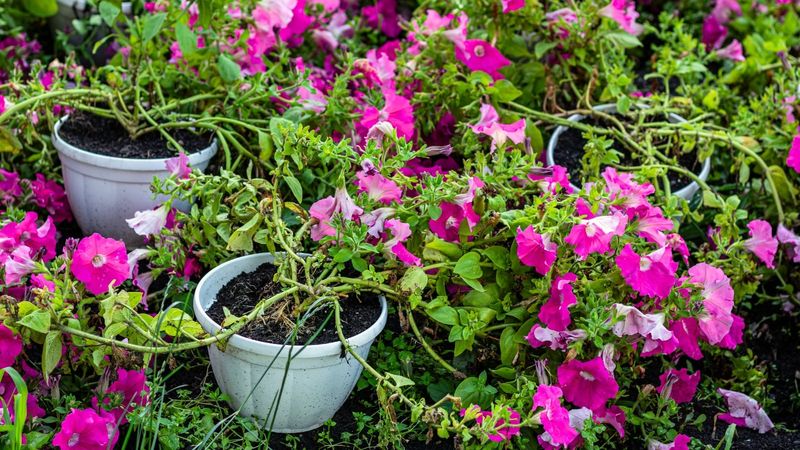
By mid-July, many petunias start stretching out in ways that look more scraggly than lush.
Long, thin stems with a few flowers at the very tips are a sign that the plant has been putting energy into reaching rather than branching.
Light trimming at this stage can encourage fuller, bushier regrowth.
Trimming stems is a different task from removing individual faded flowers. Instead of snapping off just the spent bloom, you are cutting back a portion of the stem itself, usually by about a third.
Doing this selectively on the longest, most stretched stems while leaving shorter healthy growth in place gives the plant a chance to branch out and produce more flowering tips.
Timing matters here. Avoid heavy trimming during the hottest, driest stretches of Ohio summer, when plants are already stressed and recovering slowly.
A mild, overcast day or a cooler morning is a better time to trim back tired stems. After trimming, water the plant well and give it a light feeding to support the new growth coming in.
Do not expect overnight results. Fuller regrowth usually takes one to two weeks depending on conditions, sun exposure, and the specific variety you are growing.
5. Use Clean Snips For Sticky Or Crowded Growth
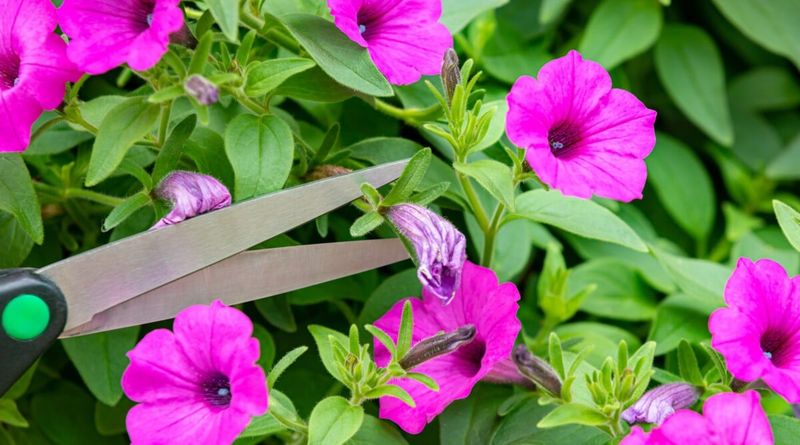
Anyone who has worked through a full hanging basket of petunias knows how sticky the foliage can get. The fine hairs on petunia stems and leaves release a slightly tacky residue that clings to fingers, gloves, and tools.
For dense or crowded plantings, a pair of small, sharp snips or bypass pruners can make cleanup much easier and more precise than pinching by hand.
Sharp tools make cleaner cuts, which helps plant tissue recover faster than ragged, crushed stems. Wipe blades with a clean cloth before moving between containers, especially if any plant shows signs of disease or unusual spotting.
Spreading problems from one container to another is a real risk in crowded urban patios and porch gardens where baskets hang close together.
After working through sticky foliage, wash your hands with soap and water to remove the residue. Drop trimmed stems, faded petals, and seed pods into a bucket or bag rather than letting them fall back into the container or bed.
Leaving old plant material sitting in the pot can create a moist environment that encourages fungal issues, which Ohio’s humid summers can make worse. Keeping the work area tidy is a small step that supports overall plant health.
6. Feed Lightly To Support Fresh Summer Flowers
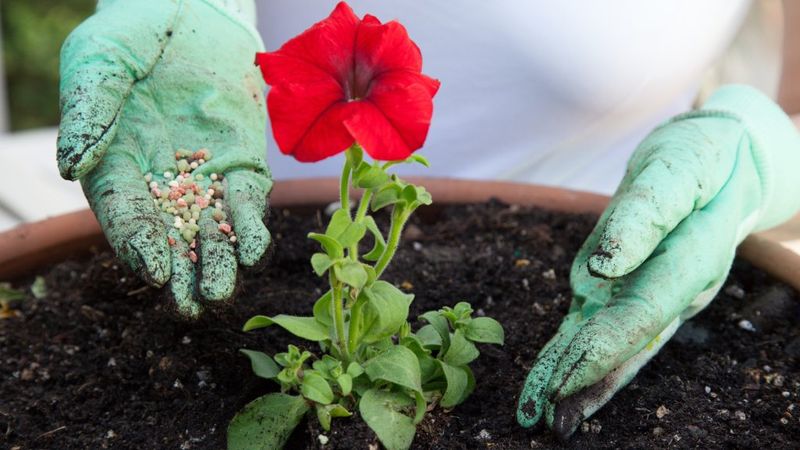
Petunias are enthusiastic bloomers, and all that flowering takes energy. Container-grown plants are especially hungry because nutrients wash out of potting mix every time you water.
A light, steady feeding schedule helps replace what gets lost and keeps plants looking vibrant rather than pale and sluggish.
A balanced water-soluble fertilizer applied every one to two weeks is a reasonable approach for container petunias during the growing season. Follow the label directions carefully.
More fertilizer does not mean more flowers, and overfeeding can push plants toward lush leafy growth at the expense of blooms.
Pale yellow leaves or noticeably weak flowering can sometimes suggest a nutrient shortage, though those same symptoms can also point to overwatering, root problems, or too little sun.
For petunias growing in garden beds with decent soil, feeding needs are usually lower than for container plants.
Ohio soils vary quite a bit, from clay-heavy ground in many northern and central areas to sandier patches in other regions, so starting with a soil test through Ohio State University Extension can help you understand what your beds actually need.
Good drainage and healthy soil structure support blooms more reliably than fertilizer alone ever will.
7. Water Consistently Through Ohio Heat And Dry Spells
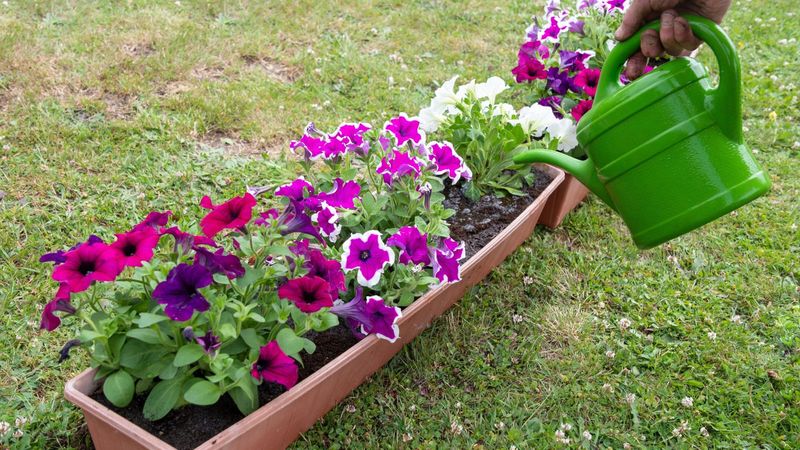
Uneven watering is one of the fastest ways to stress a petunia, even when you are keeping up with flower removal and feeding. Petunias prefer consistent moisture at the roots, but they do not want to sit in soggy soil.
That balance can be tricky to maintain during summers, which can swing between heavy rain and weeks of dry, windy heat.
Check containers and hanging baskets daily during hot spells. Smaller pots and baskets dry out faster than large planters, and a basket hung in a breezy spot on a southern Ohio porch can need water twice a day in August.
Stick a finger about an inch into the potting mix before watering. If it feels dry at that depth, water thoroughly until it drains from the bottom.
After a stretch of heavy rain, hold off on watering until the mix starts to dry out again.
Roots sitting in waterlogged soil lose the ability to take up nutrients and oxygen, which can make the whole plant look limp and faded even if you have been removing spent flowers faithfully.
Good drainage in containers and raised beds makes managing moisture much easier across the whole season.
8. Refresh Containers When Petunias Stall In Midsummer
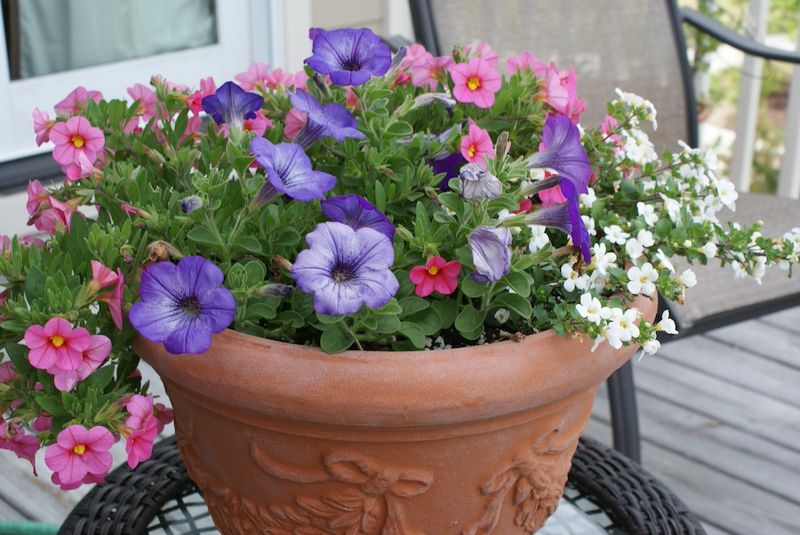
Some summers, petunias just seem to hit a wall around late July. The blooms slow down, the foliage looks pale, and even regular cleanup does not seem to help much.
Before writing off the whole container, it is worth doing a quick check to figure out what is actually going on.
Start by checking the drainage holes at the bottom of the pot. Compacted potting mix or root crowding can block drainage, leaving roots sitting in moisture longer than they should.
Gently press on the soil surface to see if it has become hard or hydrophobic, meaning water runs off instead of soaking in. If that is the case, watering deeply and slowly, or using a chopstick to poke a few holes in the mix, can help moisture reach the roots again.
After addressing drainage, trim back the longest stems by about a third, remove all faded flowers you can find, and give the container a light feeding.
If companion plants in the same pot have overgrown and are crowding the petunias, removing or cutting back those plants can give petunias more room and light.
Recovery from a midsummer stall usually takes one to two weeks, and results depend on the variety, the weather, and how stressed the plant was before you started.
9. Keep Removing Faded Flowers Through The Growing Season
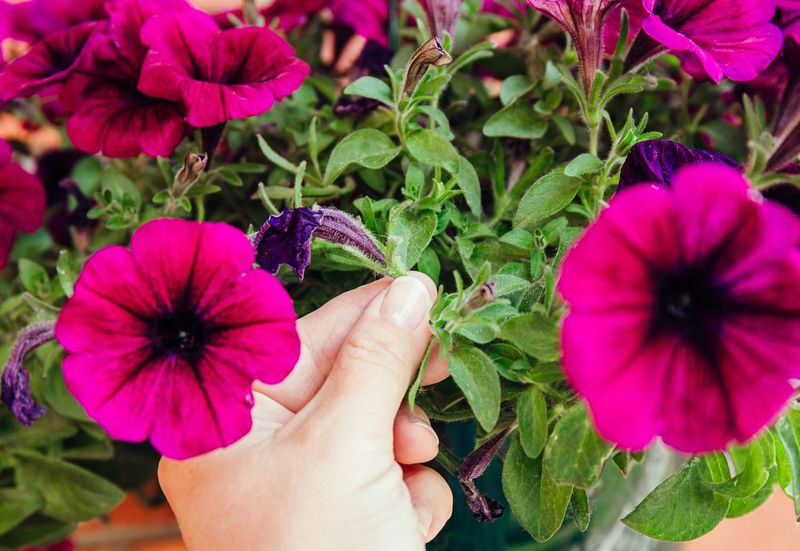
One pass through the petunias at the start of summer is not enough to keep them looking good all season. Flower removal works best as a steady habit, built into your regular garden routine rather than treated as a big one-time project.
A few minutes every two to three days is far more effective than a thorough cleanup once every few weeks.
After summer rainstorms, spent blooms can pile up quickly and become mushy against the foliage. Getting out to check baskets and beds within a day or two after heavy rain helps prevent that buildup from making plants look worse than they actually are.
Northern Ohio gardeners dealing with lake-influenced weather may find that cool, cloudy stretches slow bloom production anyway, so keeping plants tidy during those periods sets them up well when the sun returns.
Staying consistent through August and into September can help petunias keep producing color later into the season. Results will vary based on variety, weather, and how well the plants were cared for earlier in summer.
Self-cleaning petunia types need less hands-on attention, but most standard and large-flowered types reward regular care with a longer, more colorful show. Small, steady effort really does add up over a full growing season.