Wood You Believe It? These Trees Are Illegal In Maryland
Maryland is a beautiful state where forests parks and tree-lined streets make nature feel like a neighbor. But not every tree you see growing along the road or in someone’s backyard is welcome there.
Some trees look harmless or even pretty, yet they cause serious damage to local ecosystems, push out native plants, and create real headaches for homeowners and land managers alike.
Maryland has actually banned the sale, import, and planting of several tree and shrub species because of the trouble they cause, and some of them might surprise you. Understanding this list means protecting your community and keeping your outdoor space thriving.
These plants were often introduced with good intentions but nature had other plans. Once they got a foothold in Maryland’s soil, they spread fast and crowded out everything else. Find out which trees made the list and why Maryland decided enough was enough.
1. Tree Of Heaven
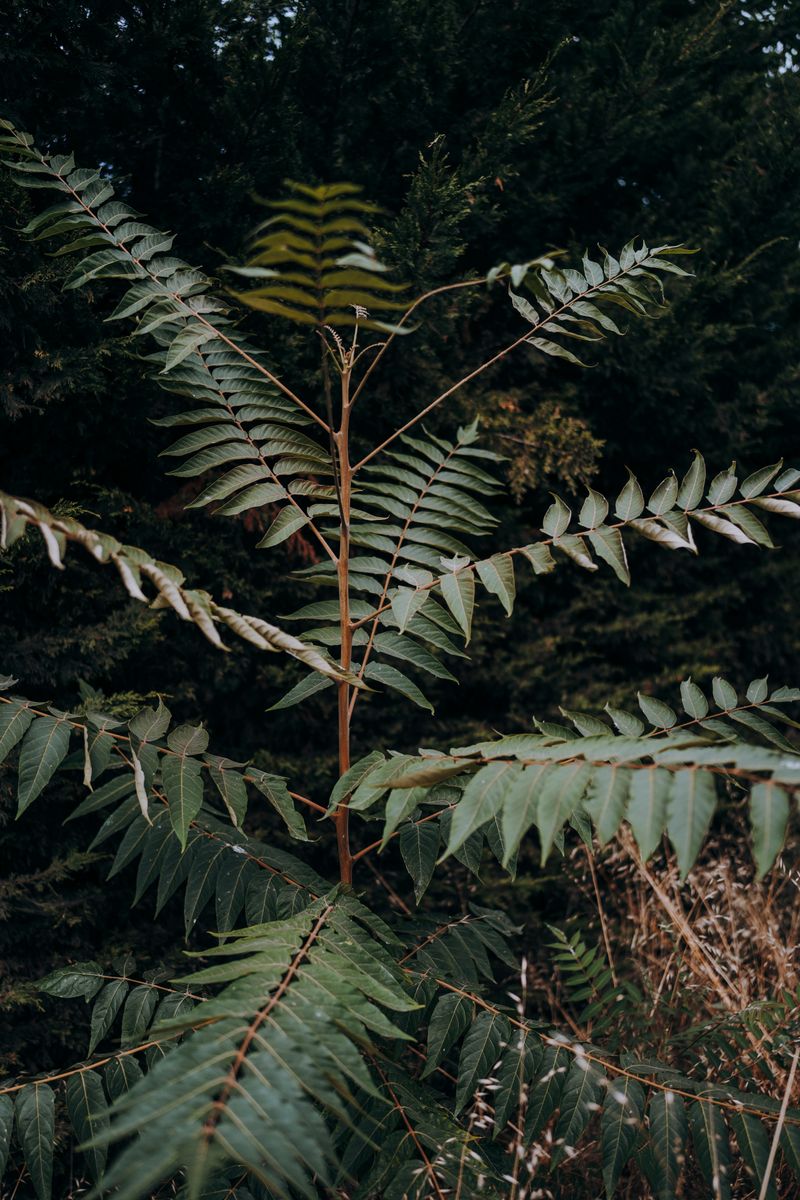
You have probably seen it growing out of cracks in sidewalks, climbing up fences, or shooting up along highway shoulders without a care in the world.
The Tree of Heaven is one of the most stubborn invasive plants in Maryland and across the entire eastern United States.
Originally brought from China in the late 1700s, it was once considered a useful ornamental tree.
The problem is that this tree does not play nicely with others.
It releases chemicals into the soil that actually prevent native plants from growing nearby, a process called allelopathy.
One single tree can produce up to 300,000 seeds per year, and those seeds spread easily by wind, making it incredibly hard to control once it takes root.
In Maryland, the Tree of Heaven has become a major concern not just for native plant communities but also because it hosts the spotted lanternfly, a destructive invasive insect that damages fruit trees and hardwoods.
Removing this tree is challenging because cutting it down often causes the roots to sprout multiple new stems in response.
Specialized treatment methods are usually needed to fully get rid of it.
If you spot one on your property in Maryland, it is worth contacting a licensed arborist or your local extension office for guidance.
Ignoring it tends to make the situation worse over time.
Maryland banned this species under its invasive plant regulations, so planting or selling it is no longer allowed in the state.
2. Norwegian Maple
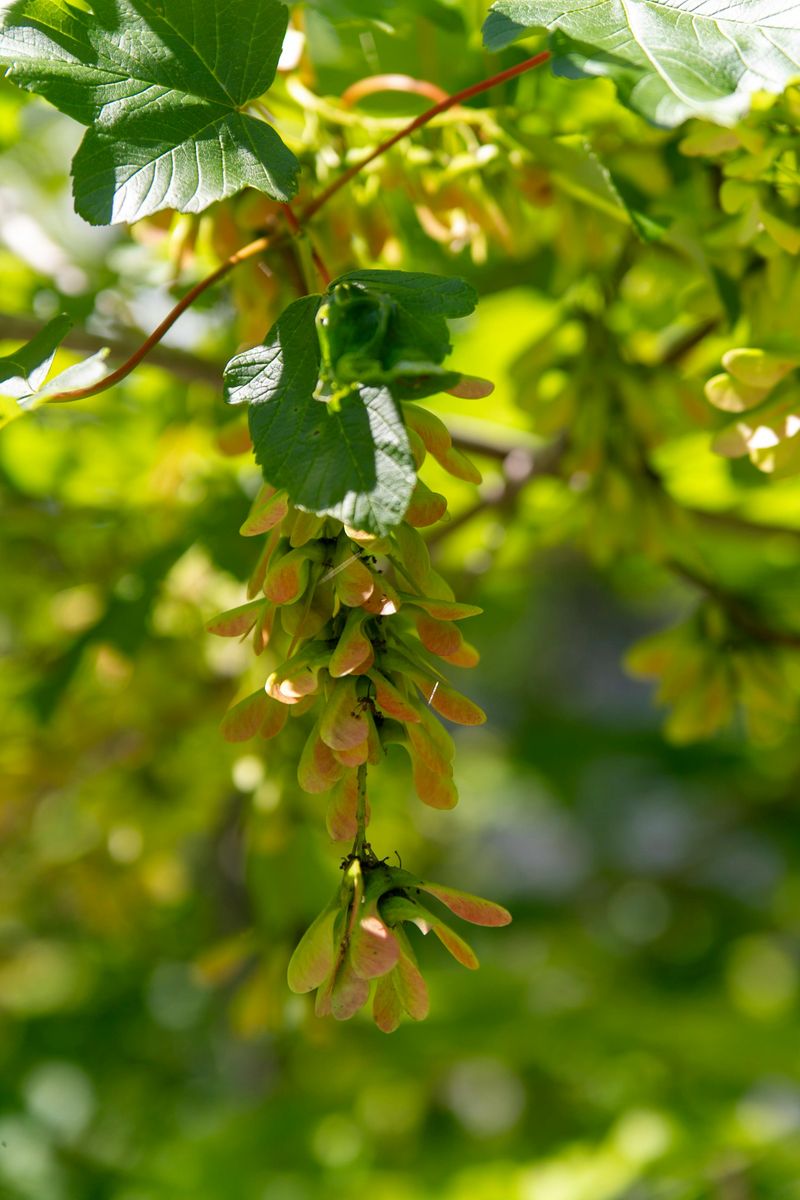
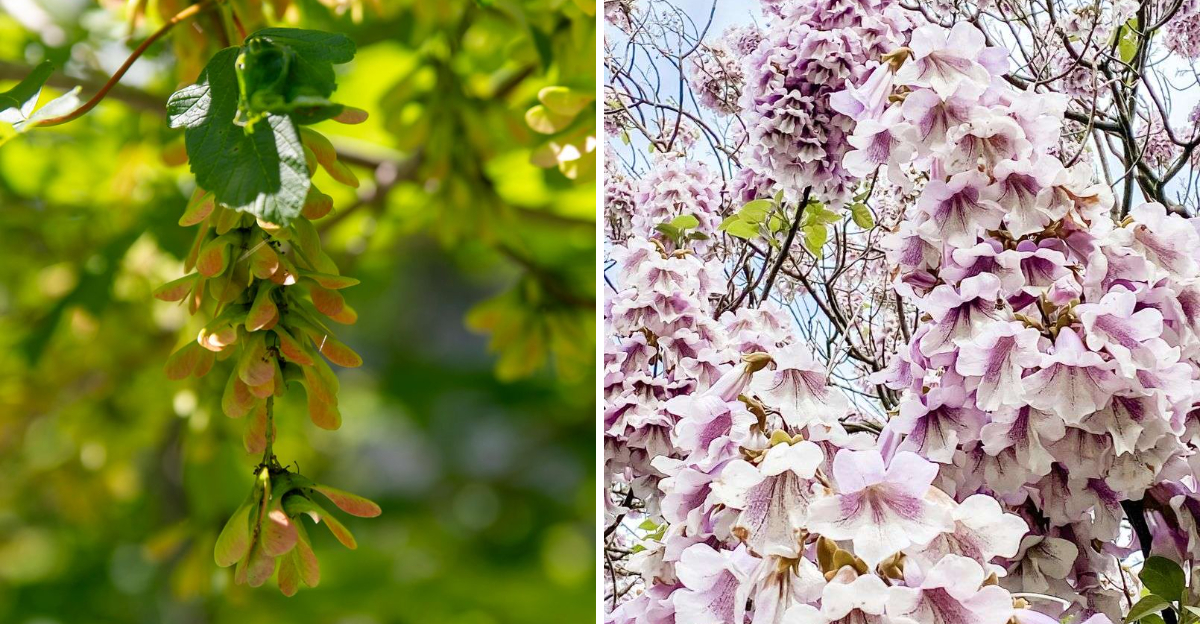
At first glance, the Norwegian Maple looks like a perfectly reasonable shade tree.
It has a full, rounded canopy, attractive leaves, and it grows quickly, which is exactly why it became so popular in landscaping across Maryland and the Northeast.
But looks can be misleading, and this tree’s charm hides a serious problem.
Native to Europe and western Asia, the Norwegian Maple was widely planted in American cities and suburbs throughout the 20th century.
Over time, however, it began escaping into forests and natural areas, outcompeting native maples and other trees for sunlight and resources.
Its dense canopy casts such deep shade that almost nothing can grow beneath it, which strips forest floors of the understory plants that wildlife depends on.
Your Maryland Garden Changes Every Week. Your Plan Should Too.
Gardening in Maryland changes quickly throughout the season. Every Friday you’ll receive a simple weekly plan showing exactly what to plant, prune, fertilize, harvest, and protect so you never miss the right timing.
In Maryland, the Norwegian Maple has been flagged as an invasive species because of how aggressively it self-seeds and spreads into protected natural areas.
The seeds are lightweight and winged, allowing them to travel far from the parent tree.
Once established in a woodland, it can shift the entire character of the forest over just a few decades.
Homeowners who currently have Norwegian Maples in their yards are encouraged to consider replacing them with native alternatives like the red maple or sugar maple.
Both can provide excellent shade and support local wildlife.
Maryland’s native maples are just as beautiful and far more beneficial to the ecosystem.
Choosing native trees is one of the simplest and most impactful things a Maryland resident can do for the local environment.
3. Mimosa Tree
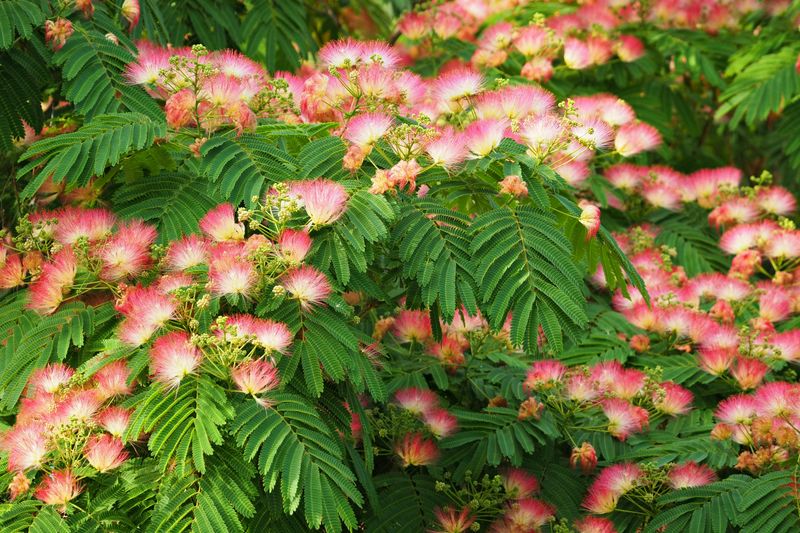
Few trees stop people in their tracks quite like the Mimosa in full bloom.
Those fluffy pink flowers look like something out of a fantasy garden, and the feathery leaves give it an almost tropical feel.
For decades, people planted Mimosa trees across Maryland yards and gardens simply because they were stunning.
Originally from Asia, the Mimosa was introduced to the United States in the 1700s and quickly became a favorite ornamental plant in the South and Mid-Atlantic region.
But beyond the pretty flowers lies a tree that spreads relentlessly.
It produces large quantities of seed pods that remain viable in the soil for years, and it thrives in disturbed areas like roadsides, stream banks, and forest edges throughout Maryland.
One of the reasons land managers in Maryland find this tree so frustrating is that it grows fast, matures early, and can start producing seeds within just a couple of years of sprouting.
It also resprouts aggressively from the base if cut down, making removal an ongoing effort rather than a one-time task.
The tree tends to crowd out native vegetation along waterways, which are some of Maryland’s most ecologically sensitive areas.
If you have a Mimosa tree in your yard and love the look, consider swapping it for a native flowering tree like the eastern redbud or fringe tree.
Both offer beautiful spring blooms without the invasive baggage.
Maryland didn’t slap a ban on planting and selling the Mimosa tree for nothing.
This once-beloved beauty has officially worn out its welcome.
4. Empress Tree
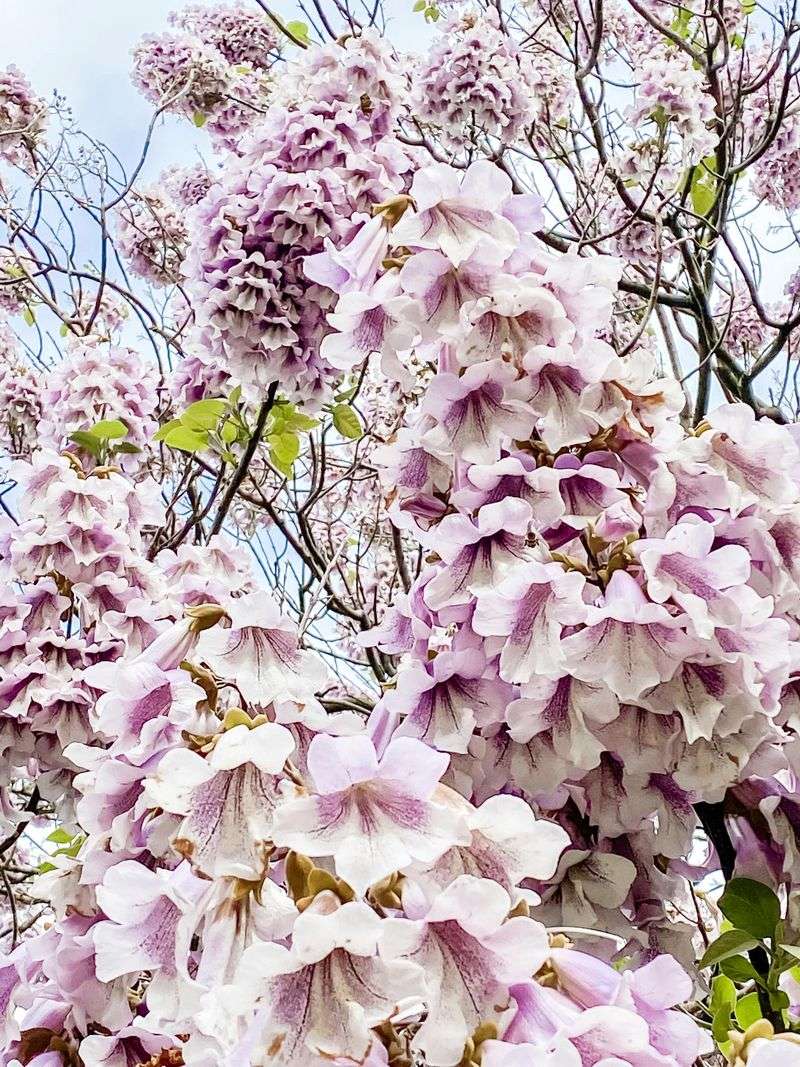
Speed is this tree’s most defining trait, and not in a good way.
The empress tree is one of the fastest-growing trees on the planet, capable of shooting up several feet in a single growing season.
Originally from China, it was introduced to North America in the 1800s and planted widely for its striking purple flowers and rapid growth.
In Maryland, it has become a serious invasive concern, particularly along forest edges, roadsides, and disturbed land near streams.
Each tree can produce up to millions tiny, winged seeds annually, which are light enough to travel miles by wind or water.
Once those seeds land on bare or disturbed soil, they germinate quickly and establish themselves before native plants get a chance.
What makes the empress tree particularly tough to manage is its root system.
Even after a tree is removed, the roots can send up new sprouts repeatedly, requiring multiple rounds of treatment to fully stop regrowth.
Its large leaves also shade out smaller native plants, reducing biodiversity in areas where it takes hold.
Despite its beauty, Maryland has placed this tree on its invasive species list, making it illegal to plant or sell in the state.
If you are looking for a fast-growing shade tree with visual impact, consider native options like the Tulip Poplar, which grows quickly and supports native wildlife.
Making the switch is a small change that adds up to a big difference for Maryland’s natural landscapes over time.
5. Callery Pear
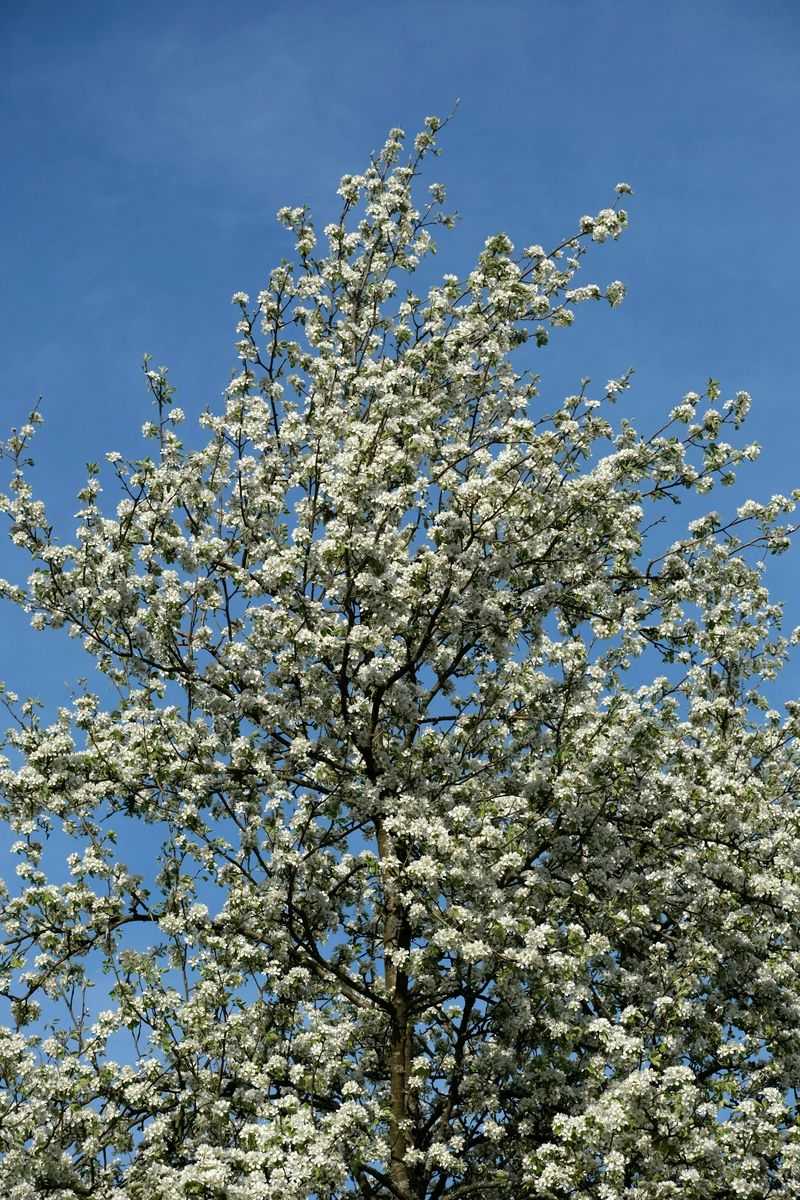
Every spring, streets across Maryland light up with clouds of white blossoms from callery pear trees, and for a moment, they look absolutely magical.
But if you get close enough, you notice something off: the flowers smell strongly unpleasant, almost fishy.
That scent is just one of the warning signs that this popular landscaping tree is more trouble than it appears.
The callery pear, often sold under the variety name Bradford pear, was introduced from China and became one of the most widely planted street trees in the United States during the latter half of the 20th century.
Landscapers loved it for its symmetrical shape, fast growth, and showy spring display.
Unfortunately, different varieties of it can cross-pollinate with each other, producing fertile seeds that birds eat and spread widely across Maryland’s countryside.
Those seeds sprout into wild callery pear trees armed with sharp thorns, which native wildlife avoids and which can form nearly impenetrable thickets along forest edges and farm fields.
These thickets crowd out native shrubs and wildflowers that local birds, pollinators, and mammals depend on for food and shelter.
The damage to Maryland’s agricultural and natural lands has been significant.
Maryland banned the sale and planting of the Bradford Pear tree in 2023, recognizing its invasive nature as a threat to the state’s native ecosystems.
Maryland Department of Agriculture announced the Bradford Pear ban as part of Maryland’s invasive plant regulations under COMAR (Code of Maryland Regulations).
If you have one in your yard, consider swapping it out for a native serviceberry or flowering dogwood. These beauties offer stunning blooms while actually giving Maryland’s wildlife something to celebrate.
6. Autumn Olive
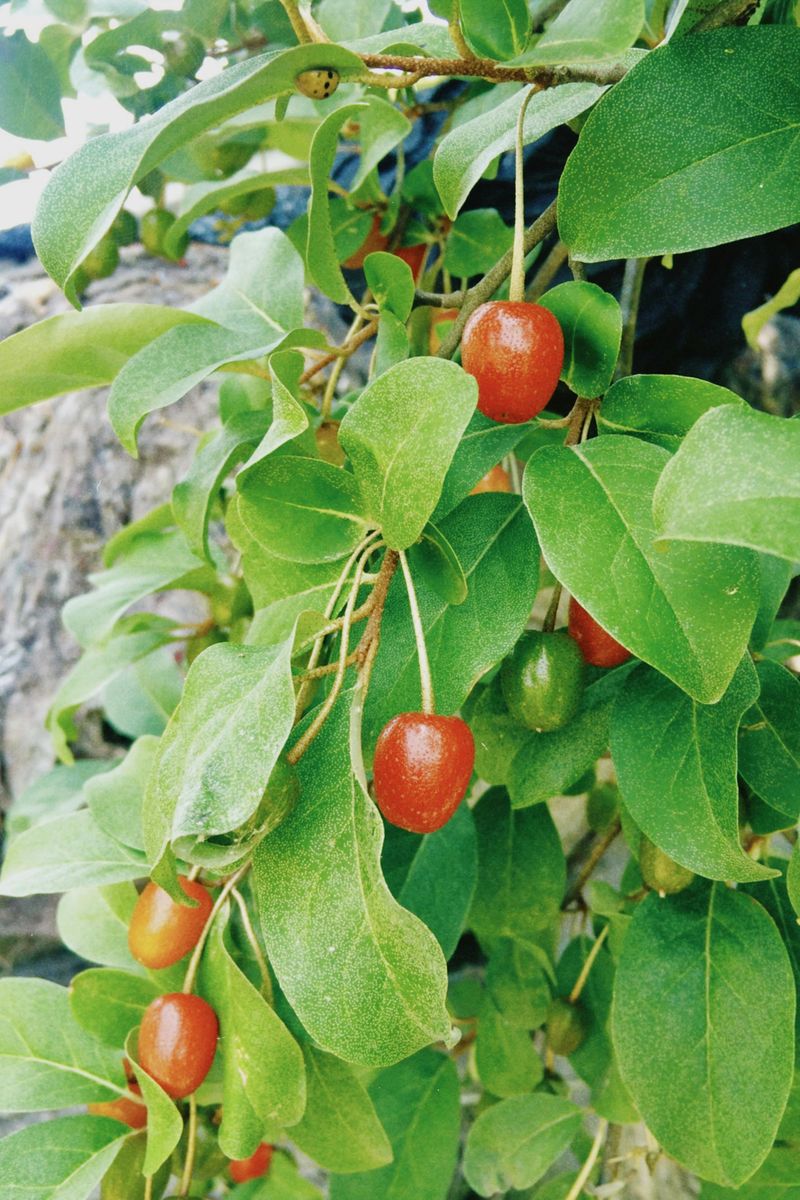
Back in the mid-20th century, the government actually encouraged people to plant Autumn Olive.
It was promoted as a great erosion control plant, a wildlife food source, and a way to restore degraded land.
Fast-forward a few decades, and Maryland land managers are now spending enormous resources trying to remove it from fields, roadsides, and forest edges across the state.
Autumn Olive is a shrub native to Asia that grows aggressively in open areas and disturbed land.
Sounds harmless enough right?
Well, Maryland did not get the memo before it was already everywhere.
It produces thousands of small red berries that birds eat enthusiastically and then spread far and wide through their droppings.
So essentially birds are out here doing free marketing and logistics for a plant that never even asked permission to show up.
A single mature plant can produce up to 80 pounds of berries in a season, which gives you a sense of just how rapidly it can spread across Maryland’s landscape.
What makes Autumn Olive especially competitive is its ability to fix nitrogen in the soil, which actually changes the soil chemistry in ways that favor its own growth and disadvantage native plants adapted to lower-nutrient conditions.
Over time, it can convert a native meadow or open woodland into a dense, single-species thicket that offers far less value to the broader ecosystem.
Removing Autumn Olive from Maryland properties requires persistence.
Cutting alone usually leads to vigorous resprouting, so most removal efforts involve a combination of mechanical removal and follow-up treatment.
Native alternatives like American beautyberry or native viburnums provide wildlife-friendly berries without the invasive spread.
They are smarter choices for Maryland gardeners and landowners looking to support local ecology.
7. White Poplar
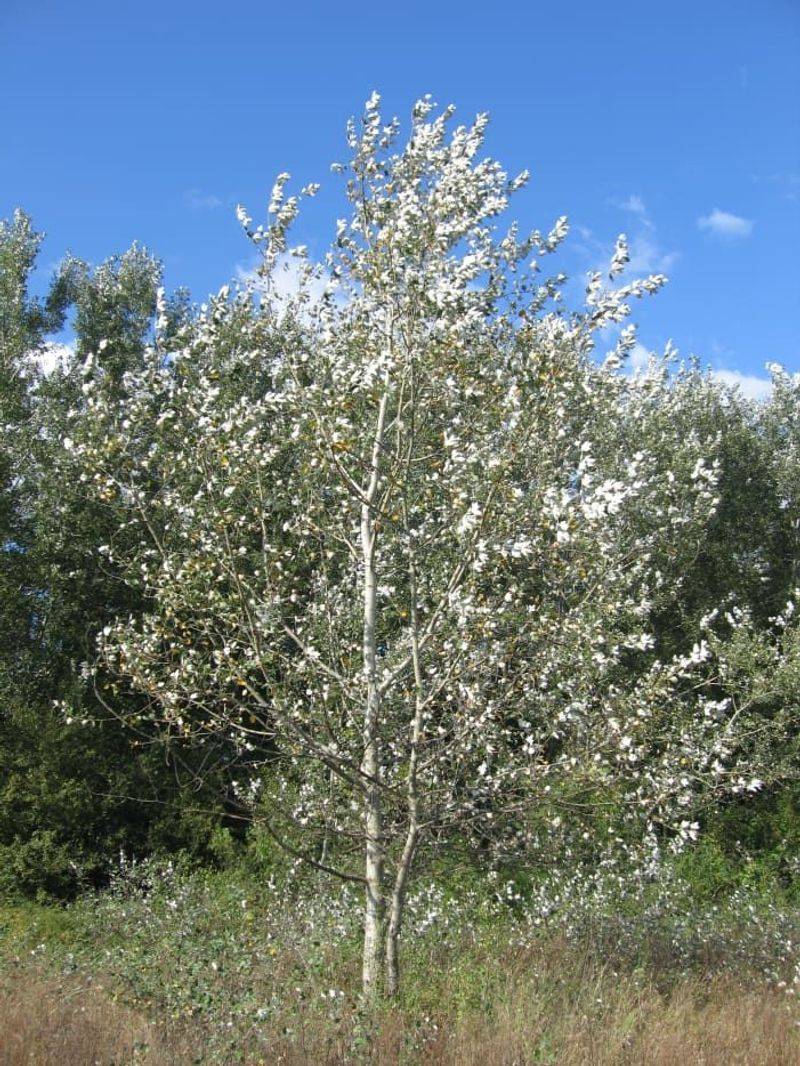
There is something undeniably eye-catching about the White Poplar.
Few trees put on a show quite like the white poplar, whose leaves flash silvery-white in the breeze like nature’s own disco ball.
Originally from central Asia and Europe, it was brought to North America as a landscape tree and quickly spread beyond garden boundaries.
In Maryland, this tree has become an invasive nuisance largely because of its root suckering habit.
A single tree can send up dozens of new shoots from its root system spreading outward and forming dense colonies that are extremely difficult to eliminate.
Think you dug it all out?
Cute. It was already planning its next move three feet underground.
Cut it down and the white poplar practically laughs at you, sending up even more sprouts from its roots like it took that as a personal challenge.
What looks like a simple removal job can quickly turn into a long-term commitment that tests even the most patient homeowner.
White Poplar tends to establish itself in disturbed areas, along stream banks, and in open fields throughout Maryland.
It doesn’t share well with others, muscling out the native plants that local wildlife actually depends on.
What was once a thriving habitat for birds, insects, and small mammals can quickly become a one-tree show.
The tree also has a relatively weak branch structure, making it prone to storm damage in Maryland’s sometimes intense weather.
Maryland has listed the White Poplar as an invasive plant, discouraging its planting and spread.
For those who love the silvery leaf effect, native options like the quaking aspen offer similar visual appeal with far better ecological outcomes.
Swapping invasive trees for native species is one of the most meaningful contributions a Maryland homeowner can make to local conservation efforts.
8. Multiflora Rose
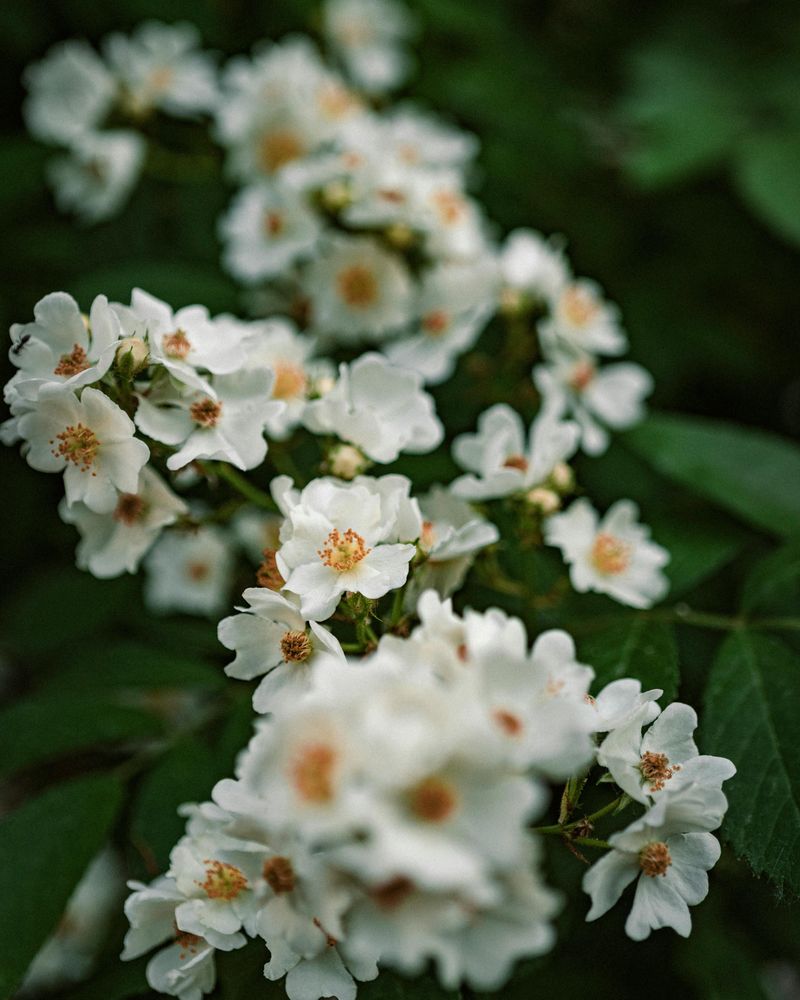
The multiflora rose has a complicated history in Maryland.
It was introduced from Asia and heavily promoted by conservation agencies in the mid-1900s as a living fence for farms, a food source for wildlife, and a way to stabilize soil on slopes.
The plan worked a little too well, and now this thorny shrub is one of the most widespread invasive plants in the entire state.
Multiflora rose produces enormous quantities of small red berries called hips, which birds consume and disperse broadly across Maryland’s fields, forests, and roadsides.
A single plant can produce over a million seeds in a year, and those seeds can remain viable in the soil for up to 20 years.
That kind of seed bank makes full eradication from a property genuinely challenging.
Think you finally won the battle?
Multiflora rose has been quietly saving up for round two right there in the soil.
The dense thorny thickets it forms are nearly impenetrable and can take over pastures forest edges and stream corridors with surprising speed.
Maryland farmers know the frustration of watching usable pasture land slowly disappear as it moves in and takes over.
One season it is a few scattered shrubs and the next it has claimed half your field like it just discovered the concept of real estate and has absolutely no chill about it.
Getting rid of it is no quick fix either, often requiring specialized equipment and multiple treatments across several growing seasons.
Native wildlife that seemed to benefit from it initially now faces landscapes dominated by a single invasive species rather than a diverse mix of native plants.
Maryland classifies Multiflora Rose as a noxious weed, making it illegal to import, sell, or intentionally spread in the state.
If you spot it on your land, early removal gives you the best chance of keeping it from taking over.
Native shrubs like spicebush or buttonbush offer far better ecological value for Maryland gardens and farm edges.