Divide These 8 Perennials In Michigan Now And Fill Your Entire Garden For Free
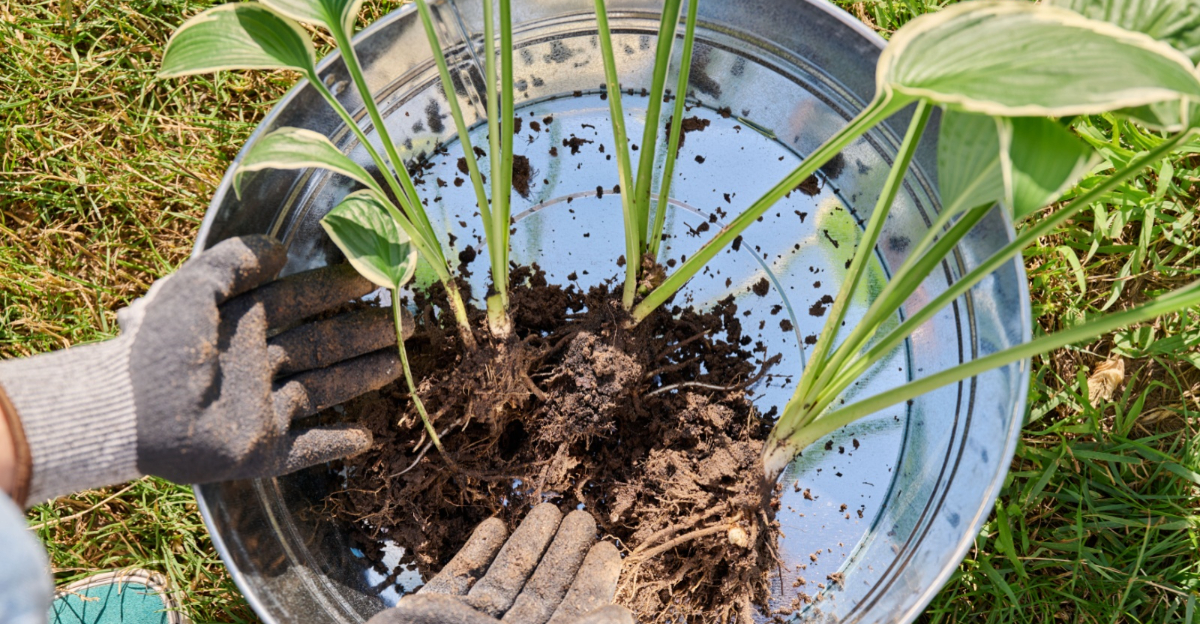
Every May, Michigan gardeners walk outside, look at their garden beds, and think the same thing: how did everything get so crowded so fast?
One season those perennials looked full and lush. Now they are elbowing each other like shoppers on Black Friday.
Here is the thing though – a crowded clump is basically a garden gift in disguise.
Dividing perennials in early spring, right as new shoots are just starting to push up, is the single best way to multiply your plants without spending a single dollar. Better blooms, healthier roots, and enough extra plants to fill every bare spot in the yard.
Early May is also one of the kindest times to do it, before summer heat puts any real stress on freshly divided roots. Your shovel is the only thing standing between you and a fuller garden this season.
1. Hostas Push Fresh Growth Just In Time For Spring Division
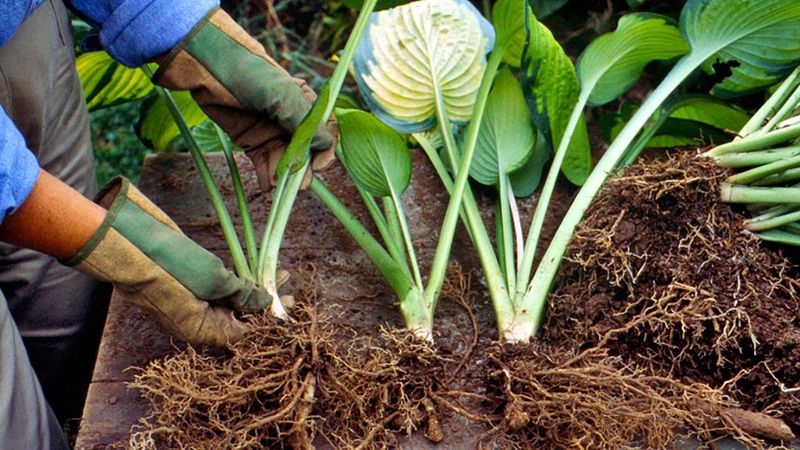
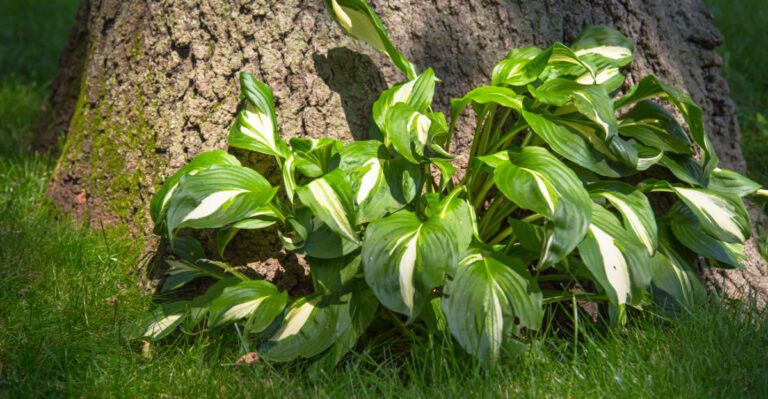
Those tightly packed hosta spears pushing up through the soil in early spring are one of the clearest signals that it is time to grab a shovel.
Hostas are among the easiest perennials to divide in Michigan, and early spring is widely considered the most favorable window for getting the job done.
When shoots are just a few inches tall and the clump is still compact, the whole process is far more manageable than it would be later in the season.
Older hosta clumps tend to develop a crowded, congested center over time, and dividing them can actually improve their appearance and vigor. A mature clump can often be lifted and separated into several healthy sections, each with its own roots and growing points.
Those divisions can then be replanted in shaded spots around the yard where little else seems to thrive.
Michigan gardeners working with large, established hostas may find the clumps surprisingly heavy and dense. A sharp spade or garden fork works well for lifting and separating the roots without causing too much disruption.
Replant divisions at the same depth they were growing before, water them in well, and keep an eye on soil moisture through the first few weeks.
Hostas are forgiving plants that tend to recover well from division when it is done while growth is still in its early stages.
Dividing every three to five years can keep clumps looking their best.
2. Daylilies Divide Well Before Heavy Spring Growth Takes Off
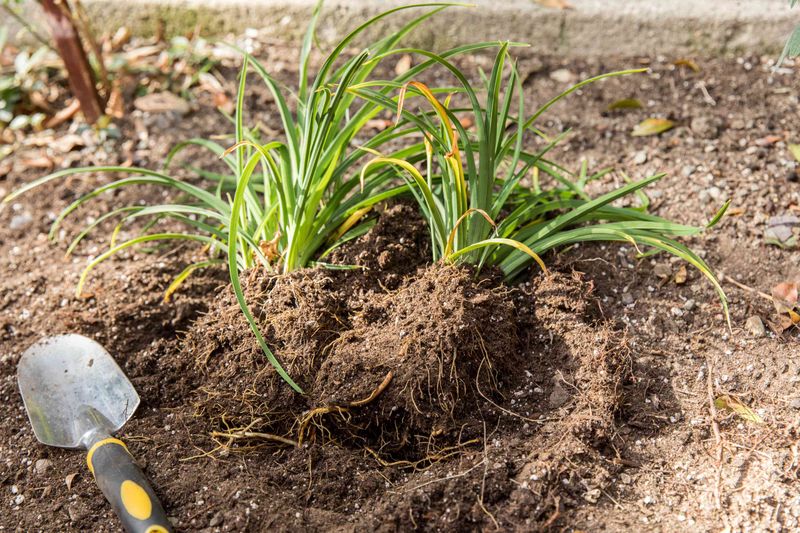
Few perennials are as forgiving and adaptable as daylilies, and Michigan gardens are full of them for good reason.
They spread steadily over the years, and a clump that looked just right three seasons ago may now be crowding out its neighbors and producing fewer blooms than it once did.
Catching them early in spring, when the foliage is still short and the soil is workable, makes division much easier on both the gardener and the plant.
Daylily roots form dense, fibrous mats that can be tough to pull apart by hand. Using two garden forks placed back to back in the center of the clump is a reliable way to tease sections apart without hacking through too many roots.
Your Michigan Garden Changes Every Week. Your Plan Should Too.
Gardening in Michigan changes quickly throughout the season. Every Friday you’ll receive a simple weekly plan showing exactly what to plant, prune, fertilize, harvest, and protect so you never miss the right timing.
Each division should have several healthy growing points and a good portion of root attached to give it the best start when replanted.
One of the most practical reasons to divide daylilies in early spring is that the divisions have several weeks to establish before summer temperatures climb.
Michigan summers can bring stretches of heat that stress newly transplanted material, so getting divisions in the ground while conditions are still mild gives them a real advantage.
Replant at the same depth, firm the soil around the roots, and water consistently through the first few weeks. Daylily divisions tend to recover quickly and may even produce some blooms in their first season after being split, depending on the size of the division.
3. Black-Eyed Susan Clumps Can Be Split As Spring Growth Begins
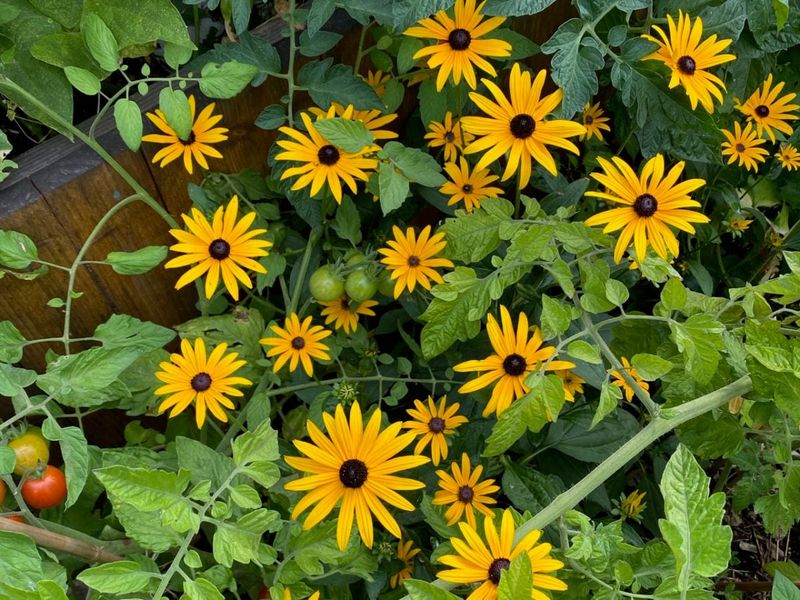
Black-eyed Susans have a cheerful, reliable quality that makes them a staple in Michigan cottage gardens and pollinator borders alike.
Over time, though, established clumps can spread into wide, unruly masses that begin to look tired in the center while the outer edges stay vigorous.
Early spring, when the low rosettes of new growth are just becoming visible at soil level, offers a practical window for lifting and splitting these clumps before the season gets away from you.
The key with black-eyed Susans is to work while the plants are still small. Once warm weather arrives and stem growth accelerates, division becomes more stressful for the plant and more physically demanding for the gardener.
In early spring, the clumps are compact, the soil is often still moist from winter snowmelt, and the plants are in a stage where they respond well to being lifted and moved.
Use a sharp spade to cut down through the clump and lift sections with plenty of root attached. Smaller divisions tend to establish more easily than very large chunks, so aim for pieces that are manageable without being too tiny.
Replant divisions in a sunny to partly sunny spot with decent drainage, since black-eyed Susans tend to struggle in consistently wet soil. Water new divisions regularly through their first few weeks in the ground.
With a little attention early on, divisions from a single established clump can fill several new spots in a Michigan perennial bed over the course of one growing season.
4. Coneflower Can Be Divided As New Growth Starts In Spring
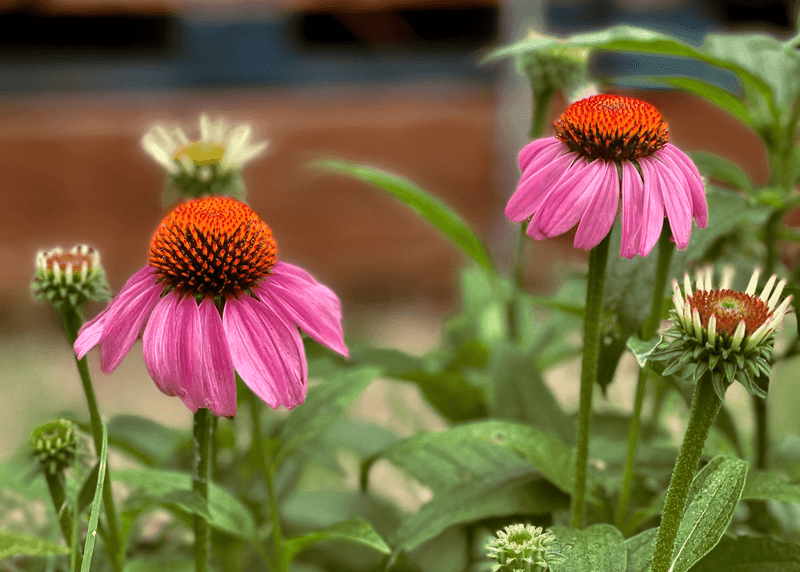
Coneflowers are one of the most beloved perennials in Michigan gardens, drawing in bees, butterflies, and goldfinches throughout the summer and into fall.
They are tough and largely self-sufficient, but after several years in the same spot, a coneflower clump can become overcrowded and start to show signs of reduced blooming.
Early spring, when new growth is just beginning to appear as small clusters of leaves close to the soil, is a reasonable time to consider dividing them.
Coneflowers develop a somewhat woody crown as they mature, which can make division a little more challenging than with softer-rooted perennials like hostas or daylilies. A sharp, sturdy spade is helpful for cutting through the crown cleanly.
Look for sections that have several healthy growing points and firm roots, and discard any portions that look withered or hollow in the center, since those older sections tend not to perform as well after replanting.
Michigan gardeners should keep in mind that coneflowers prefer well-drained soil and full sun, so choose replanting spots that match those conditions. Divisions that go into heavy clay or shaded areas may struggle to establish well.
Water new transplants consistently for the first few weeks and avoid letting the soil dry out completely while roots are getting settled. Coneflower divisions may take a full season to reach their stride, so patience is worthwhile.
The reward is a reliable, low-maintenance perennial that supports pollinators and adds color to the garden from midsummer through early fall.
5. Garden Phlox Is Easier To Divide While Growth Is Still Small
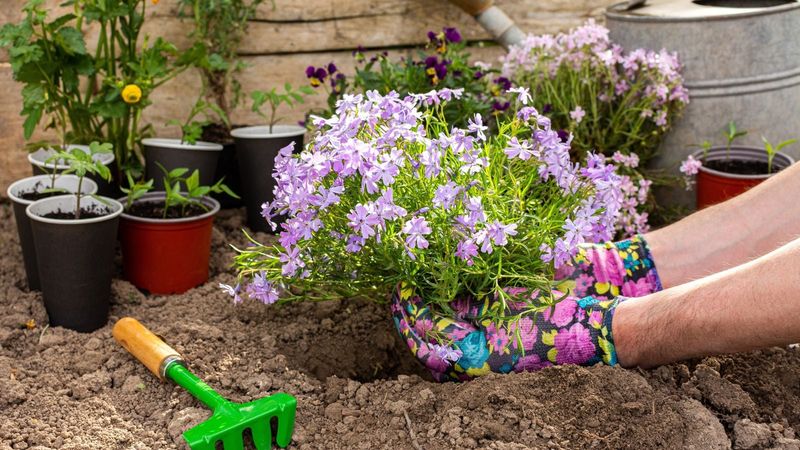
Garden phlox is a standout in summer perennial borders, but it has a tendency to develop powdery mildew and reduced flowering when clumps become too dense and airflow around the stems is restricted.
Dividing established clumps in early spring, while the new shoots are still only a few inches tall, is one of the most effective ways to keep garden phlox looking healthy and producing strong blooms season after season.
At this point in spring, the clumps are easy to work with because the foliage has not yet grown large enough to get in the way. Lift the entire clump with a garden fork, shake off excess soil, and pull or cut it apart into smaller sections.
Each division should include several healthy stems and a portion of fibrous root. The outer sections of the clump tend to be the most vigorous, while the very center of an old clump may be less productive and can often be set aside.
Michigan gardeners who have struggled with mildew on their phlox may find that dividing and spacing plants with more room between them helps reduce the problem in future seasons.
Replant divisions in a spot with full to partial sun and good air circulation around the plants.
Water regularly after replanting and add a layer of mulch to help retain soil moisture without piling it against the base of the stems.
Garden phlox divisions that are settled in by late spring tend to establish well and often bloom reliably in their first full season after being moved.
6. Astilbe Divides Best As Fresh Spring Growth Emerges
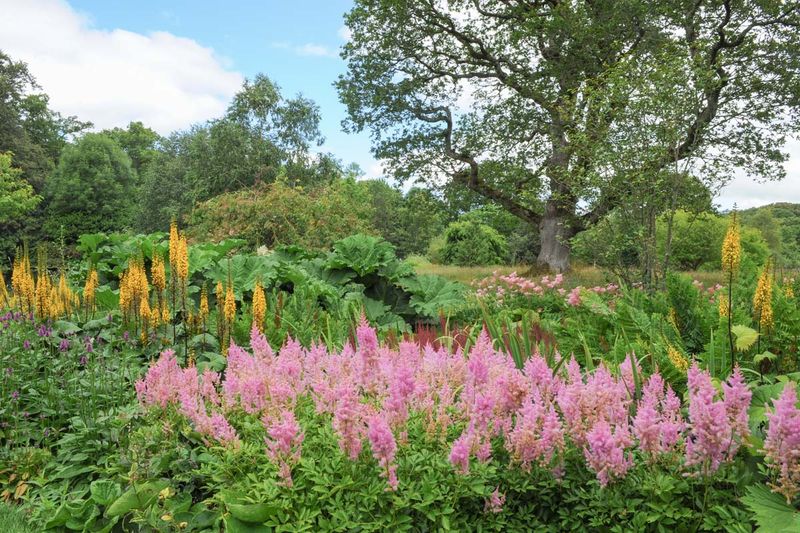
Tucked into a shaded Michigan garden bed, astilbe brings feathery plumes of color at a time when many other shade perennials are still getting started. It is a reliable plant, but one that benefits from periodic division to stay at its best.
When the fresh reddish or bronze-tinged shoots are just beginning to push up through the soil in spring, that is a good signal that the time for division has arrived.
Astilbe clumps develop woody crowns that can be quite firm by the time a plant has been in place for several years. Using a sharp spade to cut down through the crown and separate it into sections is usually the most efficient approach.
Each piece should have several healthy buds and some root attached. Smaller divisions may take a full season to establish fully, while larger sections often settle in more quickly and may still produce some bloom in the same year they are divided.
One thing Michigan gardeners should keep in mind is that astilbe prefers consistently moist, organically rich soil.
When replanting divisions, it helps to work some compost into the planting hole and to choose a spot that does not dry out quickly in summer.
Astilbe growing in dry conditions tends to look stressed and produces fewer and smaller plumes. Watering new divisions regularly through the first several weeks is especially worthwhile in years when spring rainfall is below average in Michigan.
A good layer of mulch around new divisions can help hold moisture and keep roots from drying out too quickly.
7. Bee Balm Responds Well To Early Spring Division
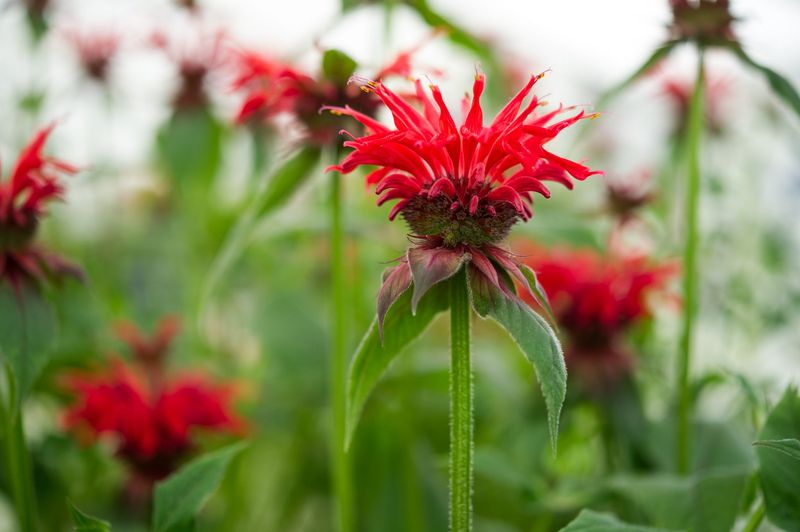
Bee balm is the kind of plant that hummingbirds and bumblebees seem to find within minutes of its first blooms opening in midsummer.
It spreads steadily by underground runners, and a clump that started as a single plant can expand into a wide colony in just a few seasons.
Early spring, when those first low shoots are just beginning to appear at the edges of the clump, is a practical time to pull things back into shape and create new plants from the divisions.
Because bee balm spreads outward from its center, the most vigorous new growth tends to appear around the outer edges of the clump. Those outer sections make the best divisions, while the older center of the clump can often be removed and composted.
Lift the clump with a garden fork, separate the healthiest sections, and replant them with adequate spacing so air can move freely between plants as the season progresses.
Giving bee balm divisions enough room is worth considering because crowded plantings tend to develop powdery mildew more readily than those with good airflow.
Michigan gardeners who have had trouble with mildew on bee balm in past seasons may find that dividing and resetting plants with more space between them helps the situation over time.
Replant in full sun to light shade, water divisions in well, and keep the soil from drying out during the first few weeks.
Bee balm divisions that are settled in during spring typically establish quickly and fill in reliably by midsummer, ready to support pollinators through the warmest months.