Invasive Plants That Are Harming California’s Native Landscape
California has one of the most extraordinary collections of native plants on the planet, and it’s under quiet, relentless attack. The culprits don’t announce themselves.
They show up looking lush and green, spread faster than anything around them, and slowly crowd out the native species that local wildlife, pollinators, and entire ecosystems depend on.
Some were brought over intentionally, planted in gardens and along roadsides for their looks or their ability to control erosion.
Others hitchhiked in on equipment, clothing, and contaminated soil. However they arrived, the damage they leave behind is very real and in many cases, very hard to reverse.
The concerning part is that a good number of these plants are still being sold at nurseries, still being planted in home gardens, and still spreading into wild spaces without most people realizing the harm they cause.
Recognizing them is the first and most important step toward doing something about it. What’s growing in your yard right now might be part of a much bigger problem than you think.
1. Ice Plant
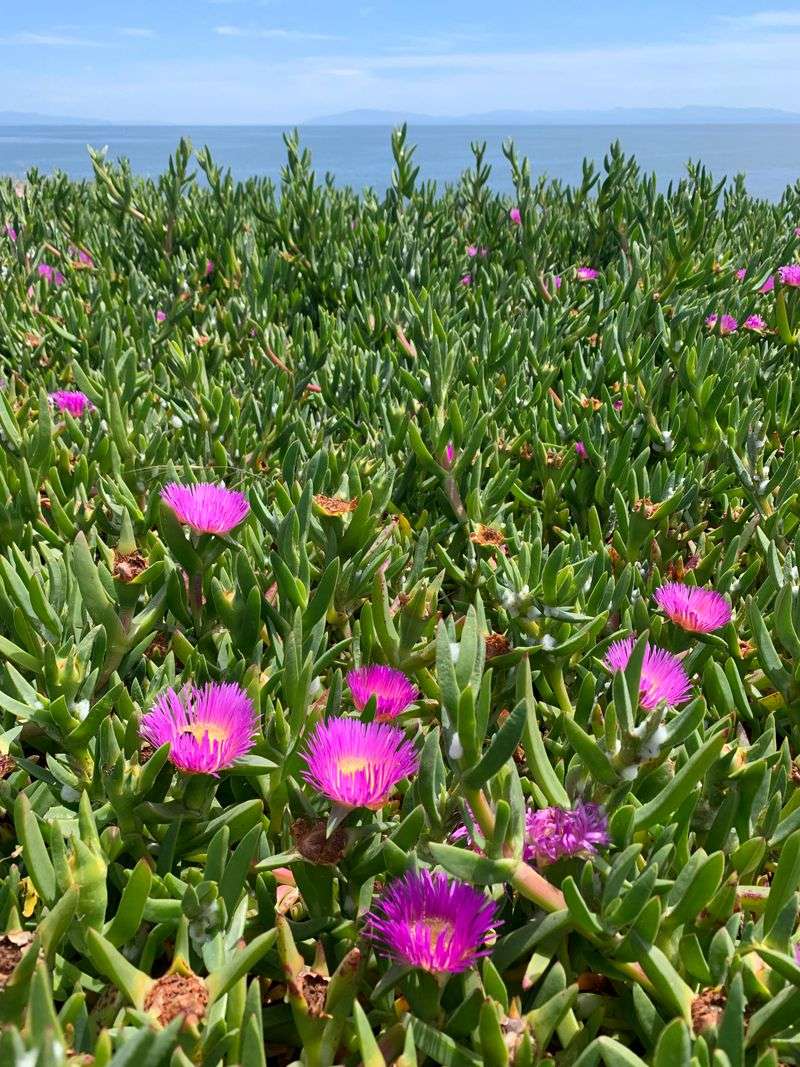
Walk along almost any California beach or highway slope and you will likely spot a thick, fleshy mat of bright pink or yellow flowers hugging the ground. That is ice plant, and while it looks cheerful, it is one of the most damaging invaders along the California coast.
Originally brought from South Africa for erosion control, ice plant creates such a dense mat that nothing else can grow underneath it. Native plants that coastal birds and insects depend on simply cannot compete.
The heavy mat also holds moisture against the soil, which can actually make slopes more likely to slide, not less.
Ice plant spreads quickly and is very hard to remove once it takes hold. Volunteers across California spend countless hours pulling it out by hand to give native plants like buckwheat and coastal sage a fighting chance.
If you spot it in a natural area near you, contact your local park service. Supporting native plant restoration groups is one of the best ways to help California’s coastlines recover from this stubborn invader.
2. Pampas Grass
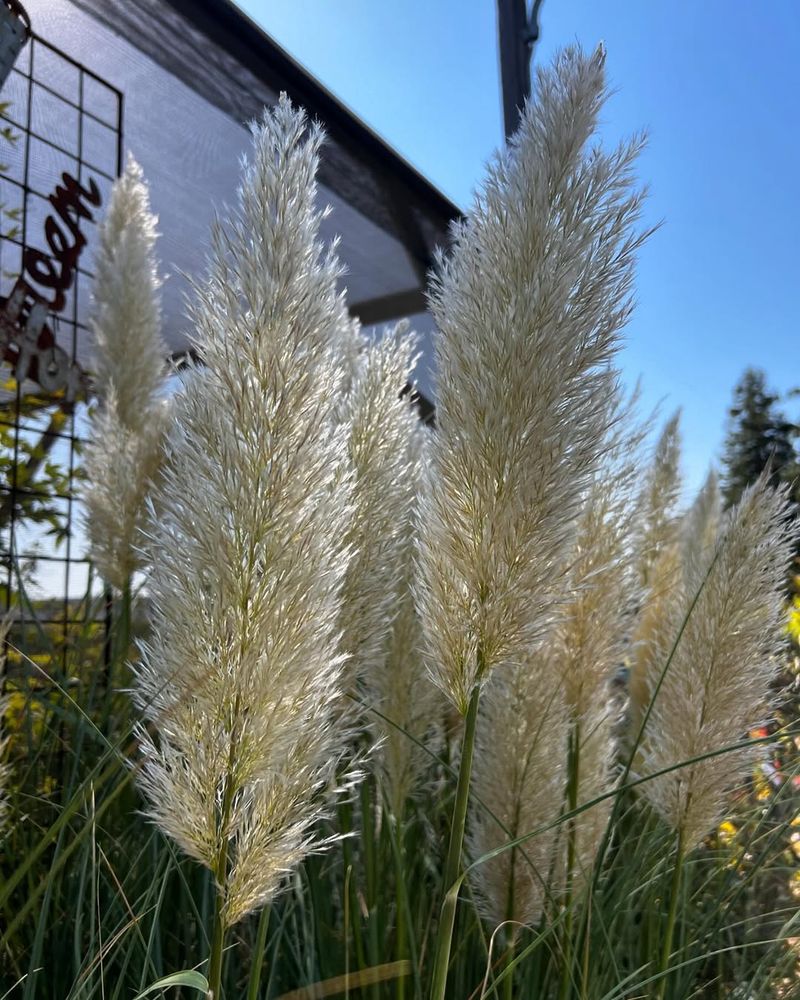
Few plants make as dramatic a first impression as pampas grass. Its giant, feathery white plumes can reach ten feet tall and look almost like something from a fairy tale.
That dramatic look made it a popular garden plant in California for decades, but it turned out to be a serious mistake.
Each pampas grass plant can release up to one million seeds per year, and those seeds travel far on the wind. In coastal California, it has taken over hillsides, roadsides, and open fields, shading out native grasses and wildflowers that local animals need for food and shelter.
Once established, its root system is incredibly tough to remove.
The good news is that awareness has grown a lot. Many California nurseries no longer sell pampas grass, and removal programs are active in counties up and down the coast.
If you have pampas grass in your yard, consider replacing it with a native ornamental grass like purple needlegrass, which is actually California’s state grass. Small changes at home can make a real difference for the broader landscape around you.
Your California Garden Changes Every Week. Your Plan Should Too.
Gardening in California changes quickly throughout the season. Every Friday you’ll receive a simple weekly plan showing exactly what to plant, prune, fertilize, harvest, and protect so you never miss the right timing.
3. Fountain Grass
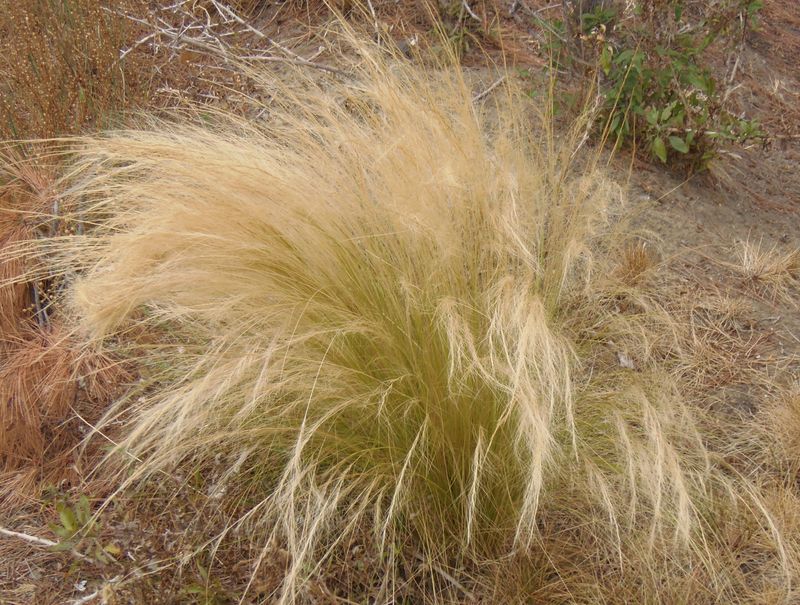
Fountain grass might be one of the sneakiest invaders on this list. It looks soft and ornamental, with graceful arching blades and fuzzy reddish seed heads that sway in the breeze.
That is exactly why it ended up in so many California gardens and landscaping projects.
The problem is that fountain grass escapes easily into the wild. In Southern California and the Central Valley, it has spread into open grasslands and desert edges where it does not belong.
Unlike native grasses, fountain grass stays green and grows thick through dry seasons, which means it creates an unusually heavy fuel load when it finally dries out. That makes wildfires burn hotter and spread faster.
Fire risk is a huge concern in California, and invasive grasses like fountain grass are making it worse every year. Removing it from wild areas and replacing it in home gardens with native bunch grasses is a practical step anyone can take.
California native plants like deer grass or blue grama are just as attractive and do not carry the same risks. Always check plant labels before you buy, and avoid any grass listed as invasive in your region.
4. Giant Reed
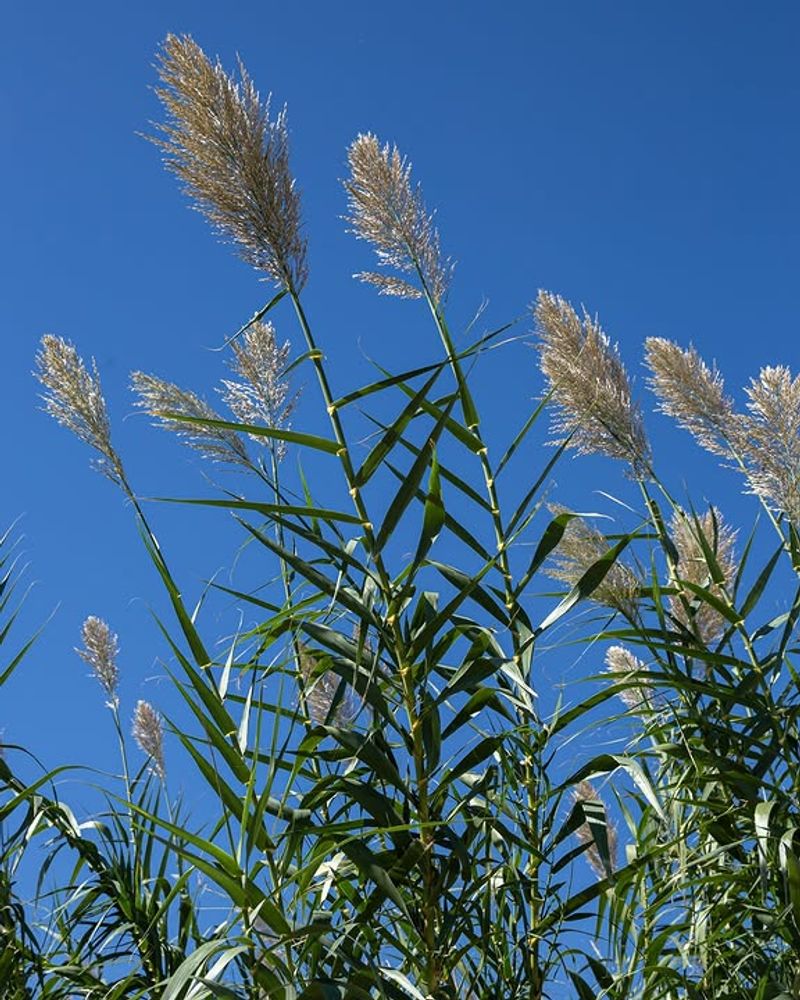
Along rivers and streams throughout California, there is a plant that can grow up to two inches per day. Giant reed, also called Arundo donax, forms walls of tall, bamboo-like canes that can reach thirty feet in height.
It is one of the most aggressive water-loving invaders in the entire state.
Native riparian plants like willows, cottonwoods, and native sedges are no match for it. Giant reed takes over stream banks so completely that native wildlife, including birds and frogs, lose the habitat they need.
It also uses enormous amounts of water, which is a serious issue in a state that already struggles with drought.
Removing giant reed is a major challenge because it regrows rapidly from root fragments left in the soil. Restoration teams in places like the Los Angeles River and the Santa Ana River have spent years working to clear it out.
The work is slow but worthwhile. You can support these efforts by donating to or volunteering with local watershed restoration groups.
Never plant giant reed, and if you see it along a waterway near you, report it to your county’s agricultural commissioner or local conservation group.
5. French Broom
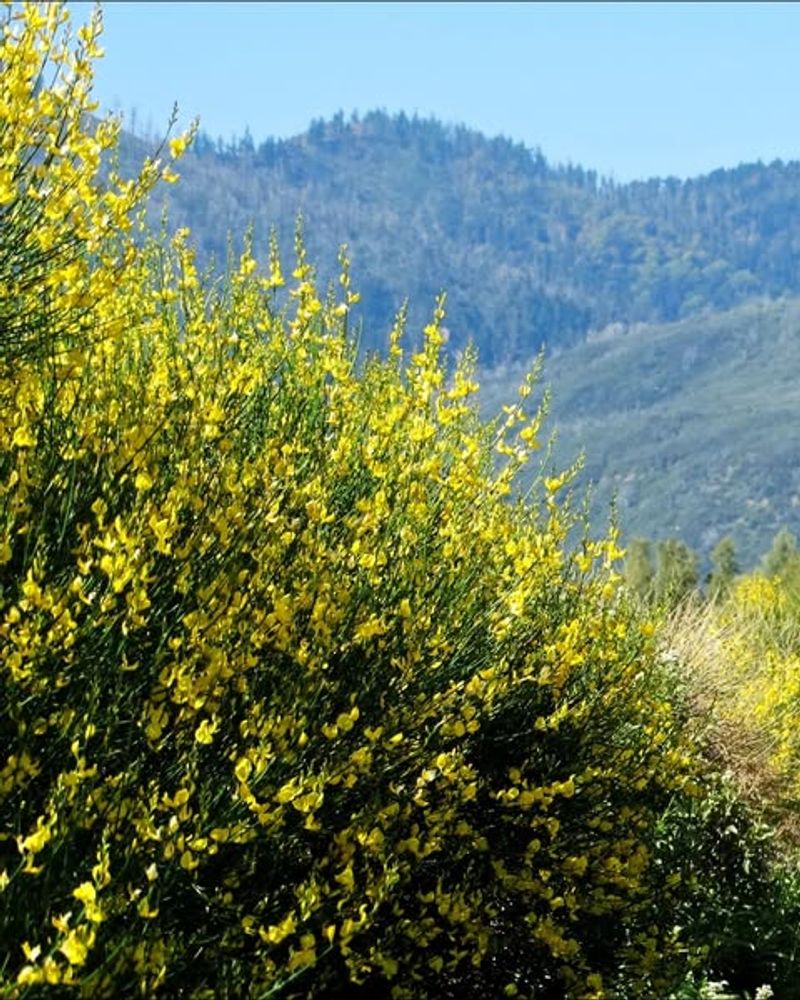
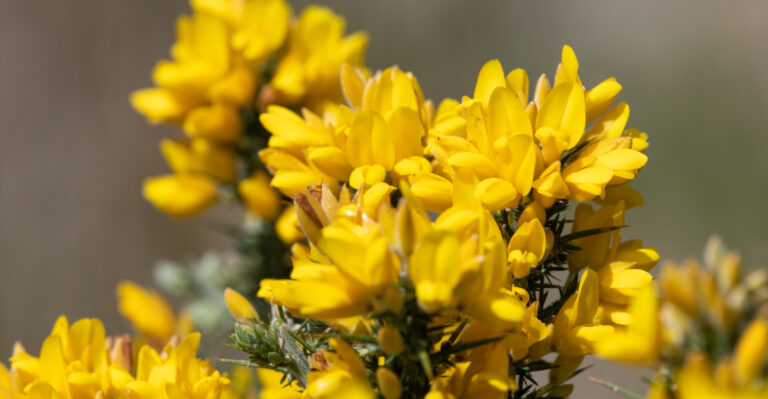
Come spring, French broom bursts into a blaze of yellow flowers that can make an entire hillside look like it is glowing. It almost seems like something worth celebrating, until you realize those cheerful blooms belong to one of California’s most persistent plant invaders.
French broom arrived from Europe and has spread aggressively across Northern California, especially in the Bay Area and Coast Ranges. It forms dense thickets that block sunlight and crowd out native shrubs and wildflowers.
Its seeds can stay alive in the soil for decades, waiting for a disturbance like a fire or road construction to sprout and take over.
That long seed life makes French broom especially frustrating to control. Even after a big removal effort, new plants can pop up for years.
But early removal before plants go to seed is very effective. Many California counties hold broom pulls where volunteers gather to yank out young plants by hand.
It is actually a satisfying activity, and the results are real. If you live near open space in Northern California, joining a local broom pull event is one of the most direct ways to help your community’s native landscape bounce back.
6. Scotch Broom
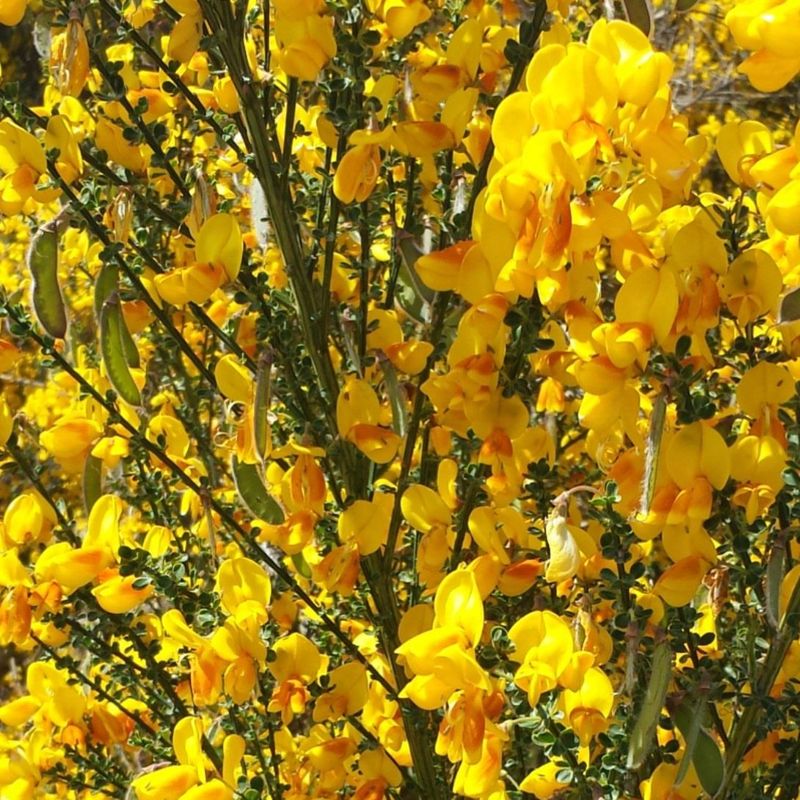
Scotch broom and French broom are close relatives, and they share a lot of the same bad habits. Scotch broom is especially widespread in Northern California, where it has taken over roadsides, meadows, and forest clearings from the Oregon border all the way down through the Sierra Nevada foothills.
Like its cousin, Scotch broom produces huge numbers of seeds that survive in the soil for many years. The plant also changes the chemistry of the soil around it by adding nitrogen, which sounds helpful but actually makes conditions better for other invasive plants and worse for native species that evolved in lower-nitrogen soils.
It essentially rewrites the rulebook for an entire patch of land.
One surprising fact is that Scotch broom pods actually make a snapping sound when they open on hot days, launching seeds several feet in every direction. That clever seed-launching trick is part of why it spreads so effectively.
California’s Department of Food and Agriculture lists it as a noxious weed, and there are active management programs in many counties. Pulling young plants before they flower is the most effective approach, and late winter is the best time to do it in most parts of California.
7. Yellow Starthistle
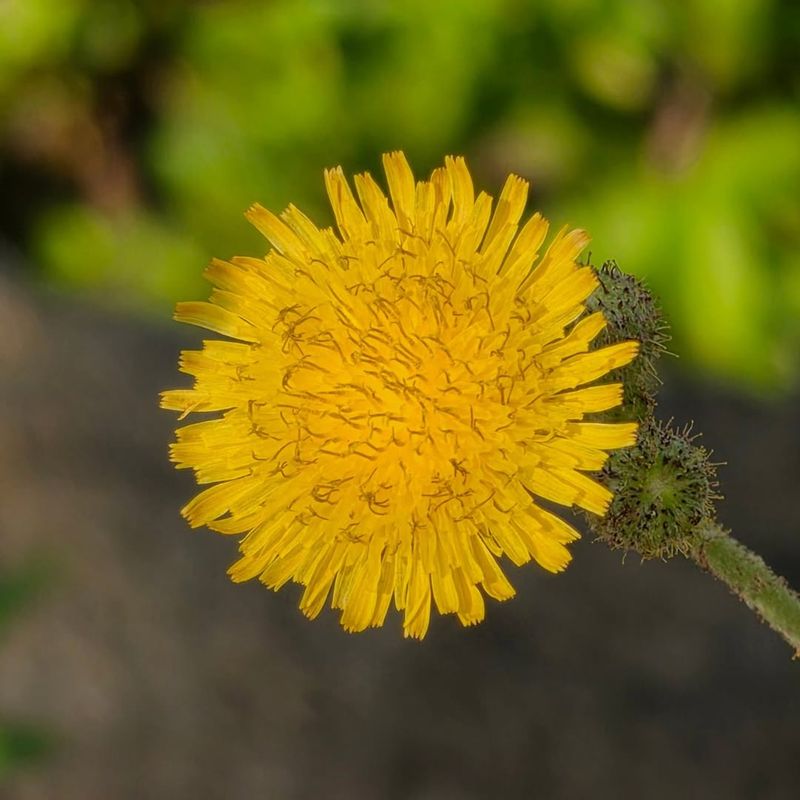
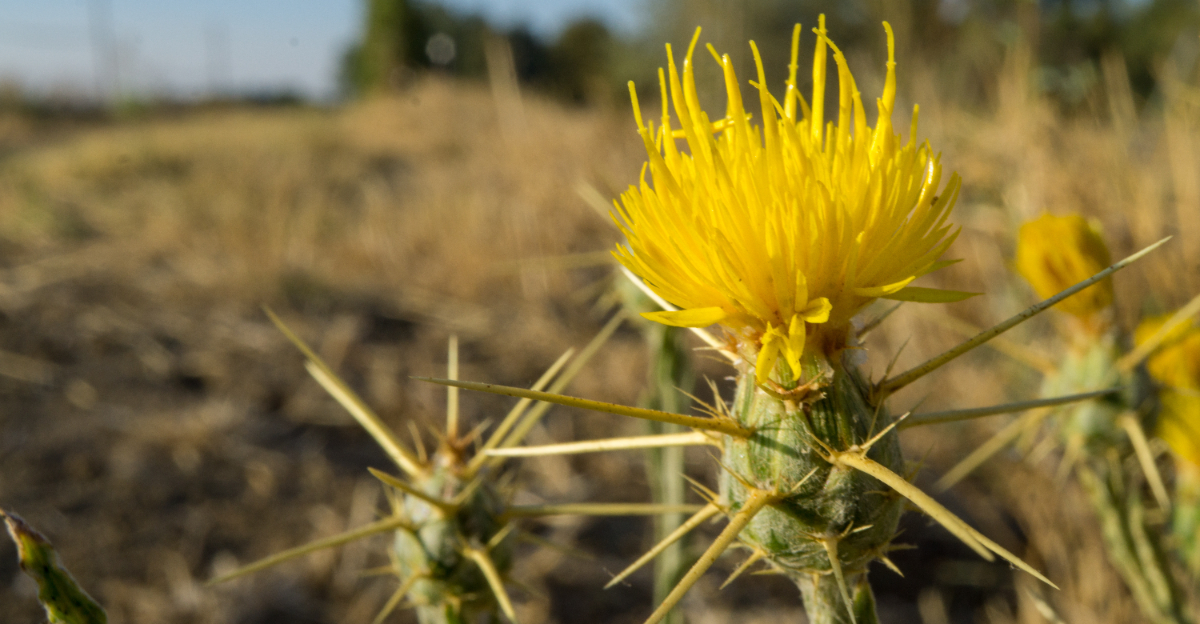
Yellow starthistle is the kind of plant that makes you regret every step you take in a dry California field during summer. Its sharp, straw-colored spines are painful to touch, and by midsummer it turns entire grasslands into prickly wastelands that are nearly impossible to walk through.
Originally from the Mediterranean region, yellow starthistle has spread across more than fifteen million acres in California, making it one of the most widespread invasive plants in the state. It thrives in the hot, dry conditions of the Central Valley, foothills, and coastal ranges.
Native grasses and wildflowers simply cannot compete with its aggressive root system, which reaches deep into the soil to grab moisture that other plants cannot access.
Beyond being uncomfortable, yellow starthistle is actually toxic to horses, causing a serious neurological condition when eaten in large amounts. Ranchers and horse owners in California deal with this threat every year.
Early detection and removal are key to managing it. Mowing before it goes to seed and replanting with native bunch grasses are effective long-term strategies.
If you hike in California’s dry hills and spot it early in spring before the spines harden, that is the ideal time to pull it out.
8. Tree Of Heaven
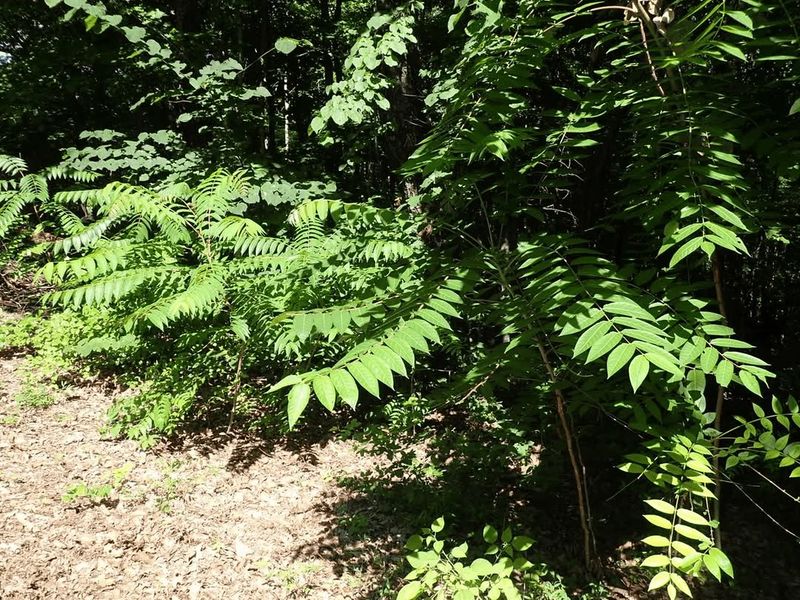
There is nothing heavenly about this tree when you look at what it does to California’s wild places. Tree of heaven, known scientifically as Ailanthus altissima, was brought to the United States from China in the 1700s and has been causing problems ever since.
It was even famously featured in the novel A Tree Grows in Brooklyn because of how stubbornly it sprouts in city cracks and vacant lots.
In California, tree of heaven has spread from urban areas into wildlands, stream banks, and disturbed roadsides. It grows incredibly fast, sometimes several feet in a single season, and it releases chemicals into the soil that prevent other plants from growing nearby.
That chemical warfare strategy, called allelopathy, gives it a serious competitive edge over native plants.
Cutting the tree down does not stop it. Stumps resprout aggressively, sometimes sending up dozens of new shoots after being cut.
Pulling seedlings by hand when they are young is far more effective. In California cities like Los Angeles and Sacramento, urban forestry programs are actively working to replace tree of heaven with native trees like valley oak and blue elderberry.
Reporting new sightings to local authorities helps track its spread.
9. Cape Ivy
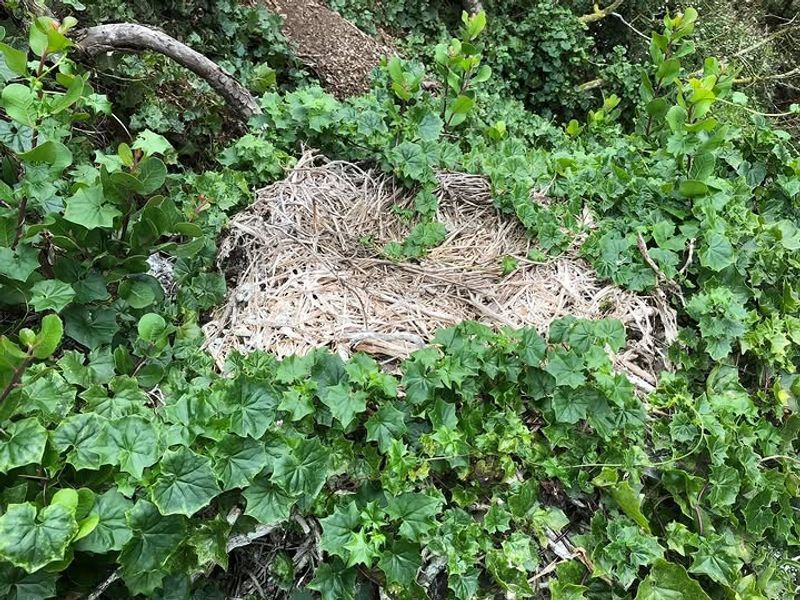
If you have ever walked a trail in coastal California and noticed a thick green vine draping over everything in sight, there is a good chance you were looking at Cape ivy. It is one of those invaders that seems almost polite at first glance, with small yellow flowers and neat green leaves, but underneath that tidy appearance it is quietly strangling native plants.
Cape ivy comes from South Africa and has spread widely through coastal canyons and riparian areas in California, especially in the San Francisco Bay Area and Southern California. It climbs over shrubs and small trees, blocking sunlight and eventually weakening or toppling them.
Native plants like toyon, coffeeberry, and native ferns disappear where Cape ivy takes hold.
Unlike some invasive plants, Cape ivy spreads mostly through stem fragments rather than seeds. Even a small piece left on the ground can root and start a new plant.
This makes it very easy to accidentally spread during removal if you are not careful. Always bag and properly dispose of pulled vines rather than leaving them on-site.
Many California state parks and open space districts run volunteer removal events specifically targeting Cape ivy, and joining one is a great way to make a visible difference in a short amount of time.
10. Tamarisk
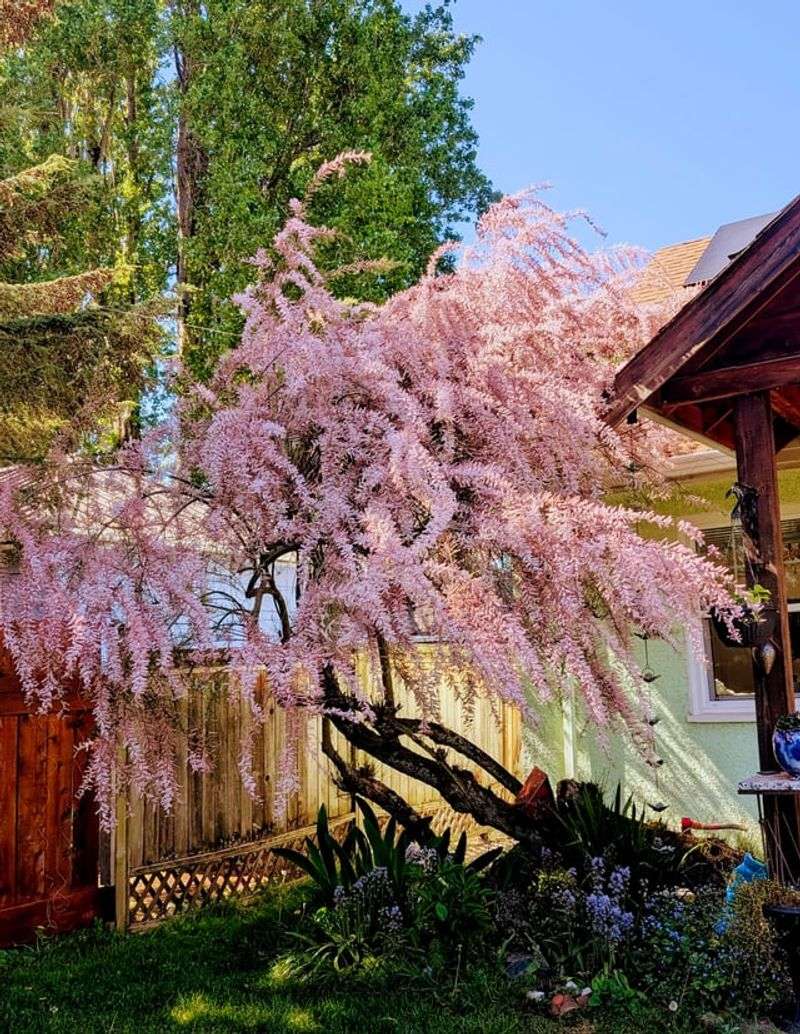
Out in the desert regions of California, along the banks of the Colorado River and the edges of dry washes, there is a plant that has fundamentally changed the way water moves through the landscape. Tamarisk, also called saltcedar, was brought from Eurasia as an ornamental plant and for erosion control, and it has become one of the most damaging invaders in the American West.
Tamarisk is a water hog. A single mature tree can consume up to two hundred gallons of water per day, pulling precious moisture from desert streams and springs.
It also releases salt through its leaves, which builds up in the surrounding soil and makes it harder for native plants to grow. Over time, entire stretches of native cottonwood-willow forest have been replaced by dense tamarisk thickets in parts of California and neighboring states.
Wildlife that depends on native riparian forests, including the endangered southwestern willow flycatcher, has suffered greatly because of tamarisk’s spread. Removal programs are active along the lower Colorado River and in the Mojave Desert region of California.
Biological control using a leaf-eating beetle has shown some promise. Supporting water conservation and habitat restoration groups working in desert California is one of the most meaningful things you can do to help.
11. Black Mustard
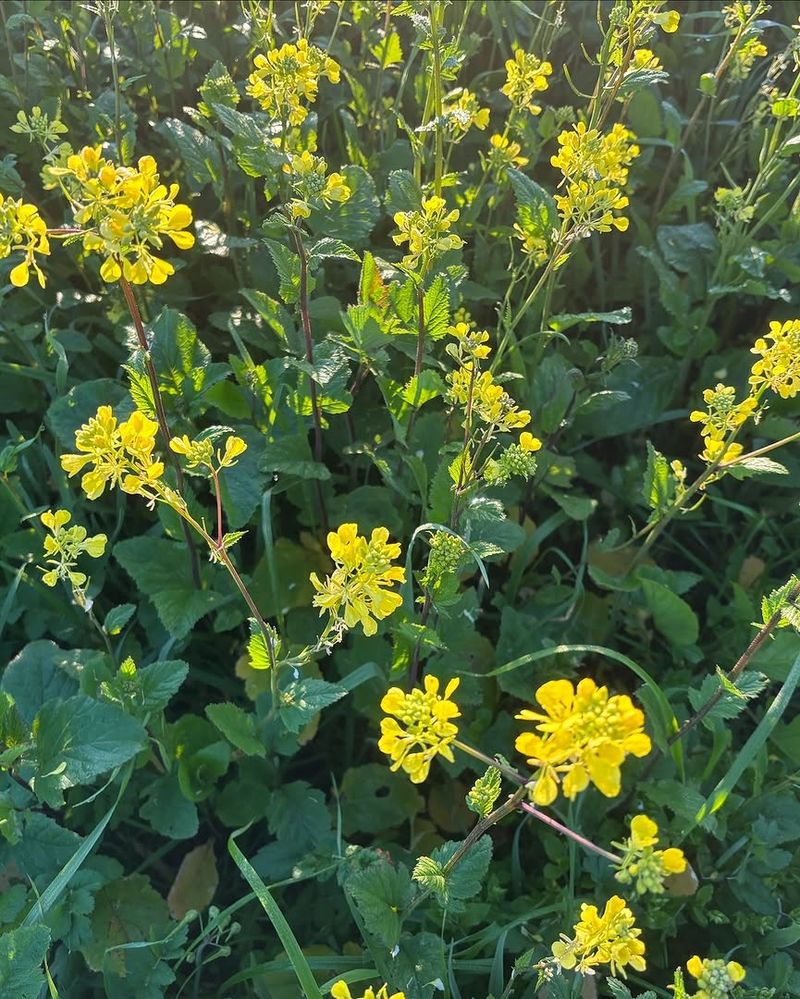
Every spring, California’s hillsides turn a brilliant golden yellow that many people find beautiful. A lot of that color actually comes from black mustard, an invasive plant from the Mediterranean that has been spreading across California since the Spanish mission era.
It was reportedly scattered along El Camino Real by early settlers, and it has never stopped spreading since.
Black mustard grows tall and fast, sometimes reaching six feet or more, and it shades out the low-growing native wildflowers that California is famous for, including poppies, lupines, and owl’s clover. When it dries out in summer, it becomes a dense, brittle thicket that burns intensely and helps wildfires spread quickly across hillsides.
The combination of shading out natives and fueling fires makes it a double threat to California’s landscape.
One of the more frustrating things about black mustard is how deeply rooted it is in California’s cultural identity. Many people see it as part of the scenery and do not realize it is an invader.
Raising awareness is actually one of the most powerful tools available. Supporting native wildflower seed planting projects and advocating for managed removal in open spaces near you can help native species like California poppy reclaim the hillsides where they truly belong.