7 Plants To Prune In Pennsylvania Before Heat Takes Over
The pruning window in Pennsylvania is shorter than most gardeners realize, and once summer heat settles in and stays, the smart move is to put the pruners away until conditions improve.
Plants that get cut back during intense heat face a recovery challenge that wouldn’t exist if the same work had been done a few weeks earlier.
The difference in outcomes between well-timed spring pruning and heat-season pruning is significant enough to matter for the rest of the growing year.
May and early June represent the last real opportunity to make meaningful cuts on a wide range of Pennsylvania plants before temperatures climb to the point where fresh wounds become liabilities rather than just part of the normal growth cycle.
Some plants specifically need this timing to set up their best blooming performance. Others simply recover faster and more completely when pruning happens before the stress of summer arrives.
Getting the right plants pruned before Pennsylvania’s heat takes hold is one of the most impactful things you can do for your garden this season.
1. Lilac
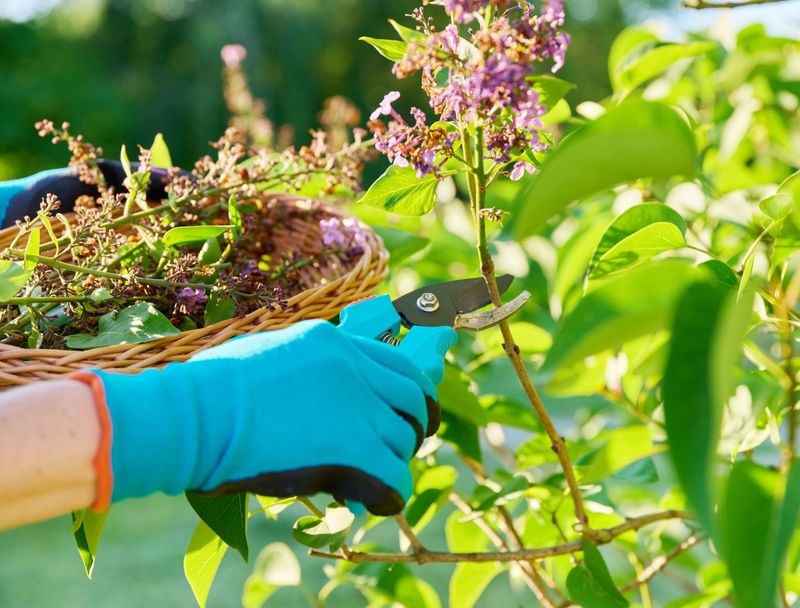
Few things in a Pennsylvania garden smell as amazing as a lilac in full bloom. That sweet fragrance drifting through the yard is one of the true joys of late spring. But once those blooms fade, it is time to act fast with your pruning shears.
Lilacs bloom on old wood, which means the flower buds for next year start forming shortly after this year’s blooms are done. If you wait too long to prune, you risk cutting off those buds and ending up with far fewer flowers next spring.
The golden rule with lilacs is to prune within two to three weeks after the blooms have faded.
When pruning, focus on shaping the shrub and removing any dry or crossing branches. You can also cut out some of the oldest, thickest stems at the base to encourage younger, more vigorous growth.
This is called rejuvenation pruning, and it works really well on older lilac bushes that have gotten too large or woody.
In Pennsylvania, lilacs tend to bloom in mid to late May, depending on where you live and what the weather has been like. Gardeners in the northern parts of the state may see blooms a week or two later than those in the south.
No matter where you are, keeping an eye on the calendar and acting quickly after bloom time will reward you with a healthier, fuller shrub and a yard full of that wonderful fragrance again next year.
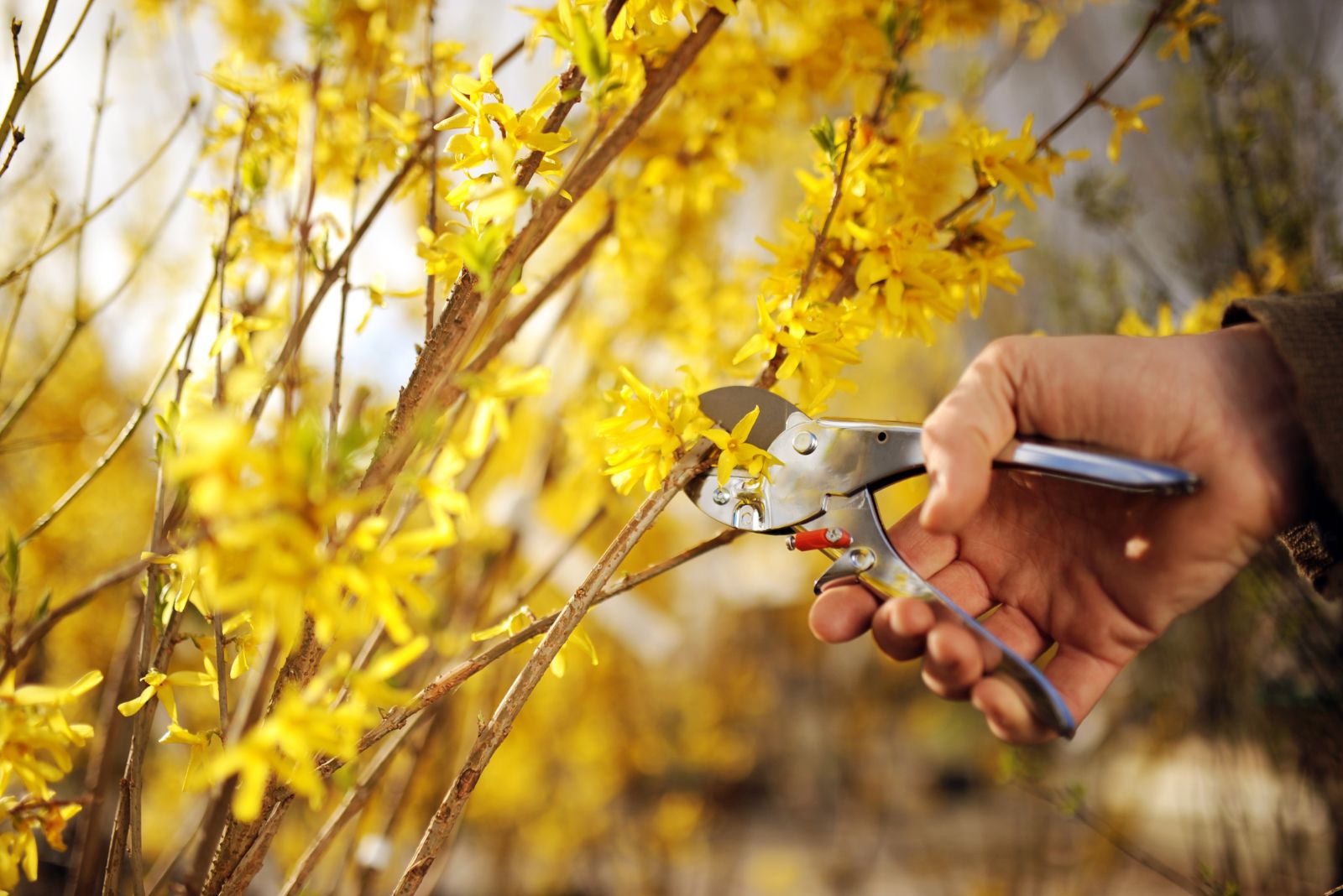
2. Forsythia
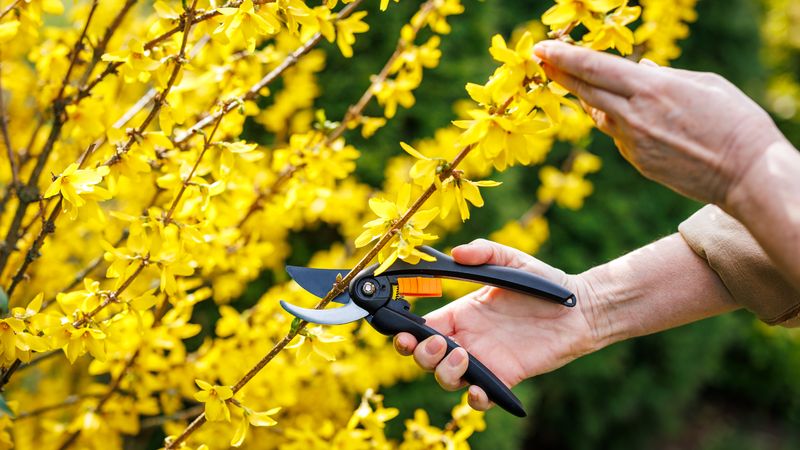
Forsythia is one of those plants that announces spring has officially arrived in Pennsylvania. Those bright yellow branches burst into color before almost anything else, making the whole yard feel alive again.
But once the show is over, forsythia can quickly turn into an unruly mess if left unpruned. Late spring is the perfect time to tackle forsythia. Just like lilacs, forsythia blooms on wood that grew the previous year.
So pruning right after the flowers fade gives the plant the entire growing season to produce new branches that will carry next year’s blooms. Waiting until fall or early spring means you are cutting off the flower buds you have been waiting all year to see.
Your Pennsylvania Garden Changes Every Week. Your Plan Should Too.
Gardening in Pennsylvania changes quickly throughout the season. Every Friday you’ll receive a simple weekly plan showing exactly what to plant, prune, fertilize, harvest, and protect so you never miss the right timing.
Start by removing any branches that are dry, broken, or rubbing against each other. Then step back and look at the overall shape of the shrub.
Forsythia can grow very quickly, and it often ends up lopsided or way too big for its spot. Trim it back to a size and shape that works well in your landscape.
One helpful tip is to remove about one-third of the oldest stems all the way down to the ground. This encourages fresh new growth from the base, which keeps the plant looking full and young rather than old and twiggy.
Pennsylvania gardeners who stay on top of forsythia pruning each spring will find that the shrub stays more manageable and puts on a much better floral display year after year.
3. Rose
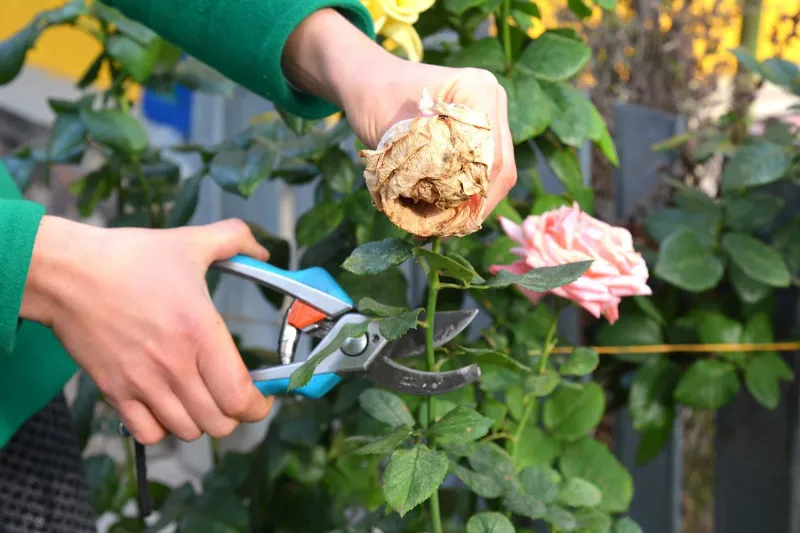
Roses have a reputation for being fussy, but they are actually pretty forgiving when you understand what they need.
One of the most important things you can do for your roses before Pennsylvania summers get hot and humid is to clean them up with a good pruning session in late spring.
By this time of year, you can clearly see which canes are healthy and which ones are weak, thin, or damaged. Removing those weak or crowded stems is not just about looks.
It is about giving your roses room to breathe. Good airflow through the plant is one of the best defenses against the fungal diseases that love to spread in humid summer conditions.
Look for canes that are crossing each other or growing toward the center of the plant. Those are the ones to remove first.
You want an open, vase-like shape that allows air and sunlight to reach all parts of the bush. Cut each stem at a 45-degree angle just above an outward-facing bud for the cleanest cut and best regrowth.
Pennsylvania summers bring a lot of humidity, especially in July and August. Diseases like black spot and powdery mildew thrive in those conditions.
Thinning out your roses now creates an environment where those problems are far less likely to take hold. A little effort in late spring goes a long way toward keeping your roses healthy, blooming, and looking gorgeous all the way through fall.
4. Salvia
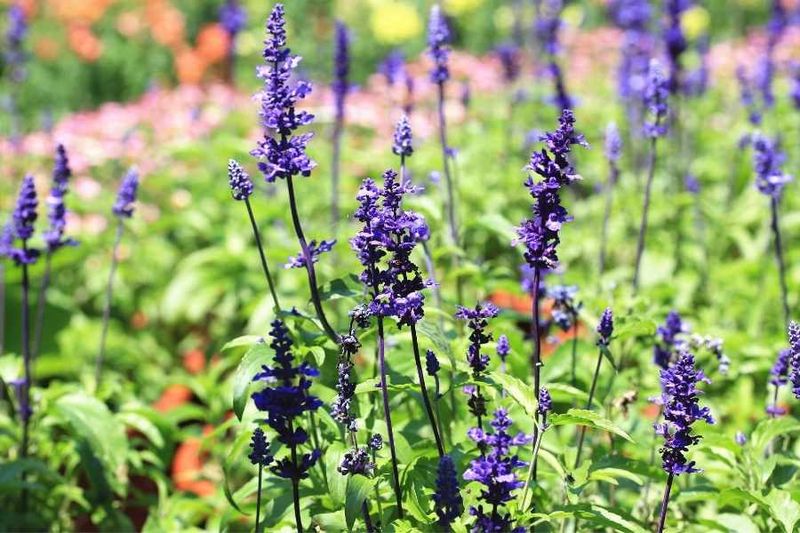
Salvia is a workhorse in the Pennsylvania garden. It blooms reliably, attracts pollinators like crazy, and holds up well in the heat once it gets going.
But to keep it performing at its best, a little pruning after the first flush of flowers is a game changer.
Once the initial flower spikes start to fade and look spent, grab your shears and cut them back by about one-third to one-half of the plant’s height. This signals the plant to push out fresh new growth and a whole new round of blooms.
Skipping this step often means the plant gets leggy, floppy, and produces far fewer flowers for the rest of the season.
Cutting back salvia also encourages a bushier, more compact shape. Instead of a sprawling, open plant, you end up with a tighter mound that looks tidy in the garden bed and holds itself upright without flopping over onto neighboring plants.
That matters a lot as summer temperatures climb and plants start to stretch. In Pennsylvania, the first bloom of salvia usually wraps up by late May or early June. That timing is perfect because you can prune it back just before the real summer heat arrives.
The plant will use those warm summer weeks to regenerate and come back with a strong second flush of color. Many gardeners are surprised by how dramatically salvia rebounds after a good trim.
Keep a pair of clean, sharp shears handy and make this a regular part of your late spring garden routine.
5. Bee Balm
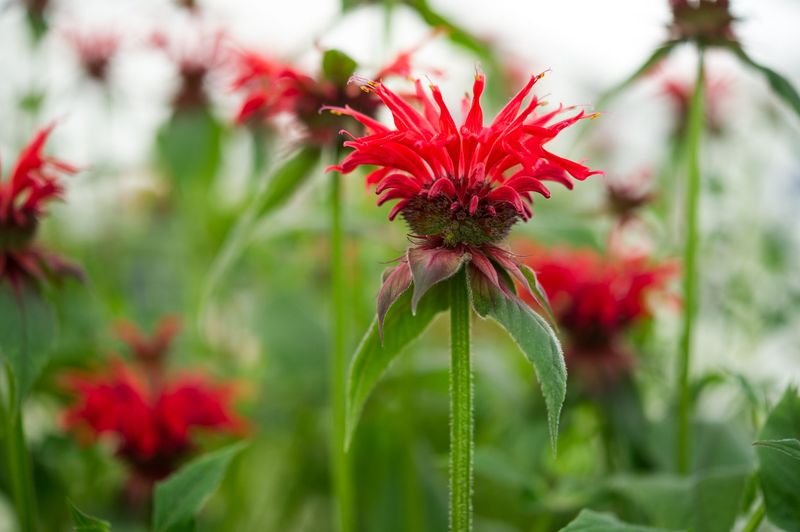
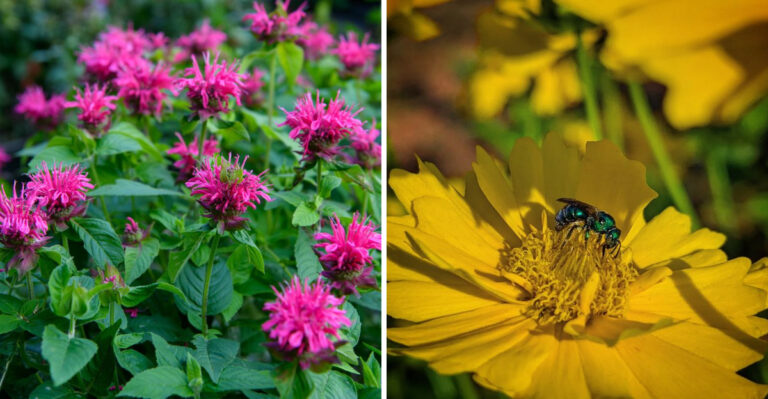
Bee balm is one of those plants that Pennsylvania gardeners either love deeply or have a complicated relationship with. It is bold, beautiful, and absolutely loved by hummingbirds and bees.
But it also spreads quickly and is notoriously prone to powdery mildew, especially during hot and humid summers.
The good news is that a little light thinning in late spring can make a huge difference. Bee balm grows in dense clumps, and all those tightly packed stems create the perfect environment for mildew to spread.
By removing about one-third of the stems from the center of each clump, you open up the plant and allow air to flow freely through it.
Think of it like giving the plant a little breathing room before the hard part of summer arrives. The stems you leave behind will be stronger and healthier, and the whole clump will have a much better chance of staying clean and disease-free through July and August.
You can also divide overcrowded clumps every few years to keep them vigorous and manageable.
When thinning, choose the weakest and most crowded stems to remove and leave the strongest outer stems in place. Also, if any stems from last year are still standing, go ahead and clear those out completely.
Pennsylvania summers can be brutal for bee balm, but gardeners who take the time to thin their plants in late spring are often rewarded with lush, mildew-free foliage and a spectacular show of red, pink, or purple blooms that last well into summer.
6. Clematis
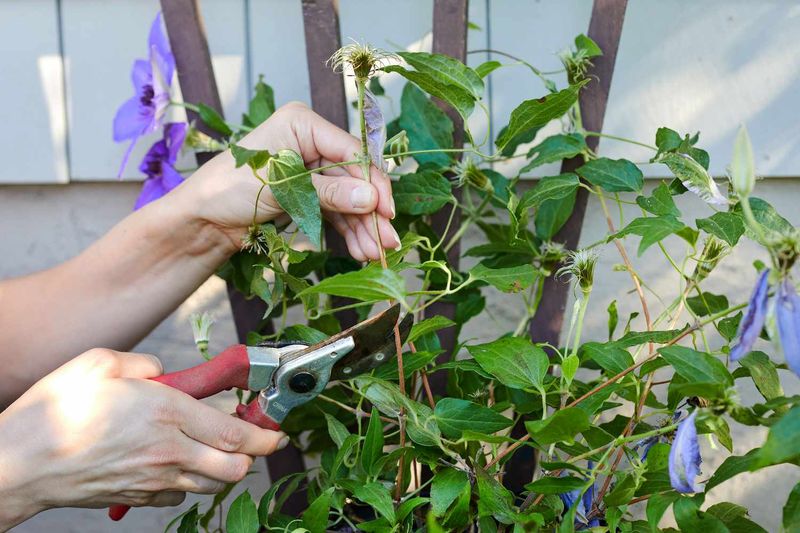
Clematis is one of the most stunning vines you can grow in a Pennsylvania garden, but it has a reputation for being confusing to prune. The truth is, once you know which group your clematis belongs to, it all becomes much simpler.
And for many popular varieties, late spring is exactly the right time to step in and manage that vigorous growth.
Clematis pruning is divided into three groups. Group 1 varieties bloom on old wood and need very little pruning.
Group 2 varieties bloom on both old and new wood and benefit from light tidying in late spring. Group 3 varieties bloom on new wood and can be cut back hard in early spring. If you are not sure which group yours falls into, a light trim is usually the safest approach.
For Group 2 types, which include many of the large-flowered hybrids you see in Pennsylvania gardens, late spring pruning means removing any dry or weak stems and lightly shortening others to keep the vine from becoming a tangled mess.
It also helps direct the plant’s energy toward producing more blooms rather than endless leafy growth.
One fun fact about clematis is that it has been cultivated for centuries and was once called the “Queen of Climbers” by Victorian gardeners. It is easy to see why.
A well-maintained clematis vine in full bloom is genuinely breathtaking. A few minutes of careful pruning in late spring keeps your clematis looking regal all season long and sets it up for another spectacular performance next year.
7. Boxwood
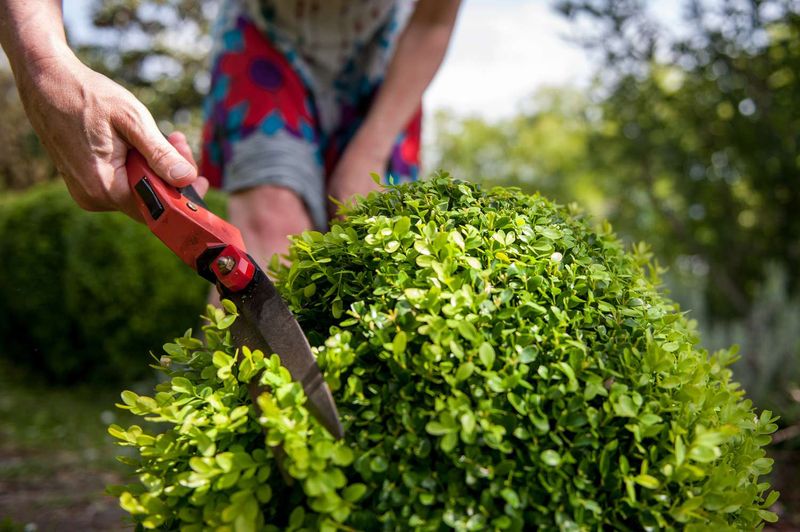
Boxwood is the backbone of many formal and informal Pennsylvania gardens. Those dense, evergreen mounds and hedges give the landscape a sense of structure and order that no other plant quite matches.
But to keep boxwoods looking sharp, late spring shaping is an absolute must before summer heat arrives.
After the flush of new spring growth has hardened off a bit, usually by late May or early June, it is the ideal time to give boxwoods their first shaping of the season.
Cutting them too early, while the new growth is still tender and bright green, can leave the plant vulnerable if a late cold snap rolls through.
Waiting until that new growth firms up a little gives you a much cleaner and safer cut. Use sharp hedge shears or hand pruners, depending on the size of your boxwoods, and work slowly to maintain the shape you want.
Whether you prefer a rounded form, a flat-topped hedge, or a more natural look, the key is to cut lightly and evenly. Removing too much at once stresses the plant, especially with summer heat just around the corner.
Pennsylvania summers can be tough on boxwoods, particularly when temperatures soar and the soil dries out. A well-shaped plant actually handles heat stress better than an overgrown one because it has better airflow and a more balanced structure.
After shaping, consider adding a layer of mulch around the base to help retain soil moisture. That simple step can make a big difference in how your boxwoods look come August and September.