These Are The California Plants You Should Be Watering Differently Before Summer Hits
Most people set a watering routine in spring and stick with it straight through summer without giving it a second thought.
That autopilot approach works fine for some plants, but for others it’s either slowly stressing them out or flat out wasting water at a time of year when conservation actually matters.
The shift in conditions between late spring and early summer is more dramatic than it looks on the calendar.
Soil temperature rises, evaporation accelerates, and certain plants that were perfectly happy with a twice-weekly soak start needing something completely different.
Others, surprisingly, need you to back off entirely. Knowing which category your plants fall into before the heat locks in can mean the difference between a thriving garden and one that spends the whole summer just trying to survive.
And the adjustments are not complicated once you know what each plant is actually telling you. Your garden is giving you signals right now, so the real question is whether you know how to read them.
1. Tomatoes
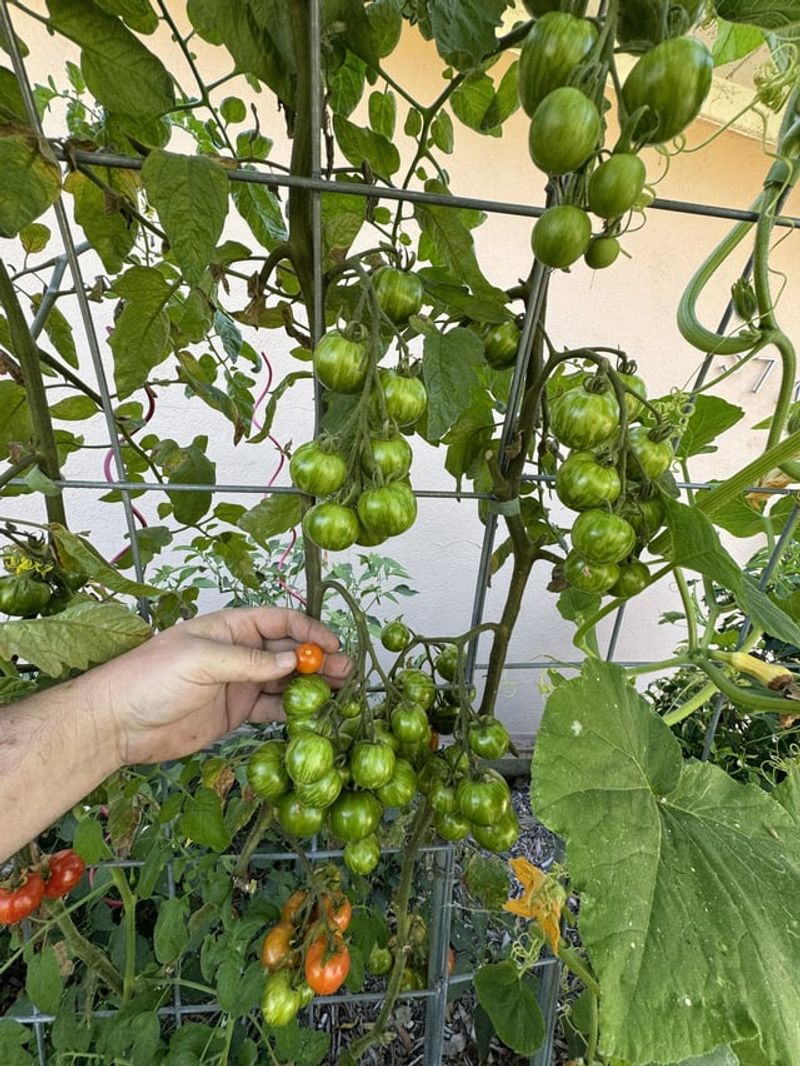
Nothing beats the taste of a homegrown tomato, especially when it comes straight from a California garden in the middle of summer. But here is the thing: tomatoes are thirsty plants, and as temperatures climb, they need a lot more water than most people realize.
Getting this right before the heat hits is key.
Right now, in the weeks before summer, you should be shifting to deep, consistent watering rather than light, frequent sprinkles. Tomatoes need water to reach their roots, which can go pretty deep.
Shallow watering only wets the top layer of soil and leaves the roots dry and stressed.
Aim for about two to three inches of water per week as summer approaches. Water at the base of the plant, not the leaves.
Wet leaves invite fungal problems, and California heat can make that worse fast. A drip system or soaker hose works really well here.
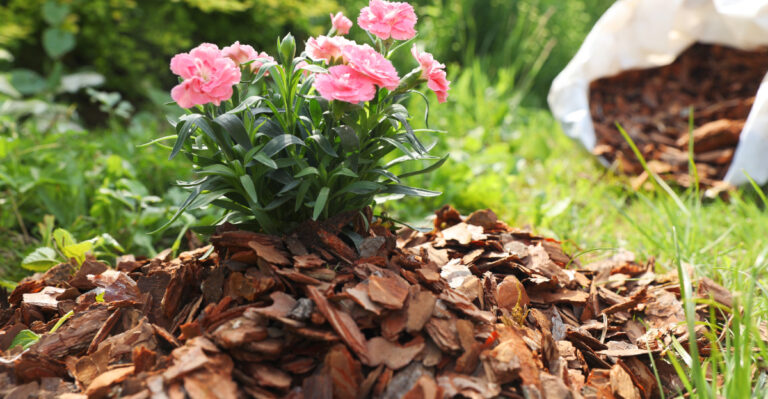
Mulching around your tomato plants is also a game changer. A few inches of mulch holds moisture in the soil so you are not losing water to evaporation in the hot California sun.
Start this routine now and your tomatoes will thank you all season long.
2. Citrus Trees
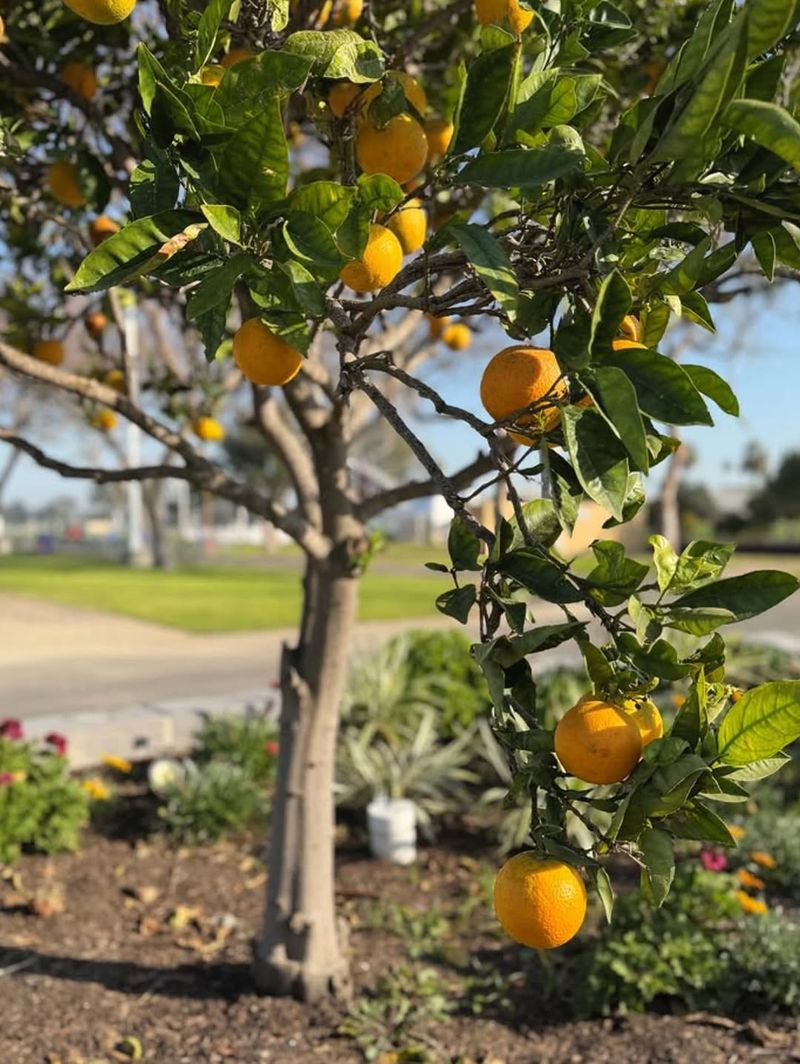
Citrus trees are practically a symbol of California living. Lemons, oranges, grapefruits, you name it, they thrive here.
But before summer hits, it is time to rethink how often and how deeply you are watering these trees.
During the cooler months, citrus trees do not need a ton of water. But as the heat ramps up, they need longer, deeper watering sessions.
The goal is to wet the soil all the way down to the root zone, which can be two to three feet deep for a mature tree. Light watering just does not cut it once California summer arrives.
Switch to watering every one to two weeks with a long, slow soak rather than frequent shallow sessions. This encourages roots to grow deeper, which makes the tree more drought-tolerant over time.
Your California Garden Changes Every Week. Your Plan Should Too.
Gardening in California changes quickly throughout the season. Every Friday you’ll receive a simple weekly plan showing exactly what to plant, prune, fertilize, harvest, and protect so you never miss the right timing.
That is a big plus in a state where water conservation matters.
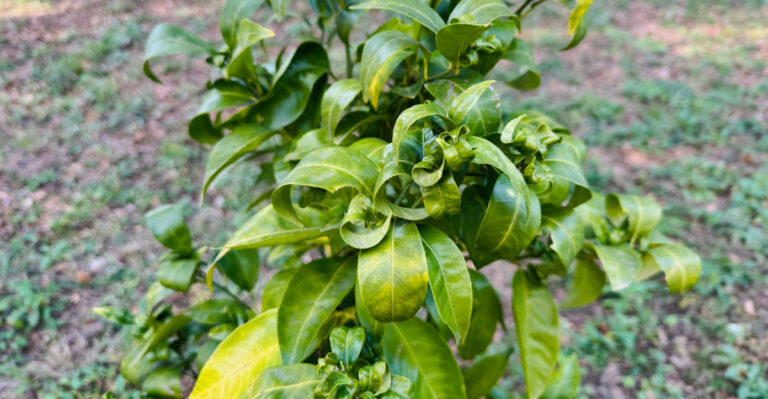
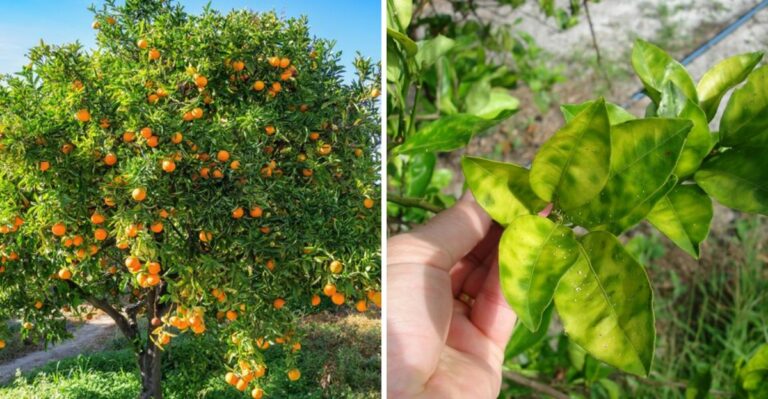
Watch the leaves closely. Yellowing or curling leaves can be a sign that your citrus tree is either getting too much or too little water.
Before summer, take note of what your tree looks like now so you can spot changes quickly. Adjust your schedule as needed and your citrus will keep producing beautifully.
3. California Native Shrubs
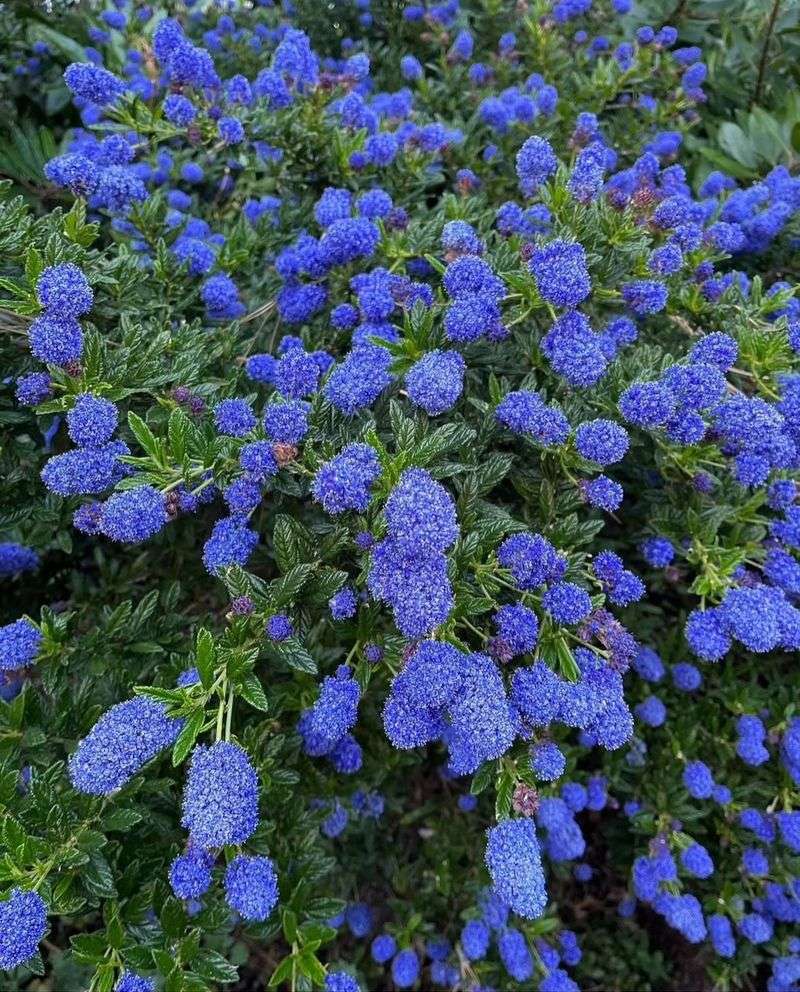
Here is something that surprises a lot of California gardeners: most native shrubs actually want you to water them less as summer approaches, not more. Plants like ceanothus, manzanita, and toyon evolved to handle dry summers on their own.
Overwatering them during the warm season can actually cause root rot and other serious problems.
Before summer hits, start pulling back on how often you water these plants. If you have been watering weekly during spring, try stretching that to every two to three weeks.
Once summer is fully here, many established native shrubs can go the whole season with little to no supplemental water at all.
The trick is knowing whether your shrubs are established or still young. Established shrubs, those that have been in the ground for two or more years, are usually tough enough to handle California dry summers without much help.
Younger plants are a different story, and we will get to those shortly.
If you are gardening in Southern California or the Central Valley where summers are especially brutal, a light watering once a month can give your natives a small boost without overdoing it. Less really is more when it comes to these incredibly resilient plants.
4. Young Native Plants
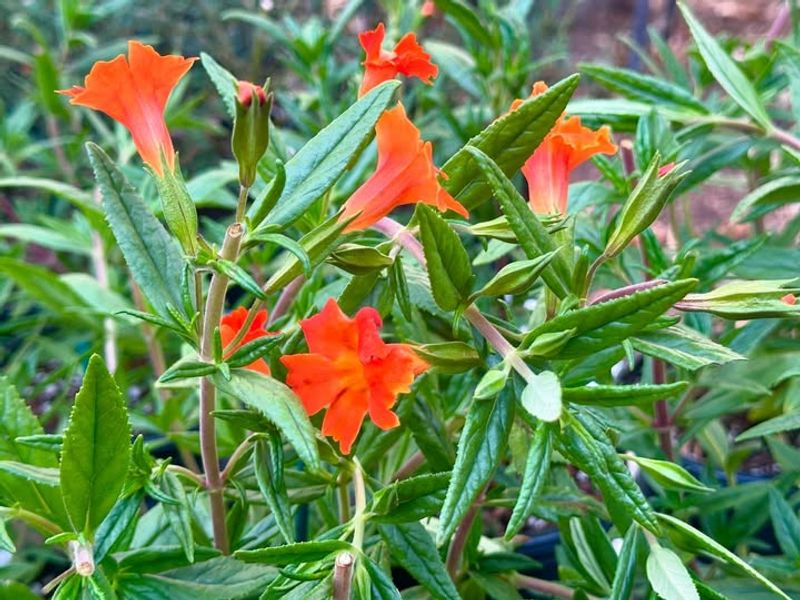
Young native plants are in a tricky spot. They are tough by nature, but they have not had time to develop the deep root systems that make established natives so drought-hardy.
That means they need a little extra attention before and during California’s hot summer months.
If you planted natives within the last year or two, do not cut off their water supply just because they are supposed to be drought-tolerant. That reputation applies to mature plants.
Young ones still need regular help while they are getting settled in the ground.
Water young native plants deeply once or twice a week in late spring. As summer begins, you can taper off to once a week, but keep an eye on them.
Signs of stress include wilting in the morning hours, which is different from afternoon wilting that happens to almost every plant in California heat.
Mulch is your best friend here. Pile it about three inches deep around the base of each plant to keep the soil cool and moist between waterings.
Avoid letting mulch touch the stem directly, as that can cause problems. Give your young natives this extra support now, and they will reward you by growing strong roots that carry them through many California summers ahead.
5. Roses
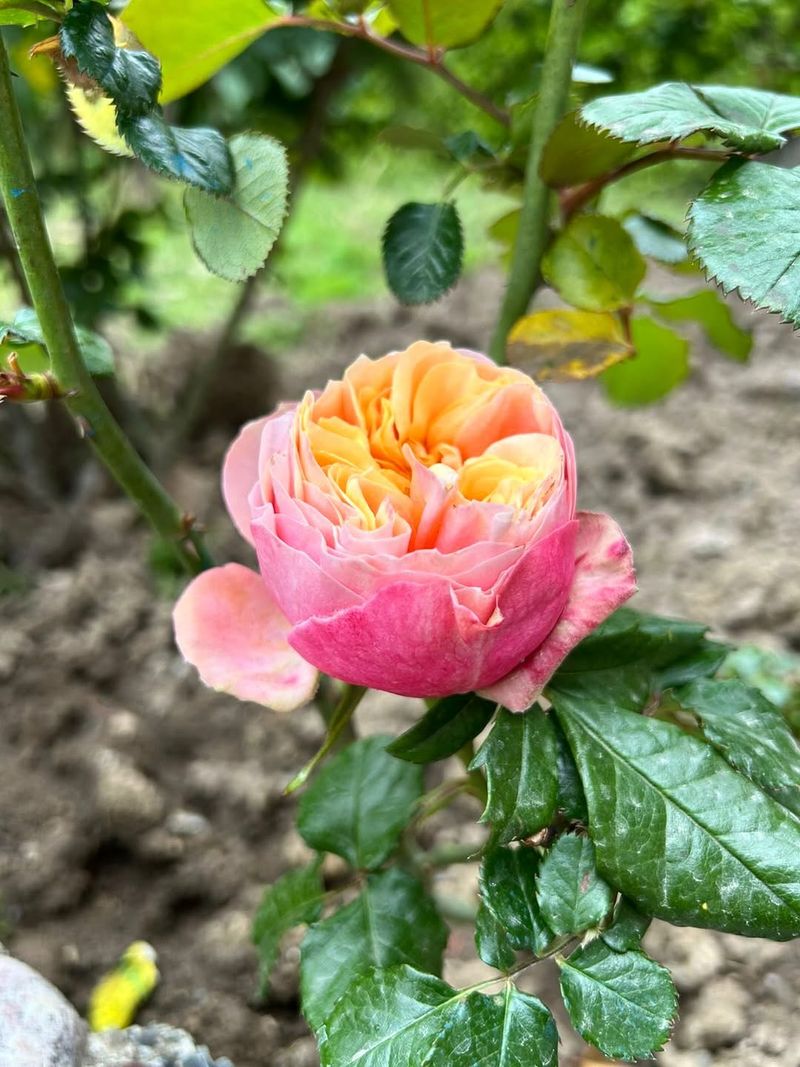
Roses are a little dramatic, and honestly, that is part of their charm. They bloom beautifully in California, but they are also quick to show signs of stress when watering is off.
Before summer arrives, it is worth giving your rose watering routine a serious upgrade.
Roses need consistent, deep watering. During the cooler months, watering twice a week might be enough.
But as California heat builds, you may need to water three or even four times a week, especially if your roses are in full sun. The soil should never fully dry out between waterings.
Always water at the base of the plant. Getting the leaves wet invites powdery mildew and black spot, two fungal issues that love humid conditions.
A drip system or soaker hose keeps moisture right where it belongs: at the roots.
Early morning is the best time to water roses. The water soaks in before the heat of the day causes evaporation, and any accidental leaf splash has time to dry before evening.
Adding a layer of mulch around your rose bushes also helps lock in moisture and keeps the roots cooler during those blazing California afternoons. Start this routine now for the best blooms all summer.
6. Fruit Trees
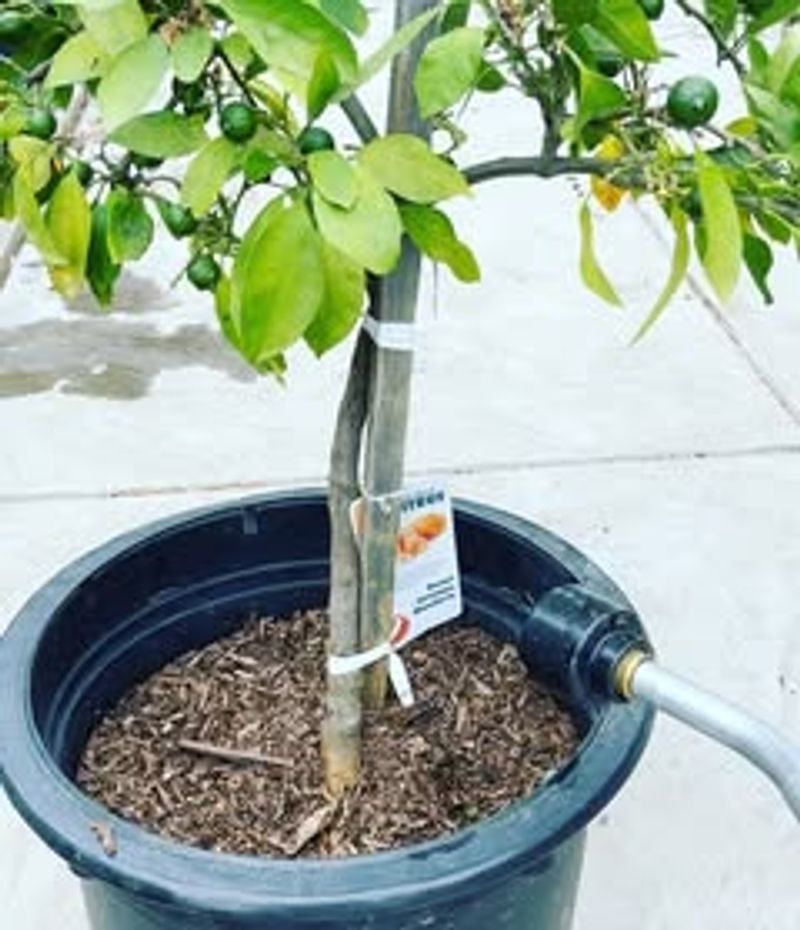
Spring is when many of them set their fruit, and that process takes a lot of energy and water. Getting your watering schedule right before summer hits can directly affect how much fruit you actually harvest.
Deep, infrequent watering is the way to go with fruit trees. Rather than a quick sprinkle every day, give your trees a long, slow soak once or twice a week.
This encourages roots to go deep, which is exactly what you want heading into a dry California summer.
How much water does a fruit tree actually need? A good rule of thumb is about ten gallons per inch of trunk diameter per week during warm weather.
That might sound like a lot, but fruit trees are large plants doing big things. A drip system set to run for a few hours does the job well without wasting water.
Do not forget to check the soil before watering. Stick your finger about two inches into the ground near the tree.
If it feels moist, wait another day. If it is dry, it is time to water.
This simple check helps you avoid both overwatering and underwatering as California temperatures start climbing fast.
7. Container Plants
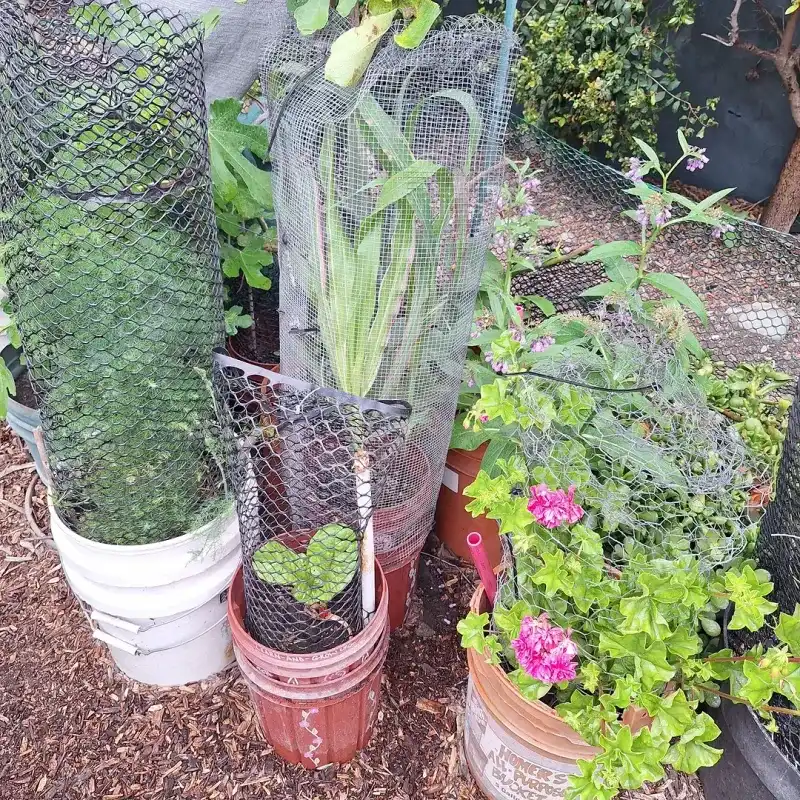
Unlike plants in the ground, they cannot reach down for extra moisture when the soil gets dry. Everything they need has to come from you, and during summer, that need goes up fast.
Pots heat up quickly in direct sun, which means the soil dries out much faster than you might expect. In the peak of a California summer, some containers may need watering every single day.
Before that heat arrives, now is the time to build a consistent watering habit and figure out which pots dry out the fastest.
Terra cotta pots are beautiful but they are porous, meaning they lose moisture through the sides. If you have terra cotta containers in full sun, check them daily and consider moving them to a spot with afternoon shade to slow down moisture loss.
When you water containers, water until it drains out the bottom. This ensures the entire root zone gets moisture, not just the top layer.
Shallow watering in containers leads to weak, stressed plants. Adding a layer of mulch on top of the soil in larger pots also helps retain moisture.
A little planning now will save your container plants from serious stress once California summer is in full swing.
8. Lawns
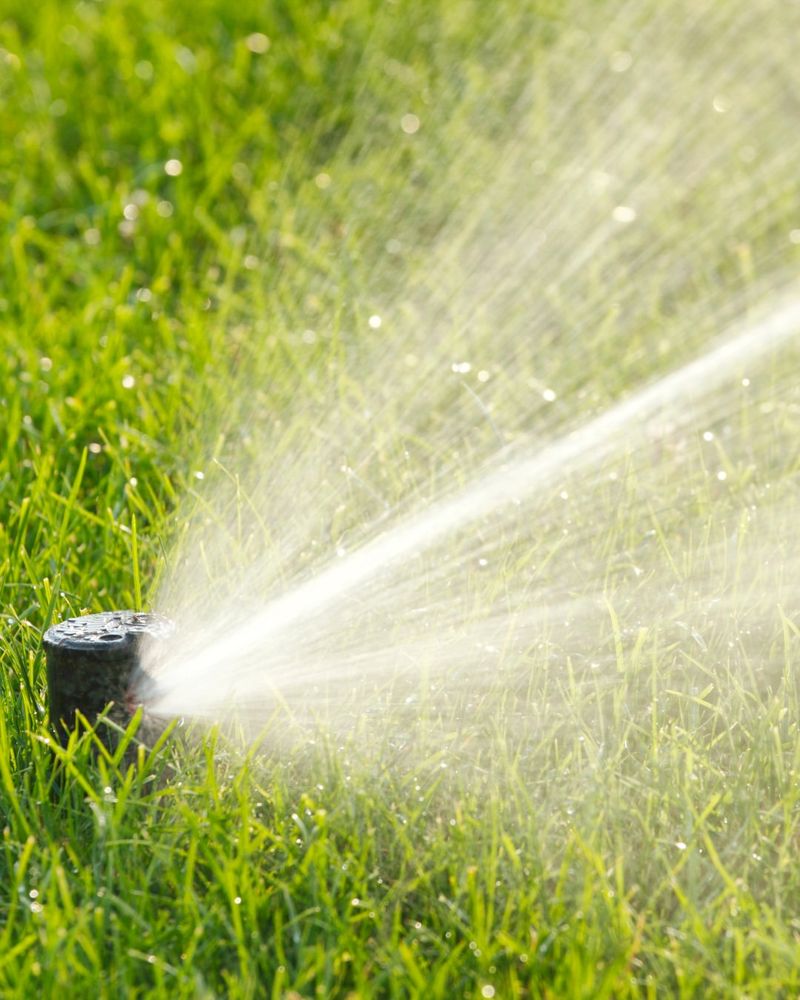
Lawns are one of the most water-hungry parts of any California yard, and summer is when that demand really spikes. Before the hottest months arrive, adjusting your sprinkler schedule can save both water and money while keeping your grass looking good.
Most lawns in California need about one inch of water per week during summer. But here is the key: it is better to water deeply two or three times a week than to run your sprinklers a little bit every day.
Deep watering encourages grass roots to grow down, which makes the lawn more resilient during dry spells.
Water early in the morning, ideally before 8 a.m. This reduces evaporation and gives the grass time to dry before evening, which cuts down on fungal issues.
Watering in the middle of a hot California afternoon wastes a surprising amount of water to evaporation before it even reaches the roots.
If you have a smart irrigation controller, now is a great time to program it for the summer schedule. Many California water districts even offer rebates for smart controllers that adjust based on weather.
Check if your local district has a program. Also, raising your mower blade slightly lets grass grow a bit taller, which shades the soil and helps hold moisture through the summer months.
9. Hydrangeas
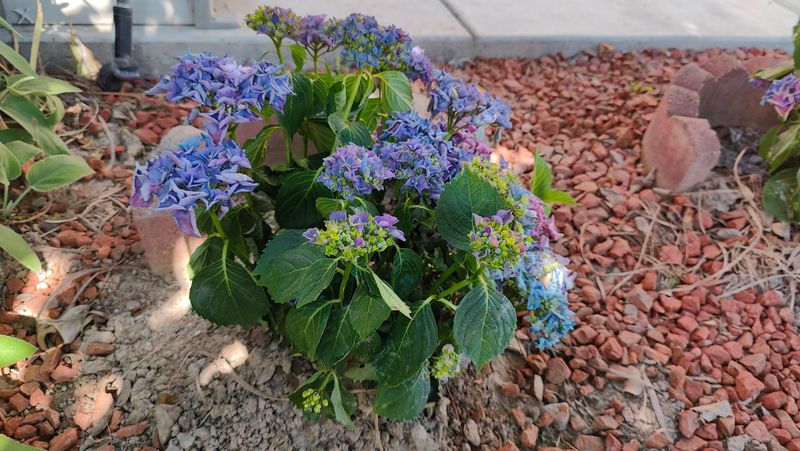
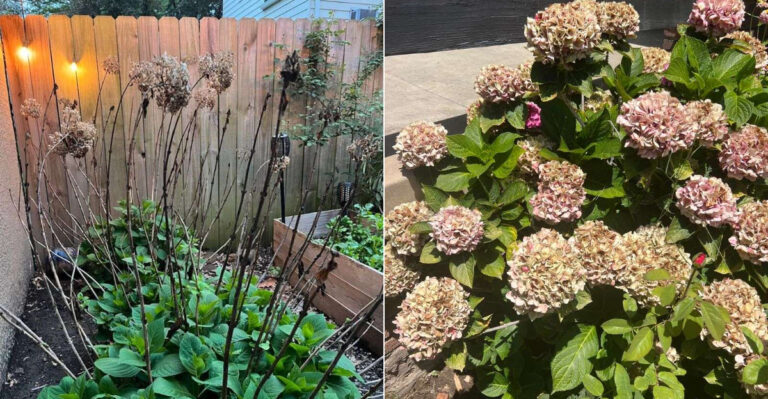
When they are thirsty, they wilt fast and obviously. When they are happy, they reward you with those gorgeous, oversized blooms that make every garden look like something out of a magazine.
These plants love moisture. Before summer arrives in California, you need to make sure they are getting consistent, deep waterings.
Hydrangeas in full sun will need more frequent watering than those in partial shade, so placement really matters here.
During summer, plan to water hydrangeas deeply at least three times a week. In particularly hot inland California areas, daily watering may be needed during heat waves.
The soil should stay consistently moist but not waterlogged. Too much standing water can cause root problems just as quickly as drought stress.
Mulching around hydrangeas is especially helpful. A thick layer of organic mulch, about three to four inches, keeps the soil cool and moist between waterings.
Avoid mulching right against the stem. Also, if your hydrangeas are in pots on a California patio, consider moving them to a shadier spot as summer approaches.
They will still bloom beautifully with morning sun and afternoon shade, and they will need far less water to stay happy and healthy.
10. Succulents
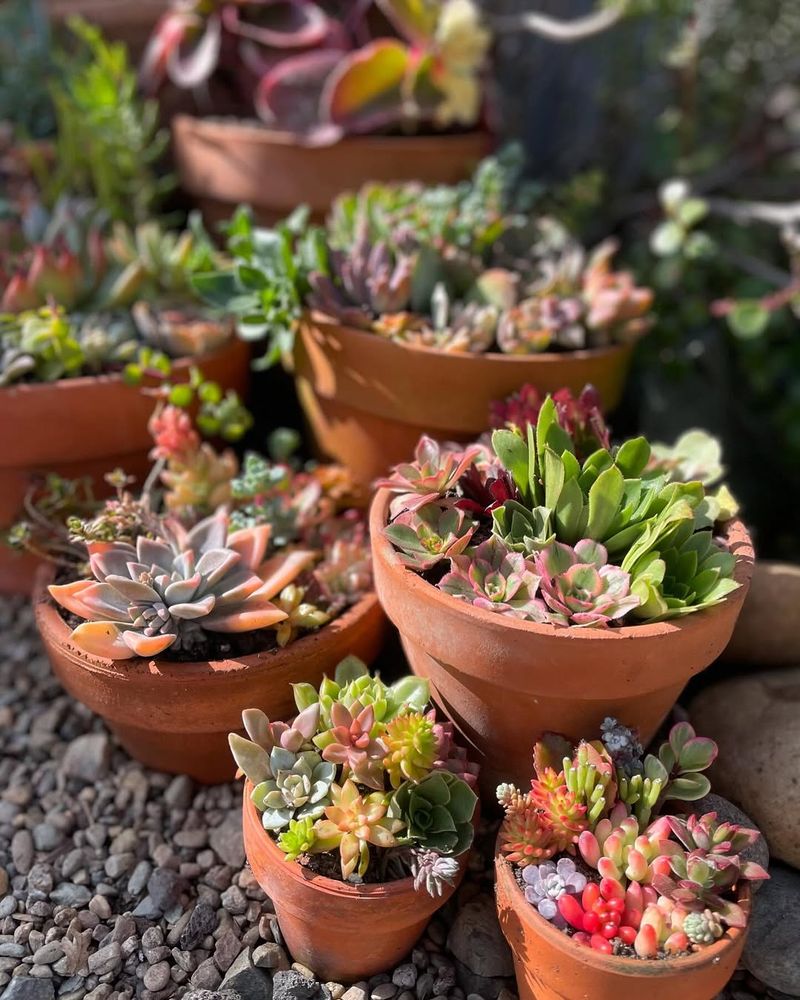
These plants store water in their thick leaves and stems, which means they genuinely need less moisture than almost anything else in your yard. Summer is actually when many succulents want you to back off even more.
Before summer hits, start stretching the time between waterings. If you have been watering your succulents every week during spring, try moving to every two weeks.
Once summer is in full swing, once a month may be plenty for established plants in the ground. Yes, really.
Container succulents dry out faster than in-ground ones, so they may still need a drink every two to three weeks during summer. The key is to check the soil first.
If it is still even slightly moist, wait. Succulents sitting in wet soil during California heat are at serious risk of root rot.
One thing that does help succulents in summer is making sure they have excellent drainage. Sandy or gritty soil lets water move through quickly so roots never sit wet.
If your succulents are in heavy clay soil, consider amending it or moving them to containers with drainage holes. Give them the right setup now and they will thrive all summer long with minimal effort.