The Small Native Trees That Actually Belong In Western Texas Front Yards
Let’s be honest, walking into a Texas nursery in spring and picking the prettiest tree you see is extremely tempting. But out here in the west, that impulse can backfire fast.
We’re talking relentless sun, dry winds that show up uninvited, rocky soil that laughs at your shovel, and stretches of time with zero meaningful rain. A tree that looks gorgeous on the tag can look completely miserable in your front yard by August.
Not exactly the curb appeal you were going for. The really good news is that this region has its own lineup of native small trees that genuinely belong here.
These are plants that evolved alongside the heat, the drought, and the wind. They don’t need coddling, they don’t need constant irrigation, and honestly, they tend to look better for it too.
Desert Willow Brings Color Without Feeling Fussy
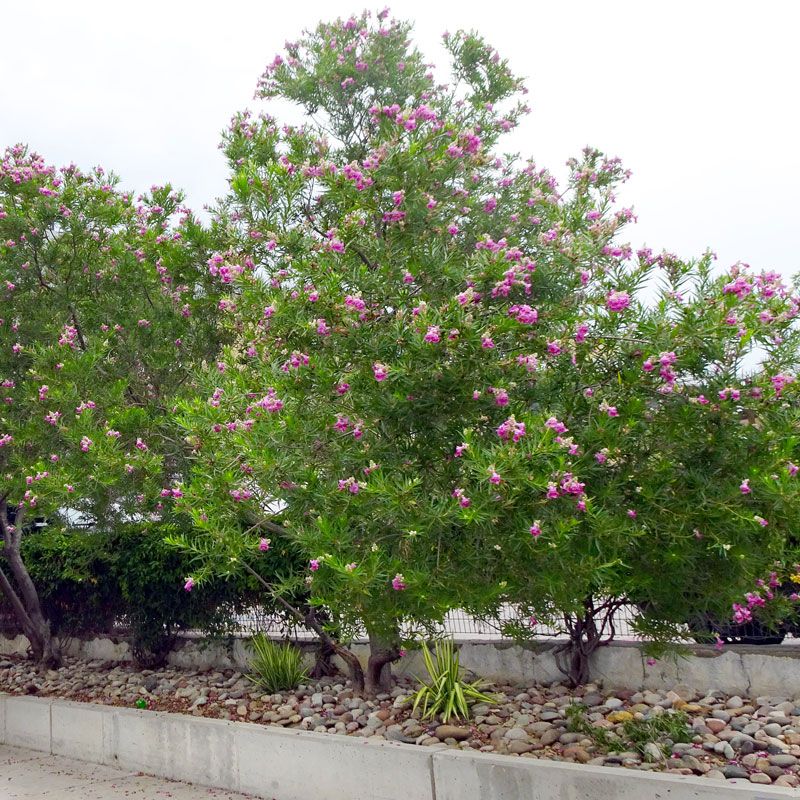
Sun-baked front yards in western Texas can feel like they are working against you, but Desert Willow seems to lean into the heat rather than struggle against it. This small native tree is one of the most rewarding choices you can make for a western Texas landscape, and it earns that reputation with very little help from the gardener.
Mature trees typically reach somewhere between 15 and 25 feet tall, making them a comfortable fit for most residential front yards without crowding rooflines or sidewalks.
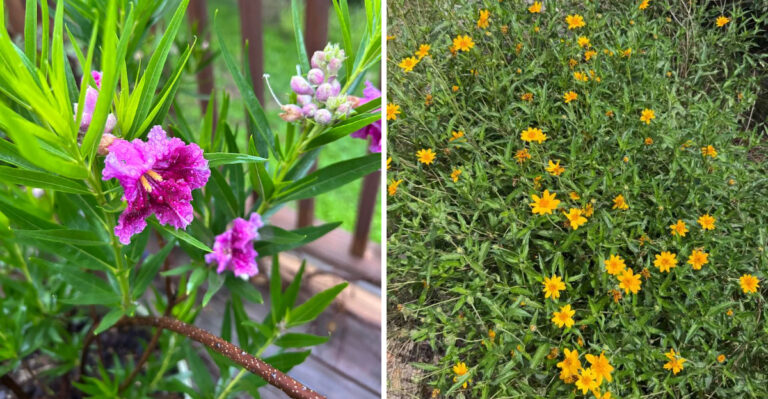
The flowers are the real showstopper. Desert Willow produces clusters of trumpet-shaped blooms in shades of pink, lavender, white, and deep burgundy, often starting in late spring and continuing on and off through summer into fall.
That kind of extended color is hard to find in a drought-tolerant native plant. Hummingbirds visit the flowers regularly, which adds movement and life to a front yard planting.
Despite its common name, Desert Willow is not a true willow at all. It belongs to the catalpa family and is native to the Chihuahuan Desert region, which places it squarely at home across much of western Texas.
The leaves are long, narrow, and slightly weeping, giving the tree a soft and graceful look even when it is not in bloom. Once established, it handles dry conditions well and asks for very little supplemental water.
Young trees benefit from regular watering during their first one to two growing seasons to help the root system settle in before summer stress arrives.
Texas Mountain Laurel Adds Evergreen Beauty And Spring Fragrance
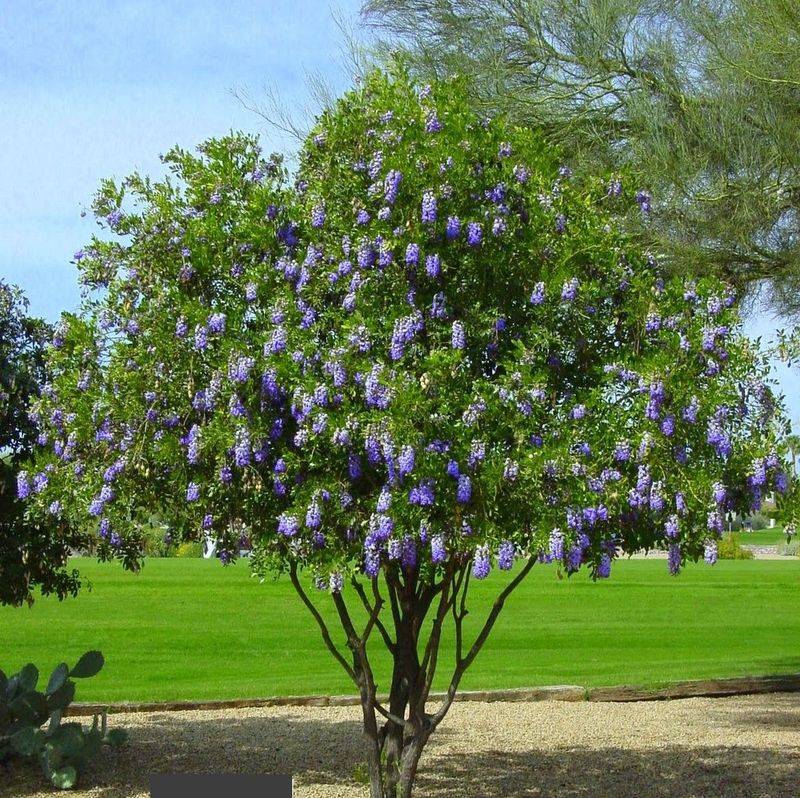
Few native plants in the entire state stop people in their tracks the way Texas Mountain Laurel does in early spring. The blooms arrive in dense, drooping clusters of deep purple-violet that look almost like wisteria and carry a fragrance that many people describe as similar to grape candy.
That scent can carry across an entire front yard on a warm March afternoon, which makes this evergreen tree one of the most memorable choices for western Texas home landscapes.
Texas Mountain Laurel grows slowly, which is worth knowing before you plant it. Expect a few inches of growth per year in lean, dry conditions, so patience is part of the deal.
Your Texas Garden Changes Every Week. Your Plan Should Too.
Gardening in Texas changes quickly throughout the season. Every Friday you’ll receive a simple weekly plan showing exactly what to plant, prune, fertilize, harvest, and protect so you never miss the right timing.
The upside is that the slow growth habit means less pruning and a tidy, manageable size over time. Most plants top out somewhere between 10 and 15 feet, though some older specimens can grow taller with favorable conditions and years of establishment.
The glossy, dark green leaves stay on the plant year-round, which gives western Texas front yards structure and color even during the dry months when other plants look tired. Texas Mountain Laurel thrives in rocky, alkaline soils, which describes a large portion of the ground across western Texas.
It handles full sun well and asks for very little water once the roots are established. One thing to keep in mind is that the seeds inside the red seed pods are toxic, so placement away from areas where small children play regularly is a reasonable consideration for homeowners.
Honey Mesquite Fits Tough Western Texas Conditions
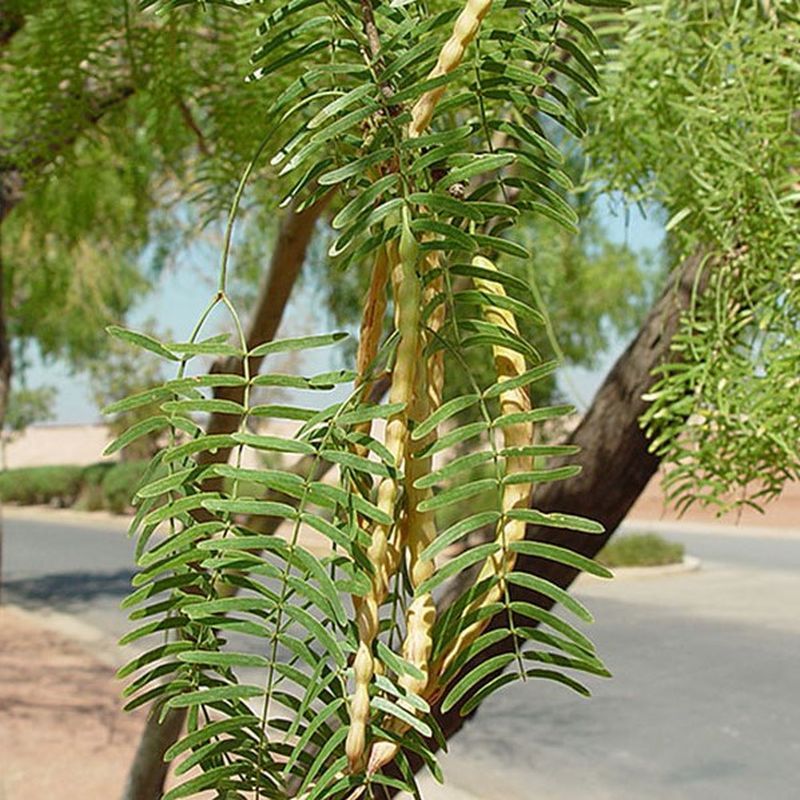
Walk across almost any stretch of western Texas land and you will likely encounter Honey Mesquite growing somewhere it was not planted, which tells you something important about how well this tree fits the region. In a front yard setting, Honey Mesquite offers a rugged, natural beauty that suits xeric and gravel garden designs especially well.
The fine, feathery leaflets create a soft canopy that filters light rather than blocking it completely, which works nicely in small front yard spaces where you want shade without a heavy, dense overhead cover.
Honey Mesquite is often multi-stemmed in natural settings, and that growth habit can actually work in your favor when you want a tree-like shrub with visual character rather than a single formal trunk. With some selective pruning over time, it can be encouraged into a more tree-like form.
The fragrant yellow flower spikes appear in spring and attract pollinators, and the seed pods that follow provide food for birds and wildlife through summer and fall.
One honest note for front yard use: Honey Mesquite has thorns, and the root system is famously deep and persistent, so placement away from sidewalks, driveways, and underground utilities matters. Giving it room to develop naturally will reduce the need for heavy pruning later.
In the right spot with good drainage and full sun, Honey Mesquite settles in quickly and handles western Texas drought, wind, and heat with the kind of ease that only a truly native plant can manage over the long term.
Netleaf Hackberry Handles Heat With Easy Shade
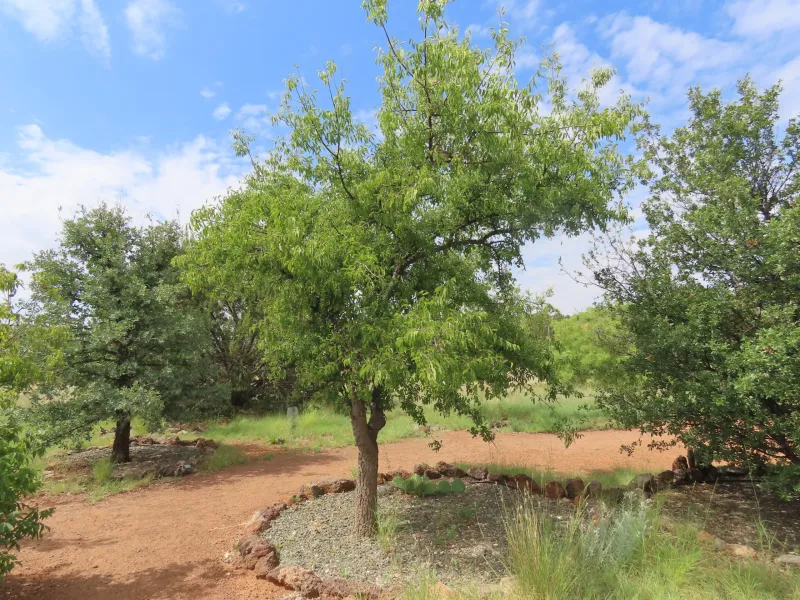
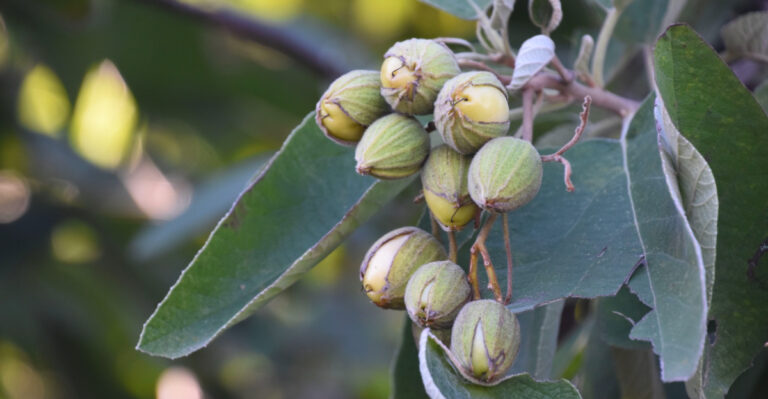
Shade is one of the most requested features in a western Texas front yard, and Netleaf Hackberry delivers it without demanding much in return. This native tree grows across rocky slopes, canyon edges, and dry washes throughout western Texas and the surrounding Chihuahuan Desert region, which gives you a clear picture of just how adapted it is to the conditions most homeowners are working with.
In a front yard setting, it develops a spreading canopy that provides welcome dappled shade over entryways, front walks, and foundation beds.
Netleaf Hackberry typically reaches 20 to 30 feet at maturity, though growth in dry, lean soils tends to be slower and the final size often stays on the smaller end of that range. The leaves have a distinctive rough, sandpaper texture and prominent veining that gives the tree a bold, interesting appearance up close.
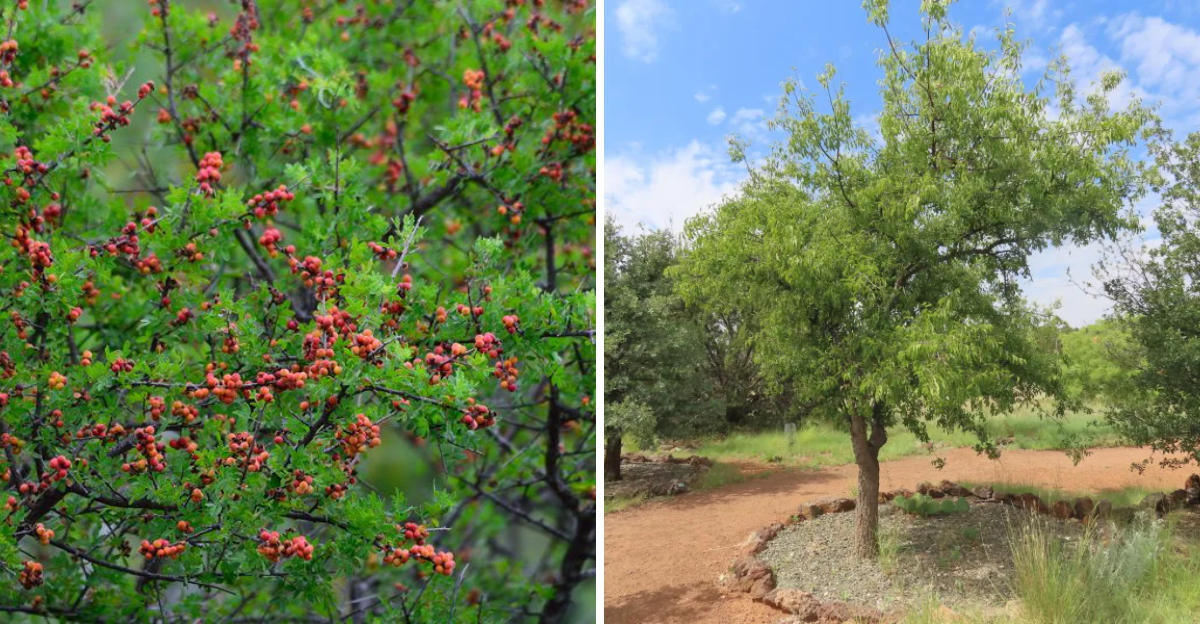
In fall, small dark berries ripen on the branches and attract a wide range of birds, which makes the tree a lively presence in the yard during the cooler months.
One of the most practical qualities of Netleaf Hackberry is its tolerance for caliche soils, which are common across much of western Texas and notoriously difficult for many trees to handle. It also holds up well against western Texas wind, which can be relentless in open front yard exposures.
Young trees do benefit from regular watering during the first year or two, but once the roots are established, this tree is genuinely low-maintenance and well-suited for homeowners who want reliable shade from a plant that truly belongs in the region.
Chisos Rosewood Belongs In Dry Western Texas Yards
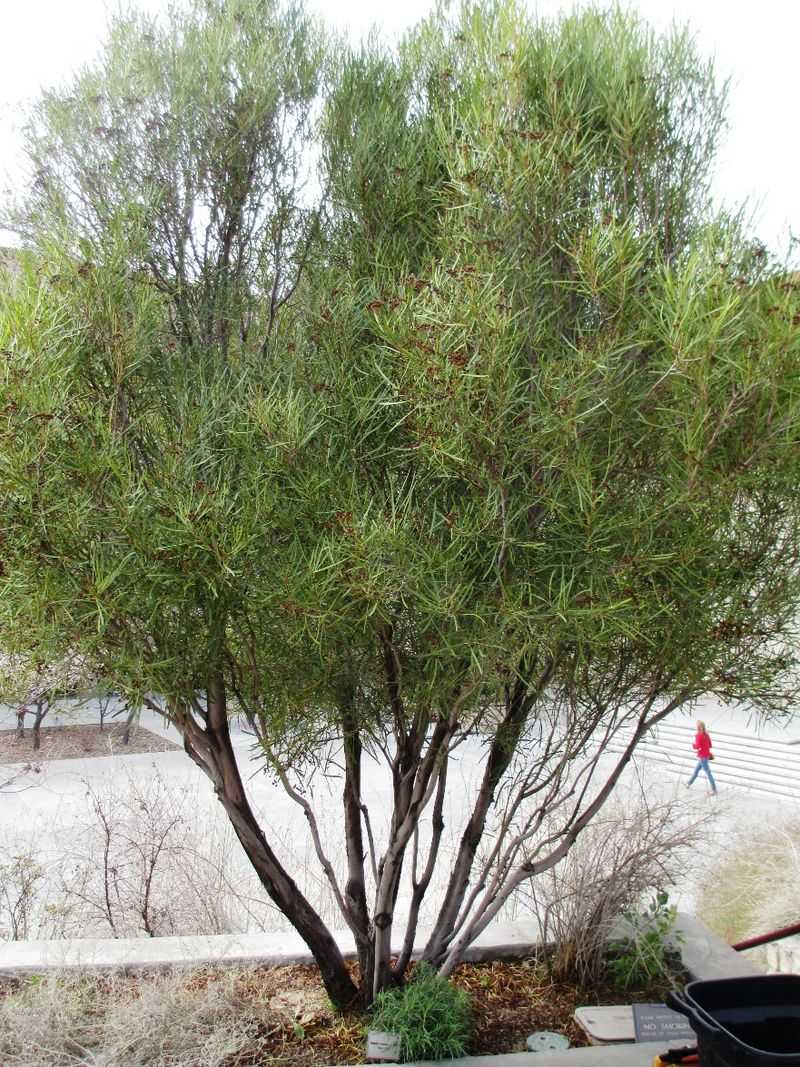
Gardeners who spend time searching for something a little different for their western Texas front yard often come across Chisos Rosewood and immediately want to know more. This small native evergreen tree is not as widely planted as some of the other natives on this list, but it deserves far more attention than it typically gets.
Named for the Chisos Mountains in Big Bend country, it is native to the Trans-Pecos region of western Texas and a handful of neighboring areas, making it genuinely local in origin and well-matched to the conditions of the region.
Chisos Rosewood grows slowly to roughly 10 to 15 feet tall with a refined, upright to rounded form that suits formal and informal front yard designs equally well. The dark green leaves stay on the plant through most of the year, giving the yard evergreen structure even during dry winters.
In spring and sometimes again in fall, clusters of small white flowers appear and release a pleasant fragrance that carries well in outdoor spaces. The blooms attract native bees and other pollinators looking for early-season food sources.
Because Chisos Rosewood is adapted to rocky limestone soils and low annual rainfall, it fits naturally into xeric front yard designs, gravel gardens, and foundation beds where water use needs to stay minimal. Full sun suits it well, and it handles western Texas wind without showing the kind of stress that less-adapted plants often display.
Nursery availability can vary, so checking with native plant specialty nurseries in the region is a practical step for anyone hoping to add this tree to their front yard.
Little Leaf Sumac Brings Native Texture And Seasonal Color
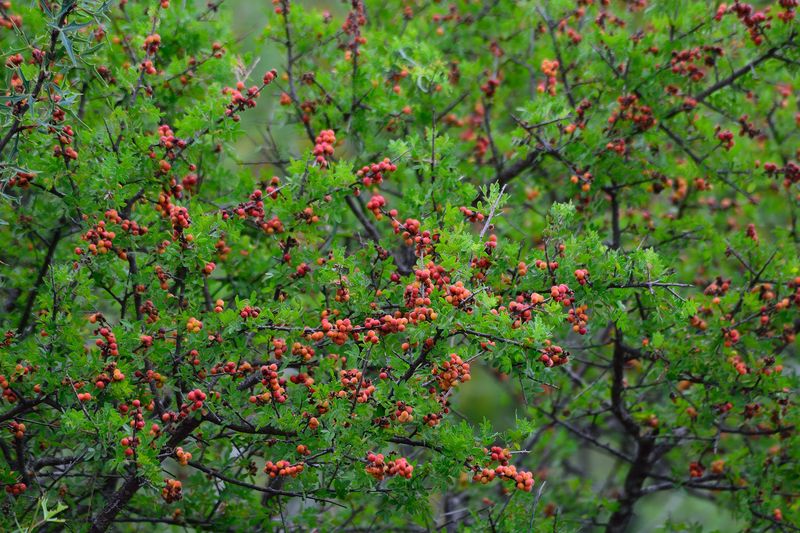
Not every front yard needs a traditional single-trunk shade tree, and Little Leaf Sumac makes a strong case for rethinking what a native small tree can look like in western Texas. This plant grows naturally as a large shrub or small multi-trunk tree, reaching roughly 8 to 12 feet tall with an equal or wider spread.
That rounded, mounding form works beautifully along the edges of front beds, near driveways, or as a low-water anchor plant in a gravel or rock garden design.
The small, dark green leaves give Little Leaf Sumac a fine-textured look that contrasts nicely with coarser plants like agave or yucca, which are common companions in western Texas landscapes. In fall, the foliage shifts to shades of orange and red, bringing seasonal color to a region where autumn color can feel rare.
The clusters of small red berries that follow are a reliable food source for birds, particularly during the drier months when other food sources are limited.
Little Leaf Sumac is native to the Trans-Pecos and surrounding areas of western Texas, which means it is genuinely adapted to the rocky, alkaline, low-moisture conditions that challenge so many other plants. It handles full sun without complaint and rarely needs supplemental water once it has had a season or two to establish its root system.
If you are looking for a native plant that adds year-round texture, seasonal interest, and wildlife value to a small western Texas front yard, Little Leaf Sumac is a plant worth serious consideration.