8 Things Florida Gardeners Should Do In May Before Hurricane Season Makes It Impossible
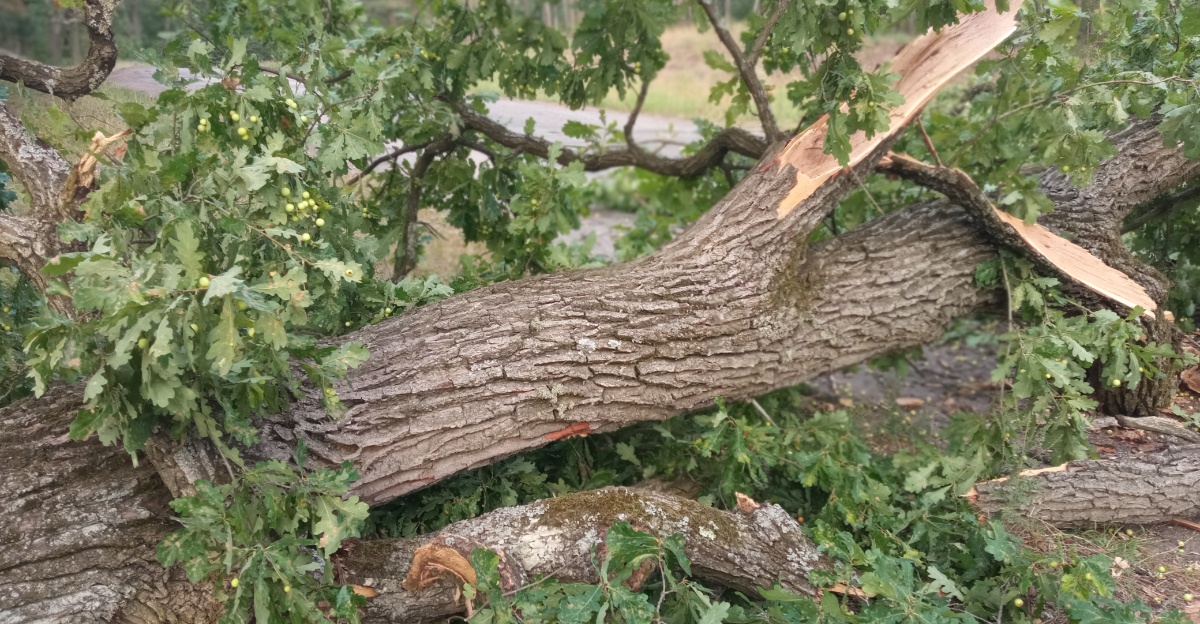
May in Florida looks calm, right? Warm soil, blue sky, happy plants.
But every seasoned gardener knows this month can turn into the quiet before the storm. Hurricane season is not some distant “later” problem.
It is the guest who shows up early, tracks mud through the house, and ruins the party. So, what should you handle before heavy rain, wild wind, and flooded beds call the shots?
Quite a lot. This is the month to get your garden battle ready while you still have time, energy, and decent weather on your side.
A few smart moves now can save your plants, protect your yard, and spare you a world of regret after the first big storm rolls in. Think of May as your last clean slate.
Miss it, and you may spend summer playin’ catch-up with one hand tied behind your back.
1. Inspect Trees Before Storm Winds Arrive
Your biggest garden assets can also become your biggest liabilities when a tropical storm rolls through.
Walking your yard in May, before tropical weather becomes a regular concern, gives you the time and calm conditions needed to spot trouble before it becomes an emergency.
A thorough tree check now can prevent serious damage to your home, car, or power lines later.
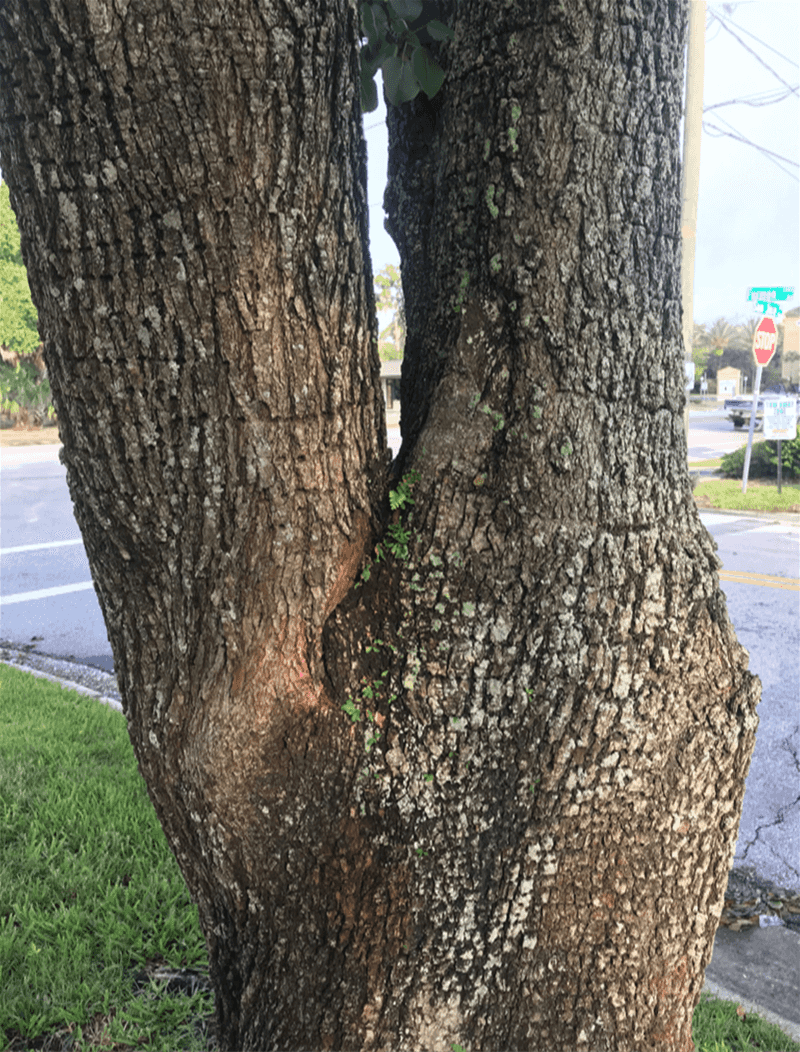
Start by looking up. Check for cracked or hanging limbs, V-shaped branch unions that look weak or split, and any branches growing directly over your roof, driveway, or power lines.
Look at the base of each tree, too. Mushrooms growing near the trunk or visible root zone can signal internal decay that is not obvious from a distance.
Leaning trunks and old cavities are also worth noting.
Take photos and write down what you find, especially for larger trees. Problems that look minor can become serious in 80-mile-per-hour winds.
Large trees near structures or utility lines should be assessed by a certified arborist, not a general lawn crew. A certified arborist has the training to evaluate structural integrity and recommend the right course of action.
Avoid trying to diagnose major structural problems yourself, and never attempt large cuts on your own. May gives you time to schedule professional help before storm season turns every arborist in the state into a very busy person.
2. Remove Risky Limbs While Access Is Easy
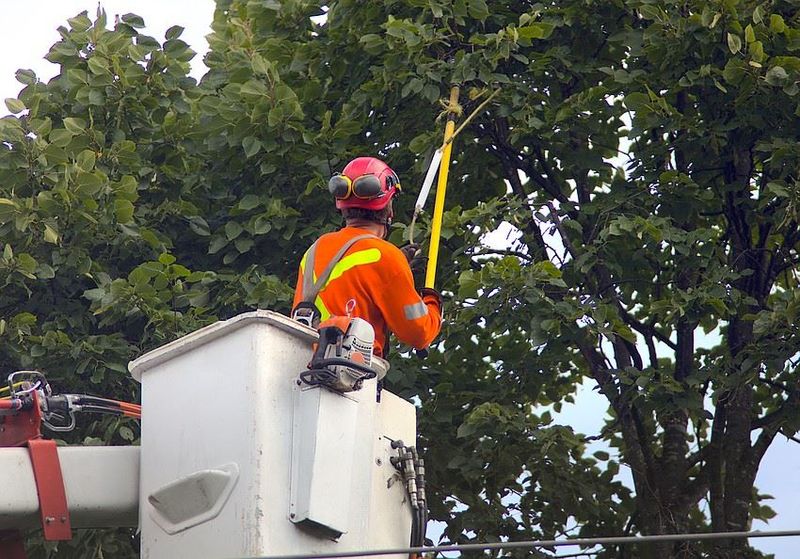
Pruning for safety is completely different from pruning for looks.
Before hurricane season begins, the goal is to remove limbs that are already broken, cracked, rubbing against each other, or poorly attached to the trunk. But the goal is not to strip the canopy bare.
Over-thinning actually increases wind resistance in some cases and can stress trees that need their foliage to stay healthy through summer heat.
May is the practical window to get this done because yard access is still easy and crews are not yet overwhelmed with storm-damage calls. Also, trees have time to recover before intense summer weather arrives.
Focus on removing limbs that could realistically fall on a structure, vehicle, or person.
Broken stubs, split crotches, and branches hanging by bark are the priority targets.
Your Florida Garden Changes Every Week. Your Plan Should Too.
Gardening in Florida changes quickly throughout the season. Every Friday you’ll receive a simple weekly plan showing exactly what to plant, prune, fertilize, harvest, and protect so you never miss the right timing.
Avoid topping trees – cutting the main leader or large upper branches down to stubs.
Topping is widely condemned by UF IFAS and certified arborists because it creates weak, fast-growing regrowth that breaks even more easily in storms.
Flush cuts that remove the branch collar are also harmful and slow healing. For palms, skip the so-called hurricane cut entirely.
Only remove brown, loose, broken, or clearly damaged fronds. Green fronds, even drooping ones, should stay on the palm.
Cutting green fronds stresses the tree and does not improve storm performance.
3. Clear Gutters Before Heavy Rain Hits
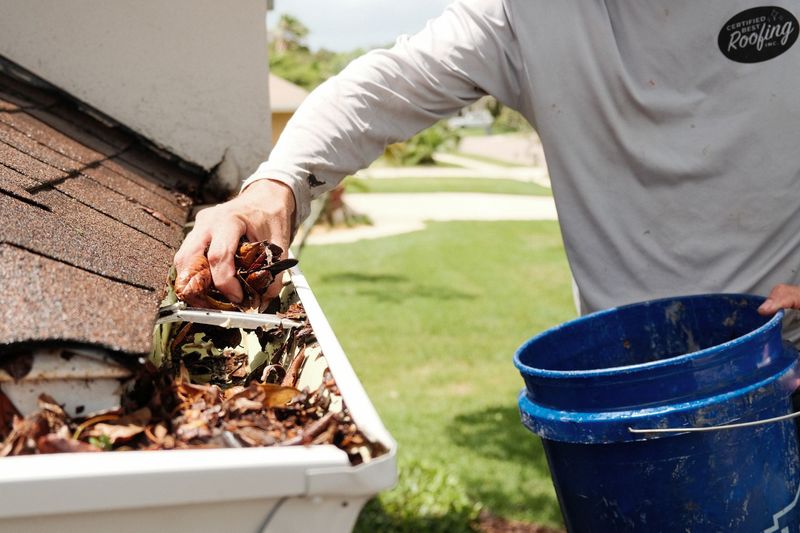
Gutters fill up fast. Between the live oaks dropping catkins, pine trees shedding needles, and palm fronds breaking apart, the debris load in spring can clog a downspout in just a few weeks.
Clogged gutters during a summer downpour do not just overflow. They push water sideways into fascia boards, down into foundation plantings, and across patios in ways that cause real damage over time.
Get up there in May while the weather is still manageable and before the daily afternoon storms of rainy season begin. Pull out all the leaves, seed pods, and roof grit you find, then flush the gutters with a garden hose to check for slow spots.
Watch where the water exits the downspouts. Downspout extensions should carry water at least several feet away from the foundation and away from garden beds that cannot handle repeated saturation.
Check that splash blocks or downspout extensions are still in place and pointed in the right direction. It is surprisingly common for lawn equipment to knock them out of position over the winter.
For homes with steep or high rooflines, skip the ladder and hire a professional gutter cleaning service.
The cost is small compared to the water damage a blocked gutter can cause when a slow-moving tropical system drops ten or twelve inches of rain over two days.
Getting this job done in May means one less thing to worry about when watches and warnings start appearing on your phone.
4. Secure Pots Before High Winds Scatter Them
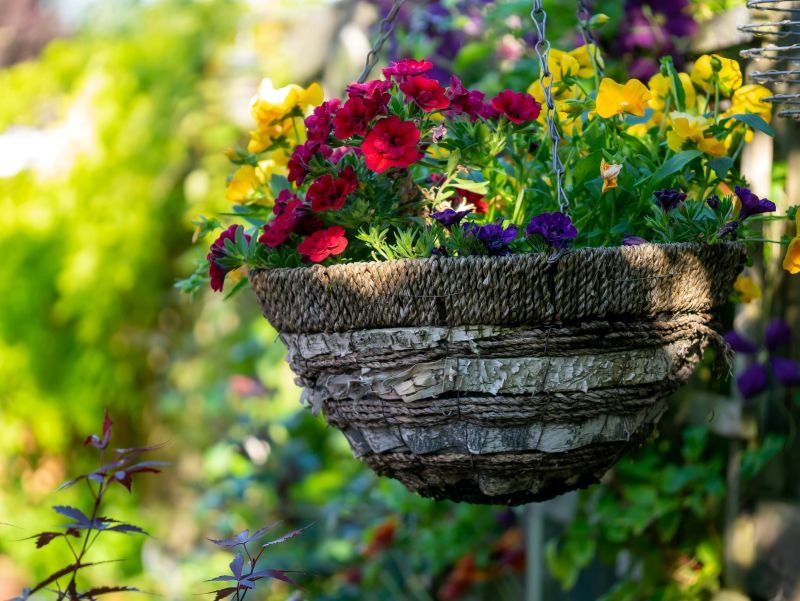
Container gardens are one of the great joys of gardening and one of the most overlooked storm hazards.
A large plastic pot filled with wet soil can weigh fifty pounds or more. So, when a strong gust catches it, that weight becomes a serious problem for windows, cars, and anyone nearby.
Small pots, hanging baskets, and lightweight planters are even more unpredictable because they catch wind easily and travel fast.
May is the perfect time to take stock of every container, hanging basket, and raised planter on your property. Walk the patio, porch, balcony, and yard edges.
Note which pots are sitting on railings, ledges, or raised surfaces where wind can reach them from multiple directions. Make a mental plan, or a written one, for where each container will go when a tropical watch is issued.
Moving thirty pots during a warning is stressful and rushed. Planning it out in May takes about ten minutes.
Where possible, group pots together in a sheltered spot close to the house wall.
Heavier containers made from concrete or thick ceramic are more stable than plastic, so consider upgrading lightweight pots that live on exposed decks or open porches.
Avoid leaving any container on a railing or elevated ledge once June arrives. A pot that falls from a second-story balcony during a storm is not just a lost plant, it is a genuine safety hazard for anyone below.
5. Move Garden Decor Out Of Wind Paths
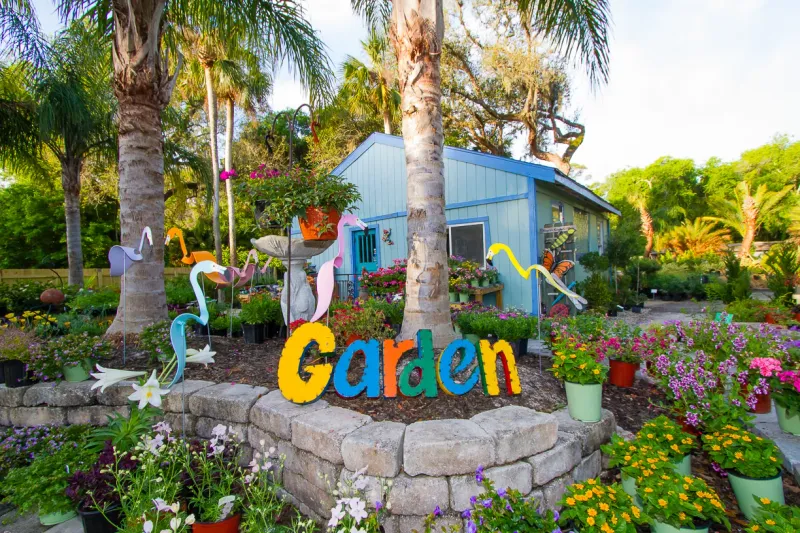
Walk through your garden in May with fresh eyes and ask yourself one honest question: if the wind hit 60 miles per hour right now, what would move?
Trellises, bird feeders, plant stands, metal garden signs, yard art, small fountains, and lightweight patio furniture all become potential projectiles in tropical-force winds.
Most of these items are easy to store or anchor in May when there is no urgency and nearly impossible to deal with safely when a storm is twelve hours away.
Sort your outdoor items into three groups: things that can stay with anchoring, things that should be stored quickly before a storm, and things that should be moved inside entirely once June arrives.
Heavy concrete statues or large stone fountains might stay put, but anything lightweight, hollow, or tall and narrow needs a plan.
Trellises attached to garden beds are particularly tricky because they catch wind like a sail and can uproot plants when they fall.
Tools left leaning against fences or sheds are another hazard people forget about. A rake, shovel, or hoe becomes dangerous in strong wind.
Get into the habit now of storing tools properly after each use rather than leaving them out. May is also a good time to check that patio furniture is in good condition.
Wobbly table legs and cracked chair frames will not hold up to the stress of being stacked or moved quickly before a storm. Address those repairs now while there is no pressure.
6. Improve Drainage Before Rainy Season Surges
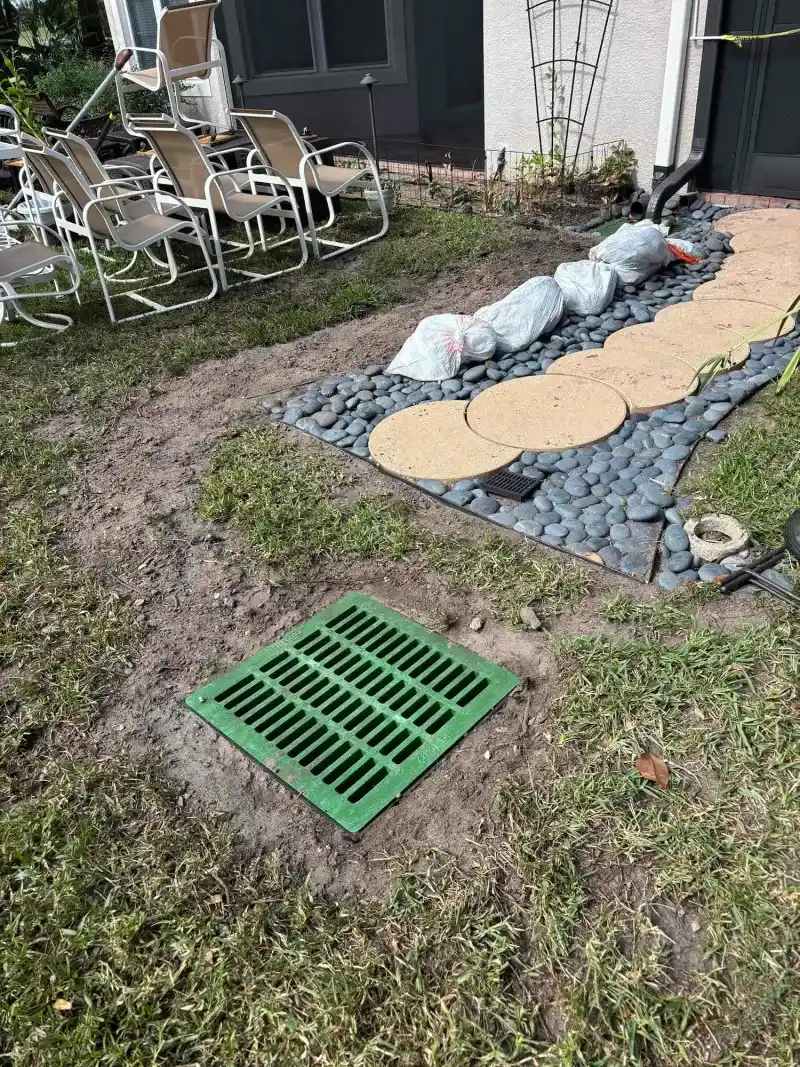
Standing water after a summer storm is more than an inconvenience. It stresses roots, breeds mosquitoes, washes away mulch and topsoil, and can erode garden beds that took years to build up.
Rainy season brings intense, fast-moving downpours that dump several inches of rain in under an hour. Landscapes that drain poorly in spring become flooded zones once June and July arrive with their daily thunderstorms.
Spend some time in May checking low spots in the lawn and garden. Look for areas where water pools after even a moderate rain.
Check swales along the street or yard edge. These engineered drainage paths need to stay clear of debris, overgrown grass, and soil buildup to function properly.
Blocked swales back water up into yards and can create problems for neighboring properties, which is something local ordinances in many counties take seriously.
Practical fixes in May can include clearing drainage paths of accumulated leaves and debris and raising vulnerable garden beds with added soil or organic matter. You can also redirect downspouts that empty into low spots and improve compacted soil with compost.
Avoid planting sensitive herbs, vegetables, or shallow-rooted ornamentals in spots that flood regularly.
Do not redirect water toward a neighbor’s property or block shared drainage infrastructure. A few hours of drainage work in May can protect months of gardening investment when the heavy rains begin rolling through.
7. Check Irrigation Before Summer Heat Peaks
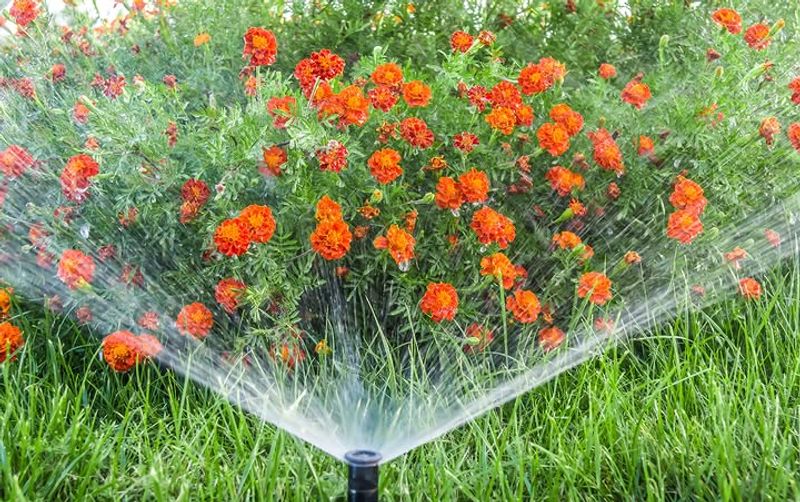
Broken sprinkler heads and clogged drip emitters are easy to ignore during mild spring. But they become a real problem once summer heat locks in and your landscape is depending on consistent irrigation between storms.
May is the last comfortable month to run each zone, walk the yard while the system is running, and fix what is not working before the situation becomes urgent.
Turn on each zone one at a time and watch what happens. Look for heads that spray sideways, shoot water onto pavement, or produce an uneven pattern that leaves dry spots nearby.
Check drip lines for clogged emitters, breaks in the tubing, or connections that have pulled apart over winter.
Note any overspray hitting the house foundation, sidewalk, or street that water is wasted and can cause problems with pavement and foundation areas over time.
Florida-Friendly Landscaping principles, supported by UF IFAS, recommend watering based on actual plant needs and current rainfall rather than running a fixed schedule.
Once rainy season begins, most established landscapes need little or no supplemental irrigation on days when rain has fallen.
Adjust your timer or controller to reflect that. Early morning watering (before 10 a.m.) reduces evaporation and fungal pressure on leaves.
Avoid watering at night, which keeps foliage wet for hours and encourages disease. Getting your system dialed in now saves water, money, and plant stress all summer long.
8. Refresh Mulch Before Soil Starts Washing Away
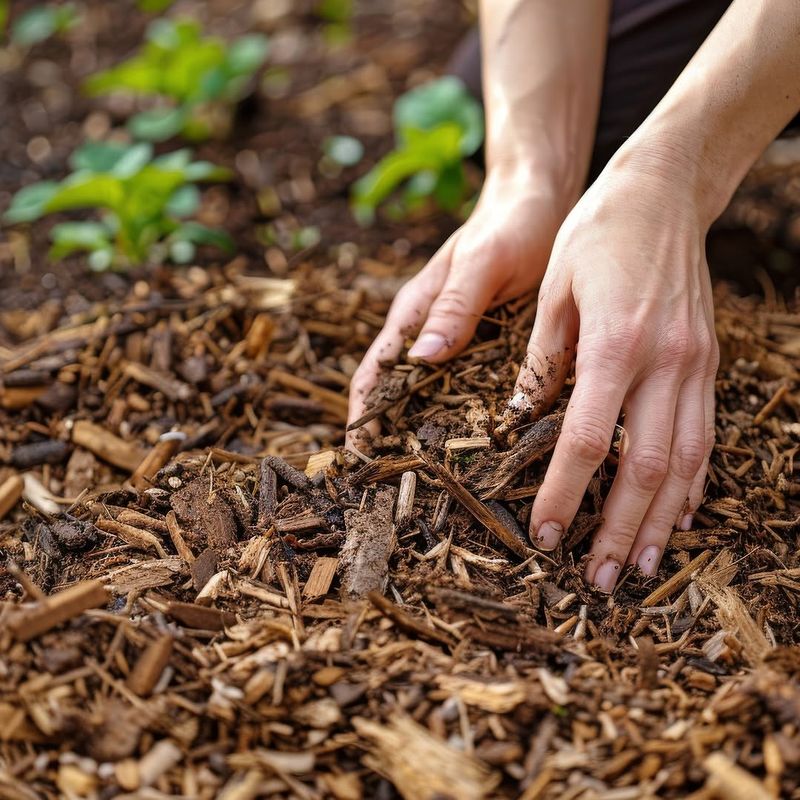
Bare soil in a garden does not stay put for long once summer rain arrives. Heavy downpours wash topsoil across paths, splash soil onto leaves, which can spread fungal disease, and expose roots that need protection from intense heat.
A fresh layer of mulch in May acts like a buffer between your garden and everything summer throws at it.
Aim for a two-to-three-inch layer of mulch across garden beds. That depth is enough to moderate soil temperature, hold moisture between rainstorms, slow weed germination, and reduce erosion during heavy rain.
Pine bark, pine straw, shredded leaves, and other organic mulches all work well in gardens.
They break down over time and add organic matter to the soil, which improves both drainage and moisture retention.
Two common mulching mistakes can actually harm plants. The first is piling mulch against the base of trees or shrubs in a thick mound – sometimes called a mulch volcano.
That shape holds moisture against the trunk and can lead to rot, pest problems, and long-term decline. Always pull mulch a few inches away from trunks and stems.
The second mistake is applying mulch too thickly, which can prevent water from reaching roots at all. A moderate, even layer refreshed in May will protect your garden beds through the roughest stretch of Florida’s summer and make post-storm cleanup noticeably easier.