Florida Irrigation Mistakes That Destroy Plants In Summer (Check These Zones In May)
Most Florida gardeners think they’re doing their plants a favor by cranking up the irrigation in summer. Spoiler alert: they’re not.
Overwatering in Florida’s brutal summer heat is one of the fastest ways to destroy plants you’ve spent months nurturing, and the worst part? Your irrigation system is probably already set up wrong for what’s coming.
May is your last shot to get ahead of this before summer turns your garden into a sauna. Got brown edges on your leaves?
Soggy soil that never seems to dry out? Roots rotting underground while the surface looks bone dry?
That’s not the heat doing that. That’s your zones misfiring, your schedule stuck on spring settings, and your system working against you instead of for you.
Florida summers play by completely different rules. Get your zones dialed in now, or spend the next four months watching your garden go sideways.
1. Fix Sprinklers That Soak Leaves
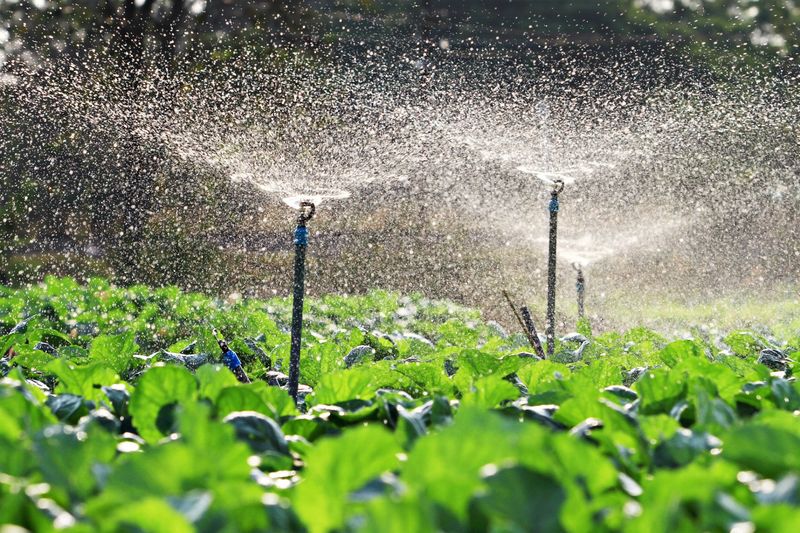
Sprinkler heads aimed at plant leaves rather than the soil might seem harmless.
But in humid summer air, that daily wetting creates the perfect setup for leaf spot diseases, powdery mildew, and fungal problems that spread fast once temperatures rise.
Vegetables like tomatoes and peppers are especially vulnerable.
Overhead spray keeps foliage wet for hours, and that moisture combined with heat and humidity is exactly what fungal spores need to thrive.
Watch for dark spots on leaves, yellowing edges, or a powdery white coating on stems and foliage. These are early signs that your spray pattern is working against you.
If your shrubs or flowers look healthy in spring but start declining by June, wet foliage from daily irrigation could be the reason.
In May, walk each zone while it runs and watch where the water actually lands. Redirect spray heads downward toward the soil and root zone.
Drip irrigation and soaker hoses are excellent options for vegetable beds and flower borders because they deliver water directly to the ground. Avoid running sprinklers in the evening since foliage stays wet overnight.
Early morning watering, before 10 a.m., gives leaves time to dry before the heat and humidity peak later in the day.
2. Stop Watering Soggy Beds
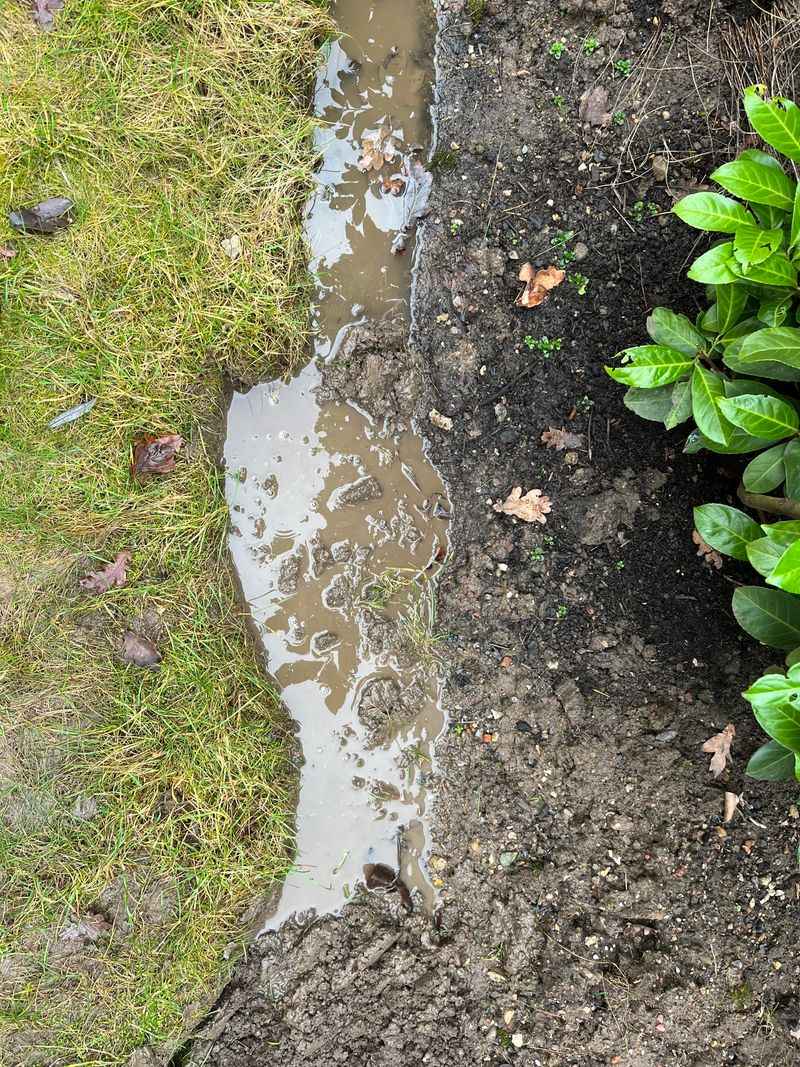
Not every wilting plant is thirsty. Some of the saddest-looking plants in summer are actually sitting in soil that is too wet, not too dry.
Beds that stay soggy after irrigation or rain limit the oxygen available to roots, which leads to weak growth, yellow leaves, and root problems. They mimic drought stress so closely that many gardeners respond by watering even more.
Low spots in the yard, compacted areas near driveways or walkways, and planting zones with heavy mulch buildup are the most common trouble spots. Push a finger or a screwdriver a few inches into the soil before you water.
If the ground is still moist, skip that irrigation cycle completely. Your plants will thank you.
May is a good time to reduce irrigation run times in these zones, especially with rainy season approaching. Improving drainage by raising bed edges, adding compost to break up compaction, or switching to plants that tolerate wet conditions can make a big difference.
Your Florida Garden Changes Every Week. Your Plan Should Too.
Gardening in Florida changes quickly throughout the season. Every Friday you’ll receive a simple weekly plan showing exactly what to plant, prune, fertilize, harvest, and protect so you never miss the right timing.
Florida-Friendly Landscaping principles encourage right plant, right place for exactly this reason. Avoid planting drought-tolerant succulents or herbs in low-lying areas that collect water after every afternoon storm.
3. Check Zones That Dry Fast
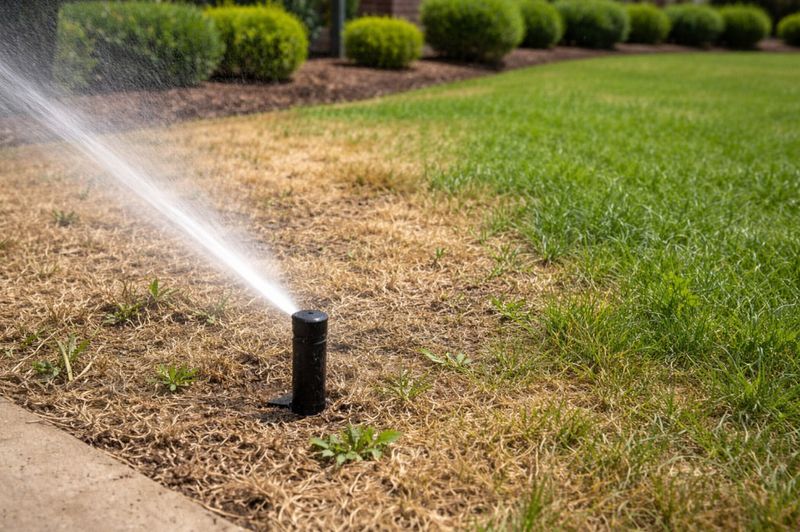
Sandy soil is one of the most defining gardening challenges.
It drains so fast that water can move completely through the root zone before plants have a chance to absorb it. It leaves shallow-rooted annuals, herbs, and young shrubs stressed even hours after irrigation.
South-facing beds, areas near pavement, and spots that get full afternoon sun dry out faster than shaded zones, sometimes twice as fast.
Signs of heat and drought stress include curling leaves, dull or grayish foliage, and soil that looks pale and dusty on the surface while still feeling slightly cool an inch below.
Relying on a timer alone to manage these zones is a mistake because the schedule that works in a shaded bed will under-water a sunny, sandy one.
Check soil moisture by hand in your fastest-drying zones every few days in May. Add a two to three inch layer of mulch to slow evaporation and keep roots cooler.
Group plants with similar water needs together so each zone can be adjusted without over or under-watering its neighbors.
Short, shallow watering cycles that wet only the top inch of soil are one of the most common errors in fast-draining beds. Roots need water deeper than that to stay healthy through summer.
4. Reset Timers Before Summer Rain
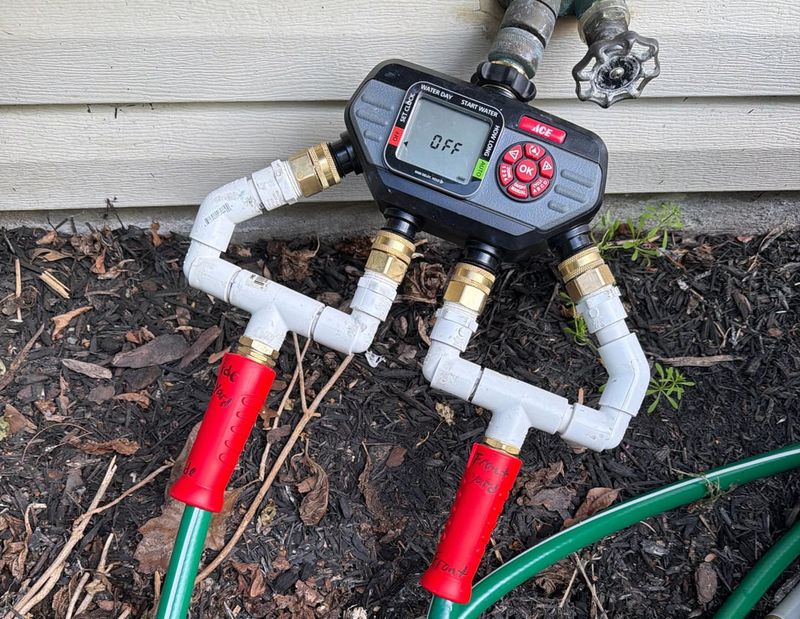
Irrigation timers set in March are almost never right for June. Rainy season typically begins in late May or early June, bringing afternoon thunderstorms that can drop half an inch or more in under an hour.
Running your irrigation system on a winter or spring schedule during rainy season wastes water, raises your utility bill, and can leave beds so saturated that roots suffocate.
May is the ideal month to sit down with your controller and review every zone’s run time, frequency, and start time.
Rain sensors are required on new irrigation systems, but older sensors can malfunction or get stuck in the open position. This means they never actually shut off your system during a storm.
Test yours by holding the sensor button or checking the indicator light according to the manufacturer’s instructions.
Smart controllers that adjust based on local weather data are a worthwhile upgrade if your system still runs on a fixed clock schedule.
Check your local water management district’s website for current watering restrictions since many counties limit irrigation to specific days and times.
Running your system right after a heavy rain is one of the quickest ways to waste water and stress your plants simultaneously. Your soil is already full, and adding more just sends it off as runoff.
5. Repair Heads That Miss Roots
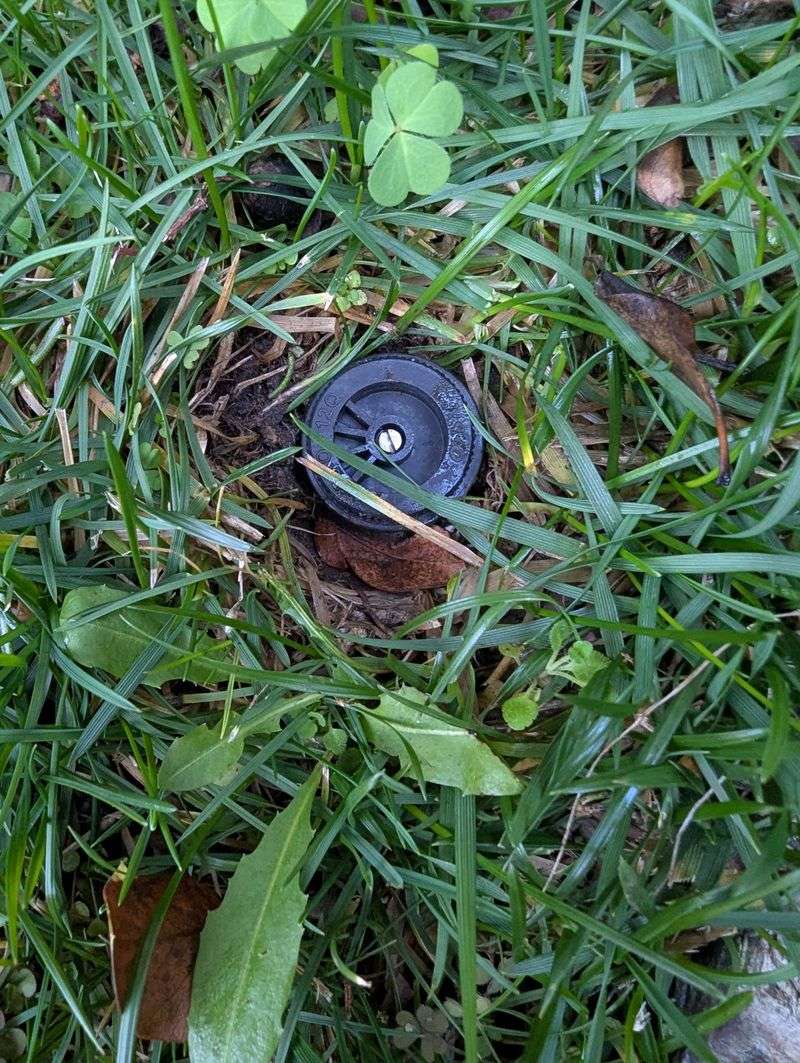
A sprinkler head that sprays the sidewalk, fence, or driveway instead of your plants is not just wasting water – it is quietly starving your landscape at the same time.
Broken, clogged, tilted, sunken, and misdirected heads are extremely common in yards, especially after a winter of lawn equipment traffic, pet activity, and soil settling.
The result is dry patches in some spots and soggy puddles in others, all within the same zone.
Look for signs like brown streaks in an otherwise green lawn, wilting shrubs near the edge of a bed, or water pooling on hard surfaces during irrigation. These clues point directly to coverage gaps that a timer adjustment will never fix.
Increasing run time to compensate for a bad spray pattern just makes the problem worse by over-watering the spots that are already getting enough coverage.
Run each zone in May and walk the area while it operates. Watch for heads that are spraying at the wrong angle, barely popping up, or producing an uneven mist.
Clean clogged nozzles with a pin or replace them if they are cracked. Adjust tilt by hand or with a flathead screwdriver.
The goal is water landing directly over the root zone of your plants, not over the concrete or mulch between them.
6. Move Spray From Tree Trunks
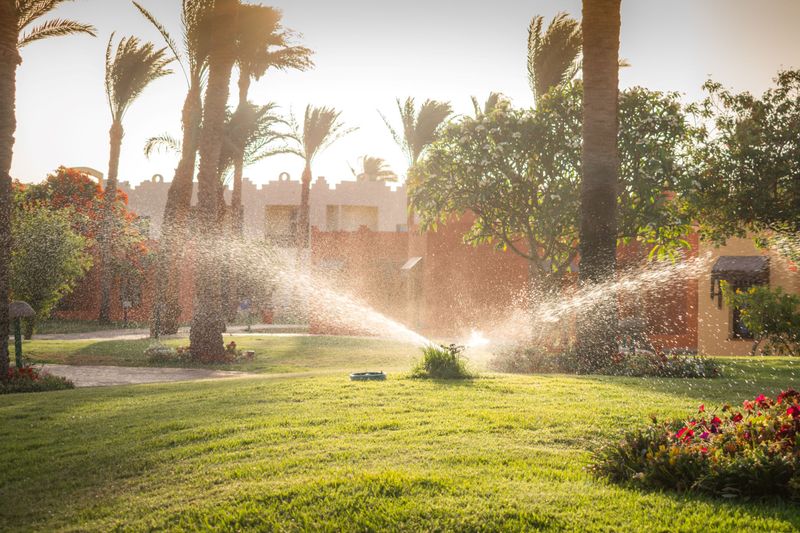
Sprinklers that repeatedly soak tree trunks and palm stems might look harmless. But consistent trunk wetting in humid climate creates conditions where bark problems, decay, and pest entry points can develop over time.
Palms are especially sensitive because their trunk tissue does not compartmentalize damage the way hardwood trees do.
Once moisture-related issues get established at the trunk base, they can be very difficult to reverse.
A telltale sign of this problem is discoloration or soft spots at the base of the trunk, unusual fungal growth near the soil line, or bark that looks consistently dark and wet.
Established trees generally do not need the same frequent irrigation as turf grass or annual flowers.
Their roots extend far beyond the drip line, pulling moisture from a much larger area than most people realize.
Walk your irrigation zones in May and identify any heads that are hitting trunks directly.
Adjust the arc or distance of the spray so water lands over the root zone rather than on the bark itself.
Pull mulch back a few inches from the base of every tree and palm in your yard. Piling wet mulch against trunks traps moisture against the bark and compounds the same problem your sprinklers are already creating.
Spacing matters as much as timing.
7. Separate Containers From Beds
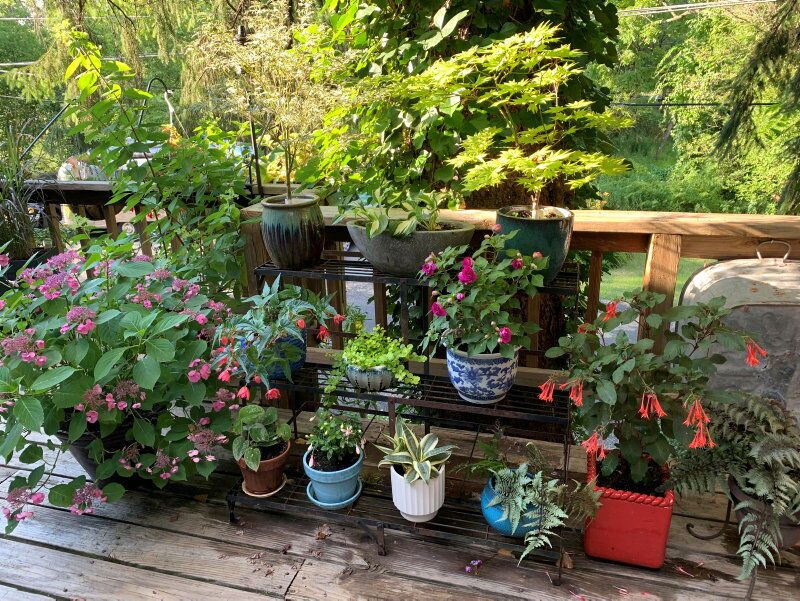
Container gardens and in-ground beds are two completely different watering environments. Treating them the same way is one of the most common summer mistakes gardeners make.
Pots, grow bags, and hanging baskets heat up faster than the surrounding soil and lose moisture through evaporation on all sides. They can go from moist to bone dry in just a few hours on a hot May afternoon, especially in full sun on a concrete patio or driveway.
Relying on your lawn irrigation system to water containers correctly almost never works.
Sprinkler heads that reach a pot may only wet the top inch of soil without soaking the root zone. The same head might completely miss a basket hanging above the spray pattern.
Plants in small containers show heat stress quickly, with leaves curling inward, edges browning, and soil pulling away from the pot walls.
Check containers by pressing your finger an inch into the soil rather than watering on a fixed schedule. Larger pots hold moisture longer and are more forgiving during hot spells.
Adding a thin layer of mulch or coconut coir on top of potting mix slows evaporation noticeably.
During rainy periods, empty saucers under pots within a few hours to prevent roots from sitting in standing water. It becomes a breeding ground for mosquitoes and root problems.
8. Protect Slopes From Runoff
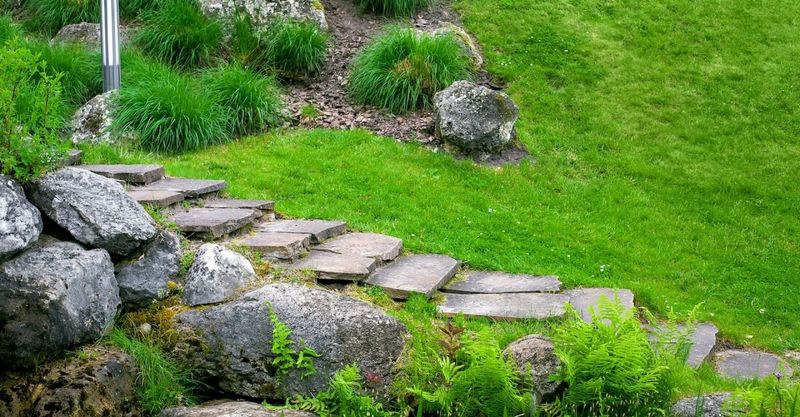
A sloped yard looks great in a landscape design until irrigation day, when water sheets right off the surface before it can soak in.
Slopes, berms, raised edges, and compacted soil are all prone to runoff. It means your plants at the top of the slope may stay thirsty even when you are running irrigation every other day.
The water you are paying for ends up on the sidewalk or in the storm drain instead of around the roots where it belongs.
Runoff also carries away mulch, topsoil, and any fertilizer you have applied, which compounds the problem over time.
Slopes near driveways or sidewalks can send fertilizer-laced water directly into storm drains, which is an environmental concern that water management districts take seriously.
You might notice dry, pale plants at the top of a slope while the bottom area stays consistently soggy.
Cycle-and-soak scheduling is the most practical fix for sloped zones. Instead of one long irrigation run, set the controller to water in two or three shorter cycles with a 30-minute break between each one.
This gives the soil time to absorb water before the next cycle begins. Mulching bare soil on slopes slows runoff significantly.
Native groundcovers and low-growing shrubs with fibrous root systems also help hold soil and slow water movement naturally on steeper grades.
9. Uncover Drip Lines Under Mulch
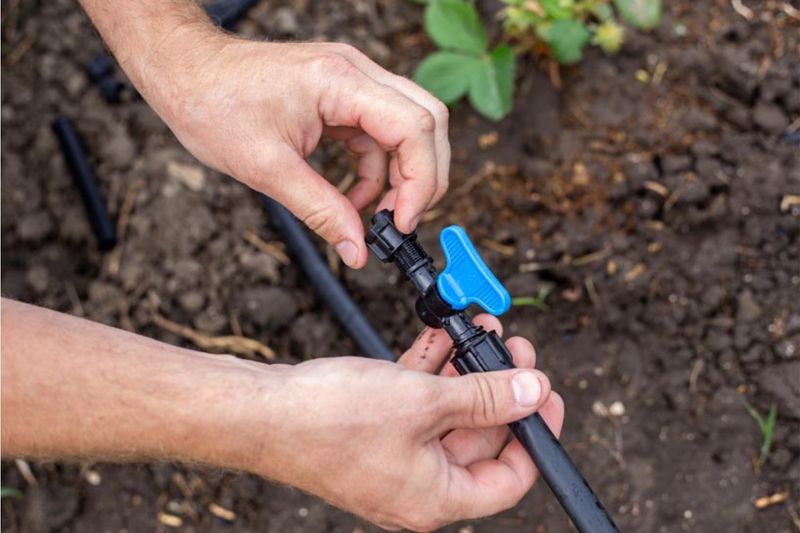
Drip irrigation is one of the most efficient watering methods available to gardeners, but it only works when the emitters are actually doing their job.
Lines buried under thick mulch, shifted tubing, chewed connections, and clogged emitters are surprisingly common. Because everything is hidden below the surface, problems can go unnoticed for weeks.
Plants may look fine early in spring but start showing uneven stress by the time summer heat arrives.
Signs of drip system trouble include plants that look consistently drier than their neighbors in the same bed. Also, there are soft wet spots in unexpected places or mushroom-like soil bubbling near a buried emitter.
Emitters can clog from mineral buildup or debris, especially in areas with hard water.
Tubing can shift when soil settles, roots grow, or animals dig nearby.
Pull back mulch along your drip lines in May and inspect every emitter by hand. Turn the system on and watch each emitter for a steady, slow drip.
Flush the end caps to clear any buildup inside the line. Reposition any tubing that has drifted away from plant root zones and secure it with landscape staples.
Replace cracked or chewed sections before summer demand increases.
Never assume a drip system is working correctly just because the controller powers on – the controller has no way to know if the water actually reached your plants.
10. Catch Leaks Before Bills Spike
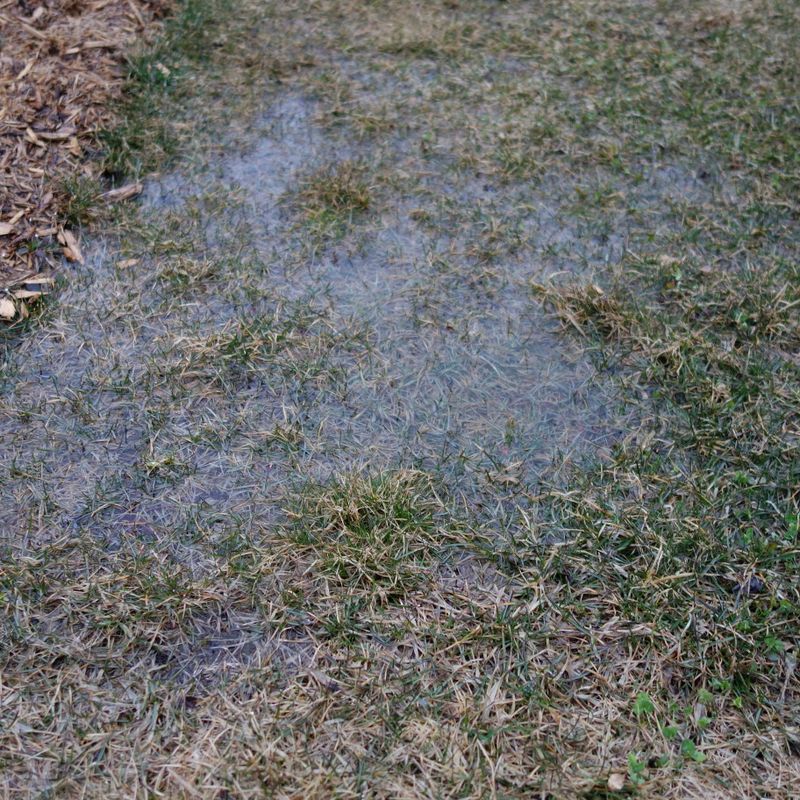
An irrigation leak that goes unnoticed in May can cost you significantly by July.
Florida summer means high irrigation demand. A stuck valve, cracked pipe, or broken fitting that leaks a small amount in spring can turn into a major water waste issue once the system runs more frequently.
Some leaks are obvious, like a sprinkler head that stays on after the cycle ends. But others hide underground and only reveal themselves through soggy soil patches, unusually lush grass in one spot, or a water bill that jumps without explanation.
Valves that fail to close completely keep water trickling through the system even when the controller is off. This can create persistently wet zones that weaken plant roots over time.
Listen for the sound of running water near the valve box when irrigation is not scheduled.
Check your water meter after turning off all indoor and outdoor water sources – if the meter still moves, you have a leak somewhere in the system.
Walk every zone in May before rainy season begins. Look for bubbling soil, uneven wet patches, or areas where one section of turf is noticeably greener than the rest.
Repair any damaged pipes, fittings, or valves before summer use peaks. Small leaks rarely fix themselves, and the longer they run unaddressed, the more water, money, and plant health you lose before the season is over.