7 Florida Trees That Need Pruning Right Now (And 4 To Leave Alone)
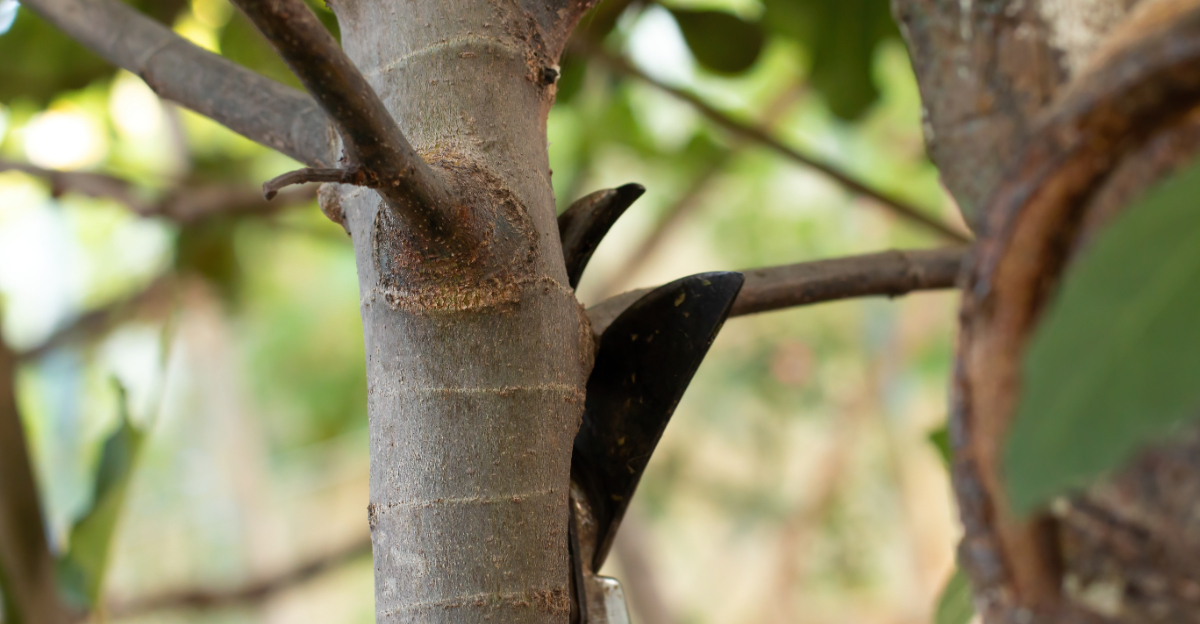
Your neighbor just lost a 40-year-old oak because nobody touched it for a decade. The tree looked fine, right up until it didn’t.
Florida’s humidity, hurricane season, and relentless heat create a perfect storm for structural failures, disease spread, and root damage that homeowners never see coming.
The problem?
Most people prune the wrong trees at the wrong time, or skip it entirely on the ones that desperately need attention. A badly timed cut on the wrong species invites pests straight into the wound.
A missed pruning window on the right one turns a manageable problem into a costly removal job or a liability lawsuit after the next storm.
This guide breaks down exactly which Florida trees need attention before summer storm season arrives, and which ones you should leave completely alone.
Get this wrong, and your yard pays the price.
1. Clear Storm Hazards From Live Oaks
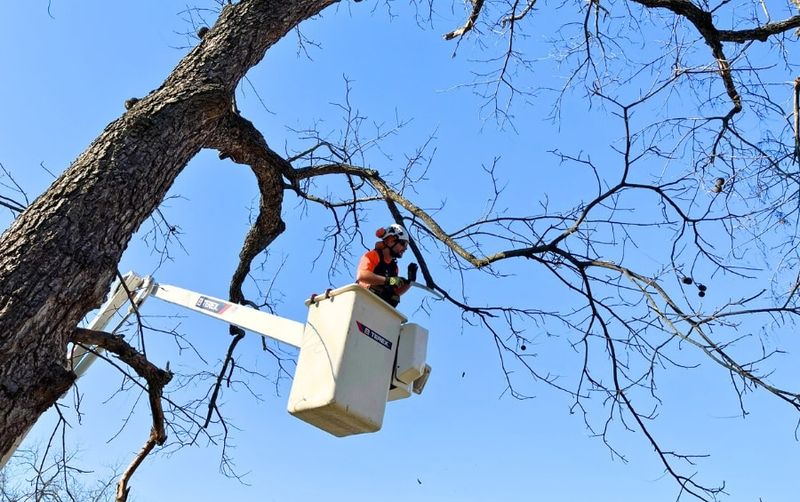
Picture a massive live oak spreading its canopy over your roof, and then picture a cracked limb hanging right above your bedroom window. That image alone is reason enough to take a careful walk around your live oaks this month before hurricane season arrives.
Live oaks are some of the strongest trees, but that does not mean every branch is in good shape. May is the right time to look for broken, cracked, rubbing, or poorly attached limbs that could become airborne during a storm.
Focus only on removing what is genuinely risky, not on thinning the whole canopy.
Heavy thinning actually makes live oaks more vulnerable to wind damage, not less. A dense, well-structured canopy is what helps these trees ride out a storm.
Selective removal of problem limbs is the goal. For mature trees with large limbs near your home or power lines, a certified arborist is the right call.
DIY pruning on big live oaks can lead to poor cuts that create long-term problems. Keeping it targeted and professional is the smartest approach this May.
2. Reduce Risky Limbs On Laurel Oaks
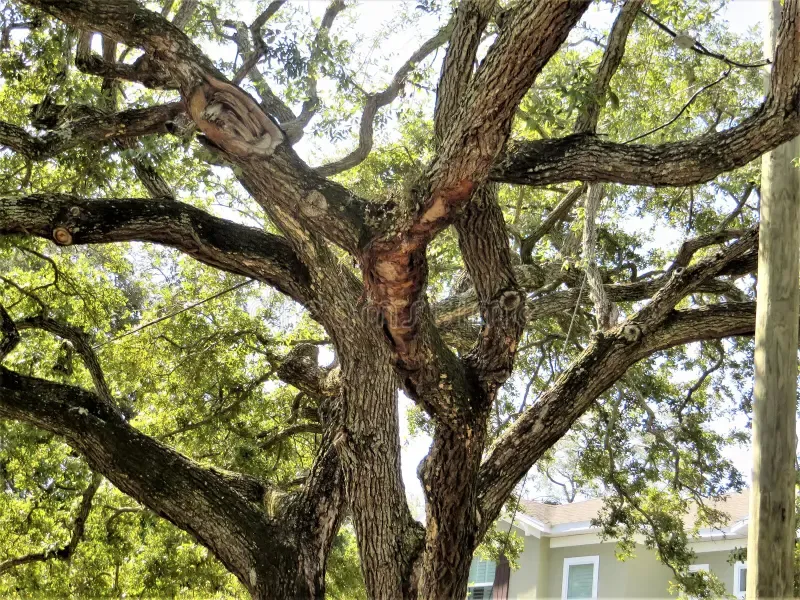
Laurel oaks are fast growers, and that speed comes with a trade-off. Unlike their long-lived live oak cousins, laurel oaks tend to develop weaker wood and are more prone to branch failure, especially as they age.
Walking your yard right now and giving these trees a close look is one of the smartest things you can do before June 1.
Look for branches that appear withered, have visible cracks, or are hanging at odd angles. V-shaped crotches, where two branches split at a tight angle, are especially prone to splitting under wind load.
Removing those risky limbs in May gives wounds time to begin closing before storm season peaks.
Topping a laurel oak is never the answer. Topping creates multiple weak sprouts at the cut site and actually increases the risk of branch failure over time.
Selective pruning of problem limbs, done with clean cuts just outside the branch collar, is the correct approach. For any limb thicker than about four inches, bring in a professional.
Your Florida Garden Changes Every Week. Your Plan Should Too.
Gardening in Florida changes quickly throughout the season. Every Friday you’ll receive a simple weekly plan showing exactly what to plant, prune, fertilize, harvest, and protect so you never miss the right timing.
Laurel oaks can look healthy on the outside while harboring internal decay, so an arborist with experience in hardwoods is worth every penny.
3. Shape Young Shade Trees Before Storms
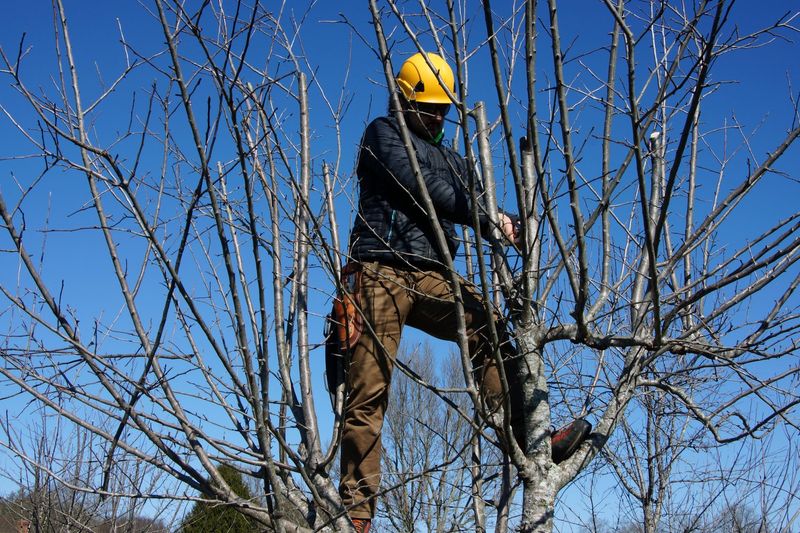
Young trees are like kids in middle school. Now is the time to guide them before bad habits become permanent.
Early structural pruning on young shade trees, including maples, elms, and young oaks, is one of the highest-return investments you can make in your landscape.
The goal at this stage is developing a single strong central leader and well-spaced scaffold branches. Removing competing leaders, crossing branches, and low limbs that will eventually need to come off anyway is far easier when the wood is small.
A small pruning cut on a young tree is nothing compared to removing a large, poorly placed limb years down the road.
May works well for this kind of corrective pruning because trees are in active growth and wounds close relatively quickly in warm weather. Keep cuts small, clean, and purposeful.
Never remove more than about one-quarter of the live canopy in a single session. Young trees stressed by over-pruning become weak and more vulnerable to pests and disease.
A few thoughtful cuts now, focused on structure and spacing, will produce a stronger, safer tree that handles storms much better as it matures over the coming years.
4. Remove Deceased Palm Fronds Only
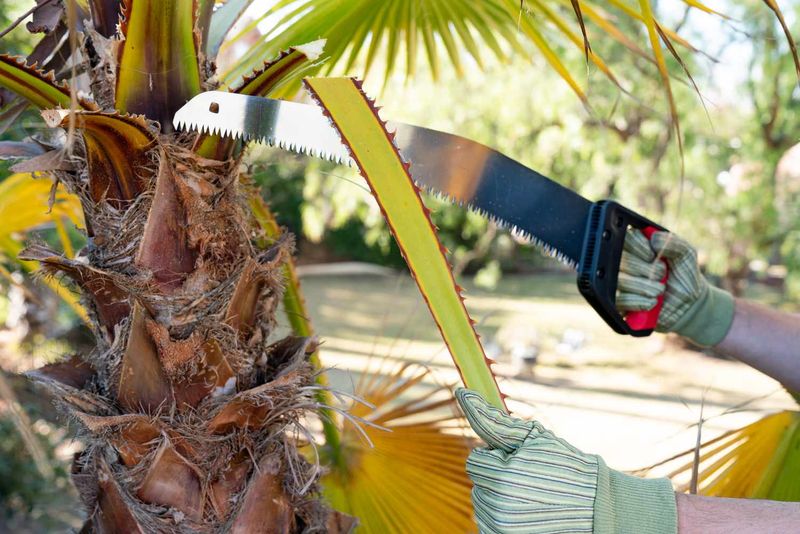
Palms are not like other trees, and pruning them like a shade tree is one of the most common and damaging mistakes homeowners make.
Before reaching for the saw, there is one rule worth repeating: only remove fronds that are completely brown, broken, loose, or clearly damaged.
Healthy green fronds are doing real work. They are producing the food and energy the palm needs to grow, fruit, and withstand stress.
Removing green fronds weakens the tree, slows growth, and can actually make it harder for the palm to recover after a storm.
The popular practice of giving palms a severe pre-hurricane cut, sometimes called a hurricane cut, is something UF IFAS specifically advises against.
A properly maintained palm should have a full, rounded canopy of green fronds at the top, with only the oldest, lowest, and completely brown fronds removed. If fronds are yellow but still mostly green, leave them alone.
Cutting too aggressively can also create entry points for pests and pathogens. Use clean, sharp tools and make cuts close to the trunk without cutting into the trunk tissue itself.
When in doubt about a tall palm, hire a trained palm care professional rather than attempting the work yourself.
5. Summer Prune Peaches After Harvest
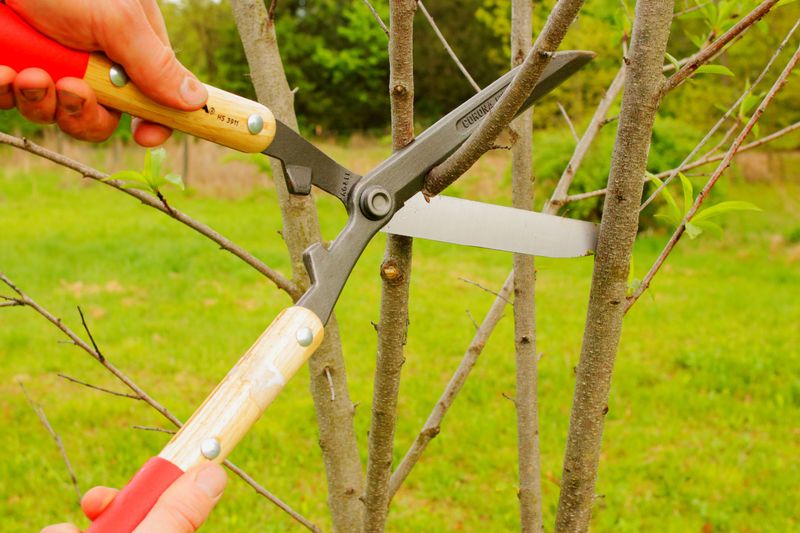
Florida peach growers know that timing is everything, and May marks the tail end of harvest season for many low-chill peach varieties grown across North and Central Florida.
Once the last fruit comes off the tree, a window opens for some light summer pruning that can pay off big the following season.
Post-harvest pruning helps manage the size of the tree, improves air circulation through the canopy, and encourages new growth that will carry next year’s fruit. Focus on removing vigorous upright shoots, called water sprouts, that crowd the center and block sunlight.
Also look for any crossing branches or limbs that are rubbing against each other.
Keep cuts moderate. Summer pruning on peaches is not the time for a dramatic overhaul.
The goal is opening the canopy enough to let light reach the interior fruiting wood without removing so much that the tree is stressed heading into the hottest months. Summers bring intense heat and humidity, and a severely pruned peach tree can struggle to cope.
Thin, targeted cuts with clean tools are what work best. If your tree has not been pruned in several seasons, consider spreading the work over two years rather than trying to reshape everything at once.
6. Keep Avocado Trees Compact And Wind Ready
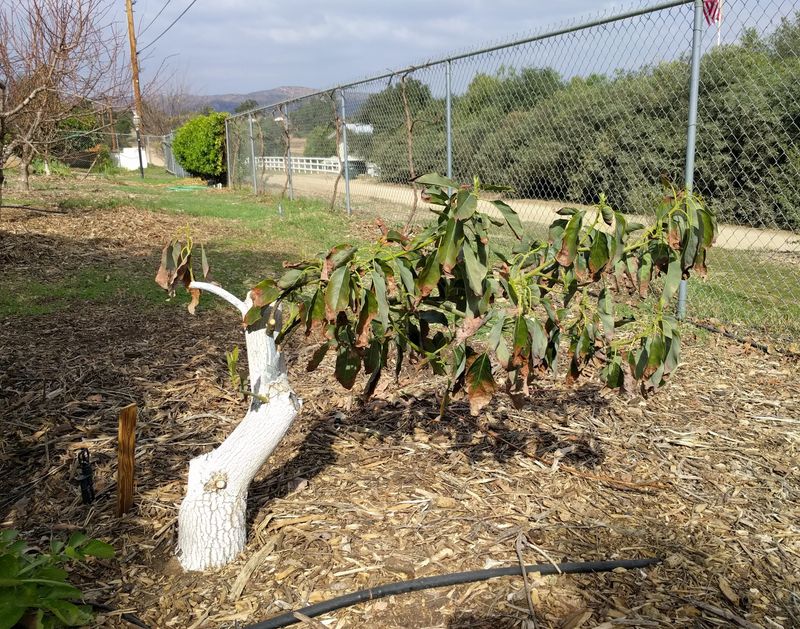
Avocado trees can reach thirty feet or more if left unpruned, and a tree that tall in a backyard becomes a serious liability once wind speeds pick up. Keeping avocados at a manageable height is not just about convenience at harvest time.
It is genuinely important for storm safety and long-term tree health.
May is a reasonable time for light to moderate avocado pruning, especially for trees that have already set fruit. Avoid cutting heavily into fruiting wood if your tree is still developing its crop.
Focus on reducing the height of the tallest branches, removing any crossing or inward-growing limbs, and thinning areas of the canopy where branches are packed too tightly together.
Balance matters. An avocado tree with a lopsided canopy is more likely to lean or suffer branch loss in a storm.
Try to maintain an even, open shape that allows wind to move through rather than pushing hard against a solid wall of foliage. Cuts should be made just outside the branch collar using sharp, clean tools.
Avoid cutting flush with the trunk. Heavy pruning that removes more than one-third of the canopy at once is hard on avocados and can reduce productivity for the following season.
7. Open Guava Canopies For Stronger Growth
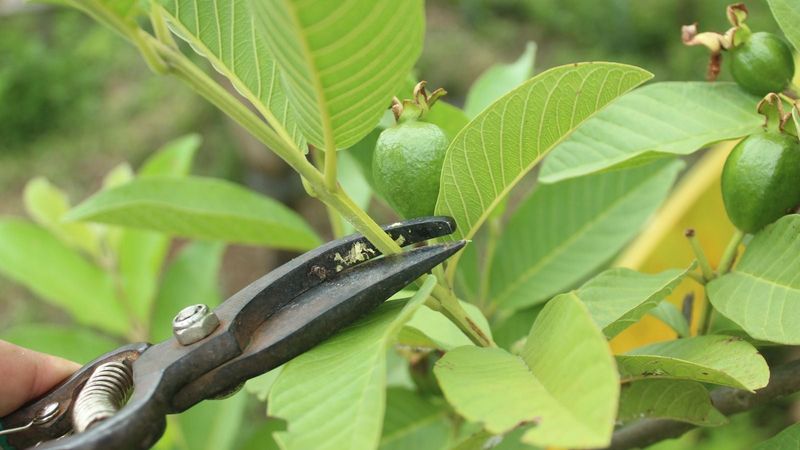
Guava trees are enthusiastic growers, and left to their own devices they can turn into a tangled thicket of crossing branches that makes harvest a frustrating experience.
A little annual attention in late spring keeps these trees productive, manageable, and much easier to work around.
The main goal when pruning guava is opening the center of the canopy so sunlight can reach the interior fruiting wood. Start by removing any branches that are crossing, rubbing, or growing inward toward the center.
Then step back and look for areas where the canopy is so dense that you cannot see daylight through it. Thinning those spots improves air circulation and reduces the risk of fungal issues during rainy season.
Guava responds well to pruning and typically pushes new growth quickly in warm weather, so May timing works in your favor. Keep the overall height in a range that makes harvesting practical without needing a ladder every time.
Cuts should be clean and made back to a lateral branch or the main trunk rather than leaving stubs. Stubs invite rot and pest activity.
After pruning, a light application of balanced fertilizer can help the tree recover and push healthy new growth before the summer rainy season begins in earnest.
8. Let Crape Myrtles Bloom Untouched
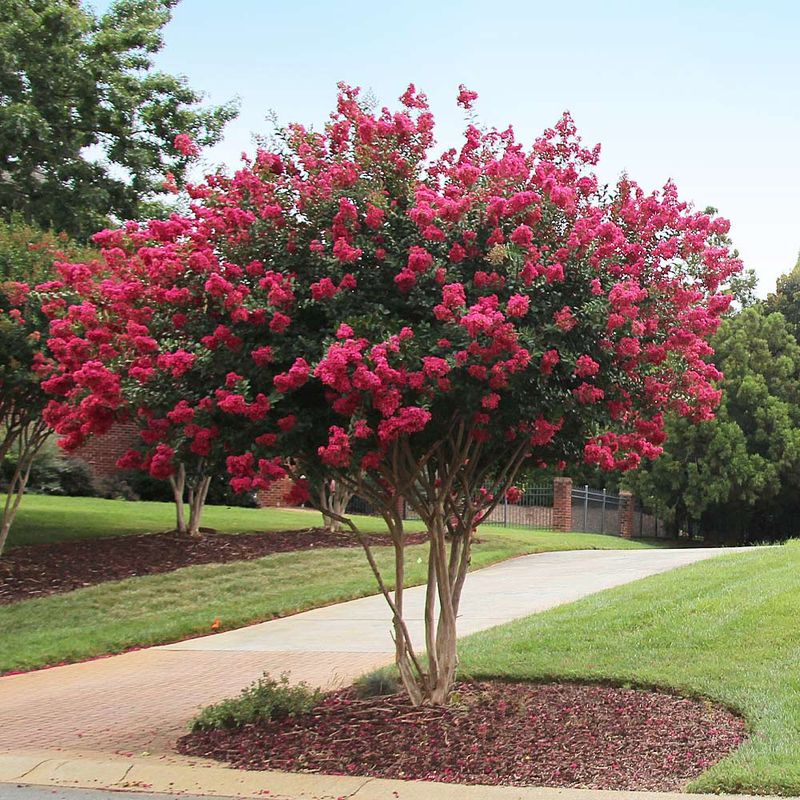
Walk past your crape myrtle this month without touching it. Seriously.
By May, crape myrtles across the state are loaded with buds or already bursting into bloom. That is exactly the wrong time to reach for pruning shears for anything beyond the smallest cleanup.
Any heavy pruning that was going to happen should have happened back in late winter, before new growth pushed. Cutting back hard now means cutting off the flower buds that have been developing for weeks.
You would be trading a spectacular summer bloom display for nothing but a few stumpy cuts and a stressed tree.
The only pruning worth doing on a crape myrtle in May is the removal of small, obviously damaged, or crossing twigs that are genuinely getting in the way. Leave the main structure completely alone.
Crape myrtles do not need annual heavy pruning to bloom well. In fact, trees that are left to develop their natural form tend to produce more blooms and have better branch structure over time.
If your crape myrtle has been repeatedly cut back hard in previous years, now is the time to start letting it recover. Enjoy the show this summer and plan any real shaping work for next February or early March.
9. Skip Citrus Unless Safety Demands Cuts
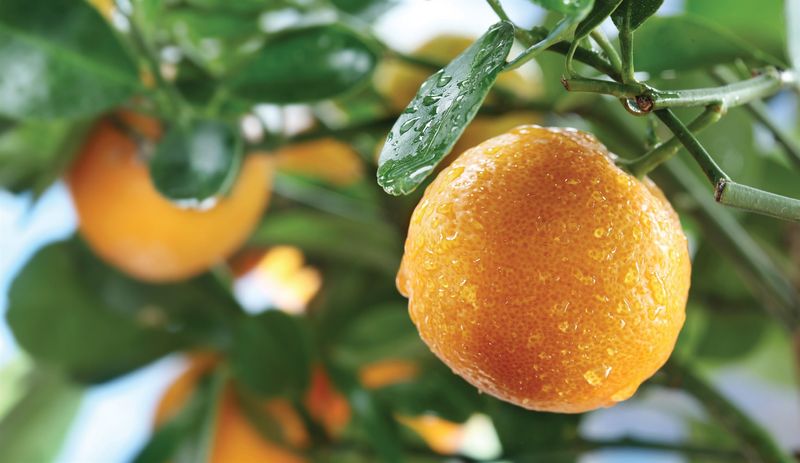
Citrus trees in are largely self-sufficient when it comes to shaping, and May is not a month that calls for pruning shears unless something specific has gone wrong.
Most healthy citrus trees need very little pruning, and cutting without a clear reason can do more harm than good.
There are a few situations where May pruning on citrus makes sense.
A branch broken by wind or a mower, or a limb hanging dangerously low over a walkway, is a valid reason to make a cut. Growth that must be removed for safety or plant health is another.
If your citrus has been affected by a disease issue and your local Extension office has given guidance on pruning as part of a management plan, follow that advice carefully.
Outside of those specific scenarios, leave the tree alone. Citrus is actively growing in May and putting energy into developing fruit.
Unnecessary cuts interrupt that process, create wounds that are slow to close in humid conditions, and can invite fungal pathogens that thrive in summer weather.
If you are unsure whether a branch needs to come off, contact your local UF IFAS Extension office for guidance before making a cut you cannot take back.
Patience is the right tool for citrus in May.
10. Wait On Mango Pruning Until Harvest Ends
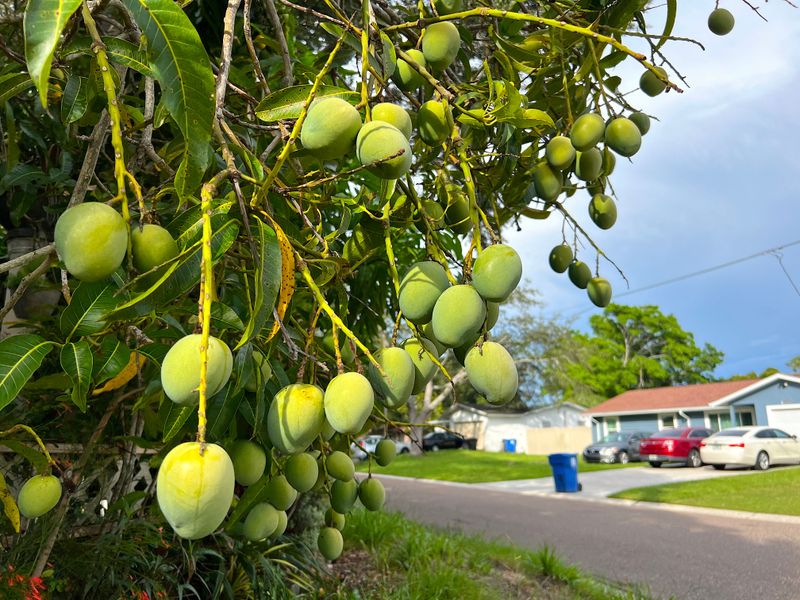
Few things test a gardener’s patience quite like watching a mango tree loaded with developing fruit while knowing the canopy is getting a little out of hand.
The temptation to start shaping is understandable, but May is almost always the wrong time to start cutting on a mango that still has fruit hanging on it.
Pruning while fruit is developing or nearly ripe stresses the tree at a critical moment and can lead to premature fruit drop.
The best approach is to wait until after harvest is complete, which for many Florida varieties falls somewhere between July and September depending on the cultivar.
Post-harvest pruning lets you manage height, remove crossing limbs, and shape the canopy without sacrificing the crop you have been waiting months for.
The one exception is a branch that is genuinely broken or poses a safety hazard. A cracked limb hanging over a roof or walkway should be removed regardless of fruiting status.
For everything else, patience is the strategy. After harvest, pruning cuts on mango close relatively well in warm weather, and the tree will push new growth before the season winds down.
Keeping the tree at a height where you can harvest without a tall ladder is a practical goal worth working toward each year.
11. Avoid Major Royal Poinciana Cuts After Spring Flush
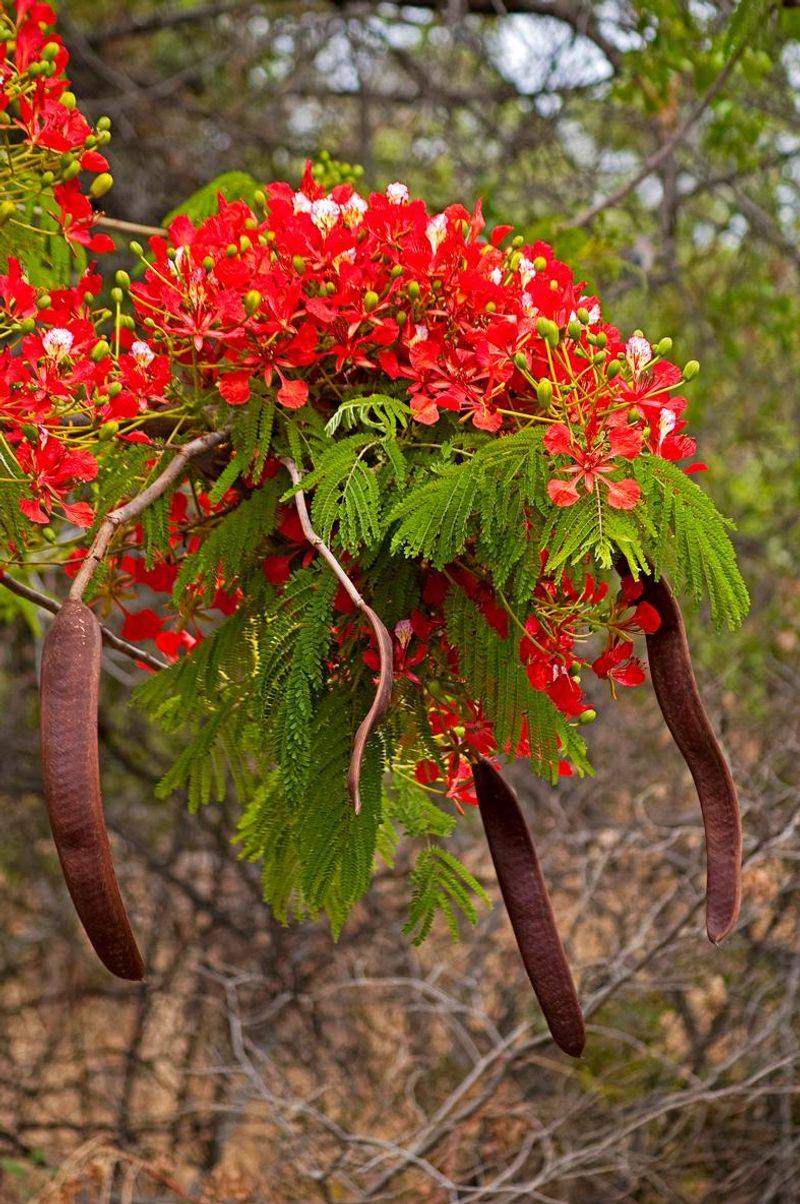
Royal poinciana trees are one of the most spectacular flowering trees, and May is when they put on their best show.
Bright orange-red blooms cover the wide spreading canopy, and the last thing this tree needs right now is a major pruning session disrupting all of that energy.
Structural pruning on royal poinciana is best done before spring growth pushes, typically in late winter or very early spring before the tree leafs out and sets buds. By May, the tree has already invested significant resources in new growth and blooms.
Heavy cuts at this point remove that investment and force the tree to spend energy on recovery rather than development.
Light cleanup is acceptable if there is a specific reason.
Removing a small withered or damaged branch, clearing a low limb that is blocking a driveway, or addressing a genuine safety concern are all reasonable actions.
But reshaping, height reduction, or significant canopy thinning should wait until the appropriate dormant season window. Royal poincianas also have naturally wide, flat canopies that do not respond well to heavy pruning at any time.
Respecting that natural form and working with it rather than against it is the best long-term strategy for keeping these trees healthy and beautiful in the landscape.