What To Do With Fading Spring Containers In Pennsylvania Before Summer Arrives
Spring containers in Pennsylvania are genuinely one of the better parts of the season. Pansies popping, violas doing their thing, maybe a snapdragon or two making the front porch look like you really have it together.
And then late May shows up. Suddenly those same pots look a little rough around the edges, the blooms are fading fast, and the whole arrangement has that tired end-of-semester energy.
Cool-season plants are not built for Pennsylvania summers, and once the heat settles in, they let you know about it pretty quickly. The good news is that a fading spring container is not a failure.
It is actually just a signal that it is time to make a move. A few simple steps can take a droopy, worn-out pot and turn it into something that carries real summer color all the way through fall.
1. Fading Pansies Mean It Is Time To Replant
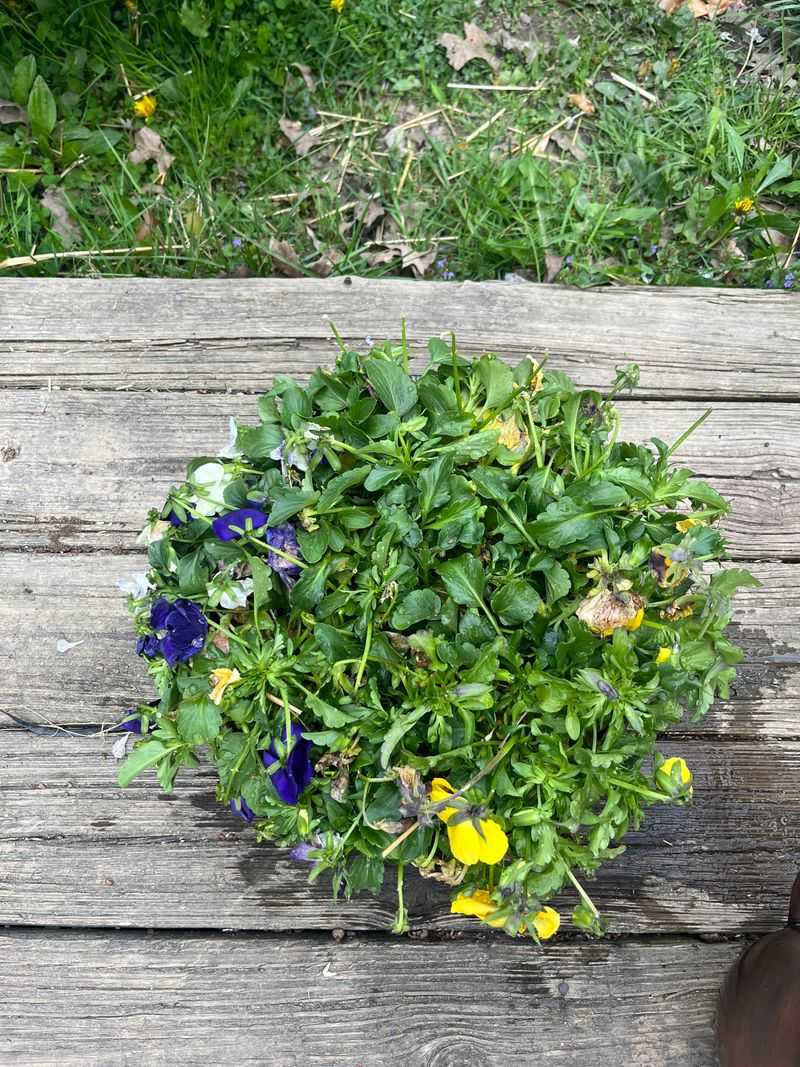
Pansies are one of the most recognizable signs of spring in Pennsylvania, but they have a clear expiration date as temperatures begin climbing into the upper 70s and beyond.
Once you start noticing leggy stems, fewer blooms, and petals that wilt even after watering, the plant is telling you something important.
Warm nights are especially hard on pansies, and no amount of deadheading or fertilizing will bring back the performance they had in April.
At that point, trying to extend a pansy container past its natural window tends to result in a messy, half-empty pot that does not look great on a porch or patio. Pulling spent pansies before they fully collapse gives you a clean slate to work with.
It also prevents the container from looking neglected during the gap between spring and summer planting.
Removing pansies early gives you the chance to assess the container itself, check the drainage holes, and decide whether the pot needs fresh soil before the next round of plants goes in.
Some gardeners in Pennsylvania try to squeeze a few extra weeks out of cool-season containers, but once consistent warmth arrives, replanting is the more practical and satisfying choice.
A fresh start with the right summer plants will look better and perform much longer through the coming months.
2. Tired Spring Growth Needs To Be Cleared Out
Walking out to the patio and seeing a container full of brown stems, spent blooms, and crowded root systems is a familiar late-spring moment for many Pennsylvania gardeners.
Cool-season plants like alyssum, lobularia, and snapdragons can look lush in March and April but become scraggly and unproductive as May stretches toward June.
Clearing out that tired growth is one of the most useful things you can do before summer planting begins.
Old plant material left in containers can harbor fungal issues and pests that may affect whatever goes in next. Root clumps from spent annuals can also compact the existing soil, reducing airflow and drainage for new plants.
Taking a few minutes to remove the old growth thoroughly makes the container healthier and more welcoming for summer additions.
Your Pennsylvania Garden Changes Every Week. Your Plan Should Too.
Gardening in Pennsylvania changes quickly throughout the season. Every Friday you’ll receive a simple weekly plan showing exactly what to plant, prune, fertilize, harvest, and protect so you never miss the right timing.
It helps to work through the container carefully rather than just yanking everything out at once. Some spring plants, like parsley or certain herbs, may still be going strong and worth keeping.
Others may have self-seeded volunteers worth saving if you have a spot for them. Once the tired growth is cleared, you will likely notice the container looks better immediately, even before anything new is planted.
That clean visual reset is part of what makes this step so satisfying for gardeners across Pennsylvania heading into the warmer months ahead.
3. Spring Bulbs Need Their Own Next Step
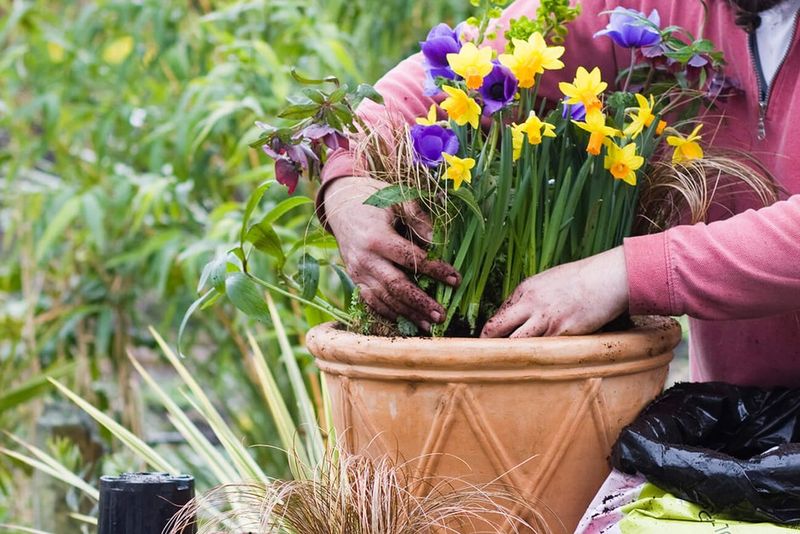
Tulips and daffodils planted in spring containers put on a stunning show, but once the blooms are gone, the foliage needs time to naturally fade and yellow before the bulbs are removed. That yellowing, floppy foliage is not just an eyesore.
It is actively sending energy back down into the bulb so it can potentially bloom again in future seasons. Cutting it off too early shortens the bulb’s recovery window considerably.
For Pennsylvania gardeners who want to reuse those bulbs, the best approach is to let the foliage yellow and dry on its own, then carefully dig the bulbs out and store them in a cool, dry location until fall planting time.
Keep in mind that bulbs forced in containers do not always rebloom reliably the following year, but storing and trying is a reasonable option rather than simply discarding them.
If the floppy foliage is bothering you visually, try tucking it gently behind other plants in the container or moving the whole pot to a less visible spot while it finishes dying back.
Once the foliage is fully spent and the bulbs are removed, the container is ready for fresh soil and summer plants.
Managing spring bulbs thoughtfully rather than rushing the process helps you get more value from the investment you made in those early-season containers throughout Pennsylvania.
4. Fresh Soil Gives Summer Plants A Better Start
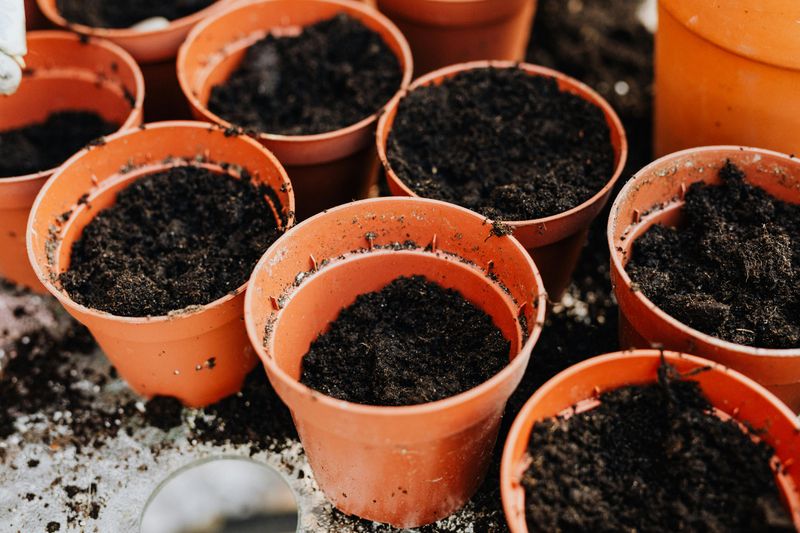
Potting mix that has been sitting in a container since early spring is often compacted, depleted of nutrients, and less effective at holding moisture the way fresh mix does.
By the time summer rolls around in Pennsylvania, that old soil has been through weeks of watering, temperature swings, and root activity that can break down its structure significantly.
Starting summer plants in tired soil puts them at a disadvantage right from the beginning.
Replacing at least part of the existing potting mix before adding summer plants is a simple step that makes a real difference.
You do not necessarily need to dump out the entire container every time, but refreshing the top few inches and working in some slow-release fertilizer gives new plants a much more supportive environment to establish roots quickly.
Good drainage is especially important for warm-season annuals that do not tolerate soggy conditions well.
Look for a high-quality potting mix designed for containers rather than garden soil, which tends to compact too easily in pots.
Some mixes include added moisture-retention materials, which can be helpful during Pennsylvania’s hot summer stretches when containers dry out faster than expected.
Taking the time to refresh the soil before planting summer flowers, herbs, or tropicals is one of the most straightforward ways to set up your containers for a strong and attractive season ahead.
5. Warm-Season Flowers Can Refresh The Container
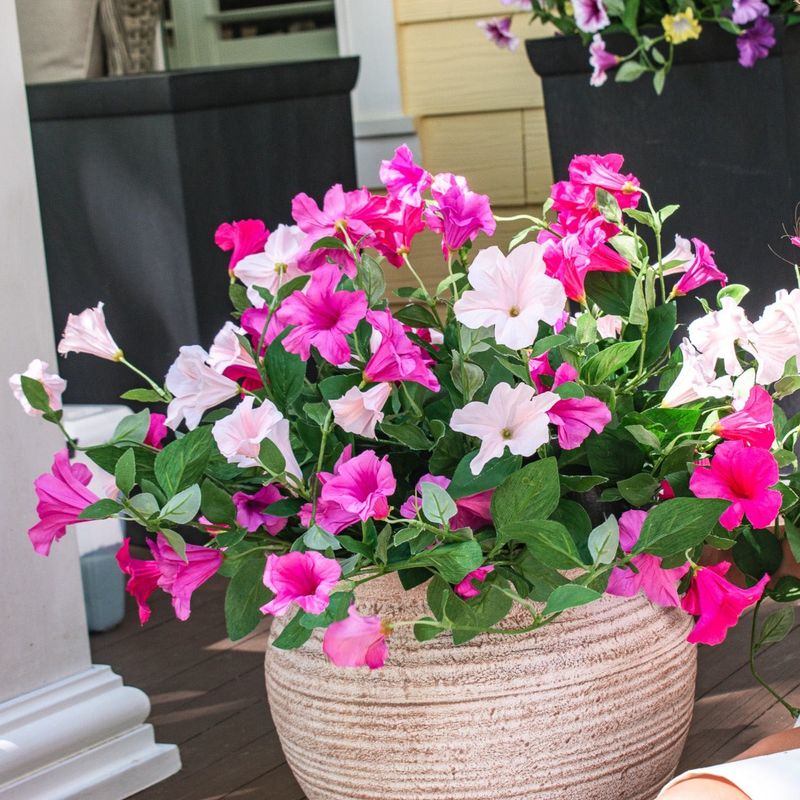
Once frost risk is behind you and temperatures are warming up reliably, swapping tired spring plants for warm-season annuals is one of the most satisfying updates you can make to a container.
Plants like petunias, zinnias, marigolds, and lantana thrive in the heat that Pennsylvania summers bring and will keep producing color from late spring all the way into fall with the right care.
They are widely available at garden centers across the state in May and early June.
Choosing a combination of thriller, filler, and spiller plants is a popular approach that creates visual interest from multiple angles.
A tall, bold centerpiece plant surrounded by mounding mid-level flowers and trailing plants that spill over the edge of the pot tends to look full and intentional rather than sparse or random.
This kind of layered planting also helps containers stay attractive as the season progresses and individual plants fill in more.
Color choice matters too, especially if containers are near a house with a specific exterior palette. Warm tones like orange, red, and yellow tend to stand out well in full sun locations, while cooler purples, whites, and blues can look striking in partial shade spots.
Picking warm-season flowers that match your site conditions, light levels, and personal style makes it much easier to enjoy containers that look great throughout the Pennsylvania summer without constant replanting or frustration.
6. Summer Bulbs Add New Color For The Season
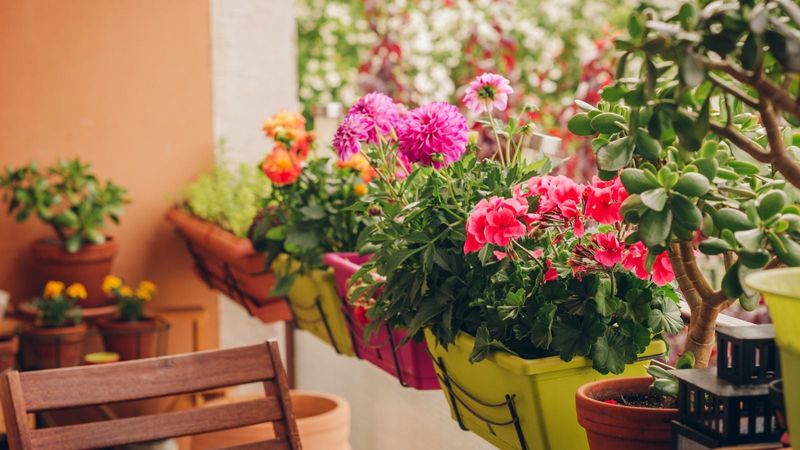
Cannas, caladiums, dahlias, and elephant ears are among the summer bulbs and tubers that can completely transform a container once spring is finished.
These plants bring a bold, tropical energy to Pennsylvania patios and porches that cool-season plants simply cannot match.
They thrive once soil temperatures warm up and the threat of cold nights has passed, which typically lines up with late May to early June in most parts of the state.
Planting summer bulbs directly into refreshed containers gives them room to establish before the hottest part of summer arrives. Caladiums work especially well in shaded or partly shaded containers where many flowering annuals struggle to perform.
Cannas and dahlias prefer more sun and can grow quite tall, making them excellent choices for large statement containers on decks or near entryways where height adds drama and visual interest.
One thing worth noting is that summer bulbs planted in containers need consistent moisture and regular feeding to reach their potential.
Because containers dry out faster than garden beds, checking soil moisture more frequently during hot stretches is a good habit to build.
Most summer bulbs are not cold-hardy in Pennsylvania and will need to be brought indoors or stored before the first fall frost arrives.
With a little planning, they offer some of the most rewarding and eye-catching container color available during the Pennsylvania summer season.
7. Sun And Heat Should Shape Your Next Planting
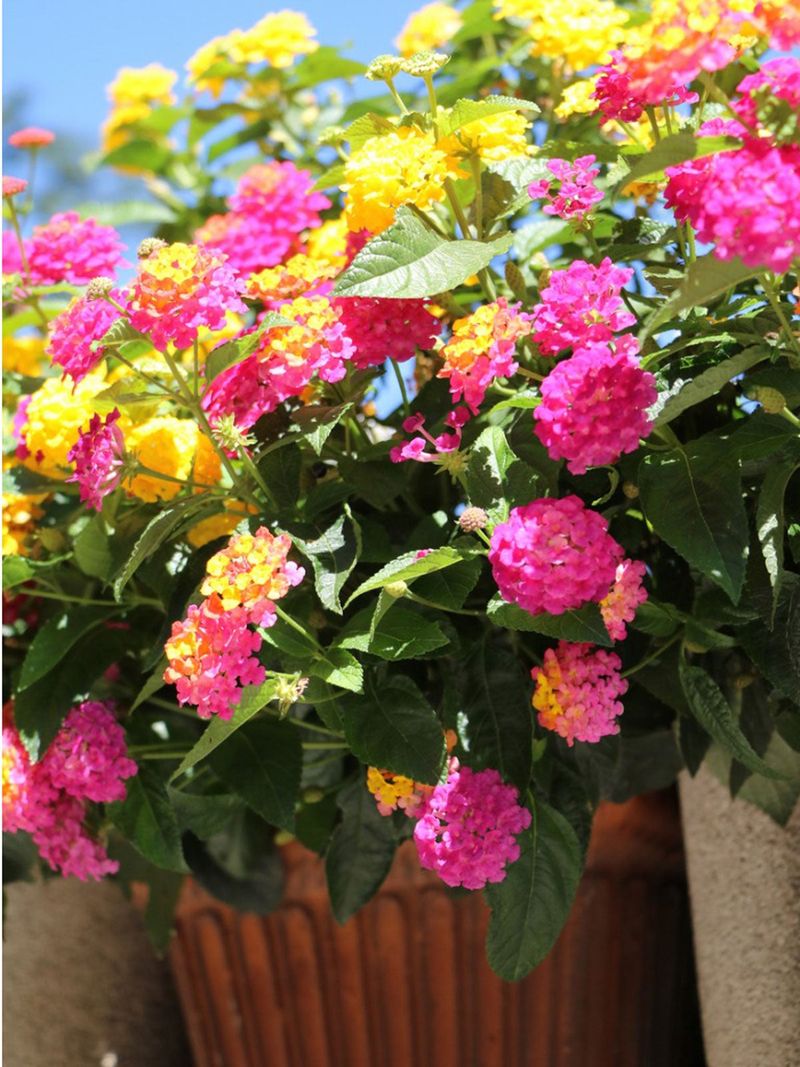
Before filling a container with the first summer plants you find at the garden center, it pays to spend a moment thinking about where that container actually sits and how much direct sun it receives each day.
A south-facing patio in Pennsylvania can get intense afternoon heat that quickly stresses moisture-sensitive plants, while a north-facing porch may not have enough light to support sun-loving annuals like zinnias or portulaca.
Matching plants to the actual conditions of the spot makes a significant difference in how well they perform.
Heat also affects how quickly containers dry out, which influences how much attention they need throughout the week.
Dark-colored pots absorb more heat than light-colored ones, and containers placed on concrete or pavers in full sun can heat up considerably on summer afternoons.
Choosing drought-tolerant plants like vinca, lantana, or moss rose for the hottest spots reduces the stress on both the plants and the gardener.
In shadier locations, options like begonias, impatiens, torenia, and coleus tend to do well and bring rich color without needing full sun exposure.
Conditions across Pennsylvania can vary quite a bit depending on elevation, tree cover, and regional climate patterns, so what works well on a sunny Lancaster County patio may not be the right fit for a shaded Pocono Mountains porch.
Thinking through sun and heat before planting leads to containers that stay attractive and manageable all summer long.