What Happens When You Put The Mower Away For All Of May In Illinois
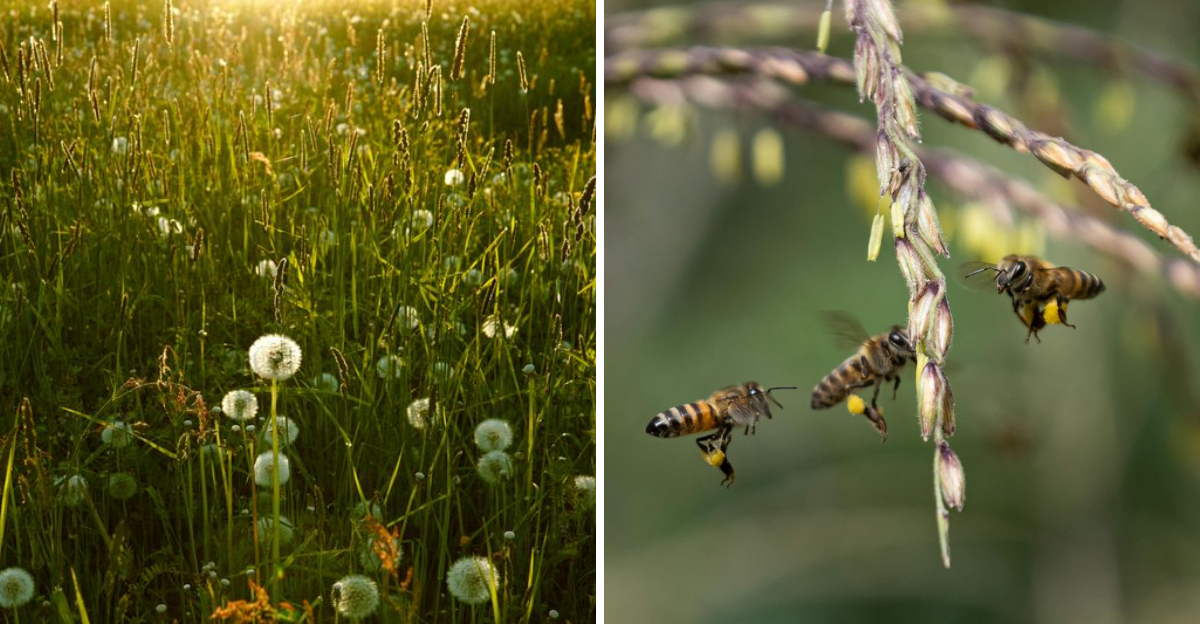
Every Saturday morning, millions of Americans fire up their mowers without a second thought trim the edges, bag the clippings, repeat until fall. It is one of those rituals so deeply ingrained that questioning it feels almost radical. But what if the single most impactful thing you could do for your Illinois yard this spring was simply to put the mower away?
No Mow May asks exactly that. And the results can be quietly extraordinary.
Within weeks, a lawn that looked like every other lawn on the block begins to hum with bees, flowers, and build the kind of underground soil health that no fertilizer bag can replicate. The science behind it is real, and so are the caveats.
Illinois experts will tell you that how you reduce mowing matters as much as whether you do it at all. Here is what you need to know before May arrives.
1. Day 1 Vs. Day 30 Transformation
The first day you skip mowing feels almost wrong.
Your Illinois lawn looks exactly the same as it always does, neat and unremarkable.
Nothing about it hints at what is coming.
By the end of the first week, you start noticing tiny things.
Clover patches you never paid attention to before begin spreading low and soft.
A few dandelions push up fast, bold and bright yellow against the green.
Week two brings real texture.
The grass starts moving in the wind instead of just sitting flat.
You notice different shades of green you never saw when everything was cut to the same height.
By day thirty, your Illinois yard looks genuinely wild in the best way.
Violets, clover, and native grasses create layers that feel alive.
Pollinators show up daily, and the whole space hums with activity.
The transformation is not dramatic in a messy way.
It is dramatic in a natural way, like watching a blank canvas slowly fill with color.
Many people who try No Mow May in Illinois say day thirty is the moment they finally understood what their yard was always capable of becoming.
2. The Uninvited Guests Your Yard Actually Wanted All Along
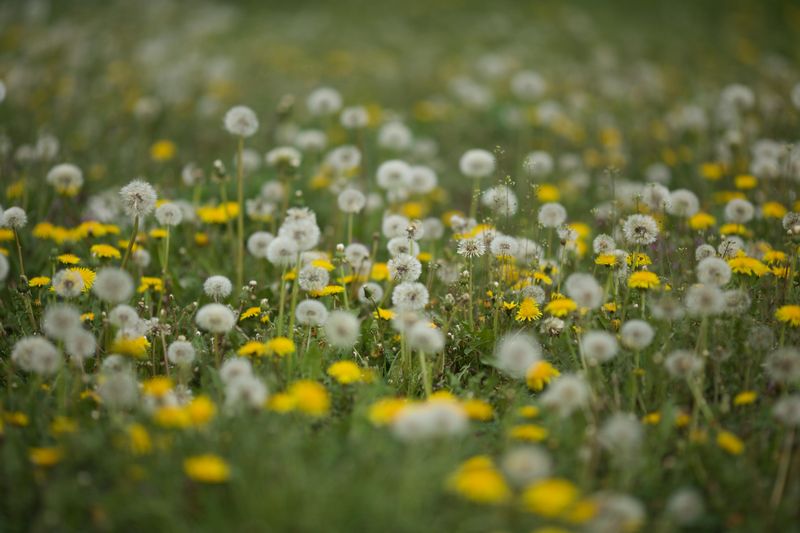
Dandelions show up first, and they show up fast.In Illinois, they are usually the earliest bloomers to take advantage of uncut grass.
Most people see them as weeds, but bees treat them like a buffet opening for the season.
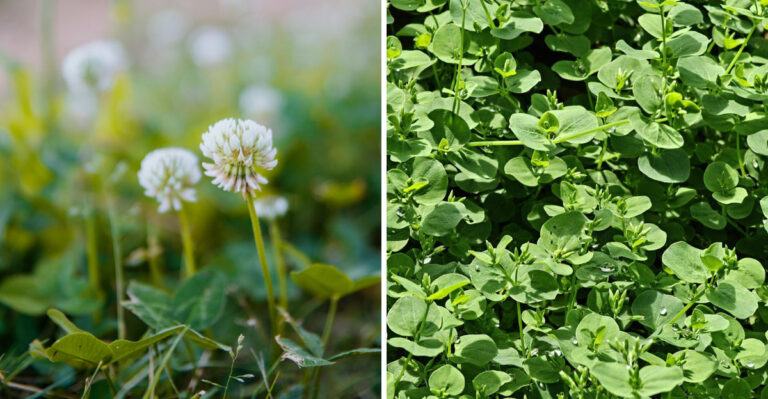
Right behind the dandelions comes white clover.It creeps along low and spreads quickly, filling gaps between grass blades.
Clover is actually one of the most valuable plants you can have in a lawn because it feeds nitrogen back into the soil naturally.
Wild violets are next, especially in shaded or slightly moist areas of your Illinois yard.
They bloom in soft purple and white, and they attract early native bees that most gardeners never even notice.
Chickweed and henbit also appear, which sound like problems but are genuinely harmless.
They stay low, they flower small, and they fade out as temperatures rise later in the season.
Your Illinois Garden Changes Every Week. Your Plan Should Too.
Gardening in Illinois changes quickly throughout the season. Every Friday you’ll receive a simple weekly plan showing exactly what to plant, prune, fertilize, harvest, and protect so you never miss the right timing.
None of these plants are invaders in the harmful sense.They are simply residents that were always there, waiting for permission to grow.
Once you stop mowing, you realize your lawn was never just grass. It was a whole community holding its breath.
3. What Your Neighbors Secretly Think

Letting your Illinois lawn grow out in May is a social experiment as much as a gardening one.
Some neighbors will say nothing but watch closely from their driveways.
Others will ask directly, and sometimes not very politely.
The most common reaction is confusion at first.
People assume an unmowed yard means the homeowner has given up or gone on vacation.
It takes a few conversations to explain that this is actually an intentional choice with real ecological benefits.
Interestingly, many neighbors come around once they see the flowers.
Something about visible blooms makes the whole idea feel less like neglect and more like a garden.
A few people in Illinois neighborhoods have reported that their block ended up with some households trying No Mow May after one person started it.
There will always be someone who disapproves.
That is fine and normal.
Most HOA-managed communities do have rules about grass height, so it is worth checking local guidelines before committing to a full month of growth.
The quiet truth is that most neighbors are more curious than annoyed.
And when the bees and butterflies show up, even the skeptics tend to soften.
Nature has a way of winning people over without saying a word.
4. The Bees Throw A Party
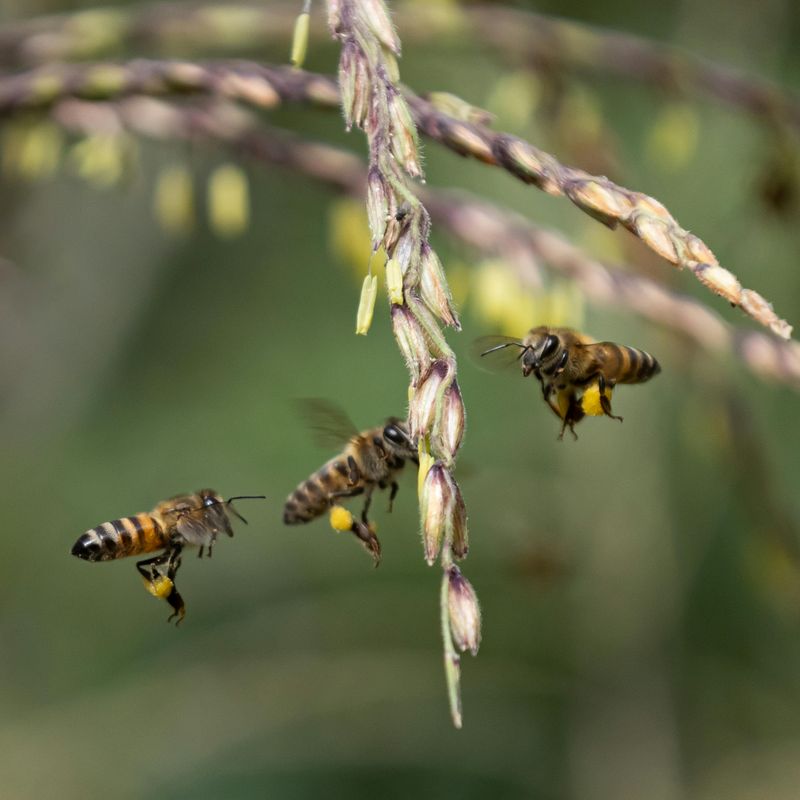
Image Credit: © Fernando Maidana / Pexels
Bumblebees in Illinois are among the first pollinators to become active in spring.
They emerge from overwintering while temperatures are still cool, and they are immediately hungry.
An unmowed lawn full of clover and dandelions is a genuinely valuable food source for them at this critical stage of the season.
Research from the Xerces Society found that letting lawns grow during May can can meaningfully increase the number of foraging bees in residential areas. They frame No Mow May as a gateway to better year-round lawn care rather than a perfect one-month solution.
Even small yards make a difference when they offer accessible food sources early in the season.
It is not just bumblebees either.
Native solitary bees, including mining bees and sweat bees, also benefit from the early blooms that appear in unmowed Illinois lawns.
Many of these species are so small that most people walk past them without ever knowing they exist.
Honeybees visit too, especially if there is a managed hive within a couple miles of your yard.
On a warm May day, a dense patch of clover can support dozens of bee visits per hour.
Watching all of this happen up close is genuinely moving.
Your Illinois yard becomes a feeding station at one of the most critical points in the pollinator calendar.
All you had to do was put the mower away and wait.
5. The Unexpected Downsides Nobody Mentions
No Mow May is genuinely worthwhile, but pretending it has no drawbacks would be dishonest.
There are a few real challenges that Illinois homeowners should think about before committing to the full month.
Ticks are a legitimate concern.
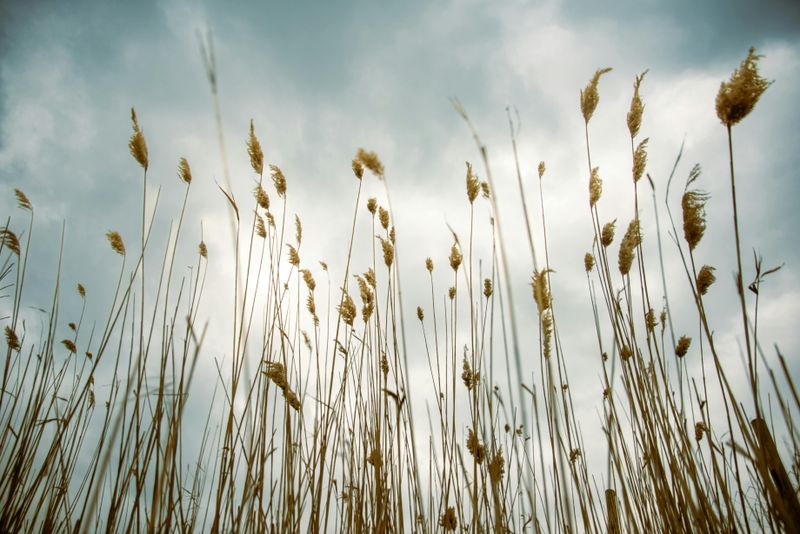
Tall grass in May creates ideal habitat for ticks, especially in yards near wooded areas or open fields.
If you have kids or pets spending time outside, staying aware of tick exposure is important throughout the month.
Uneven growth is another issue that surprises people.
Not all grass grows at the same rate, and by week three, some sections of your Illinois yard may look noticeably taller and rougher than others.
It can look a bit chaotic before it starts looking intentional.
Cutting it all back at the end of May requires real care.
Mowing down very tall grass too quickly can stress the lawn and leave it looking patchy.
Going gradually, cutting in stages over several days, produces much better results.
Some weedy species that are less desirable can also take advantage of the month.
Thistle and garlic mustard are invasive in Illinois and can spread quickly if left unchecked.
Garlic mustard deserves special attention. Beyond spreading readily, it releases chemicals into the soil that suppress the mycorrhizal fungi native plants depend on to survive, and a single plant can produce thousands of seeds.
If you spot it during your unmowed month, pull it immediately, bag it, and put it in the trash rather than the compost pile. Do not leave this one to chance.
6. Does No Mow May Actually Work In Illinois?
The movement started gaining traction in the UK before spreading across the United States.
But Illinois has its own climate, soil types, and native plant communities, so the question of whether it actually works here is fair to ask.
The short answer is yes, with some nuance.
Illinois sits in a transition zone between cool-season and warm-season grasses, which means May is actually one of the most active growth periods for many common lawn species.
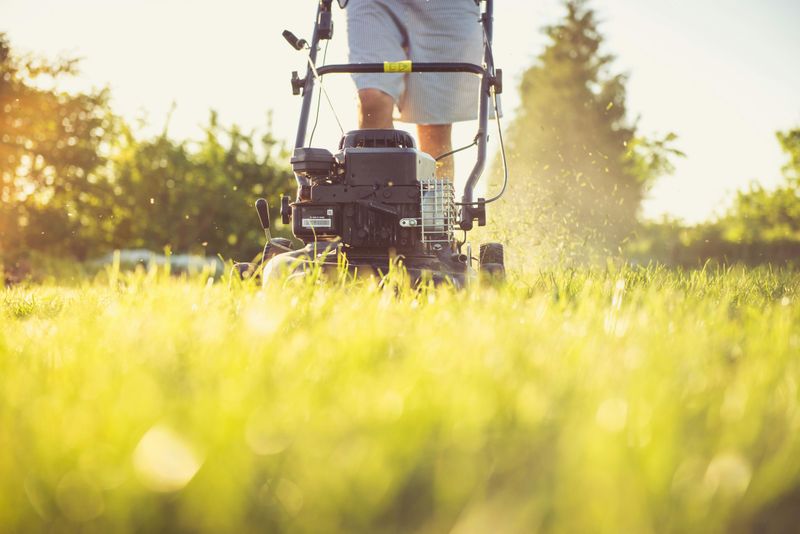
May is one of the most active growth periods for cool-season grasses like Kentucky bluegrass and fescue. Mowing higher and less frequently gives their roots the best chance to deepen before summer arrives.
General guidance from University of Illinois Extension points to the value of reducing lawn maintenance during spring to support soil health and local biodiversity.
The timing of No Mow May lines up well with the peak flowering period for many native plants that naturally occur in Illinois lawns.
Results vary depending on your specific yard conditions.
A lawn that was heavily treated with herbicides in previous years may have fewer wildflowers to offer.
But even a modest lawn in central Illinois can produce meaningful habitat improvements within a single month.
The practice is not magic, and it is not a replacement for deeper ecological restoration.
But as a starting point for Illinois homeowners who want to do something meaningful, it is a surprisingly effective one.
7. What Happens Underground While You Stop Mowing
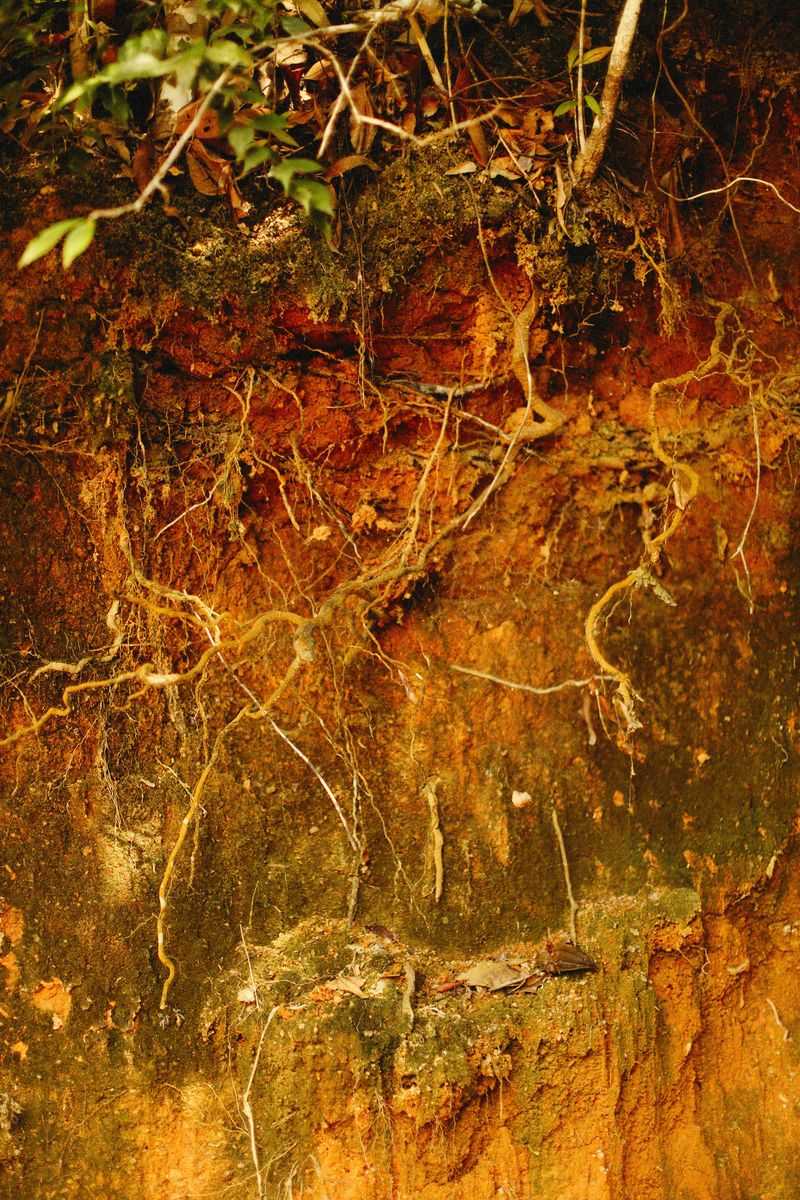
Most of the real action during No Mow May happens where you cannot see it.
Below the surface of your Illinois yard, a whole system quietly shifts when mowing stops.
Grass roots respond almost immediately to reduced cutting stress.
Deeper roots come from changing how you mow, not from abandoning the mower entirely.
Cut too short, grass redirects energy upward to regrow rather than downward to establish roots.
Raise your deck to 3.5 to 4 inches, mow less often, and your lawn builds the depth it needs to survive an Illinois summer.That extra root depth is what keeps your Illinois lawn alive and green when summer heat arrives without warning.
Soil microbes also benefit from reduced disturbance.
Mowing compresses soil slightly over time through repeated foot traffic and equipment weight.
A month of rest allows microbial communities to stabilize, which supports nutrient cycling in ways that chemical fertilizers cannot fully replicate.
Earthworm activity increases in undisturbed soil during spring moisture periods.
In Illinois, May is typically wet enough to keep soil conditions favorable for earthworms, and their tunneling improves both aeration and water absorption.
Mycorrhizal fungi, which form partnerships with grass roots to exchange nutrients, also establish more easily when soil is not repeatedly disturbed.
These underground networks are fragile but incredibly valuable for long-term lawn health.
Stopping the mower is a surface-level decision with genuinely deep consequences.
Your Illinois yard is building something you cannot see, but you may begin to notice it by July.
8. How Tall Grass Changes Your Backyard Climate

Image Credit: © BREAKS OUT / Pexels
Tall grass does something surprising to the immediate environment around it. It creates its own little microclimate, quietly cooling the soil and locking in moisture while everything around it bakes.
Sounds like exactly what an Illinois summer garden needs, doesn’t it?
It creates shade at ground level, which keeps soil temperatures noticeably cooler than closely mowed lawns on warm May afternoons in Illinois.
That cooling effect matters more than it sounds.
Cooler soil retains moisture longer, which reduces how much you need to water later in the season.
In a state like Illinois where summer heat can arrive suddenly and intensely, that stored soil moisture is genuinely valuable.
Humidity levels just above the grass surface also shift when grass grows taller.
The process of transpiration, where plants release water vapor through their leaves, increases as blade length increases.
This creates a slightly more humid microclimate close to the ground, which benefits insects and small ground-dwelling creatures.
Wind behavior changes too.
Taller grass slows air movement at ground level, which reduces evaporation and helps maintain more consistent conditions for soil organisms.
On warmer days in late May, you may notice the difference when you walk from a mowed section of your yard into an unmowed one.
The air feels slightly cooler and more still.
It is a small thing, but it adds up across an entire month and sets your yard up for a healthier summer overall.
9. Why Your Lawn Looks Worse Before It Looks Better
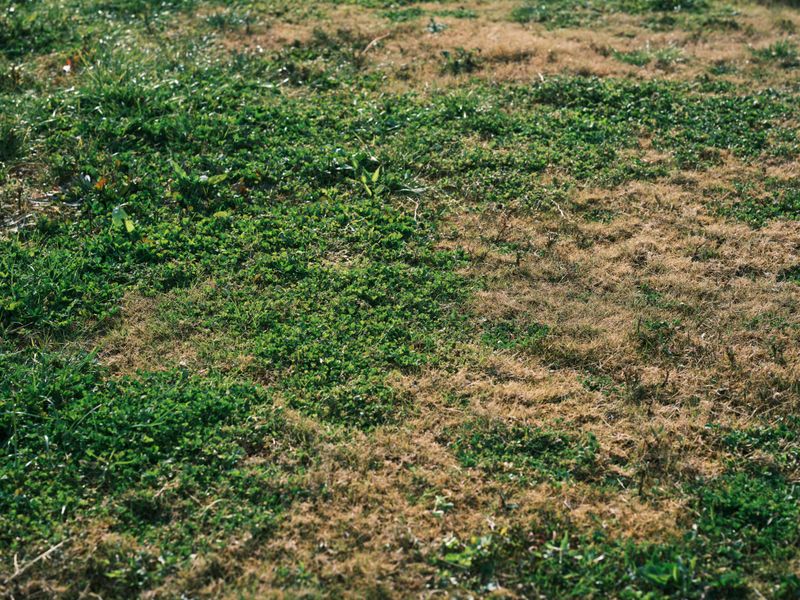
Around week two, most Illinois homeowners hit a small panic button. The lawn does not look wild and beautiful yet, and the neighbors are definitely staring.
It mostly looks uneven, patchy, and a little embarrassing.
That awkward middle phase is completely normal, and it is worth pushing through.
Different grass species grow at different rates, and the variation in height during weeks two and three creates a visually messy look before the wildflowers fill in the gaps.
Bare spots that were invisible when the grass was short suddenly become obvious.
Areas with compacted soil or shade coverage may not grow as fast, making the overall texture of your Illinois yard look inconsistent and rough.
The visual payoff typically comes in weeks three and four.
Once clover, violets, and other low-growing plants begin to flower and spread, the patchiness starts to read as texture rather than neglect.
The yard gains a layered, almost meadow-like quality that short grass simply cannot achieve.
Managing expectations during that middle stretch is the hardest part of No Mow May for most people.
Posting a small sign in your yard explaining the practice can help with neighbor questions and also reminds you why you started.
The reward is real, but it asks for a little patience first.
10. Should You Try No Mow May Next Year?
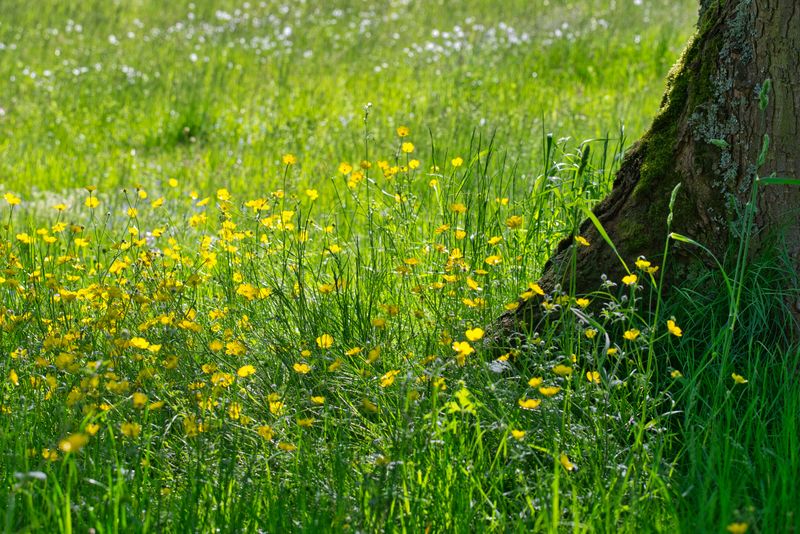
If you missed this May, absolutely do not sweat it.
Next year is already waiting in the wings, and a little planning now means you hit the ground running the moment the soil warms up again.
Start by reducing herbicide use in your Illinois yard during the fall and early spring before May arrives.
Herbicides eliminate the broadleaf plants that make No Mow May worth doing.
Without clover, violets, and dandelions, an unmowed lawn offers far less to pollinators.
Consider overseeding with a clover and native wildflower mix in late summer or early fall.
Many Illinois gardening centers carry regional seed mixes that establish well before winter and bloom reliably the following spring.
Talk to your neighbors before May starts.
A simple heads-up goes a long way toward preventing friction and might even inspire a few households to join you.
Block-level participation multiplies the ecological benefit significantly.
Plan your end-of-May mowing strategy in advance.
Cutting tall grass back gradually over several sessions protects both the lawn and the insects that may be sheltering in the grass at that point.
If a full month-long pause is not realistic, Low Mow May gets you most of the way there.
Raise your deck to 3.5 to 4 inches, mow every two to three weeks, leave flowering patches untouched, and skip herbicides through mid-June. University of Illinois Extension would recognize this as the more practical version of the same idea.