What North Carolina Hydrangeas Need In May To Keep Blooming All Summer
May sets the tone for everything a hydrangea does through the rest of the summer in North Carolina, and most gardeners either do not realize how much this month matters or underestimate how quickly the window for the most impactful care closes.
Hydrangeas across the state are actively building toward their bloom period right now, pushing new growth, setting buds, and responding directly to what they are getting from the soil and the care around them.
The warm, humid conditions that arrive in June and July make any deficiencies from earlier in the season harder to correct, which is why what you do in May tends to show up clearly in how the plant performs at peak summer.
Getting watering right, feeding at the correct time with the right product, and making a few simple adjustments based on which hydrangea variety you are working with are the decisions that separate plants covered in blooms from ones that struggle to deliver.
Here is exactly what North Carolina hydrangeas need this month and why it matters so much right now.
1. Deep Watering Helps Hydrangeas Handle Summer Heat
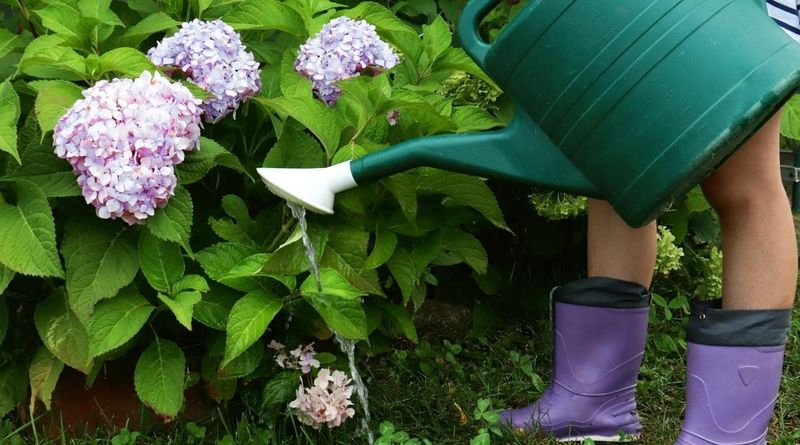
Watering your hydrangeas deeply in May might be the single smartest thing you do all season. When roots grow deep into the soil, they can access moisture even when the top layer dries out fast during a North Carolina summer.
Shallow watering, by contrast, trains roots to stay near the surface where heat hits hardest.
North Carolina has a wide range of soil types, and each one handles water differently. Clay soil in the Piedmont holds moisture longer but can stay waterlogged if you overdo it, so water less frequently but soak deeply.
Sandy coastal soils drain quickly, meaning you may need to water more often while still aiming for deep penetration rather than light sprinkling.
Container hydrangeas dry out faster than anything planted in the ground. Check pots every day once temperatures rise, and always water until it flows freely from the drainage holes.
Raised beds fall somewhere in between, holding slightly more moisture than containers but drying faster than in-ground beds.
A good watering schedule for most gardens is two to three deep waterings per week during warm spells. Early morning is the best time to water because it gives leaves a chance to dry before evening, which helps reduce fungal problems.
Consistent deep watering in May builds the strong root foundation your hydrangeas need to keep producing beautiful blooms all summer long.
2. Mulch Keeps Hydrangea Roots Cooler During Humid Summers
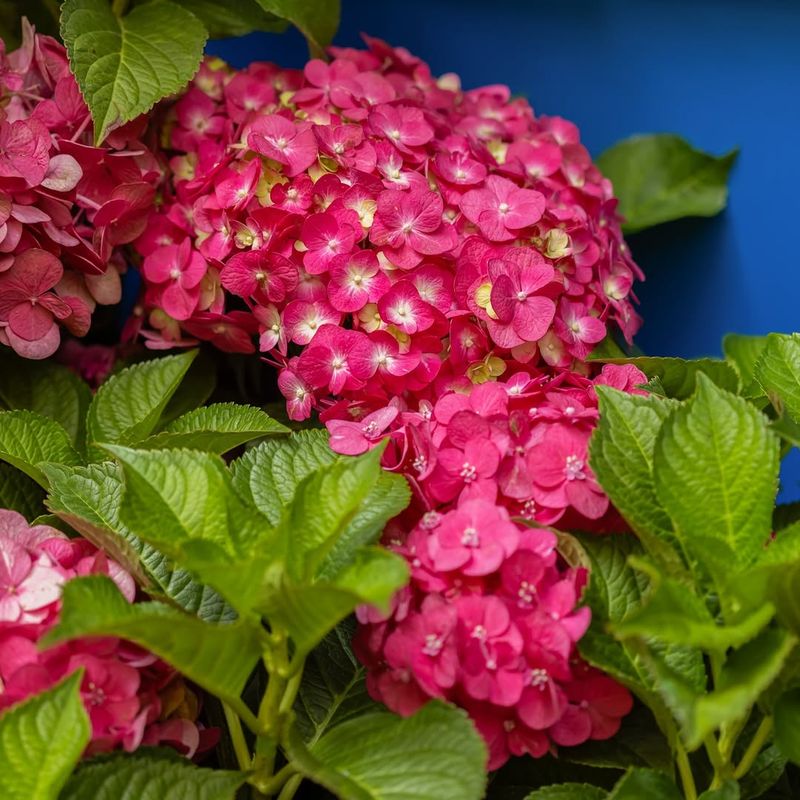
Spreading a good layer of mulch around your hydrangeas in May is one of the easiest ways to protect them from the punishing heat that our summers bring.
Mulch acts like a blanket over the soil, locking in moisture and keeping root temperatures from spiking when the sun beats down for hours. Without it, soil can dry out surprisingly fast even after a good rain.
Pine straw is a favorite choice across North Carolina because it breaks down slowly, allows water to pass through easily, and blends naturally into most landscape styles.
Your North Carolina Garden Changes Every Week. Your Plan Should Too.
Gardening in North Carolina changes quickly throughout the season. Every Friday you’ll receive a simple weekly plan showing exactly what to plant, prune, fertilize, harvest, and protect so you never miss the right timing.
Shredded hardwood bark is another popular option that holds moisture well and gives garden beds a clean, finished look throughout the season.
Both materials work beautifully for hydrangeas and are widely available at local garden centers across the state.
The ideal mulch depth is around two to three inches. Go too thin and it barely makes a difference.
Go too thick and you risk trapping excess moisture near the crown of the plant, which can lead to stem rot over time.
Always keep mulch pulled back a few inches from the main stem of each plant. Piling it directly against the stems traps humidity in exactly the wrong spot and creates conditions where fungal problems love to start.
A neat ring of mulch around each plant looks tidy and works hard all season to keep your hydrangeas healthy and blooming strong.
3. Correct Fertilizing Timing Makes A Huge Difference In Hydrangea Blooms
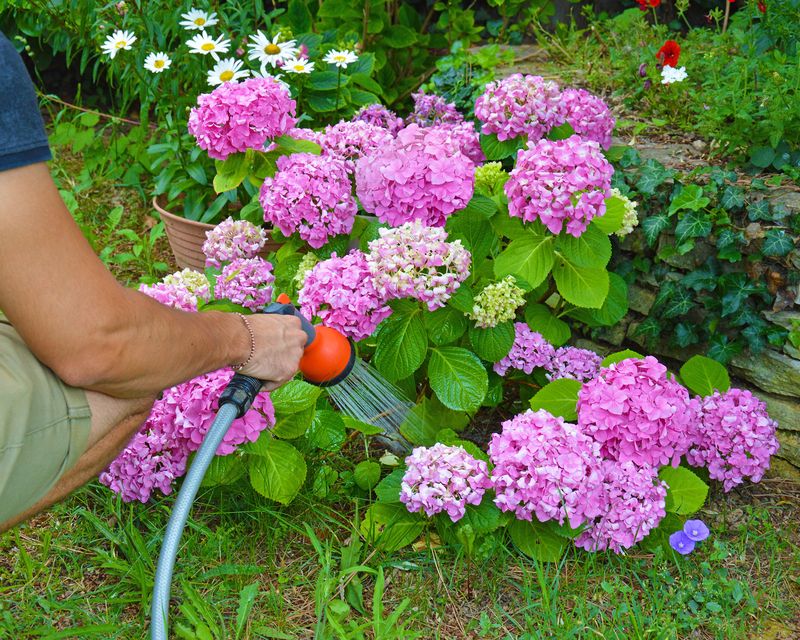
Feeding hydrangeas at the right time in May can dramatically change how well they bloom through the rest of summer. A well-timed application gives plants the nutrients they need to push out strong flower heads without wasting energy on excess leafy growth.
Getting the timing wrong, though, can actually work against you.
Bigleaf Hydrangeas, the classic mophead and lacecap types so popular in North Carolina yards, respond well to a balanced slow-release fertilizer applied in early May.
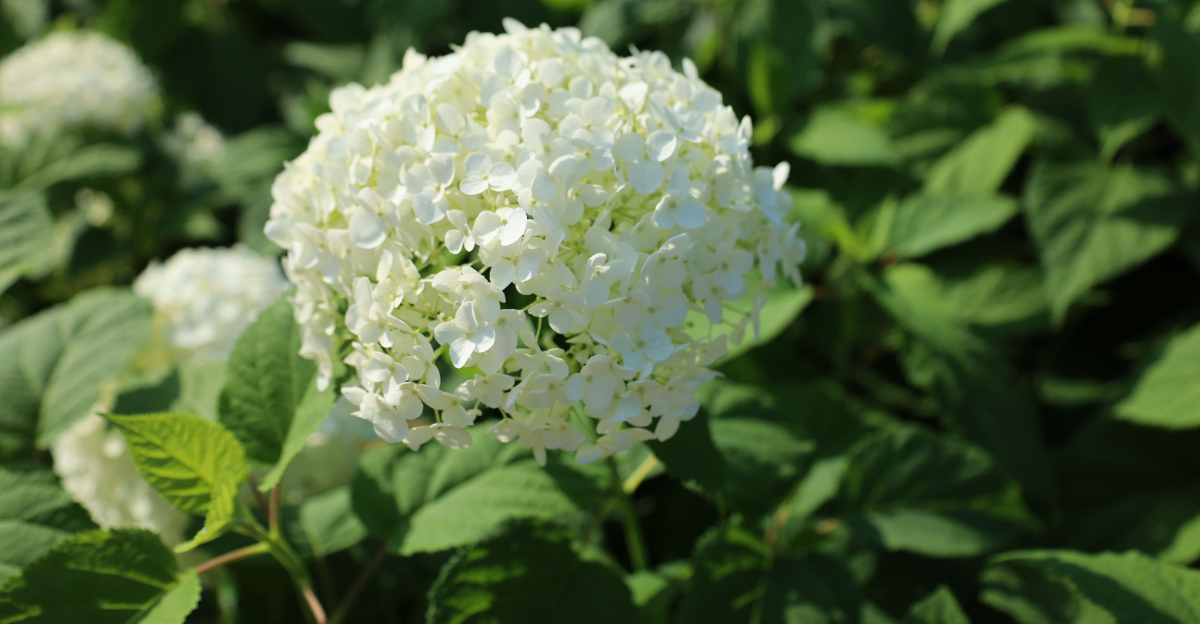
Smooth Hydrangeas like Annabelle are heavy feeders and appreciate a boost of fertilizer in spring to fuel their famously large white blooms.
Oakleaf Hydrangeas are more naturally tough and only need light feeding once in spring to stay happy.
Panicle Hydrangeas are among the most forgiving types and tolerate a wider range of fertilizing schedules. Even so, a single application of balanced fertilizer in May supports better bloom production without pushing weak, floppy stems.
Always follow package directions because more fertilizer is not better, and overdoing nitrogen creates lush green leaves at the expense of flowers.
Most North Carolina gardeners should stop fertilizing hydrangeas by late July at the latest. Feeding too close to fall encourages soft new growth that cannot harden off properly before cooler temperatures arrive.
Sticking to a smart spring feeding schedule gives your hydrangeas everything they need to look spectacular from May all the way through summer.
4. Morning Sun Helps Hydrangeas Bloom Longer In North Carolina
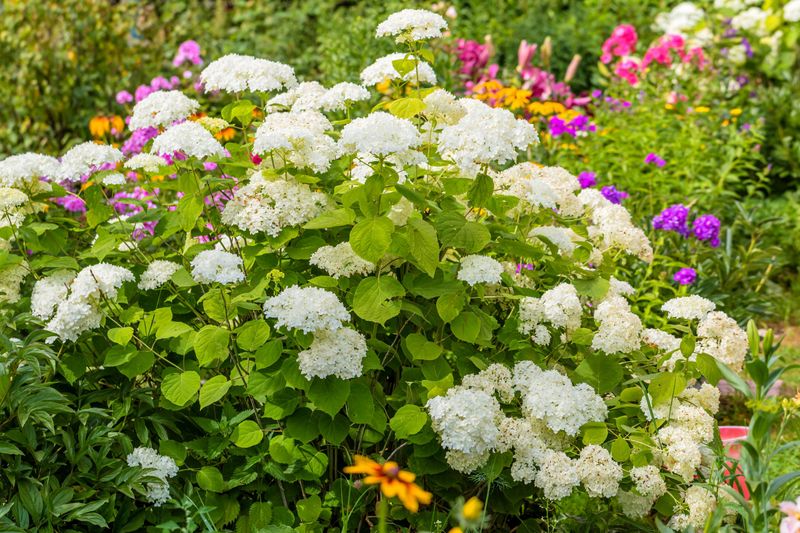
Sunlight placement is one of the most underrated factors in keeping hydrangeas blooming beautifully all summer.
Most hydrangeas love morning sun because it provides the bright light they need for strong growth without the brutal intensity that afternoon sun brings during July and August.
Getting this balance right makes a visible difference in how long your flowers stay fresh and full.
In the North Carolina Piedmont, where summers are long and humid, placing hydrangeas where they get four to six hours of morning sun followed by afternoon shade is close to ideal.
The afternoon shade acts as relief from peak heat hours, which slows moisture loss and keeps blooms from fading ahead of schedule.
Even a large tree or a fence casting afternoon shadow can make a real difference for plants in this region.
Along the North Carolina coast, afternoon shade is even more important because reflected heat from sandy soil and nearby structures can intensify sun stress.
Mountain gardens have more flexibility since temperatures stay cooler, but even there, protecting hydrangeas from harsh western afternoon exposure helps blooms last longer into the season.
If your hydrangeas are already planted in a sunny spot and struggling, adding a shade cloth during the hottest weeks is a practical short-term fix. Over time, consider planting a small deciduous tree or tall shrub nearby to create natural afternoon shade.
Smart sun placement in May keeps blooms vibrant and colorful well into the warmest months of summer.
5. Airflow Around Hydrangeas Reduces Summer Problems
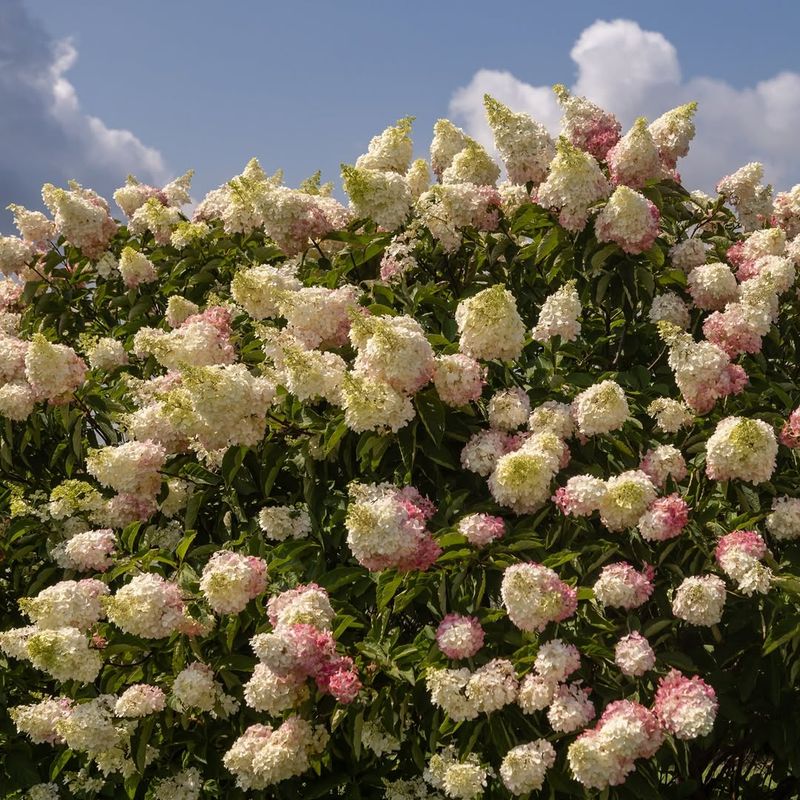
North Carolina summers are famously humid, and that humidity creates the perfect environment for fungal issues to take hold on hydrangeas. One of the simplest ways to reduce those problems is to make sure your plants have enough room to breathe.
When branches crowd together or neighboring plants press in too close, moisture gets trapped around the leaves and stems where it lingers far too long.
Good airflow starts with proper spacing when you first plant hydrangeas. Most varieties need at least four to six feet between plants to allow air to move freely through the canopy.
If your hydrangeas were planted too close together, light thinning in May can open up the center of the plant and improve air circulation without removing future blooms.
Thinning means selectively removing a few of the weakest or most crowded interior stems rather than cutting the whole plant back hard. Focus on stems that cross over each other or grow inward toward the center.
This small adjustment lets sunlight and air reach more of the plant, which strengthens overall growth and reduces the damp conditions that fungal problems love.
Rainy spring weather in North Carolina makes airflow even more critical because wet conditions combined with poor circulation are a recipe for leaf spotting and powdery mildew.
Keeping the area around your hydrangeas clear of dense ground cover and debris also helps. A little thoughtful thinning in May sets your plants up for a much healthier and more beautiful summer season.
6. The Wrong Pruning Time Is One Of The Biggest Reasons Hydrangeas Stop Blooming
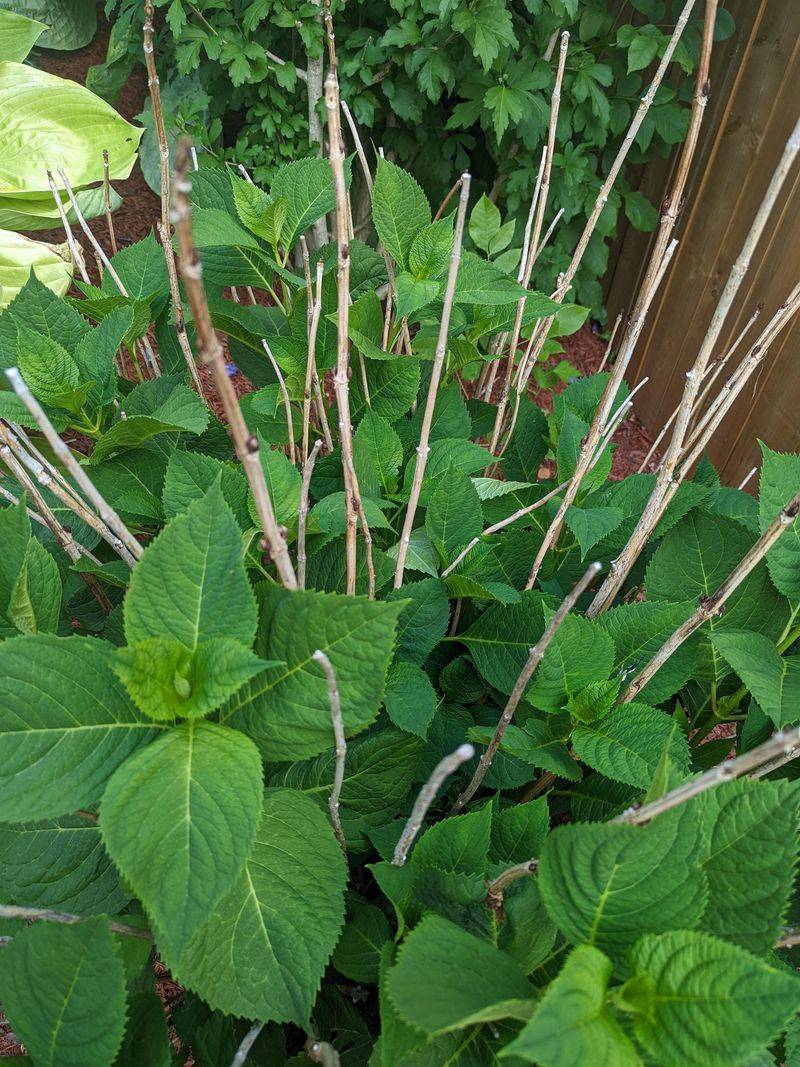
Pruning at the wrong time of year is probably the most common reason North Carolina gardeners end up with beautiful leafy hydrangea bushes that produce almost no flowers.
Understanding when and how to prune each type makes a huge difference, and it all comes down to one key idea: does your hydrangea bloom on old wood or new wood?
Bigleaf Hydrangeas, including the classic mophead and lacecap varieties that are so popular across North Carolina, bloom on old wood. That means the flower buds for next summer are already forming on last year’s stems by late summer and fall.
If you prune these plants in fall, winter, or early spring, you are cutting off the very buds that would have become your blooms. The safe window for light cleanup is right after they finish blooming in summer.
Smooth Hydrangeas like Annabelle and Panicle Hydrangeas bloom on new wood, meaning they produce fresh buds on current-season growth. These types can be pruned in late winter or very early spring without any risk to bloom production.
In fact, cutting Panicle Hydrangeas back in late winter often encourages larger and more impressive flower heads.
Oakleaf Hydrangeas bloom on old wood like Bigleaf types and should be pruned only after flowering. In May, the best move for most North Carolina gardeners is to simply observe and resist the urge to cut.
Patience with pruning timing rewards you with full, spectacular blooms all summer long.
7. North Carolina Clay Soil Needs Improvement For Better Hydrangea Blooms
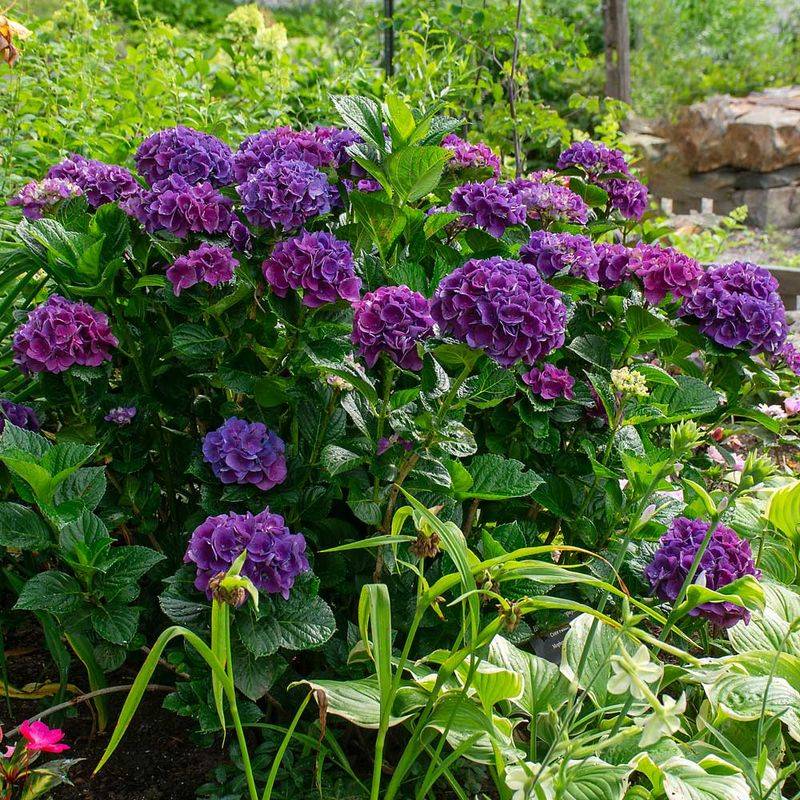
A huge portion of North Carolina sits on heavy clay soil, especially through the Piedmont region, and clay creates real challenges for hydrangeas. Compacted clay limits drainage, which means water sits around roots longer than it should.
Roots that stay too wet struggle to absorb oxygen, and plants under that kind of stress produce fewer blooms and look tired even when they get regular water and fertilizer.
Improving clay soil does not have to be a massive project. Working compost into the top eight to twelve inches of soil before planting makes a noticeable difference in drainage and root growth.
For established hydrangeas, spreading compost as a top dressing around the base of the plant each spring gradually improves soil structure over time as it breaks down and works its way in.
Signs that poor drainage is affecting your hydrangeas include yellowing leaves even with adequate watering, stems that look soft near the base, and blooms that fade quickly despite good care.
If water pools around your plants after rain and takes a long time to drain, that is a clear signal the soil needs help.
Raised beds are a smart solution for North Carolina gardeners dealing with especially heavy clay. Filling raised beds with a blend of quality topsoil, compost, and aged bark creates an environment where hydrangea roots can spread freely and drain properly.
Healthy soil in May leads directly to stronger root systems and far more impressive blooms through the entire North Carolina summer season.
8. Removing Spent Blooms Helps Some Hydrangeas Keep Producing Fresh Blooms
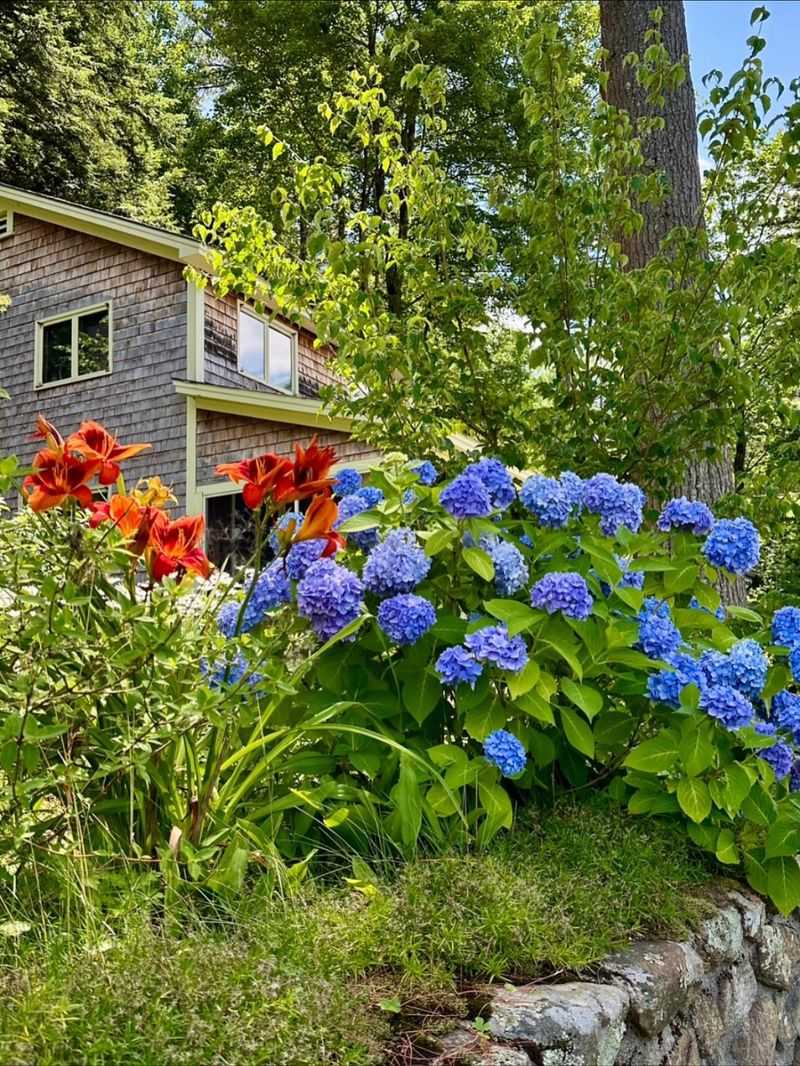
Spent flower heads sitting on your hydrangeas are not just an eyesore. On certain varieties, they can actually signal the plant to slow down bloom production since the energy shifts toward seed development rather than new flowers.
Removing those faded blooms at the right time encourages the plant to redirect its energy toward producing fresh flower buds.
Smooth Hydrangeas like Annabelle benefit the most from this during summer. When their large white blooms start to look brown and papery, cutting them back to the next set of healthy leaves prompts the plant to push out new flower heads.
This process can extend the blooming season noticeably in North Carolina gardens where summer stretches on for months.
Bigleaf Hydrangeas require more caution with removing spent flowers. Because they bloom on old wood, cutting too far down the stem can remove the buds that are already forming for next season.
For these varieties, snip only the spent flower head itself just below the bloom, leaving as much stem intact as possible to protect developing buds lower on the plant.
Panicle and Oakleaf Hydrangeas generally do not need this for bloom production, and many gardeners in North Carolina actually leave their dried flower heads on through winter for ornamental interest.
The key is knowing which type you have before you start trimming. A little targeted removal in the right spots keeps your summer garden looking fresh, full, and impressively colorful from May all the way through late summer.
9. Strong Spring Growth Needs Protection From Sudden Temperature Swings
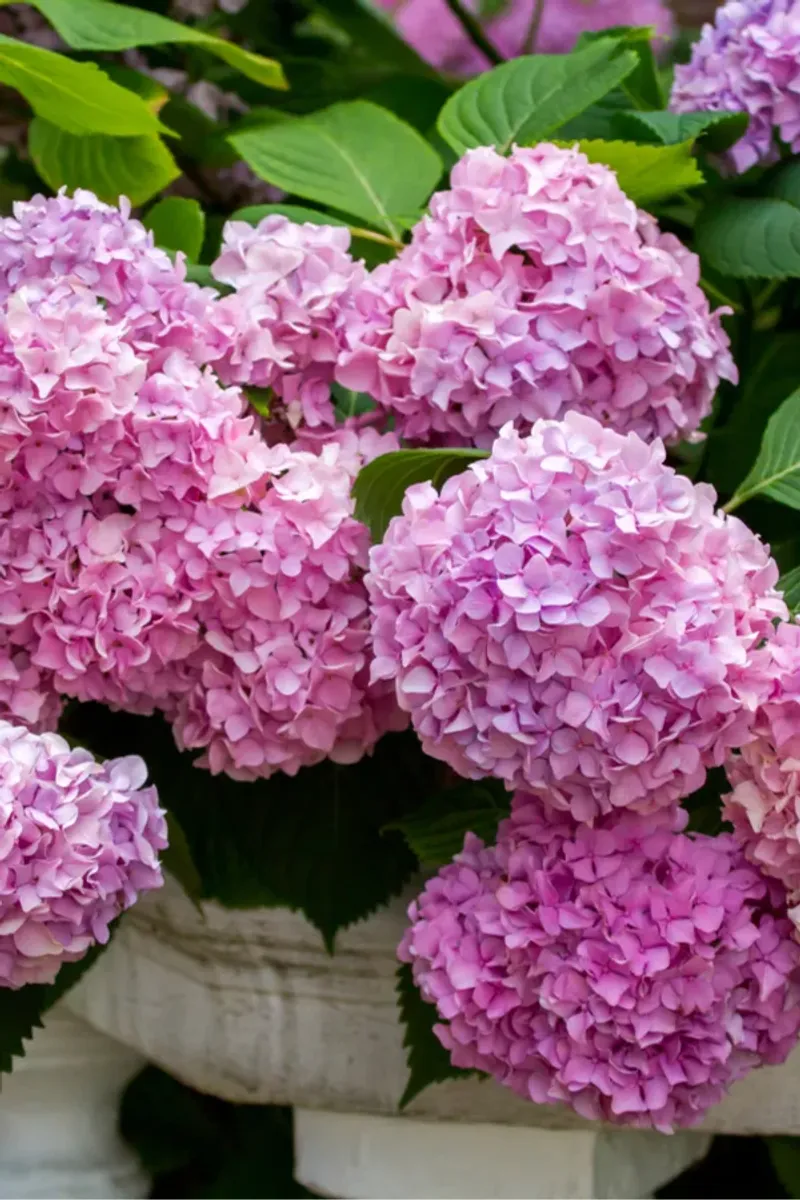
Spring in North Carolina can be wonderfully warm one week and surprisingly cold the next, especially in the mountain and upper Piedmont regions.
Those sudden cold nights in April and May can catch hydrangea gardeners completely off guard, and the timing could not be worse because plants are pushing out their most vulnerable new growth right when late cold snaps tend to strike.
In the North Carolina mountains around Asheville and beyond, frost dates can extend well into mid-May in some years.
Even a single night dipping into the upper twenties or low thirties can damage tender new shoots and developing flower buds that have been growing in warm spring conditions.
The buds most at risk are the ones on Bigleaf Hydrangeas, which produce all of their flowers on growth from the previous season.
Keeping a light frost cloth or old bedsheets on hand through May is a simple and effective way to protect vulnerable plants when a cold night is in the forecast.
Drape the fabric loosely over the plant in the evening and remove it the next morning once temperatures rise. Avoid using plastic sheeting because it traps cold air against the foliage rather than insulating it.
Coastal and lower Piedmont areas of North Carolina face far less risk from late frost, but unusual cold fronts can still bring brief temperature drops.
Staying aware of the forecast in May and responding quickly when temperatures threaten to drop protects all the beautiful new growth your hydrangeas have been building since early spring.
10. Pests Become Much More Active As North Carolina Weather Warms
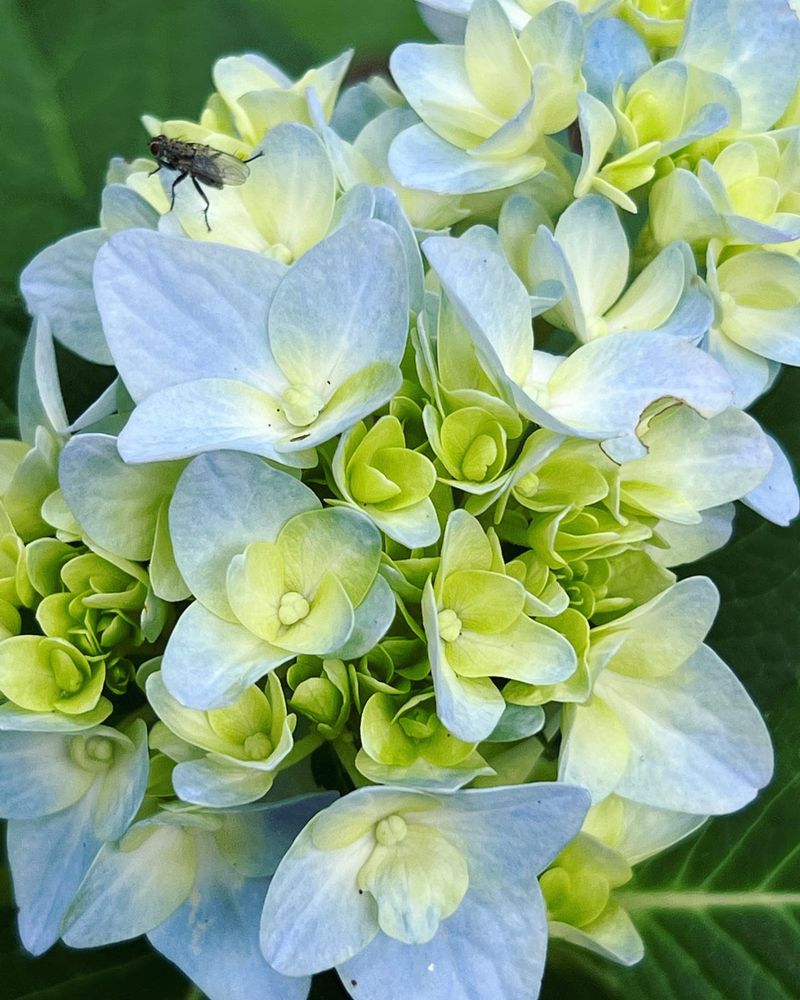
Warm weather in North Carolina brings out the best in hydrangea blooms, but it also wakes up the insects and pests that love to feed on those same plants.
As temperatures climb through May and into June, pest populations can build up surprisingly fast if you are not watching for early signs of trouble.
Catching problems early is always easier than dealing with a full-blown infestation later in the season.
Aphids are among the most common pests on North Carolina hydrangeas in late spring. These tiny soft-bodied insects cluster on new growth and flower buds, sucking out plant sap and leaving behind a sticky residue that can attract mold.
A strong spray of plain water from a garden hose knocks them off effectively, and repeating this every few days usually keeps populations under control without reaching for chemicals.
Spider mites become a bigger concern as summer heat builds and humidity spikes. They thrive in hot, dry pockets around plants and cause leaves to look dusty, faded, or lightly speckled.
Keeping plants well-watered and maintaining good airflow around your hydrangeas naturally reduces the conditions spider mites prefer.
When pest pressure is heavy and simple methods are not enough, insecticidal soap sprays are a safer option that targets soft-bodied pests without harming beneficial insects like bees and ladybugs.
Always apply sprays in the early morning or evening to protect pollinators visiting your North Carolina garden.
Staying observant through May gives your hydrangeas a much cleaner and healthier start to the long summer ahead.