10 Spots In North Carolina Where Cucumbers Struggle To Grow (Plus Alternatives That Work)

Cucumbers are one of those vegetables that can look promising right through transplant day and then quietly underperform for reasons that trace straight back to where they were planted.
North Carolina’s varied landscape creates a wide range of growing conditions across the state.
Some of the most common garden spots that seem perfectly reasonable at planting time turn out to work against cucumbers in ways that become obvious only after the season is already underway.
Heavy clay pockets that stay waterlogged after summer rain, spots where afternoon shade cuts in earlier than expected, and areas with poor airflow that trap humidity around foliage are all more common in North Carolina yards than most gardeners realize.
The good news is that every difficult spot has a workable alternative somewhere on the same property, and knowing what cucumbers are actually reacting to makes finding that better location straightforward.
Moving them even a short distance to the right conditions often produces results that feel like a completely different plant.
1. Heavy Clay Soil That Stays Wet After Rain Causes Cucumber Problems Fast

Walk through a Piedmont garden after a summer rainstorm, and you might notice water sitting on the surface for hours.
That pooling is a warning sign for cucumber growers, because heavy clay soil drains so slowly that roots end up sitting in moisture far longer than they should.
Cucumbers need consistent watering, but they absolutely cannot tolerate soggy conditions for extended periods.
Clay soil compacts easily, which means roots struggle to push through and spread out properly. When drainage is poor, oxygen cannot reach the root zone, and the plant starts showing signs of stress quickly.
Yellowing leaves, stunted growth, and wilting even on rainy days are all common symptoms gardeners across North Carolina notice in clay-heavy plots.
Fungal diseases also spread aggressively in wet clay environments, especially during the long humid summers that are common across central North Carolina. Pythium root rot and downy mildew thrive when moisture stays trapped near the soil surface.
These problems can move through a garden bed surprisingly fast.
Raised beds filled with a compost and topsoil blend are one of the best fixes for clay-heavy yards. Building the bed at least ten to twelve inches high gives cucumber roots room to grow without hitting compacted clay underneath.
Adding aged compost directly into existing rows also improves drainage and feeds the soil naturally over time.
2. Deep Shade Stops Cucumbers From Producing Well In North Carolina

Cucumbers are sun-loving plants, plain and simple. They need at least six to eight hours of direct sunlight every day to flower well, attract pollinators, and produce the fruit gardeners are hoping for.
Shaded garden spots across North Carolina consistently disappoint cucumber growers, even when the soil looks perfectly fine.
When sunlight is limited, the vines grow long and leggy as they stretch toward any available light source. Fewer flowers form, and the ones that do open often fail to get properly pollinated because bees tend to avoid darker, enclosed garden areas.
Your North Carolina Garden Changes Every Week. Your Plan Should Too.
Gardening in North Carolina changes quickly throughout the season. Every Friday you’ll receive a simple weekly plan showing exactly what to plant, prune, fertilize, harvest, and protect so you never miss the right timing.
Without successful pollination, cucumbers simply never develop. Shaded spots also stay damp longer after rain or morning dew, and that extra moisture sitting on leaves creates perfect conditions for powdery mildew and other fungal problems.
Our summers are already humid enough without adding shade-related moisture to the equation. Leaf disease can spread through a shaded planting surprisingly fast once it starts.
Moving cucumber plants to the sunniest part of the yard makes a noticeable difference in production. South or east-facing garden spots typically receive the strongest and most consistent sunlight throughout the growing day.
Trimming back overhanging branches to open up at least partial sun can also rescue a previously shaded garden area and give cucumbers the light exposure they genuinely need to perform well.
3. Tight Corners With Poor Airflow Encourage Disease Problems

Squeezing cucumber plants into a tight garden corner might seem like a smart way to use every inch of space, but the results rarely work out well in North Carolina. Cucumbers need airflow moving through their foliage just as much as they need sunlight and water.
When vines are pressed against fences, walls, or neighboring plants with no room to breathe, humidity builds up fast.
Summers here are already warm and sticky, and trapped air makes that humidity even worse around the plant. Powdery mildew spreads quickly in stagnant, moist air, coating leaves with a white dusty film that slows photosynthesis and weakens the vine over time.
Angular leaf spot and downy mildew are also common visitors in cramped, poorly ventilated garden corners.
Spacing matters more in the South than many gardeners realize. Bush cucumber varieties need about eighteen inches between plants, while vining types require at least three feet to spread comfortably.
Even with correct spacing, placing plants in a corner where airflow is naturally blocked creates ongoing disease pressure throughout the season.
Moving cucumbers to an open garden area with space on all sides allows breezes to pass through freely. Vertical trellising in an open row also lifts foliage off the ground and improves airflow dramatically.
Simple changes in placement and support structure can reduce fungal disease pressure significantly without any extra spraying or treatment needed.
4. Low Areas That Flood After Summer Storms Damage Cucumber Roots

Summer storms in North Carolina can dump several inches of rain in just a few hours. Low-lying garden areas collect all of that runoff, and cucumbers planted there often end up sitting in standing water that takes days to fully drain away.
Even a few hours of flooded roots can set a plant back significantly during the growing season.
Roots need oxygen to function, and when water fills every air pocket in the soil, the root system starts to suffer almost immediately.
Plants that experience repeated flooding often show stunted growth, yellowing leaves, and reduced fruit production even after the water finally drains.
The damage is not always visible right away, which makes low-area planting frustrating for gardeners who cannot figure out why their cucumbers keep underperforming.
Soil-borne diseases like Pythium thrive in waterlogged conditions and move through flooded garden beds quickly. Once root rot takes hold in a wet, low-lying spot, recovery is very difficult.
Prevention by choosing better planting locations is always easier than trying to treat plants already affected by flooding stress.
Raised beds or mounded planting rows are the most reliable solution for flood-prone yards. Building planting mounds four to six inches above the surrounding soil level improves drainage noticeably.
Installing simple French drains or redirecting downspouts away from garden areas can also reduce how much water accumulates during the heavy summer rain events that are so common across the state.
5. Small Containers Dry Out Too Fast During Heat
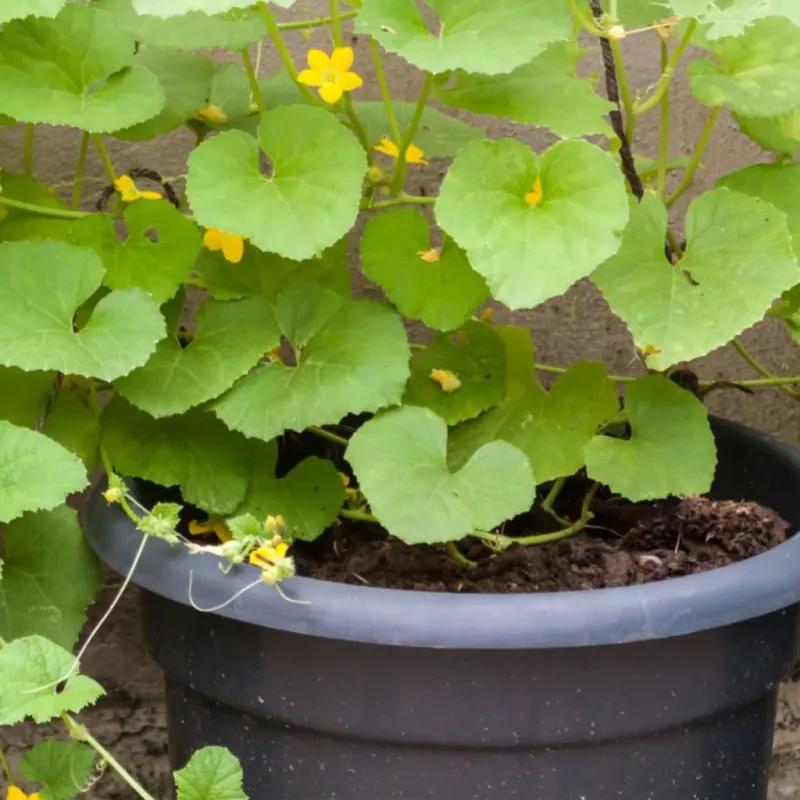
Container gardening is a great option for patios and decks, but container size matters more than most people expect. Small pots dry out incredibly fast during July and August when temperatures climb into the nineties and the sun beats down for hours.
Cucumbers planted in undersized containers often wilt by midday even when they were watered that same morning.
A small five-gallon bucket simply does not hold enough soil volume to buffer against the intense heat North Carolina summers bring.
The limited soil mass heats up quickly and dries out from all sides, leaving roots without the steady moisture cucumbers need to keep producing fruit consistently.
Stressed plants from heat and drought drop flowers before they can develop into cucumbers.
Wind also speeds up moisture loss from small containers significantly. Even light breezes pull moisture from both the soil surface and the leaves, creating a combination of heat stress and drought stress that small pots cannot handle for long.
Gardeners sometimes water twice a day and still find their plants struggling in containers that are simply too small for the job.
Upgrading to a fifteen to twenty-gallon container makes a dramatic difference in moisture retention and plant stability. Larger containers hold more soil, stay cooler longer, and give roots enough room to anchor properly.
Adding a layer of mulch on top of the container soil also slows evaporation noticeably and keeps roots more comfortable through the hottest stretches of summer growing season.
6. Windy Coastal Gardens Can Stress Young Cucumber Plants
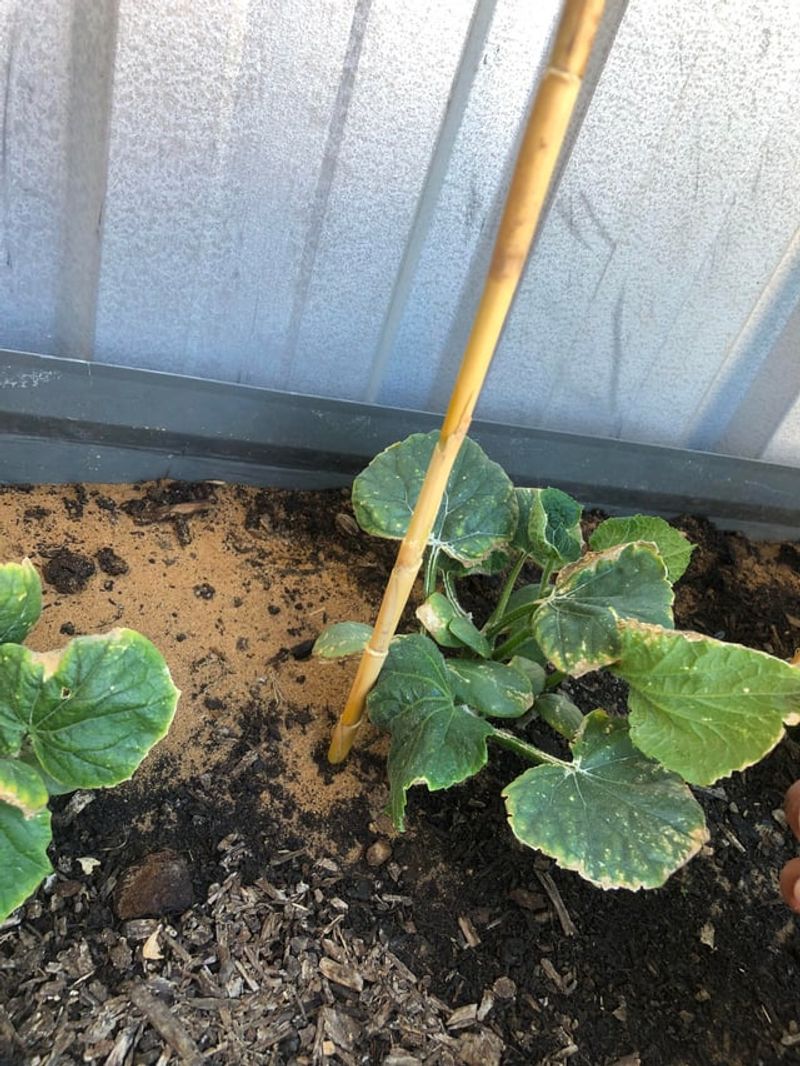
Coastal North Carolina is beautiful, but gardening near the ocean comes with a unique set of challenges that inland gardeners never have to think about.
Strong salt-laden winds blow in regularly from the Atlantic, and young cucumber vines are particularly vulnerable to that kind of steady drying stress.
Leaves can show wind scorch and tip burn within just a few days of exposure. Sandy coastal soils drain extremely fast, which means moisture disappears quickly even without wind pulling additional moisture from the plant.
Cucumbers in coastal areas often face a double challenge of rapid soil drying combined with constant wind stress that makes it hard for vines to establish strong root systems in the first few weeks after transplanting.
Salt air adds another layer of stress that most vegetable plants find difficult to handle for extended periods.
While cucumbers are not as salt-sensitive as some crops, consistent exposure to salt spray on leaves can slow growth and reduce overall production noticeably by midsummer.
Coastal gardeners in areas like the Outer Banks and Brunswick County often see these combined stressors taking a toll on their cucumber plants.
Simple windbreaks made from shade cloth or wooden fencing placed on the windward side of the garden can dramatically reduce stress on young plants. Deep watering practices and thick mulch layers help sandy coastal soil retain moisture much longer.
Choosing compact bush cucumber varieties also reduces the surface area exposed to drying coastal winds throughout the growing season.
7. South Facing Brick Walls Can Overheat Cucumbers In Summer
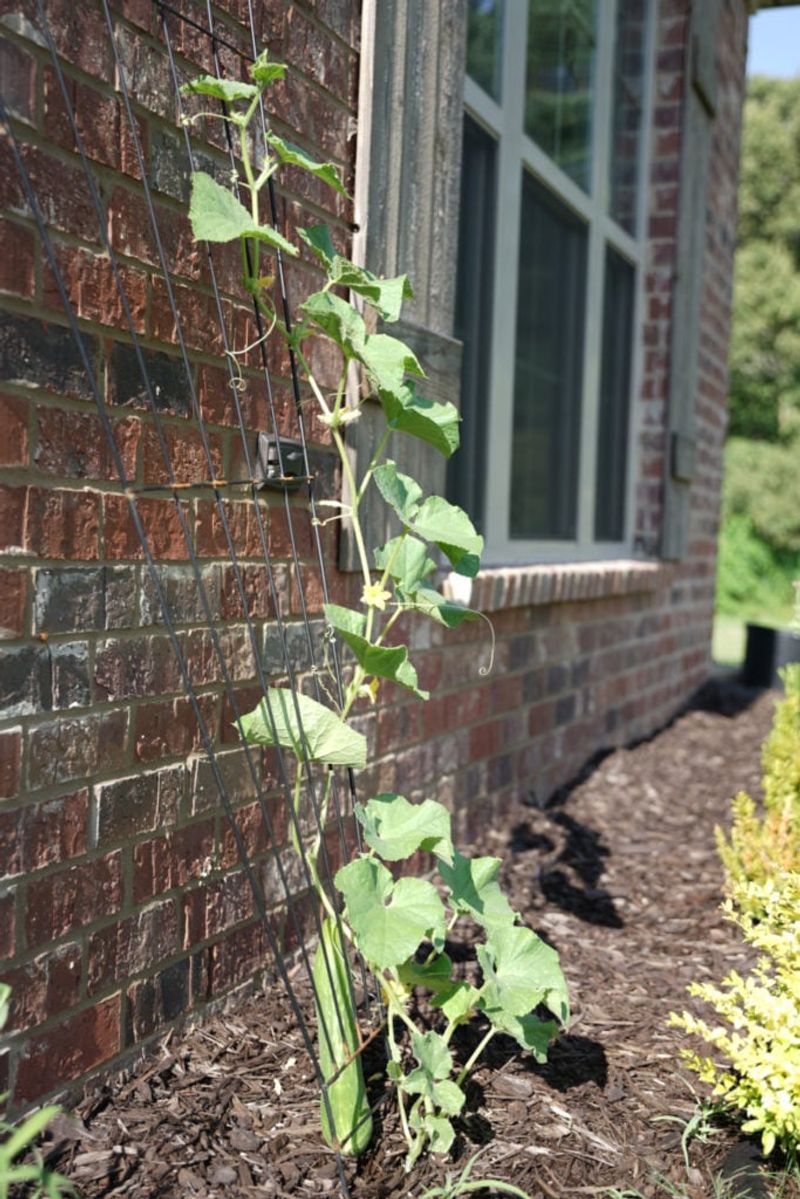
Brick walls absorb heat all day long and then radiate it back out into the surrounding area even after the sun goes down.
Planting cucumbers near a south-facing brick wall in North Carolina might seem like a smart way to maximize warmth in spring, but by July and August that same wall becomes a source of serious heat stress.
Temperatures directly in front of a sun-baked brick wall can run ten to fifteen degrees higher than the open garden just a few feet away.
Cucumbers prefer warm conditions, but they have a threshold. When temperatures push consistently above ninety-five degrees Fahrenheit, flowers drop before they can be pollinated and fruit production stalls out completely.
The combination of intense direct sun and reflected heat from masonry creates an environment that overwhelms even healthy, well-watered cucumber plants during peak summer heat.
Pavement and concrete patios near the planting area add to the problem by reflecting even more heat upward onto the lower leaves and stems.
Mulching heavily around the base of cucumber plants near walls helps insulate the soil and keep root zone temperatures more manageable.
Watering deeply in the early morning also helps plants build moisture reserves before the hottest part of the day arrives.
Moving cucumber plantings at least four to six feet away from south-facing brick walls gives plants a much cooler microclimate to work with.
East-facing wall placements offer morning warmth without the brutal afternoon heat reflection that south-facing brick creates throughout a typical North Carolina summer.
8. Overcrowded Raised Beds Often Lead To Weak Cucumber Growth
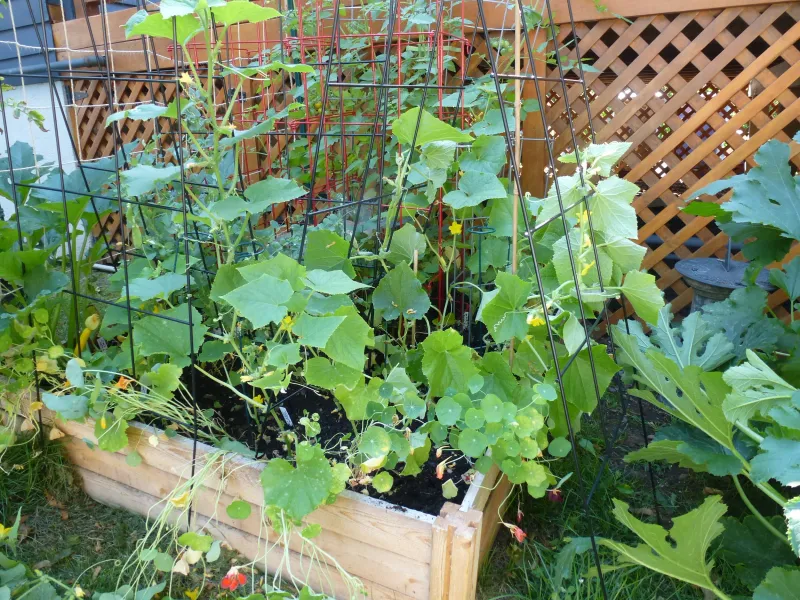
Raised beds are genuinely excellent for growing cucumbers in North Carolina, but only when plants have enough room to spread out properly.
Packing too many vines into a single bed is one of the most common mistakes backyard gardeners make, and the results show up quickly once summer humidity builds.
Crowded plants trap warm moist air between their leaves, creating a perfect environment for fungal disease to take hold.
Vining cucumber varieties can spread aggressively, and without proper spacing they end up tangled together in a dense mat of foliage that barely allows any airflow. Powdery mildew, angular leaf spot, and downy mildew all thrive in that kind of crowded, humid microclimate.
Once disease pressure builds in an overcrowded raised bed, it tends to spread rapidly from plant to plant.
Beyond disease, overcrowding also creates competition for nutrients and water. Roots from neighboring plants overlap and fight for the same resources, which often results in smaller fruits and reduced overall yield compared to properly spaced plantings.
Gardeners sometimes assume more plants equal more cucumbers, but the opposite is often true in cramped raised bed conditions.
Spacing bush varieties at least eighteen inches apart and vining types at thirty-six inches gives each plant room to establish without competing.
Adding a vertical trellis down the center of the raised bed lifts vines upward and dramatically improves airflow through the planting.
That single addition can transform a struggling overcrowded bed into a productive and manageable cucumber garden.
9. Poorly Drained Woodland Edges Rarely Work Well For Cucumbers
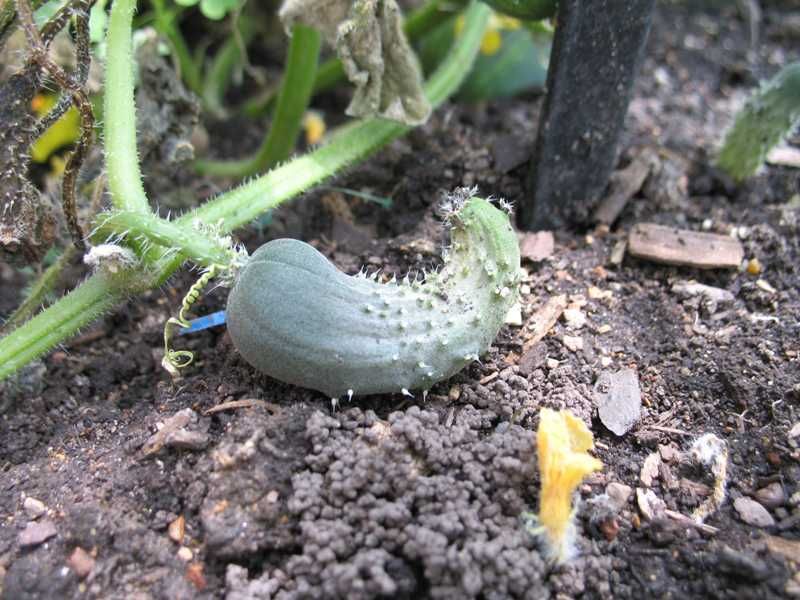
That shady spot at the edge of the tree line might look like a protected and peaceful place to grow vegetables, but woodland edges in North Carolina create a surprisingly tough environment for cucumbers.
Tree roots extend much farther than most gardeners expect, often reaching well into nearby garden beds and competing aggressively for both water and nutrients. Cucumbers rarely win that competition.
Shade from overhanging tree canopy reduces the sunlight cucumbers need to flower and fruit properly.
Even partial shade for several hours a day can noticeably reduce production, and most woodland edges in North Carolina receive far less than the six to eight hours of full sun that cucumbers genuinely need to perform well through a long growing season.
The soil near woodland edges also tends to stay damp and poorly aerated because fallen leaves and organic debris reduce drainage over time.
That combination of shade, root competition, and moisture retention creates ideal conditions for fungal problems but genuinely poor conditions for productive cucumber growing.
Gardeners in wooded suburban and rural properties across North Carolina often discover this the hard way after planting near tree lines.
Relocating cucumber beds to open sunny areas at least fifteen to twenty feet from the nearest tree line removes most of these competing factors at once.
Testing the soil before planting near any wooded area also helps identify nutrient deficiencies caused by years of tree root activity.
Simple soil amendments and better site selection can completely change the outcome for gardeners working with wooded properties.
10. Areas With Constant Overhead Irrigation Increase Leaf Problems
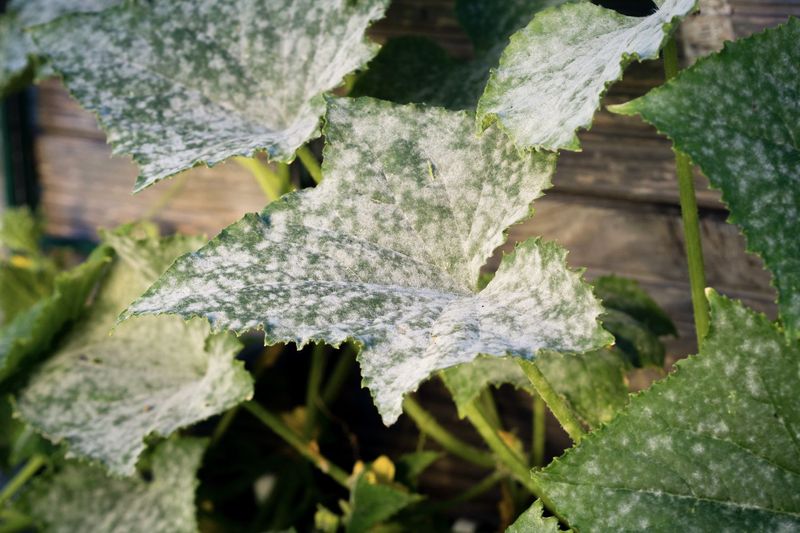
Watering cucumbers consistently is absolutely necessary, but how you water matters just as much as how often you water. Overhead sprinklers that spray water directly onto leaves create prolonged wet foliage conditions that fungal diseases absolutely love.
In North Carolina’s already humid summer climate, adding extra moisture to the leaf surface is one of the fastest ways to trigger powdery mildew and downy mildew outbreaks.
Fungal spores are present in most garden soils and float through the air constantly. They need moisture on the leaf surface to germinate and begin spreading.
When overhead irrigation keeps leaves wet for extended periods, especially during warm summer evenings, those spores find exactly the conditions they need to establish and spread quickly through the planting.
Angular leaf spot is another bacterial disease that spreads rapidly under wet foliage conditions common with overhead watering systems.
Once established, these diseases reduce the plant’s ability to photosynthesize effectively and can significantly shorten the productive life of a cucumber planting.
Treatment options exist but work much better as preventive measures than as cures once disease is already established.
Switching to drip irrigation or soaker hoses delivers water directly to the root zone without ever wetting the leaves.
Early morning hand watering is also a practical alternative because any splash that does reach the foliage has time to dry before cooler evening temperatures arrive.
Both methods dramatically reduce fungal disease pressure in cucumber gardens while keeping plants consistently hydrated through the hottest months of the growing season.
11. Raised Beds With Compost Rich Soil Help Cucumbers Thrive
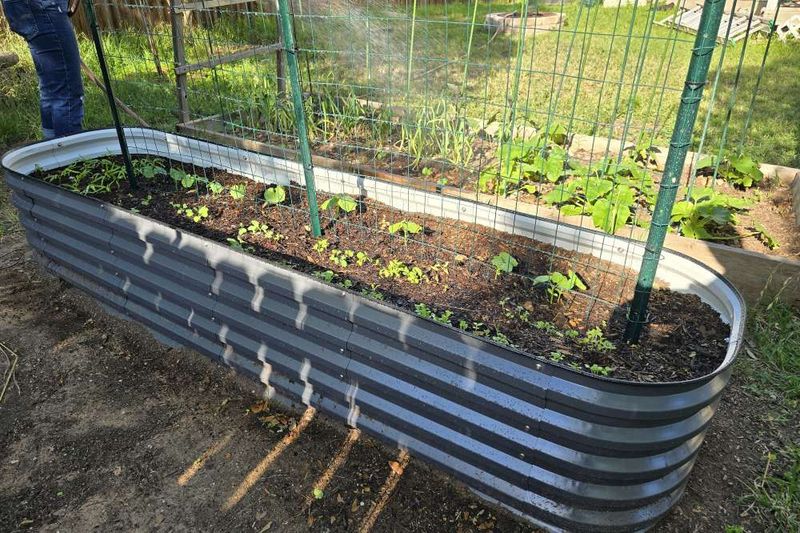
Few growing setups match the productivity of a well-built raised bed for cucumber gardeners.
Raised beds drain beautifully after heavy summer rains, warm up faster in spring so planting can start earlier, and give you complete control over soil quality from the very beginning.
That combination of benefits addresses nearly every challenge that makes cucumbers struggle in other parts of the yard.
Filling a raised bed with a blend of quality topsoil, aged compost, and a small amount of perlite creates a loose, fertile growing medium that cucumber roots move through easily.
Compost feeds the soil biology that keeps nutrients available to plants throughout the season without requiring constant fertilizer applications.
Healthy soil structure also means roots stay oxygenated even after a heavy rainstorm, which is a major advantage during North Carolina’s unpredictable summer weather.
Mulching the surface of a raised bed with straw or shredded leaves keeps soil temperature stable, slows moisture evaporation during hot spells, and reduces weed competition that would otherwise slow cucumber growth.
A two to three inch mulch layer makes a noticeable difference in how often you need to water during peak summer heat across the state.
Building the bed at least ten to twelve inches deep gives roots enough vertical space to anchor properly without hitting compacted subsoil.
Positioning the raised bed in a location with at least six to eight hours of daily sun completes the setup and gives gardeners the best possible foundation for a productive and rewarding cucumber harvest all season long.
12. Sunny Trellised Garden Rows Produce Healthier Cucumbers

Growing cucumbers vertically on a trellis in a sunny garden row is one of the smartest moves a gardener can make.
Vertical growing lifts vines off the ground entirely, improving airflow around every leaf and dramatically reducing the fungal disease pressure that horizontal sprawling plants experience throughout the humid summer months.
The difference in plant health is often visible within just a few weeks of training vines upward.
Fruit that hangs freely from a trellis also develops more evenly, stays cleaner, and is far easier to spot at harvest time. Cucumbers left lying on moist soil often develop soft spots or rot on the underside before the gardener even notices them.
A simple trellis system eliminates that problem and keeps the fruit in better condition from flower to harvest.
Sunlight reaches every part of a trellised plant more evenly than it does a plant sprawling across the ground.
More light exposure means more consistent flowering and better pollinator access to the blooms, which directly translates to higher fruit production throughout the season.
North Carolina gardeners who switch from ground-level growing to vertical trellising often report noticeably larger harvests from the same number of plants.
Building a trellis from sturdy wooden stakes and garden netting or wire fencing is straightforward and affordable. Spacing cucumber plants about twelve inches apart along the base of the trellis gives each vine room to climb without competing.
Watering at the base with drip irrigation or a soaker hose keeps leaves dry and completes the setup for a highly productive cucumber row.
13. Morning Sun Gardens Help Cucumbers Dry Faster After Rain

East-facing garden spots that catch strong morning sunlight are genuinely underrated for cucumber growing in North Carolina.
Morning sun hits the plants early and starts drying off any moisture left from overnight dew or previous evening rain before the humidity of the day builds up.
That early drying window makes a real difference in reducing fungal disease pressure throughout the growing season.
Fungal spores need wet leaf surfaces to germinate and spread. A garden location that dries off quickly each morning interrupts that process consistently, keeping disease pressure lower without any extra effort from the gardener.
Powdery mildew and downy mildew both struggle to gain a foothold when foliage dries out reliably within the first hour or two after sunrise.
Morning sun also warms the soil gently and steadily, which encourages root activity and nutrient uptake during the coolest and most comfortable part of the growing day.
Cucumber plants in east-facing spots tend to look noticeably healthier and more vigorous than those in locations where sunlight arrives late in the morning after humidity is already high.
Gardeners across central and western North Carolina often find their east-facing beds consistently outperform other spots in the yard.
Pairing a morning sun location with good spacing between plants and a drip irrigation system creates an environment where cucumbers can genuinely flourish.
Afternoon shade from a nearby structure or tall plants is actually fine in this setup since the plants will have already received the most beneficial light and drying conditions during the earlier hours of the day.
14. Large Containers With Trellises Work Surprisingly Well For Cucumbers
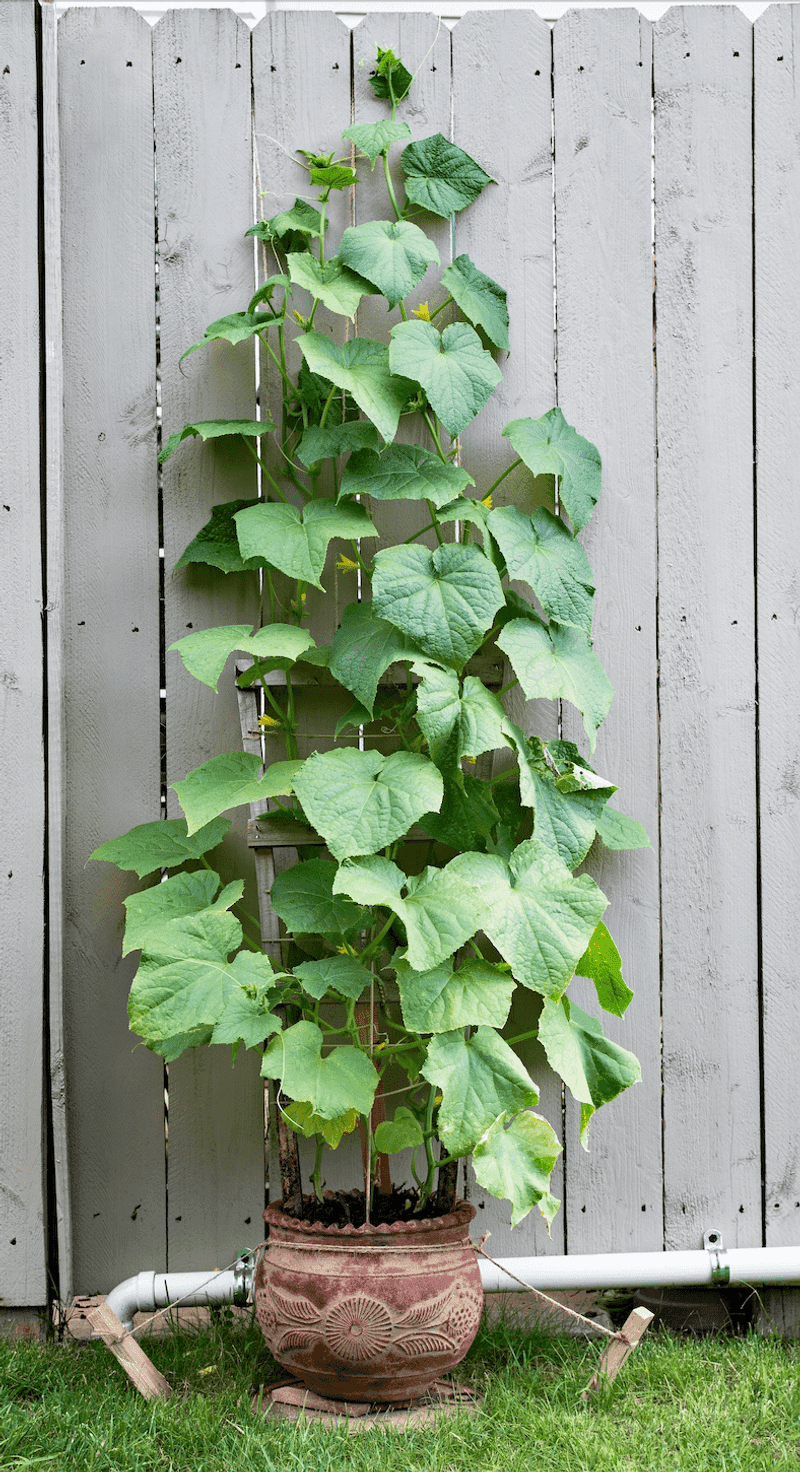
Patios and decks across North Carolina can absolutely support productive cucumber growing when the container setup is done right.
Large containers in the fifteen to twenty-gallon range hold enough soil volume to buffer against the intense summer heat and retain moisture long enough between waterings to keep plants consistently productive.
The key difference between a struggling container cucumber and a thriving one often comes down to pot size alone.
Adding a small trellis directly into the container transforms the setup from a sprawling mess into a clean, vertical growing system that makes excellent use of limited patio space.
Vines climb upward, fruit hangs freely, and airflow moves through the plant much more efficiently than it would in a container where vines drape over the sides and pile up on themselves.
It is a practical solution that works beautifully on sunny decks and patios throughout the state.
Watering large containers consistently is important since even big pots dry out faster than in-ground beds during North Carolina’s hottest weeks. Checking soil moisture daily and watering deeply when the top inch feels dry keeps roots healthy and production steady.
Fertilizing every two weeks with a balanced liquid fertilizer starting about three weeks after transplanting gives container cucumbers the steady nutrition they need to keep flowering and fruiting.
Choosing a compact or bush cucumber variety designed for container growing makes management even easier.
Varieties like Spacemaster or Bush Pickle perform well in large containers and produce reliably throughout the growing season without needing the extensive trellis support that standard vining types require.
15. Slightly Sloped Garden Areas Improve Drainage For Cucumbers
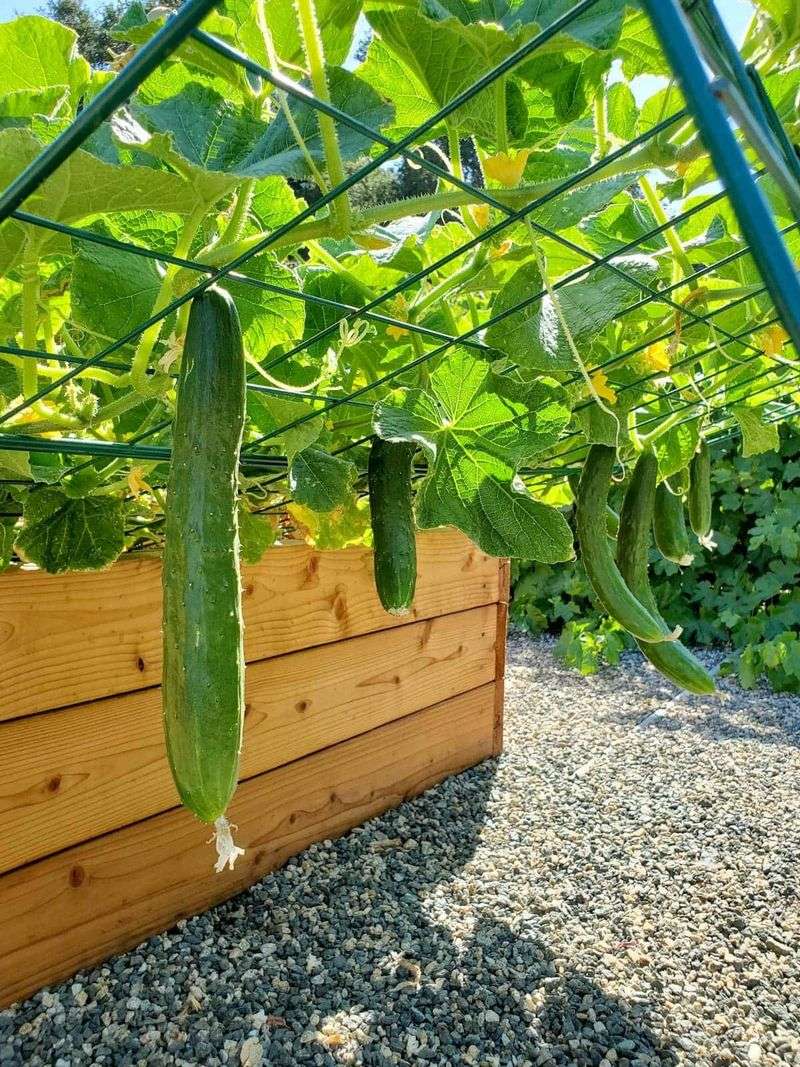
A gentle slope in the yard might seem like a minor detail, but for cucumber growing in North Carolina it can be a genuine advantage.
Slight elevation naturally encourages water to move away from the root zone after heavy summer rainstorms instead of pooling around the base of the plants.
That passive drainage benefit reduces waterlogging risk without any raised bed construction or drainage system installation required.
North Carolina summers bring intense rain events that can drop two or three inches of rain in a single afternoon.
Flat garden areas struggle to handle that kind of volume quickly, but even a five to ten percent slope moves water away fast enough to protect roots from prolonged saturation.
Cucumber roots that stay well-drained between waterings are far less vulnerable to root diseases like Pythium and Phytophthora that thrive in wet soil conditions.
Erosion is a valid concern on sloped garden areas, especially during heavy rain. Mulching thickly with straw or wood chips holds the soil in place while also slowing surface water movement enough to allow absorption before runoff carries soil downhill.
A two to three inch mulch layer on a sloped cucumber bed manages both moisture retention and erosion prevention at the same time.
Preparing a sloped garden area with compost worked into the top several inches of soil improves the overall structure and fertility before planting.
Running planting rows across the slope rather than straight downhill also slows water movement and gives plants more consistent moisture access throughout the season, making slightly sloped spots some of the most reliable cucumber growing locations available across North Carolina.