Texas Plants That Look Heat Stressed But Are Actually Being Overwatered
Overwatering in Texas is one of those gardening mistakes that disguises itself remarkably well, and it catches experienced gardeners just as often as beginners.
The symptoms look almost identical to heat stress and drought – wilting, yellowing leaves, drooping stems, a plant that just looks like it’s struggling – and the instinct when you see a struggling plant in Texas summer heat is to water it more.
Which, if overwatering is already the problem, makes everything significantly worse. This misdiagnosis cycle plays out in Texas gardens constantly, especially during the hottest months when the assumption that every struggling plant needs more water feels completely logical.
The truth is that waterlogged roots in warm Texas soil create conditions that are genuinely more damaging than drought for certain plants, shutting down the root system’s ability to function and producing all the visual symptoms that make a plant look desperately thirsty.
Knowing which plants are most commonly misread this way could save some of the most valuable things growing in your Texas garden right now.
1. Lantana
Lantana is one of the toughest, most colorful plants you can grow in Texas. It thrives in full sun, tolerates poor soil, and practically begs to be ignored.
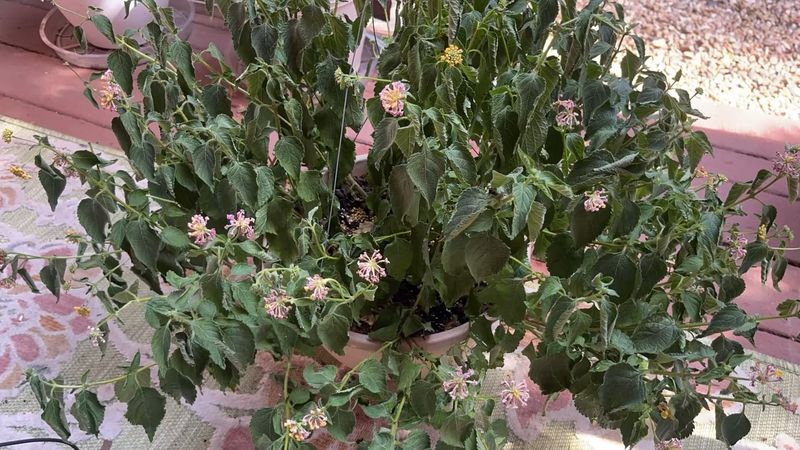
So when its leaves start turning yellow and its stems begin to droop, most gardeners panic and water it even more. That extra water is often the last thing it needs.
Yellowing leaves on lantana are a classic sign of root problems caused by too much moisture. When the roots stay wet for too long, they cannot absorb oxygen properly.
Without oxygen, the roots begin to break down, and the plant cannot pull up nutrients no matter how rich the soil is.
The drooping stems make it look like the plant is thirsty, but feel the soil before watering. If the top two inches are still damp, hold off.
Lantana prefers dry conditions between waterings, especially during the hottest months of the year.
Good drainage is the most important thing you can give this plant. If it is growing in clay soil or a low spot in the yard where water collects, consider moving it or amending the soil with coarse sand and compost. Raised beds also work well for lantana.
Once you reduce watering and let the soil dry out between sessions, lantana usually bounces back quickly.
New growth appears, the yellow leaves drop off, and those bright clusters of flowers return. This plant truly rewards neglect more than attention.
2. Rosemary
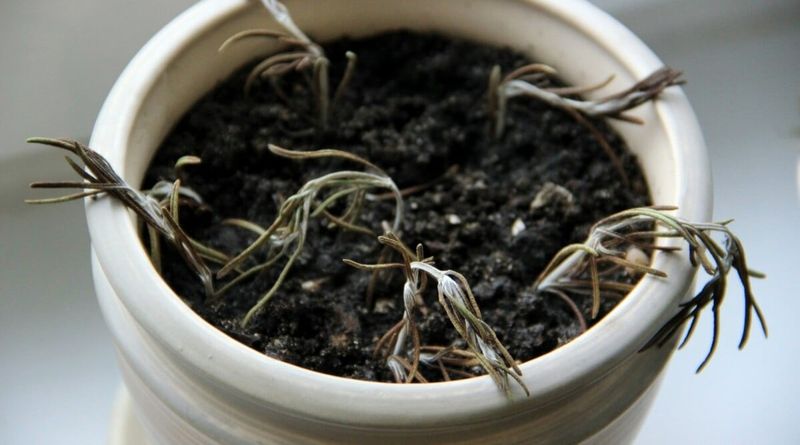
Rosemary has a reputation for being nearly indestructible in Texas, and that reputation is well earned. It loves heat, handles drought like a champ, and smells amazing on a warm afternoon. But put it in wet soil, and it struggles faster than almost any other herb in the garden.
Here is something many people do not realize: rosemary actually wilts when it is overwatered. The stems go limp, the needles turn brown or grayish, and the whole plant looks like it is giving up.
Your Texas Garden Changes Every Week. Your Plan Should Too.
Gardening in Texas changes quickly throughout the season. Every Friday you’ll receive a simple weekly plan showing exactly what to plant, prune, fertilize, harvest, and protect so you never miss the right timing.
It mimics heat stress almost perfectly, which leads gardeners to water it again and again, making things worse each time.
The roots of rosemary are designed for dry, rocky, Mediterranean-style conditions. They are not built to handle standing water or consistently damp soil.
When the roots stay wet, a fungal condition called root rot sets in, and the plant loses its ability to absorb water and nutrients at all.
Check the drainage around your rosemary before doing anything else. If water pools near the base after rain or irrigation, that is a red flag.
Rosemary planted in containers needs pots with large drainage holes and a well-draining potting mix, never standard garden soil.
Watering rosemary once every one to two weeks during summer is usually more than enough in Texas. Let the soil get quite dry between waterings.
With proper drainage and restrained watering, rosemary will grow strong, fragrant, and full for many years.
3. Esperanza
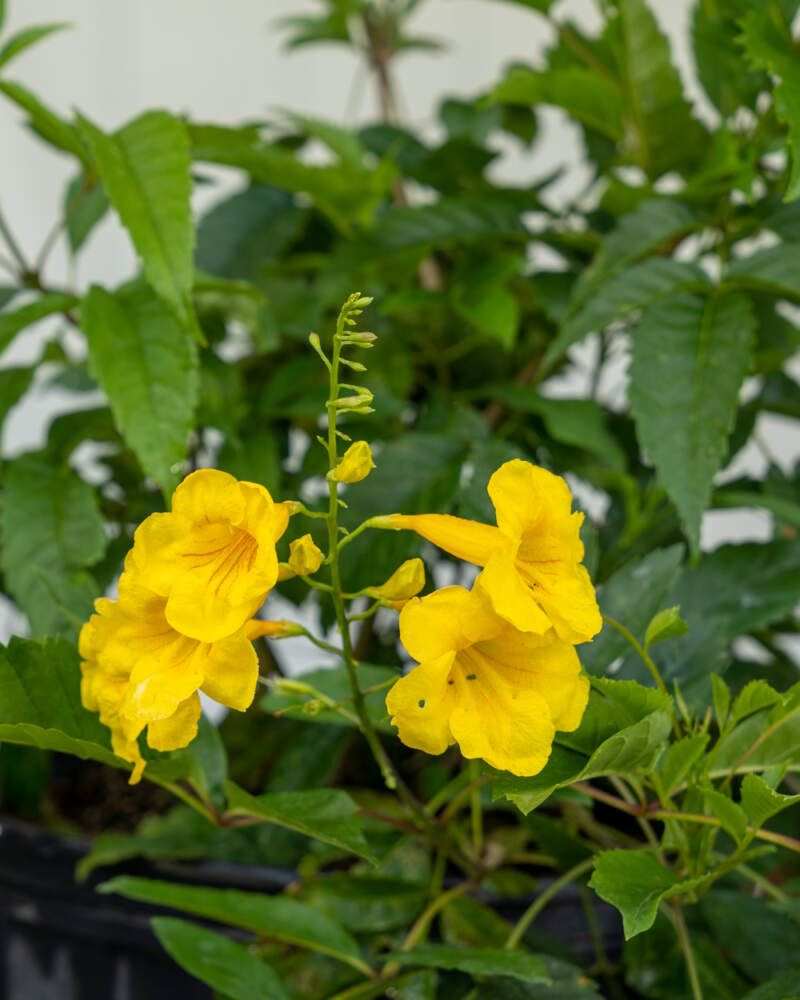
Esperanza, also known as yellow bells, is one of the showiest heat-lovers in any Texas garden. Its bright yellow trumpet-shaped flowers bloom from late spring all the way through fall, and it practically glows in the summer sun.
But give it too much water, and that spectacular show comes to an abrupt stop. Many gardeners assume that because esperanza blooms so heavily in summer, it must need frequent watering to keep up with the heat. That assumption leads to trouble.
Esperanza is native to dry, rocky regions and has evolved to store energy and push through drought conditions. It does not need or want wet feet.
When overwatered, esperanza often shows declining flower production first. The blooms thin out, the leaves may start to yellow, and new growth looks pale and weak.
The plant may even develop a slightly mushy base if the soil stays consistently saturated. These signs are easy to confuse with heat exhaustion.
Sandy or loamy, well-draining soil is ideal for this plant. If your yard has heavy clay, mix in plenty of coarse grit or plant esperanza in a raised bed.
Container-grown plants need excellent drainage holes and should never sit in saucers filled with water.
During the hottest weeks of a Texas summer, watering esperanza once a week is typically enough. In spring and fall, every ten to fourteen days works well.
Pull back on watering and watch this plant reward you with a burst of golden blooms that last for months.
4. Agave
Few plants look tougher than an agave. Those thick, spiky leaves seem built to handle anything Texas throws at them, from blazing summer heat to long dry spells.
And they are tough, just not in the way most people expect. Agaves are surprisingly vulnerable to one very common mistake: too much water.
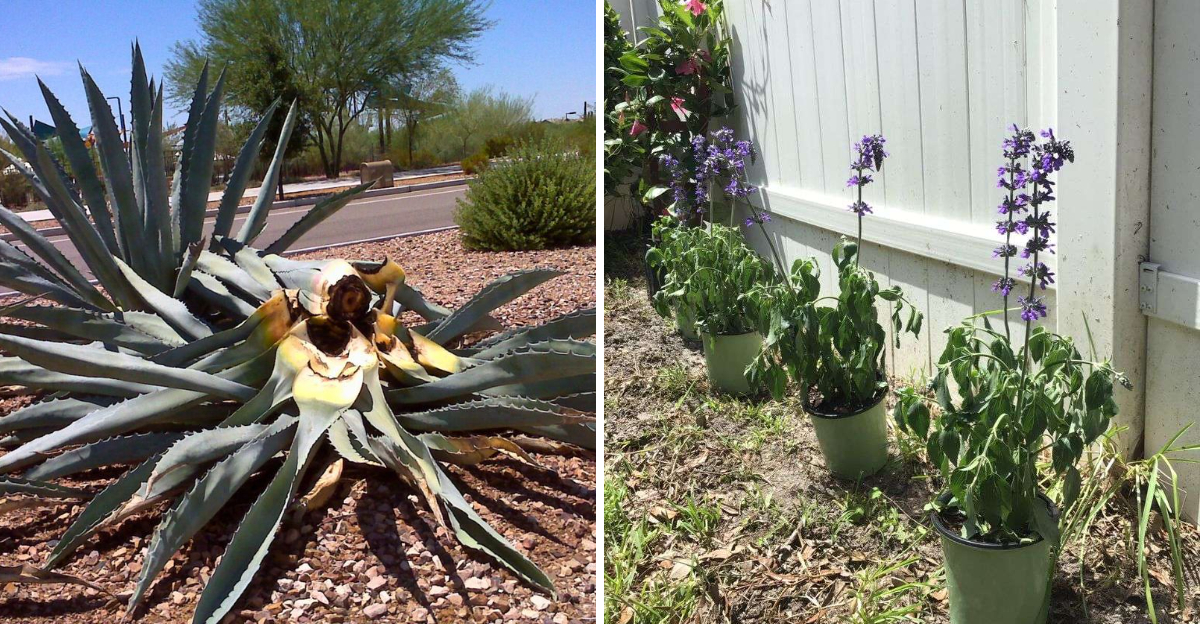
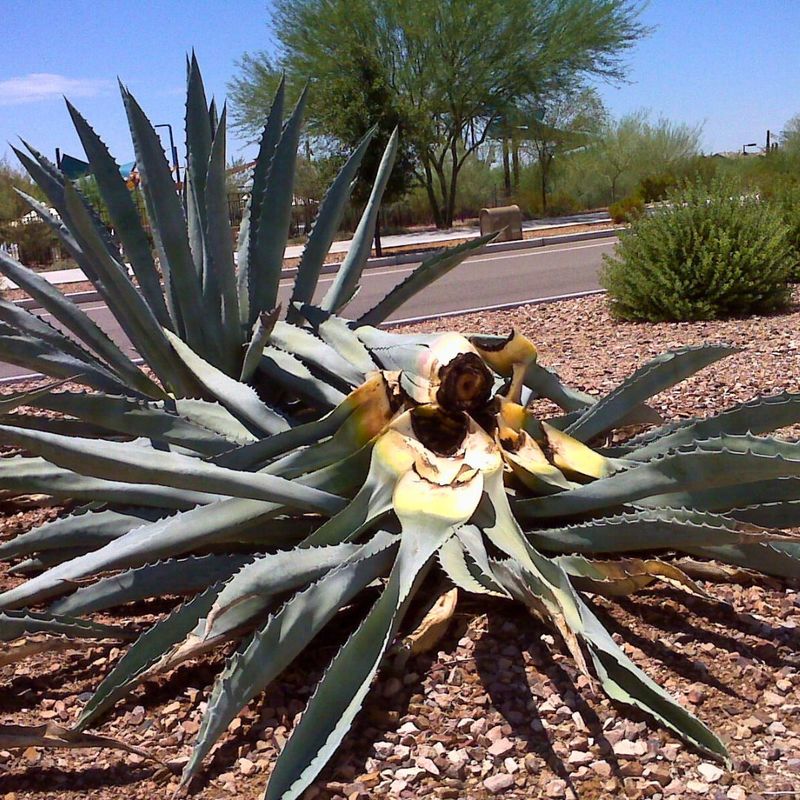
Soft, mushy leaves near the center of the plant are one of the clearest signs of overwatering in agave.
The leaves may also turn yellowish or brownish at the base, and the plant might start to lean or feel unstable in the soil. These are all symptoms of root rot working its way up from below.
Agaves store water inside their thick leaves, which is exactly why they handle dry conditions so well. When the surrounding soil stays wet, those roots begin to break down because they are sitting in conditions they were never designed for.
The plant cannot tell the difference between stored water and soil moisture, so it keeps pulling in more than it needs.
Well-draining soil is absolutely critical for agave. If you are planting in heavy Texas clay, raise the planting bed or mix in a generous amount of gravel and coarse sand. Agaves in containers need pots with wide drainage holes and a cactus-specific potting mix.
Most established agaves in Texas only need watering during extreme drought, and even then, only once every few weeks.
Young plants need slightly more, but always let the soil dry completely before watering again. Less is always more with this resilient plant.
5. Salvia
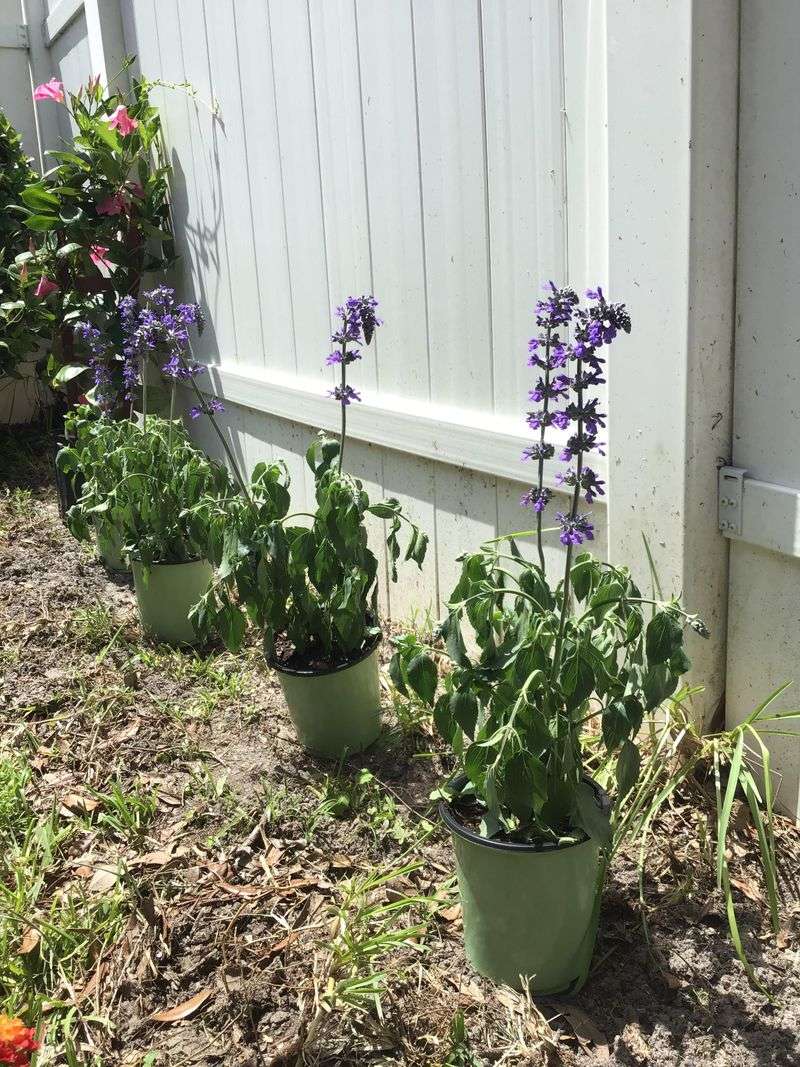
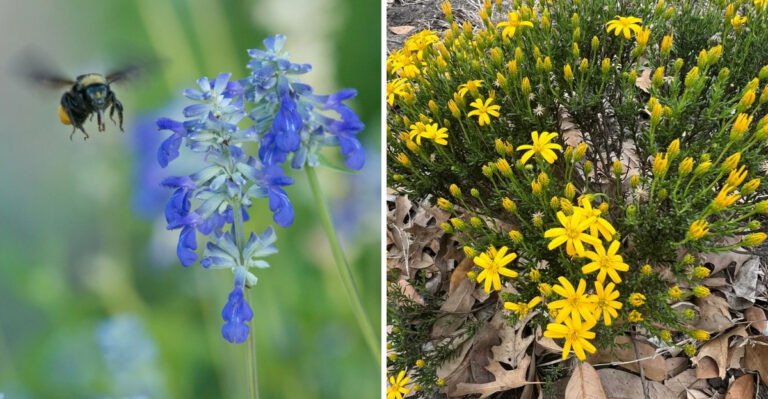
Walk through almost any Texas garden in summer, and you are likely to spot salvia. Its tall spikes of red, purple, or blue flowers attract hummingbirds and butterflies, and it handles the heat with impressive ease.
But when those flower spikes start drooping and the blooms disappear, something is off, and overwatering is often the reason.
Salvias have a strong preference for soil that drains quickly. Their roots need air as much as they need water, and when the soil stays saturated for too long, the roots struggle to function.
A salvia with constantly wet roots will droop, stop blooming, and eventually show yellowing foliage that looks a lot like sun or heat damage.
The tricky part is that drooping salvia in Texas summer heat looks identical whether the problem is drought or overwatering. The key is always to check the soil.
Push your finger two inches into the ground near the base of the plant. If it still feels damp or cool, skip the watering and check again in a day or two.
Salvia grows best in full sun with lean, well-draining soil. It actually blooms more when it is not overfed or overwatered.
Rich, soggy soil encourages leafy growth at the expense of flowers, which is the opposite of what most gardeners want.
Cutting back watering frequency and improving soil drainage usually gets salvia back on track within a couple of weeks. Once the roots dry out a bit and get some oxygen, the plant perks up and starts pushing out new flower spikes again.
6. Yucca
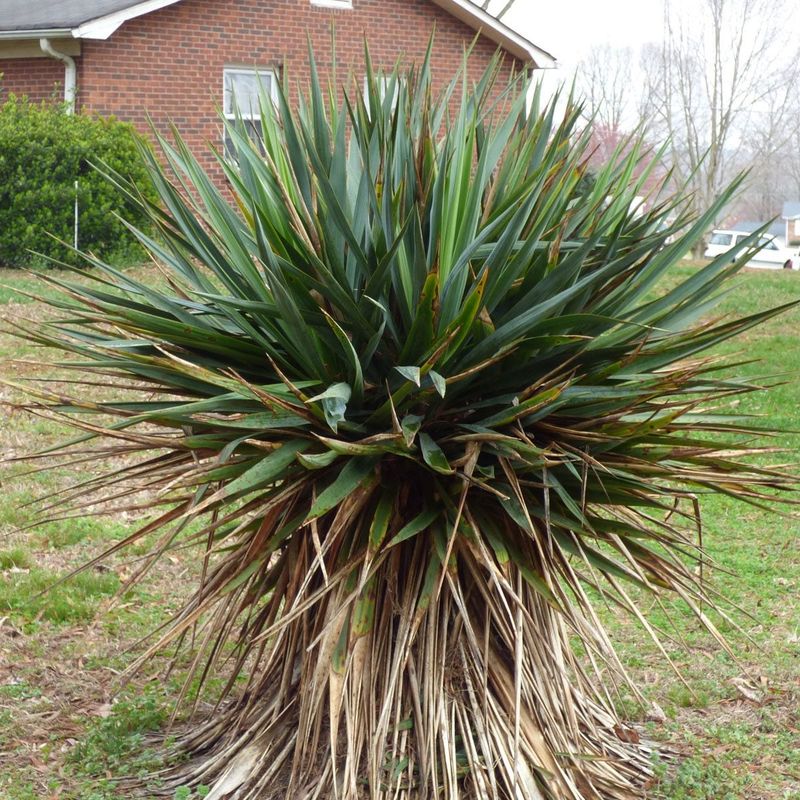
Yucca is practically a symbol of the Texas landscape. Its bold, sword-shaped leaves and dramatic flower spikes make it a standout in any yard, and it is famous for needing almost no care at all.
That low-maintenance reputation sometimes backfires, though, when well-meaning gardeners start watering it on the same schedule as everything else in the garden.
Yellow leaves are the most common sign that a yucca is getting too much water. The leaves start to lose their deep green color, turning pale yellow or even brown at the tips.
The base of the plant may feel soft or look darker than usual, which points to root rot developing underground where you cannot easily see it.
Yucca plants come from some of the driest parts of North America. Their roots are built to seek out deep moisture during dry spells, not to sit in wet soil.
Overwatering essentially confuses the plant and breaks down the root system that makes it so resilient in the first place.
Sandy or rocky soil is ideal for yucca. If your soil holds water, amend it with gravel and coarse sand, or plant yucca in a raised mound to help water drain away from the roots. Container yuccas need very fast-draining soil and pots with multiple drainage holes.
During the hottest Texas summers, watering an established yucca every three to four weeks is usually more than enough.
Newly planted yuccas need a bit more attention, but once established, they are happiest when left alone to do their thing in dry, sunny conditions.
7. Mexican Heather
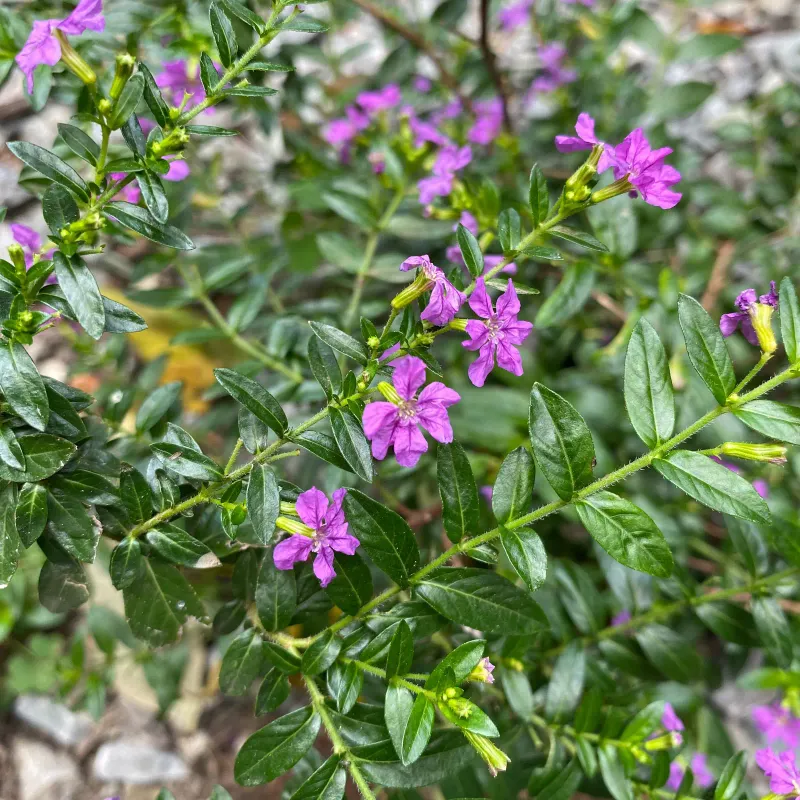
Mexican heather might be small, but it punches way above its weight in a Texas garden. Its tiny purple flowers bloom almost nonstop from spring through fall, and it fills in borders and containers with a lush, fine-textured look.
Despite its delicate appearance, it is remarkably tough in the heat. What it cannot handle, though, is constantly wet soil.
Gardeners often notice that Mexican heather growing in Texas heat looks sparse, pale, and produces fewer flowers than expected. The natural assumption is that the plant needs more water to cope with the high temperatures.
In reality, soggy soil is usually what is holding it back. Wet roots limit the plant’s ability to absorb nutrients, which leads directly to weak, stunted growth.
Unlike some drought-tolerant plants, Mexican heather does need regular moisture. The key word is regular, not excessive.
It prefers soil that stays evenly moist but never waterlogged. There is a big difference between moist and wet, and Mexican heather feels that difference immediately.
Good soil structure matters a lot for this plant. If your garden bed holds water after a rain, work in some compost and coarse sand to improve drainage before planting.
In containers, use a quality potting mix and make sure water flows freely out of the drainage holes after each watering.
Watering Mexican heather two to three times per week during peak summer heat is usually ideal in Texas. Always let the top inch of soil dry slightly between waterings.
With balanced moisture and good drainage, this little plant will bloom beautifully all season long.