Forget The Fence, Maryland’s Native Shrub Is Taking Over Backyards
Your fence might not be telling you the whole story.
It promises privacy, curb appeal, maybe even a little dignity, and then it warps, splinters, and quietly becomes the most expensive eyesore on the block.
Maryland homeowners have started to figure this out, and more of them are making the switch every season. A native shrub that does everything a fence does, except it actually gets better with age.
And it’s been here all along, growing quietly in Maryland’s wetlands and woodlands for centuries, waiting patiently for the rest of us to catch up.
Dense, evergreen, and surprisingly low-maintenance, it’s the kind of plant that makes your yard look intentional, like you knew something your neighbors didn’t. Spoiler: now you do.
One Shrub, Thousands Of Maryland Yards
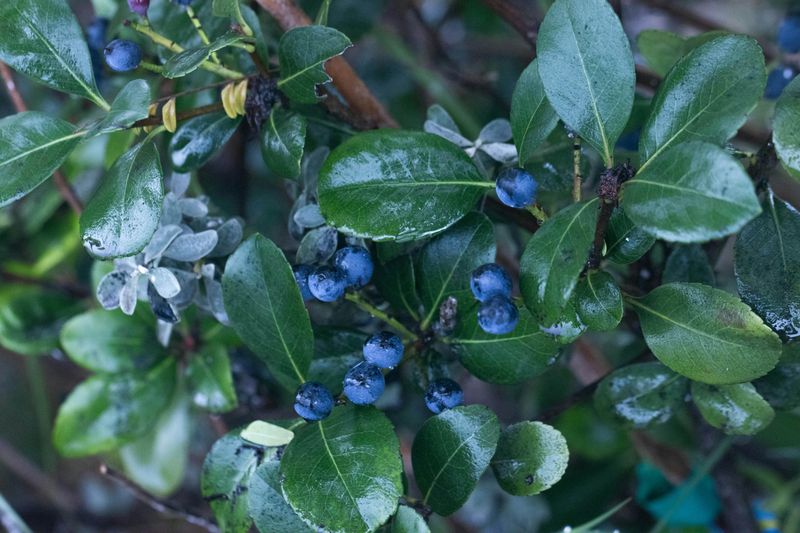
Image Credit: © Dany Goldraij / Pexels
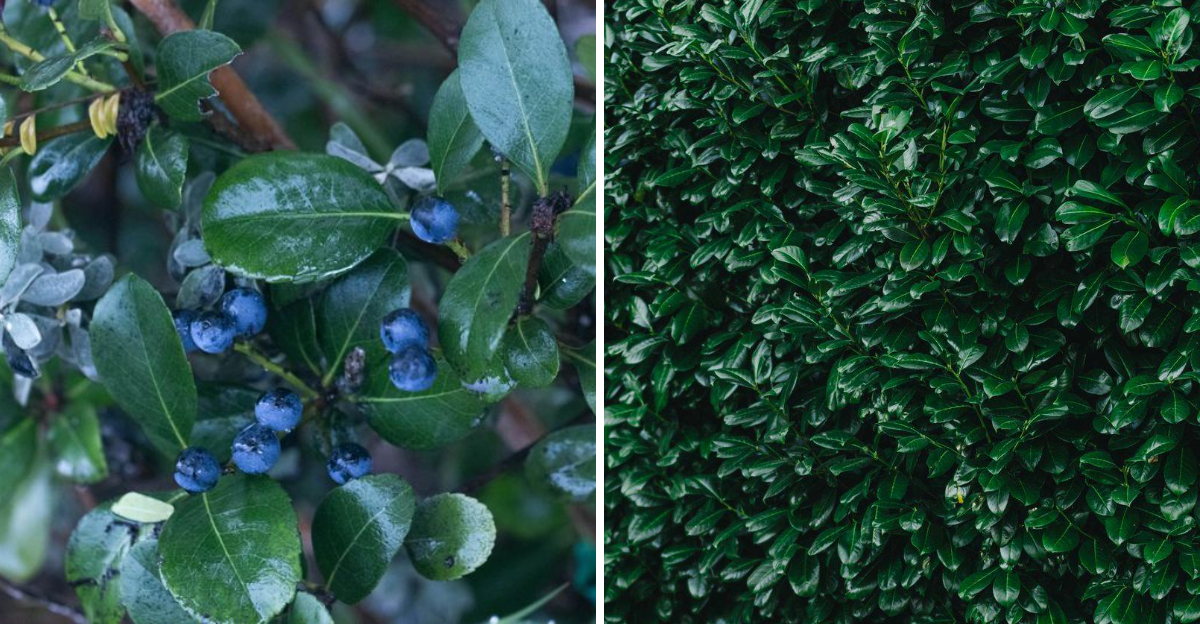
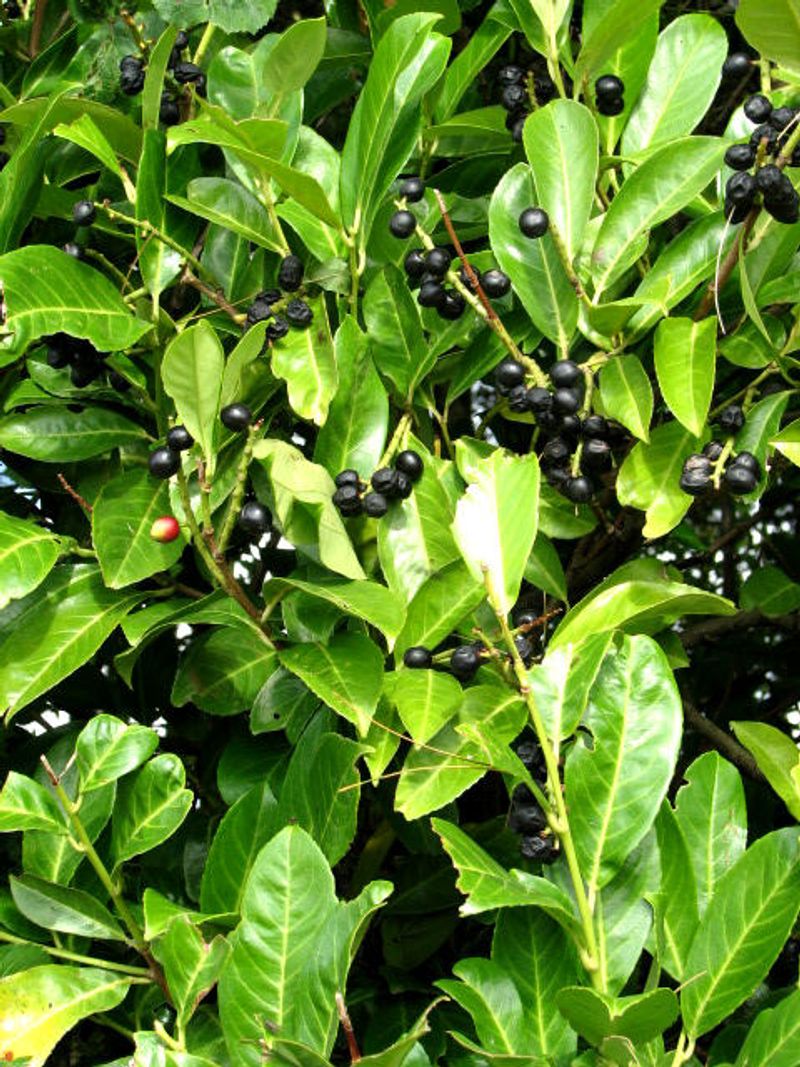
Inkberry holly has been growing quietly in the wild for centuries. Now, suddenly, it is everywhere.
Spend enough time driving through Maryland neighborhoods this spring and you will start to notice it.
That dense, dark green wall of leaves running along property lines where a wooden fence used to be. It thrives especially well in Maryland’s Coastal Plain and other suitable acidic, moist-to-well-drained sites.
Most gardeners are surprised by how little it actually needs. It just grows, steadily and reliably, doing exactly what you planted it to do.
Homeowners are tired of spending weekends on wooden fences that warp, rot, and splinter after a few harsh seasons.
Inkberry delivers a smarter alternative without the drama. Planted along property lines, it reaches six to eight feet tall and spreads naturally over time.
Birds love it.
Pollinators flock to its small white spring flowers.
And deer tend to leave it alone, which, if you have ever gardened in Maryland, you know is not something to take lightly.
This shift happening across Maryland yards is not just about aesthetics.
It is about choosing plants that belong here, plants that support local ecosystems without extra chemicals or effort.
Why It Works As A Year-Round Privacy Solution
Most privacy solutions have an off-season.
Wooden fences hold up until they don’t, and deciduous shrubs leave you exposed the moment temperatures drop.
Inkberry holly does neither. Even in the depths of winter, inkberry holds its deep green color when everything around it has gone grey and bare.
No gaps, no bare patches, no waiting for spring to feel shielded again.
And it only gets better with time.
In the first season or two, the shrubs will look modest and a little sparse.
By year three, you have a thick, layered wall of dark green that is genuinely hard to see through.
Unlike a fence that starts deteriorating the day it goes up, inkberry holly is an investment that compounds. Every growing season adds more height, more density, and more value to your property.
Plant it once and it works for you every single day of the year.
Inkberry Holly Vs. Privacy Fence
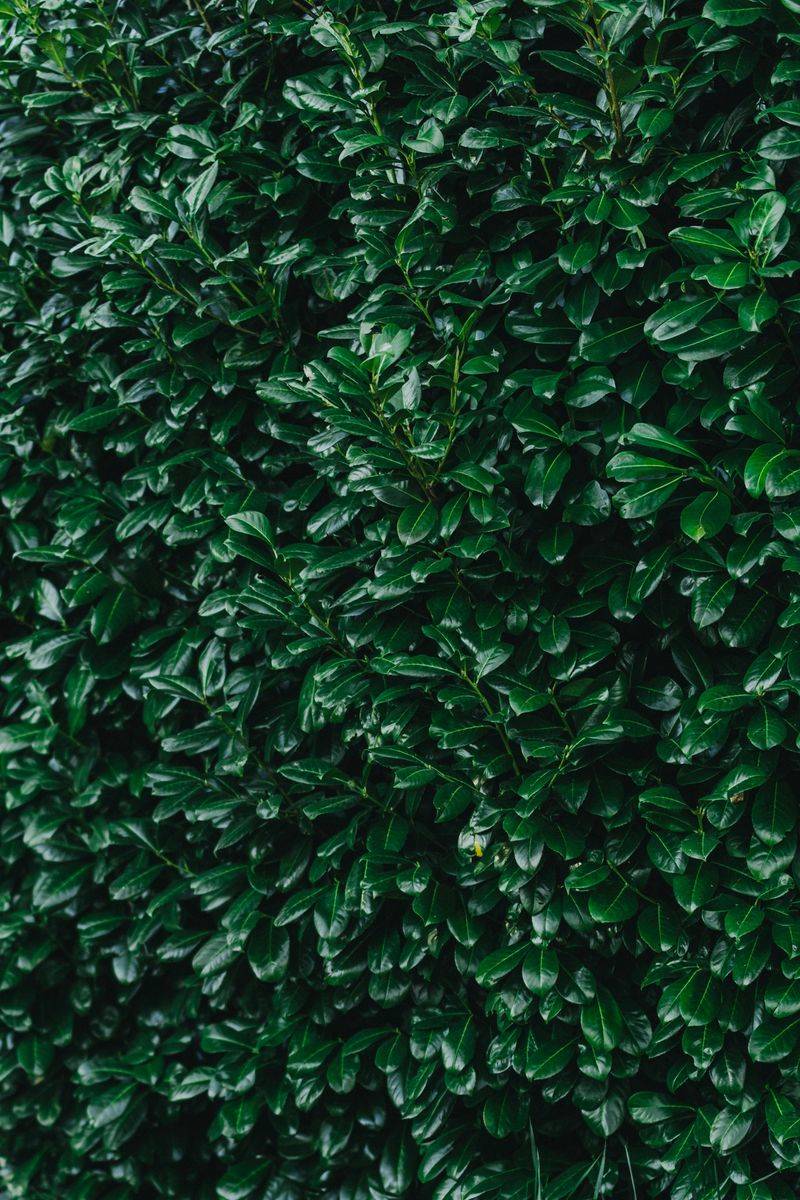
Image Credit: © V Marin / Pexels
Your Maryland Garden Changes Every Week. Your Plan Should Too.
Gardening in Maryland changes quickly throughout the season. Every Friday you’ll receive a simple weekly plan showing exactly what to plant, prune, fertilize, harvest, and protect so you never miss the right timing.
A wooden fence is expensive to install and that is just to get it standing.
Repairs, staining, and replacement after a decade of wear? That is a whole other bill.
Inkberry holly, by contrast, costs a fraction of that upfront and keeps growing stronger every year. The math starts to feel obvious pretty fast.
Beyond cost, consider what each option actually gives you. A fence is static, a flat wall of wood or vinyl that blocks wind and sight but offers nothing else.
It does not cool your yard, filter the air, or give anything back to the environment around it. Inkberry holly creates a living wall that filters air, absorbs sound, and provides habitat for dozens of local species.
It earns its place every single season.
Privacy is the biggest concern for most homeowners, and inkberry delivers.
Maintenance is another category where inkberry wins.
Fences need paint, nails, and occasional board replacement. Inkberry maintenance is minimal compared to any fence.
If you are keeping score, the shrub is winning, by a lot.
Year-Round Greenery And Winter Interest
Most shrubs look completely defeated by January, bare sticks poking out of frozen ground like forgotten skeletons.
Inkberry holly refuses to follow that script.
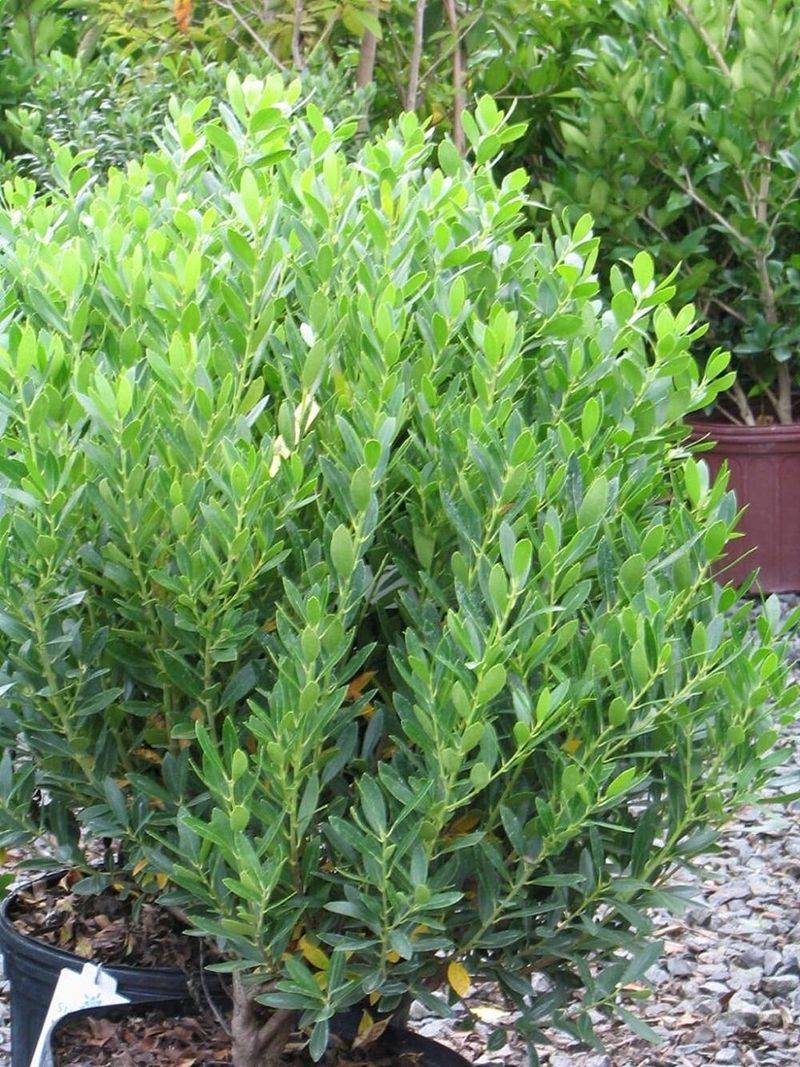
Even during Maryland’s coldest months, those glossy dark green leaves hold their color and shape with quiet confidence.
While neighboring plants drop their leaves and leave your yard exposed, inkberry keeps its dense foliage all year long.
A fence gives you the same flat wall in January as it does in July. Inkberry gives you something that actually looks alive, because it is.
The small black berries that cling to the branches through winter are an added bonus. They look striking against snow and provide critical food for birds when other sources have disappeared.
Plant inkberry and your yard becomes a quiet refuge when the rest of the neighborhood goes dormant.
One important note about inkberry in cold weather: it can experience some bronzing of the leaves when temperatures get extreme.
The leaves may shift toward a slightly purplish tone, but they bounce back quickly once spring arrives.
This temporary color change is completely normal and does not signal damage.
If anything, it adds a little winter character to your yard that no fence could ever pull off.
Choosing a shrub that performs in every season is a smart move for any Maryland yard.
Wildlife Benefits Of Inkberry Holly
Picture this: a cedar waxwing lands on your inkberry hedge at dawn, plucks a cluster of black berries, and disappears into the morning fog. That kind of moment does not happen with a vinyl fence.
Inkberry holly turns your backyard into a genuine wildlife corridor, and that is not an exaggeration.
The shrub produces small white flowers in late spring that attract native bees and other pollinators.
These blooms are not showy, but insects find them reliably. On a warm afternoon, a single mature plant can feel like a quiet, buzzing ecosystem all on its own.
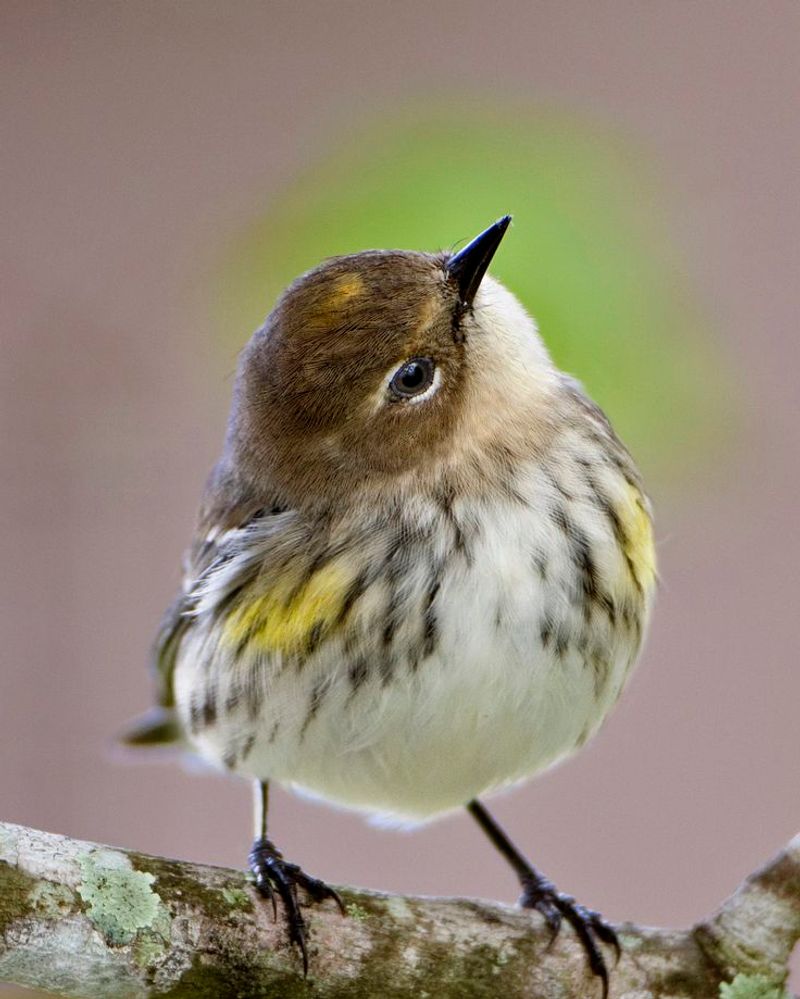
Come fall and winter, those flowers become clusters of dark berries that more than thirty species of birds are known to eat.
Bluebirds, yellow-rumped warblers, and hermit thrushes are among the regulars. For migrating birds passing through Maryland, a yard full of inkberry holly is basically a rest stop with a full buffet.
Some of them will linger longer than you expect.
Beyond birds and bees, the dense branching structure provides nesting cover for small songbirds.
The thick foliage shields nests from wind and predators better than most ornamental shrubs can.
Your yard stops being just a yard and starts being part of something larger, a small but meaningful piece of Maryland’s ecosystem.
Conservation that starts in your backyard and costs nothing but a Saturday afternoon.
Where It Grows Best In Maryland
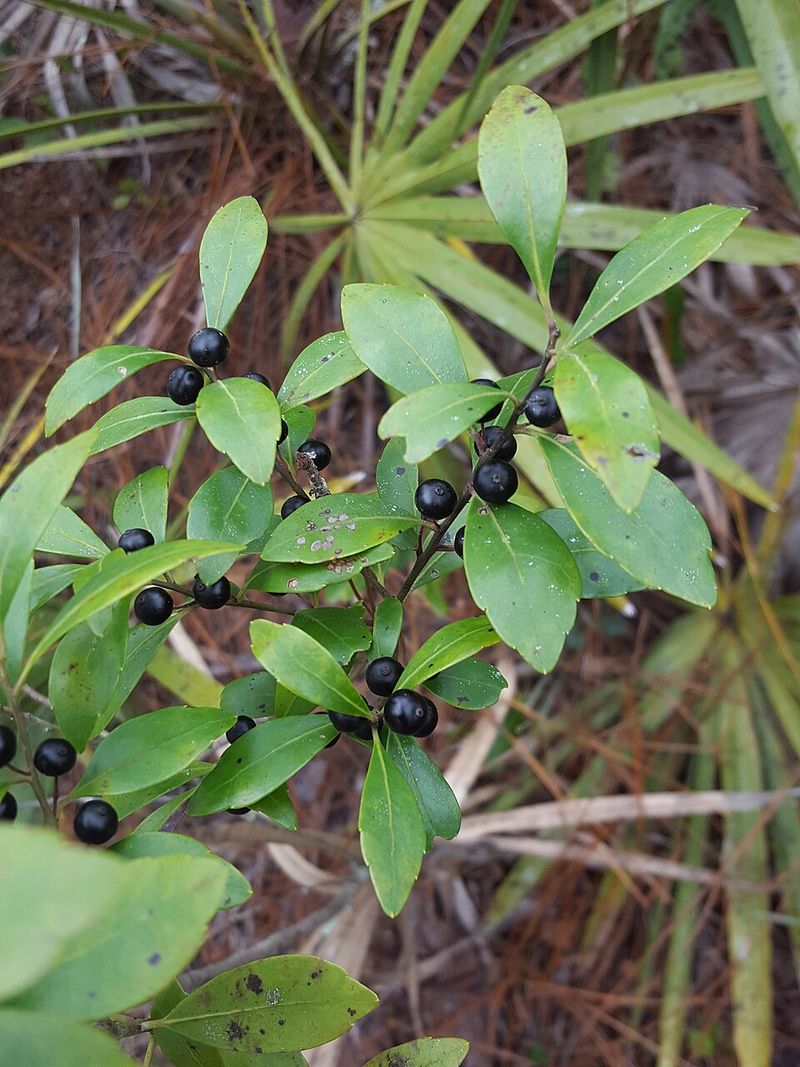
Inkberry holly is native to the eastern United States, which means Maryland’s climate is essentially its home turf.
It performs well across most of the state, from the humid lowlands of the Eastern Shore to the cooler elevations of Western Maryland.
It tolerates wet soil better than most shrubs, making it an excellent choice for yards with drainage issues or low-lying areas where other plants struggle.
Full sun to partial shade both work, though it tends to fill in more densely with more light.
If you have a soggy corner of your yard that nothing else seems to thrive in, inkberry holly is likely your answer.
Unlike many ornamental shrubs that demand specific conditions, inkberry is remarkably adaptable.
It handles clay soil and sandy soil without much complaint.
Maryland’s humid summers, which can be tough on less resilient plants, are conditions inkberry is built for.
It handles hard freezes well and picks up exactly where it left off come spring.
For homeowners near the Chesapeake Bay or along river corridors, inkberry holly is particularly well suited. It stabilizes soil, filters runoff, and supports native wildlife that depends on healthy riparian edges.
Planting it along your property line in those areas is not just a landscaping decision.
Small yard. Real impact.
The Bay notices.
What To Do After You Buy It
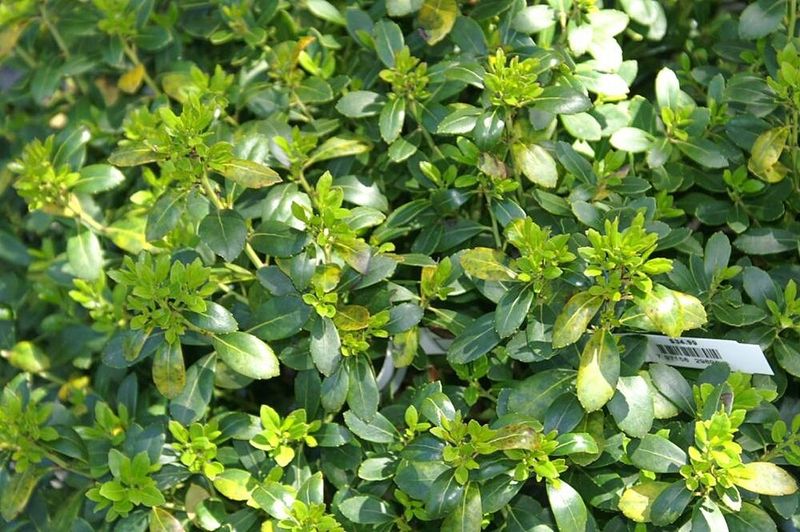
Planting inkberry holly is straightforward enough that most homeowners do it themselves in an afternoon.
The best time to plant is early spring or fall, when temperatures are mild and the shrub can establish its roots before facing extreme heat or cold.
Dig a hole roughly twice as wide as the root ball and just as deep.
Place the shrub so the top of the root ball sits level with the surrounding soil, backfill, and water thoroughly.
For a privacy hedge, space your plants about three feet apart.
This gives each shrub room to develop while ensuring the row fills in within a few growing seasons.
Mulch around the base to retain moisture and suppress weeds, keeping it a few inches away from the stem.
Watering matters most in the first season.
Check the soil regularly and water when the top inch feels dry.
Once established, inkberry holly is largely self-sufficient and handles Maryland’s rainfall without much intervention.
Pruning is optional but keeps the hedge looking intentional.
A light trim once a year in late winter or early spring is all it takes.
Avoid heavy pruning in fall, as this can remove the berry clusters that birds depend on through winter.
That is genuinely all there is to it.
No special fertilizers, no seasonal treatments, no complicated maintenance schedule.
Plant it, give it a season to settle in, and let it do what it has always done.