The Arizona Watering Habit That Helps Lemongrass Grow Faster
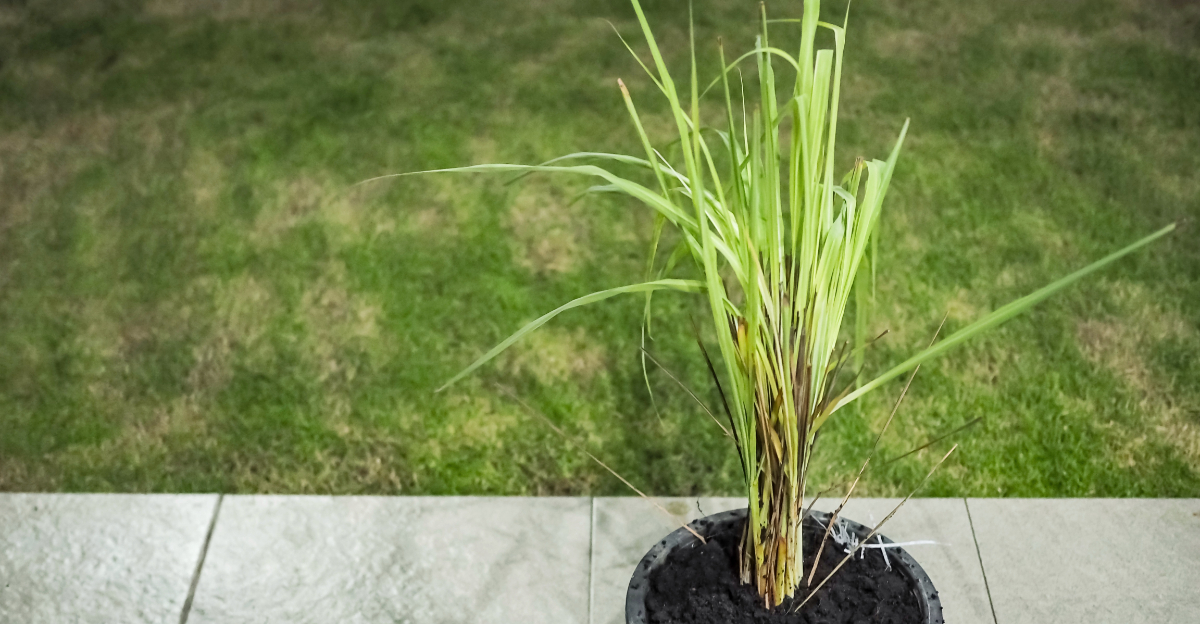
Lemongrass usually looks strongest right when the weather starts heating up, which is why so many gardeners get confused when the plant suddenly slows down anyway.
Fresh stalks stop thickening, newer blades lose some color, and the whole plant starts looking stuck instead of vigorous.
Most people assume the problem comes from sunlight or fertilizer first. In reality, watering habits often make the biggest difference once Arizona days start staying hot for longer stretches.
Small timing changes can completely affect how lemongrass responds during late spring and early summer.
One routine in particular helps the roots stay more active, which usually leads to faster growth, fuller clumps, and stronger looking stalks without making the soil constantly soggy.
1. Deep Morning Watering Helps Lemongrass Grow Faster
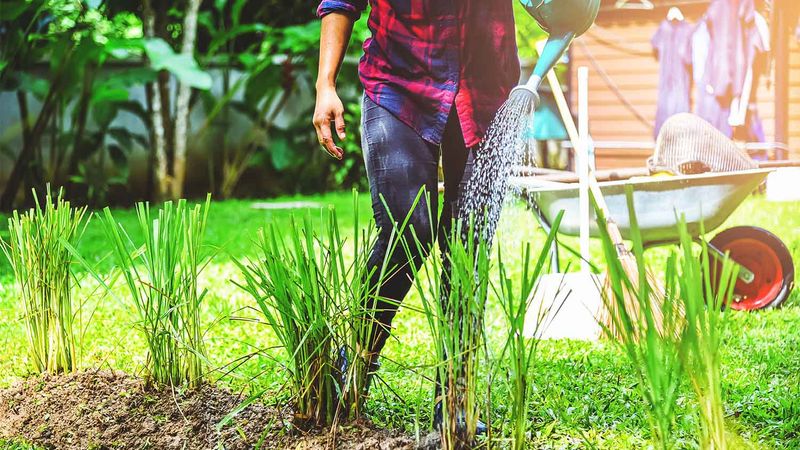
Before the Arizona sun turns aggressive, early morning watering gives lemongrass the best possible start. Watering deeply in the morning allows moisture to soak down into the root zone before heat begins pulling it back out through evaporation.
Roots that receive consistent deep watering tend to grow downward rather than spreading near the surface, and that depth makes a real difference in how plants handle extreme afternoon heat.
A slow, steady soak lasting 20 to 30 minutes works far better than a quick rinse. When water penetrates six to eight inches below the surface, roots follow it down, anchoring the plant more firmly and accessing cooler soil layers during peak heat hours.
Shallow sprinkles, by contrast, encourage roots to stay near the top where soil temperatures in Arizona can reach damaging levels by midday.
Morning watering also reduces the risk of fungal issues that can develop when foliage stays wet overnight.
Wet leaves in warm nighttime conditions create an environment where certain leaf problems can take hold, so getting water onto the soil rather than the plant itself matters.
2. Dry Topsoil Does Not Always Mean More Water Is Needed
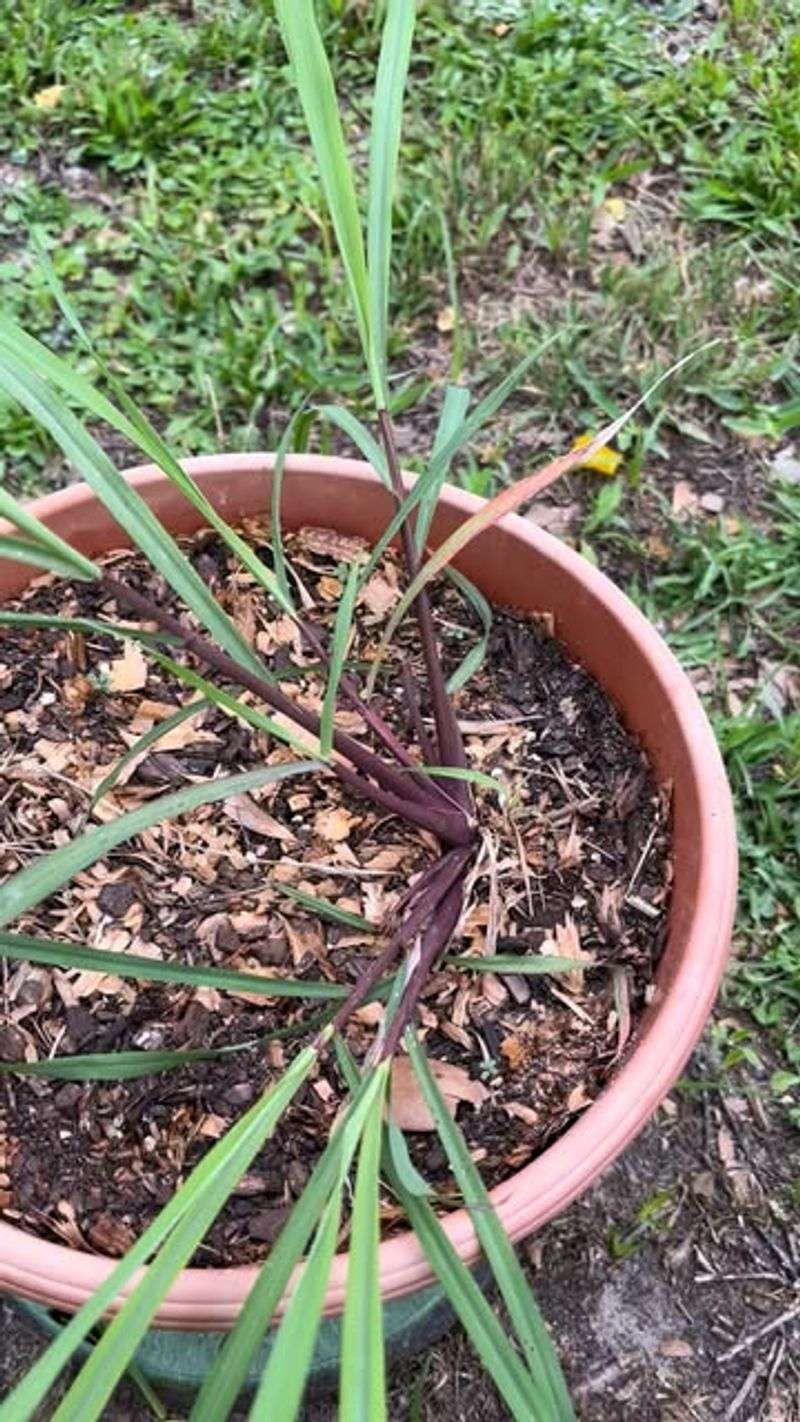
Crusty, dry soil on top does not tell the whole story about what is happening a few inches below.
In Arizona, surface soil can look bone dry within an hour of watering because of intense sun and low humidity, while deeper soil layers still hold adequate moisture for roots.
Grabbing a trowel and checking two to three inches below the surface gives a far more accurate picture of whether your lemongrass actually needs water.
Overwatering based on misleading surface appearance is one of the most common mistakes Arizona gardeners make with lemongrass.
Roots sitting in waterlogged soil struggle to absorb oxygen, which slows growth and weakens the plant over time.
Lemongrass prefers soil that dries out slightly between waterings rather than staying constantly wet, even in desert heat.
A simple finger test works well for most home gardeners. Push your finger about two inches into the soil near the base of the plant.
If it feels slightly moist or cool, watering can wait another day. If it feels completely dry at that depth, it is time to water.
Keeping a small watering journal for the first growing season in Arizona can help you spot patterns specific to your yard, your soil mix, and your microclimate.
Your Arizona Garden Changes Every Week. Your Plan Should Too.
Gardening in Arizona changes quickly throughout the season. Every Friday you’ll receive a simple weekly plan showing exactly what to plant, prune, fertilize, harvest, and protect so you never miss the right timing.
3. Fast Draining Soil Keeps Roots In Better Shape
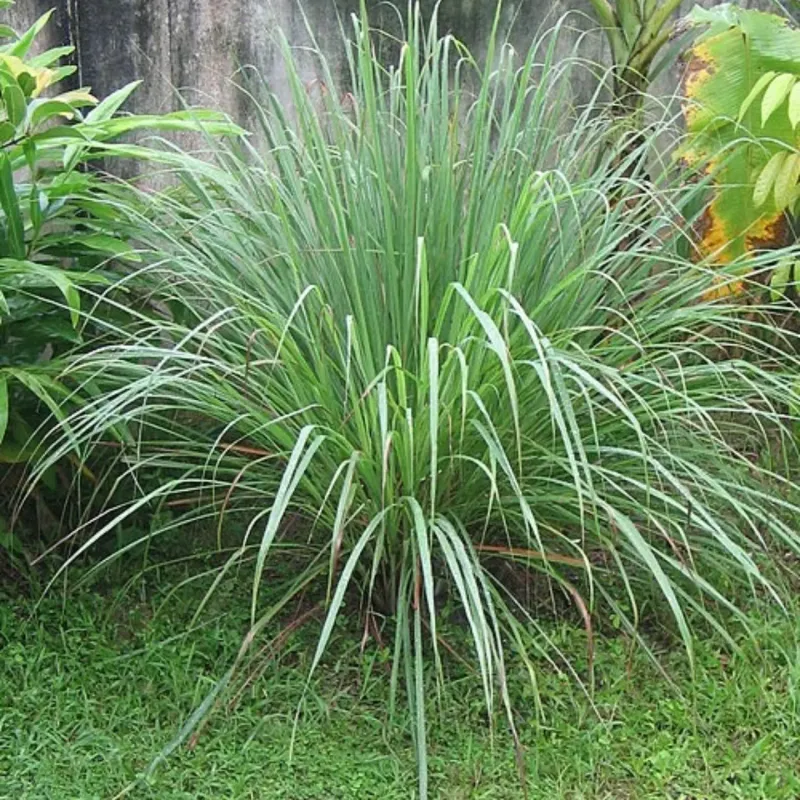
Soil that holds water too long is quietly one of the biggest obstacles to growing strong lemongrass in Arizona.
Even though the desert climate feels dry, heavy clay-based soil can trap moisture around roots for hours after watering, and that prolonged saturation limits root development.
Lemongrass roots need both water and air to grow efficiently, and compacted or poorly draining soil cuts off the air side of that equation.
Mixing coarse sand or perlite into native Arizona soil before planting improves drainage noticeably. A ratio of roughly one part amendment to three parts native soil gives roots room to breathe while still retaining enough moisture to support steady growth.
Raised beds with a loose, well-draining mix often produce more vigorous lemongrass than in-ground planting in heavy desert soils.
Root health directly influences how fast lemongrass grows above ground. Plants with well-developed root systems draw water and nutrients more efficiently, which supports faster stalk production and denser clumping over the growing season.
Well-draining soil also reduces the risk of root rot, a condition that can quietly slow or stop growth without obvious visible signs until the damage is already significant.
4. Afternoon Shade Reduces Stress During Extreme Heat
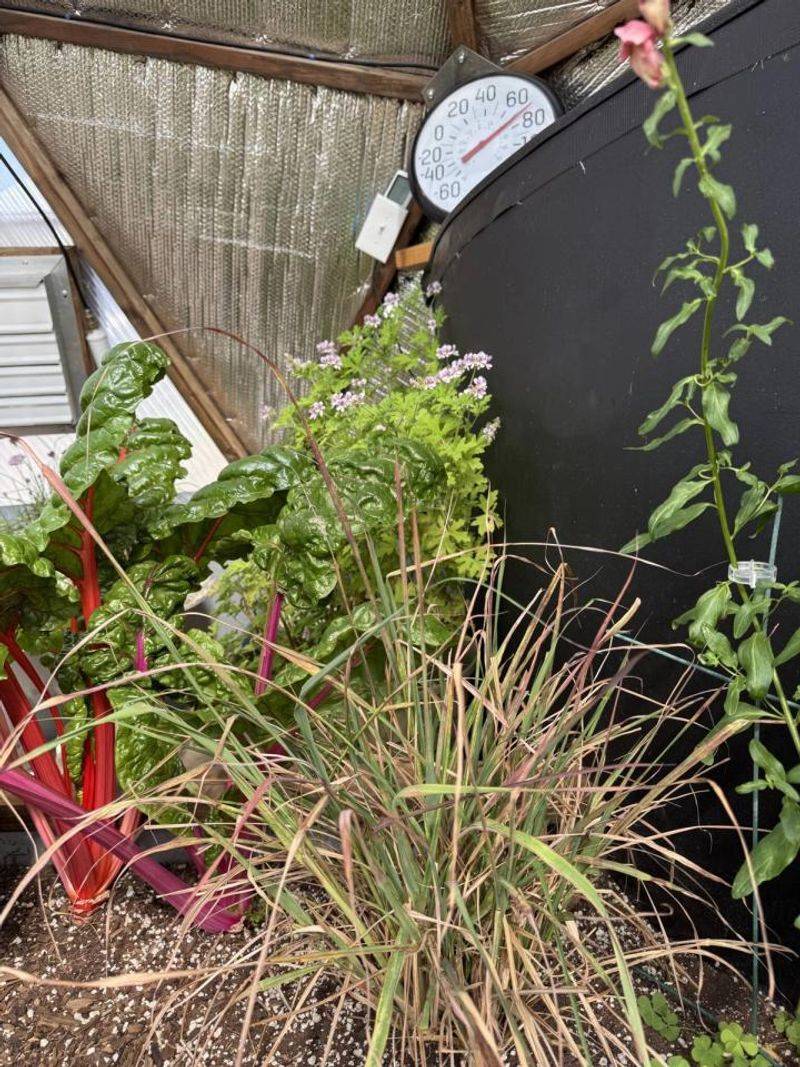
When temperatures in Arizona push past 108 degrees in July and August, even heat-tolerant plants like lemongrass can show signs of stress.
Leaf tips turning brown or curling inward are common indicators that the plant is losing moisture faster than its roots can replace it.
Providing partial afternoon shade during the hottest weeks of summer can meaningfully reduce that stress and support more consistent growth.
Shade cloth rated at 30 to 40 percent is a practical and affordable option for Arizona gardeners.
Positioned to block direct sun from roughly 1 p.m. to 4 p.m., it lowers leaf surface temperature without cutting off the morning light that lemongrass genuinely benefits from.
Full shade is not the goal and can actually slow growth by limiting photosynthesis, so partial filtering during peak heat hours strikes a better balance.
Planting lemongrass on the east side of a wall, fence, or taller plant can also provide natural afternoon shade without any extra equipment.
East-facing spots receive strong morning sun, which lemongrass handles well, and benefit from structural shade as the sun shifts west in the afternoon.
Observing how shadows move across your Arizona yard throughout the day is a useful exercise before choosing a permanent planting location.
5. Older Stalks Benefit From Occasional Thinning
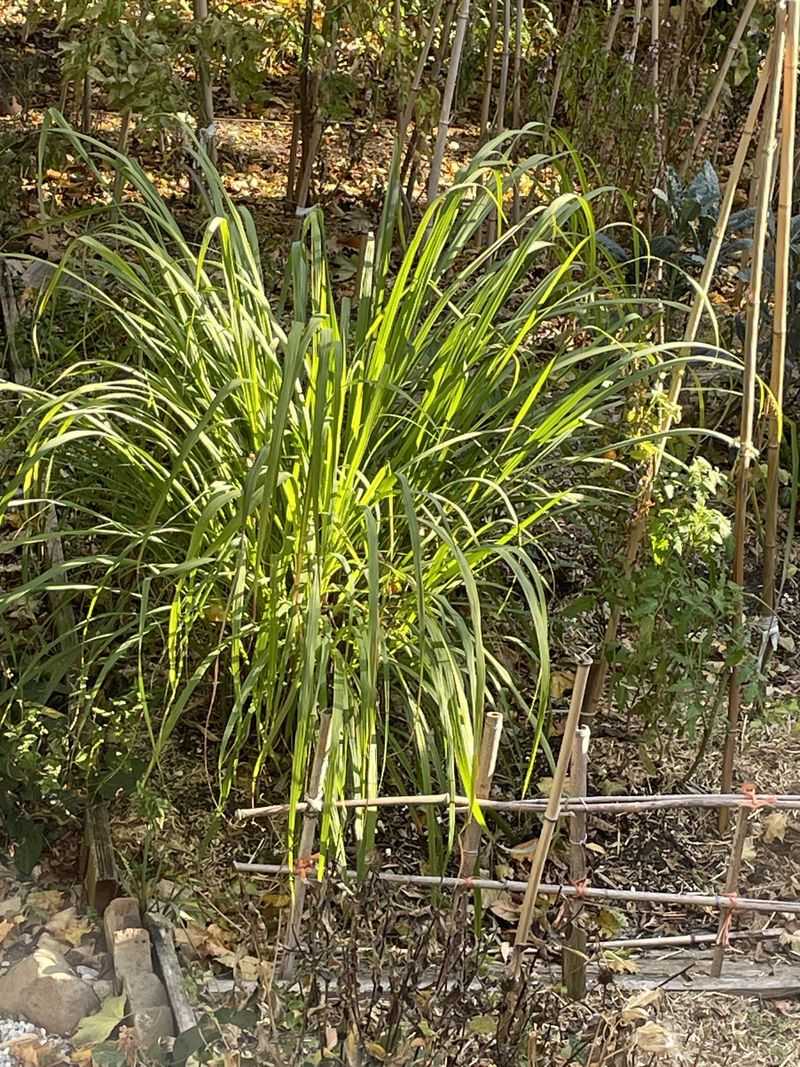
Lemongrass clumps grow outward from the center, and over time older outer stalks can crowd the newer growth trying to push through.
In Arizona, where the growing season stretches long and plants can develop into large, dense clumps by late summer, thinning becomes a genuinely useful habit rather than an optional one.
Removing older, woodier stalks every few weeks during the active growing season allows air and light to reach the center of the plant more effectively.
Thinning does not need to be dramatic to be helpful. Pulling or cutting away three to five of the oldest outer stalks every few weeks keeps the clump from becoming too dense.
Older stalks tend to be tougher, paler at the base, and less productive than the younger growth pushing up from the center. Removing them redirects the plant’s energy toward producing new, vigorous stalks rather than maintaining older material.
Thinning also improves airflow through the clump, which can reduce the chance of moisture-related leaf issues developing in the humid pockets that form inside tightly packed growth.
In Arizona, where outdoor humidity is generally low, this matters less than in wetter climates, but it still contributes to overall plant health during the monsoon season when humidity rises.
6. Shallow Watering Often Leads To Weaker Roots
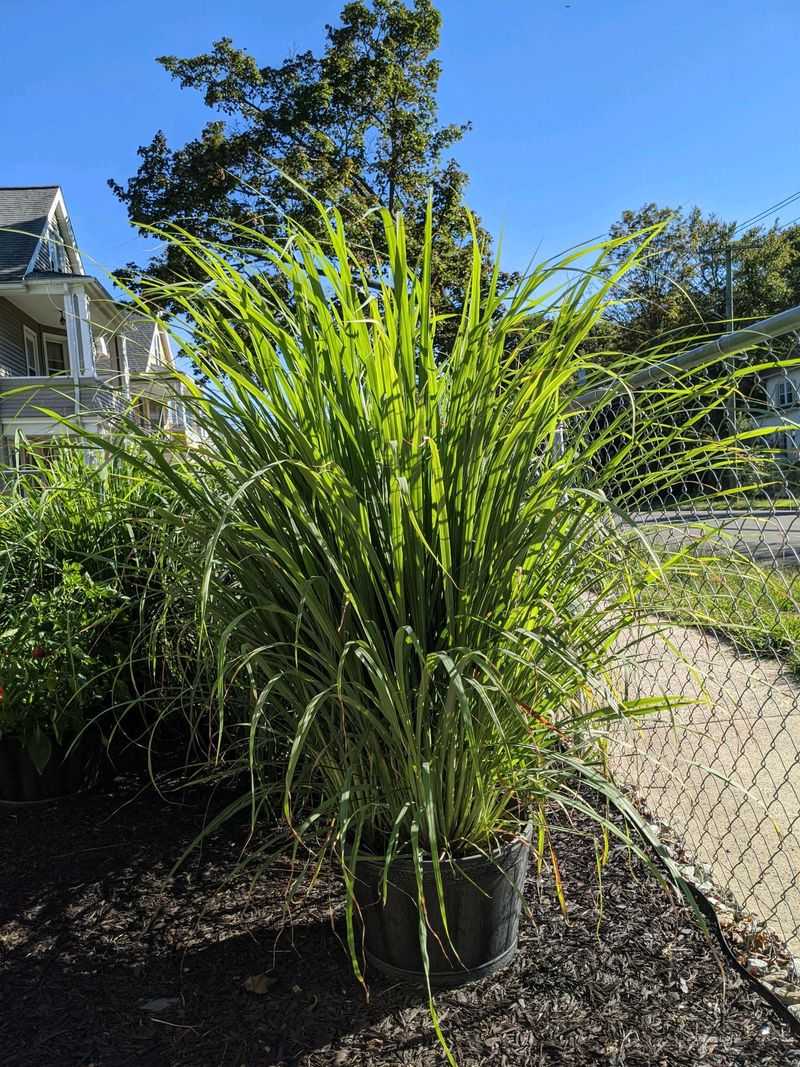
Quick, light watering sessions might seem efficient, but they quietly work against lemongrass development over time. When only the top inch or two of soil gets moistened, roots have no reason to grow deeper.
Staying near the surface exposes those roots to the most extreme temperature swings Arizona soil experiences, and plants with shallow root systems tend to show stress signs earlier and more intensely during heat waves.
Roots follow moisture. If water never reaches below two or three inches, roots cluster near the surface where soil can reach scorching temperatures by early afternoon in an Arizona summer.
Deep watering, by contrast, draws roots downward into cooler, more stable soil layers where temperature fluctuations are less dramatic and moisture lingers longer after each watering session.
Switching from light daily watering to deeper sessions every two to three days typically produces stronger root development in lemongrass within a few weeks of the change.
You can verify improvement by carefully checking root depth when repotting or dividing a plant, where deeper, more branched roots are a clear sign of healthier development.
Patience matters here because roots take time to respond to changed watering habits, and results will not appear overnight.
7. Container Lemongrass Dries Out Faster In Wind
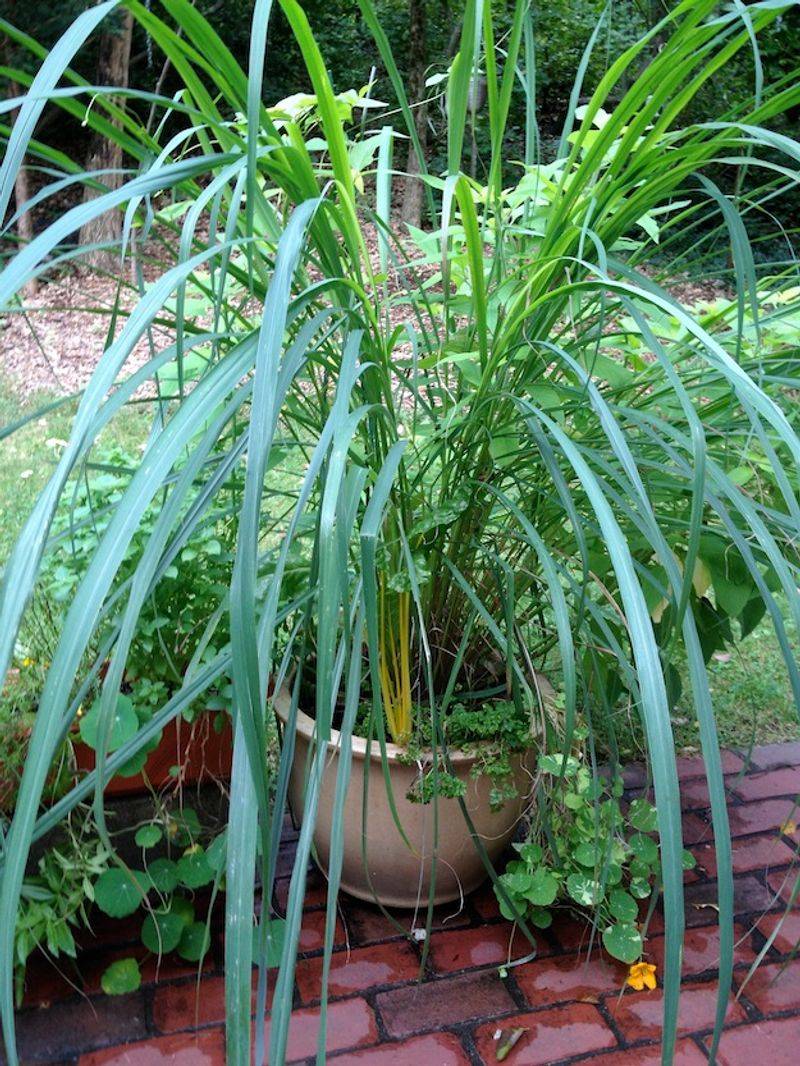
Growing lemongrass in containers is popular among Arizona gardeners who want flexibility, but pots come with a moisture challenge that in-ground plants do not face in the same way.
Wind accelerates moisture loss from both the soil surface and the leaves, and Arizona is no stranger to strong, dry winds, especially during spring and the early monsoon season.
A container that feels adequately moist in the morning can be surprisingly dry by late afternoon on a windy day.
Terracotta pots, while attractive and breathable, lose moisture faster than plastic or glazed ceramic containers.
In Arizona’s climate, switching to a thicker-walled container or placing a terracotta pot inside a slightly larger decorative pot creates a small buffer that slows moisture loss noticeably.
Using a moisture-retaining potting mix rather than a purely fast-draining one also helps container lemongrass hold water long enough between waterings to support steady growth.
Positioning containers in a sheltered spot, such as near a wall or under a covered patio, reduces wind exposure and slows evaporation meaningfully.
Checking container moisture more frequently during windy stretches rather than relying on a fixed watering schedule leads to better outcomes.