7 Florida Plants That Can Benefit From Wood Ash (And Where You Should Never Use It)
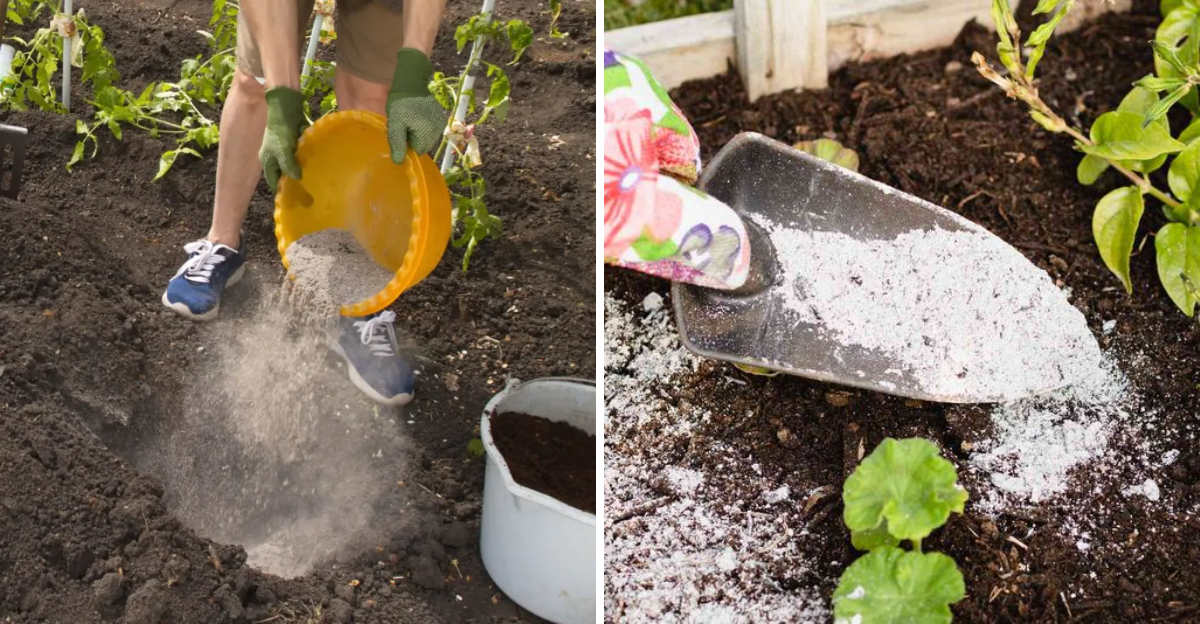
Florida gardeners are always hunting for ways to stretch a dollar in the garden, and wood ash gets thrown around as some kind of miracle fix. Sprinkle it here, dump it there, and watch your plants take off.
Sounds simple enough, but that kind of thinking gets a lot of Florida gardens into serious trouble fast. Wood ash does have its place.
A handful of plants genuinely benefit from it, and in the right spots, it can do some real good. But Florida soil already has a reputation for being alkaline in many areas, and wood ash raises pH quickly.
Use it in the wrong place and you are not just wasting your time, you are actively working against yourself. This is one of those garden additions where knowing the full picture matters before you touch a single plant.
Some spots it helps. Others it sets back for an entire season.
1. Feed Tomatoes Only After A Soil Test
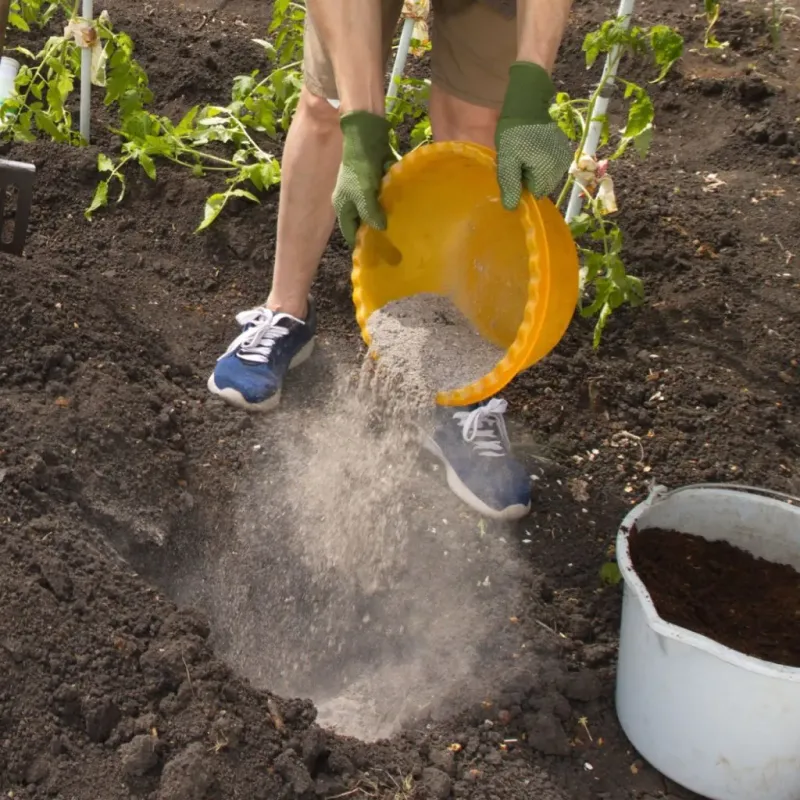
Tomatoes have a reputation for being picky, and sandy soil makes that reputation feel earned.
They prefer slightly acidic soil, somewhere in the range of 6.0 to 6.8 pH, and pushing that number too high can lock out nutrients and cause more problems than it solves.
Wood ash, while it contains potassium and calcium, can raise soil pH quickly, especially in the sandy, low-buffering soils common across much of the state.
Before adding any ash to a tomato bed, get a soil test through your local UF IFAS Extension office. Inland gardens with naturally acidic sandy soil are the most likely candidates for a small, cautious application.
Coastal gardens and limestone-influenced yards often lean alkaline already, so ash can make things worse instead of better.
If your test shows low pH and a potassium need, work a very light amount of clean, cooled ash into the soil before transplanting.
Never pile it around stems, never apply it right before heavy summer rain, and never use it as a fix for blossom-end rot without confirming that calcium deficiency is the cause.
A soil test tells you what your tomatoes actually need.
2. Give Peppers A Careful Potassium Boost
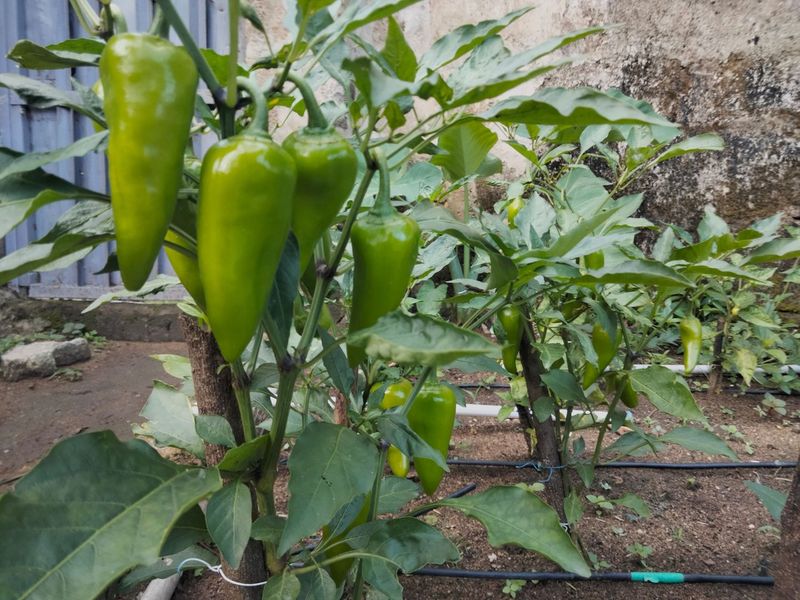
Peppers grown in heat can be surprisingly rewarding, but they are also sensitive to soil conditions. Like tomatoes, they prefer slightly acidic soil and can show signs of stress when pH climbs too high.
Wood ash may offer a modest potassium benefit, but only in situations where a soil test confirms both low pH and a genuine nutrient gap.
Gardeners in the southern part of the state and coastal plots often have naturally high pH, sometimes above 7.5, because of shell-heavy or limestone-influenced soil. Applying wood ash in those situations would only compound an existing alkalinity problem.
Even in inland Central or North Florida, where acidic sandy soils are more common, ash should be used sparingly. Also, it should be worked into the soil several weeks before planting rather than scattered around growing plants.
Mix a thin, even layer into the top few inches of soil if your test results support it. Avoid sprinkling ash directly around young pepper stems, as it can be caustic to tender plant tissue.
Your Florida Garden Changes Every Week. Your Plan Should Too.
Gardening in Florida changes quickly throughout the season. Every Friday you’ll receive a simple weekly plan showing exactly what to plant, prune, fertilize, harvest, and protect so you never miss the right timing.
Wear gloves when handling ash and keep it dry before use. A targeted fertilizer plan based on your actual soil test results will always do more for your pepper crop than guesswork with any amendment.
3. Use A Light Hand Around Eggplant
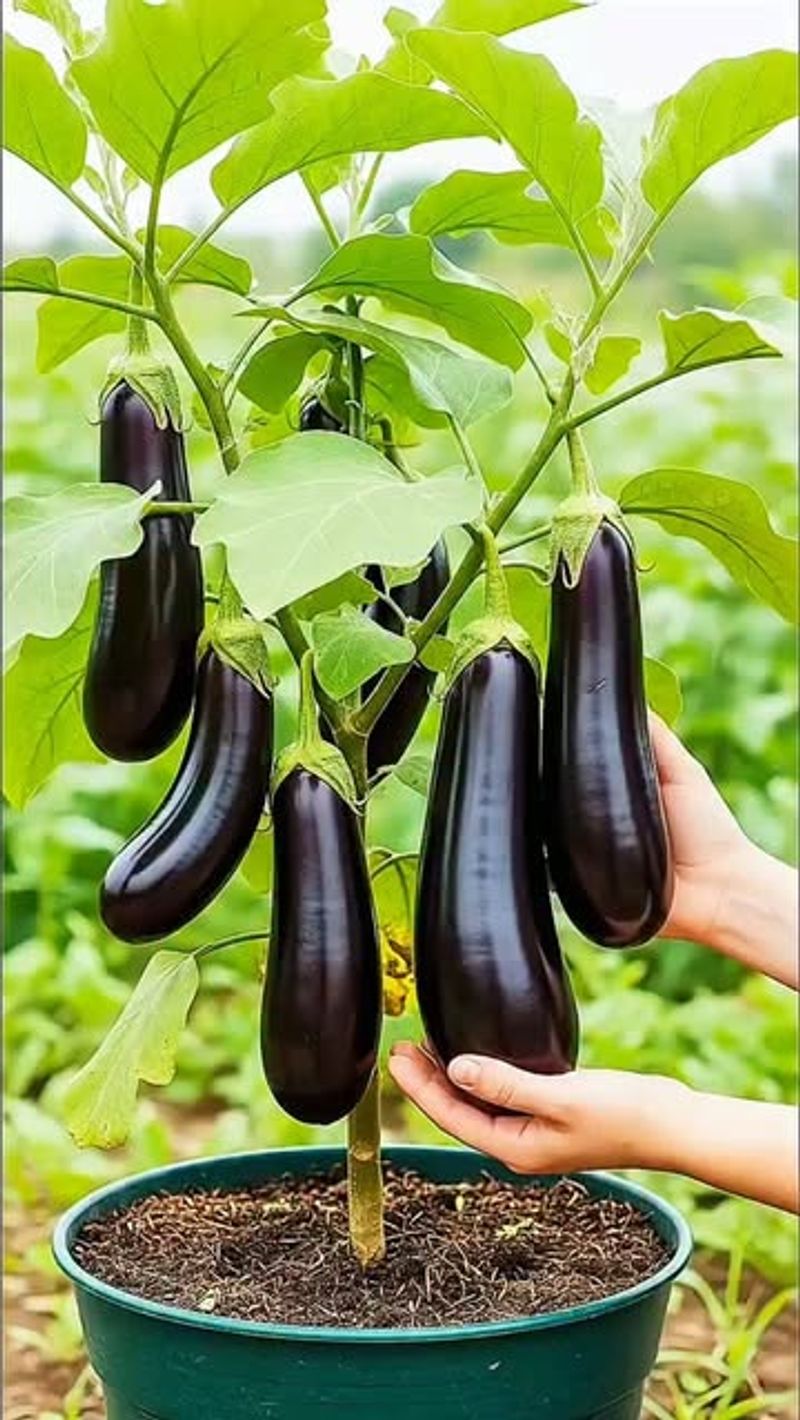
Eggplant thrives in a long warm season, and it rewards gardeners who pay attention to soil quality. Adequate potassium supports fruit development, but that does not mean wood ash is the right way to deliver it.
Eggplant generally prefers slightly acidic to near-neutral soil, and pushing pH too high can cause nutrient problems that show up as pale growth or poor fruiting.
Many vegetable beds already receive regular applications of balanced fertilizers, compost, or even lime-based amendments. Layering wood ash on top of that without testing first is a recipe for overloading the soil with calcium or raising pH beyond a useful range.
Sandy soils in particular can shift pH more quickly than heavier soils, so even a small amount of ash can have a noticeable effect.
Apply lightly and evenly, never in concentrated piles, and only after a soil test confirms the need. Raised beds and containers deserve extra caution because the volume of soil is limited and pH changes happen faster.
If you are unsure about the potting mix pH in a raised bed, skip the ash entirely and reach out to your local Extension office for guidance tailored to your specific setup.
4. Sprinkle Sparingly Near Okra Beds
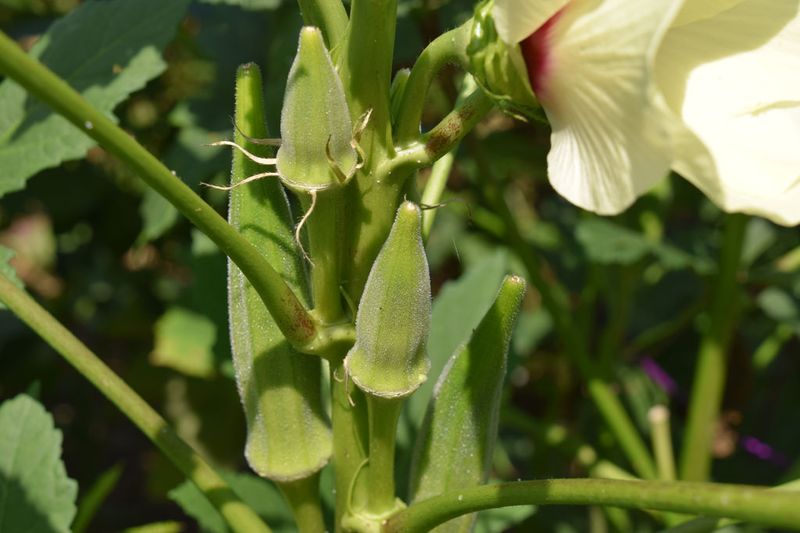
Okra handles heat better than many garden crops, but that does not mean the soil can be ignored.
Compared to tomatoes or peppers, it tolerates a slightly wider soil pH range, roughly 6.0 to 7.0. This means it may occasionally benefit from a light ash application when soil testing confirms low pH and a potassium need.
Still, that word occasionally deserves emphasis.
Sandy soils drain fast and leach nutrients quickly during the rainy season, which can create real potassium deficiencies over time. But fast drainage does not automatically mean the soil pH is low.
Coastal areas, shell-filled sites, and irrigated plots with high-pH water can all have alkaline conditions even in sandy soil. A soil test is the only way to know what you are actually working with before adding any amendment.
If the test supports it, work a thin layer of clean, cooled ash into the top few inches of soil before planting okra in spring. Never apply it right before a heavy rain event because it can wash off beds and into storm drains or nearby water.
Keep ash away from the base of plants and store any unused portion safely, dry, and out of reach of children and pets.
5. Support Collards In Acidic Soil Only
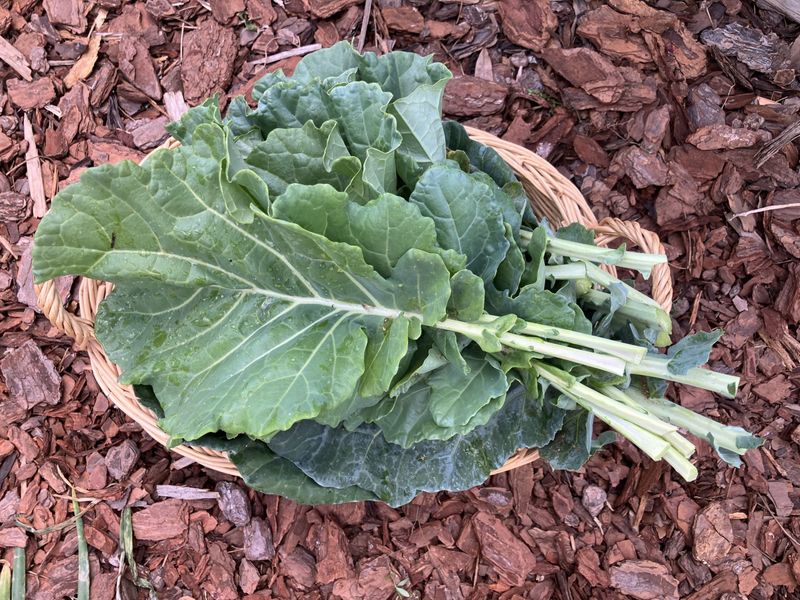
Collards are a cool-season staple in many gardens, especially in the northern and central parts of the state. They generally do well in pH ranges from about 6.0 to 7.0, which means a modest, well-timed ash application on confirmed acidic soil is not out of the question.
The key phrase there is confirmed acidic soil.
Nitrogen drives leafy growth in collards, and wood ash does not provide nitrogen. Relying on ash as a primary amendment for leafy greens skips the most important nutrient they actually need.
A complete, balanced fertilizer plan based on your soil test results is still essential, and ash would only be a minor supporting role at best, not a main event.
Northern and inland garden sites with naturally low pH sandy soils are the most reasonable candidates for a light application before fall planting. Coastal sites or areas with naturally alkaline conditions should skip ash entirely.
Never mix wood ash directly with nitrogen fertilizers because the combination can trigger ammonia loss and reduce fertilizer effectiveness. Apply ash separately only when a soil test supports it, work it lightly into the soil, and wear gloves to avoid irritating your skin.
6. Add Small Amounts Around Cabbage Crops
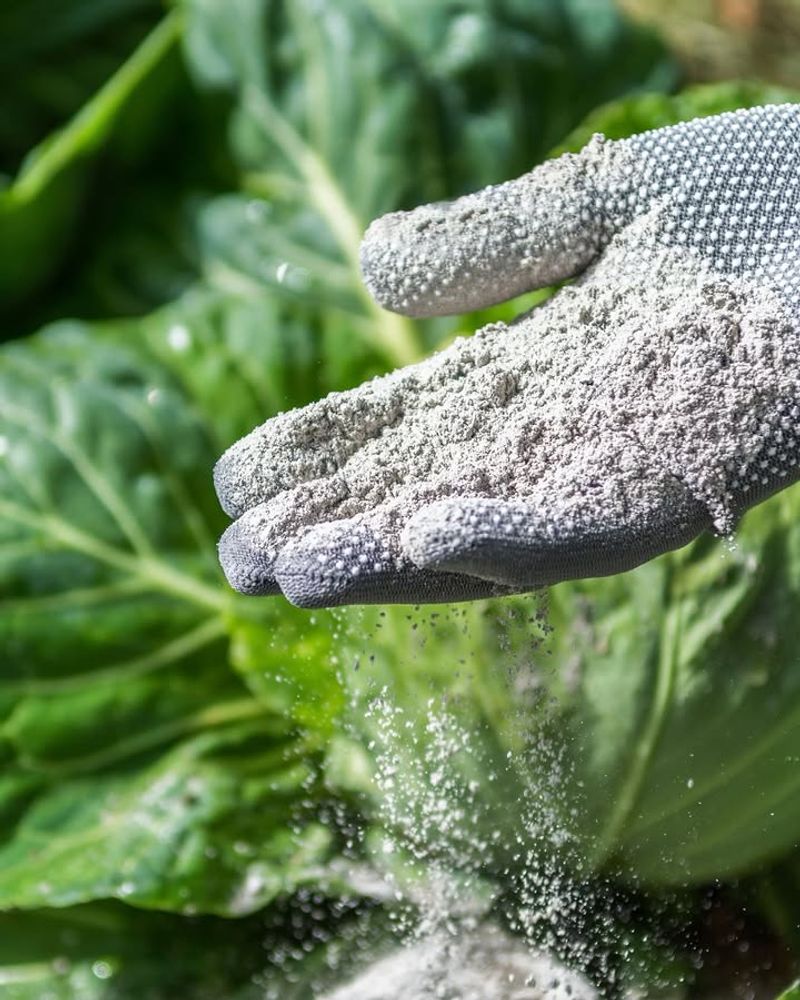
Cabbage, kale, broccoli, and their brassica cousins are cool-season crops here, best grown from fall through early spring depending on where you live in the state.
Trying to grow cabbage in a hot South Florida summer is a challenge the plant itself will resist. So timing matters as much as soil chemistry when planning any amendment strategy around these crops.
Brassicas generally prefer a soil pH between 6.0 and 7.0, which means they can tolerate a modest upward nudge in pH on genuinely acidic soil.
A light wood ash application worked into the soil several weeks before transplanting could be appropriate if a soil test confirms low pH and a potassium need.
But the decision still starts with that test, not with a bag of ash from last winter’s fires.
Regional timing differences are real. Gardeners up north can plant brassicas in fall and again in late winter.
Central and southern gardeners have narrower windows and different soil challenges.
Never prepare a summer brassica bed with wood ash in a region where the crop itself is poorly timed, because no amendment fixes a mismatch between crop and climate.
Keep ash away from young transplant stems and avoid applying before forecasted heavy rain.
7. Try It Near Established Fig Trees
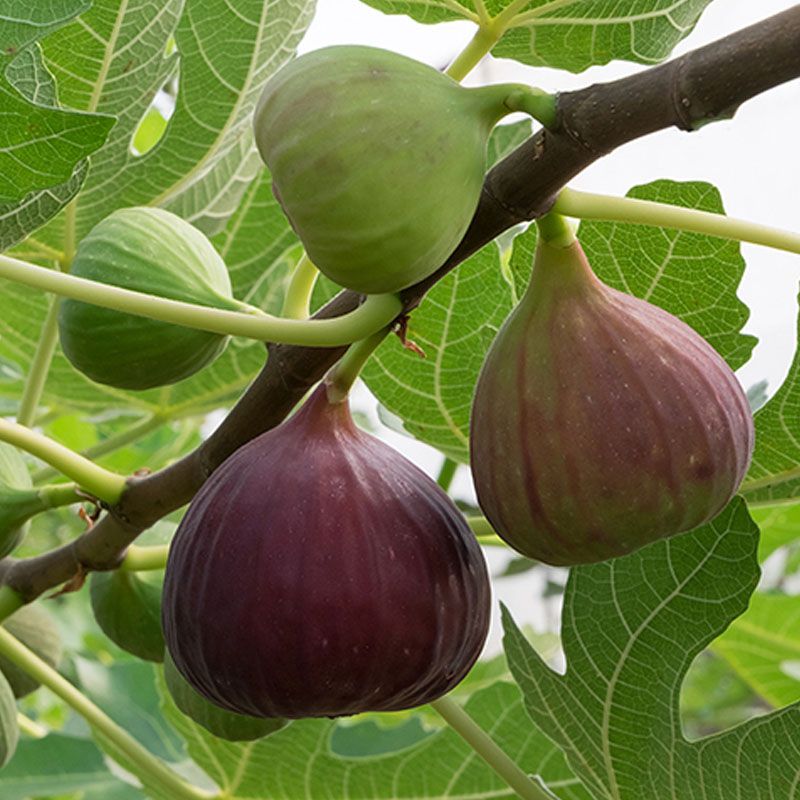
Established fig trees are more flexible about soil pH than many acid-loving fruits. They tolerate a fairly wide soil pH range, roughly 6.0 to 8.0, which puts them in a different category than acid-loving fruits like blueberries.
That flexibility means an established in-ground fig tree on confirmed acidic soil could be a reasonable candidate for a very light, careful ash application if a soil test shows the need.
Young fig trees, stressed trees, container-grown figs, and trees sitting in already-neutral or alkaline soil are not good candidates.
Established trees with a healthy root system in acidic sandy soil have a better chance of tolerating and benefiting from a modest potassium or pH adjustment.
Apply ash lightly to the outer root zone, well away from the trunk and root crown, and water it in gently rather than leaving it on dry soil before a rain event.
One common mistake is treating the whole landscape around a fig tree as a single soil zone. If blueberries, azaleas, or other acid-loving plants grow nearby, keep ash far away from their root zones.
The fig may tolerate a pH shift that those neighboring plants absolutely cannot. Always use only clean, fully cooled ash from untreated wood, and wear gloves during any application.
8. Keep Ash Away From Blueberries
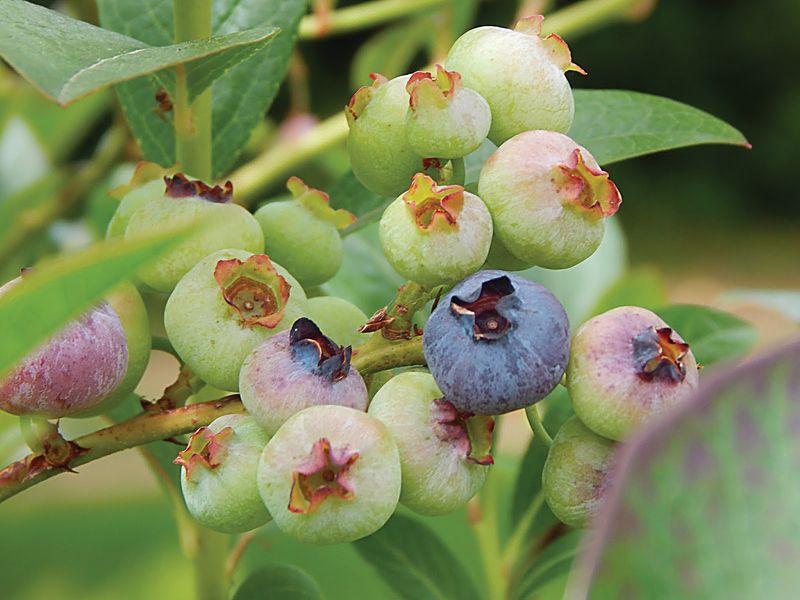
Blueberries are the clearest place to skip wood ash completely. These plants need acidic soil, and wood ash pushes soil pH upward.
That is the exact opposite of what a blueberry bed usually needs, especially here where successful blueberry growing often depends on careful soil preparation and regular pH monitoring.
A blueberry that struggles in the wrong soil may show pale leaves, weak growth, and poor fruiting, but ash will not solve that problem. It can make nutrient uptake even harder by moving the soil farther away from the acidic range blueberries prefer.
This warning matters even more in coastal areas, shell-filled soils, limestone-influenced South Florida yards, and gardens irrigated with high-pH water. Those sites may already be too alkaline for blueberries without adding anything that raises pH further.
Use UF IFAS blueberry guidance instead of guessing. Soil testing, pine bark-based organic matter, proper cultivar selection, and acid-forming amendments only when recommended are much safer paths.
Never “sweeten” blueberry soil with ash, lime, or casual fireplace leftovers. Blueberries are one crop where wood ash belongs nowhere near the root zone.
9. Skip Azaleas And Camellias Completely
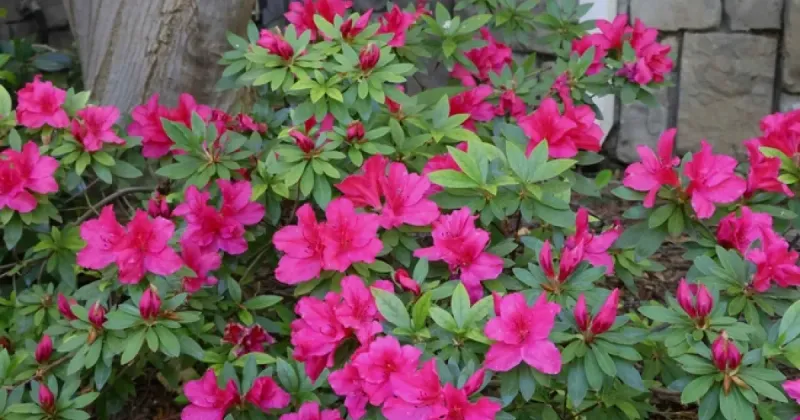
A shady ornamental bed may look like a harmless place to toss leftover ash, but azaleas and camellias are not plants that appreciate that shortcut.
Both prefer acidic soil, and raising the pH can interfere with the nutrients they need to keep their foliage healthy and their growth steady.
Many gardeners already fight pH problems with acid-loving ornamentals. It happens especially in coastal neighborhoods, South Florida limestone areas, and landscapes with alkaline irrigation water.
Adding wood ash in those beds moves conditions in the wrong direction.
The safer approach is to build these plantings around proper site selection, organic mulch, consistent moisture, and Extension-backed care for acid-loving shrubs.
Pine bark, leaf mold, or other appropriate organic mulches can help support the soil environment without the sharp pH push that ash can create.
Avoid tossing ash around established shrubs just because they look mature and sturdy. Older plants can still react poorly when soil chemistry shifts.
Keep ash out of azalea and camellia beds entirely, and test the soil before making any pH adjustment.
10. Avoid Gardenias In Acid-Loving Beds
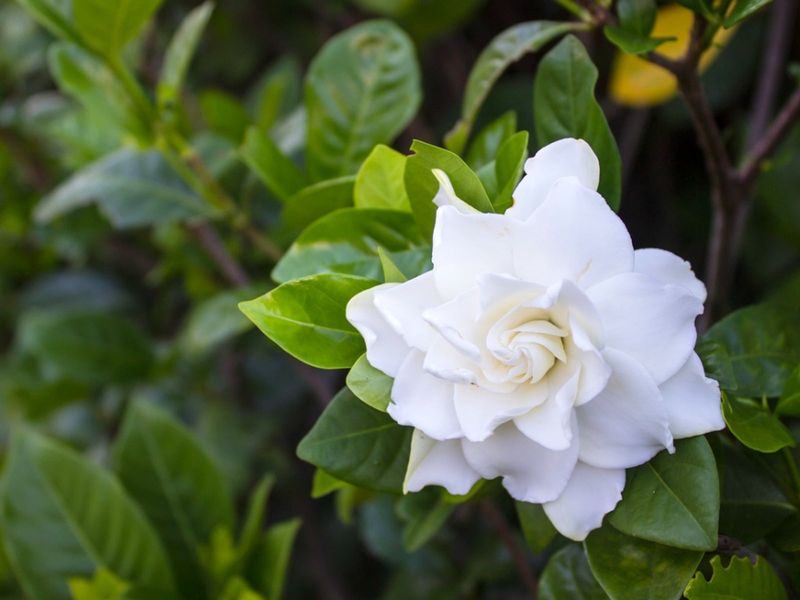
Gardenias can be fussy here, and wood ash usually makes that challenge worse. These shrubs prefer acidic conditions, and when soil pH climbs too high, nutrients like iron can become harder for the plant to use.
Gardeners may notice yellow leaves with green veins and assume the plant needs feeding, but the real issue may be pH.
That is why ash is the wrong move. It raises pH instead of lowering it, so it can push a struggling gardenia farther from the conditions it needs.
Regional soil differences matter here. Inland sandy soil may be acidic, but many coastal yards, shell-heavy beds, and limestone-influenced South Florida landscapes already lean alkaline.
Gardenias in those areas need careful placement and soil management, not a bucket of ash.
Use a soil test before trying to correct leaf color or weak growth. Extension guidance, proper mulch, suitable fertilizers for acid-loving plants, and better placement are safer than guessing.
Never use wood ash to “green up” gardenias. If high pH is part of the problem, ash will only work against you.
11. Never Use Ash On Alkaline Or Salty Soil
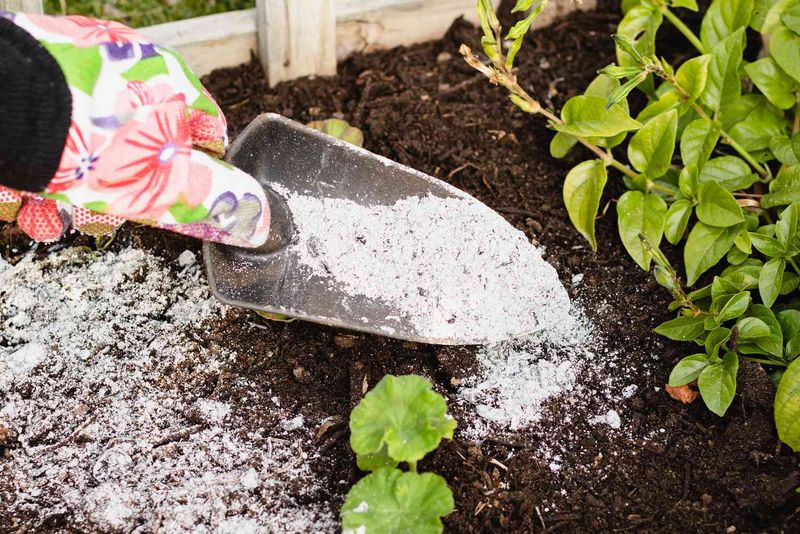
Some yards should not receive wood ash at all, no matter what is growing there.
Alkaline soil, shell-filled soil, limestone-influenced soil, salty soil, or areas watered with high-pH or salty irrigation water are poor matches for ash. The soil chemistry is already difficult enough to manage.
Wood ash raises pH and adds soluble salts. In the wrong site, that combination can create nutrient problems, stress sensitive roots, and make it harder to grow plants that prefer slightly acidic soil.
South Florida limestone areas, coastal neighborhoods, barrier islands, and shell-heavy lots deserve extra caution.
Do not assume sandy soil automatically means acidic soil. Our state has plenty of sandy sites that are alkaline because of shells, fill material, irrigation water, or local geology.
A soil test is the only reliable way to know.
The better move is to choose plants adapted to the site you actually have. Add organic matter where appropriate, use fertilizer based on test results, and contact your local UF IFAS Extension office before trying to adjust pH.
Wood ash should never be the default answer for a soil problem you have not confirmed.