These Underrated Native Pennsylvania Perennials Outperform Daylilies On Any Steep Sunny Slope
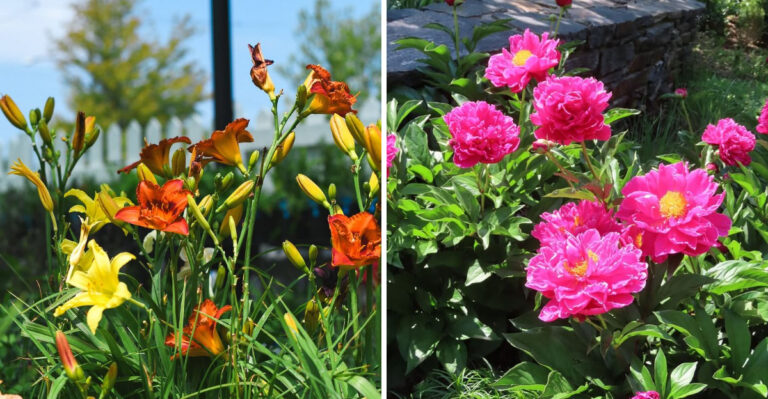
Daylilies have been the go-to choice for steep sunny slopes in Pennsylvania for a long time, and honestly, it makes sense. They spread, they hold soil, and they survive neglect better than most plants.
But there is a whole group of native Pennsylvania perennials that do everything daylilies do and then some, without the aggressive spreading or the bland predictability.
These plants are built for exactly the kind of harsh, dry, high-exposure conditions that steep sunny slopes throw at them.
They dig in deep, handle runoff, resist drought, and come back stronger every year. On top of that, they bring in pollinators, add real visual interest across multiple seasons, and actually belong in this landscape.
If you have a tricky slope you have been throwing daylilies at out of habit, it might be time to see what Pennsylvania natives can do with that same space.
1. Butterfly Weed
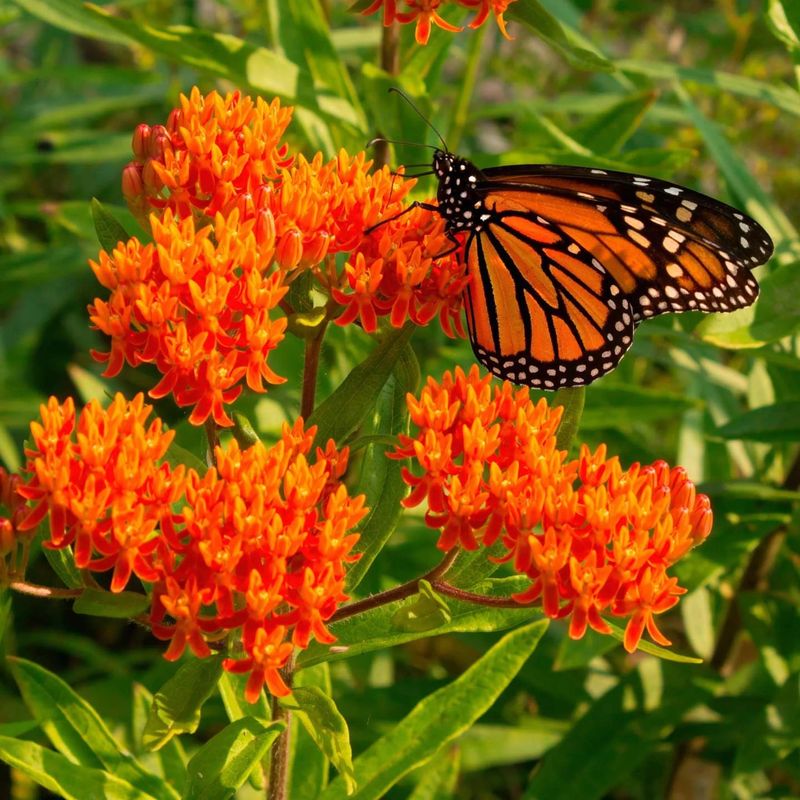
Few plants earn their name quite like butterfly weed does. Walk past a blooming patch on a warm July morning and you will almost certainly see monarchs, swallowtails, and bumblebees all competing for a spot on those brilliant orange flower clusters.
It is one of the most eye-catching natives you can plant, and it absolutely thrives on steep, sunny slopes where the soil drains fast and stays dry.
Butterfly weed belongs to the milkweed family, which means it is a critical host plant for monarch butterflies. The caterpillars feed on its leaves, and the adults sip nectar from the flowers.
Planting it on a hillside does double duty: you get stunning color and you support one of North America’s most beloved pollinators at the same time.
What makes butterfly weed such a champion on steep slopes is its deep taproot. That root can reach two feet or more into the ground, anchoring the plant firmly and pulling moisture from deep in the soil during dry spells.
This is exactly why it outperforms daylilies on a sunny hillside. Daylilies have shallow, fibrous roots that do little to hold soil in place during heavy rain.
Butterfly weed, on the other hand, acts like a natural anchor. Plant it in full sun and well-drained soil. It handles poor, rocky, or sandy conditions without complaint.
Once established, it needs almost no watering and no fertilizing. Give it space, some patience in its first year, and it will reward you with decades of brilliant orange blooms every summer.
2. Purple Coneflower
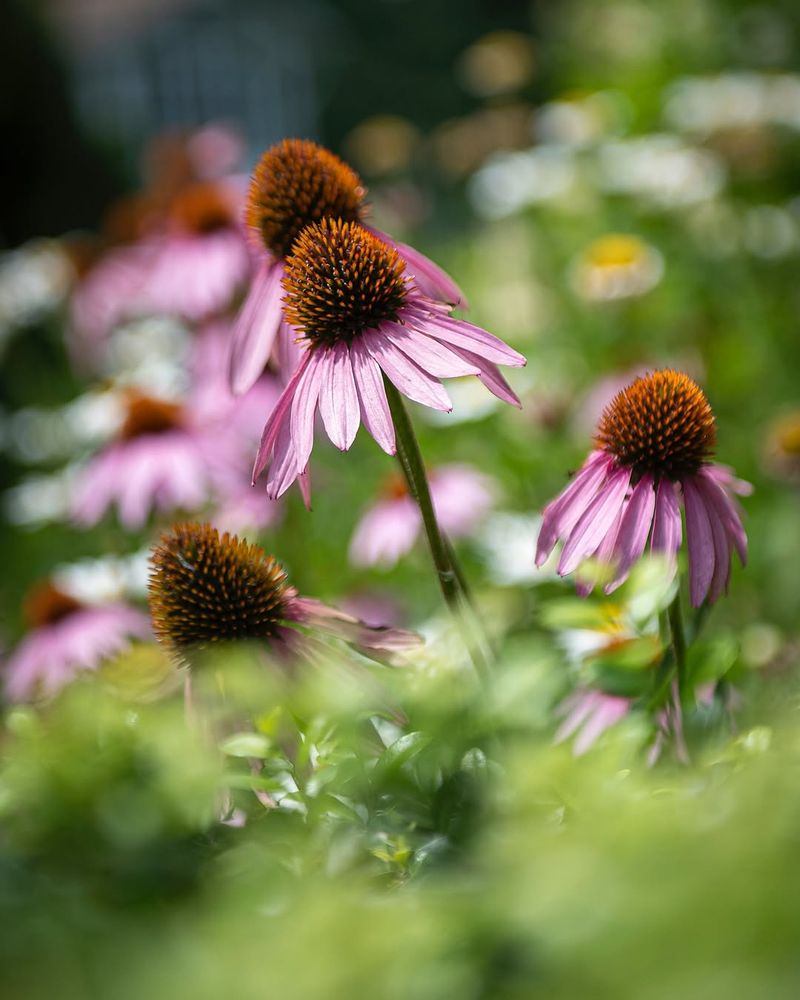
Purple coneflower is one of those plants that looks like it belongs on a magazine cover but acts like it was raised in the wild. And honestly, it was.
Native to much of the eastern United States including Pennsylvania, echinacea has been thriving on dry prairies and open hillsides long before anyone thought to plant it in a garden.
That wild toughness is exactly what makes it so valuable on a steep, sun-drenched slope. One of the biggest advantages of purple coneflower over daylilies is its tolerance for poor soil. Daylilies prefer decent, amended soil to really perform.
Your Pennsylvania Garden Changes Every Week. Your Plan Should Too.
Gardening in Pennsylvania changes quickly throughout the season. Every Friday you’ll receive a simple weekly plan showing exactly what to plant, prune, fertilize, harvest, and protect so you never miss the right timing.
Coneflowers actually do better when you leave the soil alone. Rich, heavily fertilized ground can make them floppy and weak.
Lean, dry, slightly rough soil? That is where they shine. A steep slope with thin topsoil is practically their ideal address.
Coneflowers also handle erosion-prone areas with ease. Their root systems spread steadily over time, helping to knit the soil together without becoming invasive.
Unlike daylilies, which can spread so aggressively they push out every other plant nearby, coneflowers play nicely with neighbors. You can mix them with other natives and expect a balanced, diverse planting that holds the slope without one plant taking over.
Maintenance is refreshingly simple. Deadheading encourages more blooms through summer, but if you skip it, the seed heads feed goldfinches and chickadees well into winter.
They self-seed gently, slowly filling in gaps on your slope. Plant them in full sun, water occasionally during the first season, and then mostly leave them alone.
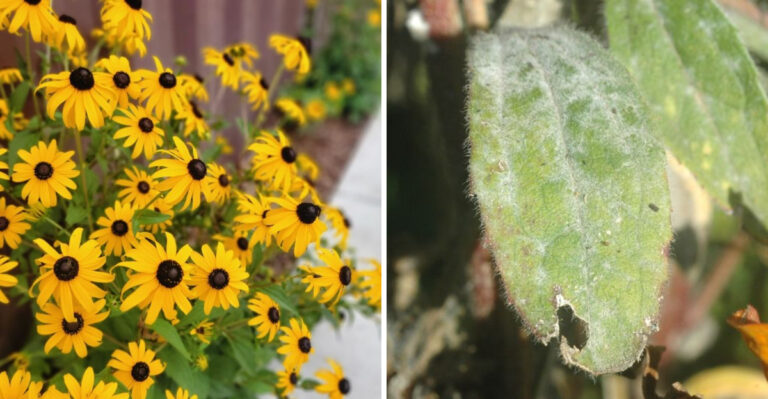
3. Black-Eyed Susan
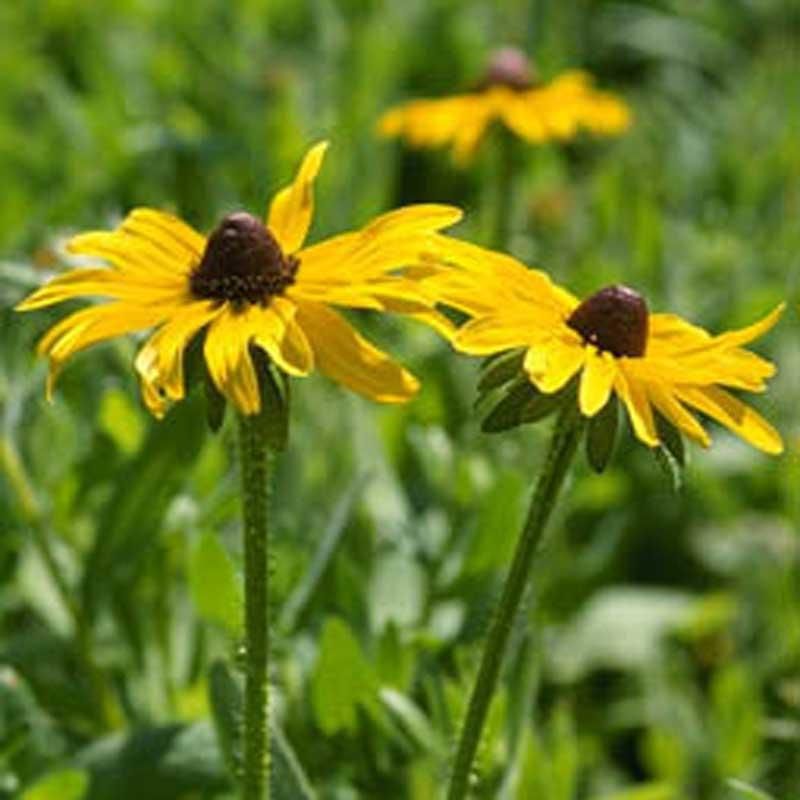
There is something wonderfully cheerful about a hillside covered in black-eyed Susans. Those bold yellow petals with dark chocolate centers catch sunlight like little suns themselves, and they keep blooming from June all the way into September.
For a steep, sunny slope that needs reliable summer color without constant babysitting, black-eyed Susan is one of the hardest workers in Pennsylvania’s native plant lineup.
What really sets this plant apart on difficult slopes is how readily it spreads. Rudbeckia hirta produces abundant seeds that germinate easily in disturbed, sunny soil, which is exactly what you have on a newly planted hillside.
Within two or three seasons, a small initial planting can fill in a surprisingly large area. That spreading habit is a feature, not a flaw, when your goal is slope stabilization and erosion control.
Unlike daylilies, which spread through thick, mat-forming roots that can be hard to manage, black-eyed Susans spread through seed. That means you can edit and adjust your planting more easily over time.
Pull a few seedlings here, let them naturalize there. The process feels more like gardening and less like fighting a battle.
Black-eyed Susans attract a wide variety of pollinators, including native bees, skippers, and butterflies.
The seed heads left standing through fall and winter feed birds and add structure to the landscape when everything else has gone dormant. Plant them in full sun with average to poor soil. They actually resent being pampered.
Dry, fast-draining hillside conditions suit them perfectly, making them a natural partner for butterfly weed and coneflower on a sunny Pennsylvania slope.
4. Little Bluestem
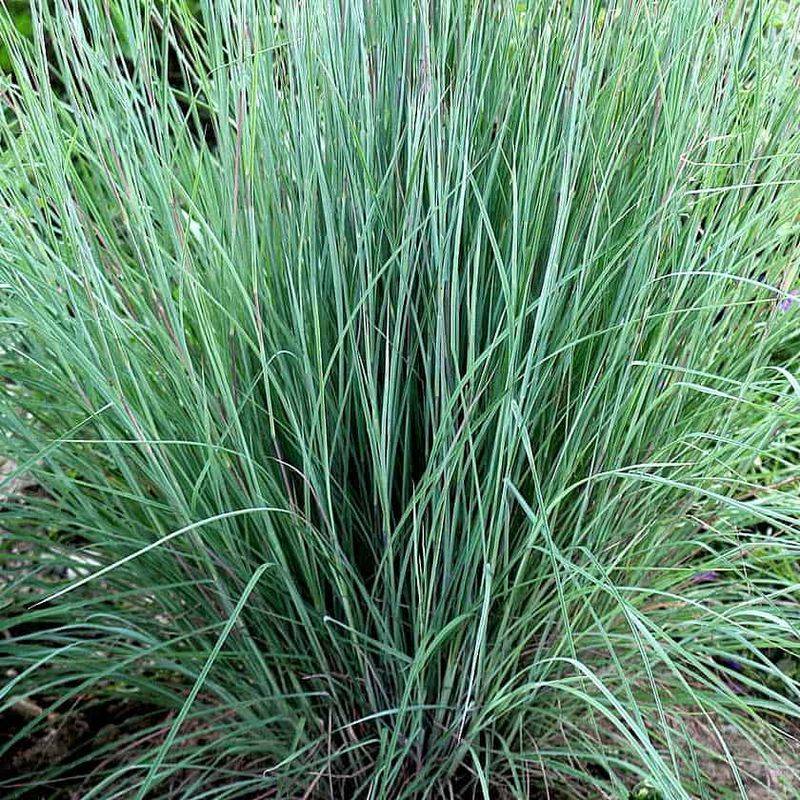
Most people do not think of grasses when they picture a flowering garden, but little bluestem might just change that.
This compact native grass goes through a stunning seasonal wardrobe change: blue-green in summer, then copper, orange, and burgundy by fall, with fluffy silver seed heads that catch the winter light like tiny fireworks.
On a steep sunny slope, it adds texture and movement that no flowering perennial can quite replicate.
The real power of little bluestem lies underground. Its fibrous root system can reach five or six feet deep into the soil, making it one of the most effective slope stabilizers among Pennsylvania’s native plants.
Heavy rainstorms that would wash away shallow-rooted plants barely faze little bluestem. Those deep roots hold the hillside together while also improving soil structure over time, creating better conditions for neighboring plants.
Compared to daylilies, little bluestem is far less aggressive. It grows in tidy clumps that slowly expand but never take over a planting.
You can tuck it between coneflowers and black-eyed Susans without worrying that it will crowd them out within a few seasons.
The combination of different plant heights, textures, and bloom times creates a naturalistic slope planting that looks professionally designed but requires almost no effort to maintain.
Little bluestem thrives in full sun and poor to average soil. It actually struggles in rich, moist soil, so that dry, thin hillside is right in its comfort zone.
Cut it back to about four inches in late winter before new growth emerges. Birds love the seed heads all winter long, so there is no rush to tidy it up too quickly.
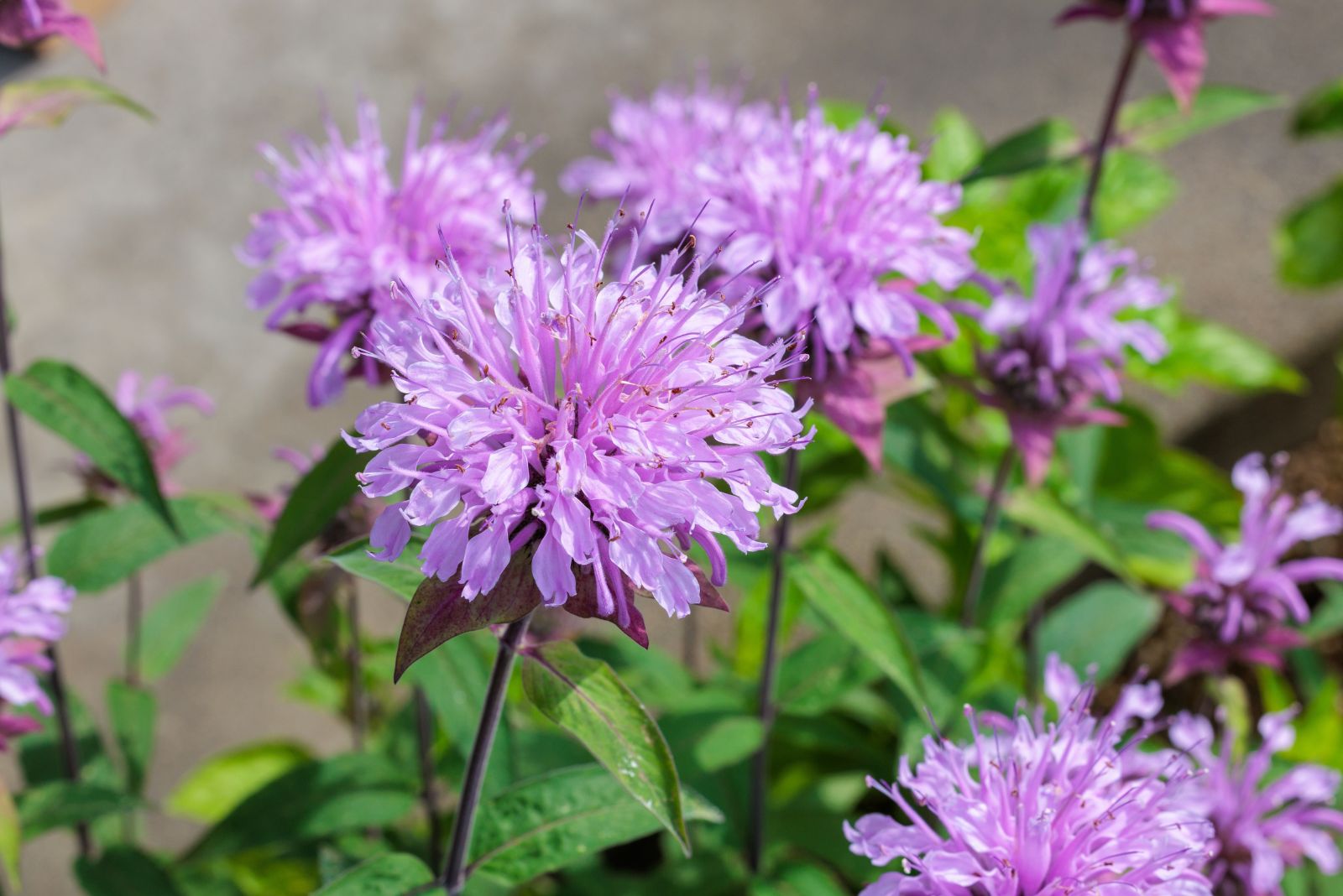
5. Wild Bergamot
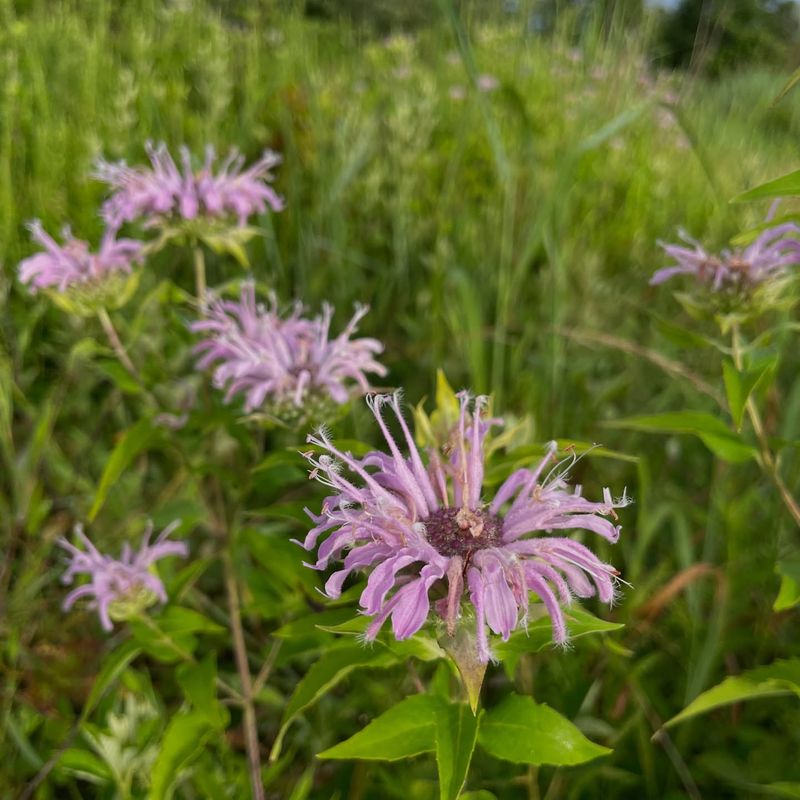
Crush a leaf of wild bergamot between your fingers and you get a whiff of something between oregano and mint, earthy, herby, and surprisingly pleasant. That aromatic quality is not just interesting to humans.
Bees go absolutely wild for it. Native bumblebees, sweat bees, and specialist bee species that depend almost entirely on plants in the mint family flock to wild bergamot from midsummer through early fall, making it one of the most ecologically valuable plants you can add to a sunny Pennsylvania slope.
Wild bergamot is a close relative of the showier bee balm you might already know, but it is tougher and more drought tolerant. Where bee balm often struggles with powdery mildew in humid summers, wild bergamot handles the heat and dryness of a south-facing slope without complaint.
Its square stems and spreading rhizomes help it knit together over a hillside gradually, filling gaps and reducing bare soil that could wash away in a downpour.
The lavender-purple flower heads bloom in mid to late summer, arriving just when many other native perennials are starting to wind down. That extended bloom season keeps pollinators fed and keeps your slope looking lively well into August and September.
Hummingbirds also visit regularly, which is always a welcome surprise. Plant wild bergamot in full sun with average to dry soil. It spreads at a moderate pace through rhizomes, filling in a slope nicely without the aggressive takeover habit of daylilies.
Divide clumps every three or four years to keep them vigorous. It is an incredibly rewarding plant that gives far more than it asks for in return.
6. Goldenrod
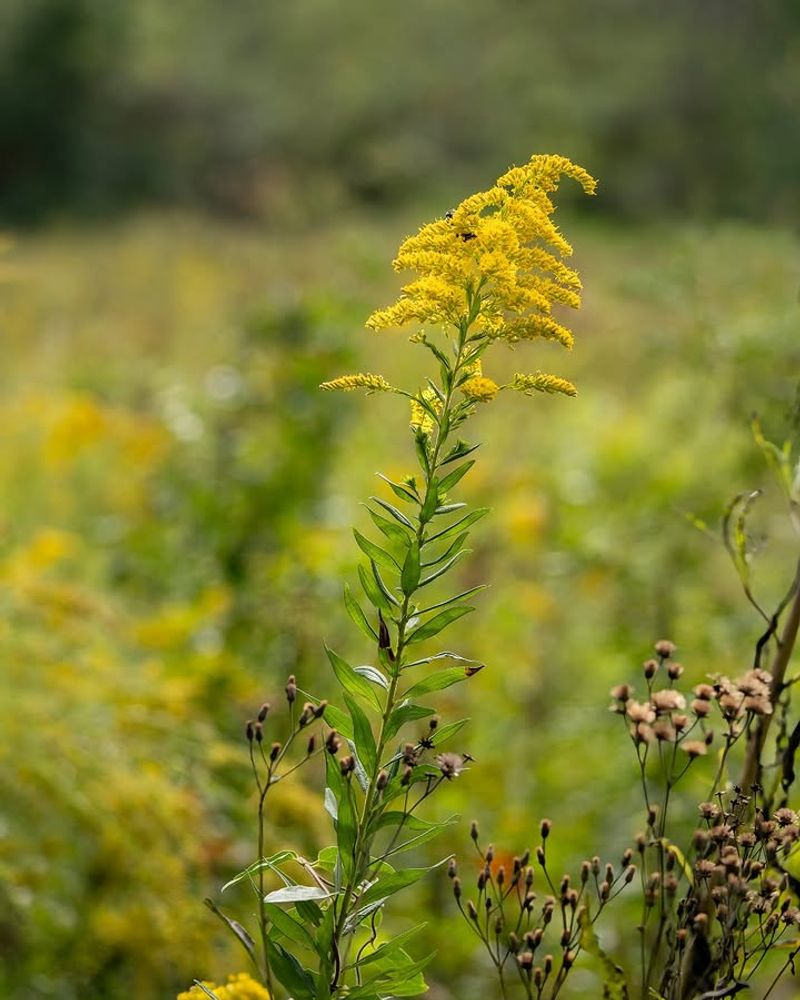
Goldenrod has a reputation problem, and it is completely undeserved. For years, people blamed it for hay fever, when the real culprit is ragweed, which blooms at the same time.
Goldenrod’s pollen is too heavy and sticky to travel through the air. It depends entirely on insects for pollination, which is exactly why it supports more than 100 species of bees, butterflies, and other beneficial insects.
Once you know the truth, it is hard not to become a goldenrod fan. On a steep, sunny slope, goldenrod is a genuine performer.
Several native Pennsylvania species, including Solidago rugosa, Solidago nemoralis, and Solidago odora, are specifically adapted to dry, poor soil conditions.
They establish quickly, spread through both rhizomes and seeds, and form dense colonies that hold hillside soil remarkably well. Their root systems are aggressive in the best possible way when your goal is erosion control on a difficult slope.
The late summer and fall bloom time is another major advantage. When most perennials have finished for the season, goldenrod lights up the hillside with brilliant yellow plumes from August through October.
Monarchs heading south on their migration stop to fuel up on goldenrod nectar. Native bees stock their winter nests with its pollen.
The ecological value is genuinely hard to overstate. Managing goldenrod on a slope is straightforward. Cut it back in early spring before new growth emerges.
Divide spreading clumps every few years if needed. Pair it with little bluestem and wild bergamot for a fall-season slope display that is both beautiful and buzzing with life. It is a plant that earns its place every single year.
7. Coreopsis
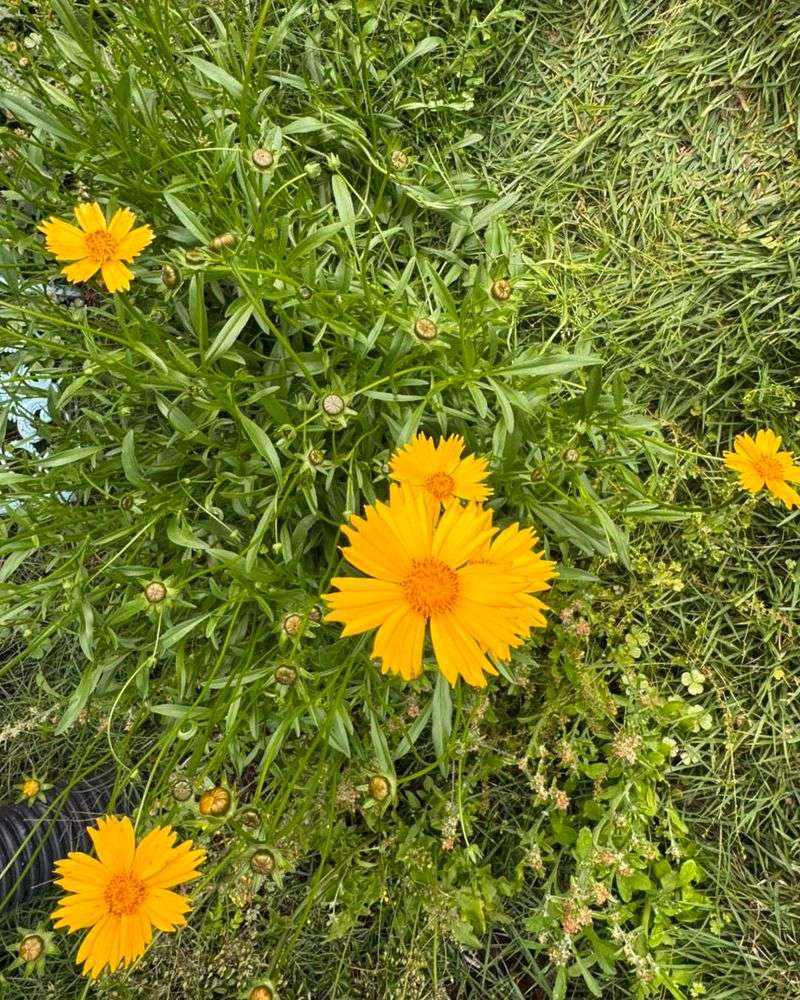
If you want a plant that blooms like it is trying to win a competition, coreopsis is your answer.
Also called tickseed, this cheerful native puts out wave after wave of bright yellow flowers from late spring through summer, and with a little deadheading, it keeps going well into fall.
On a steep, sunny slope where you want consistent color without constant fussing, coreopsis delivers in a way that few other plants can match.
Pennsylvania gardeners often overlook coreopsis in favor of flashier imports, but that is a mistake. Native species like Coreopsis lanceolata and Coreopsis verticillata are supremely adapted to the hot, dry conditions of a south-facing hillside.
They handle Pennsylvania summers without extra watering once established, and they actually prefer the lean, fast-draining soil that makes other plants struggle. Rich soil and too much water make them floppy and short-lived, so that challenging slope is exactly the right place for them.
Compared to daylilies, coreopsis has a lighter footprint on the landscape. It forms clumps that spread slowly and politely, mixing easily with other natives without crowding them out.
The fine, feathery foliage of threadleaf coreopsis adds a soft, airy texture that contrasts beautifully with the bolder leaves of coneflower or wild bergamot growing nearby.
Pollinators adore coreopsis. Native bees, skippers, and small butterflies visit constantly throughout the bloom season.
Plant it in full sun with average to dry soil. Divide clumps every three to four years to keep flowering vigorous.
It is one of the most reliable, longest-blooming natives available for a sunny Pennsylvania slope, and it never seems to have a bad year.