Native North Carolina Perennials That Outperform Black-Eyed Susans In Every Yard
Black-eyed Susans are reliable, and nobody is arguing otherwise.
But reliable is not the same as best, and North Carolina yards have access to native perennials that bloom longer, handle difficult conditions better, and bring more to the local ecosystem than black-eyed Susans ever could.
Most gardeners default to them out of habit rather than genuine comparison. These alternatives are not obscure or hard to find.
They are native to North Carolina, adapted to the clay, the heat, and the humidity, and they perform across a wider range of garden situations than the default choice most people reach for.
Some bloom earlier in spring, others carry color deep into fall, and several do both. Give them a spot in your yard and black-eyed Susans start looking like the safe choice you no longer need to make.
1. Indian Pink Brings Better Color To Shady North Carolina Yards
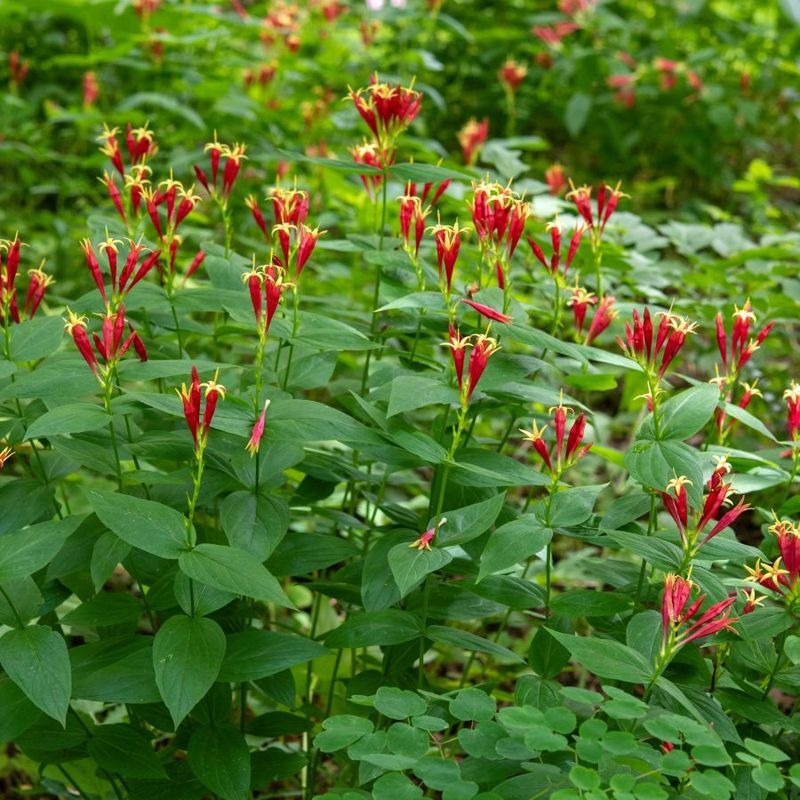
Bright red tubes tipped with sunshine yellow make Indian Pink one of the most striking native plants you can grow in a North Carolina yard.
Unlike the familiar daisy shape of Black-Eyed Susans, these tubular flowers feel almost tropical, yet they are completely at home in the Carolina woodland garden.
Hummingbirds absolutely love them, hovering at each bloom from late spring into early summer.
Indian Pink thrives in part shade to bright shade, making it a perfect pick for spots under tall oaks or along a wooded fence line. It prefers rich, well-drained soil with good organic matter worked in before planting.
In the Piedmont and mountain regions, amending clay soil with compost gives roots the loose, moisture-retaining environment they need to establish quickly.
Plant in spring after the last frost, spacing plants about 12 to 18 inches apart. Water regularly for the first season while roots settle in, aiming for about an inch of water per week.
A two-inch layer of mulch around the base keeps soil cool and holds moisture through North Carolina’s hot, sticky summers. Once established, Indian Pink is surprisingly tough.
Trim back any ragged stems after flowering to keep the plant tidy, and top-dress with compost each fall to encourage strong growth the following spring.
2. Eastern Bluestar Looks Good Long After Spring Flowers Fade
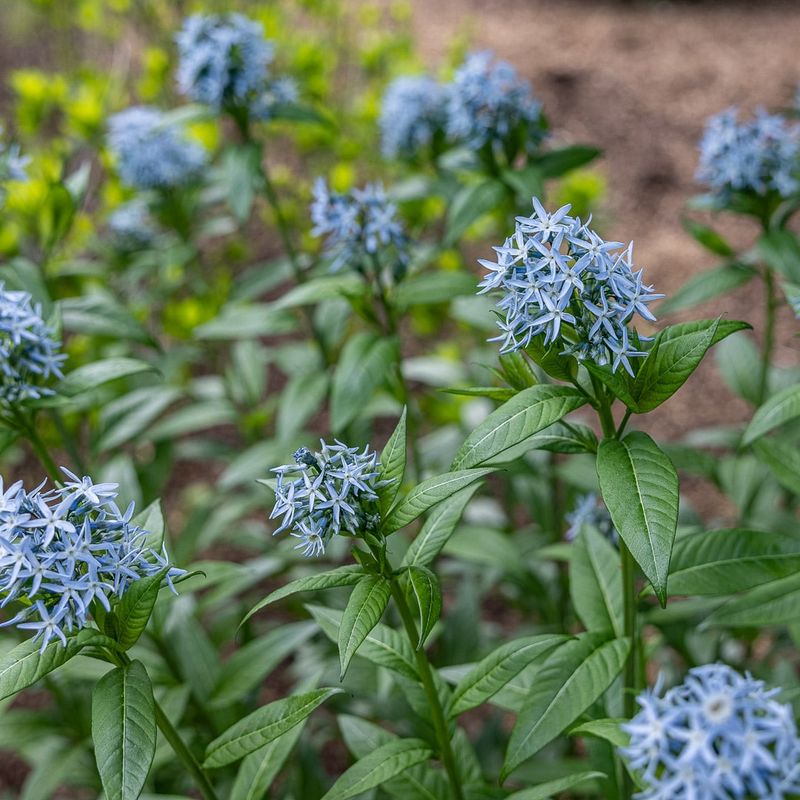
Most perennials give you one good moment and then fade into the background. Eastern Bluestar gives you three.
Soft powder-blue flowers open in mid-spring, fresh green foliage carries the border through summer, and then the whole plant turns a warm golden yellow in fall that rivals any ornamental grass or shrub.
This native handles North Carolina conditions with impressive ease. It tolerates clay soil, manages summer humidity without complaint, and grows well in full sun or part shade once established.
That kind of flexibility is hard to find in any garden plant, native or otherwise. Black-Eyed Susans simply cannot offer that level of multi-season interest.
Plant Eastern Bluestar in spring, spacing plants about 24 inches apart since they grow into full, rounded clumps over time. Water consistently during the first growing season, giving about an inch per week, and mulch around the base to keep roots cool.
Your North Carolina Garden Changes Every Week. Your Plan Should Too.
Gardening in North Carolina changes quickly throughout the season. Every Friday you’ll receive a simple weekly plan showing exactly what to plant, prune, fertilize, harvest, and protect so you never miss the right timing.
After flowering finishes, cut stems back by about one-third to encourage a tidier shape and prevent flopping in humid conditions. Fertilizing is rarely needed since this plant does beautifully in average soil.
By year two or three, established clumps become quite self-sufficient and reward you with that spectacular fall color that makes neighbors stop and ask what you planted. It is a genuinely low-effort, high-reward native perennial.
3. Green And Gold Outperforms In Spots Too Shady For Black-Eyed Susans
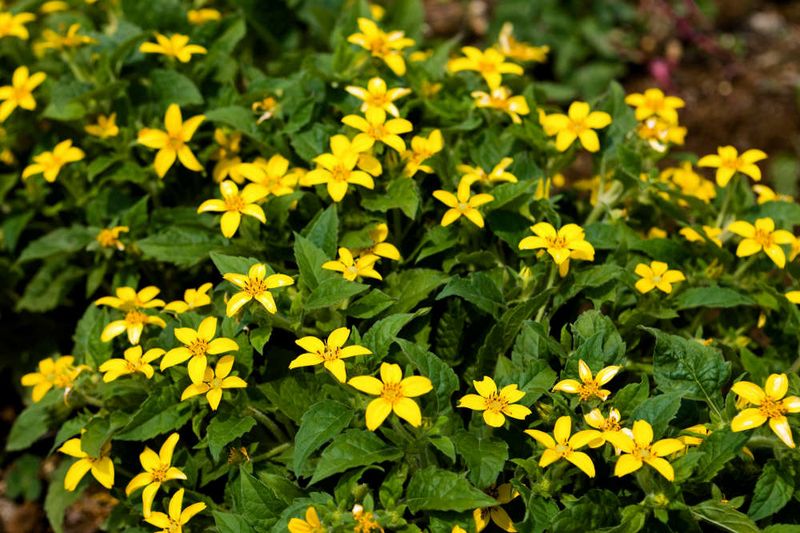
Cheerful, low-growing, and surprisingly tough, Green and Gold is the native groundcover North Carolina gardeners often overlook in favor of imported options.
Its bright yellow flowers pop against deep green foliage from early spring through late fall, giving shaded garden beds a warm, welcoming look that Black-Eyed Susans simply cannot deliver in low-light conditions.
This plant spreads gently by runners, filling in gaps along woodland edges, under deciduous trees, and at the front of shaded borders without becoming aggressive.
Pollinators, especially small bees and native flies, visit the flowers regularly, making it a quiet but valuable contributor to the garden ecosystem.
It handles moist, well-drained soil best, though it tolerates brief dry spells once established.
Spring planting gives Green and Gold the longest possible growing season to spread and settle in. Space plants about 12 inches apart, and they will gradually knit together into a solid, weed-suppressing mat.
Water about once a week during the first summer, and mulch lightly to hold moisture without smothering the low stems. Shear the whole planting back by half in midsummer if it starts to look tired, and fresh growth and new flowers will follow within a few weeks.
Top-dress with compost in early spring each year to keep the soil rich and encourage steady spreading. It is a genuine workhorse for shaded North Carolina yards.
4. Foamflower Turns Damp Shade Into A Spring Show
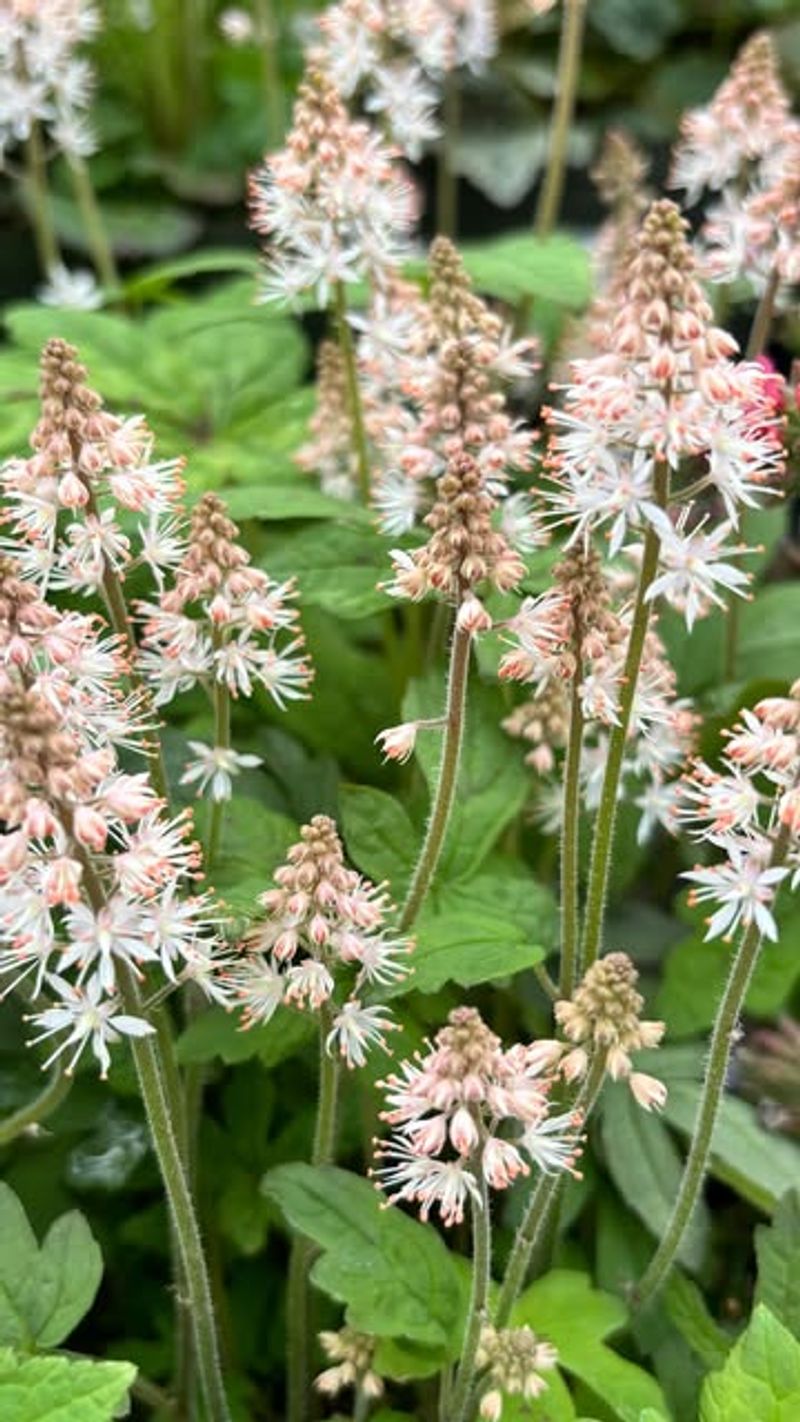
Picture a carpet of soft, lobed leaves suddenly sending up airy white flower spikes that seem to float above the foliage like little wisps of foam.
That is exactly what Tiarella cordifolia does every spring, and it does it in the kind of damp, shaded spots where most flowering perennials simply refuse to perform.
For North Carolina gardeners dealing with tricky moist shade under trees or near downspouts, Foamflower is a genuine solution.
The foliage itself is attractive well beyond the bloom period. Many selections have deep burgundy markings on the leaves that add interest through summer and into fall.
Foamflower spreads slowly by stolons, forming a tidy groundcover that suppresses weeds without taking over. It works beautifully in Piedmont woodland gardens and thrives in mountain gardens where cool, moist conditions mimic its natural habitat.
Plant in early spring, choosing a spot with consistent moisture and shade from direct afternoon sun. Soil should be rich, loose, and well-drained since standing water will damage roots over time.
Work in a generous amount of compost before planting, and mulch with shredded leaves to mimic the forest floor conditions this plant loves. Water once or twice a week during the first growing season, then reduce as plants establish.
Dividing clumps every three or four years keeps them vigorous and gives you free plants to spread throughout shaded areas of the yard. Minimal care, maximum charm.
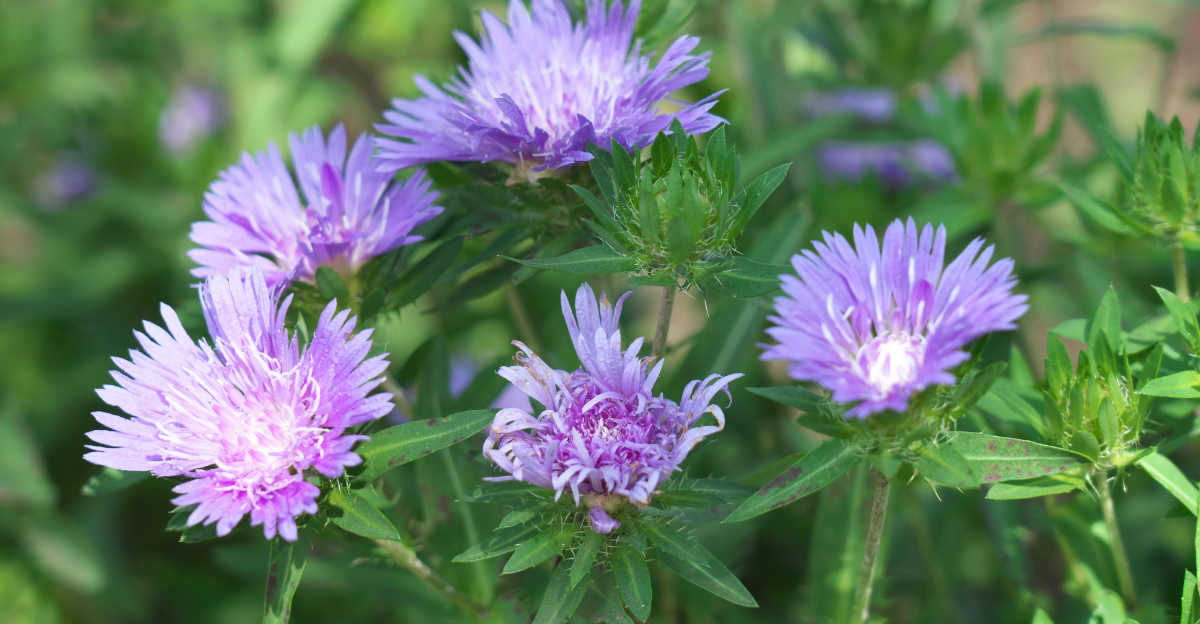
5. Stokes Aster Gives North Carolina Gardens Bigger Summer Blooms
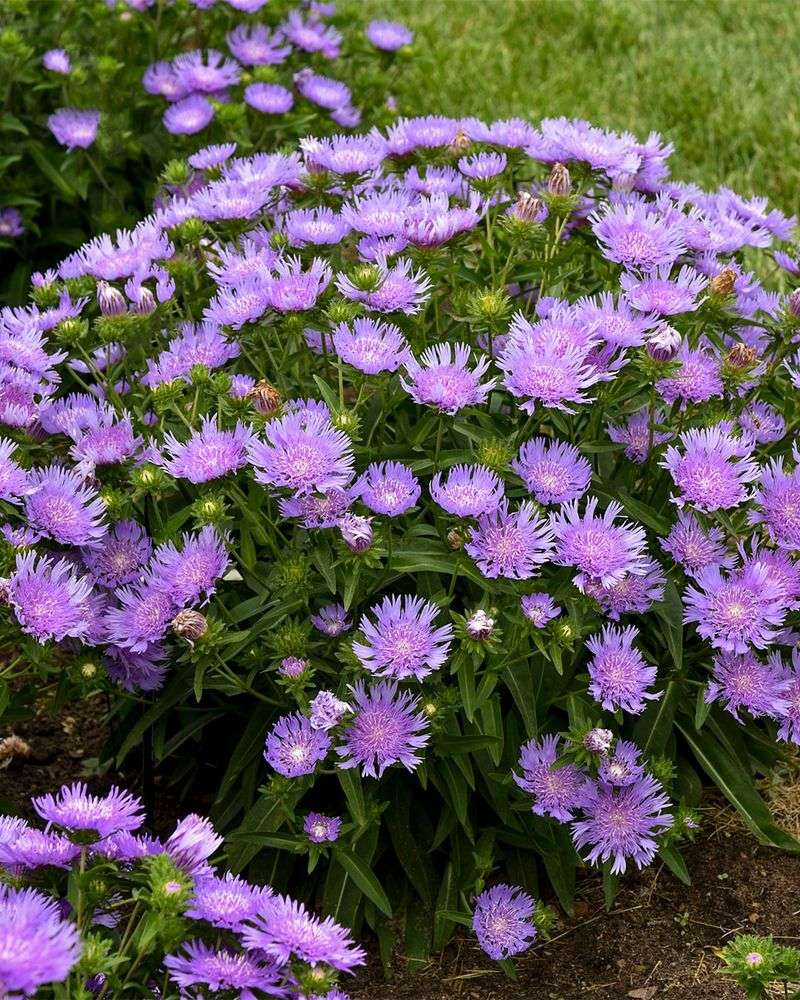
Few native perennials stop people in their tracks quite like Stokes Aster in full bloom. The flowers are large, fringed, and come in shades of blue, lavender, and soft white that feel almost exotic for a plant native to the southeastern United States.
Compared to the simple daisy look of Black-Eyed Susans, Stokes Aster brings a bolder, more sophisticated presence to sunny summer borders.
This plant is a true North Carolina native, found naturally in moist pine flatwoods and open meadows across the state. In garden settings, it performs best in full sun with good drainage and steady moisture.
Sandy or loamy soil suits it well, though it adapts reasonably to amended clay as long as water does not pool around the roots during wet spells. Summer humidity rarely bothers it, which is a real advantage in the Carolina heat.
Plant in spring, spacing plants about 18 inches apart to allow good air circulation. Water deeply once or twice a week during the first season, then reduce once plants are established.
Deadheading spent blooms extends the flowering season well into late summer and encourages a second flush of color. Dividing clumps every three years keeps plants blooming vigorously and prevents the center from becoming woody.
Butterflies and bees flock to the flowers, so placing Stokes Aster near a patio or garden path lets you enjoy both the blooms and the visiting pollinators up close.
6. White Turtlehead Blooms Where Black-Eyed Susans Struggle With Moisture
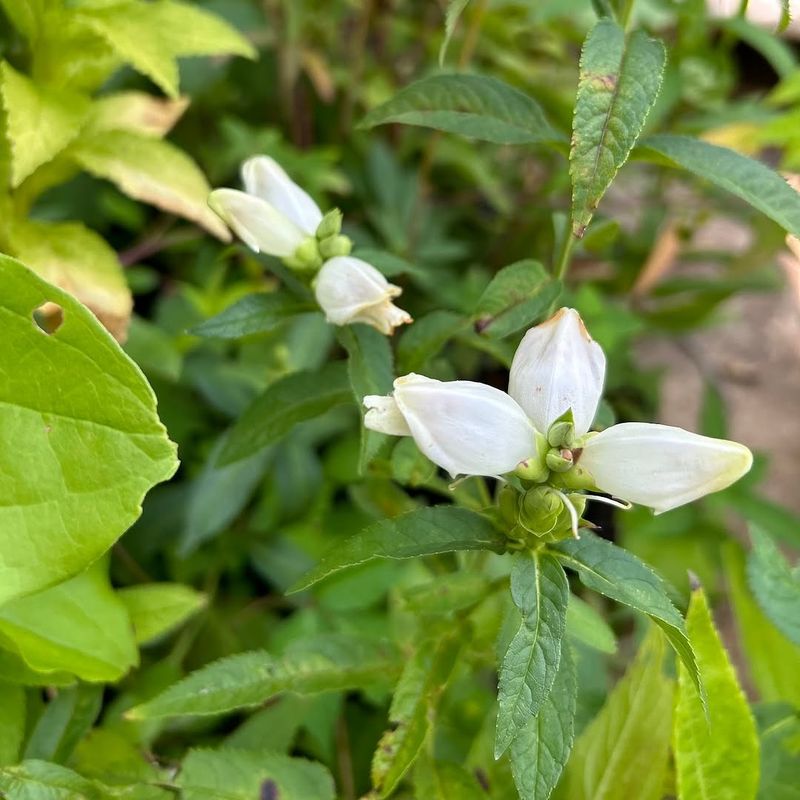
Wet spots in the yard frustrate most gardeners, but White Turtlehead sees them as an opportunity.
This native perennial thrives in consistently moist soil, making it a natural fit for rain gardens, low-lying borders, and areas near streams or downspouts where Black-Eyed Susans would struggle to survive a single season.
It turns a garden problem into a genuine showpiece. The flowers are genuinely fun to look at. Each white bloom is shaped like a turtle poking its head out of a shell, giving the plant its charming common name.
They appear in late summer and early fall, a time when many perennials have already finished blooming. That late-season timing makes White Turtlehead especially valuable for keeping the garden interesting through September and October.
Bumblebees are particularly fond of the flowers and are strong enough to push their way inside each bloom to reach the nectar.
Plant in spring, choosing a spot that receives full sun to part shade and stays reliably moist throughout the growing season. Space plants about 18 to 24 inches apart, and mulch generously to retain soil moisture between rain events.
Water regularly during the first summer, aiming for consistently damp but not waterlogged conditions. Cutting stems back by half in early June encourages bushier growth and reduces flopping on taller plants.
In North Carolina’s humid climate, White Turtlehead rarely needs supplemental fertilizer and stays healthy season after season with minimal intervention.
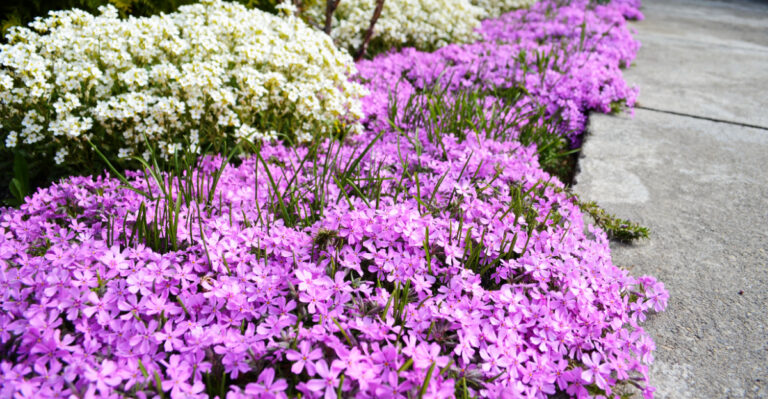
7. Garden Phlox Brings Fragrance And Taller Summer Color
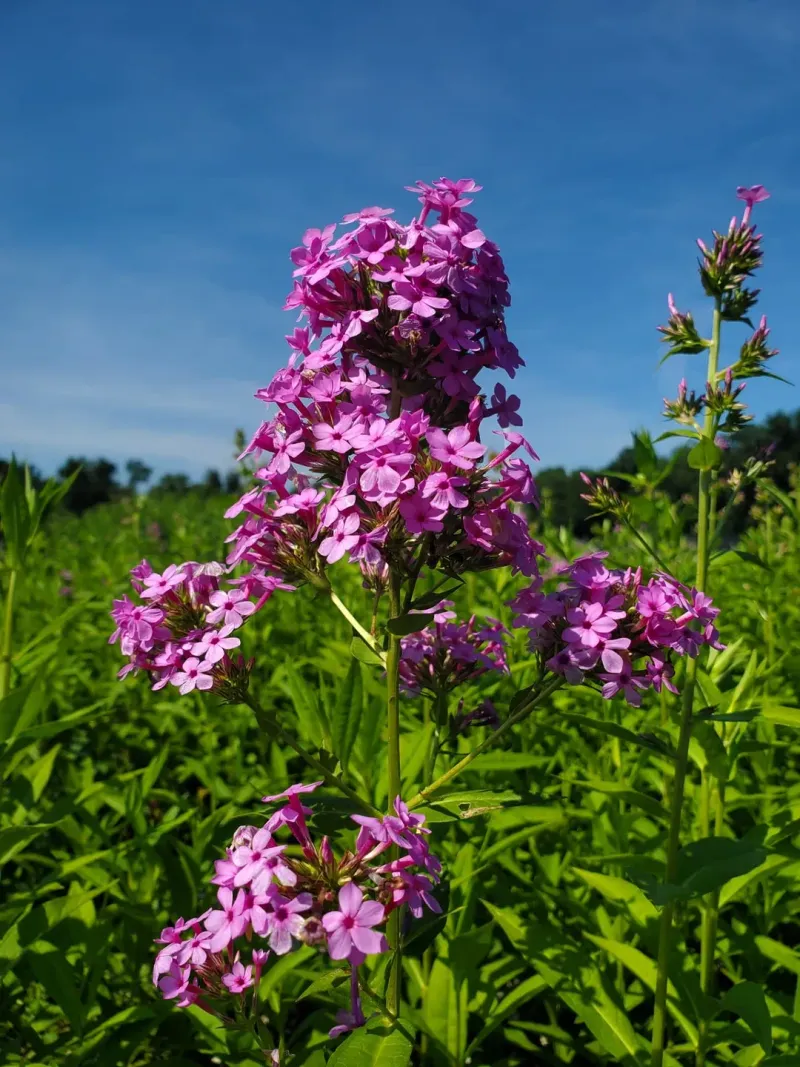
Walk past a patch of Garden Phlox on a warm summer evening and the fragrance alone will make you stop.
Few native perennials offer that kind of sensory experience, and combined with tall flower clusters in shades of pink, purple, lavender, and white, it creates a full cottage garden effect that Black-Eyed Susans simply cannot match.
This is a plant that earns its spot in the border every single year.
Garden Phlox grows native across much of eastern North America and thrives in North Carolina’s full-sun borders with reliable moisture. The key to keeping it healthy through humid Carolina summers is spacing.
Planting too close together reduces airflow and encourages powdery mildew on the leaves. Aim for about 24 inches between plants, and choose mildew-resistant varieties whenever possible to avoid that common summer headache.
Plant in spring after the last frost, working compost into the planting area to improve drainage and soil structure. Water at the base of the plant rather than overhead to keep foliage dry and reduce mildew pressure.
Deadheading spent flower clusters encourages a second round of blooms later in the season and keeps the plant looking tidy. Divide clumps every three to four years in early spring to maintain vigor and improve air circulation.
Butterflies, hummingbirds, and sphinx moths are regular visitors to the flowers, turning your garden into a lively, buzzing, fluttering scene from midsummer straight through early fall.
8. New York Ironweed Adds Bold Purple Color In Late Summer
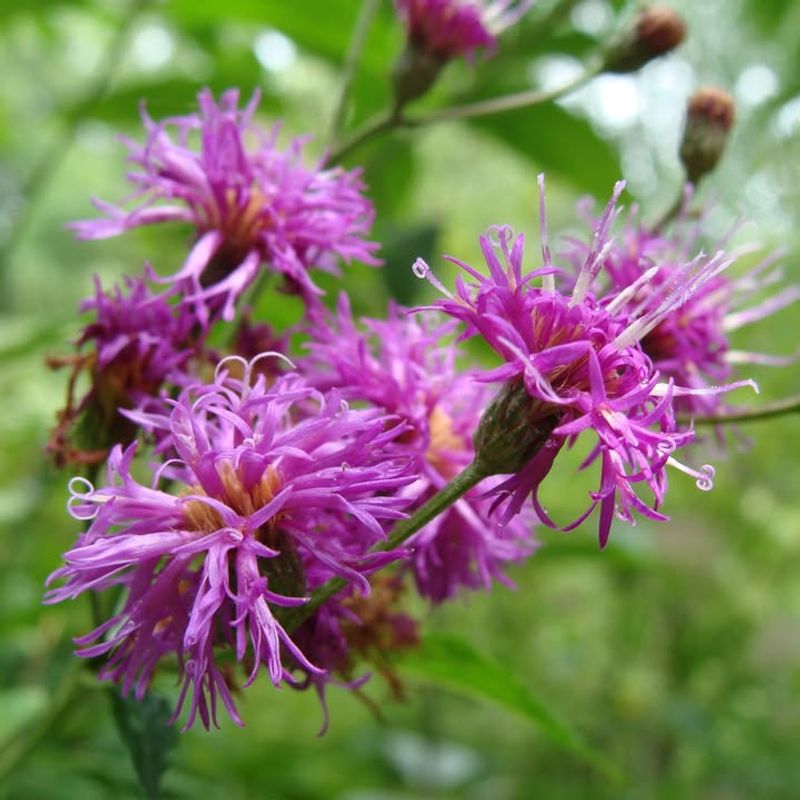
Bold, unapologetic, and covered in butterflies by late August, New York Ironweed is the kind of plant that makes a statement.
Its deep, rich purple flower clusters are some of the most intensely colored blooms you will find on any native perennial, and they arrive right when most summer flowers are winding down.
For gardeners who want a dramatic late-season focal point, nothing else compares.
Despite the name, New York Ironweed grows naturally throughout North Carolina and the broader Southeast.
It reaches four to seven feet tall in moist, sunny conditions, making it a natural choice for the back of a border or planted in groups where its height adds structure and visual weight.
Monarchs, swallowtails, and native bees swarm the flowers from the moment they open, making it one of the most ecologically valuable plants you can add to a sunny yard.
Plant in spring, choosing a spot with full sun and consistently moist soil. Space plants at least 24 to 36 inches apart since established clumps spread over time and need room to breathe.
Water deeply once a week during the first season, and mulch generously to hold soil moisture through dry spells. To manage height in smaller yards, cut stems back by one-third in late May or early June.
This simple trick reduces the final height by a foot or two without affecting flowering, giving you all the color and pollinator action in a more compact, garden-friendly package.
9. Wild Geranium Gives Easier Spring Color In Part Shade
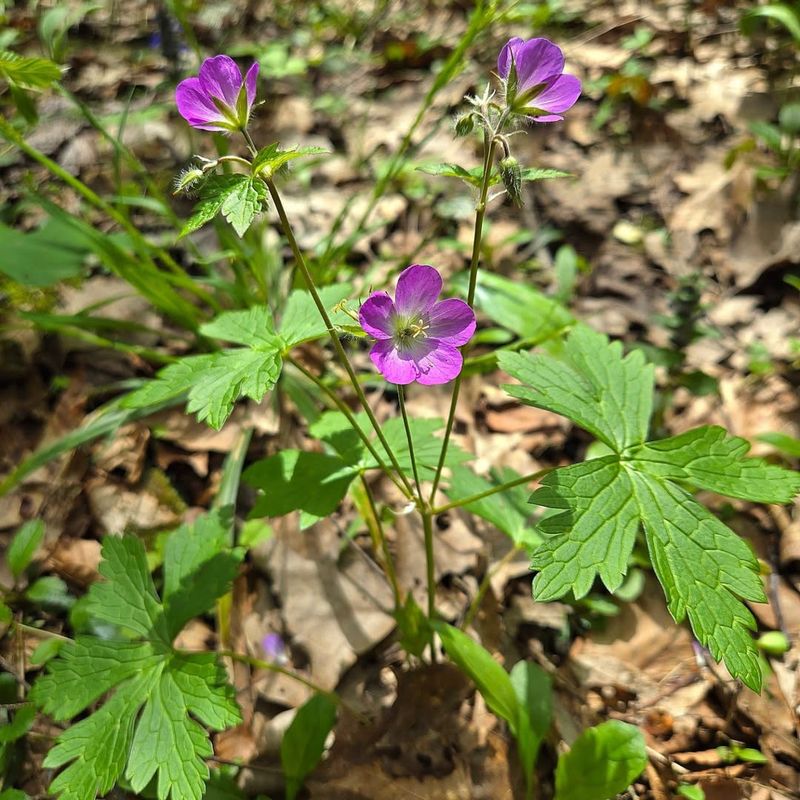
Spring in a North Carolina woodland garden is not complete without Wild Geranium. Soft pink to lavender flowers appear in mid-spring, rising above deeply lobed leaves that stay attractive well into summer.
It fills the same season as Black-Eyed Susans but works in completely different conditions, thriving in part shade and natural woodland edges where sun-loving plants would struggle to produce a single bloom.
Wild Geranium is one of the easiest native perennials to grow and maintain. It requires very little attention once established, tolerates average to slightly dry soil in shade, and spreads gradually into tidy clumps without becoming invasive.
The foliage often develops attractive reddish tones in fall, adding a second season of interest long after the flowers finish. Native bees and early butterflies visit the blooms regularly, making this plant a meaningful contributor to the spring pollinator garden.
Plant in early spring or fall, spacing plants about 18 inches apart in a spot with dappled or part shade. Water consistently during the first growing season, about once a week, to help roots establish.
Once settled, Wild Geranium handles North Carolina summers with minimal supplemental watering, especially in shaded spots where soil stays cooler and holds moisture longer.
If foliage looks tired by midsummer, simply cut it back to the ground and fresh new leaves will emerge.
Dividing clumps every four or five years keeps the plants vigorous and gives you extra plants to fill in other shaded areas of the garden.
10. Joe Pye Weed Creates A Bigger Pollinator Show Than Black-Eyed Susans
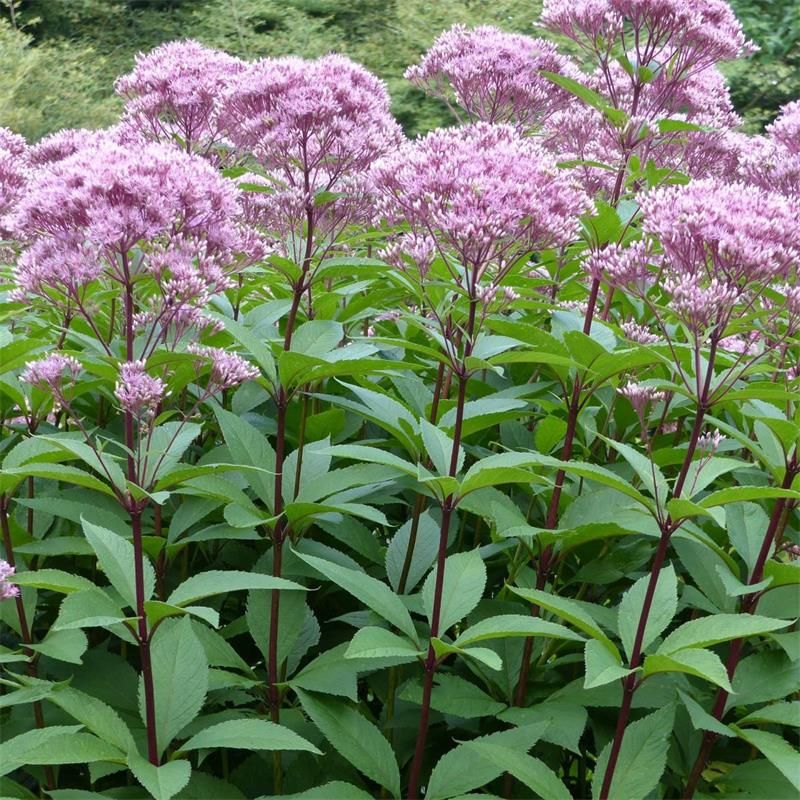
When Joe Pye Weed reaches full bloom in late summer, the sheer number of butterflies and bees covering its flower clusters is genuinely breathtaking.
Monarchs, swallowtails, fritillaries, and dozens of native bee species treat this plant like a buffet, and the show goes on for weeks.
No other native perennial in North Carolina delivers that level of pollinator activity in a single planting.
This is a tall plant, reaching five to seven feet in ideal conditions, so it belongs at the back of a border or in a naturalistic planting where its height reads as dramatic rather than overwhelming.
The large, domed flower clusters are a soft dusty pink-purple that blends beautifully with ornamental grasses, goldenrod, and other late-season natives.
It grows best in full sun to light shade with moist, fertile soil, and it handles North Carolina humidity without any fuss.
Plant in spring, spacing plants 36 inches apart to allow for their mature spread. Water deeply once or twice a week during establishment, and mulch generously to retain soil moisture through hot spells.
For gardeners with smaller yards, cutting stems back by one-third in early June reduces the final height significantly while still allowing the plant to flower beautifully. Top-dress with compost each spring to keep soil rich and productive.
Joe Pye Weed rarely needs dividing, but splitting large clumps every five years reinvigorates growth and gives you extra plants for expanding your pollinator garden.