The Only Hydrangea Varieties Worth Growing In Michigan’s Cold Climate
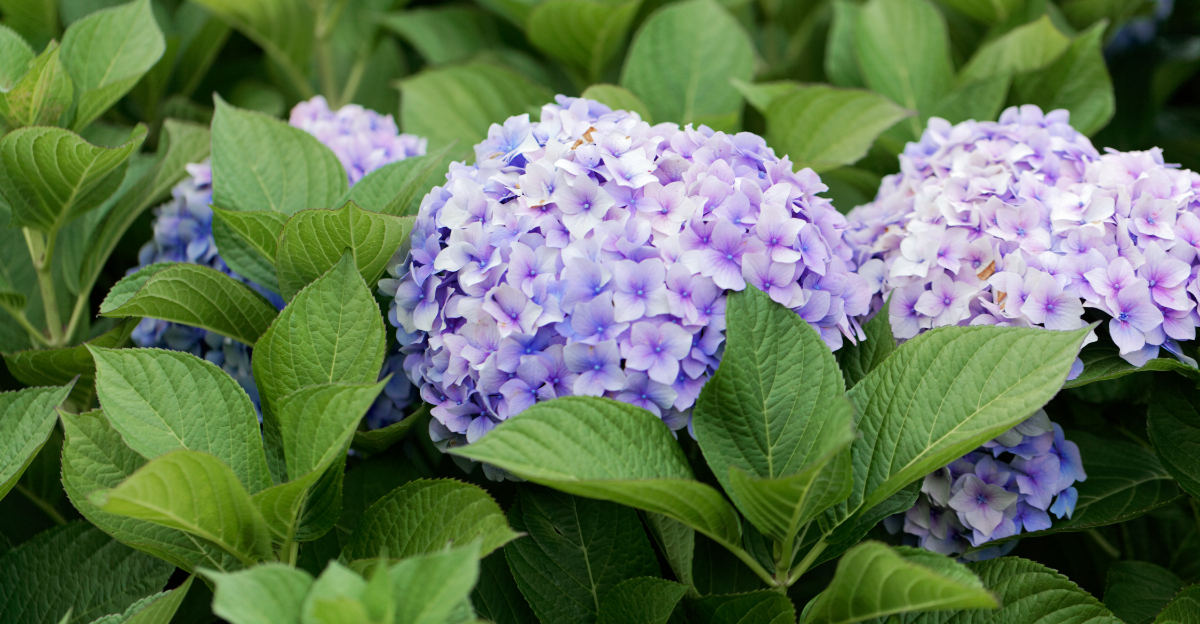
Hydrangeas are one of the most requested plants at Michigan garden centers every spring, and every year a portion of those purchases end up disappointing.
Not because hydrangeas are difficult, but because the wrong varieties get planted in a climate that exposes their weaknesses quickly.
Michigan winters are hard on hydrangeas that were not bred for cold, and the result is shrubs that survive but never bloom, or plants that look good for a season and steadily decline after that.
The varieties worth growing here are the ones built specifically for cold hardiness, reliable blooming on new wood, and the kind of recovery that keeps them performing season after season without coddling.
Michigan gardeners who plant the right ones get full, impressive blooms every summer without the frustration that comes with chasing varieties better suited to warmer states.
This list covers exactly which hydrangeas belong in your garden and why each one earns its spot.
1. Panicle Hydrangeas Are The Safest Choice For Cold Gardens
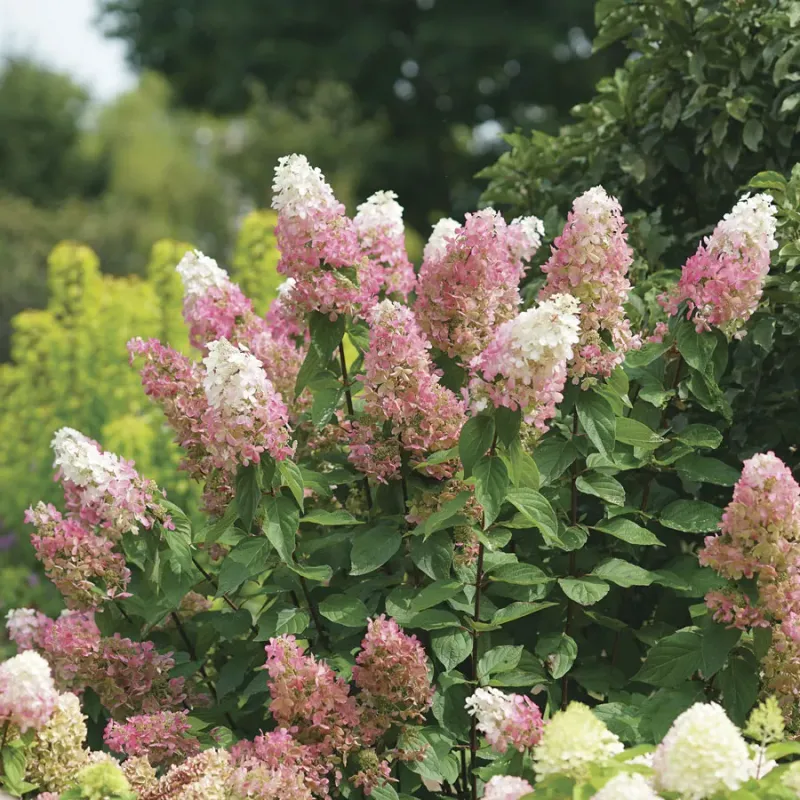
If there is one hydrangea that Michigan gardeners can plant with total confidence, it is the panicle type.
Unlike some hydrangeas that bloom on old wood and can lose their flower buds to a brutal winter, panicle hydrangeas bloom on new wood grown each season.
That means even after a rough February, fresh growth in spring will still produce flowers. Full sun to part sun works best for these shrubs, and they appreciate at least six hours of direct light each day.
Pruning in late winter or very early spring, before new growth begins, keeps the plant tidy and encourages bigger blooms.
Water regularly during the first two years after planting, and always add a few inches of mulch around the base to hold soil moisture through dry summer stretches.
Varieties like Limelight, Little Lime, Bobo, and Quick Fire are especially popular across Michigan because they handle temperature swings without missing a beat.
Limelight is a showstopper with large chartreuse blooms that shift to pink and cream as fall approaches. Bobo and Little Lime fit smaller yards beautifully without sacrificing cold hardiness.
Quick Fire earns its name by blooming earlier than almost any other hydrangea, giving gardeners a longer flower season to enjoy.
2. Smooth Hydrangeas Bloom Reliably Even After Harsh Winters
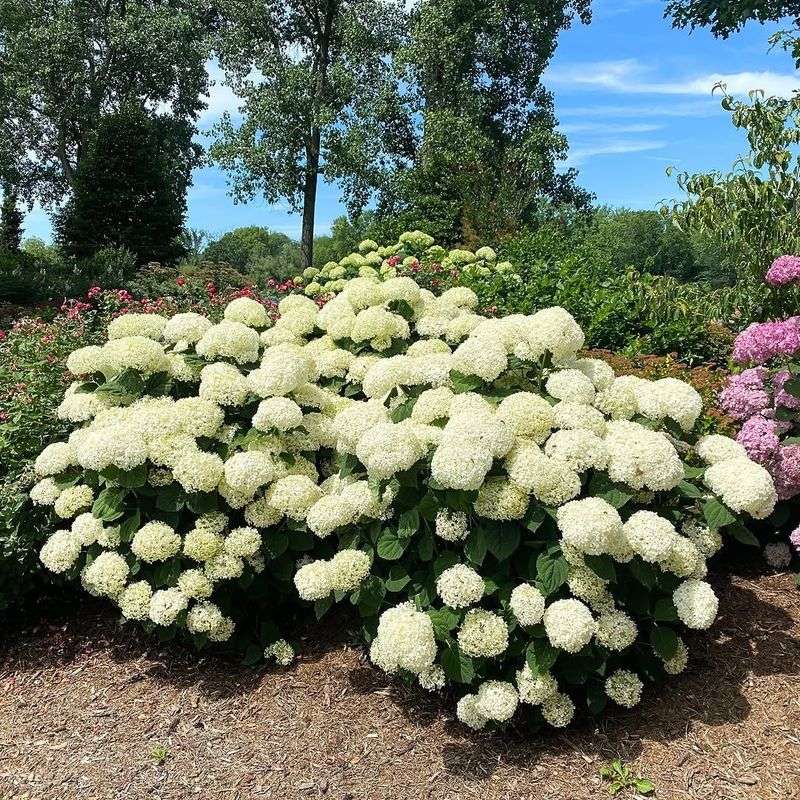
Smooth hydrangeas are practically built for Michigan winters. Gardeners across the state have counted on them for decades because they bloom on new wood, meaning last winter’s coldest nights will not ruin next summer’s flower show.
Even if stems get knocked back hard by frost, fresh spring growth bounces back and produces blooms reliably.
Annabelle is the most recognized name in this group, famous for its giant white snowball-like blooms that light up shady corners of the yard. Incrediball takes things further with even larger flowers and noticeably stronger stems.
Invincibelle Spirit adds soft pink tones to the mix, making it a favorite in cottage-style gardens across the Lower Peninsula.
Smooth hydrangeas prefer moist, well-drained soil and do well in part shade, though they can handle more sun if watered consistently.
Your Michigan Garden Changes Every Week. Your Plan Should Too.
Gardening in Michigan changes quickly throughout the season. Every Friday you’ll receive a simple weekly plan showing exactly what to plant, prune, fertilize, harvest, and protect so you never miss the right timing.
Prune them back in late winter or early spring before new growth appears, cutting stems down to about twelve inches from the ground.
One challenge worth knowing about is that the enormous blooms can flop after heavy summer rain.
Placing a simple wire support ring around the plant before it reaches full height solves that problem easily.
Mulching generously around the base keeps roots cool and moist, which these moisture-loving shrubs truly appreciate through our sometimes dry summers.
3. Little Lime Hydrangea Fits Smaller Yards Without Losing Cold Hardiness
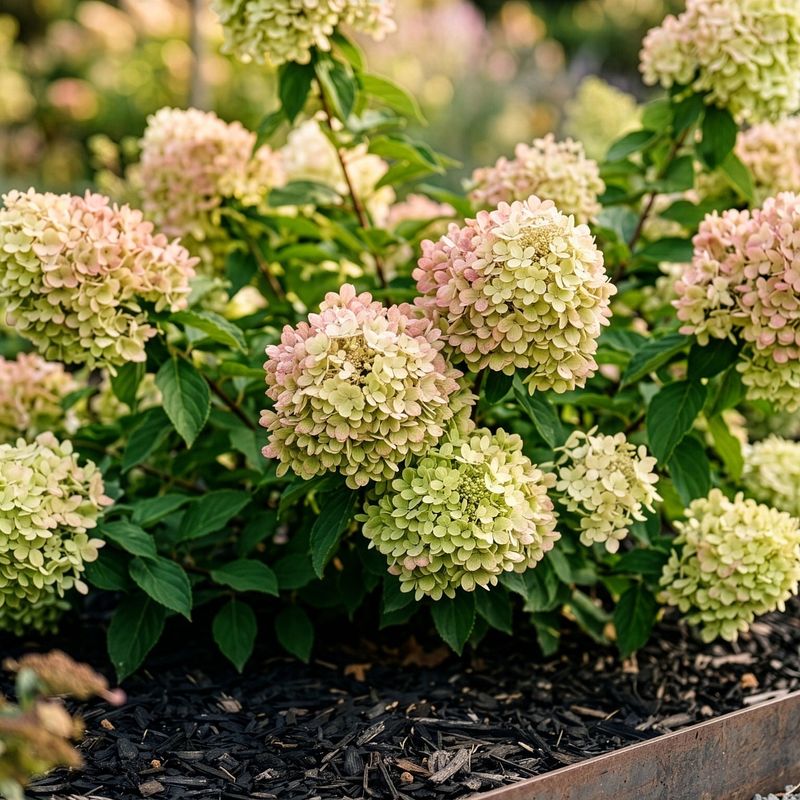
Not every yard has room for a six-foot-wide hydrangea, and that is exactly where Little Lime steps in.
Standing only three to five feet tall and wide, this compact panicle hydrangea fits neatly into foundation beds, front borders, and mixed perennial gardens without overwhelming the space.
It carries all the cold hardiness of its larger relative, Limelight, in a much more manageable size.
Blooms appear in midsummer as a soft lime green color, then shift gradually to creamy white and blush pink as the season moves toward fall.
Because it blooms on new wood each year, Michigan winters pose very little threat to the flower production.
Full sun to part sun is the sweet spot, with at least five to six hours of direct light giving the best results.
Pruning Little Lime in late winter or early spring before buds break helps keep the plant compact and encourages strong, bloom-filled stems.
Water deeply once or twice a week during dry spells, especially in the first growing season after planting.
A two to three inch layer of mulch around the base holds moisture and moderates soil temperature through both summer heat and winter cold.
Space plants about three to four feet apart to allow good air circulation and room for each shrub to reach its natural shape without crowding.
4. Quick Fire Hydrangea Blooms Early Enough For Michigan’s Shorter Season
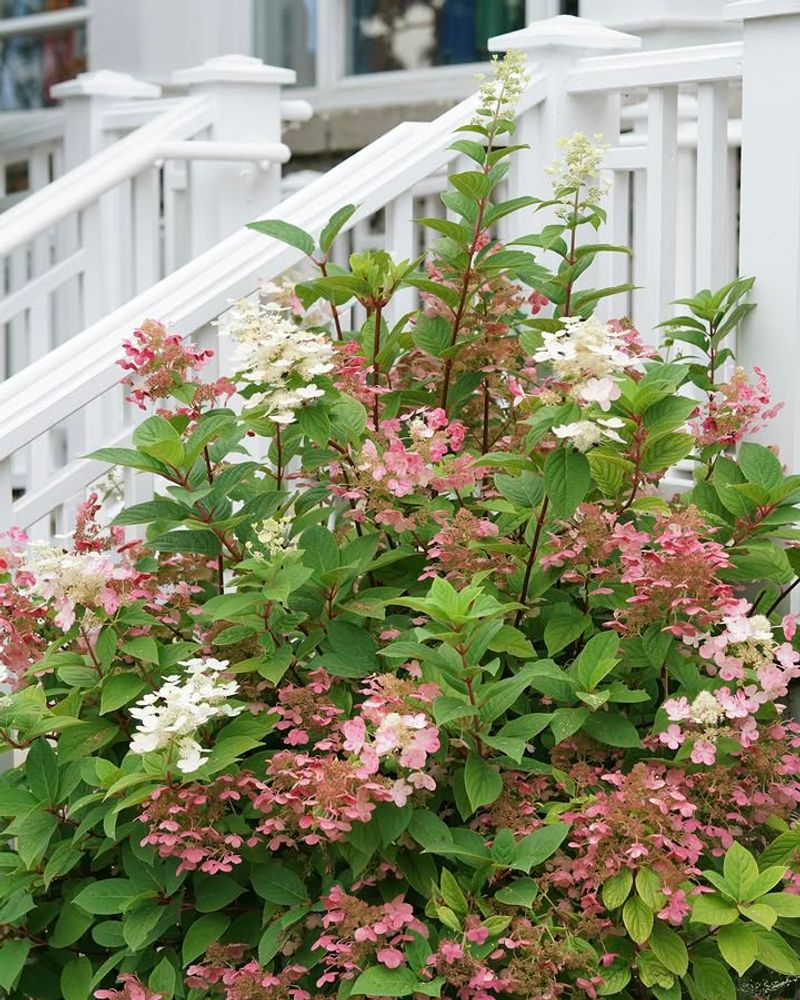
Michigan gardeners know the growing season can feel short, especially in the northern part of the state.
Quick Fire hydrangea solves that problem by blooming several weeks earlier than most other panicle hydrangeas, often starting its flower show in late June or early July. That head start gives yards more weeks of color before fall arrives.
Flowers open bright white, then shift to deep pink and eventually a rich burgundy-red by late summer, creating a striking multi-colored display on a single plant.
Quick Fire blooms on new wood each season, so even the coldest winter will not prevent a full bloom the following summer.
Plants typically grow five to six feet tall and wide, making them a strong choice for back borders, property lines, or as a flowering focal point in the landscape.
Full sun produces the most flowers and the best color changes, though Quick Fire handles part sun well too.
Prune in late winter or early spring, removing about one third of the plant’s height to encourage vigorous new growth.
Consistent watering during the first two years after planting helps roots establish deeply, which improves long-term drought tolerance.
Mulch around the base retains moisture and protects roots during freeze-thaw cycles in late fall and early spring.
Northern Michigan gardeners especially appreciate how reliably Quick Fire performs even in zones 4 and 5 conditions.
5. Annabelle Hydrangea Is A Classic Choice For Part Shade
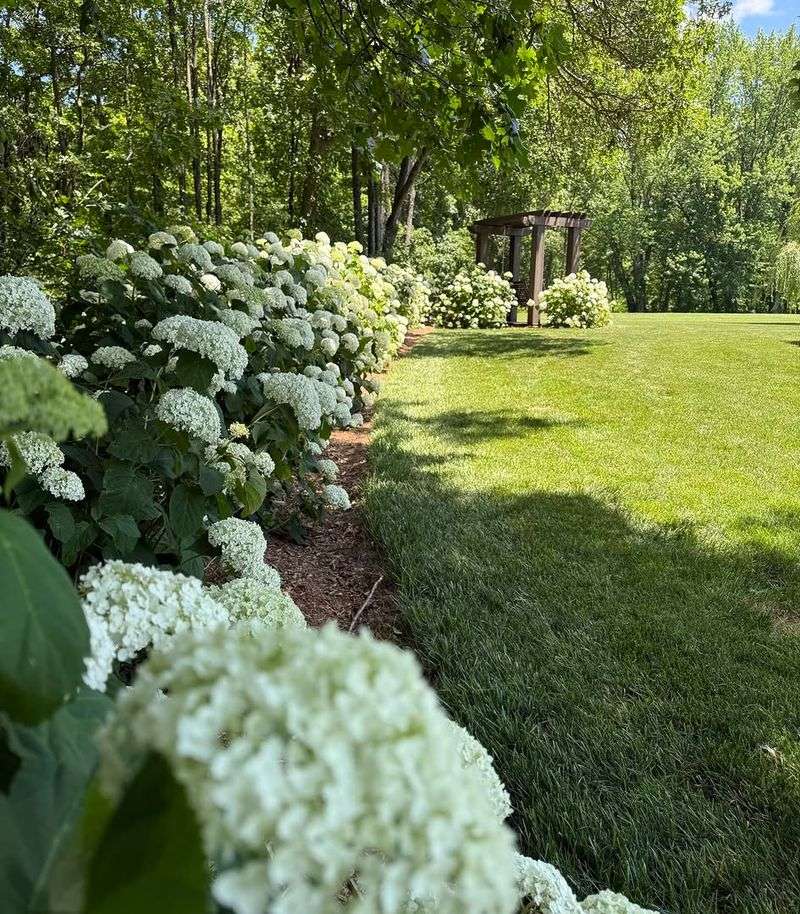
Few plants have earned their place in Michigan gardens quite like Annabelle. This beloved smooth hydrangea has been growing in Midwest yards for generations, and for good reason.
Its enormous white globe-shaped blooms can reach twelve inches across, creating a dramatic display in part shade spots where many other flowering shrubs struggle to perform.
Annabelle thrives in locations that receive morning sun and afternoon shade, making it perfect for the north or east side of a house or beneath the canopy of a large deciduous tree.
It handles Michigan’s cold winters with ease because it blooms entirely on new wood. Even in zones 4 and 5, where temperatures can drop well below zero, Annabelle comes back reliably and flowers with full enthusiasm.
Prune stems back to about twelve inches from the ground in late winter or early spring, just before new growth begins.
This keeps the plant tidy and promotes the strongest new stems for the coming bloom season.
Consistent soil moisture is important since Annabelle prefers evenly moist conditions and can wilt quickly during dry spells.
Adding a thick layer of mulch around the base helps lock in moisture and keeps roots comfortable.
One practical tip for gardeners is to install a simple wire hoop support in spring, because those spectacular blooms get heavy after summer rain and the stems can lean dramatically without a little help.
6. Incrediball Hydrangea Gives Gardeners Stronger Stems Than Older Smooth Types
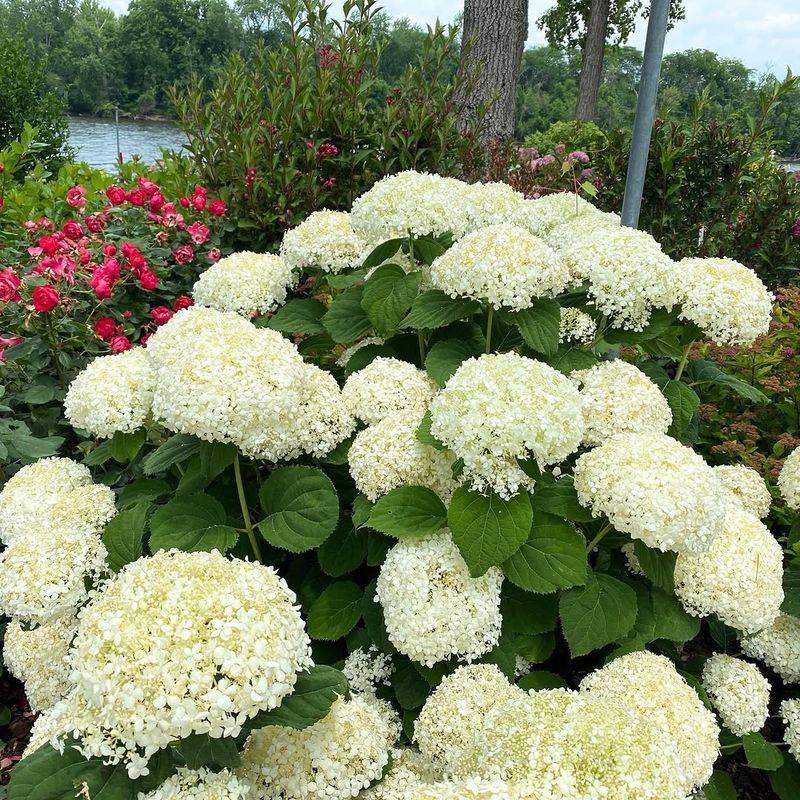
Anyone who has watched a classic Annabelle hydrangea flop over after a summer storm knows the frustration. Incrediball was bred specifically to fix that problem.
With noticeably stronger stems and blooms that can reach up to twelve inches across, this smooth hydrangea delivers the wow factor without the drooping disappointment that older varieties sometimes bring.
Incrediball grows four to five feet tall and wide, fitting comfortably into most landscapes. It performs best in full sun to part sun, with rich, well-drained soil that stays consistently moist through the growing season.
Because it blooms on new wood, Michigan’s harsh winters have no impact on its ability to flower.
Prune in late winter or early spring, cutting stems back to about twelve to eighteen inches from the ground to stimulate strong new growth.
Spacing plants about four to five feet apart allows good air movement, which helps reduce the chance of fungal issues during Michigan’s humid summer months.
Water deeply and regularly during the first growing season to help roots establish, then continue watering during dry stretches each summer.
Mulching three inches deep around the base of the plant keeps the soil cool and moist, which Incrediball truly benefits from during July and August heat.
Michigan gardeners who have struggled with floppy smooth hydrangeas in the past consistently find that switching to Incrediball is a game-changing upgrade for their summer garden.
7. Oakleaf Hydrangea Is Worth Growing Only In Protected Spots
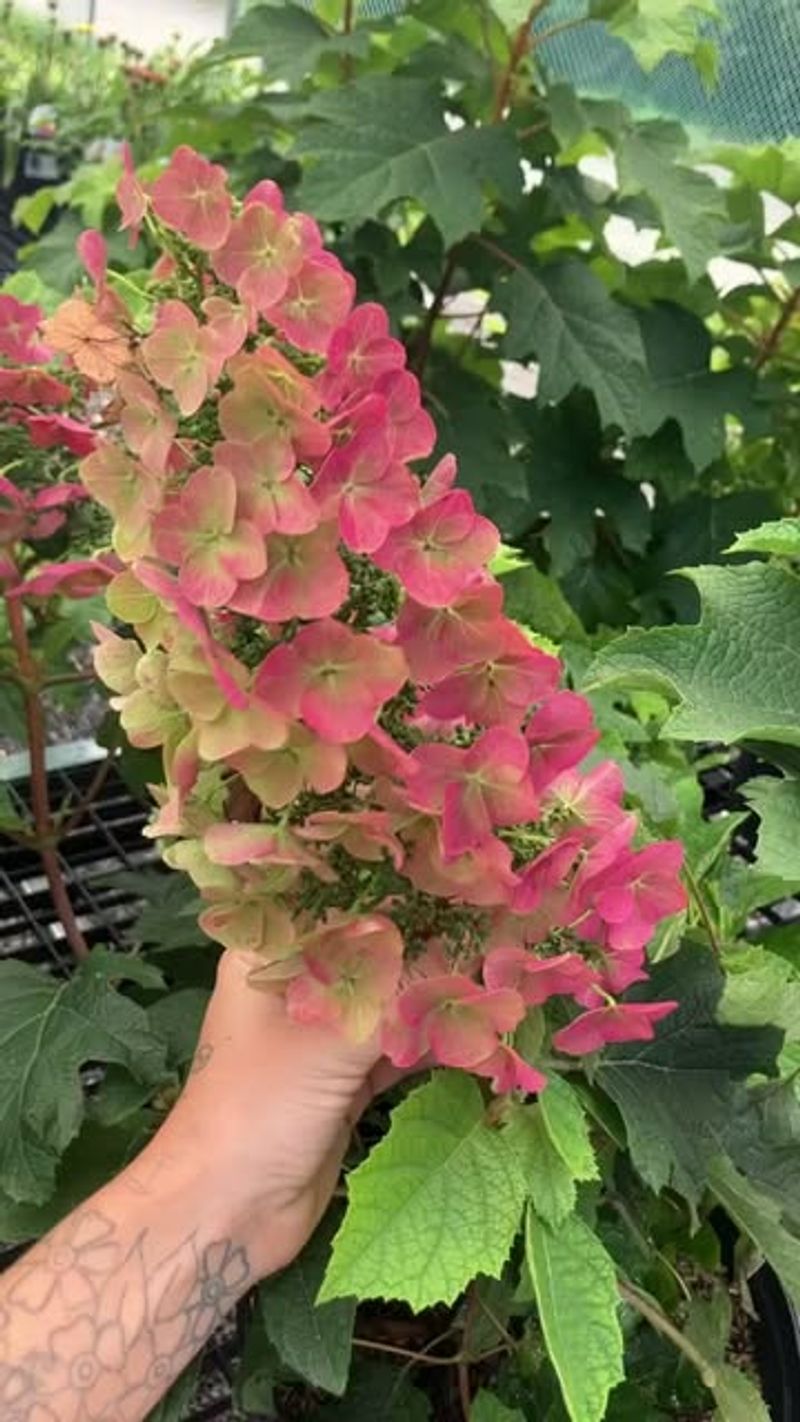
Oakleaf hydrangea is one of the most visually interesting shrubs you can grow, offering something beautiful in every season.
Spring brings large white cone-shaped flowers, summer keeps the bold oak-shaped leaves front and center, fall delivers stunning red and burgundy foliage, and winter reveals attractive peeling cinnamon-colored bark.
The challenge for gardeners is that this species blooms on old wood, which makes it vulnerable to cold snaps in exposed locations.
In southern Michigan, protected spots near a south or east-facing wall give oakleaf hydrangea the best chance of producing a full flower display.
In central and northern Michigan, bloom reliability drops significantly in open or windy locations, and gardeners should set realistic expectations going in.
Good drainage is especially important since wet, poorly drained soil combined with our winters can stress these plants considerably.
Prune oakleaf hydrangeas right after they finish flowering in late summer, rather than in spring, to avoid removing the buds that will become next year’s blooms.
Wrapping the plant loosely with burlap before the first hard frost can protect buds in colder zones.
Despite the extra care it needs, oakleaf hydrangea rewards patient gardeners with a multi-season beauty that no other hydrangea can match.
Planting it in a sheltered microclimate, such as a walled courtyard or a protected corner of the house foundation, gives it the best possible start in Michigan’s unpredictable climate.
8. Reblooming Bigleaf Hydrangeas Are Worth Trying Only With Careful Placement
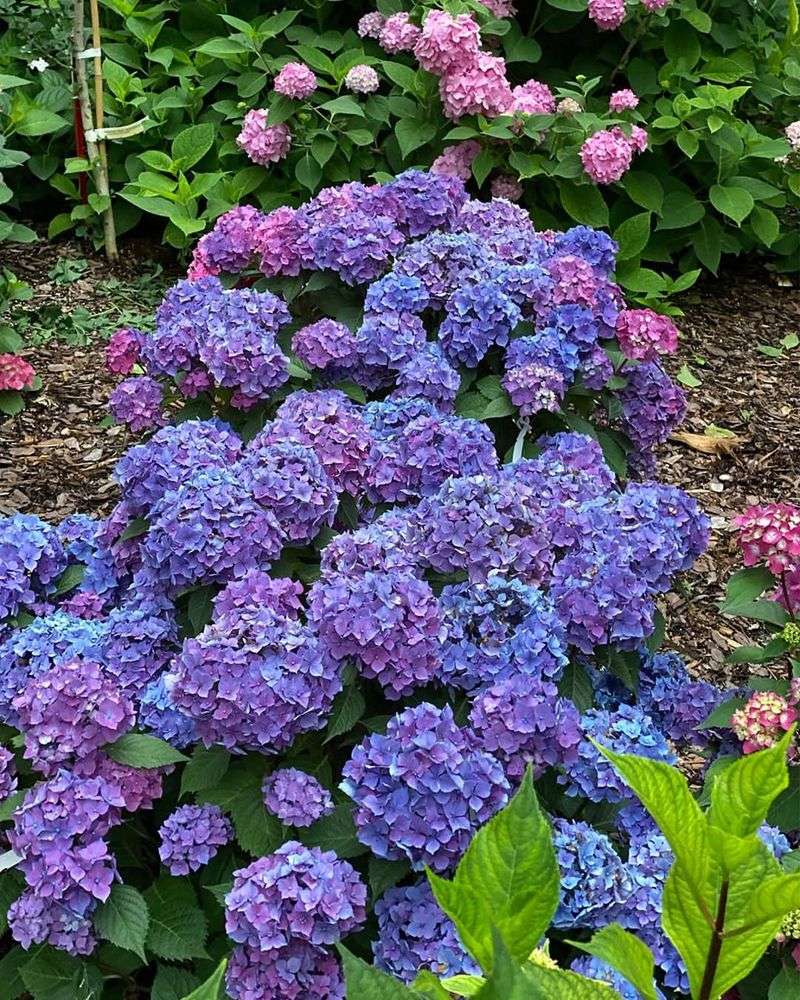
Traditional bigleaf hydrangeas have a reputation for frustrating gardeners. The classic mophead types bloom on old wood, meaning a single cold snap after buds set can wipe out the entire flower show for the year.
Reblooming varieties changed the game by producing flowers on both old and new wood, giving growers here a much better shot at seeing actual blooms.
Endless Summer and the Let’s Dance series are the most widely available reblooming types in Michigan garden centers.
When old wood survives the winter in a sheltered spot, these plants bloom earlier in summer.
Even if winter wipes out the old wood entirely, new growth still pushes out a second flush of flowers later in the season.
Placement near a south-facing wall, a garage, or another wind-blocking structure dramatically improves the odds of old wood surviving Michigan winters.
Pruning requires a light touch with these varieties. Remove only spent blooms and any obviously damaged stems in early spring, rather than cutting the plant back hard, which would remove potential old wood buds.
Keep soil consistently moist and slightly acidic for the best bloom color, since acidic soil produces blue flowers while more neutral soil shifts them toward pink.
Mulching heavily before winter helps insulate roots and protects low stem buds from the worst cold.
Managing expectations honestly is key since even with perfect placement, reblooming bigleaf hydrangeas perform better in southern Michigan than in the colder north.
9. Bobo Hydrangea Gives Reliable Blooms In Tight Spaces
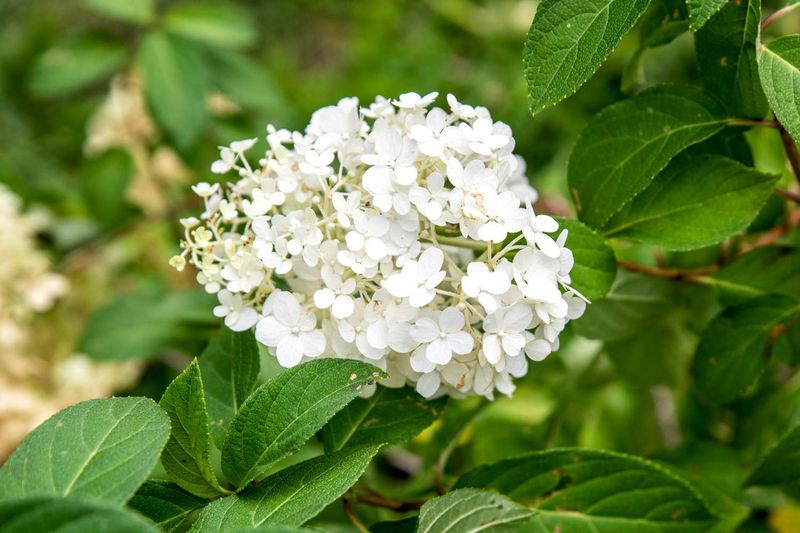
Some of the best things come in small packages, and Bobo hydrangea proves that point perfectly.
This dwarf panicle hydrangea tops out at just two to three feet tall and about three feet wide, making it one of the most versatile flowering shrubs available to gardeners with limited space.
Despite its small stature, Bobo produces an impressive number of blooms that practically cover the entire plant from midsummer onward.
Flowers emerge white and gradually age to soft pink and cream as fall approaches, giving the plant a warm, multi-toned look in late season.
Because Bobo blooms on new wood each year, our winters have zero impact on its flowering potential.
Full sun is ideal, though part sun works well too. Bobo is cold hardy to zone 3, making it one of the most reliably cold-tolerant options for gardeners in northern Michigan.
Prune in late winter or early spring before new growth begins, cutting back about one third of the plant’s height to encourage fresh, strong stems loaded with blooms.
Water consistently during dry summer stretches, and apply two to three inches of mulch around the base to retain soil moisture.
Bobo works beautifully in containers, low hedges, front foundation beds, and as a border plant along walkways.
Space plants about two to three feet apart for a full, lush hedge effect that stays tidy and manageable through the growing season without constant maintenance.
10. Climbing Hydrangea Is Worth Growing For Patient Gardeners
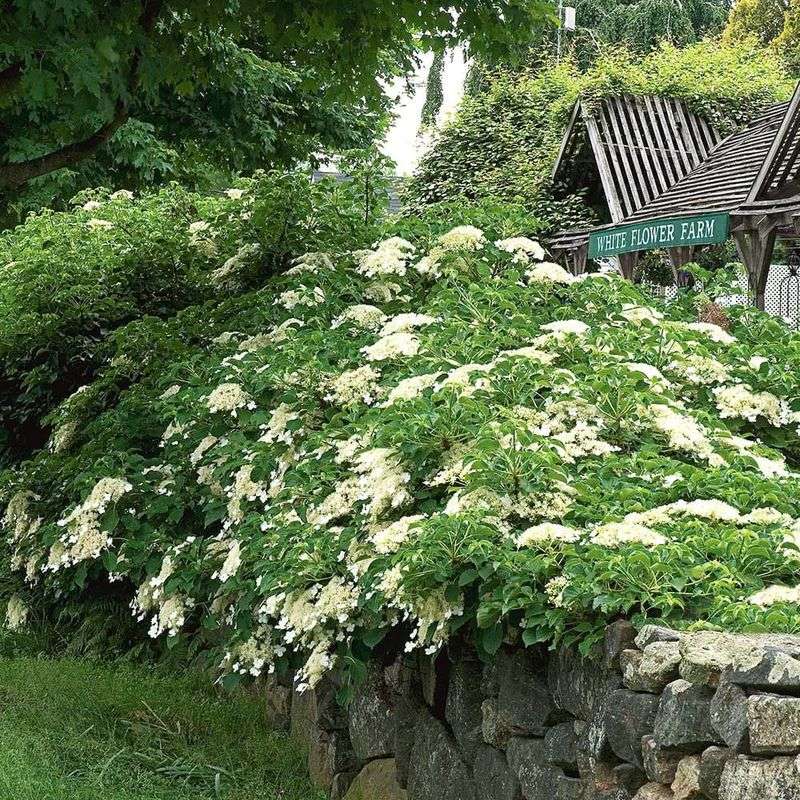
Most hydrangeas grow as shrubs, but climbing hydrangea takes a completely different direction, literally.
This vigorous vine clings to walls, fences, tree trunks, and large structures using small aerial rootlets, eventually creating a lush, flowering curtain of green that blooms with flat white lacecap flowers in early summer.
The payoff is genuinely spectacular, but patience is absolutely required because this plant takes its time getting established.
For the first two or three years after planting, climbing hydrangea may show very little upward growth.
Roots are quietly developing underground during this period, building the energy reserves needed for future expansion.
Once established, growth accelerates noticeably and the plant can eventually reach thirty to forty feet in ideal conditions.
Shaded or partly shaded north and east-facing walls are the best locations in Michigan, where the vine thrives without the stress of intense afternoon sun.
Water regularly and deeply during the establishment years, as consistent moisture is the single most important factor in helping this vine get off to a strong start.
Pruning is rarely needed once the plant matures, but trimming wayward stems right after flowering in early summer keeps things tidy without removing next year’s buds.
This species is cold hardy to zone 4, making it suitable for most of Michigan’s Lower Peninsula and sheltered spots in the Upper Peninsula.
Gardeners who commit to the slow start are rewarded with one of the most striking and long-lasting vines our climate can support.