Why Sweet Potatoes Were Made For North Carolina Soil
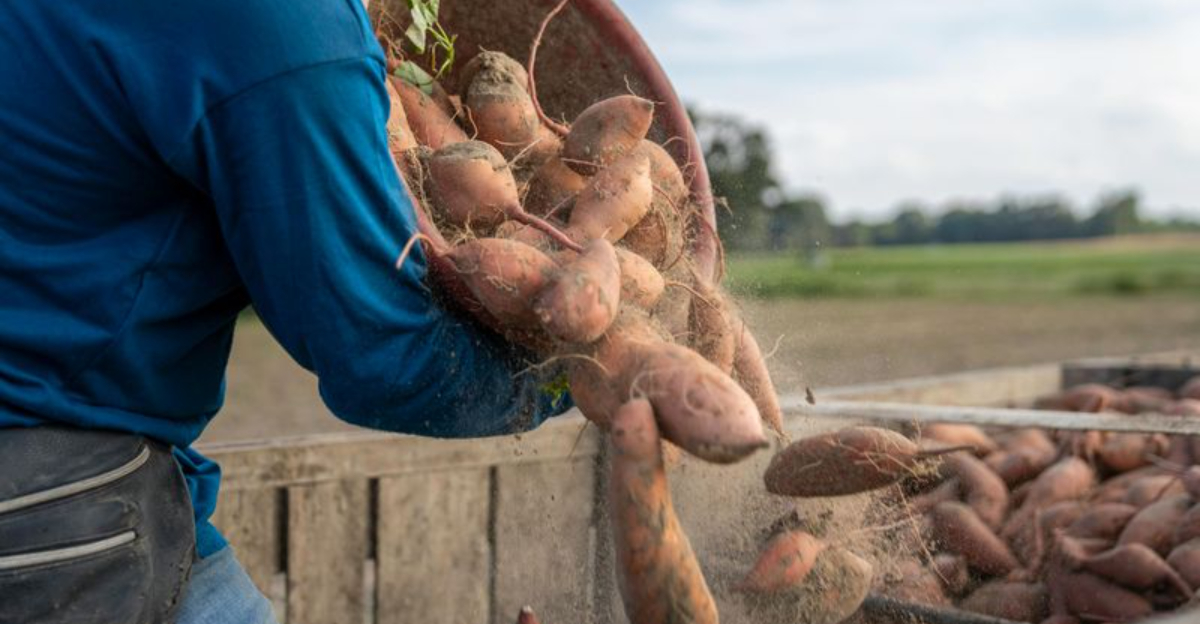
If you’ve ever tasted a sweet potato from North Carolina, you know there’s something unique about them. North Carolina doesn’t just produce sweet potatoes, it actually grows more than any other state in the U.S., and it has been doing this for many years.
And this isn’t just by chance. The land here is just different, but in a good way! Sandy soil, long summer, warm nights…everything is just right for this crop.
Farmers in the eastern part of the state discovered this a long time ago, and now even backyard gardeners are starting to realize it too.
Sweet potatoes are truly one of the easiest and most forgiving crops for a gardener in North Carolina to grow. They can handle the heat, don’t need a lot of care, and if you’re patient, they give you a big harvest that can be stored for months.
The real trick isn’t some fancy technique or expensive soil additives. The trick is that you already live in the perfect place to grow them.
1. Warm Weather Fuels Strong Growth
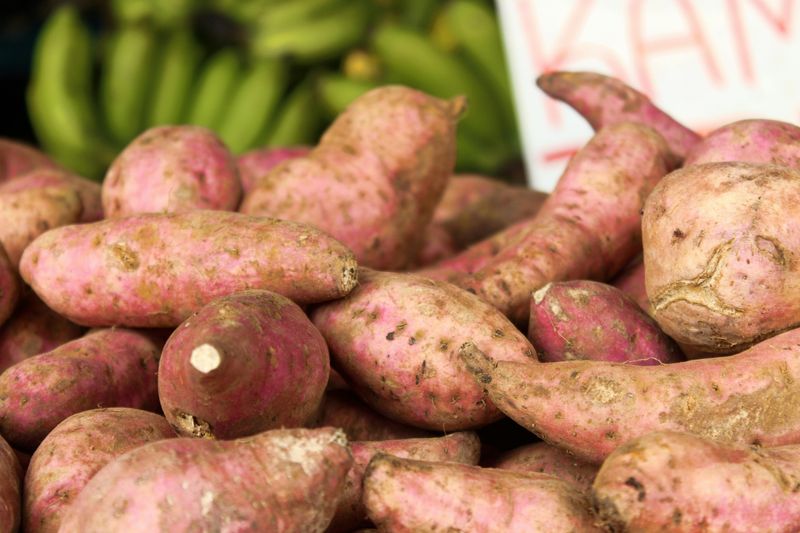
Sweet potatoes love the heat, and North Carolina’s summers are like a big welcome sign for them.
Not many crops enjoy warmth as much as sweet potatoes do, and this state has plenty of it. With long hot days and nice warm nights, sweet potato plants get exactly what they need to grow quickly after being planted.
The soil has to be at least 65 degrees Fahrenheit before you can plant the slips. Luckily, spring turning into summer always hits that temperature, year after year, without any fuss.
When the heat arrives, sweet potato vines really get to work. They spread out all over the ground, blocking weeds while they do their important growing underground.
In Eastern North Carolina, summers usually stay between 85 and 90 degrees, which is perfect for sweet potatoes. Plus, with long summer days giving plants at least eight hours of direct sunlight, it creates a growing environment that does most of the work for you.
Just plant after the last frost, put the slips in warm soil, and let the summer do its thing. The heat is exactly what they need.
2. Sandy Soil Gives Roots Room
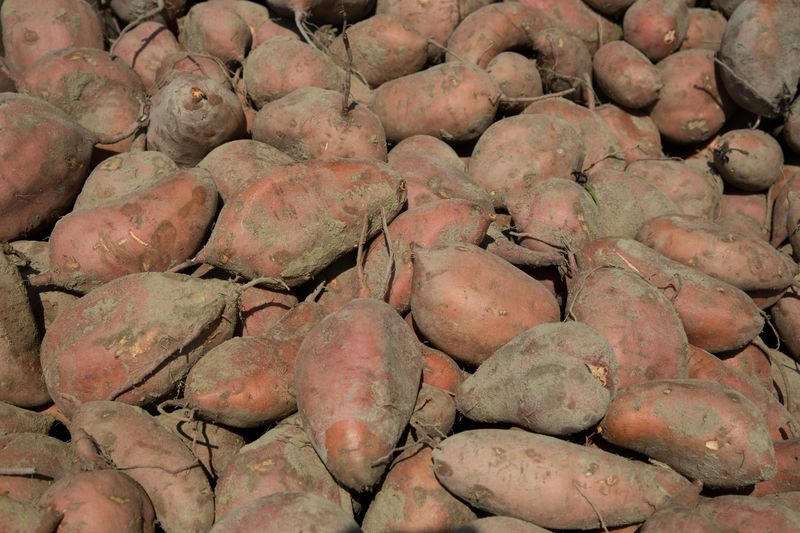
For underground growers, the type of soil sweet potatoes grow in either works with them or against them. Texture is everything.
Sandy and loamy soils, which are common in much of eastern North Carolina, allow the roots to thrive. Loose soil makes it easier for roots to grow naturally without having to push against anything.
NC State Extension suggests sandy loam because it has the perfect combination: good drainage, solid aeration, and it makes root growth almost effortless.
On the other hand, clay soil is a different story. It keeps its shape stubbornly, and when a sweet potato root tries to grow in that kind of soil, it often ends up forking, cracking, or just stopping altogether.
Your North Carolina Garden Changes Every Week. Your Plan Should Too.
Gardening in North Carolina changes quickly throughout the season. Every Friday you’ll receive a simple weekly plan showing exactly what to plant, prune, fertilize, harvest, and protect so you never miss the right timing.
This leads to oddly shaped roots that are tougher to sell, store, and honestly, just not very pretty.
North Carolina’s Coastal Plain has avoided this issue completely. The sandy, well-structured soils there were formed over thousands of years from ancient marine sediments, and they have been producing nice, well-shaped roots ever since.
Farmers in Johnston, Wilson, and Nash counties have been working this land for generations.
However, if you don’t have sandy soil in your yard, mixing in some coarse sand and compost into your garden beds before planting can help loosen the soil enough to give your roots a better chance.
3. Fast Drainage Protects The Crop
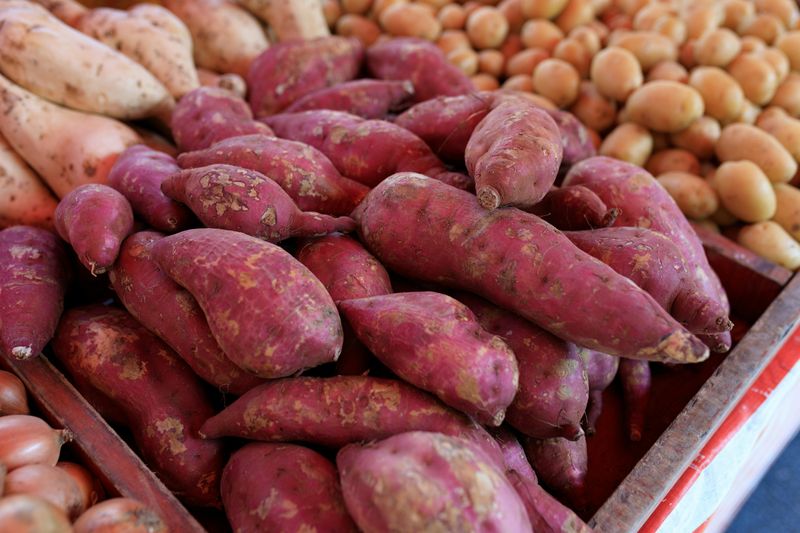
Sweet potatoes enjoy a drink just like any other crop, but they won’t tolerate sitting in water.
If there’s too much standing water around the roots, it can lead to rot and fungal issues that can ruin a planting before you even notice anything is wrong. Having consistent moisture is beneficial.
However, overly soggy soil is a whole different issue, and the sandy soils of eastern North Carolina manage this situation better than almost anywhere else in the country.
Sandy soil has bigger spaces between its particles, which allows rainwater to flow through the root zone quickly instead of pooling and sticking around. The water comes in, does its job, and then keeps moving.
It’s important to steer clear of low-lying fields or areas where water gathers after heavy rain, and in most parts of eastern NC, that’s not a tough request. The land naturally drains well before any problems have a chance to develop.
This is important because eastern North Carolina isn’t exactly dry. Summer rain happens regularly, and a crop sitting in poorly drained soil after a big storm is definitely in trouble.
4. Raised Rows Warm The Soil Earlier
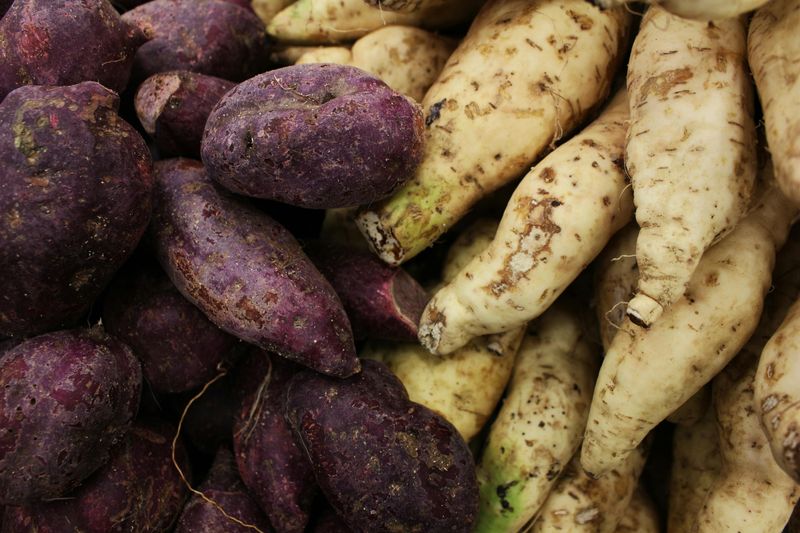
One of the oldest tricks in sweet potato farming is also one of the most effective.
Raised rows, which are sometimes called ridges or beds, have been a standard part of sweet potato production in North Carolina for over a hundred years, and the reason is simple: mounded soil warms up faster than flat ground.
When soil is shaped into a raised row, more surface area is exposed to direct sunlight. This exposure allows the soil to absorb heat more quickly in the spring.
It helps growers get slips into the ground earlier and giving plants a longer time to grow before fall comes.
Raised rows also solve the drainage problem. The mounded shape pushes water away from the root zone and down into the furrows, where it drains off before it can cause trouble.
In North Carolina, rows go up a few weeks before planting so the soil can settle and warm. Most growers use a bedder attachment to form rows eight to twelve inches tall and roughly three feet apart.
5. Long Seasons Let Roots Size Up
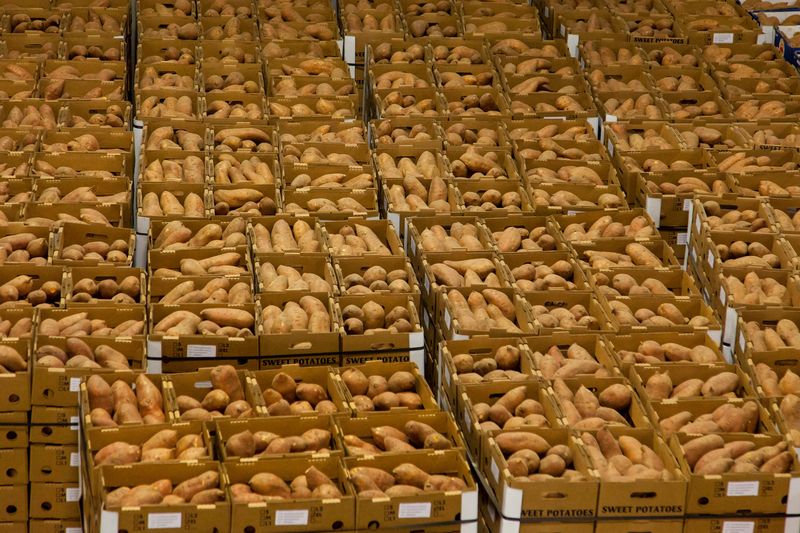
Sweet potatoes are definitely not a quick crop. Most varieties need 90 to 120 days of warm weather from slip to harvest, and not every state can deliver that frost-free window.
North Carolina does, which really helps the crop grow well before it’s time to harvest.
Slips go in late May or early June and come out in September or October, giving plants four to five months of warm weather to develop. More time in the ground means bigger, denser roots ready for long-term storage.
The long season also means farmers can wait for the right harvest moment instead of racing an early frost. Rush it and you get small, bland roots.
Wait it out and you get the natural sweetness North Carolina sweet potatoes are known for.
Home gardeners can take advantage of this long growing season too. By planting slips after the last frost and letting them grow all summer, backyard gardeners have a great chance for a big harvest.
Patience really pays off with sweet potatoes, and the climate in North Carolina makes it easier to be patient.
6. Carolina Varieties Fit The Region
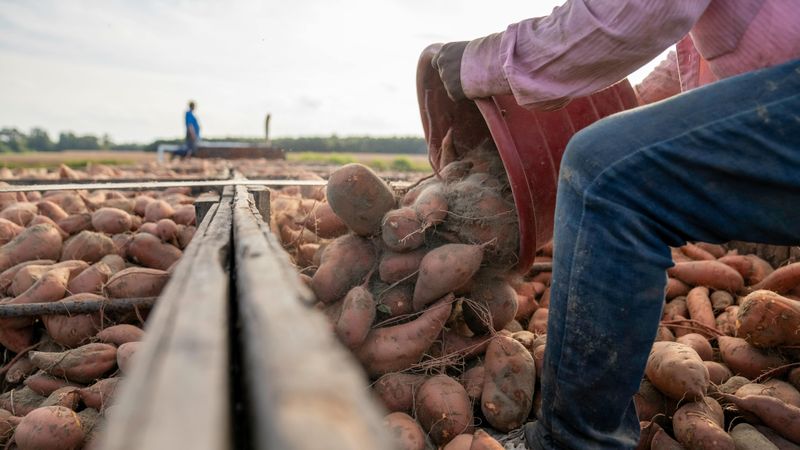
Not every variety grows the same way in every location. North Carolina has worked for many years to ensure that farmers don’t have to make guesses.
The Covington variety, developed by NC State University, is currently the most commonly grown sweet potato in the state. It was specifically bred to thrive in North Carolina’s environment, with steady yields and resistance to common soil pests.
However, Covington isn’t the only choice available. NC State’s breeding and variety trial programs offer farmers a reliable selection of options.
This allows them to choose varieties that suit their soil type, market needs, and production goals.
For those gardening at home, the same resources are available. Local farm supply stores can help you find Covington slips and other varieties that have been proven to thrive in North Carolina gardens.
7. The Coastal Plain Gives Them An Edge
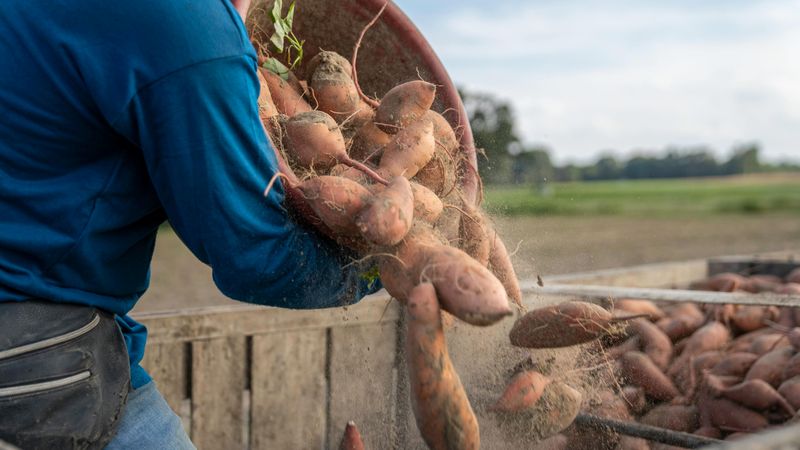
If you travel east from Raleigh towards the coast, you’ll find the North Carolina Coastal Plain. This region is the heart of the state’s sweet potato industry.
Counties such as Johnston, Wilson, Nash, and Sampson are located right in the center and are among the leading sweet potato producing counties. North Carolina accounts for more than 50 percent of the total sweet potato crop in the U.S., and the Coastal Plain is the main reason for this.
The soils in this area were created from ancient marine sediments over thousands of years, which is where sweet potato roots flourish now.
Moreover, this region enjoys warmer weather for a longer period compared to the Piedmont or the mountains. This gives farmers a few extra weeks at both ends of the growing season.
So, North Carolina didn’t just get fortunate with this crop. The land has been naturally shaped over time into an ideal environment.