7 Tips For Growing And Caring For This Ultimate Beginner Plant In Texas
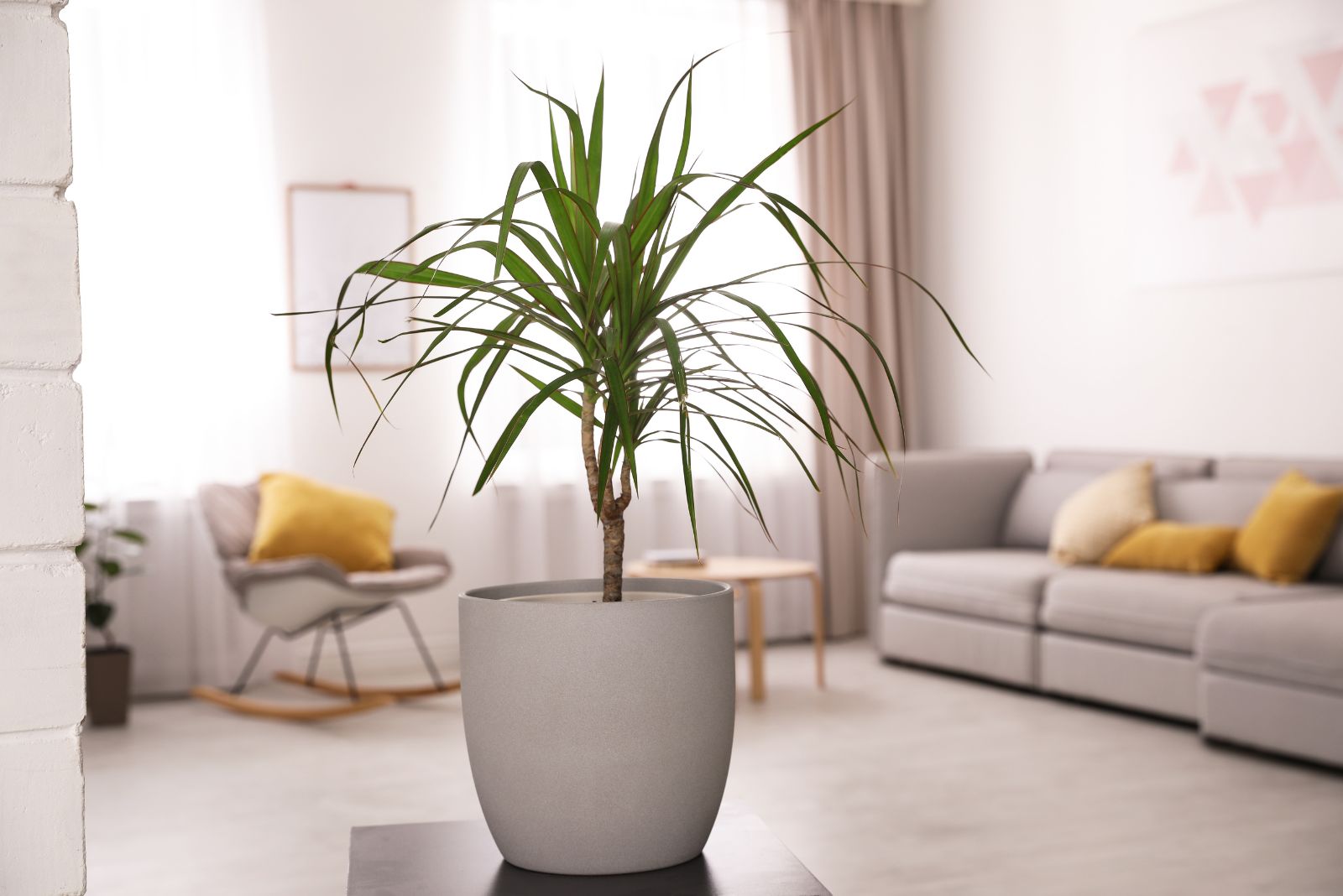
If you’re new to gardening or just want a plant that’s low-maintenance but still adds some style to your home, you’re in the right place. Some plants can be picky, requiring specific conditions and constant care, but others are happy to thrive with just a little attention.
This ultimate beginner plant is perfect for those who want to add greenery to their space without a ton of fuss. It’s sturdy, adaptable, and can handle a range of conditions, making it ideal for anyone just starting out.
From its sleek, attractive foliage to its tolerance for both low and bright light, this plant is the perfect addition to your Texas indoor garden. It doesn’t need to be watered constantly, and it can survive through small mistakes without losing its charm.
With just a few simple tips for proper care, you’ll have a thriving plant that adds life and freshness to your home, no green thumb required.
1. Choose The Right Dracaena Variety
Not all Dracaenas are the same, and picking the right one can make your plant journey so much easier. There are several varieties to choose from, and each one has its own personality and look.
Knowing a little about each type helps you find the best fit for your home and lifestyle.
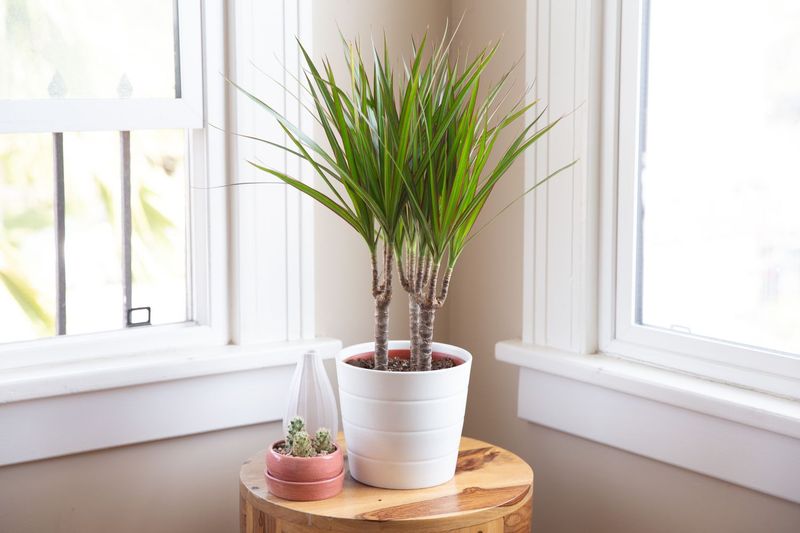
The Dracaena marginata, also called the Dragon Tree, is one of the most popular choices. It has long, thin, spiky leaves with a bold red edge that adds a dramatic touch to any room.
This variety grows tall over time and looks stunning in a corner of your living space.
The Dracaena fragrans, or Corn Plant, has wide, glossy leaves that look a lot like actual corn stalks. It is one of the most forgiving varieties and can handle lower light conditions better than most.
If your home or apartment does not get a ton of natural light, this is a fantastic pick.
Dracaena sanderiana, often called Lucky Bamboo, is a fun option for smaller spaces. It can grow in water or in a small pot, making it super flexible.
Many people keep it on desks or shelves as a decorative accent.
Think about the size of your Texas space and how much light your location gets before choosing. Each variety has slightly different needs, but all of them are beginner-friendly.
Start with the one that excites you most, and you will be off to a great start.
2. Provide Bright, Indirect Light
Lighting is one of the most important things to get right when caring for a Dracaena. Get it wrong and the leaves can turn yellow, brown, or even look washed out.
Get it right and your plant will grow lush, vibrant, and full of color.
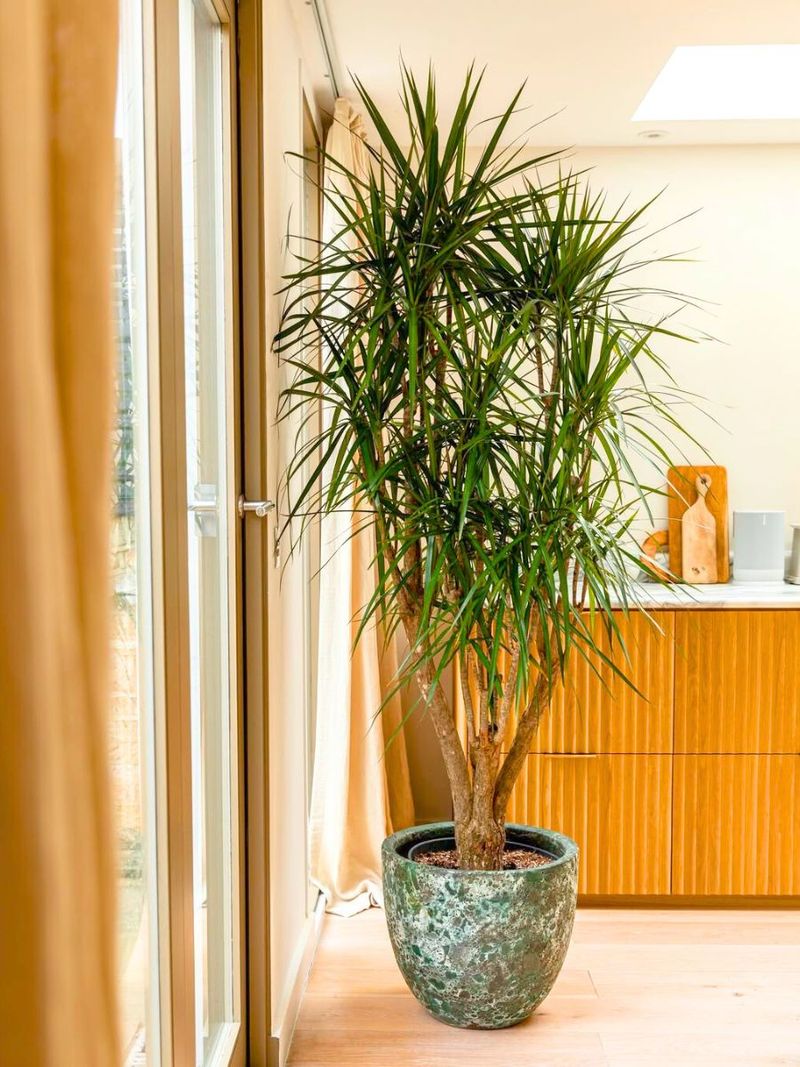
Dracaenas love bright, indirect light. That means placing them near a window where sunlight comes in but does not hit the leaves directly.
A spot a few feet away from a sunny window works really well. You can also use sheer curtains to filter the light if your window gets intense afternoon sun.
Your Texas Garden Changes Every Week. Your Plan Should Too.
Gardening in Texas changes quickly throughout the season. Every Friday you’ll receive a simple weekly plan showing exactly what to plant, prune, fertilize, harvest, and protect so you never miss the right timing.
Direct sunlight is a no-go for most Dracaena varieties. Too much direct sun can scorch the leaves, leaving brown or bleached patches that are hard to fix.
If you notice the leaves looking faded or crispy at the tips, your plant might be getting too much direct sun at your location.
On the flip side, too little light can slow down growth and make the leaves look dull. While Dracaenas can survive in lower light conditions, they will not thrive the way they do with bright, filtered light.
If your space does not have great natural light, consider using a grow light to give your plant a boost.
Rotating your plant every few weeks is also a smart move. This helps all sides of the plant get equal light exposure and encourages even, balanced growth.
A little attention to lighting goes a long way.
3. Water Regularly, But Let The Soil Dry Between Waterings
Watering might seem simple, but it is actually where most beginners go wrong with Dracaenas. Giving your plant too much water is one of the fastest ways to cause problems.
Overwatering can lead to root rot, which is tough to fix once it sets in.
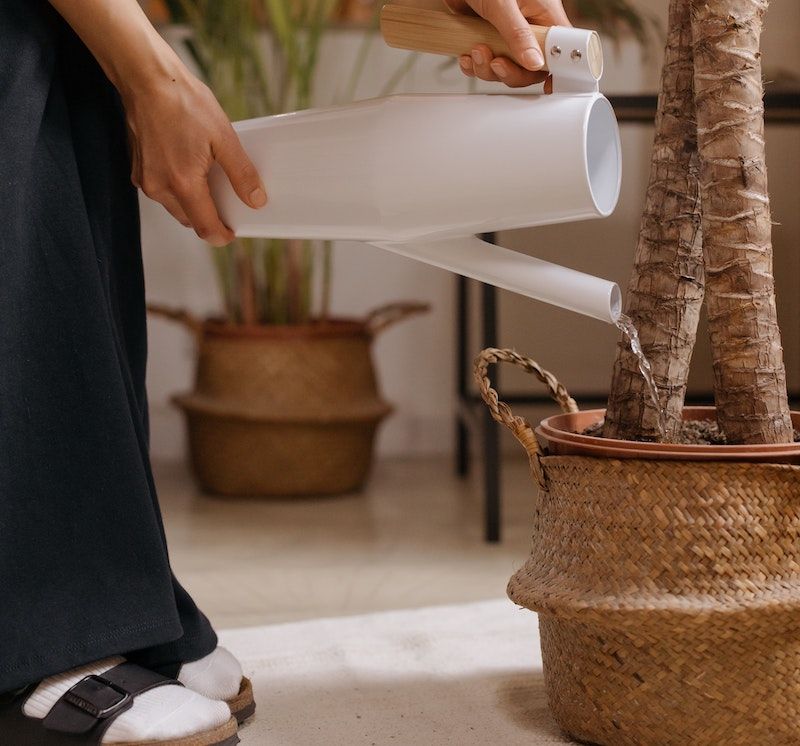
The golden rule is to water your Dracaena only when the top one to two inches of soil feel dry. Stick your finger into the soil to check.
If it still feels moist, wait a couple more days before watering. If it feels dry, go ahead and give it a good drink.
When you do water, make sure you water thoroughly so the moisture reaches the roots. Then let the excess water drain out completely from the bottom of the pot.
Never let your Dracaena sit in a tray of standing water, as this can cause the roots to suffocate.
Drainage holes in your pot are a must. Without them, water builds up at the bottom and creates soggy conditions that the roots hate.
Always choose a pot with proper drainage to keep your plant healthy and happy at your location.
Watering frequency also changes with the seasons. During Texas spring and summer, your plant is actively growing and may need water more often.
In fall and winter, growth slows down, so you can cut back on watering. Paying attention to the soil rather than sticking to a strict schedule is always the smarter approach.
4. Maintain Warm Temperatures
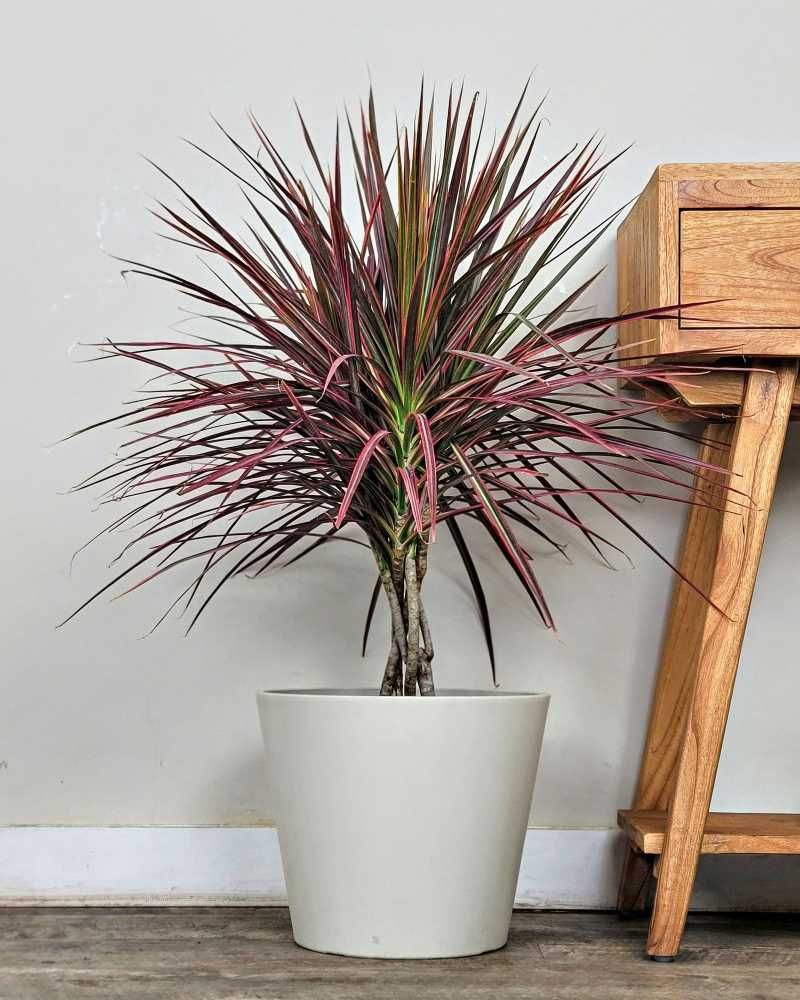
Did you know that Dracaenas are tropical plants by nature? That means they love warm, stable temperatures and are not fans of the cold.
Keeping your plant in the right temperature range is a simple but powerful way to help it thrive.
The sweet spot for Dracaenas is between 65 degrees and 75 degrees Fahrenheit, which is basically the same range that most people find comfortable indoors. If your home or apartment stays at a nice, steady room temperature, your Dracaena is probably already happy right where it is.
Cold drafts are something to watch out for, especially during winter months. Placing your plant near a drafty window, an air conditioner vent, or an exterior door can cause the leaves to droop or develop brown spots.
Move your plant away from those spots to protect it from sudden temperature drops.
Heating vents can also be a problem. While Dracaenas like warmth, the hot, dry air blasting from a heater can dry out the leaves quickly.
Keep a few feet of distance between your plant and any heating source to avoid this issue at your location.
If you like to keep your windows open during cooler months, just make sure your Dracaena is not sitting in the path of cold breezes. Consistent, moderate warmth is what this plant craves.
Think of it like a houseguest who loves a cozy, comfortable environment, and you will have no trouble keeping it happy.
5. Fertilize During The Growing Season
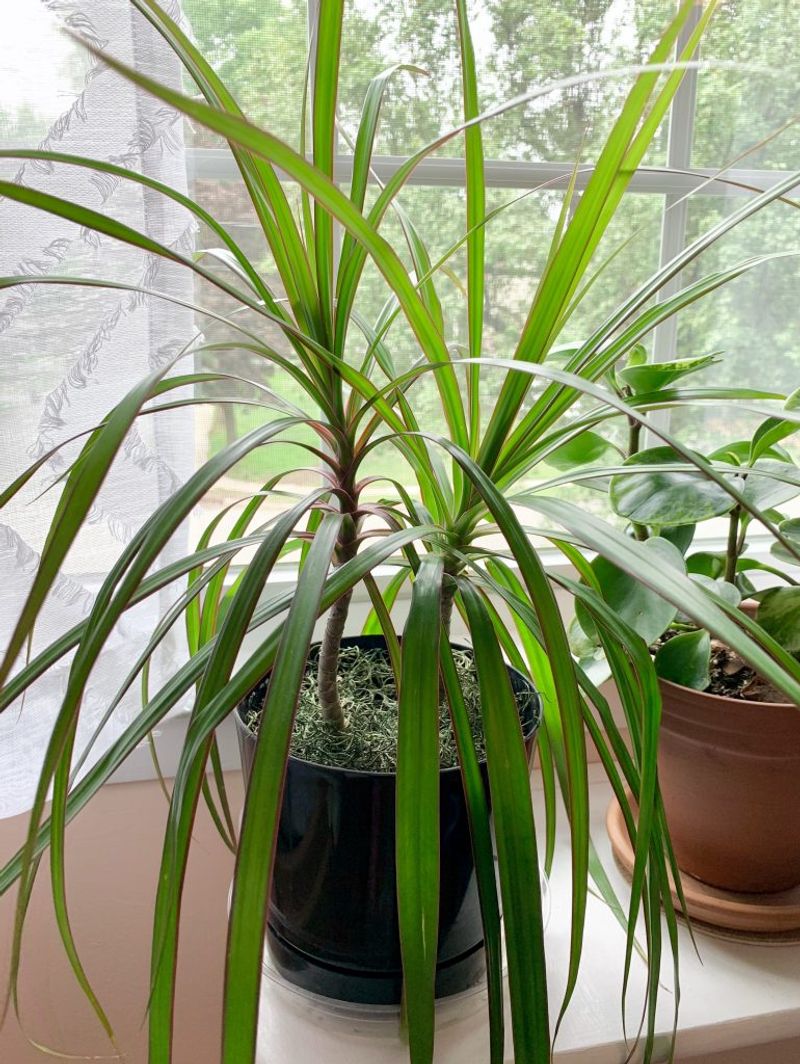
Feeding your Dracaena the right way can make a noticeable difference in how fast and healthy it grows. Think of fertilizer as a nutritional boost that gives your plant extra energy during its most active growing period.
Without it, your plant might look a little lackluster over time.
Spring and summer are the best times to fertilize your Dracaena. During these months, the plant is in full growth mode and can actually use the nutrients you give it.
Feed it once a month using a balanced liquid houseplant fertilizer, which you can find at most garden centers or home improvement stores.
Always follow the instructions on the fertilizer label. Using too much fertilizer can actually hurt your plant by causing a buildup of salts in the soil, which can burn the roots.
Less is more when it comes to feeding your Dracaena, so stick to the recommended amount.
When fall arrives and temperatures start to drop, it is time to stop fertilizing. Growth naturally slows down during the cooler months, and feeding a resting plant can do more harm than good.
Resume fertilizing again when you notice new growth starting up in spring.
One extra tip: water your plant before applying liquid fertilizer. Fertilizing dry soil can sometimes irritate the roots.
A well-hydrated plant at your location will absorb the nutrients much more effectively. With just a little monthly attention during the growing season, your Dracaena will reward you with strong, vibrant growth.
6. Prune And Trim For Better Growth
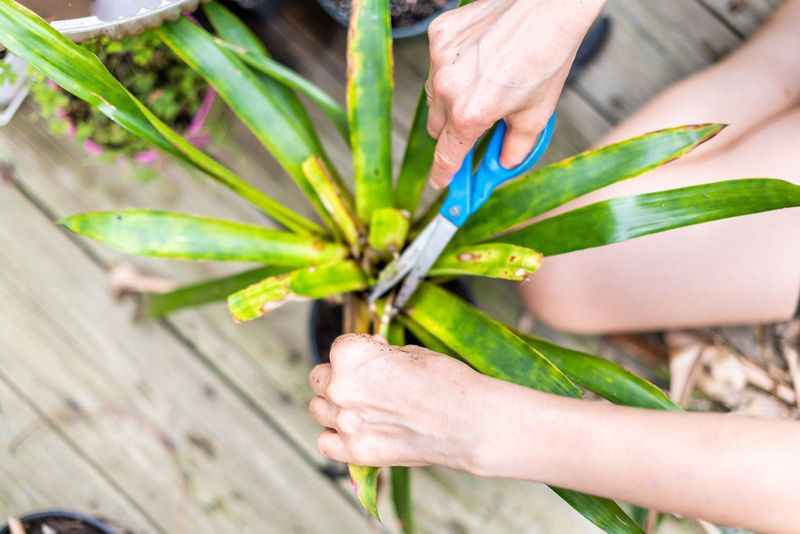
Pruning might sound intimidating, but when it comes to Dracaenas, it is actually pretty simple and satisfying. A little trimming here and there keeps your plant looking neat, healthy, and full of life.
Plus, it encourages new growth to sprout in all the right places.
Start by removing any yellow or brown leaves as soon as you notice them. These leaves are no longer doing anything useful for the plant, and leaving them on can make the whole plant look tired and unkempt.
Use clean, sharp scissors or pruning shears to make a clean cut at the base of the leaf stem.
If your Dracaena is getting too tall for your space, you can trim the top of the plant to control its height. This might feel a little drastic at first, but the plant handles it really well.
After trimming, new growth will sprout just below the cut, giving the plant a bushier, fuller appearance.
Cleaning your cutting tools before and after pruning is a good habit to build. Dirty tools can spread bacteria or fungal issues from one plant to another.
A quick wipe with rubbing alcohol keeps everything clean and safe for your plant at your location.
Pruning is also a great time to take a closer look at your plant overall. Check the leaves, stems, and soil while you are at it.
Catching any potential issues early, like discolored spots or unusual textures, makes it much easier to address them before they become bigger problems. Regular trimming truly pays off.
7. Watch Out For Common Pests
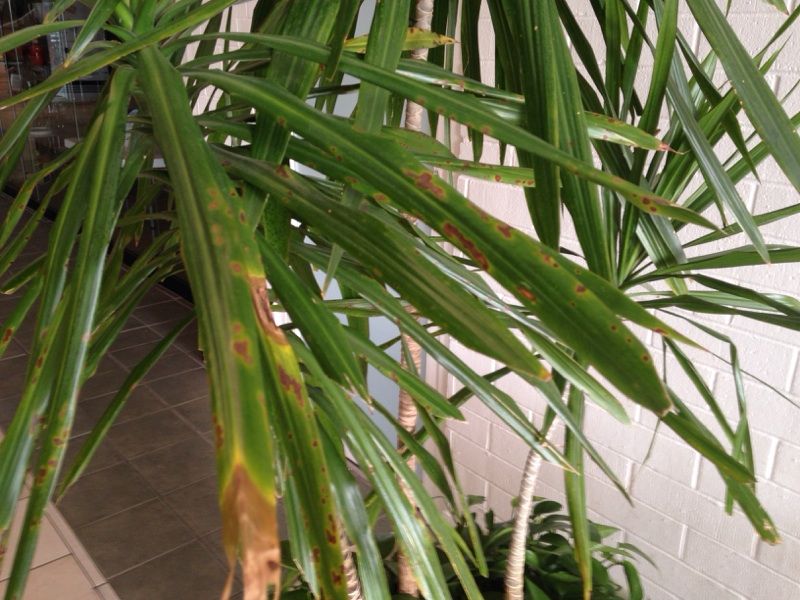
Even the toughest plants can run into pest problems from time to time, and Dracaenas are no exception. The good news is that these plants are fairly pest-resistant compared to many other houseplants.
But staying alert can save you a lot of trouble down the road.
Spider mites, mealybugs, and scale are the most common culprits to watch out for. Spider mites leave tiny webs on the leaves and stems.
Mealybugs look like small white cottony clusters, usually found in the joints between leaves and stems. Scale insects appear as small, hard brown bumps attached to the stems or undersides of leaves.
If you spot any of these pests on your plant, act quickly. Wipe the affected areas with a damp cloth to physically remove as many pests as possible.
For more stubborn infestations, use insecticidal soap or neem oil spray, both of which are safe and effective for indoor plants at your location.
Prevention is always better than treatment. Make it a habit to inspect your Dracaena once a week.
Look under the leaves, check the stems, and keep an eye out for any sticky residue on the leaves or surrounding surfaces, which is a telltale sign of pest activity.
Keeping your Texas plant clean also helps. Dust can build up on the leaves over time, which weakens the plant and makes it more vulnerable to pests.
Wiping the leaves with a damp cloth every couple of weeks keeps them healthy, shiny, and better able to fend off any unwanted visitors.