The Hidden Mistakes Turning Your Tennessee Yard Into A Mole Hotel

Nobody wakes up and thinks today feels like a great day to get moles. And yet, one unsuspecting spring morning, there they are.
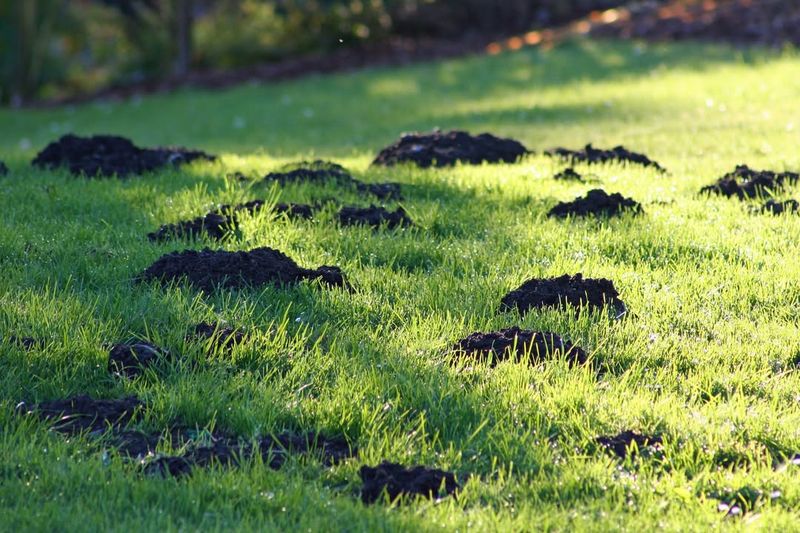
Little raised ridges snaking across your lawn like a map to nowhere useful. Here’s the twist: your yard probably invited them.
Soft soil, good moisture, a thriving earthworm population. To a mole, that’s not just a lawn, that’s a dream home with a fully stocked kitchen.
Tennessee yards are especially guilty of checking all those boxes. But the things that attract moles?
Most of them are completely in your control. Watering schedules, mulch depth, how you handle compost.
Small changes, big difference. Let’s dig into what’s drawing them in and how to make your yard a whole lot less welcoming.
1. Over-Amending Garden Beds Can Make Soil Easier For Moles To Tunnel Through

Nothing signals “easy digging” to a mole quite like a freshly amended garden bed.
When you mix in compost, aged manure, and peat moss, you create soil that is loose, nutrient-rich, and full of microbial activity.
That activity attracts earthworms, and earthworms attract moles.
Garden beds in Tennessee are often amended generously because the native red clay soil can be tough to work with.
The fix works great for your plants, but it also builds a five-star mole habitat right next to your house.
Hard clay stops a mole. Soft amended soil invites one in.
The good news is that solving this does not mean giving up on healthy beds.
Instead, focus on adding physical barriers like hardware cloth buried six to eight inches deep along the edges of raised beds.
That blocks tunneling access without changing how you garden.
Mint, garlic, and marigolds are widely used as perimeter deterrents. The evidence is anecdotal, but moles dislike strong scents and many gardeners find them worth planting.
They rely heavily on their sense of smell, and pungent plants act as natural deterrents.
It is not a guaranteed fix, but it adds another layer of defense.
Combining physical barriers with scent deterrents gives your garden beds a reliable layer of protection.
A mole will usually take the easier path somewhere else when enough obstacles are in the way.
2. Overwatering Your Lawn Attracts Them

Grab a handful of your lawn soil after watering and squeeze it tight.If water drips out like a sponge, you have a problem that goes beyond soggy grass.
Overwatered soil becomes soft, loose, and easy to push through, which is exactly what a mole is looking for.
Moles tunnel through soil to hunt earthworms and grubs.When the ground is consistently wet, those prey items move closer to the surface.
The mole follows them up, and suddenly your lawn looks like a highway of raised ridges.
Tennessee summers can trick homeowners into watering too often.The heat feels brutal, so we overcompensate with the sprinklers.
But most established Tennessee lawns only need about one inch of water per week, including rainfall.
Your Tennessee Garden Changes Every Week. Your Plan Should Too.
Gardening in Tennessee changes quickly throughout the season. Every Friday you’ll receive a simple weekly plan showing exactly what to plant, prune, fertilize, harvest, and protect so you never miss the right timing.
Watering deeply but less frequently trains grass roots to grow downward.That actually makes the soil less hospitable for shallow mole tunnels.
A soil moisture meter costs less than ten dollars and can save your lawn from becoming a mole magnet.
Set your irrigation timer to water in the early morning, two or three times a week at most.Let the top inch of soil dry out between sessions.
That small change can make your yard noticeably less attractive to moles over time.
3. Ignoring Grub Problems Can Keep Moles Coming Back
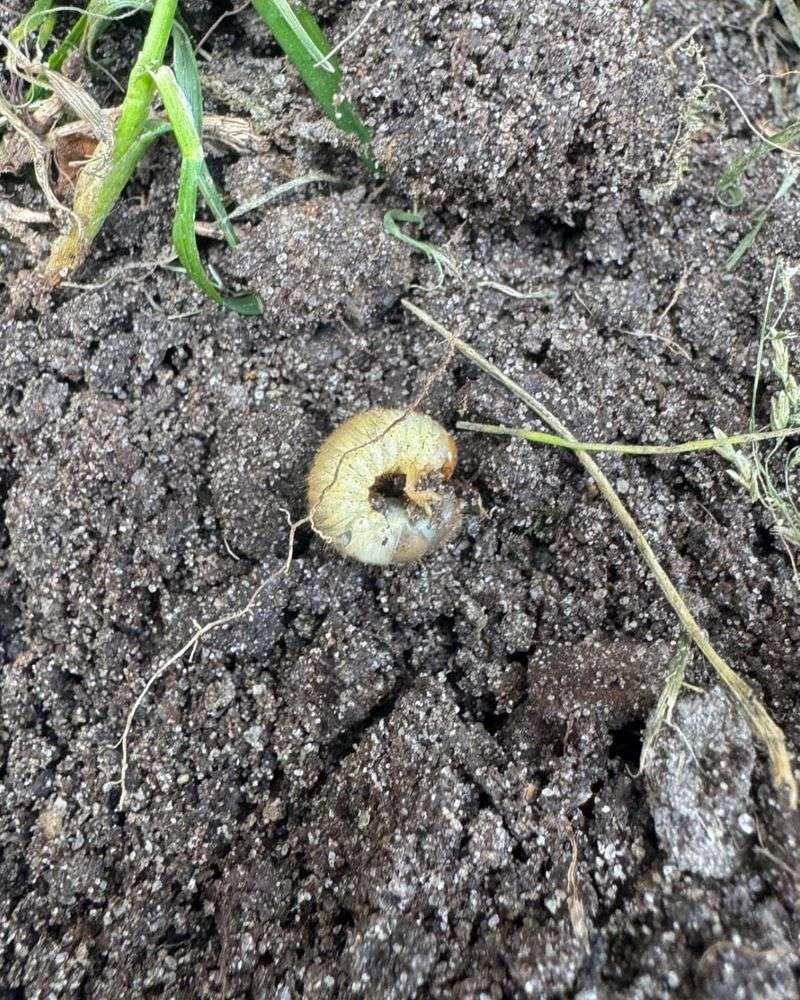
White grubs are basically a mole’s favorite meal, and they are far more common in Tennessee yards than most homeowners realize.
Japanese beetle larvae, masked chafer grubs, and June bug larvae all overwinter in the soil and hatch in late spring.
A grub problem underground almost guarantees a mole problem above it.
Moles can detect grub movement through vibrations in the soil.
They are remarkably efficient hunters, and a grub-heavy lawn is like a stocked buffet.
A single mole can create surprisingly extensive tunnel networks, adding new runs consistently day after day. A grub-heavy lawn gives them every reason to keep expanding.
You can check for grubs yourself by cutting a one-foot square section of lawn about three inches deep.
If you count more than five grubs in that sample, treatment is worth considering.
Beneficial nematodes are a natural, soil-safe option that works well in Tennessee’s warm soil temperatures.
Milky spore is another biological treatment that targets Japanese beetle grubs specifically.
It takes a season or two to fully establish, but it keeps working for years.
Reducing the grub population cuts off the mole’s food source without harsh chemicals.
Treating grubs in late summer, when larvae are small and close to the surface, gives the best results.
A healthier, grub-free lawn is a much less tempting destination for any mole passing through the neighborhood.
4. Letting Thatch Build Up Too Thick Creates Better Mole Habitat
That spongy feeling underfoot is not your lawn being soft and healthy. It is thatch.
A layer of dried grass stems, roots, and organic debris wedged between the soil surface and your living grass.
A thin layer is fine, but anything over half an inch starts causing real problems.
Thick thatch traps moisture, blocks airflow, and creates a warm, protected layer that insects love to hide in.
When insects move in, moles move in behind them.
Thatch acts like a buffer zone between the surface and the soil, making the top few inches of ground ideal for both prey and predators.
A mole can work just under the thatch layer with very little effort.
Tennessee’s warm, humid climate accelerates thatch buildup, especially in fescue and bermudagrass lawns that are heavily fertilized.
Dethatching once a year in early fall helps reset the balance.
A dethatching rake works for small yards, while a power dethatcher handles larger spaces faster.
Core aeration also breaks up thatch while improving soil drainage and air circulation.
Most lawn care professionals in Tennessee recommend aerating in the fall for cool-season grasses and in late spring for warm-season varieties.
The investment pays off in a healthier, less mole-friendly lawn.
Keeping thatch thin removes a key piece of the habitat puzzle that makes your yard appealing to a mole looking for an easy place to work.
5. Over-Composting Tips The Balance In A Mole’s Favor
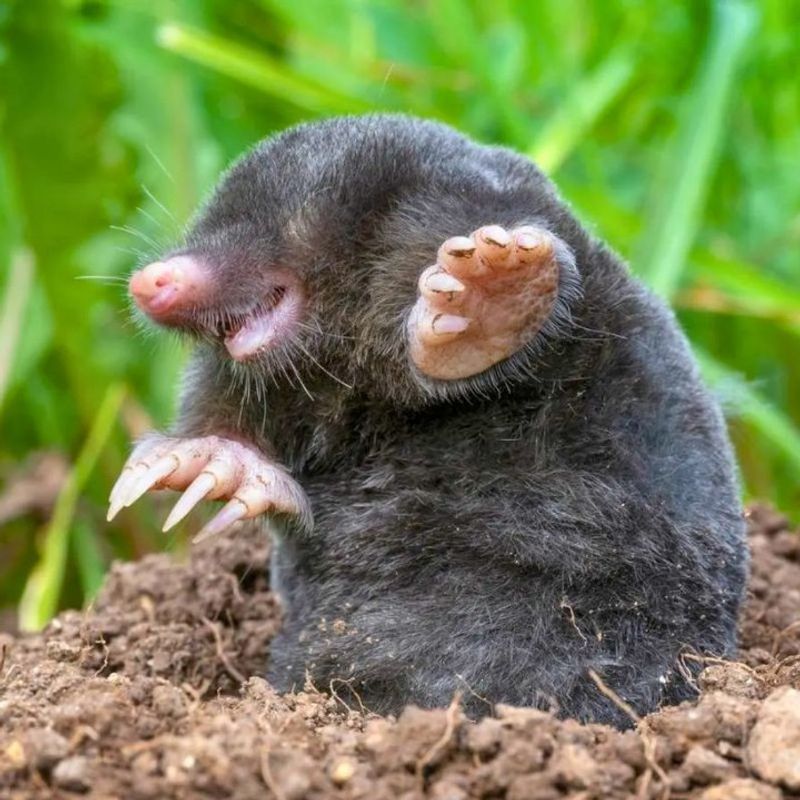
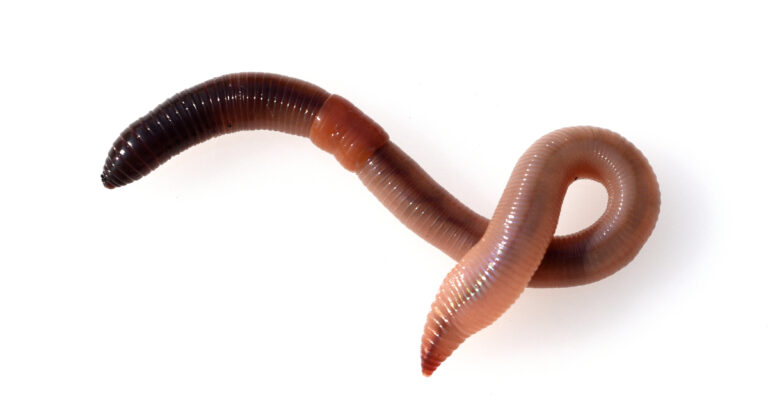
Earthworms are fantastic for your soil, and most gardeners celebrate finding them.
But when compost applications get heavy and frequent, earthworm populations can rise to levels that attract serious mole activity. A mole’s primary diet is earthworms, so a yard teeming with them is basically a free meal plan.
Over-composting happens more often than people expect, especially in Tennessee where gardeners are eager to improve that stubborn clay soil.
Adding compost twice a year in reasonable amounts is healthy.
Layering it on every few weeks tips the balance toward excess organic matter that feeds more worms than your garden actually needs.
The goal is not to eliminate earthworms but to keep their population at a natural, balanced level.
Apply compost no more than two to three inches per application and work it into the soil rather than leaving it on the surface.
Surface compost stays moist longer and draws worms upward where moles can easily reach them.
Rotating where you apply compost each season also helps spread the worm population more evenly.
That reduces the dense pockets of activity that act like a mole beacon in one specific area of your yard.
Balance is the key word here.
Healthy soil does not have to mean a yard that every mole in Tennessee is quietly recommending to its neighbors.
6. Too Much Mulch And Leaves On The Ground
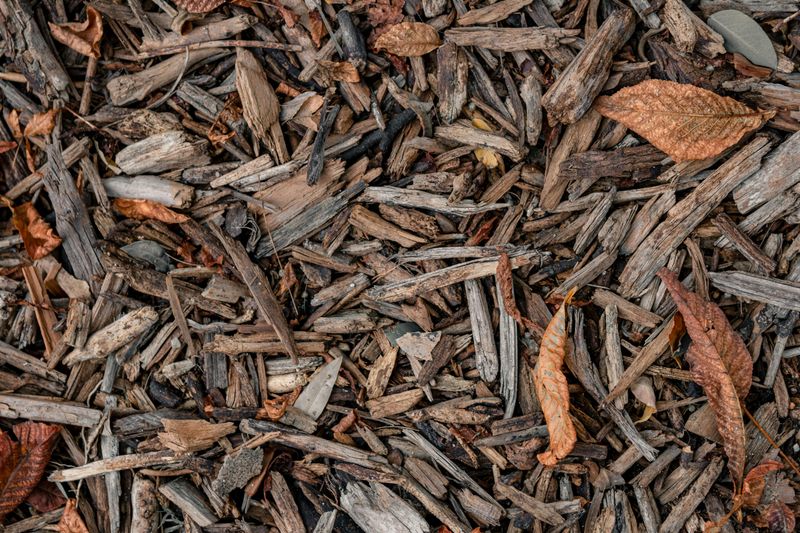
A thick layer of mulch is one of the most satisfying things you can do for a garden bed.
It looks intentional, it smells earthy, and it feels like you have done something right. Pile it too deep though, and something else moves in.
Mulch that sits four or more inches thick holds moisture, moderates temperature, and gives moles soft material to push through near the surface.
Leaf litter adds another layer of complexity, especially in Tennessee where oak and maple leaves fall in enormous quantities every autumn.
Leaving them piled against beds and along fence lines creates insulated corridors that moles use like covered highways.
The debris stays warm and moist well into winter, extending the window when moles stay active.
Keeping mulch at a depth of two to three inches is the sweet spot for plant health without creating ideal conditions for moles to move in.
Pull mulch a few inches away from plant stems and structures to reduce moisture concentration in any one spot.
Raking and redistributing leaf litter rather than letting it pile up removes the insulation effect that moles depend on during cooler months.
A light layer of shredded leaves is fine and actually improves soil over time.
The visual appeal of a well-mulched bed does not have to come at the cost of a mole-riddled yard.
A few inches of restraint goes a long way.
7. Letting Your Grass Grow Too Long

Letting the grass grow long feels laid-back and low effort, but it quietly sets up conditions that work in a mole’s favor.Tall grass shades the soil surface, keeping it cool and moist for longer periods after rain or irrigation.
That moisture is exactly what brings earthworms and grubs closer to the top, and moles follow right behind them.
Infrequent mowing also encourages thicker thatch, since clippings pile up faster than they break down.The combination of shade, moisture, and organic buildup creates a layered habitat that a mole navigates with ease.
Yards in Tennessee that skip mowing during the busy summer months often see the worst mole activity by fall.
Mowing regularly, ideally every seven to ten days during the growing season, keeps grass at a height that allows sunlight to reach the soil.
That dries the surface out between waterings and makes tunneling less comfortable near the top layer.
Bagging clippings when thatch is already an issue helps speed up the reset.
Once the lawn is back in balance, mulching clippings back into the grass is fine and adds nitrogen naturally.
A consistent mowing schedule does more than keep your yard looking sharp.
It actively disrupts the conditions a mole needs to set up a comfortable tunnel network in your lawn.
8. No Natural Deterrents In Your Yard

In the wild, moles have real threats to worry about: hawks, owls, foxes, and house cats are all known predators.
A yard with none of those pressures is a mole’s safest possible environment.
When there is nothing to trigger a mole’s instinct to stay hidden or move on, it simply stays and expands its tunnel system.
Many Tennessee homeowners with large, open, fenced yards notice heavier mole activity than those with dogs or outdoor cats.
Pets naturally patrol the yard, and even their scent alone can make a mole nervous about settling in.
You do not need a hunting dog, just a regular outdoor presence from an animal that investigates the ground.
Ultrasonic ground stakes emit vibrations into the soil that moles find irritating, and some homeowners do see results. The catch is that moles often habituate to the vibration within weeks and simply tunnel around it, making results inconsistent at best.
They are worth trying as part of a broader strategy, just not as a standalone solution.
They work best in smaller yards and need to be repositioned occasionally to stay effective.
Castor oil-based repellents are another option that creates an unpleasant sensory experience for a mole without affecting your lawn or plants.
Spray or granule forms are both available at most garden centers across Tennessee.
Layering a few deterrent methods together is more effective than relying on any single one.
A mole that feels watched tends to move on to quieter territory.
9. Planting Bulbs Without Wire Mesh Barriers
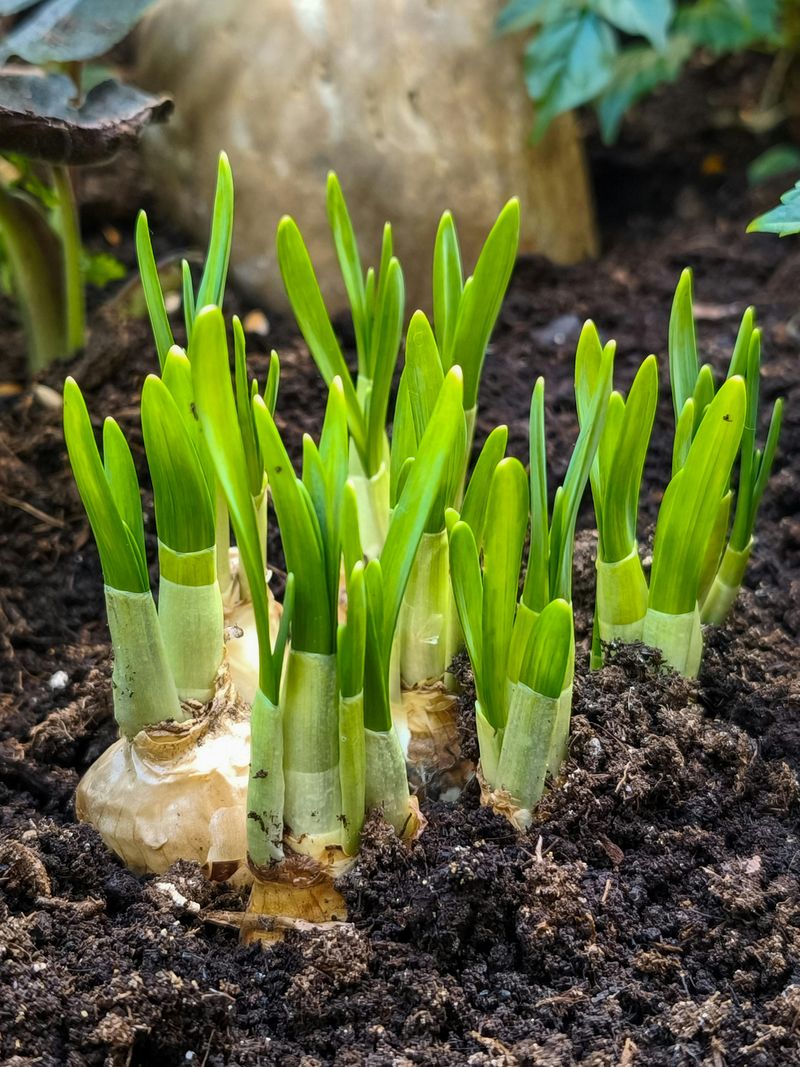
Planting tulips, daffodils, or hyacinths is one of the most satisfying things about fall gardening in Tennessee.
You tuck them in, wait through winter, and celebrate the first blooms in spring.
But digging those planting holes loosens soil in a way that practically invites a mole to investigate.
Freshly dug bulb holes leave soft, disturbed soil that is much easier to tunnel through than the surrounding ground.
A mole following an earthworm trail can stumble into a bulb bed and decide it is a great place to set up tunnels.
The bulbs themselves are not always the target, but the disturbed soil and nearby worm activity make the area very appealing.
Wire mesh baskets or hardware cloth barriers placed around bulb clusters before backfilling are the most reliable protection.
You plant the bulbs inside the basket, bury the whole thing, and the roots grow through the small openings while the bulbs stay protected.
Garden centers in Tennessee carry pre-made bulb cages that make this process quick and easy.
Mixing in sharp gravel around bulb plantings also discourages tunneling since moles strongly dislike working through abrasive material.
It does not have to be a lot, just enough to create an uncomfortable layer.
A little extra effort at planting time saves a lot of frustration come spring when the blooms you planned for have not come up as expected.