Oregon Plants That Can Get Homeowners In Trouble If Not Removed
Some plants look harmless or even attractive right up until they become a serious problem. Oregon has a handful of species that spread aggressively, damage infrastructure, cause legal issues with neighbors, or create liability on your own property.
The tricky part is that many of these plants are common in older yards and established landscapes, so homeowners assume they are fine to keep.
By the time the real problems show up, removal is significantly harder and more expensive than it would have been earlier.
Oregon also has regulations around certain invasive species that put the responsibility directly on the property owner. Not knowing a plant is on that list is not a defense when a complaint gets filed.
A few of these have been quietly taking over yards across the state for years and homeowners have no idea what they are actually dealing with.
1. Giant Hogweed
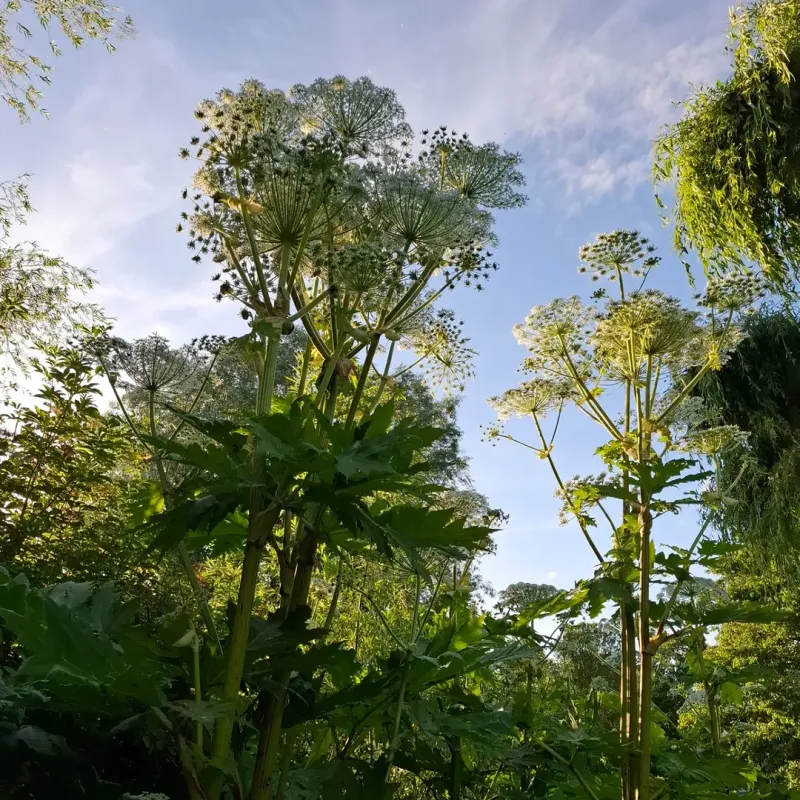
Few plants carry as serious a warning label as this one. Giant Hogweed is a towering weed that can grow up to 14 feet tall, and it looks almost prehistoric with its enormous white flower clusters and thick, blotchy stems.
It was originally brought to North America as an ornamental plant, but things quickly got out of control once it started spreading on its own.
What makes this plant truly dangerous is its sap. When the clear, watery sap touches your skin and is then exposed to sunlight, it causes severe burns and painful blisters that can last for months.
Eye contact with the sap can even lead to permanent vision damage. Children are especially at risk because the hollow stems can look like fun toys or blowguns.
Giant Hogweed is listed as a Class A noxious weed, which means landowners are legally required to control or remove it. If you spot it on your property, do not touch it with bare hands.
Wear protective clothing, gloves, and eye protection. Many homeowners choose to contact their local county weed control office for guidance.
Removal usually involves cutting the root below the soil surface and properly disposing of the plant material. Repeated treatment is often necessary since this plant can regrow from root fragments left in the ground.
2. Tansy Ragwort
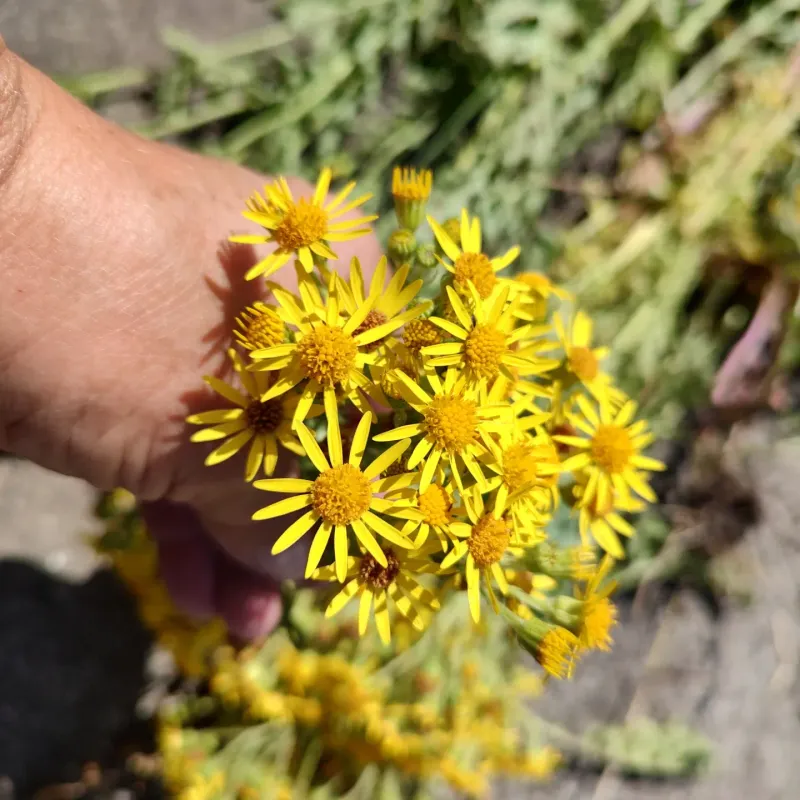
Bright yellow flowers might catch your eye along roadsides, but if those flowers belong to Tansy Ragwort, you have a serious problem on your hands. This plant is toxic to livestock, especially horses and cattle.
Animals that eat it over time suffer liver damage that is often not obvious until it is too late to treat effectively.
Tansy Ragwort spreads aggressively. A single plant can produce up to 150,000 seeds, and those seeds travel easily by wind.
Once it takes hold in a pasture or field, it can completely take over within a few growing seasons. Even after the plant is pulled, seeds already in the soil can sprout for years.
Oregon law classifies Tansy Ragwort as a Class B noxious weed, and in many counties, landowners are required to manage it on their property. Removal methods include hand-pulling before the plant goes to seed, which is most effective in spring when the soil is moist.
Your Oregon Garden Changes Every Week. Your Plan Should Too.
Gardening in Oregon changes quickly throughout the season. Every Friday you’ll receive a simple weekly plan showing exactly what to plant, prune, fertilize, harvest, and protect so you never miss the right timing.
Wearing gloves is important because some people develop skin irritation from handling it. Biological control using a specific flea beetle has also been used successfully as part of a broader management strategy.
If you have horses, goats, or cattle on your property, getting rid of Tansy Ragwort is not optional. Check your fields regularly and act fast when you spot new growth coming in each season.
3. Tree Of Heaven
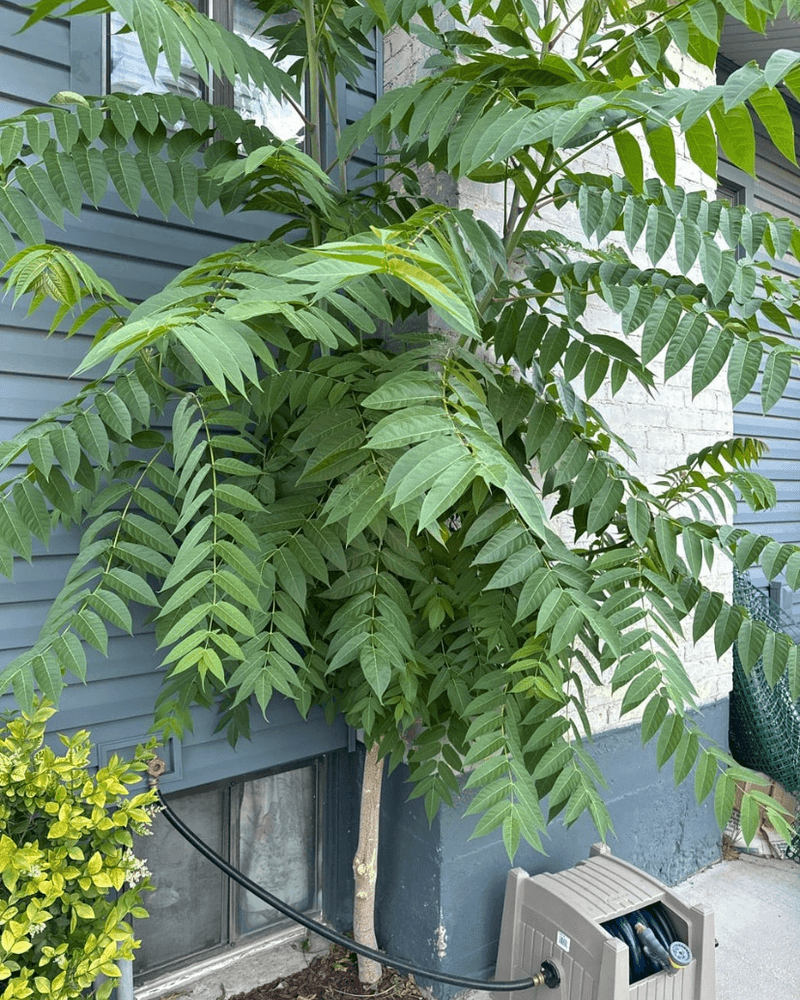
Do not let the name fool you. The Tree of Heaven is anything but heavenly for homeowners.
Originally from China, this fast-growing tree was brought to the United States in the 1700s as an ornamental plant and later used in the silk industry. Since then, it has become one of the most stubborn invasive trees on the continent.
What makes it such a headache is how aggressively it grows and spreads. A single tree can produce up to 325,000 seeds per year.
It also sends out underground root sprouts that pop up far from the original tree, sometimes cracking sidewalks, driveways, and even home foundations. The roots release chemicals into the soil that prevent other plants from growing nearby, essentially poisoning the ground for native species.
The tree also has a strong, unpleasant smell, especially when the leaves or stems are cut or bruised. Many people compare it to rancid peanut butter or cat urine.
Cutting it down alone will not solve the problem because the stump will aggressively re-sprout. Effective removal usually requires treating the cut stump with an herbicide right away to prevent regrowth.
This tree is listed as a noxious weed in multiple counties. If you see small seedlings popping up in your yard or along your fence line, remove them as soon as possible before they become established and much harder to manage.
4. English Hawthorn
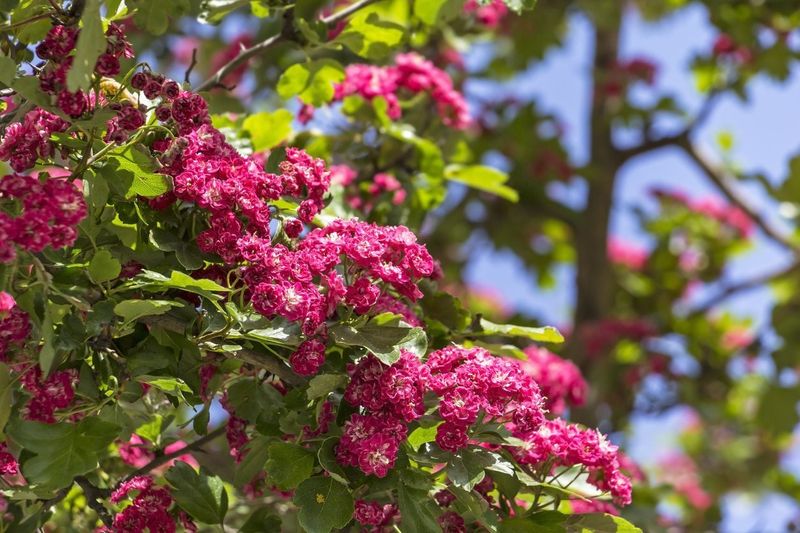
Covered in white blossoms each spring, English Hawthorn can look charming growing along a fence line or at the edge of a field. Many older properties have it planted as a hedgerow, and it was once widely used for that purpose.
However, this thorny shrub has become a real problem across the Pacific Northwest, and its spread is hard to stop once it gets going.
Birds love the red berries that English Hawthorn produces, and they spread the seeds far and wide through their droppings. That is how dense thickets form in pastures, along streams, and in open woodlands.
Those thickets are nearly impossible to walk through because of the long, sharp thorns. They crowd out native shrubs and grasses, reducing habitat for wildlife that depends on Oregon’s natural plant communities.
English Hawthorn is listed as a noxious weed, and landowners in some areas are required to manage it. Removing established plants is tough work because the thorns make handling difficult and the root system is strong.
Thick gloves and protective clothing are a must. Cutting the shrub back repeatedly can weaken it over time, but full removal often requires treating cut stumps with herbicide.
Younger plants are much easier to pull by hand. If you have this shrub on your property, start managing it before it spreads further and creates a thicket that is expensive and labor-intensive to clear.
5. Saltcedar
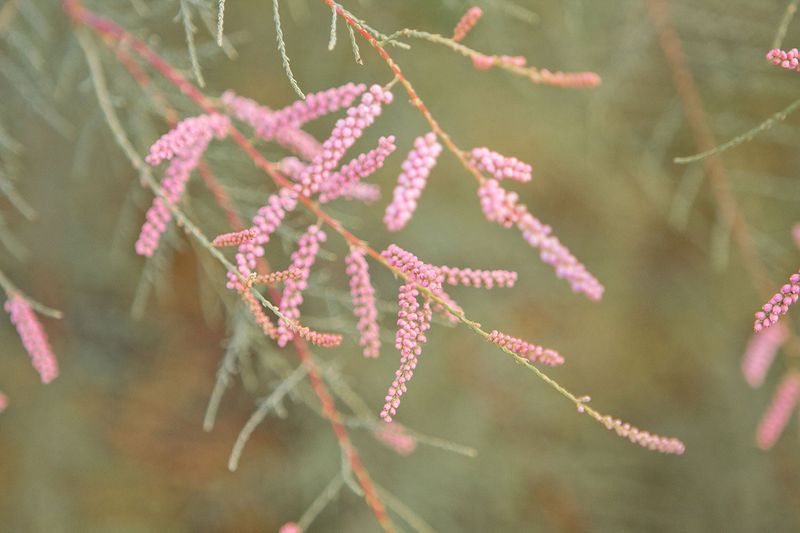
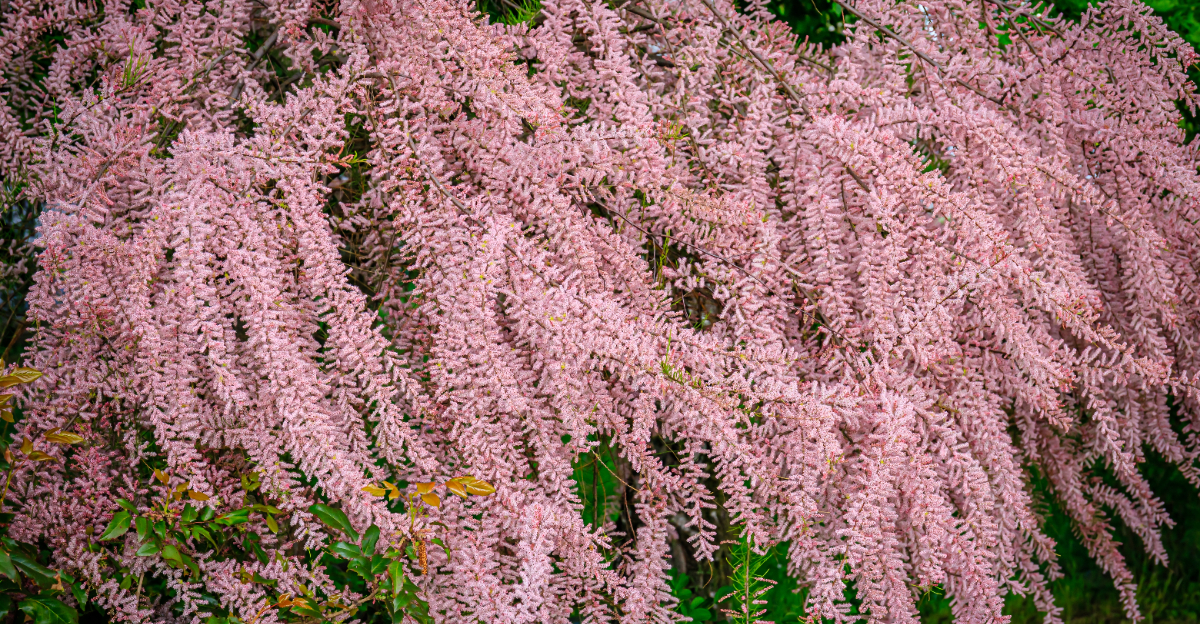
Along riverbanks and wetland areas in parts of Oregon, Saltcedar has quietly established itself as a major ecological problem. Also called tamarisk, this shrub or small tree was brought from Europe and Asia for erosion control and ornamental use.
It sounded like a good idea at the time, but Saltcedar turned out to be far more aggressive than anyone expected.
One of the biggest issues with Saltcedar is how much water it drinks. A single mature plant can absorb up to 200 gallons of water per day from the soil.
In dry regions, this dramatically lowers the water table and dries out areas that native plants and wildlife depend on. It also releases salt from its leaves into the soil, making conditions difficult for other plant species to survive.
Saltcedar spreads both by seed and by root sprouting, making it very persistent once established. Cutting it back without treating the stump just leads to vigorous regrowth.
Oregon lists it as a noxious weed, and removal near waterways often requires coordination with local agencies to avoid disturbing protected areas. Biological control using a specific beetle has shown some promise, but mechanical removal followed by herbicide treatment remains the most reliable approach.
If you own land near a stream or wetland and notice feathery pink or white flowers on dense shrubby growth, get it identified right away and take action quickly before it spreads further along the water.
6. Garlic Mustard
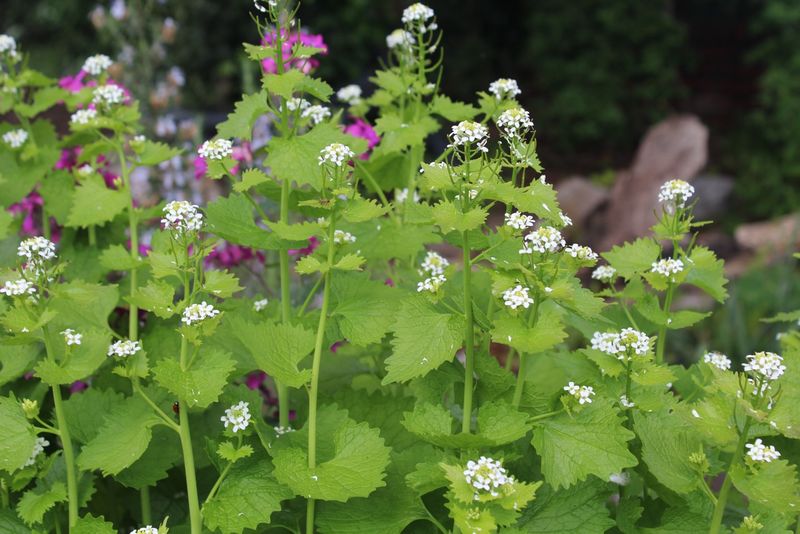
Garlic Mustard might be small, but do not underestimate it. This low-growing plant with white flowers and triangular, toothed leaves is one of the most damaging invasive plants in North American forests.
It was brought over from Europe, likely as a food plant, since the leaves do have a mild garlic flavor. But in Oregon’s forests, it behaves more like a bully than a salad ingredient.
What sets Garlic Mustard apart from many other invasive plants is how it attacks the soil itself. The roots release chemicals that disrupt the underground fungal networks that native trees and plants depend on to absorb water and nutrients.
Over time, this weakens native vegetation and gives Garlic Mustard a strong competitive advantage. It can take over a forest floor surprisingly fast, leaving little room for native wildflowers and tree seedlings.
A single plant can produce hundreds of seeds, and those seeds remain viable in the soil for up to seven years. That makes complete removal a multi-year effort.
Hand-pulling before the plant goes to seed is the most effective removal method for homeowners. Pull the entire root to prevent regrowth, and bag all plant material carefully since seeds can still mature even after the plant is pulled.
Dispose of it in the trash, not the compost pile. If you have shaded or wooded areas on your property, check them each spring and remove any Garlic Mustard plants you find before they go to seed.
7. Gorse
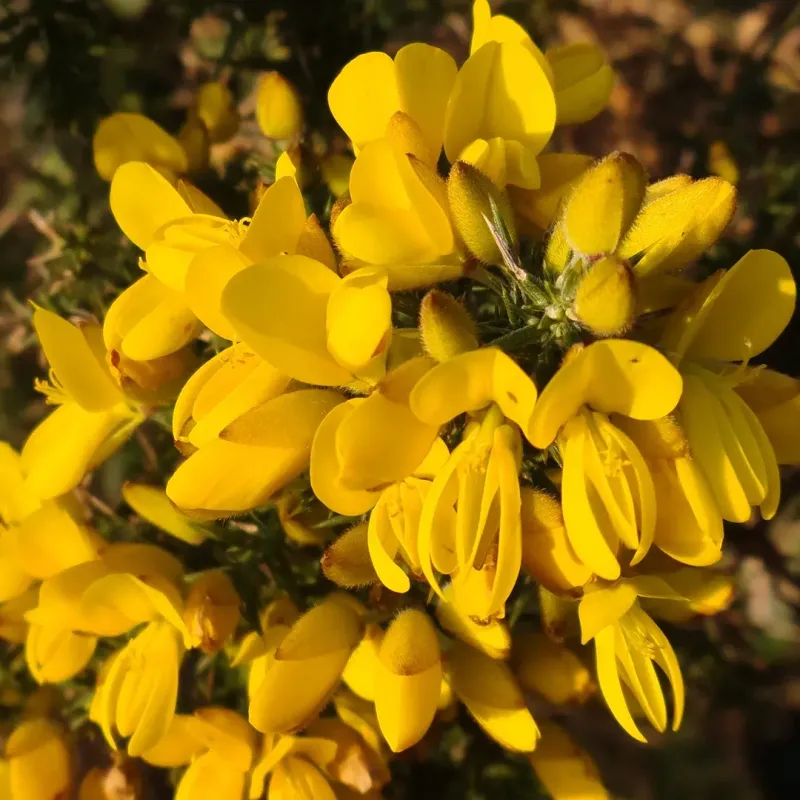
Anyone who has encountered a Gorse thicket knows just how uninviting it is. This European shrub is covered in needle-sharp spines and produces bright yellow flowers almost year-round.
While it might look cheerful from a distance, up close it forms dense, nearly impenetrable thickets that crowd out native plants and make land unusable for grazing or recreation.
Gorse is especially common along the coast and in western valleys. It thrives in poor soils and dry conditions, which makes it hard to compete with by planting other vegetation.
One of the scariest things about Gorse is how flammable it is. The plant produces volatile oils that make it burn intensely, and a Gorse thicket near a home is a serious wildfire hazard.
Older, dried-out plants can ignite with very little spark.
Oregon classifies Gorse as a Class B noxious weed, and management is required in many areas. Removing it is challenging because cutting it back stimulates vigorous resprouting.
Repeated cutting combined with herbicide treatment is usually needed for effective control. Burning is sometimes used as a management tool, but it must be done carefully and legally since fire can cause Gorse seeds to germinate even more aggressively.
Seeds remain viable in the soil for up to 30 years, so follow-up monitoring is essential. If Gorse is growing on your property, start dealing with it early because the longer it goes unchecked, the harder and more expensive the removal process becomes.
8. Scotch Broom
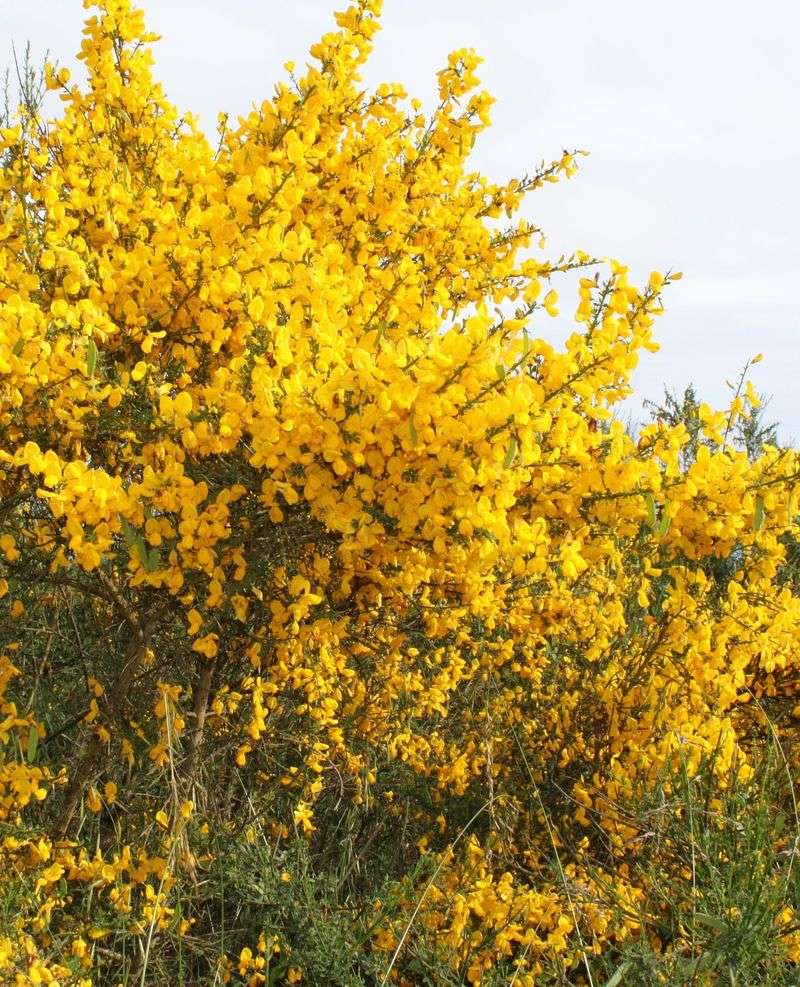
Drive along almost any highway in spring and you will likely spot the bold yellow blooms of Scotch Broom lining the roadsides. It looks vibrant and cheerful, but this plant is one of the most problematic invasive shrubs in the entire Pacific Northwest.
Originally from Europe, it was planted along roadsides decades ago for erosion control, and it has been spreading aggressively ever since.
Scotch Broom grows fast, sometimes reaching six feet tall in just a few years. It outcompetes native plants by fixing nitrogen in the soil, which changes the soil chemistry and gives it an edge over species adapted to Oregon’s natural conditions.
Dense stands eliminate habitat for native wildlife and make reforestation of logged areas much more difficult. The plant also poses a fire risk since dry stems burn readily.
Each plant can produce thousands of seeds per year, and those seeds can remain viable in the soil for over 80 years. That is a staggering number that explains why Scotch Broom is so persistent even after removal efforts.
Hand-pulling young plants in spring when the soil is wet is effective for small infestations. Cutting mature plants before they go to seed reduces spread.
Stump treatment with herbicide helps prevent regrowth. Oregon lists it as a noxious weed, and many volunteer groups organize removal events across the state.
Getting involved in local removal efforts is a great way to protect your neighborhood and property at the same time.
9. Japanese Knotweed
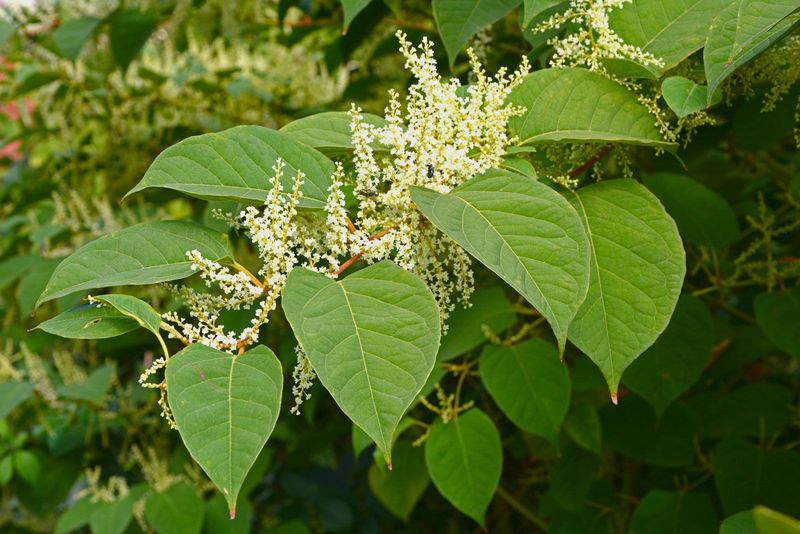
Some plants are hard to get rid of, and then there is Japanese Knotweed, which seems almost impossible to remove once it gets established. This plant spreads through underground rhizomes that can extend 20 feet or more from the main plant and reach depths of 10 feet into the soil.
Even a tiny fragment of root left behind can sprout into a new plant, which makes removal incredibly frustrating.
Originally from East Asia, Japanese Knotweed was introduced as an ornamental and erosion control plant. It now colonizes riverbanks, roadsides, and disturbed areas with alarming speed.
The hollow, bamboo-like stems can grow several inches per day during peak growing season, and mature stands can reach 10 feet tall. The dense growth shades out all other vegetation beneath it, creating ecological dead zones.
One of the most alarming aspects of this plant for homeowners is its ability to damage structures. The rhizomes can crack pavement, push through concrete, and damage building foundations, retaining walls, and drainage systems.
Property values can drop significantly when Japanese Knotweed is present, and some mortgage lenders and insurers in other countries have already started flagging it on property reports. Oregon lists it as a noxious weed.
Effective removal requires cutting stems repeatedly throughout the growing season combined with targeted herbicide treatment over several years. Professional help is often the smartest route for serious infestations near buildings or waterways on your property.
10. Purple Loosestrife
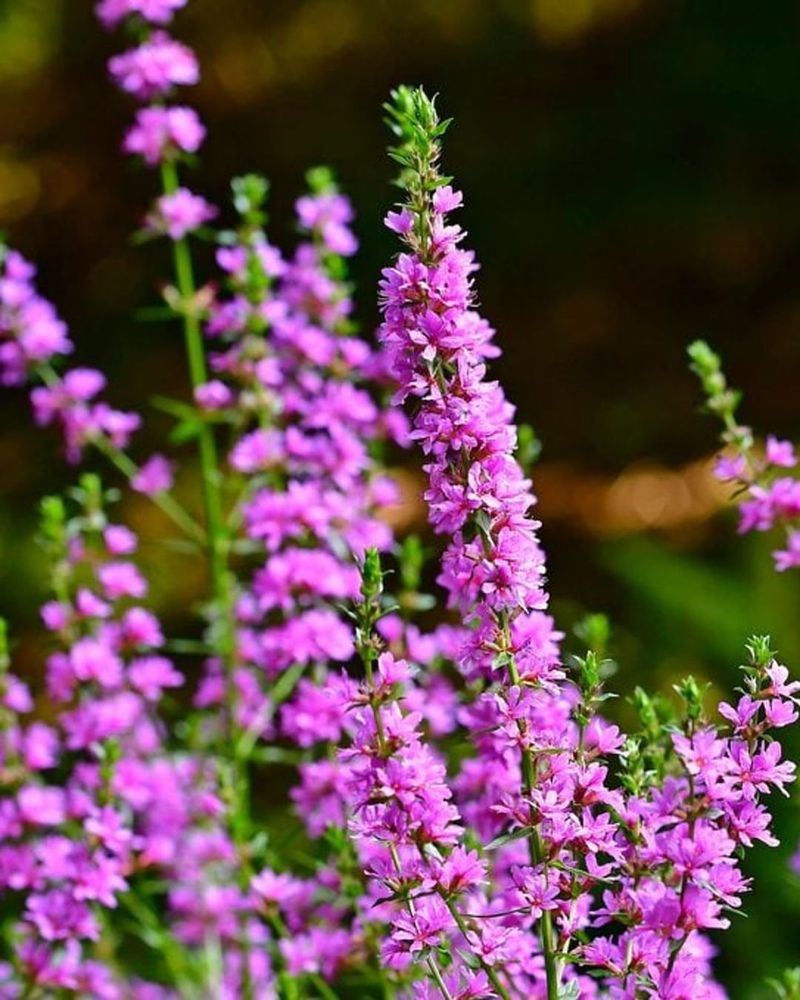
Standing in a wetland covered with tall spikes of vibrant purple flowers, Purple Loosestrife looks almost magical. It is easy to see why it was once sold in garden centers across the country as an ornamental plant.
But behind that beautiful exterior is one of the most destructive wetland invaders in North America, and Oregon has been working hard to control it for decades.
A single mature Purple Loosestrife plant can produce up to 2.7 million seeds per year. Those seeds spread by water, wind, and on the fur and feathers of animals and birds.
Once it establishes in a wetland, it forms dense, single-species stands that crowd out native cattails, sedges, and other marsh plants that wildlife depend on for food and shelter. Ducks, geese, and shorebirds lose critical nesting and feeding habitat when Purple Loosestrife takes over.
Oregon classifies it as a Class B noxious weed, and selling or planting it is prohibited. If it is growing on your property near a pond, stream, or wetland, you are expected to manage it.
Hand-pulling small plants works well when done carefully before seeds mature, but gloves and caution are needed to avoid spreading seeds during removal. Biological control using specific beetles that feed only on Purple Loosestrife has been used successfully and is one of the most effective long-term strategies available to landowners managing larger infestations near water.