The Truth About Planting Zinnias In Michigan And When To Actually Start Them
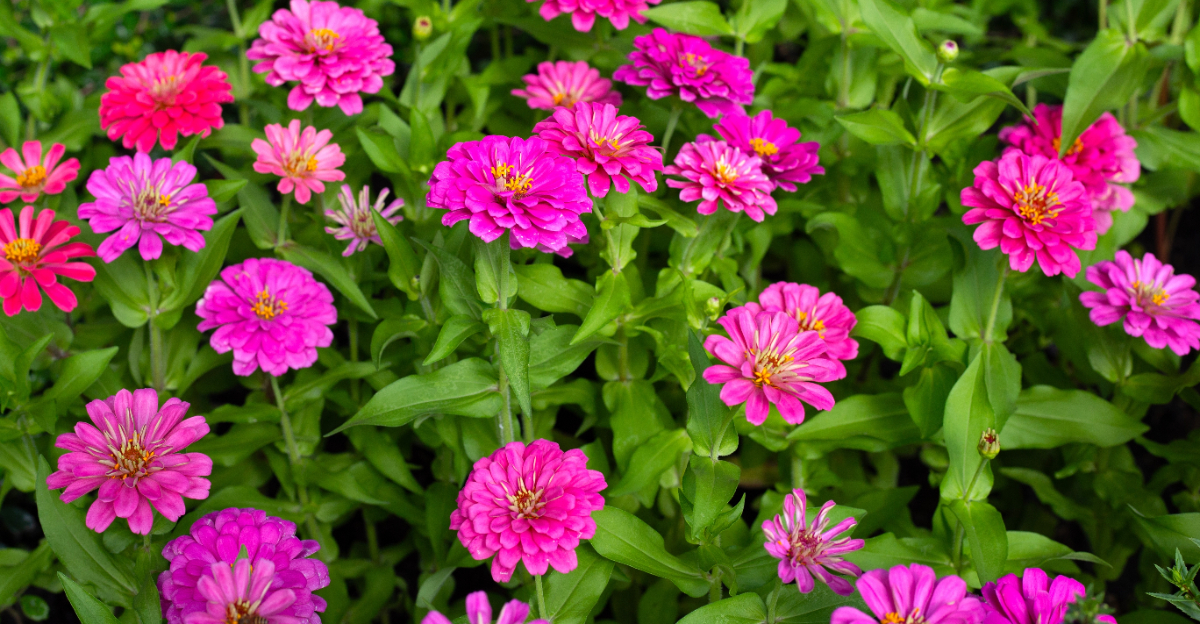
Zinnias are one of the most rewarding flowers a Michigan gardener can grow, but a surprising number of people start them at the wrong time and wonder why results fall short.
Start them too early indoors and the seedlings get leggy, rootbound, and stressed before they ever see the garden. Direct sow too late and the bloom window shrinks just when summer is hitting its peak.
Michigan’s shorter season makes zinnia timing more specific than seed packets from warmer states typically suggest.
The sweet spot exists, and gardeners who hit it consistently get plants that establish fast, branch out aggressively, and produce armloads of blooms from midsummer straight through to frost.
Getting the timing right costs nothing and changes everything about how zinnias perform.
1. Zinnias Hate Cold Soil More Than Most Gardeners Realize
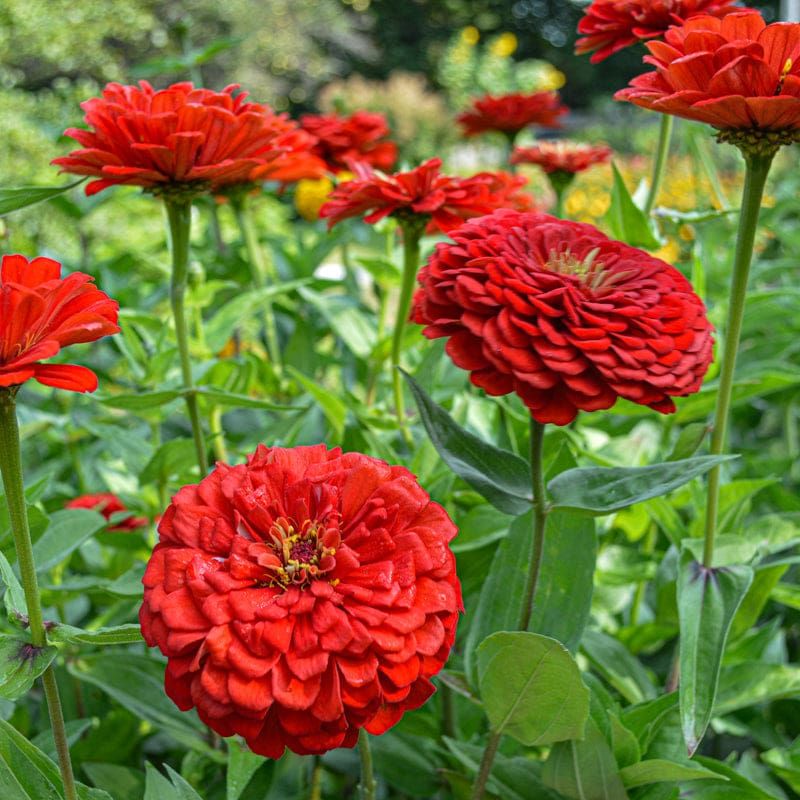
Cold, wet soil is one of the biggest reasons zinnias fail early in Michigan gardens.
Zinnias need warm soil to germinate properly, and most gardeners are surprised to learn that soil temperature matters far more than air temperature when it comes to getting seeds to sprout.
When soil stays below 60 degrees Fahrenheit, germination slows dramatically, seeds may rot before they even sprout, and any seedlings that do emerge often look pale, thin, and stressed.
Michigan springs can be deceptive. A warm sunny week in late April can fool even experienced gardeners into planting too soon, only to have cold nights and rain push soil temperatures back down.
Consistently wet, cool soil also creates the perfect environment for fungal issues that attack young roots before plants even get a real start.
Waiting until soil temperatures reach at least 65 to 70 degrees Fahrenheit makes a huge difference.
At those temperatures, zinnias typically sprout within five to seven days and grow with noticeably more energy.
A simple soil thermometer, available at most garden centers, takes the guesswork out of timing completely.
Gardeners who wait for truly warm soil often find their late-planted zinnias catch up to and even surpass earlier plantings within just a few weeks of getting in the ground.
2. Southern Michigan Gardeners Can Usually Start Zinnias Earlier Than Northern Regions
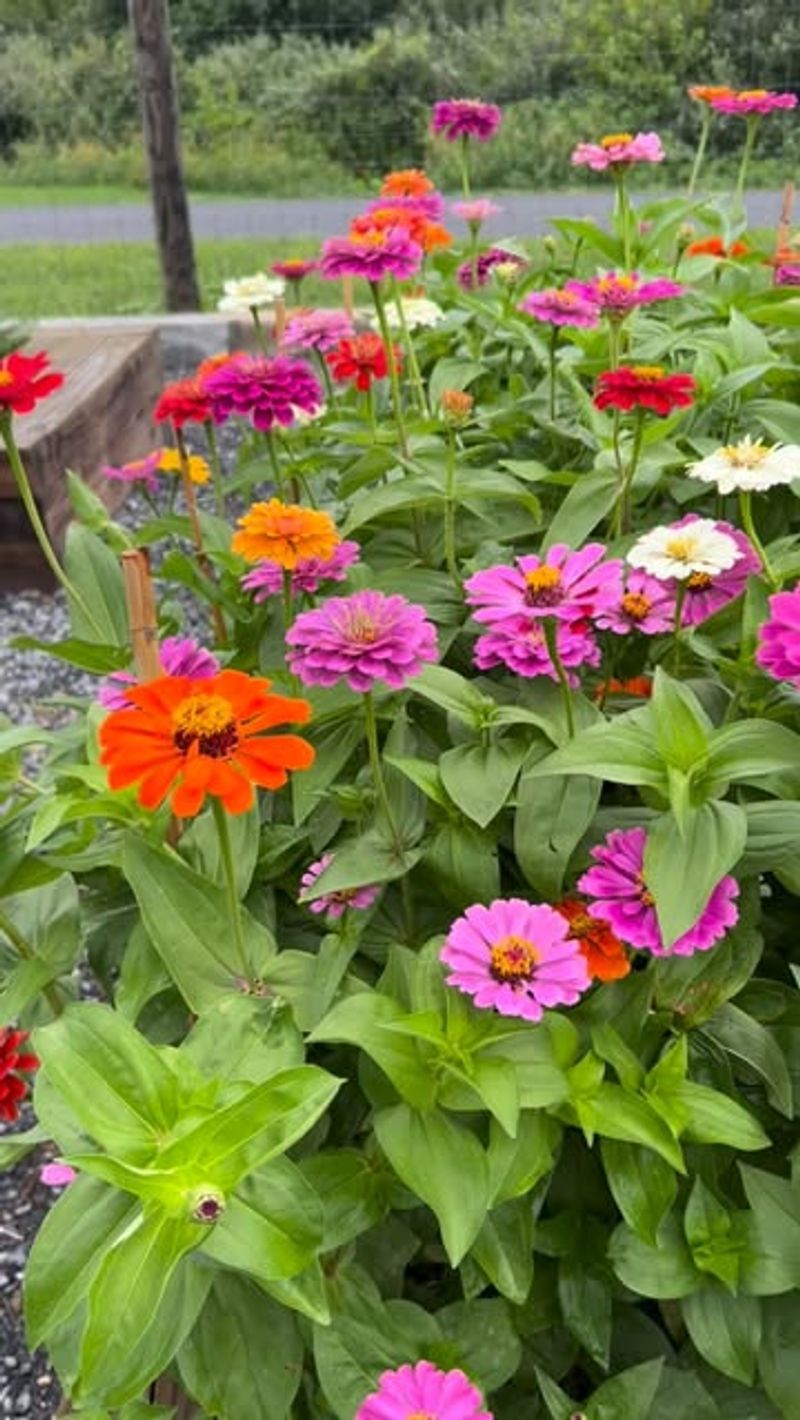
Michigan is a big state, and that size creates real differences in planting windows from one region to another.
Gardeners in the southern part of the state, including areas around Detroit, Ann Arbor, and Kalamazoo, typically see their last frost dates fall somewhere between late April and early May.
That means soil warms up faster, and zinnias can often go in the ground by mid to late May with confidence.
Central Michigan gardeners usually push their planting window back by about one to two weeks compared to the south.
In northern Michigan, areas near Traverse City or Petoskey can see frost threats well into late May, and soil temperatures stay cooler longer, especially in shaded or low-lying spots.
Lake effect weather along the western shoreline and upper peninsula adds another layer of unpredictability, with cool overnight temperatures lingering even when days feel warm.
Checking your specific county’s average last frost date is a smart starting point, but soil temperature still tells the most accurate story.
Your Michigan Garden Changes Every Week. Your Plan Should Too.
Gardening in Michigan changes quickly throughout the season. Every Friday you’ll receive a simple weekly plan showing exactly what to plant, prune, fertilize, harvest, and protect so you never miss the right timing.
Two gardeners just a hundred miles apart can have planting windows that differ by nearly three weeks.
Northern Michigan gardeners who plant zinnias in early June rather than rushing in late May often see stronger, healthier plants that catch up quickly once warm weather fully settles in and stays consistent through the growing season.
3. Direct Sowing Zinnias Often Works Better Than Starting Them Indoors
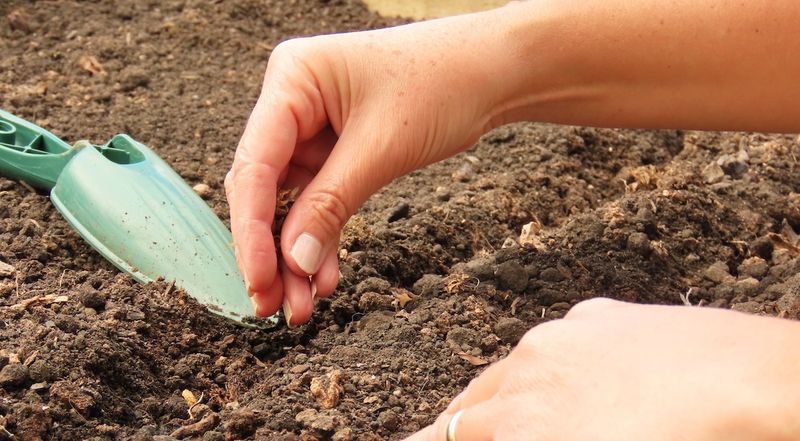
Most gardeners assume that starting seeds indoors gives plants a head start, but zinnias are one of the exceptions to that rule.
Zinnias have sensitive roots that really dislike being disturbed, and the process of transplanting from an indoor tray to an outdoor bed often causes enough stress to set plants back by a week or more.
That stress can show up as wilting, yellowing leaves, or slow growth right when you want them taking off.
Direct sowing outdoors, once soil is warm and frost risk has passed, skips all of that drama entirely.
Seeds sown directly into the garden develop roots that grow straight down without interruption, and those undisturbed root systems tend to produce stronger, bushier plants faster than transplants.
Sow seeds about a quarter inch deep, spacing them roughly six to twelve inches apart depending on the variety, and thin seedlings once they reach a few inches tall to give each plant plenty of room.
Sunlight is critical from day one. Choose a spot that gets at least six to eight hours of direct sun daily, and water gently but consistently until seedlings are well established.
Gardeners who direct sow in late May to early June are often amazed at how quickly their plants grow.
Within three to four weeks, directly sown zinnias frequently look stronger and fuller than any indoor-started transplants placed in the ground around the same time.
4. Starting Zinnias Too Early Indoors Creates Weak Leggy Plants
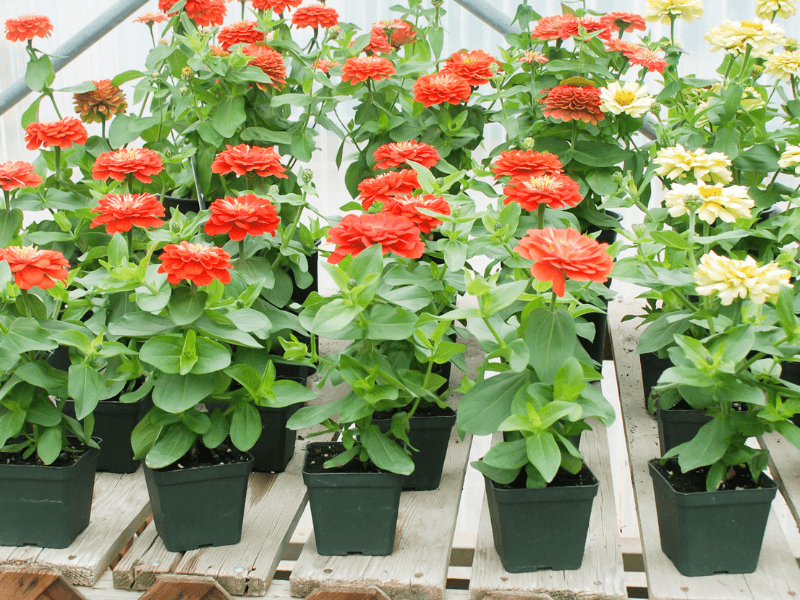
Starting zinnias indoors six or eight weeks before your last frost date sounds like smart planning, but it often backfires badly.
Michigan’s early spring light is weak, with shorter days and lower sun angles that simply cannot provide the intensity young zinnias need to grow compact and strong.
Without enough light, seedlings stretch upward searching for more, producing long, thin stems that flop over and struggle to support themselves.
These stretched seedlings, often called leggy plants, rarely recover fully after transplanting.
Even if you move them outdoors and they survive the transition, leggy plants tend to bloom later, produce fewer flowers, and remain weaker throughout the season compared to plants that started in proper conditions.
The extra weeks indoors under poor light create more problems than they solve.
For most gardeners, starting zinnias indoors no more than three to four weeks before the expected outdoor planting date is a much smarter approach.
Better yet, if your outdoor planting window is late May or early June, direct sowing outdoors often produces results just as good or better with far less effort.
Grow lights can help if you have them, but even then, zinnias grow so quickly in warm outdoor soil that the indoor head start rarely provides a meaningful advantage.
Patience and proper timing beat early starts nearly every time when it comes to growing zinnias successfully.
5. Humidity Can Cause Powdery Mildew On Zinnias By Mid Summer
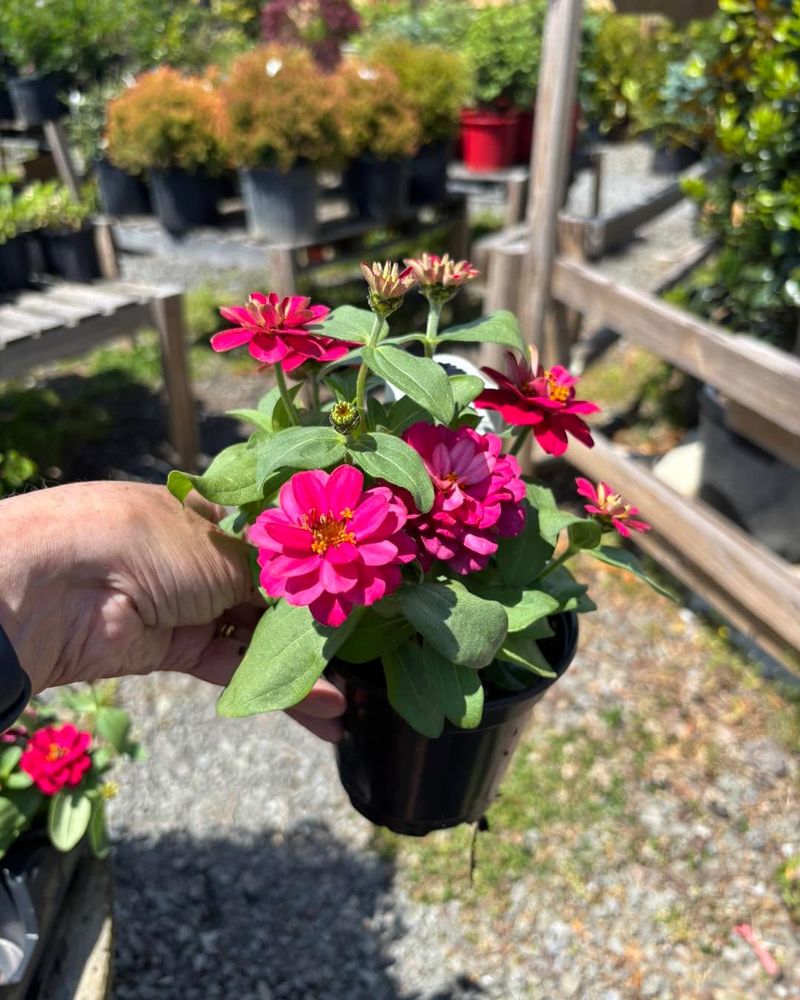
Powdery mildew is one of the most common problems zinnia growers face around here, and by mid to late July, it can show up almost overnight.
The disease appears as a white or grayish powdery coating on leaves and stems, and while it rarely stops plants from blooming entirely, it makes gardens look tired and rough well before the season ends.
Michigan’s warm, humid summers create exactly the conditions this fungal issue loves most. Poor airflow between plants is one of the biggest contributing factors.
When zinnias grow too close together, moisture from rain or irrigation stays trapped around the foliage, giving the fungus a perfect place to settle and spread.
Watering overhead, especially in the evening, makes things even worse by leaving leaves wet overnight.
Switching to drip irrigation or watering at the base of plants in the morning gives foliage time to dry before nightfall.
Spacing plants generously, at least twelve to eighteen inches apart for most varieties, dramatically reduces mildew pressure.
Selecting mildew-resistant varieties like Profusion or Zahara series zinnias adds another layer of protection for humid summers.
If mildew does appear, removing affected lower leaves promptly and improving airflow around plants can slow its spread significantly.
Growing zinnias in full sun also helps because sunlight dries foliage faster and keeps humid conditions from lingering around the plant throughout the day.
6. Zinnias Bloom Longer When Gardeners Keep Cutting Flowers
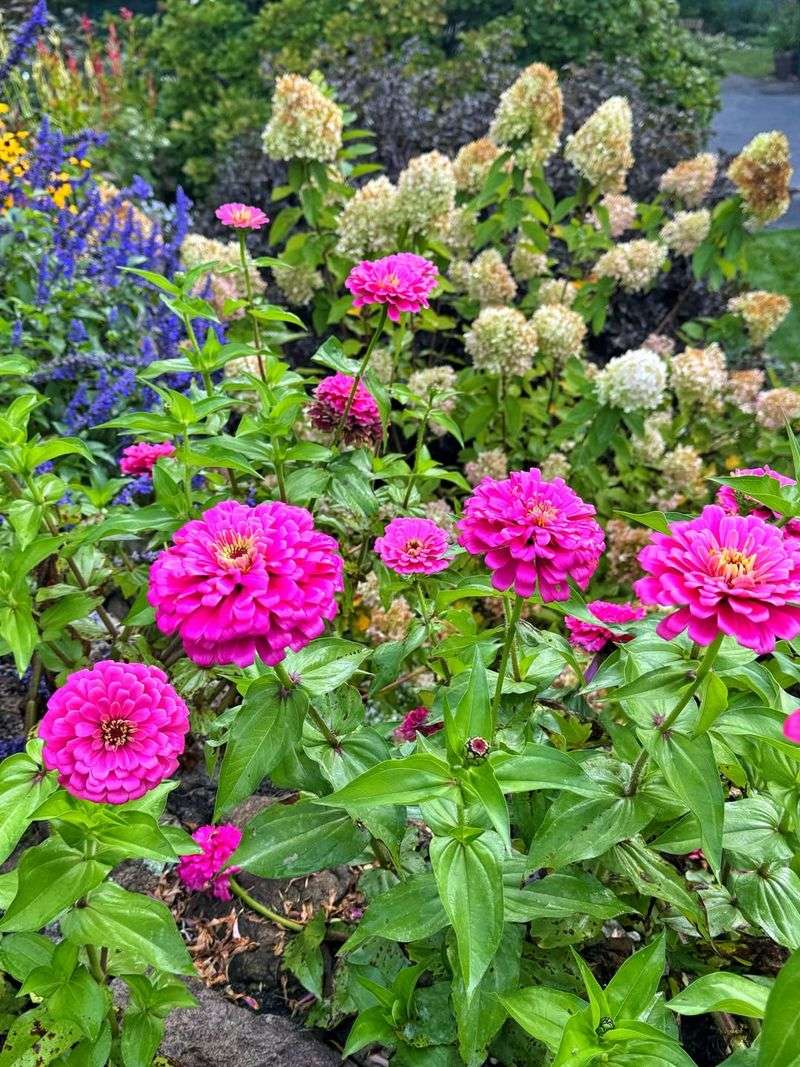
Few gardening habits pay off as quickly and visibly as regularly cutting zinnia flowers.
Zinnias are what gardeners call cut-and-come-again flowers, meaning the more you harvest blooms, the more the plant produces.
When flowers are left to fully mature and set seed on the stem, the plant essentially thinks its job is done and slows down bud production.
Cutting blooms early and often sends a completely different signal, pushing the plant to keep making new flowers all season long.
For Michigan gardeners, where the growing season runs from roughly late May through early October, keeping zinnias blooming from July all the way into fall is very achievable with regular cutting.
Harvest flowers when the petals are just fully open and the stem feels firm when you gently shake it.
Cut stems long, going down to a set of leaves or a side shoot, which encourages the plant to branch out and produce even more buds from that spot.
Deadheading, which means removing spent flowers that you are not cutting for a vase, works the same way. Any old bloom left on the plant takes energy away from new bud development.
Pairing consistent cutting with deep, thorough watering once or twice a week and a light monthly fertilizer application keeps plants energetic and productive.
Michigan summers are warm enough to push zinnias hard, and regular harvesting takes full advantage of that energy every single week.
7. Warm Late May Soil Helps Zinnias Grow Much Faster
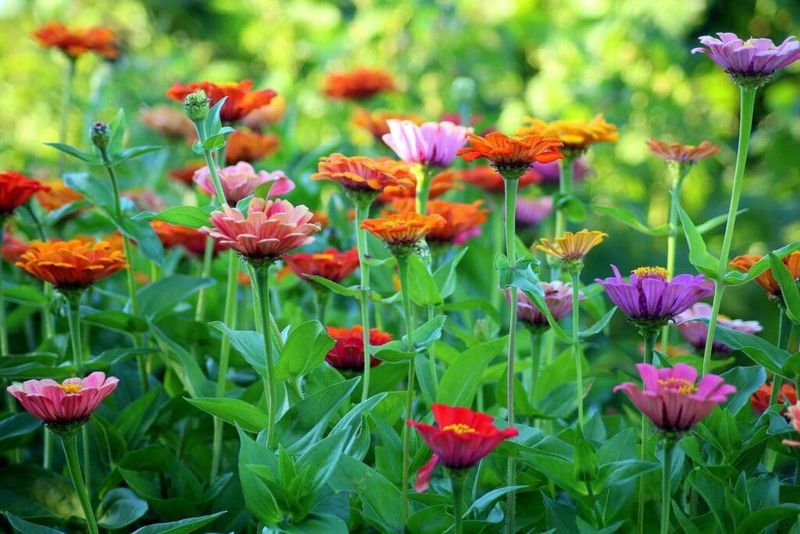
Something almost magical happens when zinnias hit warm soil for the first time.
Once ground temperatures consistently reach 65 to 70 degrees Fahrenheit, seeds sprout fast, roots spread eagerly, and young plants put on visible growth almost day by day.
Late May in most of Michigan, particularly in the southern two-thirds of the state, brings exactly those conditions, making it genuinely one of the best times of year to get zinnias in the ground.
Longer daylight hours in late May also play a big role. More hours of sunlight each day means more energy for photosynthesis, which translates directly into faster leaf development and earlier bud formation.
Plants that go in during late May often begin blooming within 55 to 65 days, bringing color to gardens by mid to late July.
That timing lines up beautifully with Michigan’s peak summer season.
Raised beds and containers warm up even faster than in-ground garden beds, making them especially great for late May planting.
Dark-colored containers absorb heat quickly and can push soil temperatures a few degrees warmer than surrounding ground.
Whether planting in a raised bed, a large container on a sunny patio, or directly in a flower border, late May gives zinnias every advantage they need.
Warm soil, long days, and increasing temperatures combine to create growing conditions these sun-loving flowers were practically built for.
8. Zinnias Need Full Sun To Handle Summer Weather Well
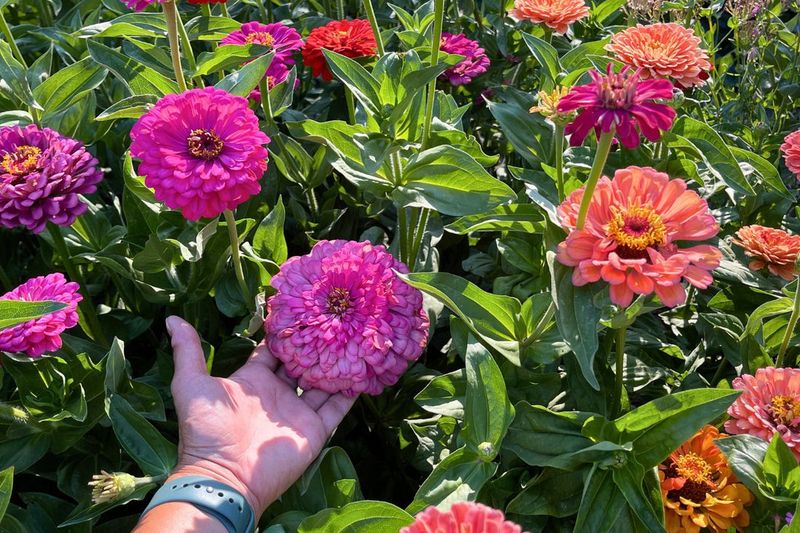
Zinnias are serious sun lovers, and in Michigan’s sometimes cloudy and humid summer climate, giving them the sunniest spot in the yard is one of the best things you can do for them.
Full sun means at least six hours of direct sunlight daily, and more is even better.
Plants growing in full sun develop thicker stems, more flower buds, and better overall airflow through their foliage compared to plants tucked in shadier locations.
Shade creates a surprising number of problems for zinnias. Even partial shade, just three or four hours less sunlight per day, causes plants to stretch toward the light, weakening stems and reducing bloom counts noticeably.
Shaded zinnias also stay wetter longer after rain or irrigation, which creates conditions where fungal problems thrive.
Michigan summers already bring enough humidity without adding shade-related moisture to the mix.
When choosing a planting spot, pay attention to how shadows move across the yard throughout the day.
Morning sun is good, but afternoon sun matters most for heat-loving flowers like zinnias.
South or west-facing garden beds tend to offer the strongest, most consistent sun exposure through our summer months.
Avoid planting near large trees or tall fences that block afternoon light.
A zinnia planted in the right sunny location will consistently outperform one planted just a few feet away in partial shade, producing more blooms and staying healthier all season long.
9. Michigan Gardeners Often Overwater Young Zinnias
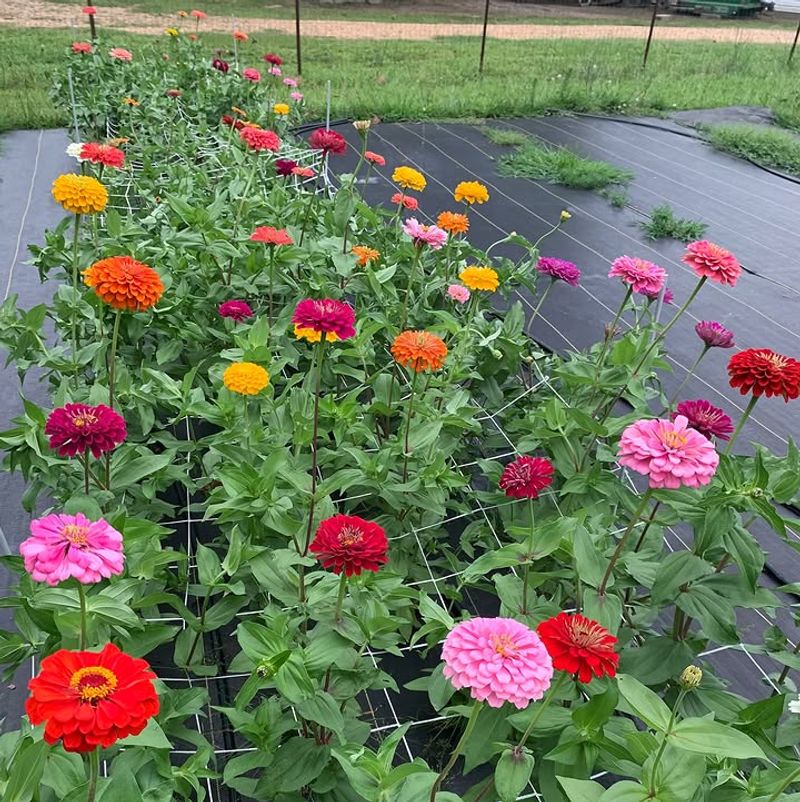
Overwatering is one of the most common mistakes gardeners make with young zinnias, and it happens with good intentions.
New gardeners especially tend to water frequently because they want their seedlings to thrive, but zinnias actually prefer soil that dries out slightly between waterings.
Constantly wet soil around young roots creates stress, reduces oxygen in the soil, and opens the door to fungal root problems that can weaken or destroy seedlings quickly.
Michigan’s spring and early summer weather adds to the challenge. Rain showers can be frequent and unpredictable, so gardens may already be receiving plenty of moisture without any additional watering needed.
Before reaching for the hose, stick a finger an inch or two into the soil. If it still feels moist, hold off.
Zinnias are more drought tolerant than most people expect, especially once they are a few weeks old and have developed a stronger root system. Soil type also matters a lot.
Clay soils, common across much of the state, hold water much longer than sandy soils, meaning clay-based gardens need watering far less frequently.
Raised beds and containers drain more freely, so they may need water every two to three days during warm stretches.
Once zinnias are established and actively growing, deep, thorough watering once or twice a week is usually plenty.
Letting the soil surface dry between sessions keeps roots healthy and plants growing strong throughout the season.
10. Zinnias Thrive In Containers Once Nights Stay Warm
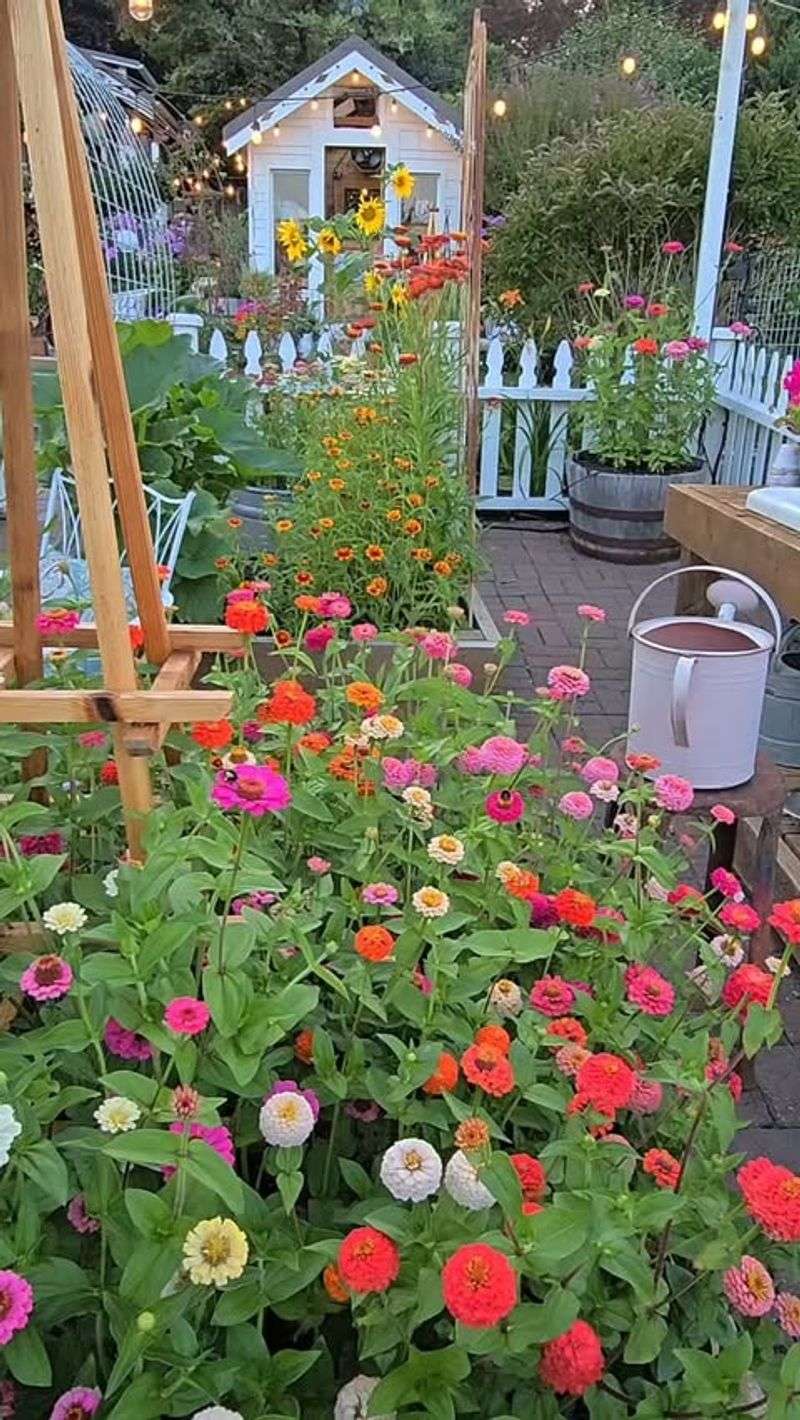
Container gardening opens up a whole new world for zinnia growers, and the results can be stunning once the timing is right.
Containers warm up faster than in-ground soil in late spring, giving zinnias a cozy environment to get established quickly.
The key is waiting until nighttime temperatures consistently stay above 50 degrees Fahrenheit, which in most of Michigan happens reliably by late May or early June depending on the region.
Container size makes a real difference in how well zinnias perform. A container that is at least twelve inches wide and twelve inches deep gives roots enough room to spread without becoming cramped too quickly.
Larger pots, sixteen to twenty inches across, are even better for taller varieties or mixed plantings.
Use a well-draining potting mix rather than garden soil, which can compact in containers and slow drainage significantly.
Watering containers more frequently than in-ground beds is a must, especially during hot July and August days when pots can dry out quickly.
Check soil moisture daily during heat waves and water thoroughly until water drains from the bottom.
A balanced liquid fertilizer applied every two to three weeks keeps container zinnias energetic and blooming heavily.
Deadheading spent flowers regularly is especially important in containers, where limited soil nutrients make every bit of plant energy count.
Kept up properly, container zinnias can bloom from June all the way through the first fall frost.
11. Tall Zinnia Varieties Need Better Airflow In Humid Summers
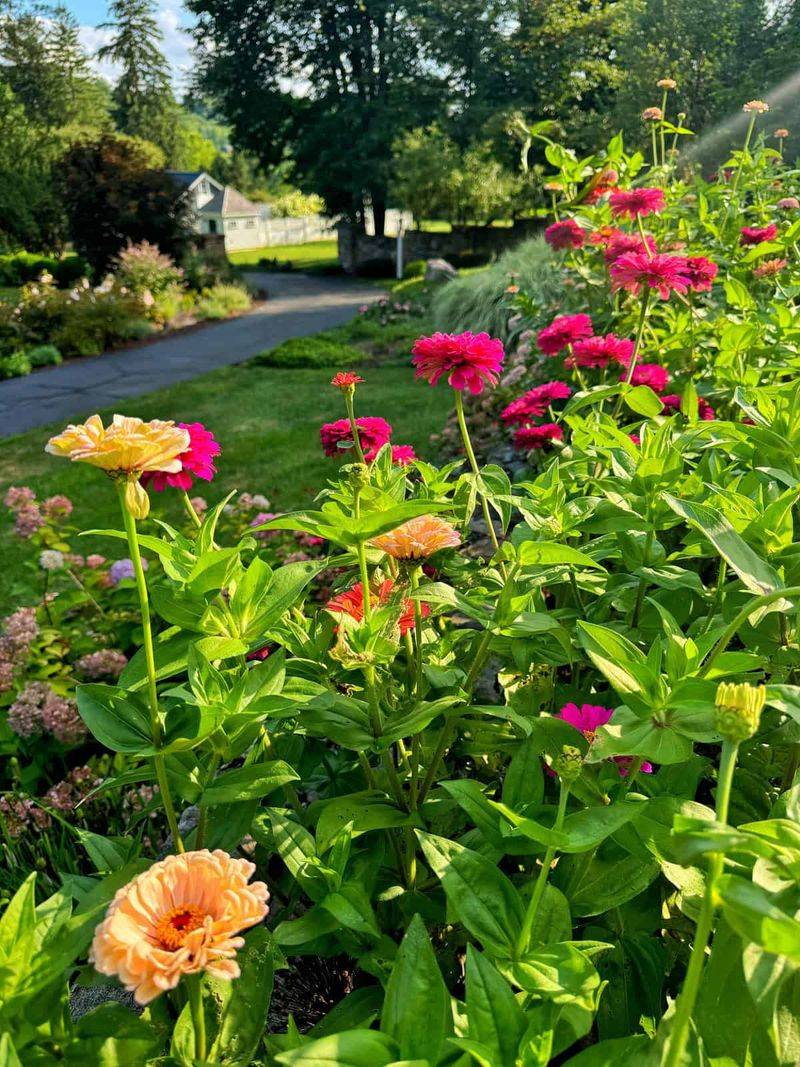
Tall zinnia varieties, some reaching three to four feet in height, are absolute showstoppers in Michigan cut flower gardens.
But their impressive height also means they need a little extra planning to stay healthy through the humid weeks of July and August.
Taller plants have more foliage packed into a smaller ground area, and without adequate spacing between them, airflow drops dramatically, creating the warm, damp conditions that fungal problems love.
Spacing tall varieties at least eighteen to twenty-four inches apart gives each plant room for air to move freely between stems and leaves.
That circulation helps foliage dry faster after rain or watering, reducing the window of time when moisture sits on leaves and invites disease.
In particularly humid areas, erring toward the wider end of that spacing range is always the smarter choice.
Staking or caging taller varieties before they reach full height prevents stems from bending or snapping during summer storms, which are common across Michigan.
Install stakes early, when plants are around twelve inches tall, so roots are not disturbed later in the season.
Harvest cut flowers when blooms are just fully open for the longest vase life. Cutting in the early morning, when stems are most hydrated, produces the best results.
Tall zinnias cut fresh and placed in a clean vase with cool water can last seven to ten days, making them one of the most rewarding flowers a gardener can grow for bringing summer color indoors.
12. Michigan Gardeners Can Still Plant Zinnias Well Into June
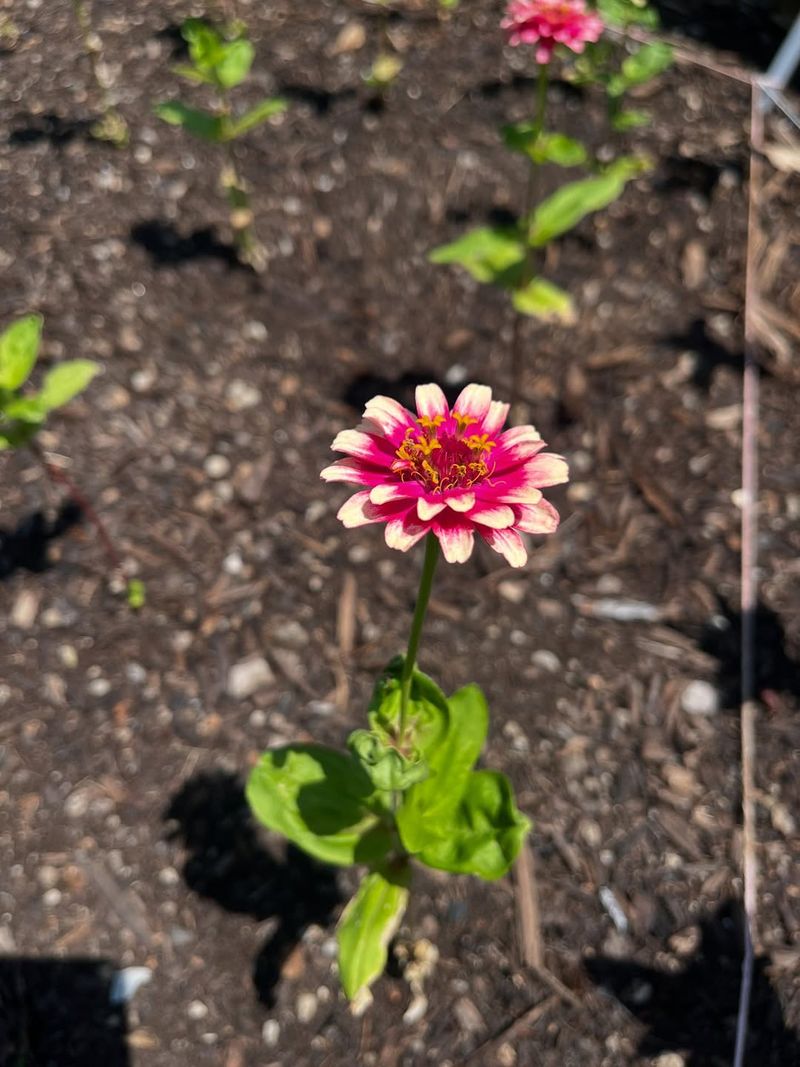
Missing the late May planting window is not a problem at all, and Michigan gardeners who find themselves with bare flower beds in early or even mid-June should feel completely confident planting zinnias.
Zinnias are remarkably fast growers in warm soil, and June soil temperatures across the state are typically well above the 65-degree threshold these flowers need to sprint out of the ground.
Seeds sown in early June can sprout within five to seven days and begin blooming in as little as seven to eight weeks.
For southern Michigan gardeners, a June planting still allows for heavy blooming through July, August, September, and often into October before the first frost arrives.
Northern Michigan gardeners working with a shorter season can still expect solid bloom periods from August through mid-September with a June sowing, especially in warm years.
The key is choosing shorter-season varieties that reach bloom faster, typically those labeled as blooming in 55 to 65 days from seed.
One of the best things about June planting is that warm, stable weather takes much of the guesswork out of the process.
No more watching forecasts anxiously for surprise late frosts or unexpected cold snaps. Seeds go in, soil stays warm, and plants grow quickly and steadily without the setbacks that early-season planting sometimes brings.
June zinnias may start later, but they often bloom just as abundantly and stay healthy longer than plants that struggled through a cold and unpredictable spring.