The Best Companion Plants For Michigan Tomatoes That Actually Make A Difference
Companion planting gets talked about a lot in gardening circles, and not all of it holds up under scrutiny. Some combinations are genuinely useful.
Others are repeated so often that people assume they must work without ever questioning whether the results are real.
Michigan tomato growers deal with a specific set of challenges each season, from pest pressure and fungal issues driven by summer humidity to pollination gaps and soil that needs consistent support through a compressed growing window.
The companion plants that actually make a difference here are the ones with a clear, practical effect on those specific problems.
Better pollinator activity, natural pest deterrence, improved soil biology, and ground cover that reduces moisture loss are all outcomes the right companions can deliver.
1. Basil Helps Bring More Pollinator Activity Around Tomatoes
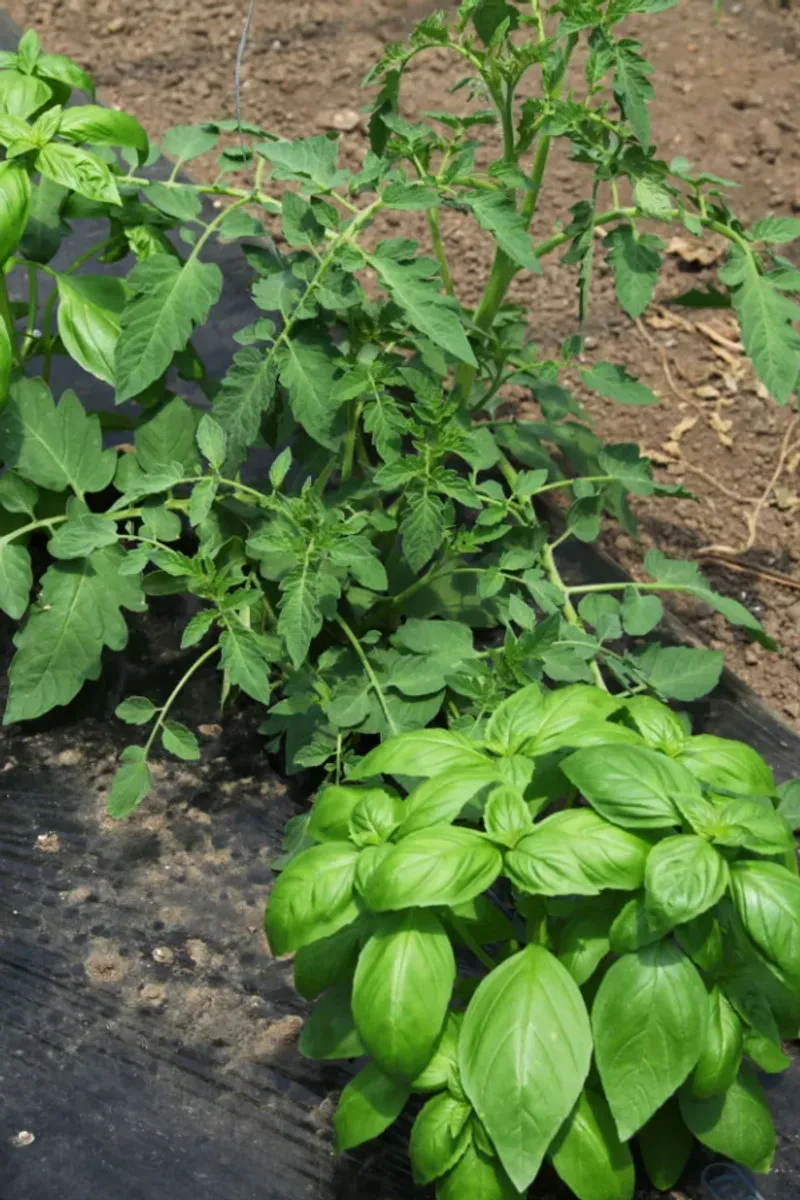
Few plants feel as at home next to tomatoes as basil. Both love warm soil, full sun, and consistent moisture, which makes them natural partners in any Michigan summer garden.
When you let a few basil stems flower instead of pinching them all back, those blooms become magnets for bees, hoverflies, and other beneficial insects that also help pollinate your tomato plants nearby.
Plant basil about 12 to 18 inches from your tomato stems so both plants have room to breathe and grow without competing for root space.
In Michigan, basil should go in the ground only after the last frost, typically around late May or early June, since it is very sensitive to cold.
Starting seeds indoors four to six weeks before transplanting gives you a head start on the season.
Pinch the tops regularly to encourage bushy growth and delay flowering if you want more leaf production. Once you are ready to let some stems bloom, choose the ones farthest from the center of your tomato plant.
Basil also grows beautifully in containers, which is handy if your raised bed is already packed. Keeping the soil evenly moist but not waterlogged helps both plants stay healthy through humid midsummer stretches.
Harvest basil in the morning for the best flavor.
2. Sweet Alyssum Attracts Tiny Beneficial Insects Near Tomato Plants
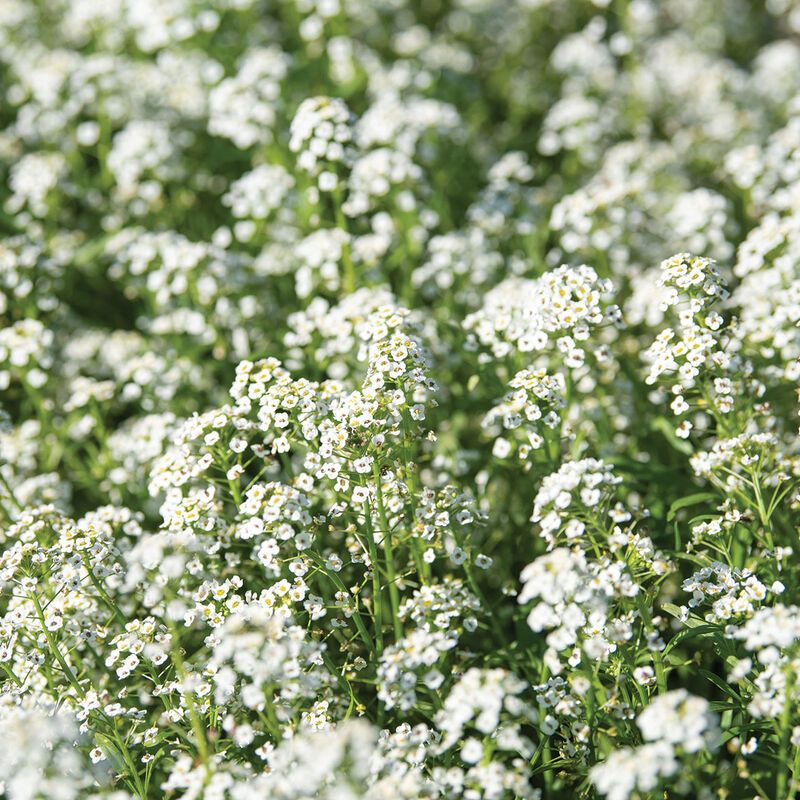
Sweet alyssum is one of those plants that looks delicate but works hard.
Its tiny white or lavender flowers release a honey-like fragrance that pulls in hoverflies, parasitic wasps, and other small beneficial insects that prey on aphids and other soft-bodied pests that love tomato plants.
Growing it along the edges of your tomato bed creates a living buffer zone full of helpful activity.
Because sweet alyssum stays low, usually only four to six inches tall, it never shades tomato stems or competes for light. In Michigan, you can direct sow seeds outdoors in mid-May or transplant seedlings after the last frost.
Space plants about eight to ten inches apart along the front edge of your bed, leaving plenty of room between alyssum and tomato root zones so neither plant feels crowded.
Water consistently but avoid soaking the foliage, since good airflow around both plants reduces humidity-related issues during muggy July and August weeks.
Your Michigan Garden Changes Every Week. Your Plan Should Too.
Gardening in Michigan changes quickly throughout the season. Every Friday you’ll receive a simple weekly plan showing exactly what to plant, prune, fertilize, harvest, and protect so you never miss the right timing.
If sweet alyssum starts to look scraggly mid-season, a light trim encourages fresh growth and a second flush of blooms.
It also self-sows readily, so you may find volunteer plants returning the following spring. This low-maintenance edge plant is a smart and practical addition to any tomato setup, offering real insect activity without taking up valuable growing space in your bed.
3. Marigolds Help Support A More Balanced Tomato Bed
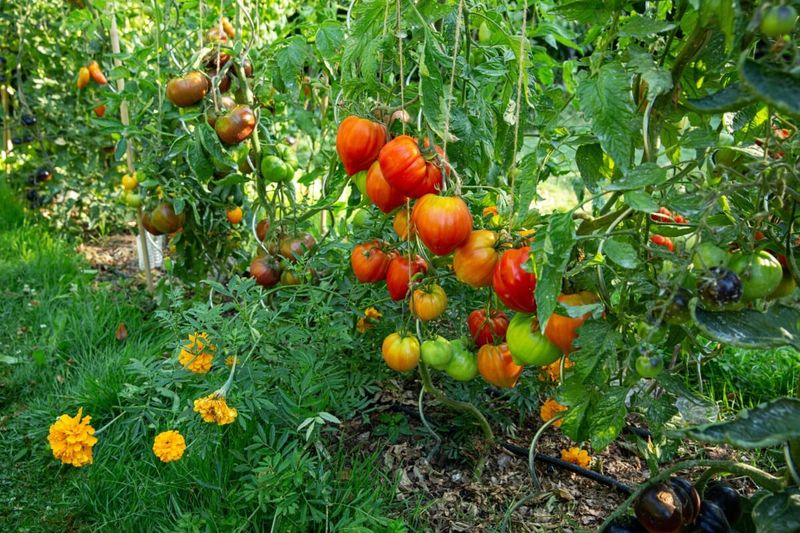
Marigolds have earned a permanent spot in vegetable gardens for good reason, and their cheerful blooms do more than just brighten up a tomato bed.
French marigolds attract pollinators like bees and butterflies, and their flowers also draw predatory insects that feed on common soft-bodied pests.
While no single plant is a magic fix, marigolds genuinely contribute to a more active and balanced garden ecosystem around your tomatoes.
In Michigan, plant marigolds outdoors after the last frost has passed, usually around late May.
Space them about 10 to 12 inches apart along the edges of your tomato rows or raised beds, giving both plants enough airflow to stay healthy through the humid summer months.
Good spacing matters a lot in gardens where humidity can encourage fungal issues on densely planted beds.
Water marigolds at the base rather than overhead to keep the foliage dry and reduce the chance of mildew. Remove spent blooms every week or so to encourage continuous flowering right through late summer and into fall.
Because marigolds are compact and low-growing, they never crowd tomato roots or shade out the lower stems. They are also easy to find at any local garden center, making them one of the most accessible companion plants you can add to your tomato setup this season.
4. Borage Brings Bees And Beneficial Insects Into Tomato Gardens
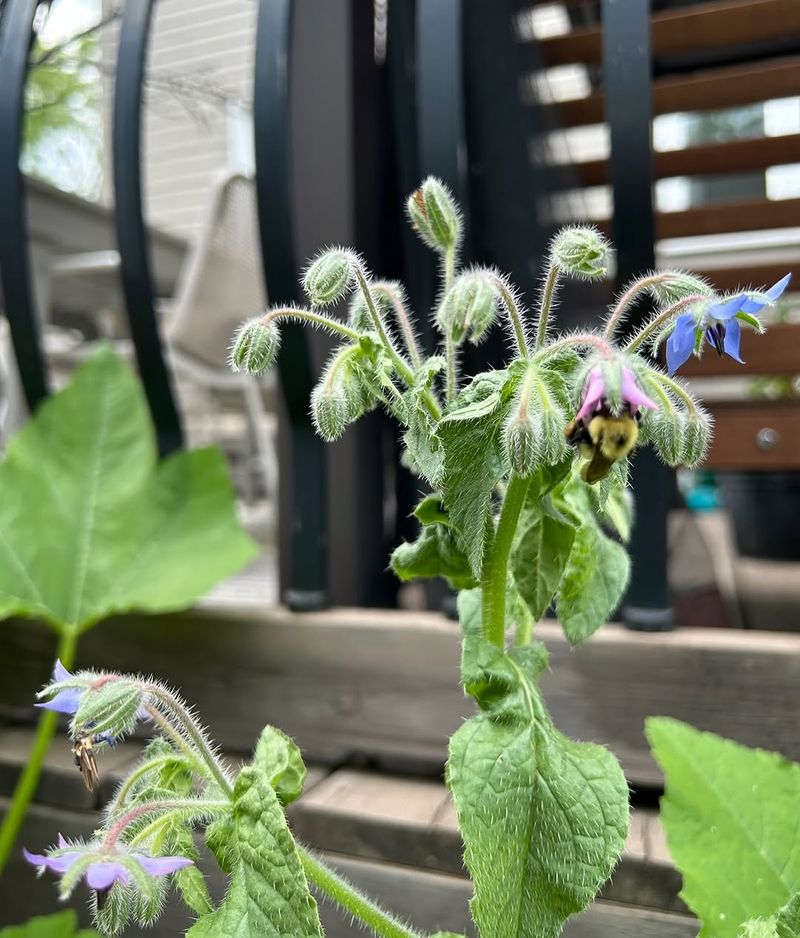
Borage is a bold, beautiful plant that earns its place in any tomato garden the moment its vivid blue star-shaped flowers open up. Bees absolutely love those blooms, and where bees go, pollination follows.
More pollinator visits around your tomato plants means better fruit set and a more productive harvest through the season.
One thing to plan for with borage is size. Mature plants can reach two to three feet tall and spread just as wide, so placement matters.
Give borage its own spot at the back or side of your tomato bed rather than tucking it in between plants where it could eventually crowd stems and reduce airflow.
Direct sow seeds in mid-May after frost risk has passed, since borage does not transplant well once established. Thin seedlings to at least 18 inches apart to give each plant room to develop properly.
Borage is drought-tolerant once established, but young plants appreciate regular watering during Michigan’s drier early summer spells.
One of its most convenient qualities is that it self-sows freely, meaning you may see volunteer plants popping up in future seasons without any extra effort on your part.
Just be ready to manage where those seedlings land so they do not take over your bed. Borage is a confident, generous plant that rewards gardeners who give it the right amount of space to do its thing.
5. Chives Help Fill Tomato Bed Edges Without Taking Over
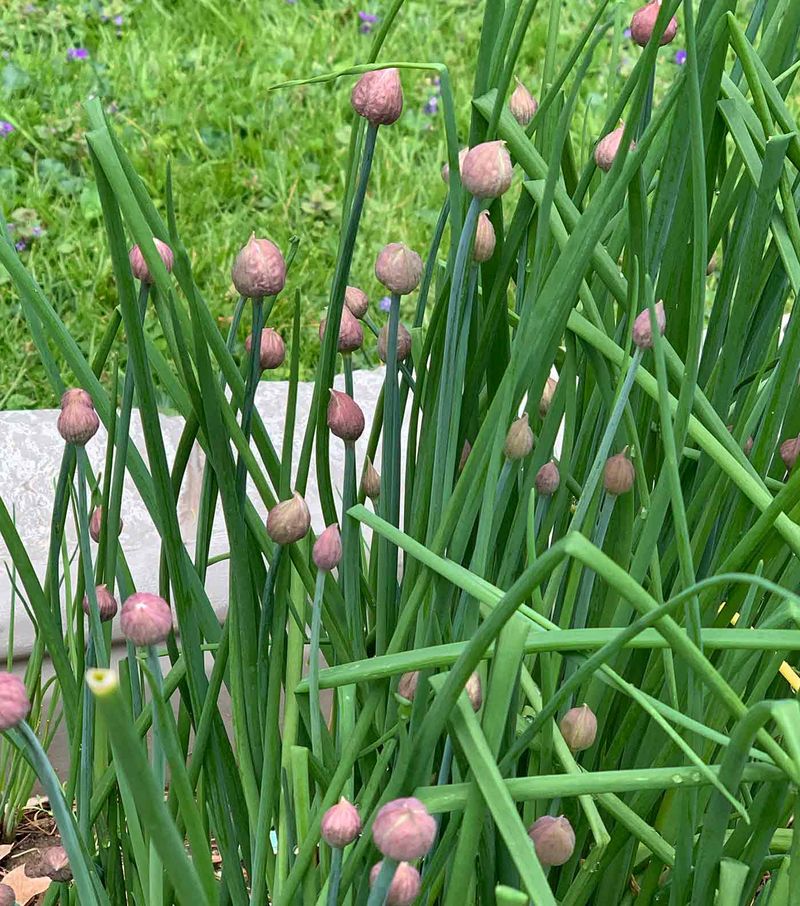
Chives are one of the most practical edging plants you can grow around tomatoes, and they ask for very little in return.
Their round purple blooms open in late spring and early summer, drawing in early pollinators right when tomato plants are getting established and starting to flower themselves.
That early pollinator activity can make a real difference in how well your tomato plants set fruit as the season progresses.
Because chives stay compact, usually reaching only 12 to 18 inches tall, they are ideal along the front edges of raised beds or at the corners of in-ground tomato rows.
Plant them about eight to ten inches apart and avoid placing them directly beneath tomato plants where they would compete for light.
Chives grow well in Michigan’s spring and early summer conditions and can handle light frost, so you can get them in the ground a couple of weeks before your tomatoes go out.
Harvest chive leaves regularly by snipping them close to the base, which encourages fresh, tender regrowth throughout the season. Every two to three years, divide the clumps to keep them vigorous and prevent overcrowding.
Chives are perennial in Michigan’s climate, so once established, they come back reliably each spring without replanting. Water them during dry stretches but avoid overwatering, since they prefer well-drained soil.
They are a no-fuss, genuinely useful companion that earns its spot every single season.
6. Dill Supports Beneficial Insects When Planted Away From Tomato Stems
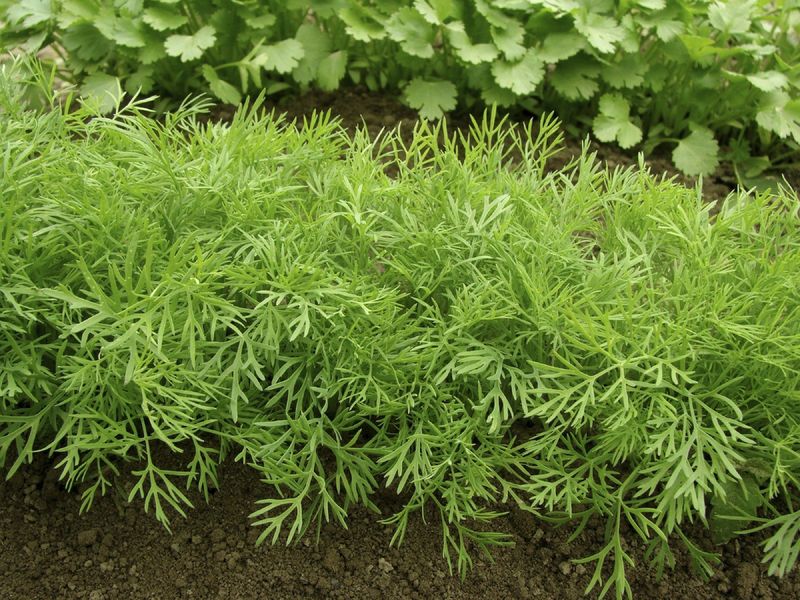
Dill is a powerhouse for attracting beneficial insects, and its feathery yellow flower heads are practically a landing pad for hoverflies, lacewings, and tiny parasitic wasps that help manage soft-bodied pest populations in your garden.
If you have ever noticed aphids building up on your tomatoes, having dill nearby could help tip the balance back in your favor by supporting the insects that keep those pests in check.
There is one important placement rule with dill: keep mature plants away from your tomato stems. Young dill is fine nearby, but as it matures and towers over three feet tall, it can compete with tomatoes and may have a suppressive effect on their growth.
Plant dill at the outer edges or corners of your garden plot, at least 18 to 24 inches from your nearest tomato plant. Direct sow seeds in mid-May in Michigan and succession sow every three weeks for a continuous supply of foliage and flowers.
Dill bolts quickly in hot weather, so Michigan’s warm July temperatures will push it toward flowering fast. That is actually good news for beneficial insect attraction, so let some stems go to flower intentionally.
Harvest foliage regularly before flowering if you want it for cooking. Thin seedlings to about 12 inches apart for good airflow, and water consistently during dry spells.
Dill is easy, fast-growing, and genuinely earns its spot at the edge of any tomato garden.
7. Calendula Adds Pollinator Support Around Tomato Beds
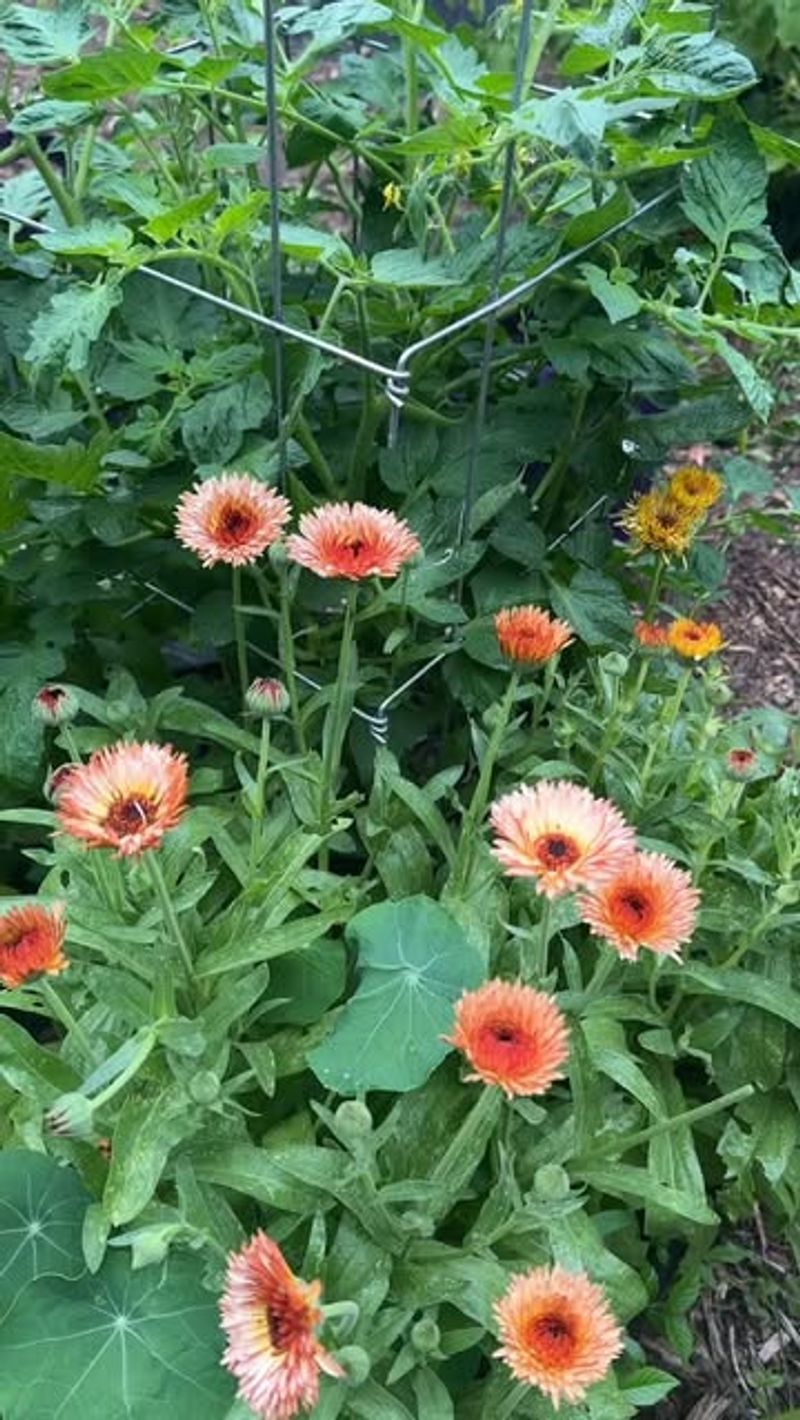
Calendula is one of the most cheerful and hardworking flowers you can tuck around a tomato bed.
Its warm orange and yellow blooms open early in the season and keep going through cooler stretches of Michigan’s spring and fall, filling in the pollinator activity gaps that many other summer flowers miss.
Bees, hoverflies, and other beneficial insects visit calendula regularly, and that steady traffic benefits your nearby tomato plants throughout the growing season.
Start calendula seeds indoors six to eight weeks before your last frost date, or direct sow outdoors in early to mid-May.
Calendula actually prefers cooler temperatures, so getting it established before the heat of Michigan’s summer sets in gives you the longest possible bloom period.
Space transplants about 10 to 12 inches apart around the edges of your raised beds or along tomato rows, leaving enough room for good air circulation between plants.
Removing spent blooms every few days is the single best thing you can do to keep calendula flowering all season long. Without regularly doing it, plants slow down and go to seed quickly.
Water at the base to keep foliage dry and reduce the chance of powdery mildew, which can appear during Michigan’s humid midsummer weeks.
Calendula is also edible, and its petals can be used to garnish salads or add color to homemade dishes, giving you an extra reason to grow it generously around your tomato beds this year.
8. Nasturtiums Can Work As A Trap Crop Near Tomatoes
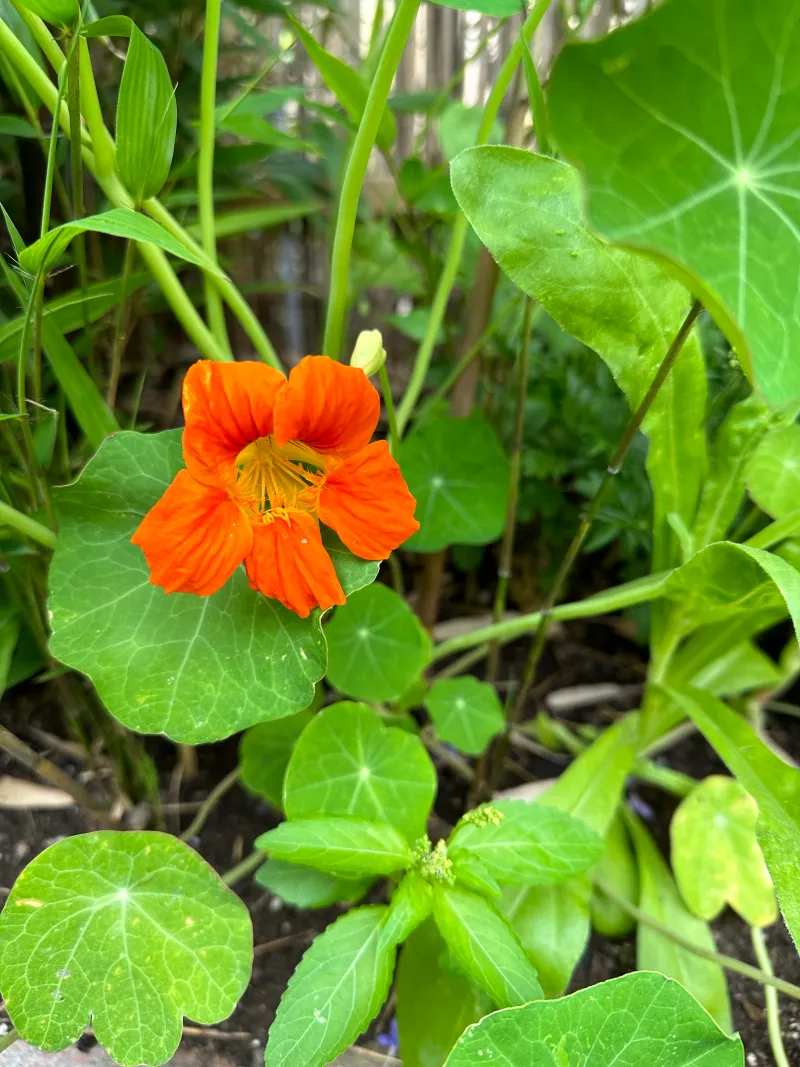
Nasturtiums bring a splash of bold color to any garden, but they also serve a practical purpose near tomatoes. Aphids are strongly attracted to nasturtium plants, which means they may choose to cluster on the nasturtium leaves rather than your tomato foliage.
This trap cropping strategy does not work perfectly every time, but it can genuinely redirect pest pressure away from your main crop when managed correctly.
The key word with nasturtiums as a trap crop is management. You need to check the plants regularly, at least twice a week, and remove leaves or stems that have become heavily infested before the pest population grows large enough to spread back to your tomatoes.
Wear gloves, remove affected foliage carefully, and dispose of it away from the garden. Beneficial insects like ladybugs and lacewings will also visit nasturtium blooms, so avoid removing entire plants unnecessarily.
In Michigan, plant nasturtiums outdoors after the last frost, around late May or early June. They grow quickly from seed and do not need rich soil.
Space plants about 10 to 12 inches apart along the edges of your tomato bed, or grow them in containers placed nearby. Nasturtiums also thrive in hanging baskets or window boxes if ground space is limited.
Water them moderately since overwatering leads to lots of leaves but fewer flowers. Prune back any overly long trailing stems to keep plants tidy and productive through the season.
9. Parsley Helps Bring Helpful Insects To Tomato Gardens
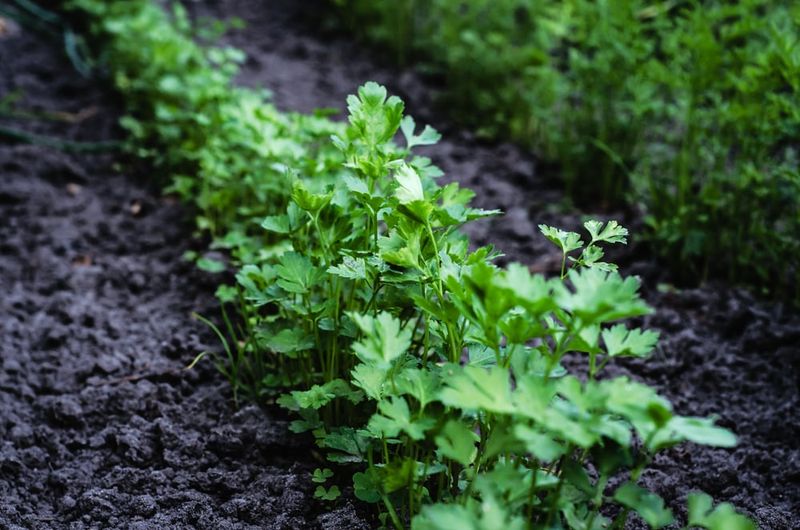
Parsley is a quiet overachiever in the companion planting world. During its first year, it stays compact and leafy, giving you a steady supply of fresh herb for your kitchen.
But in its second year, parsley sends up tall flower stalks covered in tiny yellow-green blooms that attract parasitic wasps, hoverflies, and other beneficial insects that help manage pest populations around your tomato plants naturally.
Plant parsley near the edges of your tomato bed rather than directly underneath the plants, where competition for light and root space could stress both crops. Space plants about eight to ten inches apart.
Parsley grows well in Michigan from transplants started indoors six to eight weeks before the last frost, or you can purchase transplants from a local garden center in late May.
It tolerates partial shade, which makes it a flexible option for spots that get a bit less direct sun than your tomato plants need.
Water parsley consistently throughout the season since it prefers evenly moist but well-drained soil. Harvest outer stems regularly to encourage new growth from the center of the plant.
In Michigan, parsley is technically biennial, meaning it flowers in its second year before completing its life cycle.
If you want to enjoy both the culinary herb and the insect-attracting flowers, consider overwintering a few plants with a light mulch cover and letting them bloom the following summer alongside your new tomato crop.
10. Garlic Helps Keep Tomato Beds More Diverse And Productive
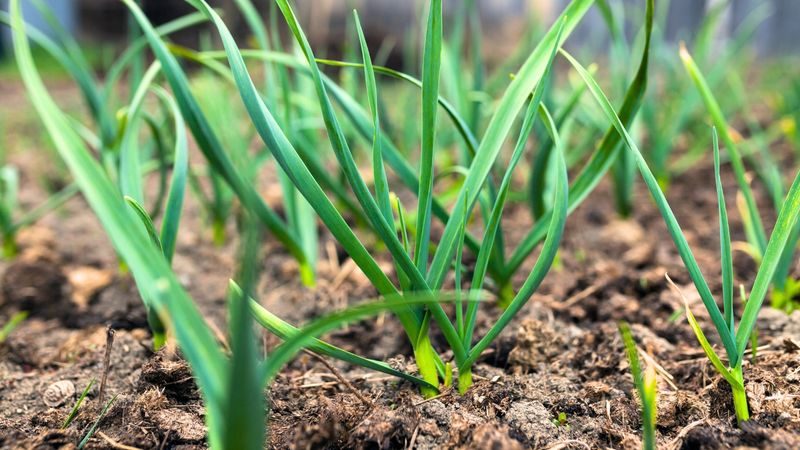
Garlic is one of the most aromatic crops you can grow, and that strong scent is part of what makes it interesting as a tomato companion.
Some gardeners find that the pungent foliage of garlic may help confuse or deter certain flying pests that navigate by scent when searching for host plants.
Whether or not that effect is dramatic, garlic makes excellent use of limited garden space and fits neatly between tomato plants without competing aggressively for resources.
In Michigan, garlic is planted in the fall, typically between mid-September and late October, and it overwinters in the ground before resuming growth in spring.
This means your garlic will already be well established and growing strongly by the time you transplant your tomatoes in late May or early June.
Space garlic cloves about six inches apart and plant them about two inches deep, keeping them at least eight to ten inches away from where your tomato roots will develop.
Garlic is ready to harvest in late June or early July in Michigan, right around the time your tomato plants are hitting their stride and filling in the bed. That natural timing works well because the garlic comes out just as the tomatoes need more space.
Cure harvested bulbs in a dry, well-ventilated spot for two to three weeks before storing. Growing garlic near tomatoes is a smart, space-efficient strategy that adds diversity to your garden without creating competition or crowding issues.
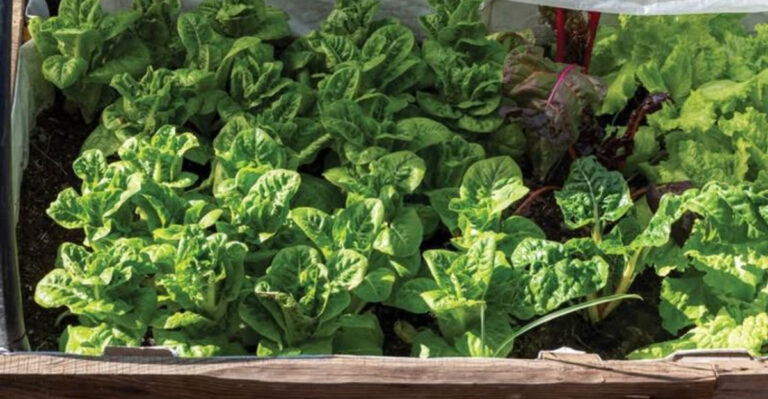
11. Lettuce Makes Smart Use Of Space Before Tomato Plants Get Huge
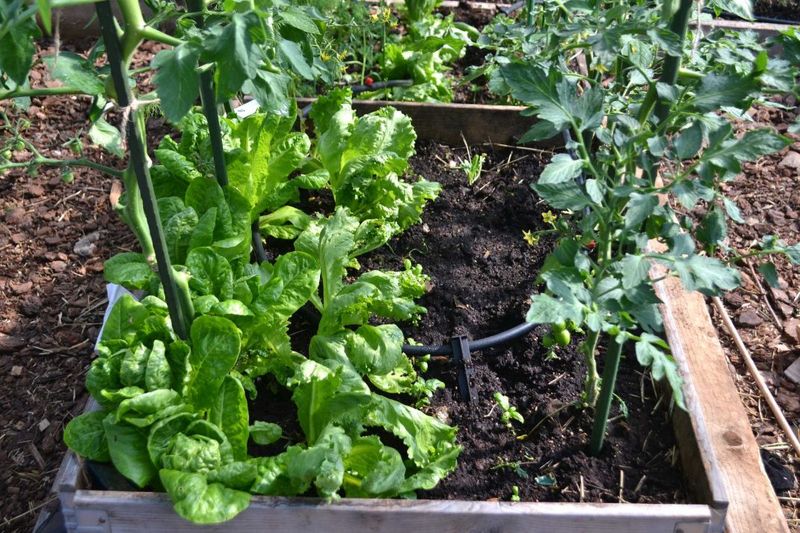
Lettuce and tomatoes might seem like an unlikely pair, but their timing makes them surprisingly compatible in a Michigan garden.
Lettuce thrives in the cool, mild temperatures of spring, and young tomato transplants do not yet cast enough shade to cause problems.
That window between late April and mid-June is the perfect opportunity to squeeze a productive lettuce crop into the same bed where your tomatoes will eventually take over.
Start lettuce seeds indoors in early April or direct sow outdoors in late April, a few weeks before tomatoes go in. Sow or transplant lettuce between your tomato planting spots, spacing lettuce plants about eight to ten inches apart.
As the season warms and tomato plants grow taller and begin to spread, the lettuce will naturally finish its harvest window. Plan to pull the last of your lettuce by late June or early July before Michigan’s summer heat turns it bitter and causes it to bolt.
Water lettuce consistently since it has shallow roots and dries out faster than tomatoes during warm spells. Harvest outer leaves as needed to extend the productive life of each plant.
Mixing varieties, like a crisp romaine alongside a loose-leaf type, gives you a longer harvest window and more flavor variety.
Using lettuce as an early season companion is one of the simplest ways to get more food out of the same garden space without any extra beds, soil, or infrastructure needed.
12. Buckwheat Brings Beneficial Insects Before Tomatoes Fill The Bed
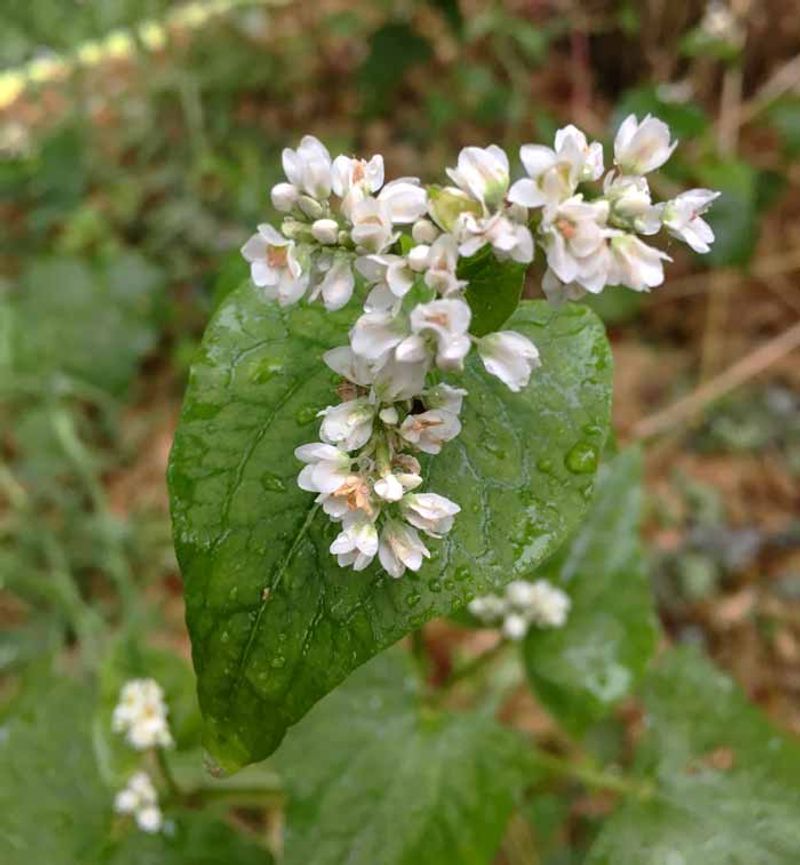
Buckwheat is not a plant most home gardeners think about first, but it is one of the fastest and most effective ways to flood a garden area with beneficial insect activity.
Its small white flowers open within just a few weeks of sowing and attract hoverflies, parasitic wasps, and pollinators in impressive numbers.
For Michigan gardeners who want to get beneficial insects active early in the season, buckwheat is a genuinely smart short-term strategy.
Sow buckwheat seeds in open areas near your tomato beds in late May or early June, after frost risk has passed. It germinates quickly and begins flowering in as little as four to six weeks.
The key is timing its removal carefully. Buckwheat drops seed rapidly once the flowers fade, and if you let it go to seed freely, it can become weedy in future seasons.
Cut it back at the soil line right as the first flowers begin to fade, before seeds mature and fall.
Give buckwheat its own designated strip or patch near your tomato garden rather than mixing it in between tomato plants, since it grows quickly and can crowd stems if left unchecked. A two-foot-wide strip along the edge of your garden area works well.
Water during establishment but buckwheat is fairly drought-tolerant once it gets going. Using it as a short-term beneficial insect booster early in the season sets a healthy, active foundation for your tomato garden before the main growing season fully hits its stride.