What To Do With Your Bougainvillea In Texas Before Summer Hits
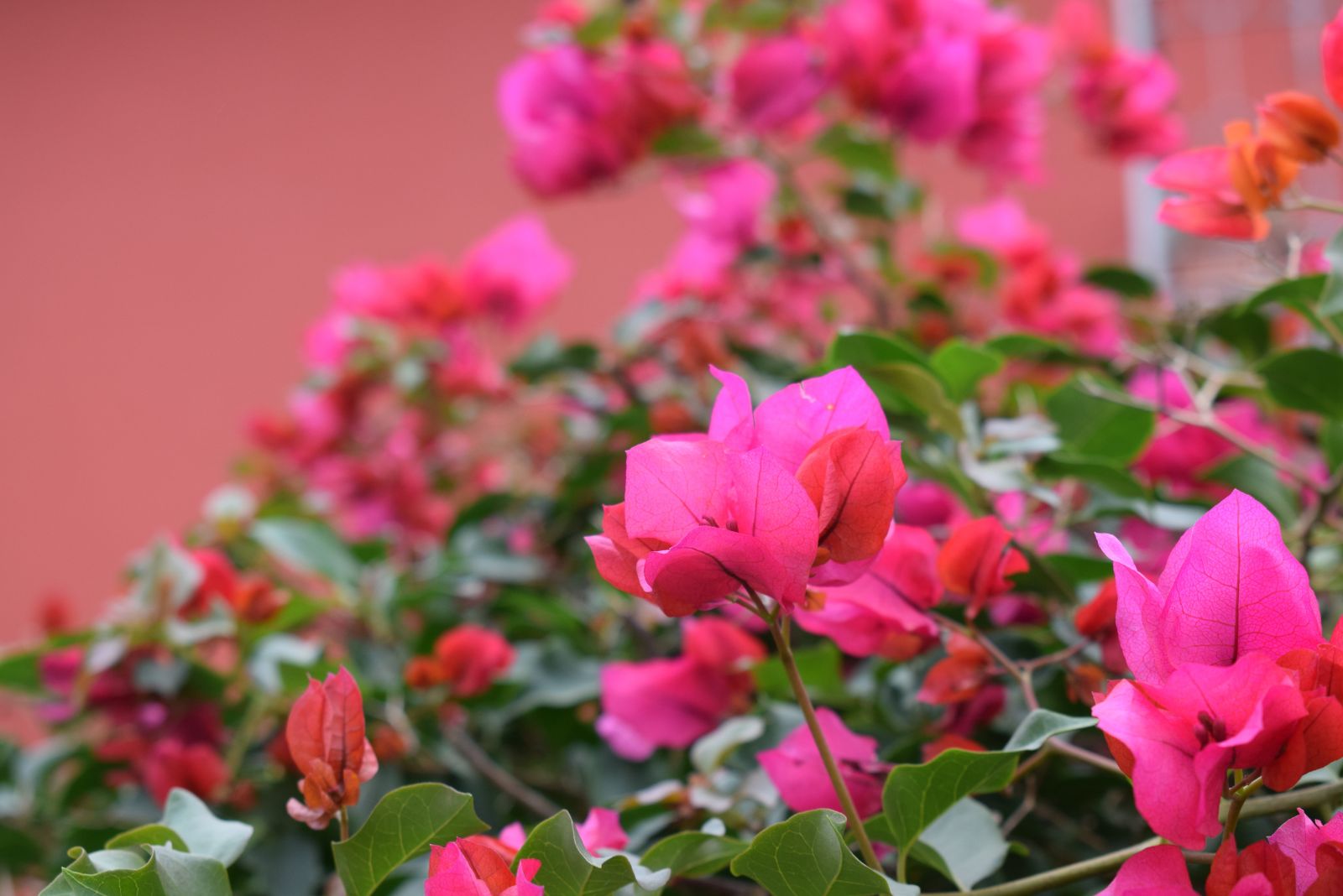
Bougainvillea in Texas can be absolutely stunning, but that show does not happen by accident. Right before summer hits is actually one of the most important times of year to give this plant some attention.
Get it right now and you will have bold, vibrant color bursting through even the hottest months. Skip it and you might end up with a leggy, stressed plant that barely blooms when you want it most.
Bougainvillea is tough, no question about that, but tough does not mean it takes care of itself. There are a few specific things Texas gardeners should be doing right now, from pruning and feeding to adjusting watering habits before the real heat settles in.
If you want your bougainvillea to absolutely take off this summer, what you do in the next few weeks makes all the difference.
1. Prune Back Winter Damage
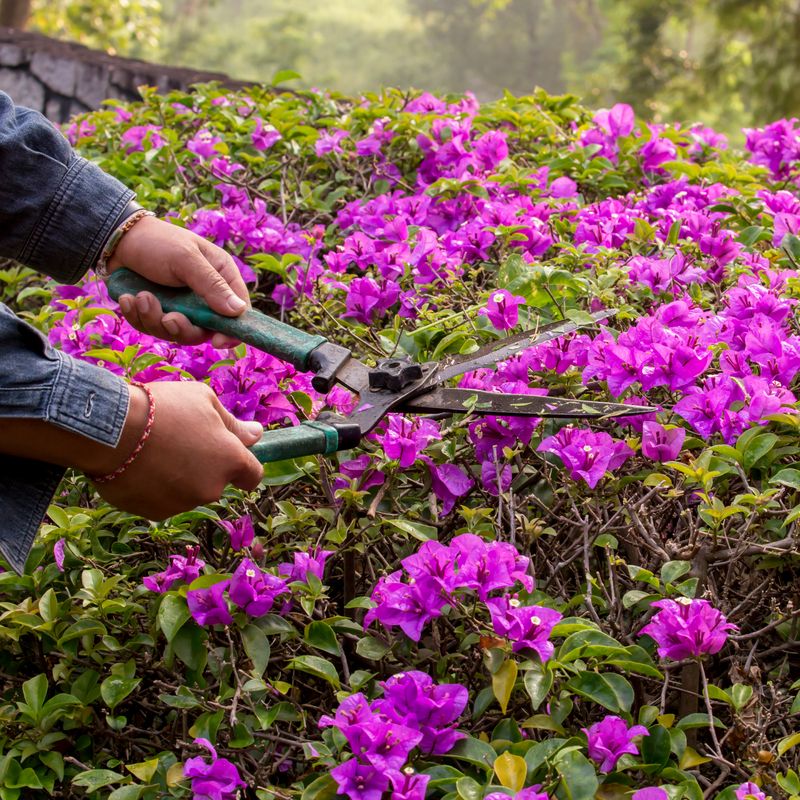
Grab your garden shears, because late spring is the perfect time to clean up your bougainvillea. Over the winter months, Texas can surprise even the toughest plants with cold snaps and frost.
Those chilly nights often leave behind brown, brittle, or weak stems that are just taking up space on your plant.
Start by looking closely at each branch. If a stem snaps easily or looks completely dried out, it needs to come off.
Cutting away that dry or weak growth tells the plant to focus its energy on the healthy parts, which leads to fuller branching and stronger blooms later in the season.
Do not be afraid to cut back more than you think you should. Bougainvilleas are tough and bounce back quickly when pruned with confidence.
Many Texas gardeners are surprised at how fast new growth appears after a good trim. The plant almost seems to sigh with relief once the old stuff is gone.
Use clean, sharp pruning shears to make smooth cuts just above a leaf node or healthy bud. Rough or jagged cuts can leave the plant open to disease, so sharp tools really do matter here.
Wipe your blades with rubbing alcohol before you start to avoid spreading any problems from other plants.
Pruning now also shapes the plant before it puts out a big flush of summer growth. A well-shaped bougainvillea is easier to manage, looks more attractive against a fence or trellis, and tends to flower more evenly across its branches all summer long.
2. Switch To A Low-Nitrogen Fertilizer
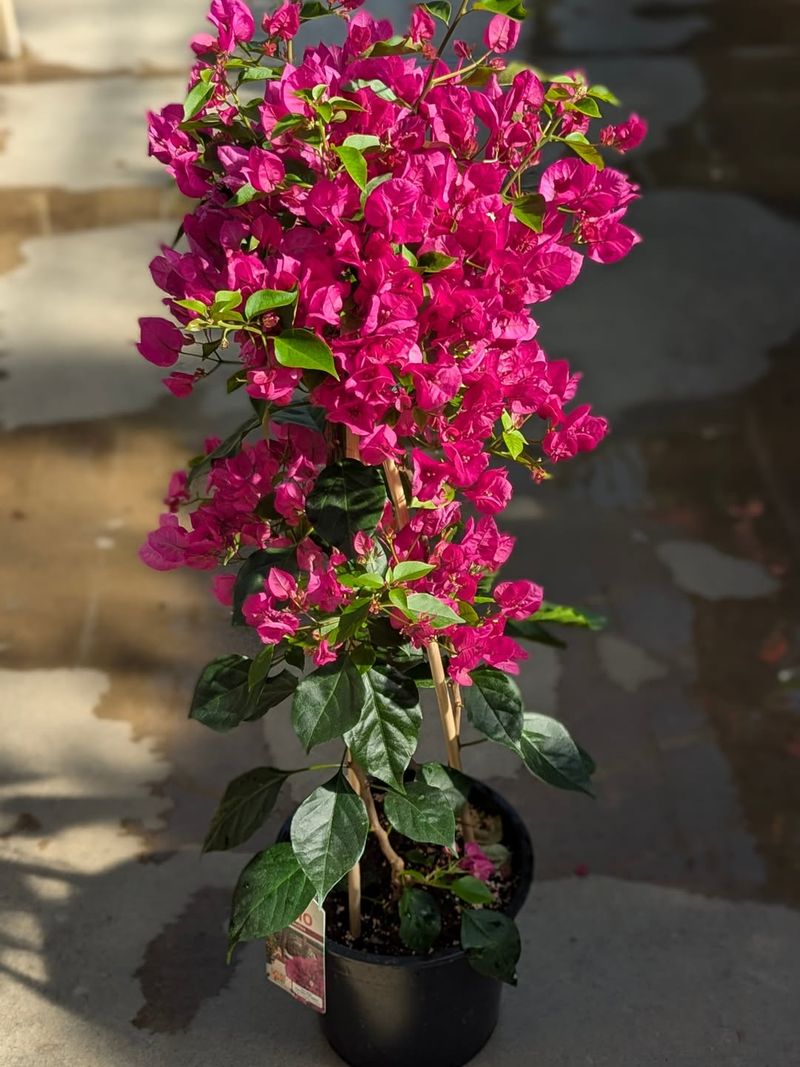
Here is something a lot of new bougainvillea growers do not realize: feeding your plant the wrong fertilizer can actually work against you. Nitrogen is great for leafy green plants, but bougainvillea is not really about the leaves.
It is all about those brilliant, papery bracts that give it that showstopping color. When a bougainvillea gets too much nitrogen, it puts all its energy into growing big, lush leaves instead of producing blooms. You end up with a very green plant and very little color.
That is the opposite of what most Texas gardeners are hoping for heading into summer. Switching to a fertilizer with a lower first number on the label, which represents nitrogen, and higher second and third numbers helps push the plant toward flowering.
Your Texas Garden Changes Every Week. Your Plan Should Too.
Gardening in Texas changes quickly throughout the season. Every Friday you’ll receive a simple weekly plan showing exactly what to plant, prune, fertilize, harvest, and protect so you never miss the right timing.
Look for products labeled as bloom boosters or flowering plant fertilizers at your local garden center. These are easy to find and not expensive.
Apply fertilizer every four to six weeks during the growing season, following the package directions carefully. More fertilizer does not mean more flowers.
Overfertilizing can actually stress the plant and cause problems with the roots, so stick to the recommended amounts.
Timing matters too. Starting your low-nitrogen feeding routine before the heat of summer arrives gives the plant a nutritional head start.
By the time temperatures really climb in Texas, your bougainvillea will already be primed and ready to push out wave after wave of vibrant color all season long.
3. Let The Soil Dry Slightly Between Waterings
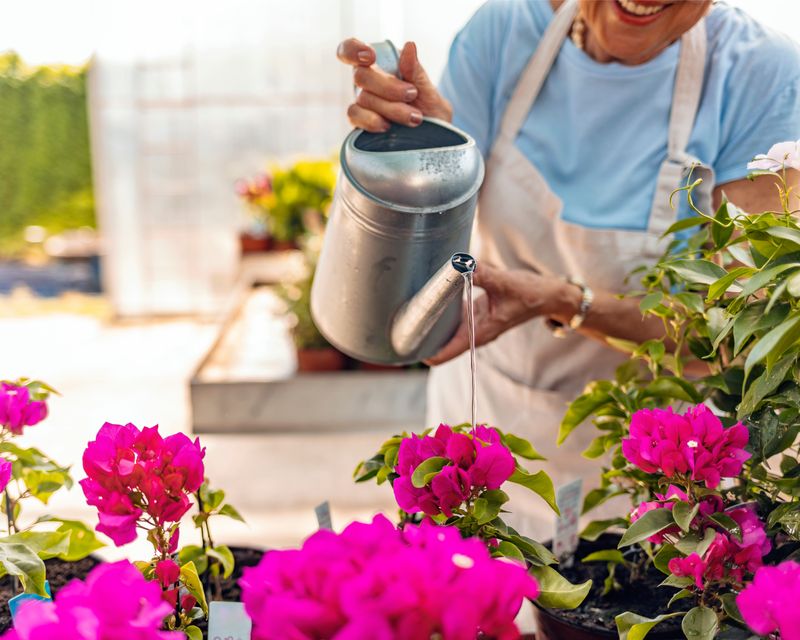
Bougainvillea has a reputation for being a tough, drought-tolerant plant, and that reputation is well earned. One of the most common mistakes gardeners make with this plant is watering it too often.
Soggy roots are not a friend to bougainvillea, and overwatering is one of the fastest ways to end up with a plant that refuses to bloom.
The secret is simple: let the top inch or two of soil dry out before you water again. Stick your finger into the soil near the base of the plant.
If it still feels damp, wait another day or two. If it feels dry, go ahead and give it a thorough soak.
Watering deeply but less frequently encourages the roots to grow downward in search of moisture. This creates a stronger, more drought-resistant root system that will serve the plant well through the blazing Texas summer.
Shallow, frequent watering does the opposite and leaves roots weak and close to the surface.
Container-grown bougainvilleas dry out faster than those planted in the ground, so check those pots more often. During a Texas heat wave, containers can dry out within a day or two. Still, always check before watering rather than following a set schedule.
Letting the soil dry slightly between waterings also mimics the natural dry seasons that bougainvillea experiences in its native tropical habitat.
That mild stress is actually a signal that triggers the plant to bloom. A little dry spell before summer is not a problem at all. It is a bloom trigger.
4. Move Container Plants Into Full Sun
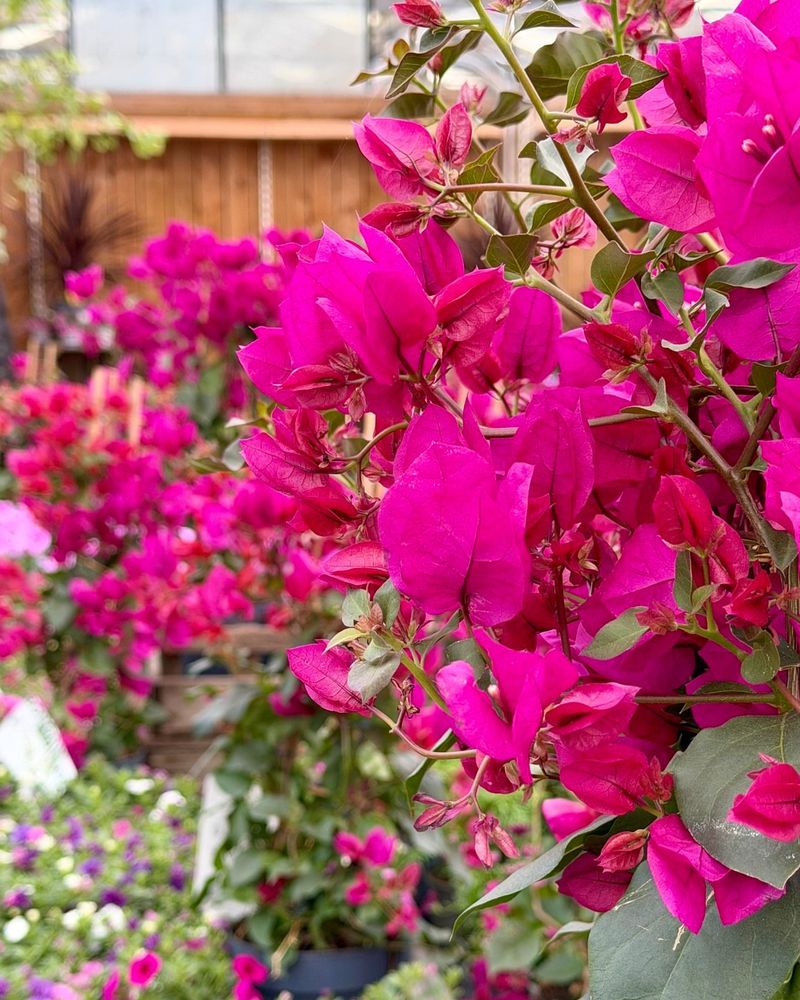
Sun is everything to a bougainvillea. This plant was made for hot, bright conditions, and it absolutely thrives when it gets as much direct sunlight as possible.
If your container bougainvillea has been sitting in partial shade or on a covered porch through the cooler months, now is the time to move it out into the open.
Texas is one of the best places in the country to grow bougainvillea precisely because of its intense sunshine.
The plant needs at least six hours of direct sun each day to flower well, but it truly shines with eight to ten hours. The more sun it gets, the more color it produces.
Moving your container plant into full sun before summer officially arrives gives it time to adjust gradually.
Going from low light to blazing Texas sun all at once can stress the plant and cause leaf drop. A gradual move over a week or two helps it adapt without shock.
Pick a spot that gets morning and afternoon sun with no shade from trees, fences, or buildings blocking the light. South-facing and west-facing spots in a Texas yard tend to be the most intense, and bougainvillea loves both of them.
Avoid spots where sprinklers hit the plant regularly, since wet foliage in full sun can cause issues.
Once your bougainvillea is settled in its sunny new spot, you will likely notice a quick change in its energy.
New growth picks up, color deepens, and the plant starts building toward that spectacular summer bloom show that makes it one of Texas most beloved warm-season plants.
5. Check For Spider Mites Early
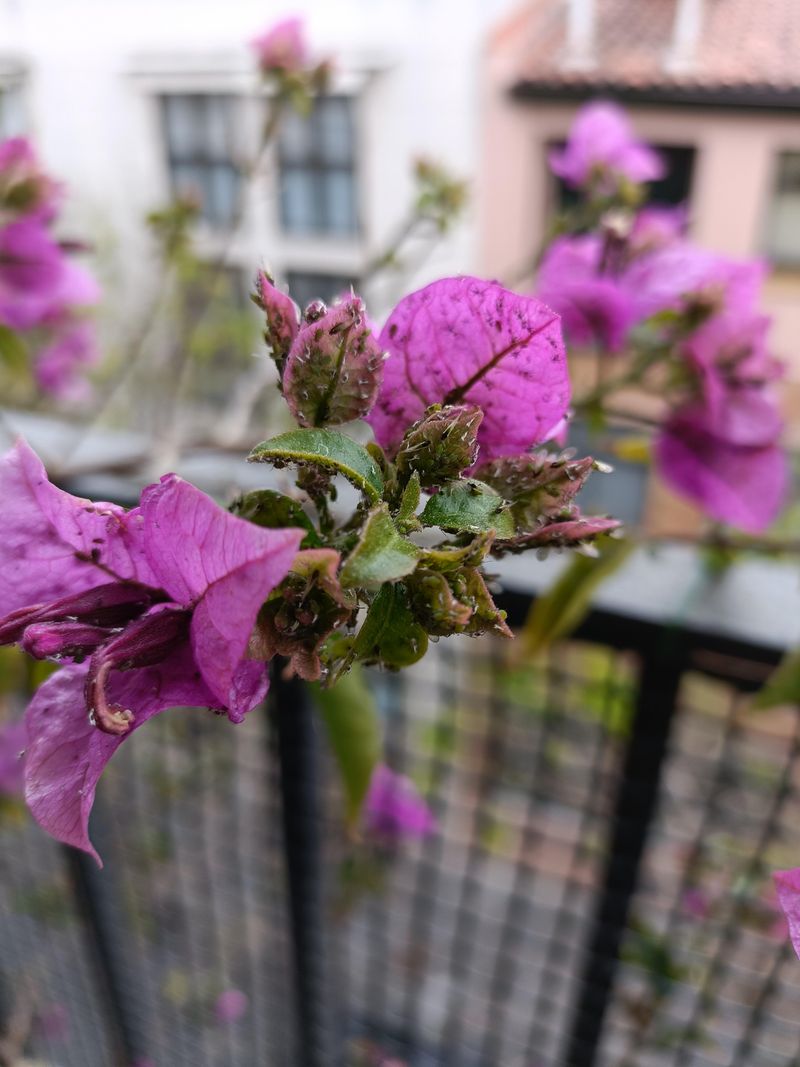
Spider mites are sneaky. They are tiny, hard to spot with the naked eye, and they tend to move fast when conditions are right.
Hot, dry weather is exactly what they love, and in Texas, that kind of weather shows up fast as spring turns into summer. Catching them early makes a huge difference in how much damage they can do.
Look closely at the undersides of your bougainvillea leaves. Spider mites often leave behind a dusty, stippled appearance on the top of the leaf, and fine webbing underneath. If you see either of those signs, act right away before the population grows.
A strong spray of water from a garden hose can knock mites off the plant and reduce their numbers quickly.
Do this in the morning so the leaves have time to dry before the hottest part of the day. Repeat every few days to stay on top of any survivors.
For a more serious infestation, neem oil spray works well on bougainvillea. Mix it according to label directions and apply it in the early morning or evening to avoid leaf burn. Insecticidal soap is another good option and is easy to find at most garden centers in Texas.
Keeping your plant well-watered, but not overwatered, also helps reduce spider mite pressure. Mites thrive on stressed plants, so a healthy bougainvillea is naturally more resistant.
Checking your plant weekly from now through summer is a simple habit that keeps small problems from turning into big headaches down the road.
6. Secure Vines Before Storm Season Starts
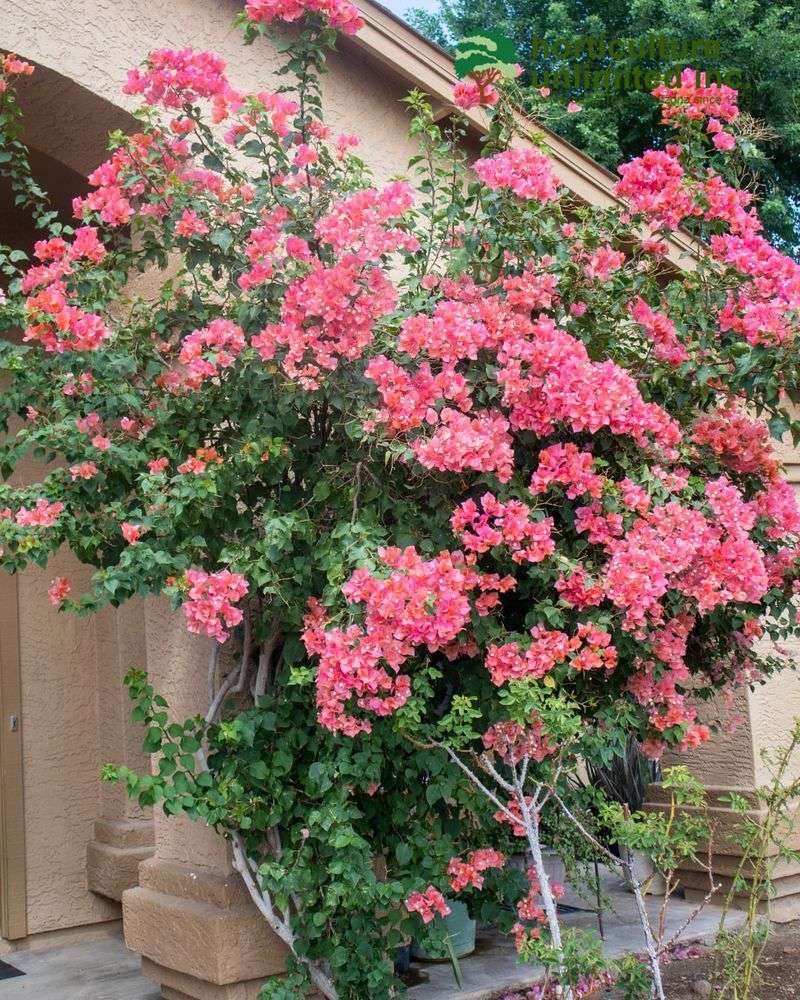
Texas storm season is no joke. Strong winds, sudden downpours, and the occasional severe thunderstorm can arrive with very little warning during the summer months.
If your bougainvillea has long, arching vines that are not tied down, those stems are at serious risk of snapping, tangling, or pulling away from their support structure when the wind picks up.
Walk around your plant now and look at how the vines are positioned. Any long stems that are flopping loosely or hanging away from a fence or trellis need to be secured before summer storms roll through.
This is a quick job that takes maybe twenty minutes but saves a lot of frustration later. Use soft garden ties, stretchy plant tape, or old strips of fabric to attach stems to their support.
Avoid anything that is too tight or made of wire, since that can cut into the vine as it grows. The goal is to guide the plant, not choke it.
A sturdy trellis, fence, or pergola gives your bougainvillea the backbone it needs to grow upward and outward without becoming a tangled mess.
If your current support structure feels wobbly or weak, reinforce it now before the weight of a full summer flush of growth tests its limits.
Securing your vines also makes the plant look neater and more intentional in your landscape.
A well-trained bougainvillea draped over a trellis or fence is one of the most beautiful sights in a Texas summer garden, and a little prep work now is all it takes to get there.