The Secret To Keeping Salvia Blooming All Summer Long In Ohio
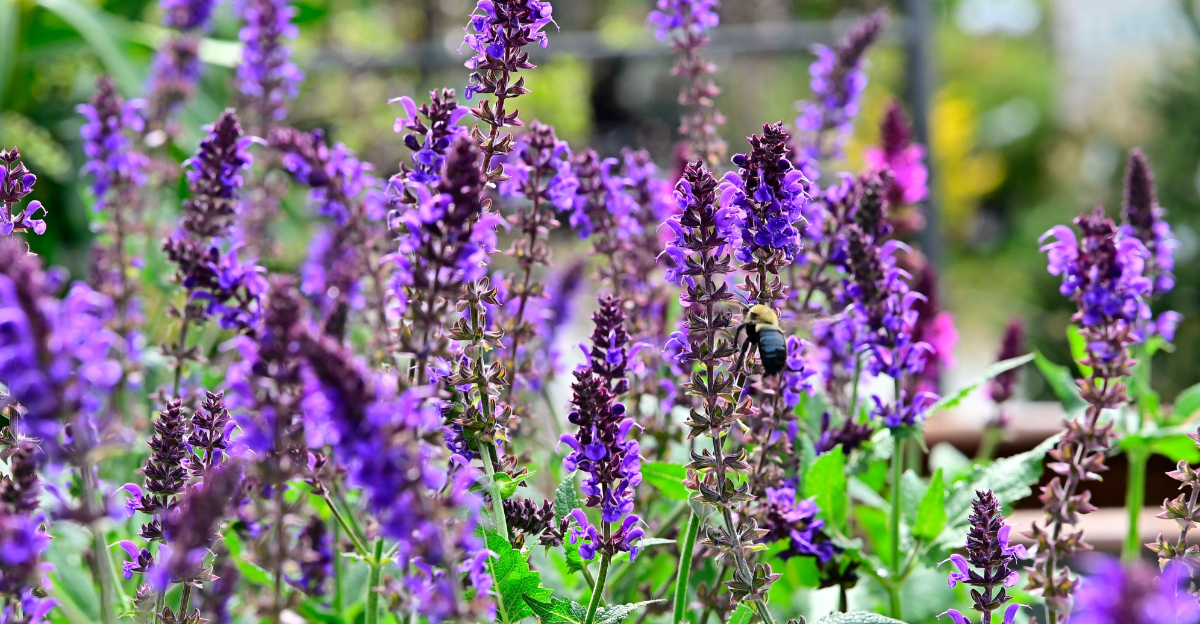
Salvia looks like the kind of plant that can handle anything Ohio throws at it. Tall color-packed spikes, buzzing bees, butterflies drifting in, hummingbirds stopping by like they know exactly where to go.
What’s not to love? But a full summer of blooms does not happen by accident.
Salvia may be tough, but clay soil, sticky humidity, surprise dry spells, and sloppy pruning can all cut the show shorter than gardeners expect. That first flush of flowers is usually the big one, too, so knowing how to handle the plant after it fades makes all the difference.
Pick the right variety, plant it where it can breathe, and snip spent spikes at the right time.
Add a little midseason help, and salvia can keep earning its place into fall.
In Ohio, that kind of staying power is worth learning.
1. Start With A Salvia That Fits Ohio Summers
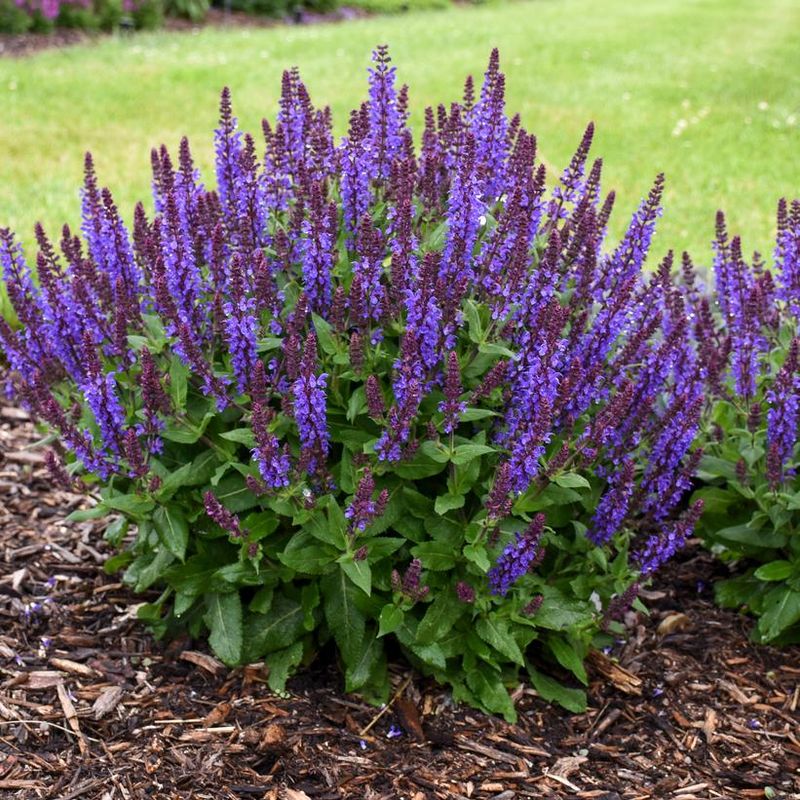
Picking the right salvia from the start is probably the single biggest factor in how well it performs all season. Not every salvia behaves the same way.
Perennial types like Salvia nemorosa and its cultivars are cold-hardy and often return reliably in many parts of the state. Annual salvias, such as Salvia splendens, bring bold color but need to be replanted each year.
Tender perennials like Salvia guaranitica may survive mild winters in southern counties but often act as annuals in cooler northern gardens.
Hardiness matters a lot here. Northern gardens tend to have colder winters and shorter growing seasons, so choosing varieties rated for Zone 5 or colder gives you better odds of a strong return.
Southern counties enjoy longer summers and may get more bloom time from heat-loving types. Checking the mature size and bloom habit of a cultivar before buying saves a lot of headaches later.
Look for cultivars bred for heat tolerance and compact growth. Salvia nemorosa varieties like ‘Caradonna’ and ‘May Night’ have earned good reputations in Midwest gardens.
OSU Extension recommends matching plants to your specific site conditions rather than assuming one type fits every yard.
2. Give It Full Sun Before Expecting Big Blooms
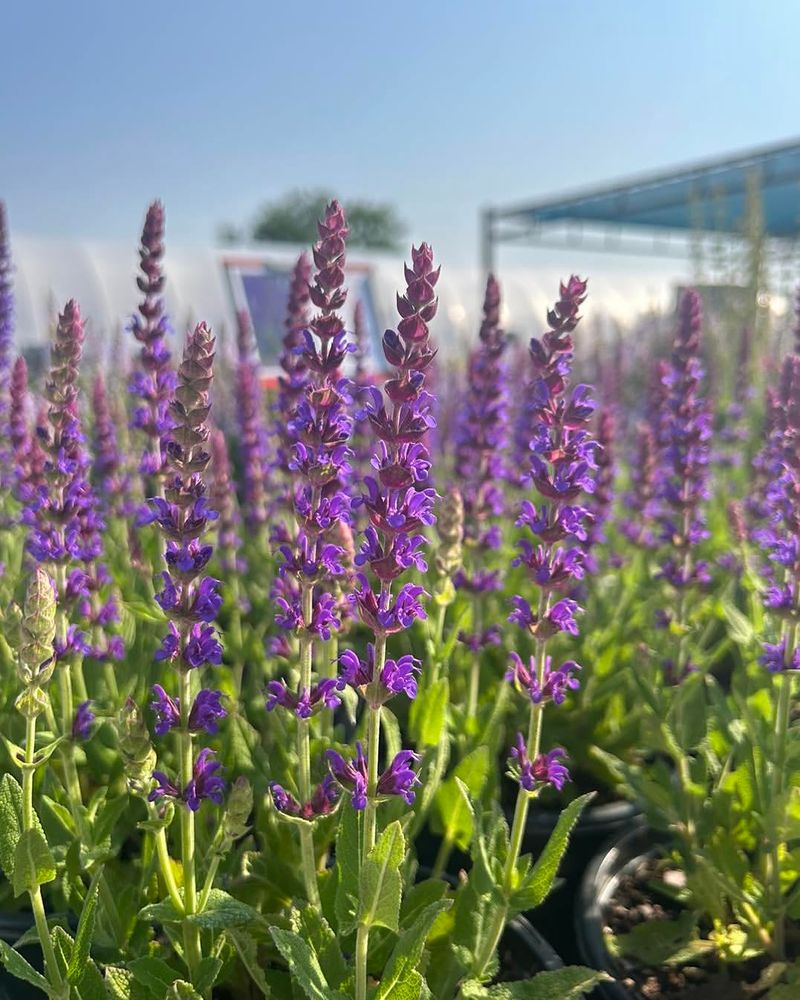
Sunlight is not optional for salvia. Most species and cultivars bloom their best with at least six hours of direct sun each day, and many prefer even more.
A spot that gets full morning and afternoon sun is usually ideal. Plants growing in too much shade tend to stretch toward the light, producing fewer flowers and weaker, floppier stems that need staking.
Sunny borders, open pollinator beds, and south-facing planting areas are good candidates. Urban gardens sometimes deal with reflected heat from walls or pavement.
That can benefit sun-loving plants like salvia when drainage and watering are managed well. Shaded spots under trees or near tall shrubs are usually a poor match, even if the rest of your yard looks bright.
If your salvia is not blooming as much as you expected, check how many hours of direct sun it actually receives. Shade from a nearby fence or building can creep in and reduce light without you noticing.
Your Ohio Garden Changes Every Week. Your Plan Should Too.
Gardening in Ohio changes quickly throughout the season. Every Friday you’ll receive a simple weekly plan showing exactly what to plant, prune, fertilize, harvest, and protect so you never miss the right timing.
Moving plants to a sunnier location can make a significant difference. So can choosing a better site before planting next season, especially for bloom quality and summer plant health.
3. Plant In Soil That Drains Fast After Rain
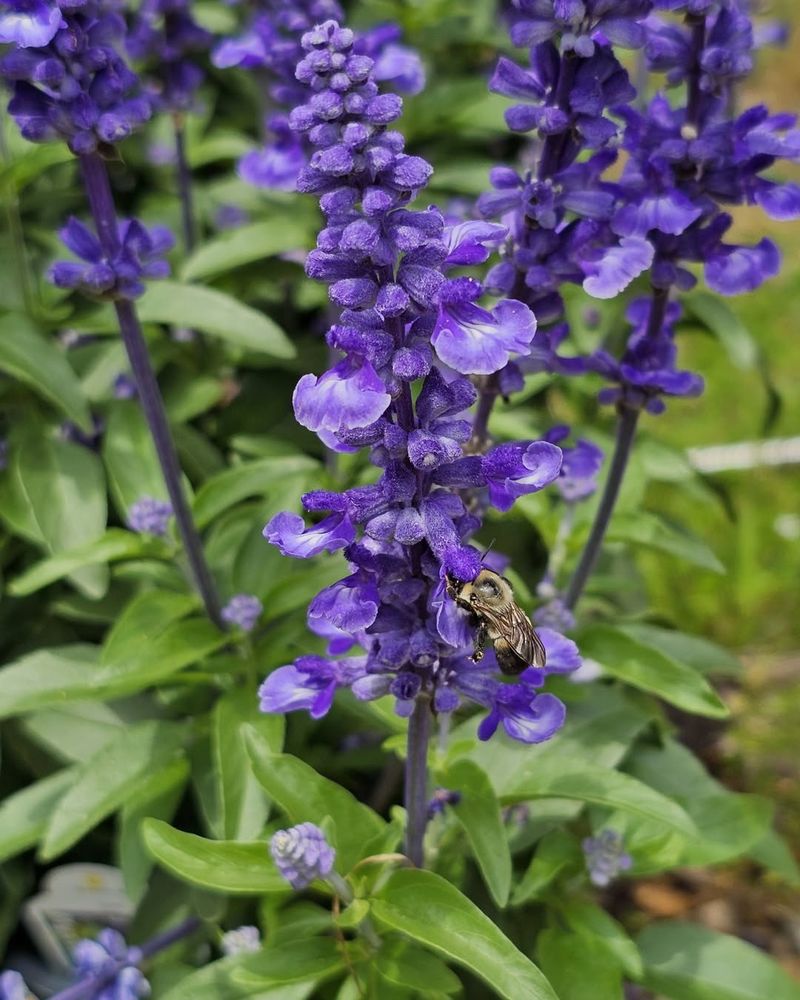
Soggy roots are a real problem for salvia. Most types prefer soil that drains well after a rain, allowing the root zone to dry out a bit between waterings.
Sitting in waterlogged soil for too long weakens plants and can cause root problems that show up later in the season as poor growth or wilting even when the soil is wet.
Clay-heavy yards are common across much of the state, and they can hold water longer than salvia likes. Raised beds are a practical fix because they allow better drainage and give you more control over soil quality.
Amending an existing planting area with compost can improve drainage and soil structure over time, though results vary depending on how heavy the clay is. Choosing a naturally elevated spot in the yard can also help.
Good drainage matters even more during rainy stretches in early summer, when soils can stay saturated for days. If your garden regularly floods or drains slowly, salvia may struggle no matter how well you tend it.
University Extension sources consistently point to drainage as one of the key factors in salvia performance. Matching the plant to a site where water moves through the root zone freely sets you up for a much stronger growing season.
4. Trim Spent Spikes Before The Plant Slows Down
Few tasks make as big a difference for salvia as trimming. Once a flower spike finishes blooming and starts to fade, the plant shifts energy toward making seeds.
Removing those spent spikes redirects that energy back into the plant, which can help encourage more buds and extend the blooming period.
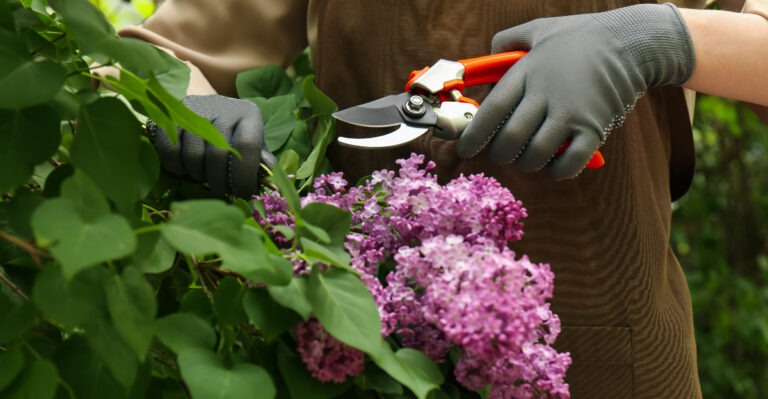
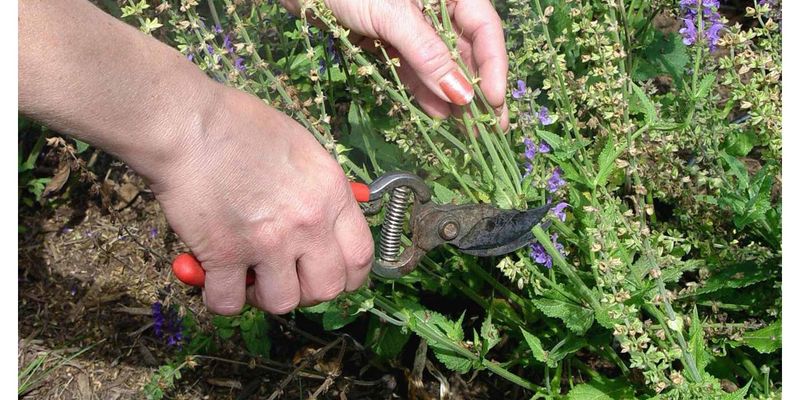
The process is straightforward. Snip off faded flower spikes just above the next set of healthy leaves or side shoots.
Doing this regularly, rather than waiting until the whole plant looks ragged, keeps things tidy and gives the plant a better chance to push out new growth. A clean pair of garden scissors or pruning shears works well for most salvia types.
Be realistic about what trimming can do. It supports a longer bloom season and keeps plants looking neater, but it does not guarantee nonstop flowers.
Some salvias naturally slow down in the heat of midsummer regardless of how diligently you trim. That is normal plant behavior and not a sign that something is wrong.
Consistent trimming from early summer onward gives you the best shot at lasting color. Pair it with good care, and the garden stays colorful deeper into the warm season.
5. Cut Back Tired Growth For A Fresh Flush
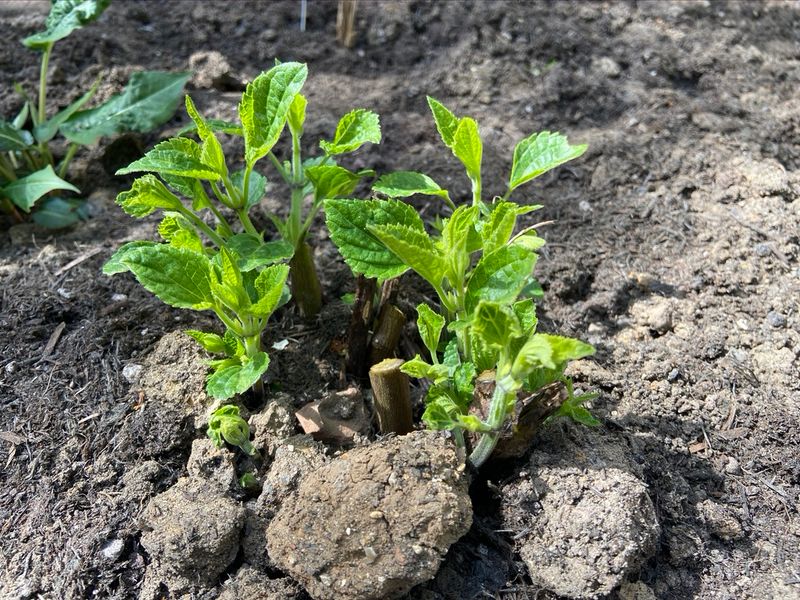
By midsummer, some salvia plants start to look stretched, sparse, or just plain tired. The first big flush of blooms has passed, stems have grown long, and the plant may be putting out fewer new flower spikes.
That is a good moment to consider a more significant trim than regular trimming.
Cutting plants back by about one-third can stimulate fresh growth and a new round of flowers. It works best when the plant is healthy and getting good sun and water.
This kind of rejuvenation trim works best when done before the plant looks completely exhausted. Waiting too long into summer can limit how much time the plant has to recover and rebloom before cooler weather arrives.
Keep your expectations grounded. The second flush of blooms after a midseason cutback is usually lighter than the first.
That is a consistent pattern noted in Extension resources, and it is worth knowing before you expect a repeat of the spring show. Even a lighter rebloom adds color to the garden and keeps the plant looking cared for.
Pair this trimming with a good watering afterward to help the plant bounce back and push out healthy new growth in the weeks that follow.
6. Leave Enough Space For Air To Move
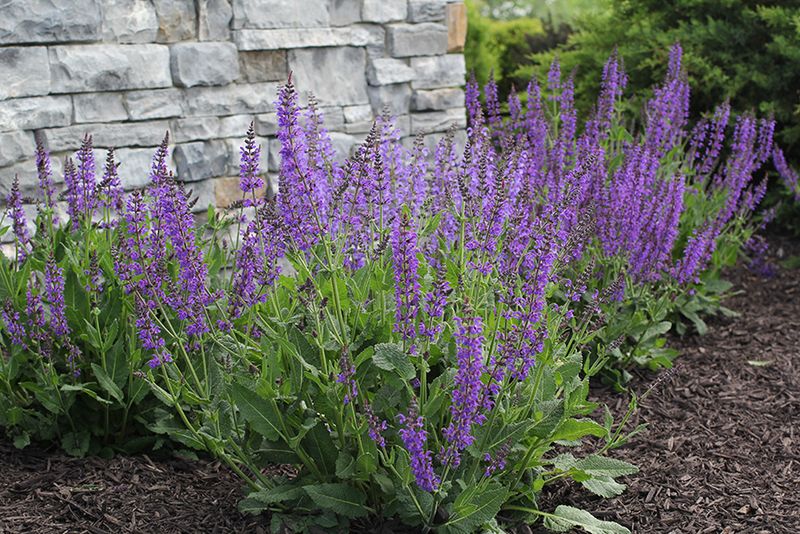
Crowding plants together might look lush at first, but it creates conditions that salvia does not handle well. When stems and leaves press tightly against each other, moisture lingers after rain or watering.
That kind of damp, still environment around the foliage is not ideal, especially during humid summer stretches.
Giving each plant enough room to breathe is a simple step that pays off over the season. Check the spacing recommendation for the specific cultivar you are growing, since mature sizes vary quite a bit across salvia types.
Some compact varieties fit nicely in smaller beds, while others spread wide and need more room to grow without crowding neighbors.
Airflow becomes especially relevant after summer storms when humidity is high and the air feels heavy for days at a time. Plants packed too closely together stay wetter longer, and that can lead to leaf problems as the season goes on.
Proper spacing is not a cure-all, but it is a practical step that supports plant health alongside good sun exposure and drainage. If you are planting a new salvia bed, take the time to map out spacing before putting plants in the ground.
It is much easier to space correctly from the start than to move crowded plants later.
7. Water Deeply, Then Let The Soil Breathe
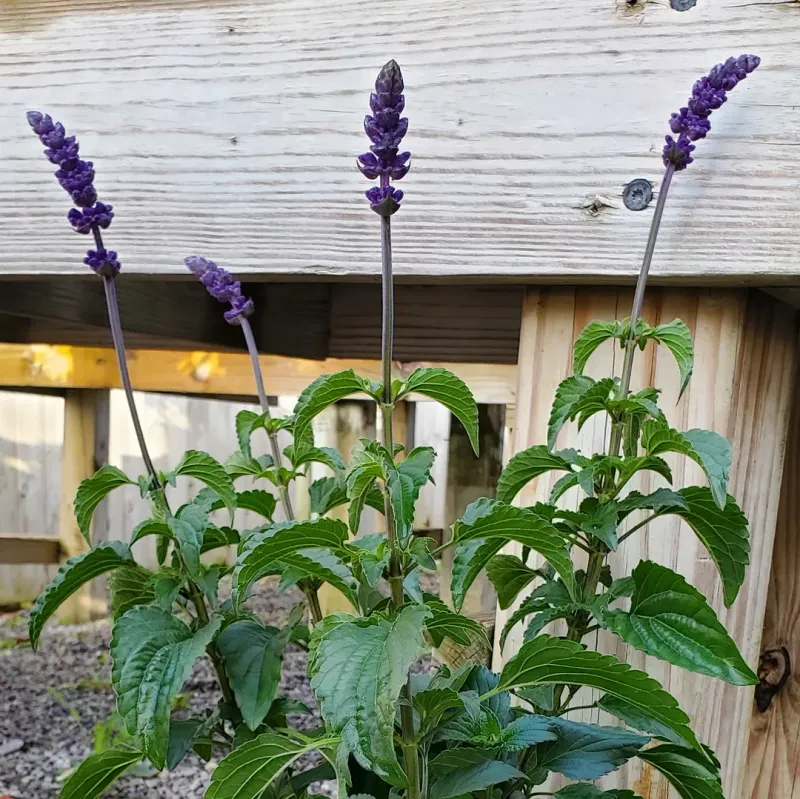
Salvia is not a plant that wants constant moisture. Most types perform better with deep, less frequent watering that allows the soil to partially dry out between sessions.
Watering deeply encourages roots to grow down into the soil rather than staying near the surface, which builds a stronger, more resilient plant over time.
Containers need closer attention than in-ground plants because they dry out faster, especially during hot or windy days. Check the soil in pots by pressing a finger about an inch into the mix.
If it feels dry at that depth, it is time to water. In-ground plants in well-drained soil usually need less frequent attention.
Hot, windy sites or exposed urban beds may dry out faster than shaded or sheltered spots.
Avoid watering on a fixed schedule without checking the soil first. Overwatering is a common mistake that leads to root problems and weak growth.
Extension sources consistently note that salvia prefers a drier side compared to many other garden plants. Watering at the base of the plant rather than overhead also keeps foliage drier, which is helpful during humid weather.
A layer of mulch around plants can help moderate soil moisture and reduce how often you need to water.
8. Skip Heavy Feeding That Pushes Weak Growth
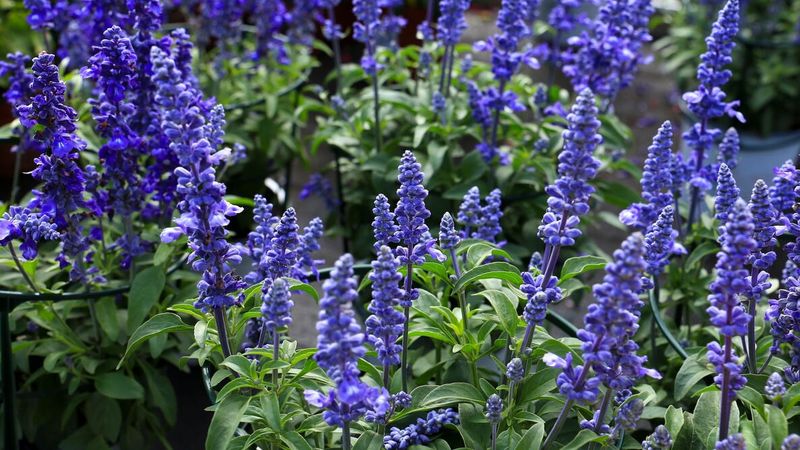
More fertilizer does not mean more flowers with salvia. Pushing too much nitrogen into the soil tends to encourage leafy, soft growth at the expense of sturdy stems and good bloom production.
That kind of lush but weak growth can also make plants more vulnerable to flopping and stress during hot or stormy summer weather.
Salvia generally does fine in average garden soil without heavy feeding. If your soil is already reasonably fertile and you have amended it with compost, additional fertilizer may not be needed at all.
Observing how your plants respond is a better guide than following a rigid feeding calendar. Pale, slow-growing plants in genuinely poor soil may benefit from a balanced, slow-release product, but even then, moderation matters.
University Extension sources tend to recommend improving soil quality through organic matter rather than relying on synthetic fertilizers for plants like salvia.
Compost works slowly and supports root health without the surge of fast growth that high-nitrogen products can trigger.
If you do choose to feed, avoid heavy applications and stick to products appropriate for flowering plants. Letting the plant respond to good soil, sun, and water before reaching for a fertilizer bag is usually the smarter approach for long-term bloom performance.
9. Watch Humidity Before Mildew Takes Hold
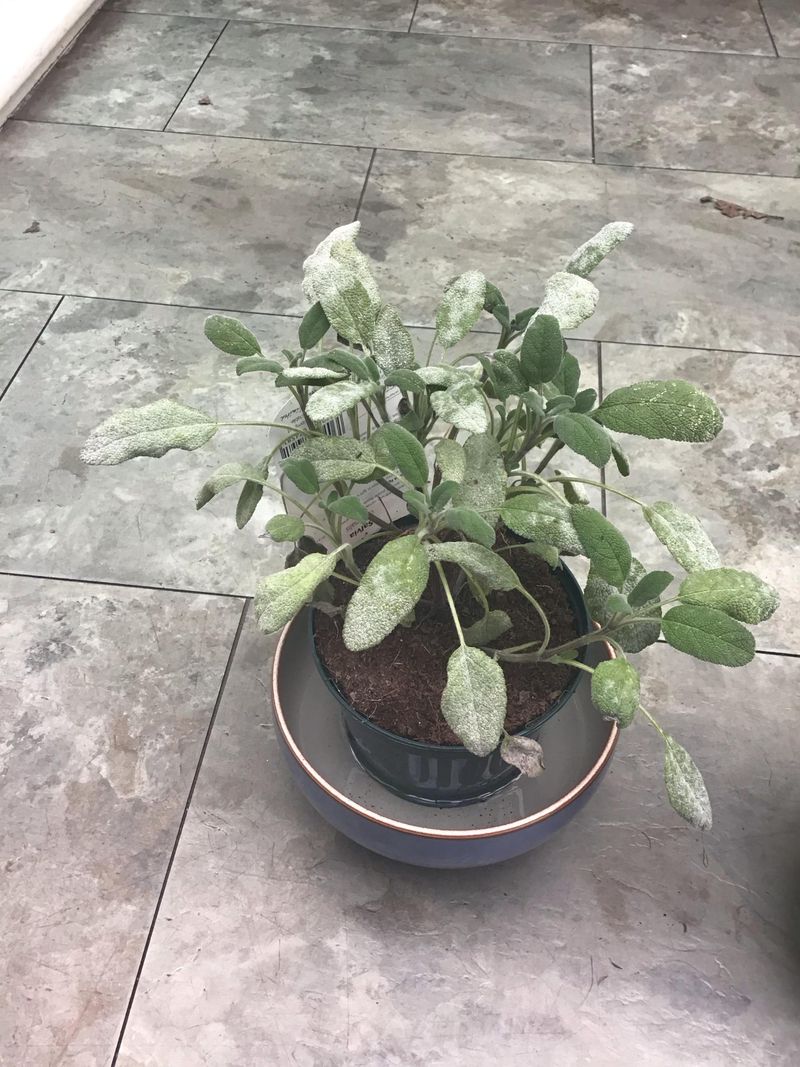
Summer humidity is a real factor in many parts of Ohio, and salvia is not completely immune to the leaf problems it can bring. Powdery mildew is among the most common issues gardeners notice on salvia during warm, humid stretches.
It tends to show up as a grayish or whitish coating on leaves and can spread when conditions stay warm and moist for extended periods.
The good practices already covered in this article, including proper spacing, full sun, good drainage, and careful watering, all work together to lower the risk. Plants growing in shaded, crowded, or poorly drained spots are more likely to run into trouble during humid weather.
Watering at the base rather than overhead keeps foliage drier and reduces the moisture that mildew needs to spread.
Choosing cultivars with good disease resistance is another layer of protection worth considering when you shop. Some newer salvia varieties have been selected for better performance in humid conditions.
OSU Extension and other credible horticulture sources recommend cultural prevention as the first line of defense rather than reaching for a product. Keep the garden clean, remove affected leaves when you spot them, and maintain good airflow around plants.
These practical steps support healthier foliage through a long, humid Midwest summer.