Native North Carolina Ground Covers That Suppress Weeds Better Than Mulch
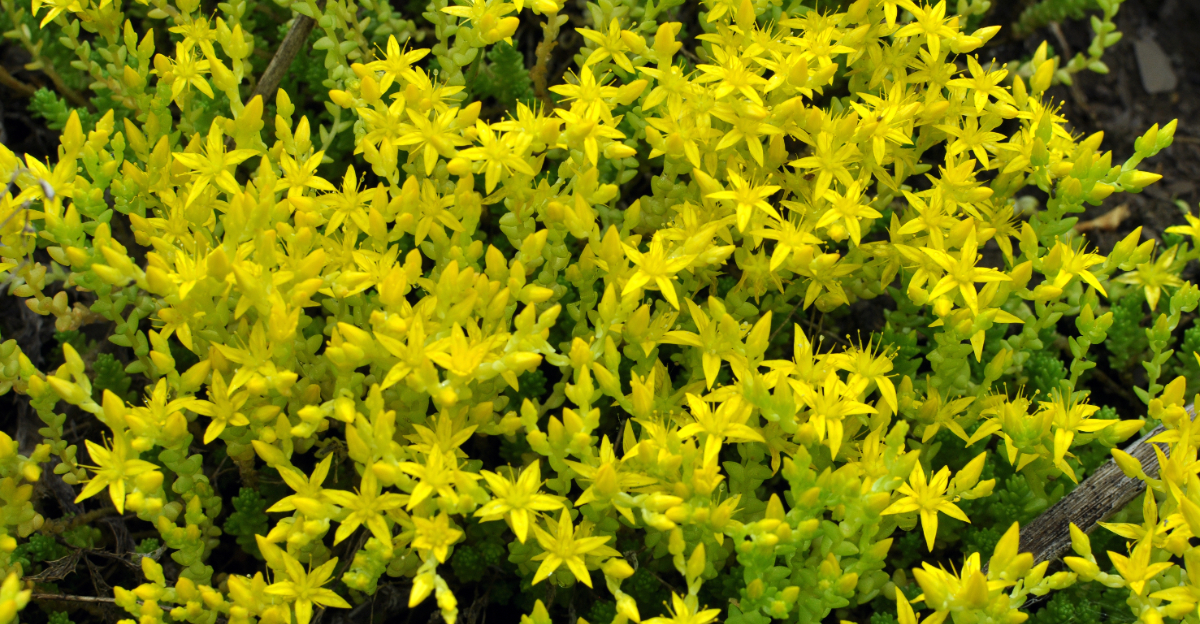
Mulch does a decent job at suppressing weeds, but it breaks down, needs replacing, and never fully closes the gaps that weeds find their way through anyway. Native ground covers work differently.
Once established, they create a living layer that outcompetes weeds by taking up the light, moisture, and root space that weeds need to get started.
North Carolina has a strong selection of native ground covers suited to exactly this job, and the best ones do it more effectively than a fresh layer of mulch ever could.
They also come back stronger each year, support local pollinators, and look genuinely attractive through multiple seasons.
For gardeners tired of the annual mulching cycle, switching to the right native ground cover is one of the most practical improvements a North Carolina yard can make.
1. Green And Gold
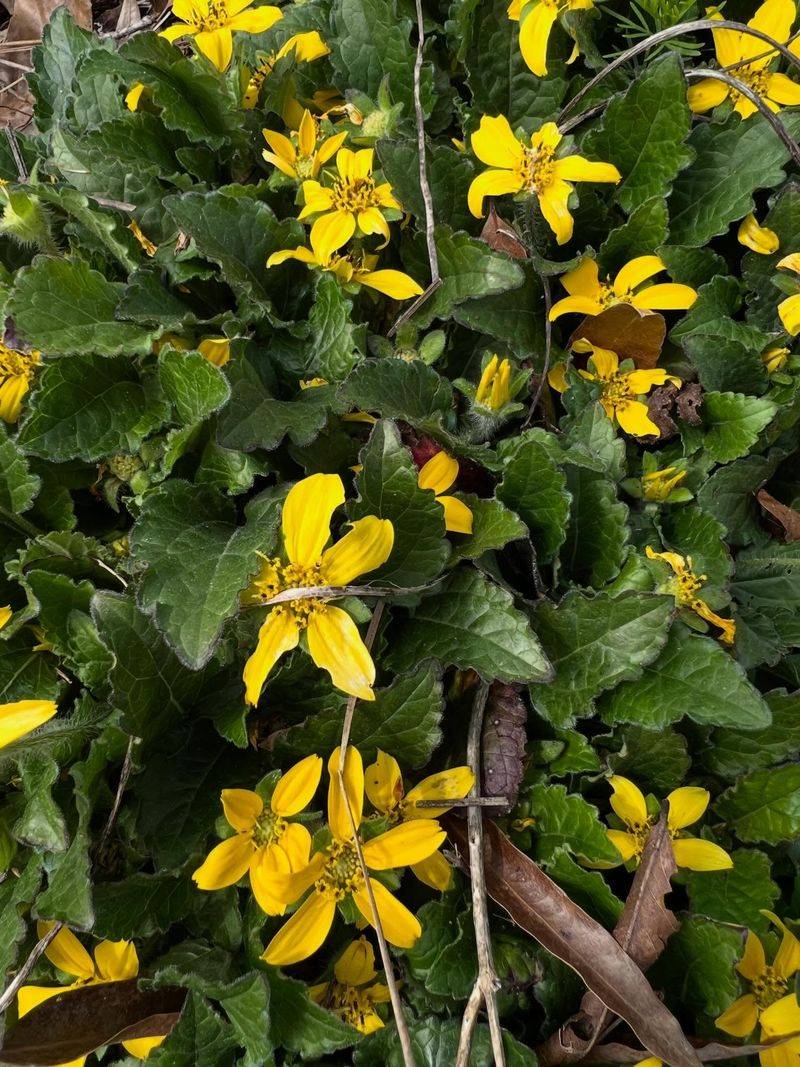
Few native plants pack as much charm into such a compact package as Green And Gold, known botanically as Chrysogonum virginianum.
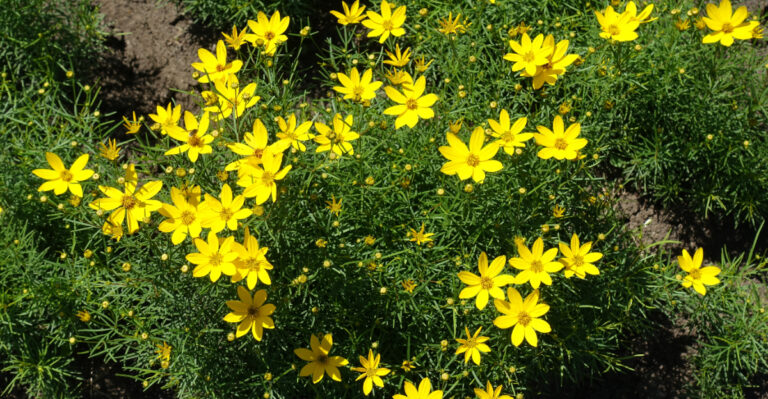
This cheerful little plant produces bright yellow star-shaped flowers from early spring well into summer, making it one of the longest-blooming ground covers you can grow in North Carolina.
It stays low, spreading steadily outward to form a dense mat that shades the soil beneath it.
That dense mat is exactly what makes it such a powerful weed suppressor. Once established, Green And Gold covers bare ground so thoroughly that weed seedlings simply cannot get the light they need to take hold.
It thrives in part shade and woodland edges, making it ideal for spots under trees where mulch tends to wash away after heavy rain.
Planting in spring gives roots the best chance to settle in before summer heat arrives. Space plants about 12 inches apart, and water regularly during the first growing season.
In the Piedmont and Coastal Plain, afternoon shade is a real bonus. Mountain gardeners will find it handles cooler temperatures without complaint.
After the first year, it needs very little attention beyond occasional watering during dry stretches. Green And Gold is truly one of those plants that rewards patience with years of color and reliable weed control.
2. Golden Ragwort
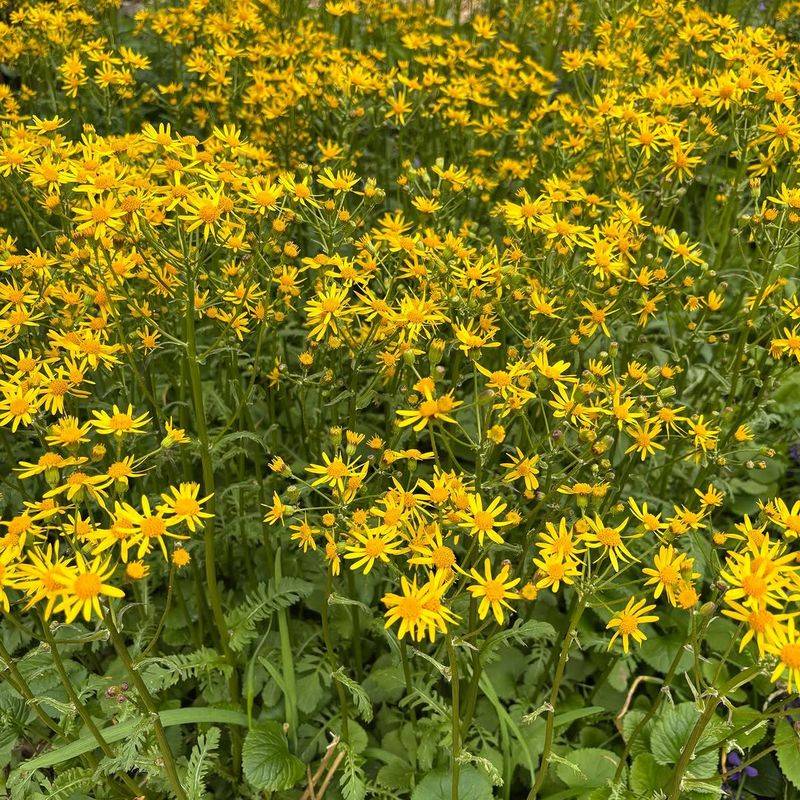
Golden Ragwort, or Packera aurea, is one of those plants that surprises people the first time they see it in bloom.
A carpet of bright yellow daisy-like flowers spreading beneath tall trees in early spring is genuinely stunning, and the good news is that this plant does far more than just look beautiful.
It spreads through both seeds and underground runners, filling bare soil under trees and along shaded paths with impressive efficiency.
Its semi-evergreen foliage stays green through most of winter in North Carolina, which means the soil stays covered and protected even when most other perennials have gone quiet.
Early pollinators, including native bees and small butterflies, absolutely love the spring flowers.
That ecological value is a real bonus for gardeners who want their landscape to support local wildlife while staying weed-free.
Golden Ragwort prefers moist, shaded spots and performs beautifully along woodland edges, stream banks, and low-lying areas where water tends to collect. Plant in fall or early spring, spacing transplants about 18 inches apart.
Your North Carolina Garden Changes Every Week. Your Plan Should Too.
Gardening in North Carolina changes quickly throughout the season. Every Friday you’ll receive a simple weekly plan showing exactly what to plant, prune, fertilize, harvest, and protect so you never miss the right timing.
Water consistently during establishment, especially through dry summer periods. Once rooted in, it spreads on its own and fills gaps naturally.
If it spreads more than you want, simply pull young plants from areas where they are not welcome. Managing it is easy and satisfying work.
3. Creeping Phlox
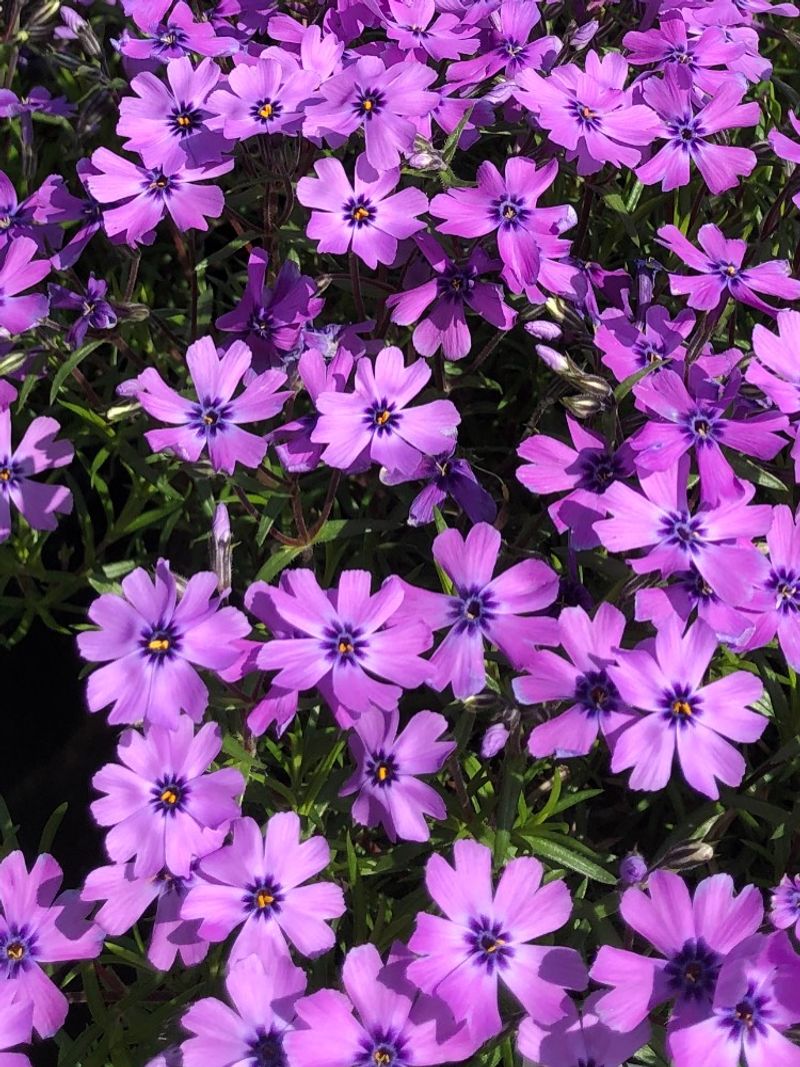
Creeping Phlox, known scientifically as Phlox subulata, puts on one of the most spectacular spring shows of any native ground cover. In April and May, it covers itself in a blanket of pink, purple, or white flowers so thick you can barely see the foliage underneath.
Sunny slopes, walkway borders, and rock gardens are where this plant truly shines, and its mat-forming growth habit makes it a weed-suppressing powerhouse in well-drained spots.
The key to success with Creeping Phlox is drainage. Soggy soil is the one condition it really cannot handle, especially during North Carolina’s humid summers.
Plant it on slopes or raised beds where water moves away from the roots quickly. Full sun brings out the best flowering, though it tolerates a bit of morning shade without complaint.
Space plants about 12 to 18 inches apart when planting in spring, and water regularly until roots are established.
After the blooms fade, give the plant a light trim to encourage dense, compact growth and reduce any leggy stems. This simple step keeps the mat tight and weed pressure low throughout the growing season.
Once established, Creeping Phlox is remarkably drought tolerant and requires very little care. It holds soil on slopes, reduces erosion, and looks gorgeous doing it.
For sunny, dry spots where weeds keep coming back, this native is hard to beat.
4. Woodland Phlox
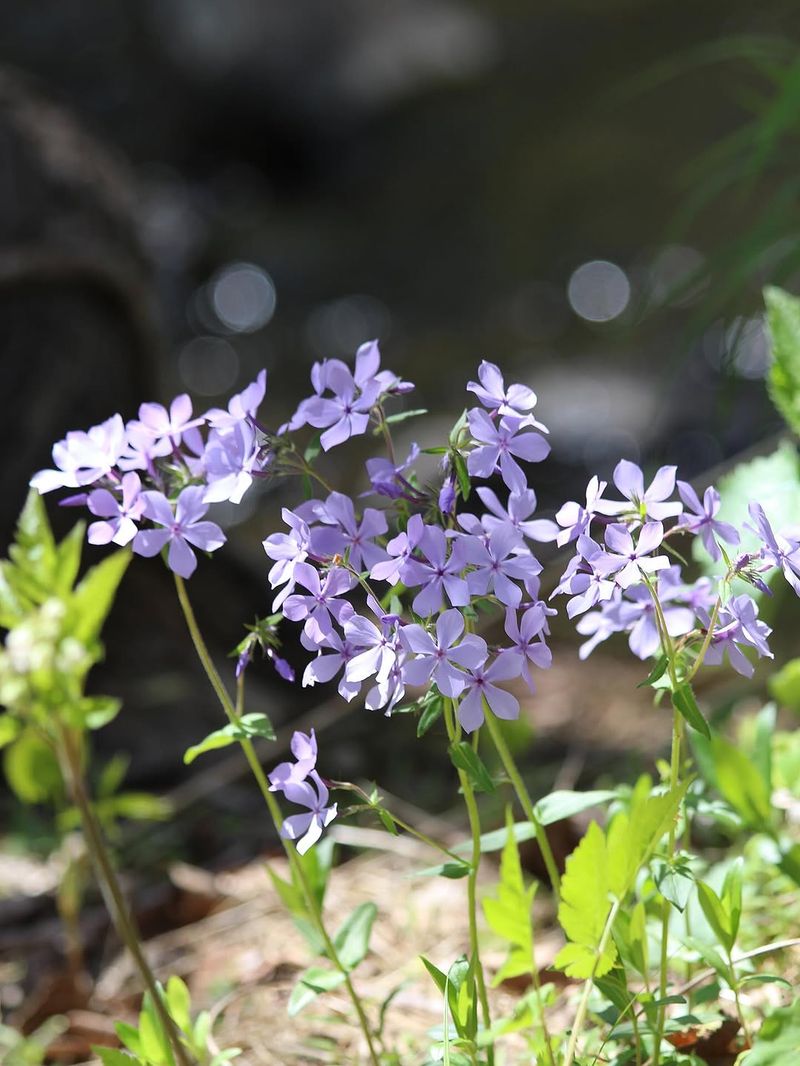
Woodland Phlox, or Phlox divaricata, brings a soft, dreamy quality to shaded garden spaces that few other plants can match. Its lavender-blue flowers appear in spring, floating above the foliage like a gentle mist and filling the air with a light, sweet fragrance.
Unlike its sun-loving cousin Creeping Phlox, this species is built for the shade, spreading in loose colonies along woodland paths and beneath deciduous shrubs.
The spreading habit of Woodland Phlox is what makes it so valuable as a weed suppressor. It fills in gradually over two to three seasons, weaving between other shade plants and covering bare soil with a soft, low carpet of green.
Once it gets going, weed seedlings struggle to find any open ground. It pairs beautifully with Wild Ginger, Foamflower, and other native woodland perennials for a layered, naturalistic look.
Pollinators visit the spring flowers enthusiastically, particularly native bees and hummingbirds passing through on migration.
Moist, well-drained soil with plenty of organic matter suits it best, though it handles average woodland conditions across most of North Carolina without much fuss.
Plant in fall or early spring, spacing plants 12 to 15 inches apart. Water during dry spells in the first season.
After that, it grows steadily with minimal intervention, rewarding gardeners with more blooms and broader coverage every year.
5. Wild Ginger
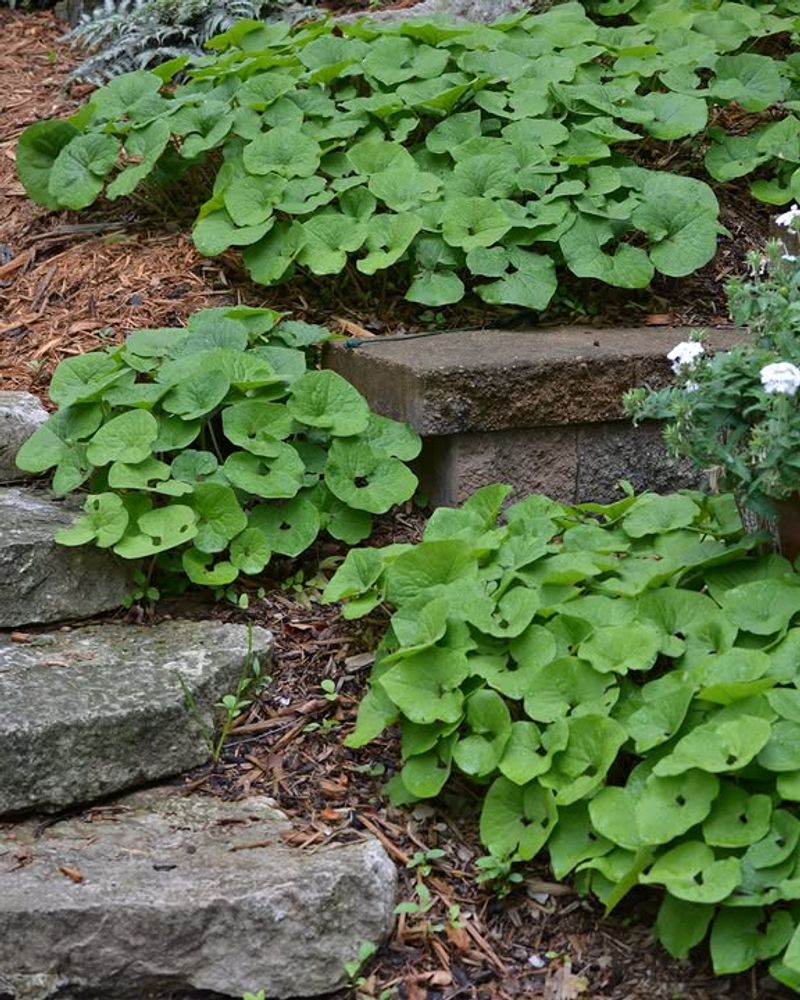
There is something almost prehistoric about the look of Wild Ginger, and that impression is not entirely wrong.
Asarum canadense has been covering the floors of eastern North American forests for thousands of years, and it brings that same ancient reliability to modern woodland gardens.
The large, heart-shaped leaves overlap each other as the plant spreads, creating a lush, unbroken canopy of green that smothers weed seedlings before they have a chance to establish.
Spreading through a network of shallow rhizomes, Wild Ginger moves steadily outward each season without becoming invasive or difficult to manage.
It thrives in deep to part shade and prefers moist, rich soil with good organic content, the kind of conditions you find naturally under mature trees.
In drier spots, it grows more slowly but still performs well once roots are settled in. The hidden flowers appear in early spring at soil level, tiny and easy to miss but beloved by early ground-nesting insects.
For North Carolina gardeners dealing with stubborn bare patches under oaks, maples, or dense shrubs, Wild Ginger is one of the most reliable solutions available. Plant divisions or transplants in spring, spacing about 12 inches apart.
Water regularly through the first summer. Within two to three seasons, the colony will be dense enough to significantly reduce weeding time.
It is a slow starter that becomes a long-term garden workhorse.
6. Foamflower
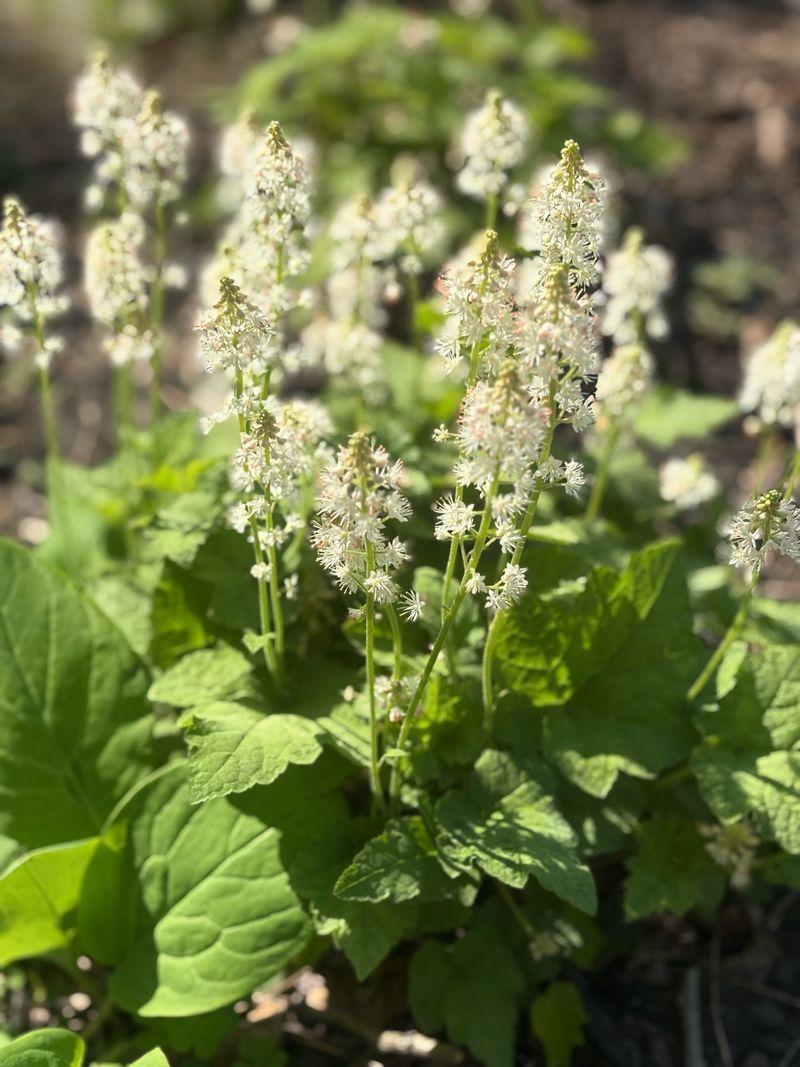
Foamflower earns its charming name every spring when it sends up slender spikes covered in tiny white flowers that look exactly like a burst of soft foam rising from the forest floor.
Tiarella cordifolia is a native woodland perennial that gardeners across North Carolina have fallen for, and it is easy to understand why.
The foliage alone is worth growing, with attractive maple-like leaves that often show deep burgundy markings through the cooler months.
As a weed suppressor, Foamflower performs impressively in moist, shaded beds. It spreads by runners called stolons, sending out new plants that root wherever they touch the soil.
Within a few seasons, a small planting fills in to create a dense, weed-resistant colony. It works especially well beneath deciduous trees and along shaded borders where bare soil tends to become a weed magnet without consistent mulching.
Foamflower prefers consistently moist soil rich in organic matter, making it a natural fit for areas near downspouts or low spots that stay damp after rain. In drier conditions, supplemental watering helps it establish and spread more quickly.
Plant in spring or fall, spacing transplants about 12 inches apart. Trim back any tattered foliage in late winter to keep the planting looking fresh as new growth emerges.
It is an elegant, hardworking native that brings beauty and function to challenging shaded spaces throughout the growing season.
7. Allegheny Spurge
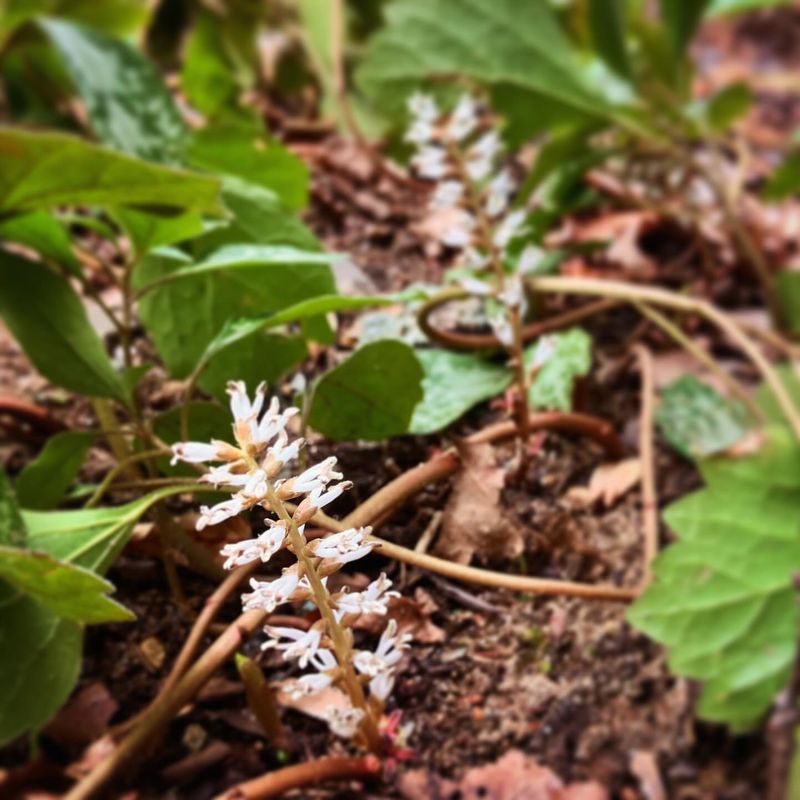
Most gardeners know Japanese Pachysandra, but the native version, Allegheny Spurge or Pachysandra procumbens, is a far more interesting plant with far greater ecological value.
Its broad, mottled leaves display beautiful silver-gray markings that shift with the seasons, giving this ground cover a distinctive look that stands out in shaded beds.
In early spring, small fragrant flower spikes emerge right at soil level before the new foliage fully unfurls, a quiet but lovely seasonal display.
Allegheny Spurge shines in dry shade, which is one of the most challenging planting situations in any North Carolina landscape.
Under large trees where roots compete aggressively for water and mulch breaks down quickly, this native holds its own and continues spreading.
Its low, dense growth shades the soil effectively, reducing evaporation and limiting weed germination even in spots where other plants struggle.
It spreads more slowly than some ground covers, but that measured pace makes it easy to manage and keep where you want it. Plant in fall or early spring, spacing about 12 inches apart.
Water regularly during the first growing season to help roots establish. Once settled in, it is remarkably self-sufficient and handles the dry conditions under mature trees better than almost any other native option.
For gardeners in the Piedmont and mountain regions dealing with difficult dry shade, Allegheny Spurge is genuinely one of the best choices available.
8. Partridgeberry
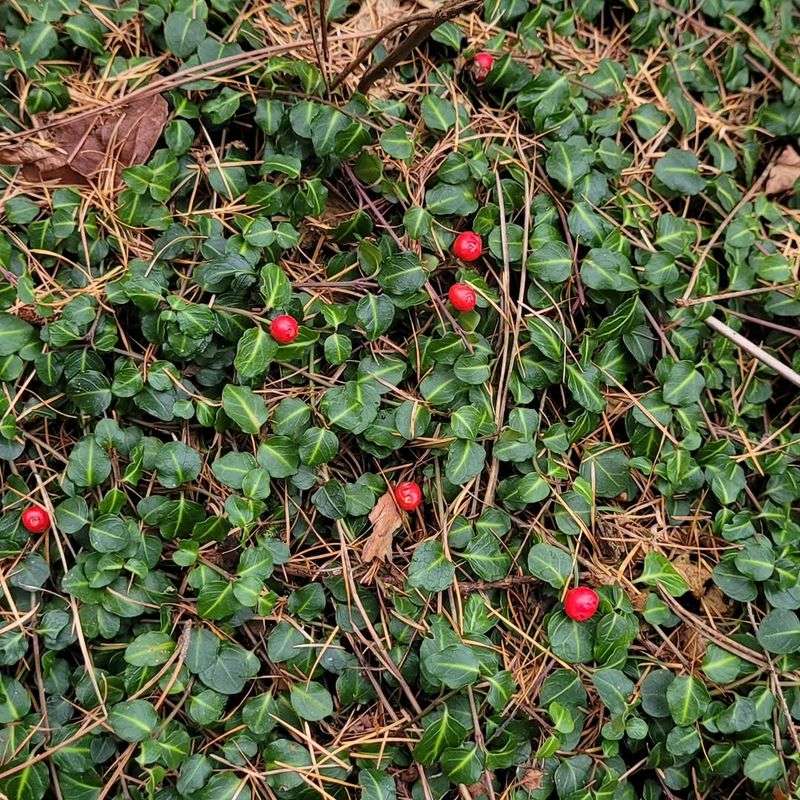
Partridgeberry, known botanically as Mitchella repens, is one of those quietly magical plants that rewards close attention.
Tiny glossy leaves trail along the ground in delicate pairs, and by late summer, bright red berries appear that persist well into winter, adding a festive pop of color to shaded woodland floors.
It is a slow grower, but its evergreen habit means the soil stays covered and protected through every season of the year.
This plant is perfectly suited to the moist, acidic soils found naturally beneath oaks, pines, and rhododendrons across North Carolina. It tucks beautifully under shrubs and around the bases of trees where larger ground covers cannot fit without crowding.
Its trailing stems root as they go, gradually stitching together a fine, tight mat that limits weed germination over time. Wildlife value is exceptional, with several bird species relying on the berries as a winter food source.
Patience is the main ingredient for success with Partridgeberry. It spreads slowly, so expect two to three seasons before a planting starts to look truly established.
Set transplants about 6 to 8 inches apart in moist, humus-rich soil with good shade coverage. Water consistently through the first full year.
Avoid disturbing the root zone once plants settle in, as they respond poorly to disruption. For small, intimate woodland spaces where a refined native carpet is the goal, Partridgeberry is genuinely irreplaceable.
9. Lyreleaf Sage
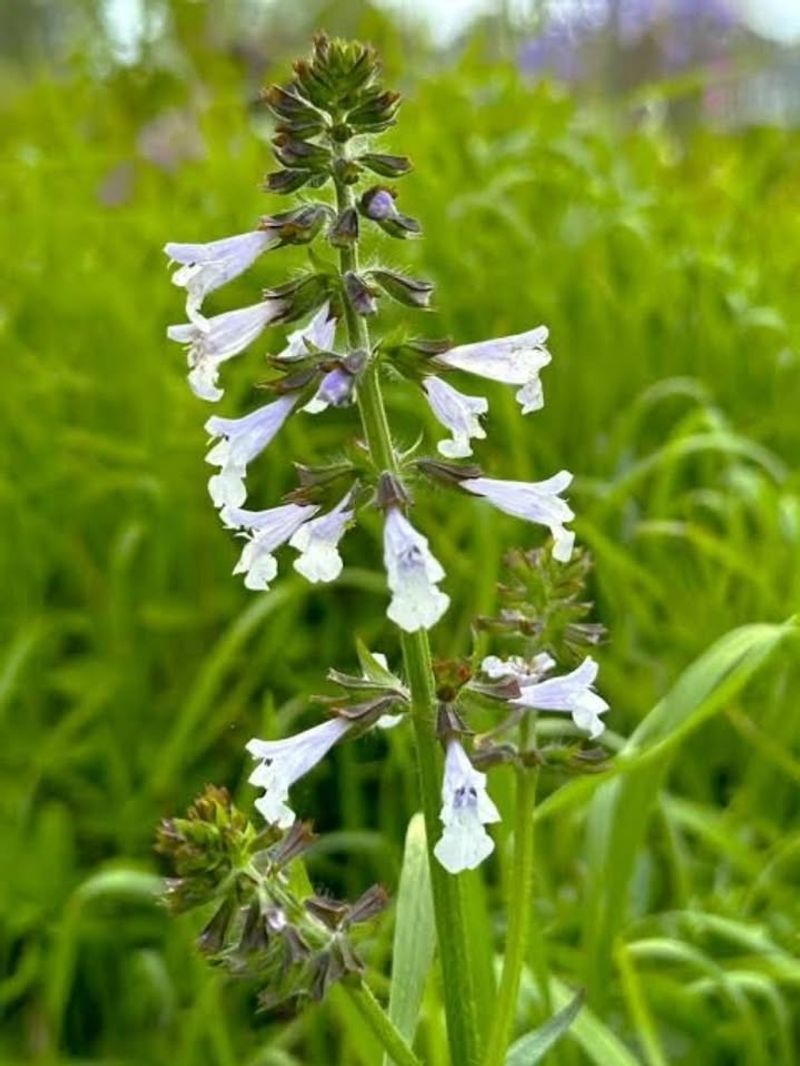
Lyreleaf Sage is a native perennial that often goes unnoticed until it blooms, and then it becomes impossible to ignore. Salvia lyrata produces tall spikes of soft blue-purple flowers in spring that pollinators flock to with genuine enthusiasm.
Native bees, bumblebees, and even hummingbirds visit regularly, making this plant a pollinator hotspot as well as a reliable weed suppressor in sunny to partly shaded spots.
The real weed-fighting power of Lyreleaf Sage comes from its basal rosette of foliage. Those broad, often purple-tinged leaves spread outward at ground level, shading the soil and crowding out weed seedlings with surprising effectiveness.
In lawns or garden edges where weeds keep returning despite regular attention, a planting of Lyreleaf Sage can shift the balance significantly over a season or two.
One of the best things about this plant is its adaptability. It handles clay soil, sandy soil, dry conditions, and average moisture without much complaint, which makes it one of the most flexible native options for North Carolina gardeners working with imperfect conditions.
It also self-seeds moderately, filling in gaps on its own and expanding coverage naturally over time. If seedlings appear where they are not wanted, they pull out easily while young.
Plant in spring or fall in a sunny to partly shaded location and water through the first season. After that, Lyreleaf Sage takes care of itself beautifully.
10. Wild Stonecrop
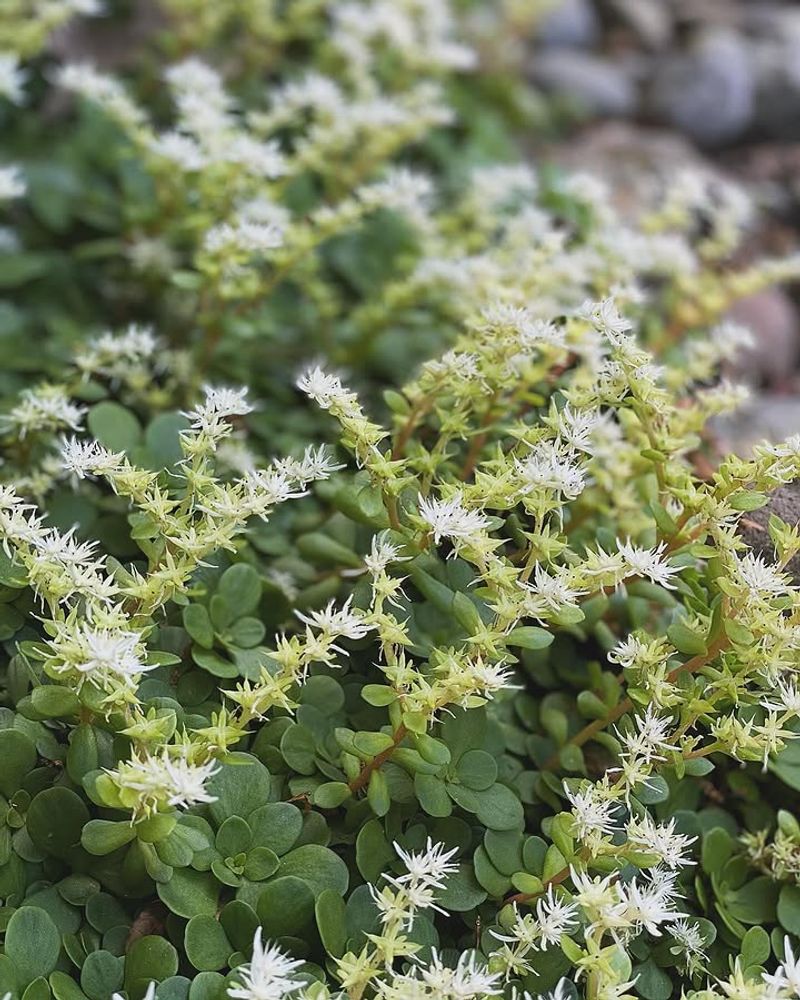
Rocky slopes, shallow soil over ledges, and shaded spots with excellent drainage are the kinds of places where most ground covers simply give up. Wild Stonecrop, or Sedum ternatum, thrives in exactly those conditions.
This native succulent spreads in low, cheerful mats of small rounded leaves, and in spring it covers itself in clusters of white star-shaped flowers that brighten even the deepest shaded corners of a woodland garden.
Unlike most sedums, which prefer full sun and dry open areas, Wild Stonecrop is adapted to part shade and the kind of rocky woodland environments found naturally in the North Carolina mountains and Piedmont.
Its succulent leaves store water efficiently, giving it solid drought tolerance once roots are established.
That combination of shade tolerance and drought resilience makes it genuinely useful in spots that challenge nearly every other ground cover option.
Weed suppression improves steadily as the planting fills in, with the low dense mat shading soil and reducing germination of weed seeds over time. Plant in spring, tucking transplants into gaps between rocks or along shaded slopes with fast-draining soil.
Space about 8 to 10 inches apart and water during the first season to encourage rooting. After establishment, Wild Stonecrop spreads on its own at a manageable pace.
It is an underused native gem that deserves a spot in more North Carolina gardens, especially where other plants consistently struggle to perform.