Plants You Should Prune In Michigan Before May Ends
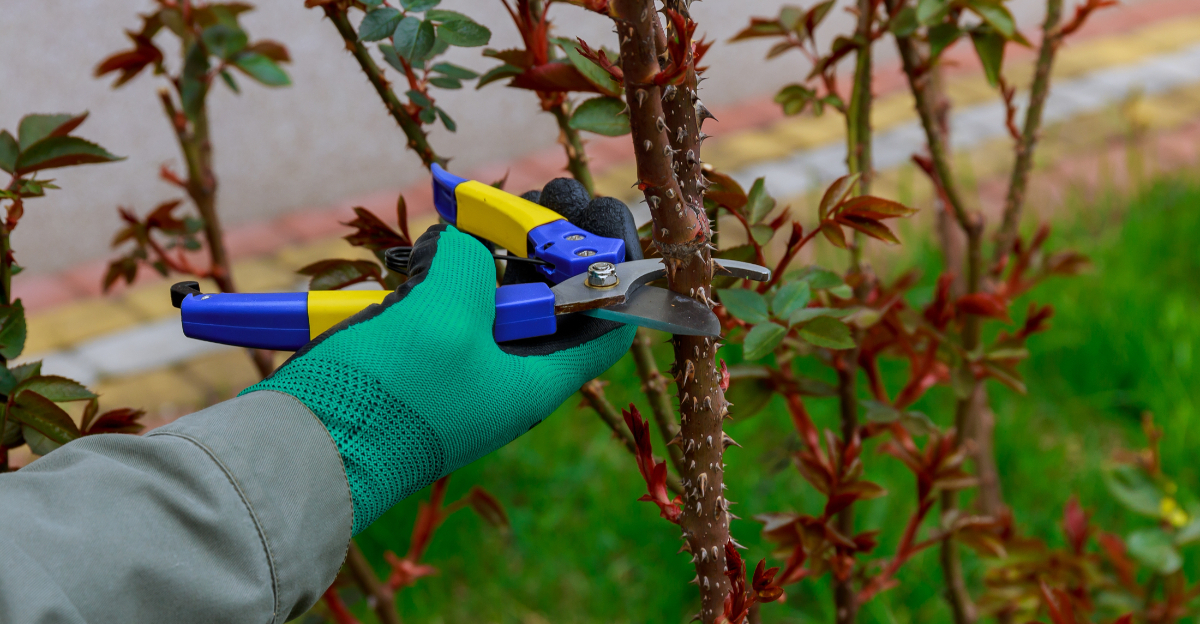
Late May is one of the most useful pruning windows in a Michigan garden, and it closes faster than most gardeners plan around.
Getting the right cuts done before the month ends sets plants up for stronger summer growth, better bloom production, and a shape that holds through the rest of the season without constant maintenance.
Miss this window and some plants will have already set buds that pruning would remove, while others push into summer with congested growth that reduces airflow and invites disease.
Michigan’s spring moves quickly once it gets going, and knowing which plants benefit from attention right now versus which ones should be left alone entirely is what makes late May pruning genuinely productive rather than just busy work with a pair of shears.
1. Panicle Hydrangeas
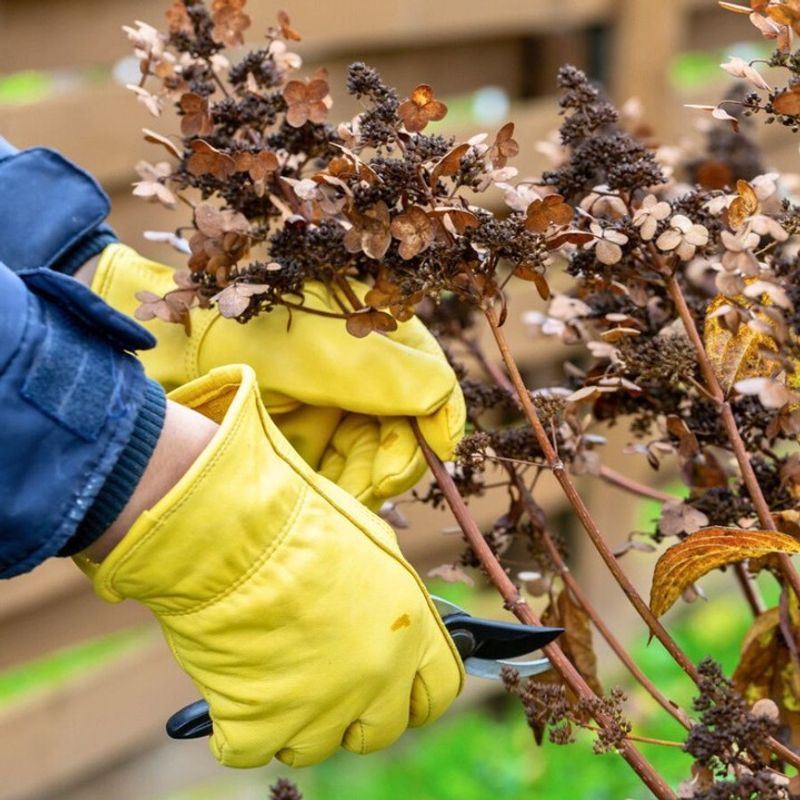
Few shrubs put on a show quite like Panicle Hydrangeas. Known botanically as Hydrangea paniculata, these reliable bloomers produce large, cone-shaped flower clusters that can turn a summer garden into something truly spectacular.
The best part? They bloom on new wood, meaning the flowers grow from branches that the plant produces in the current season.
That makes spring pruning not just safe, but genuinely beneficial. In southern Michigan, most gardeners can start pruning Panicle Hydrangeas in early to mid-May, once the risk of a hard freeze has passed and new buds are clearly visible.
In northern Michigan, waiting until mid to late May gives you better insurance against any late cold snaps.
Pruning at the right time encourages the plant to push out fresh, vigorous stems that can support heavier, showier blooms.
When you prune, cut each stem back to a healthy set of buds, typically removing about one-third of the overall plant height. Removing older, thinner branches from the base helps the plant focus its energy on fewer, stronger stems.
Stronger stems mean the flower heads stay upright instead of flopping over by midsummer. Aim to leave a balanced, open framework so sunlight and air can reach the center of the shrub freely.
2. Smooth Hydrangeas
Smooth Hydrangeas, scientifically called Hydrangea arborescens, are one of Michigan’s most popular native-friendly shrubs. Varieties like Annabelle have graced Midwest gardens for generations with their enormous, round white flower heads.
Because these plants bloom on new wood, spring pruning is the key to getting those jaw-dropping blooms every single year without fail.
After a Michigan winter, the stems often look rough. Some may be brittle, discolored, or simply not pushing out any new growth yet.
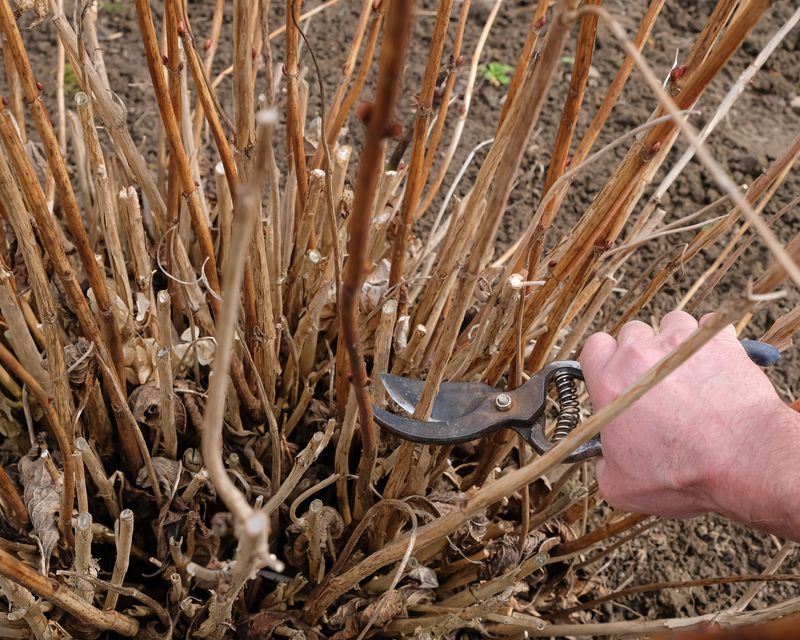
May is the perfect time to assess what survived and what needs to go. Cut out any stems that show no signs of life, and reduce the remaining healthy stems to somewhere between six and twelve inches above ground level.
This might feel dramatic, but Smooth Hydrangeas bounce back with impressive speed once the soil warms up.
Keeping the plant low and open also improves airflow, which matters a lot during humid summers. Good airflow reduces the chance of fungal issues developing on the leaves and stems later in the season.
Your Michigan Garden Changes Every Week. Your Plan Should Too.
Gardening in Michigan changes quickly throughout the season. Every Friday you’ll receive a simple weekly plan showing exactly what to plant, prune, fertilize, harvest, and protect so you never miss the right timing.
After pruning, you can expect rapid regrowth through June and full, lush flower heads by midsummer. Adding a light layer of compost around the base after pruning gives the plant an extra nutritional boost to fuel that energetic new growth ahead.
3. Butterfly Bush
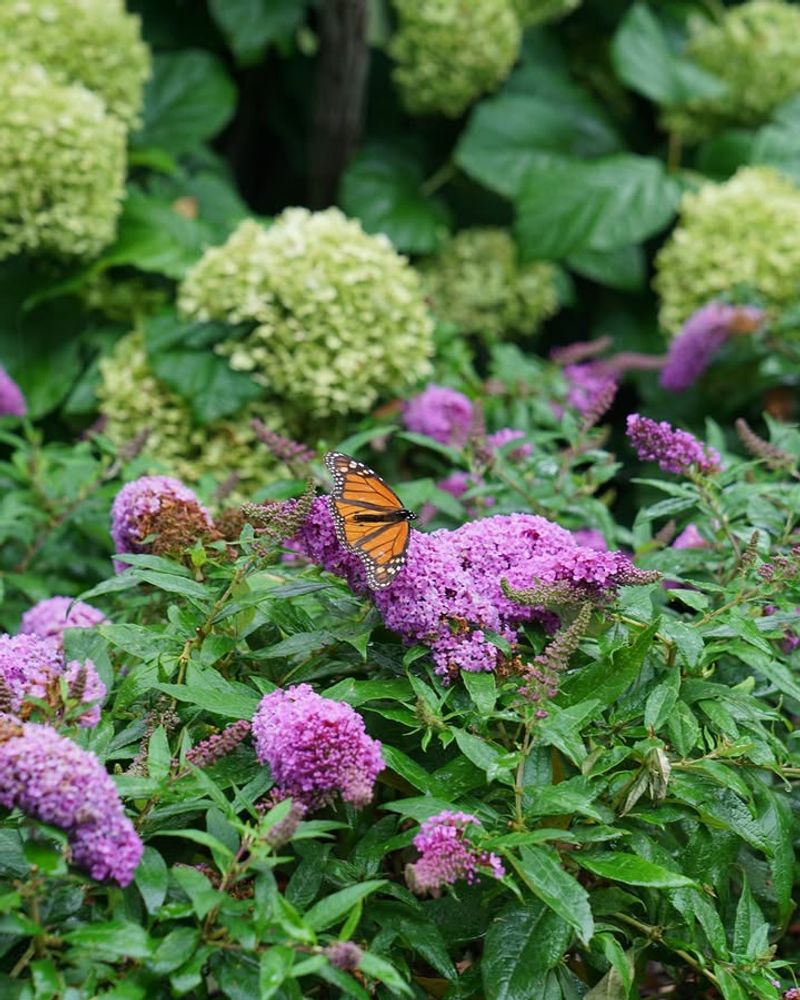
Butterfly Bush, known botanically as Buddleja davidii, is one of those shrubs that rewards bold pruning with an absolutely stunning summer performance.
The fragrant, cone-shaped flower spikes attract butterflies, bees, and hummingbirds in droves, making it a garden showstopper from July through September.
But to get that kind of display, you need to prune it properly before the season gets away from you.
Michigan winters can be tough on Butterfly Bush. The upper portions of the stems often experience cold-weather decline, leaving behind dry, brittle wood that needs to be removed in spring.
By May, you should be able to see clearly where the plant is actively pushing out fresh green growth. Cut the stems back hard, anywhere from six to twelve inches above ground level, just above a healthy node where new leaves are emerging.
Do not worry about cutting too much. Butterfly Bush is remarkably resilient and will regrow quickly once warm temperatures settle in.
Within just a few weeks of pruning, you should see strong new shoots reaching upward with real purpose. To shape the shrub attractively, aim for a slightly rounded, outward-opening form rather than a dense, closed center.
Full sun is essential for Butterfly Bush, so make sure the pruned plant still has access to at least six hours of direct sunlight each day for maximum flowering potential.
4. Rose Of Sharon
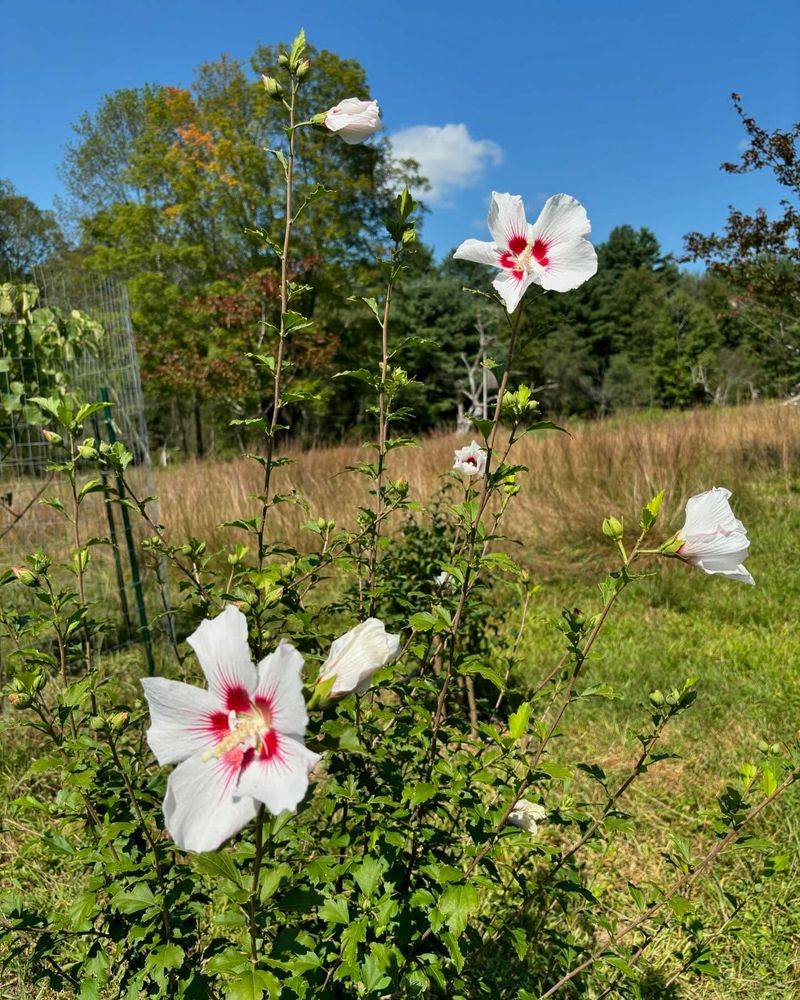
Rose Of Sharon has a knack for growing into an impressive, upright shrub that fills vertical space in a garden beautifully.
Officially named Hibiscus syriacus, this classic flowering shrub produces large, hollyhock-like flowers in shades of white, pink, purple, and blue from late summer into early fall.
Because it blooms on new wood produced during the current growing season, late spring pruning is exactly what this plant needs to perform at its best.
May is an ideal window for pruning Rose Of Sharon in Michigan. By this point, the plant has broken dormancy and new leaf buds are clearly visible along the stems, making it easy to identify where healthy growth is happening.
Remove any crossing, crowded, or weak branches first, then shape the remaining structure to the size and form you prefer. If you want a smaller, more compact shrub, you can reduce the height by up to one-third without stressing the plant.
Mature Rose Of Sharon plants can reach heights of eight to twelve feet if left unchecked, so annual pruning keeps the size manageable and the flowering productive.
Opening up the center of the shrub also improves light penetration, which encourages more uniform blooming across the entire plant.
One fun bonus of pruning is that it reduces the number of seed pods that form later in the season, helping you avoid an overabundance of unwanted seedlings popping up around your yard next spring.
5. Bluebeard
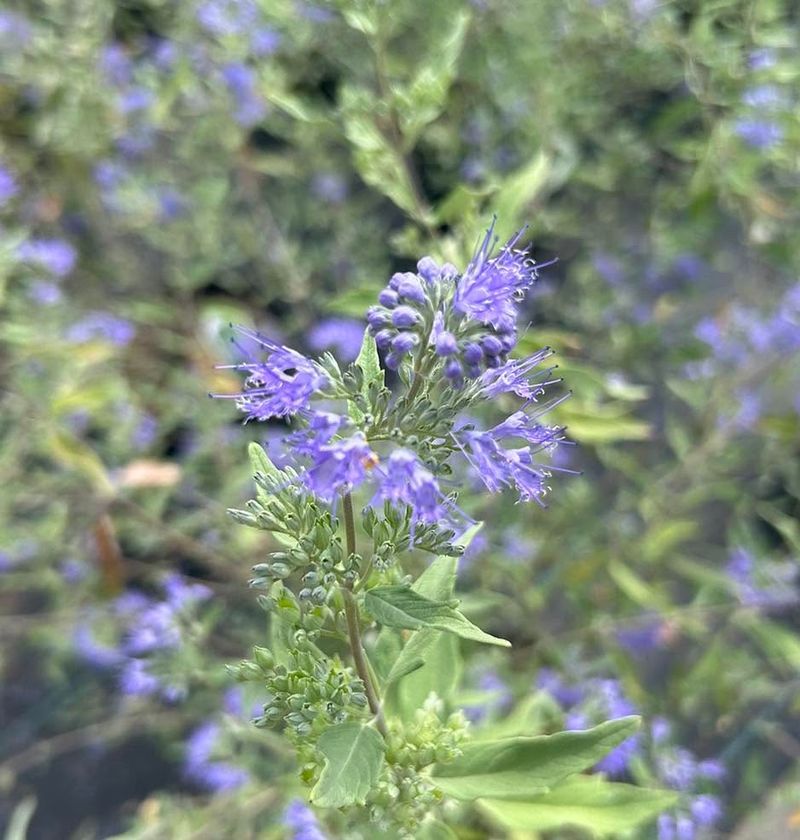
Bluebeard is one of those underappreciated garden gems that deserves far more attention than it typically gets.
Scientifically known as Caryopteris x clandonensis, this compact shrub produces clusters of vibrant blue to violet flowers in late summer, drawing in pollinators at a time when many other plants have already finished blooming.
That late-season color is a genuine gift to any garden, but it only happens when the plant gets the right care in spring.
Because Bluebeard blooms on new wood, spring pruning is not optional. It is essential.
Michigan winters regularly push this shrub to its limits, and the upper portions of the stems frequently experience cold-weather decline. By May, you can see which stems are pushing out tiny green leaves and which ones are not.
Cut all stems back hard, typically to within four to six inches of the ground, just above the lowest set of healthy buds you can find.
This low, firm cut might look severe at first glance, but Bluebeard responds with vigorous, bushy regrowth that fills in beautifully by midsummer.
Planting or positioning this shrub in full sun is critical because shade significantly reduces both the growth rate and the flower count.
Well-drained soil also helps Bluebeard thrive in Michigan’s variable spring moisture conditions. By the time August arrives, you will have a full, rounded shrub covered in those signature blue flower clusters that make the whole wait worthwhile.
6. Summer Blooming Spirea
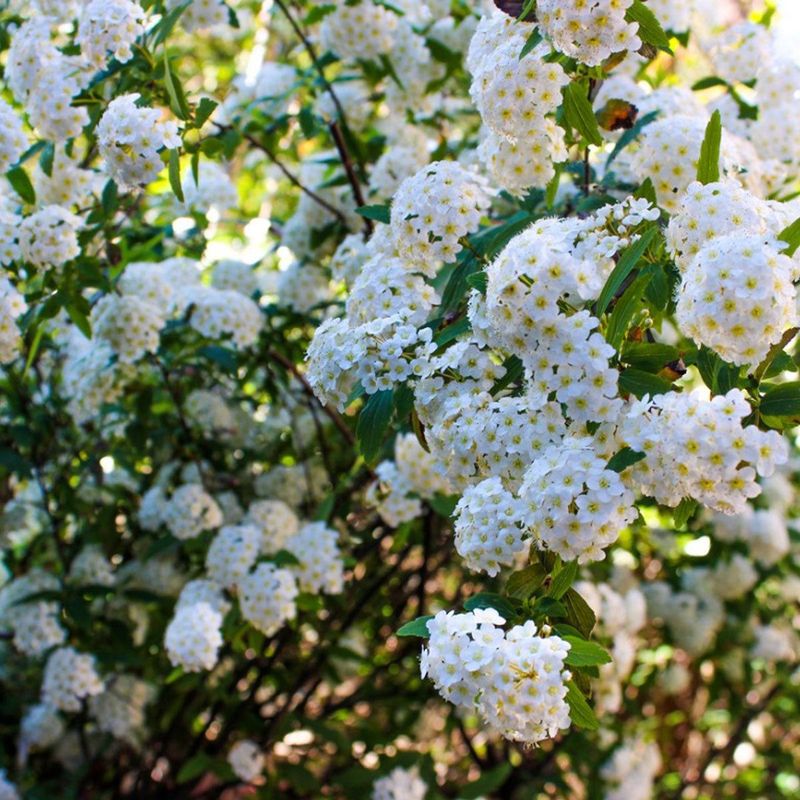
Summer Blooming Spirea is one of the hardest working shrubs in any Michigan garden.
Spiraea japonica, the botanical name for this popular species, produces clusters of pink, red, or white flowers from early summer onward, creating a cheerful pop of color that lasts for weeks.
Varieties like Little Princess, Goldflame, and Anthony Waterer are especially common across Michigan landscapes, and they all share one key trait: they bloom on new wood, which makes spring pruning a smart move.
By May, Spirea has typically leafed out enough that you can clearly see the shape of the plant and identify any dry or twiggy stems that need to go.
Start by removing any branches that did not survive winter, then cut the remaining stems back by about one-third to one-half of their total height.
This kind of moderate pruning refreshes the plant without shocking it and encourages a flush of new growth that will carry the season’s blooms.
Skipping this annual pruning leads to a woody, congested shrub that produces fewer flowers and looks increasingly ragged over time.
Good airflow through the center of the plant also helps reduce the risk of powdery mildew, which can be a real problem during warm, humid summers.
After pruning, the plant rebounds quickly and typically fills back in within a few weeks, looking tidier, fuller, and far more ready for a season of beautiful blooming ahead.
7. Knock Out Roses
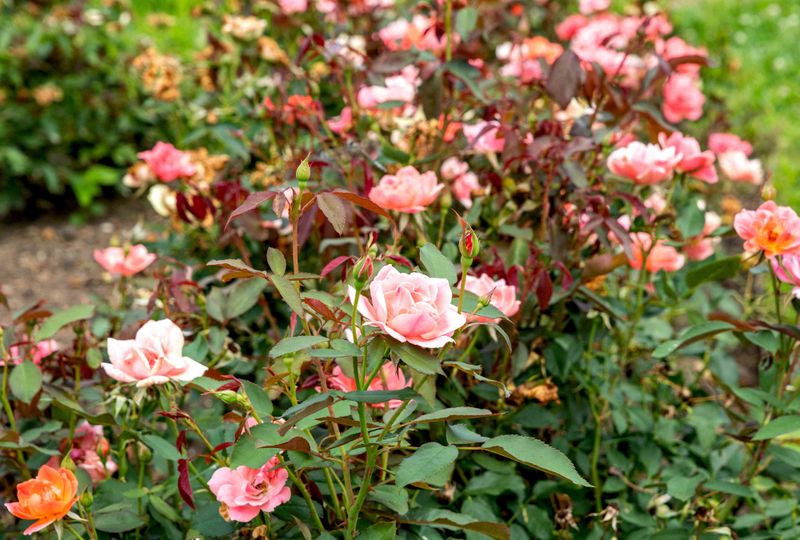
Knock Out Roses changed the game for rose gardening in the Midwest.
The Rosa Knock Out Group was developed specifically to be tough, disease-resistant, and low-maintenance compared to traditional roses, and Michigan gardeners have embraced them enthusiastically.
These plants bloom in waves from late spring through fall, producing clusters of bright flowers in shades of red, pink, coral, and yellow. But to keep that wave of color coming, a good spring pruning session before May ends is absolutely worth your time.
After winter, some canes may look discolored, shriveled, or simply not producing any new growth. May is when you can clearly tell which canes are healthy and which ones need to be removed.
Cut out any weak or unproductive canes at the base, then reduce the remaining healthy canes by about one-third of their total height. This encourages branching lower on the plant, which results in a fuller, more floriferous shrub as the season progresses.
Airflow is especially important for roses in Michigan because humid summer conditions can encourage fungal issues on the foliage.
Pruning to open up the center of the plant rather than leaving it dense and crowded makes a real difference in overall leaf health throughout summer.
Sharp, clean pruning tools also reduce the chance of introducing problems at the cut sites. After pruning, a balanced fertilizer application gives Knock Out Roses the fuel they need to push out strong new growth and abundant blooms.
8. Beautyberry
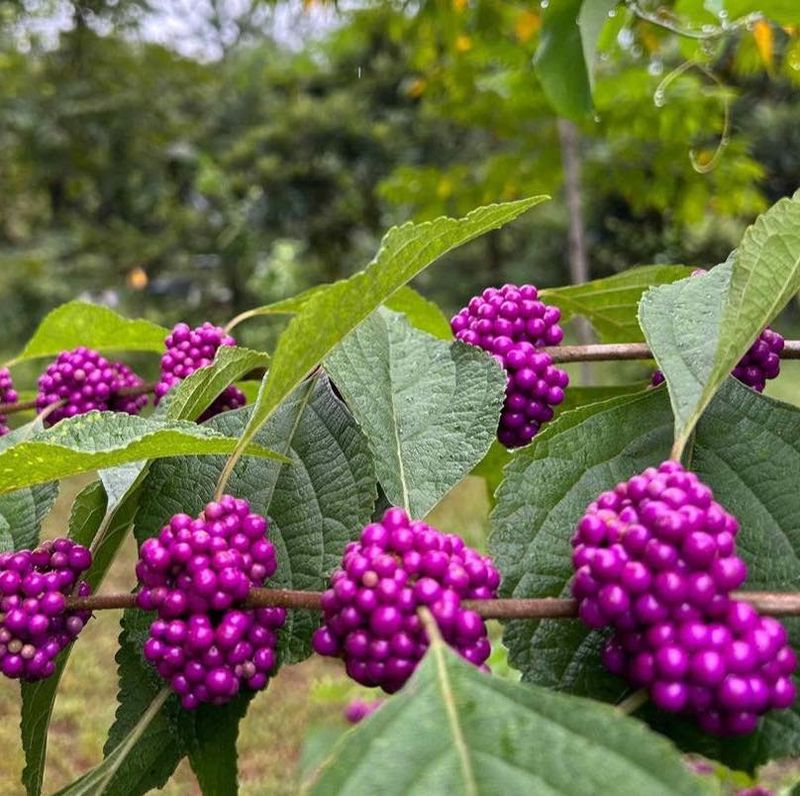
Beautyberry is one of those plants that makes people stop and stare every fall when its clusters of vivid purple berries appear along the arching stems.
Callicarpa dichotoma, the species most commonly grown in Michigan gardens, is a graceful, arching shrub that earns its keep with a late-season berry display that truly has no equal in the landscape.
Getting that incredible fall show, however, starts with a smart pruning session in spring.
Beautyberry blooms on new wood, so spring pruning directly influences how much flowering and fruiting the plant produces later in the year. In Michigan, winter can be rough on the stems, especially in colder northern areas of the state.
By May, you should be able to spot which stems are pushing out fresh leaf buds and which ones are dry and unresponsive. Remove the unproductive stems at the base and cut the remaining growth back to around six to twelve inches above the ground.
This hard cut might feel like a lot, but Beautyberry is a fast and enthusiastic grower once temperatures warm up consistently. New stems can reach three to four feet by midsummer, and the berries that form on those stems will be ready to dazzle by early fall.
Plant Beautyberry in a spot with partial to full sun for the best berry production. After pruning, a light application of balanced fertilizer helps fuel the rapid regrowth that makes this shrub so rewarding to grow in Michigan gardens.
9. Ornamental Grasses
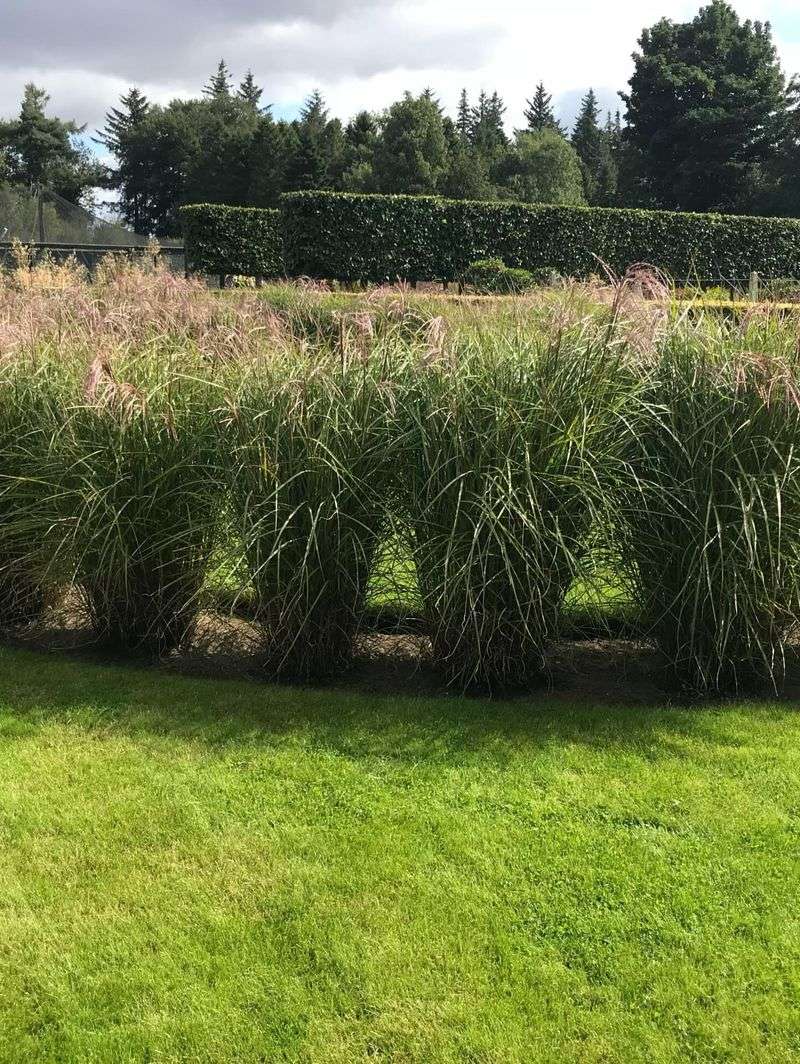
Ornamental grasses add movement, texture, and year-round interest to Michigan gardens in a way that few other plants can match.
Warm season varieties like Panicum virgatum, commonly called Switchgrass, and Miscanthus sinensis, known as Japanese Silver Grass, are among the most popular choices for Michigan landscapes.
These grasses spend the winter standing tall, and that is actually intentional. The dried foliage and seed heads provide insulation for the crown and offer food and shelter for birds during the cold months.
Once May arrives, though, it is time to act before the new growth gets too tall and intertwines with the old material.
Fresh green shoots emerge from the base of the clump in spring, and you want to cut the old stems down before those new shoots get more than a few inches high.
Use sharp hedge shears or pruning loppers to cut the entire clump back to about four to six inches above the ground. This height protects the new growth while removing all the old, weathered material efficiently.
Cutting too late in spring makes the job much messier and increases the risk of accidentally slicing through the new green shoots, which slows the plant’s seasonal progress.
After cutting, clear away all the old material from around the base so the crown gets full sun exposure and good airflow.
Warm season ornamental grasses grow quickly once temperatures climb, and a properly cut clump will look full and lush again well before summer officially begins.