The Oregon Fruits And Berries You Can Grow Without A Single Spray
Chemical sprays have become such a standard part of fruit growing that most people assume you cannot get a real harvest without them. Oregon proves that wrong.
The state’s climate, soil, and natural conditions make it genuinely possible to grow certain fruits and berries from planting to harvest without reaching for a single bottle. The key is not skipping pest management altogether.
It is choosing varieties that do not need it in the first place. Some fruits are naturally resistant to the diseases and insects that make conventional growing so chemical dependent.
Others simply thrive in Oregon’s conditions in a way that keeps problems from gaining any real foothold.
For homeowners who want fresh fruit without the spraying schedule and the ongoing cost that comes with treated crops, the right plant selection makes all of that unnecessary. Oregon has more options in this category than most gardeners expect.
1. Figs
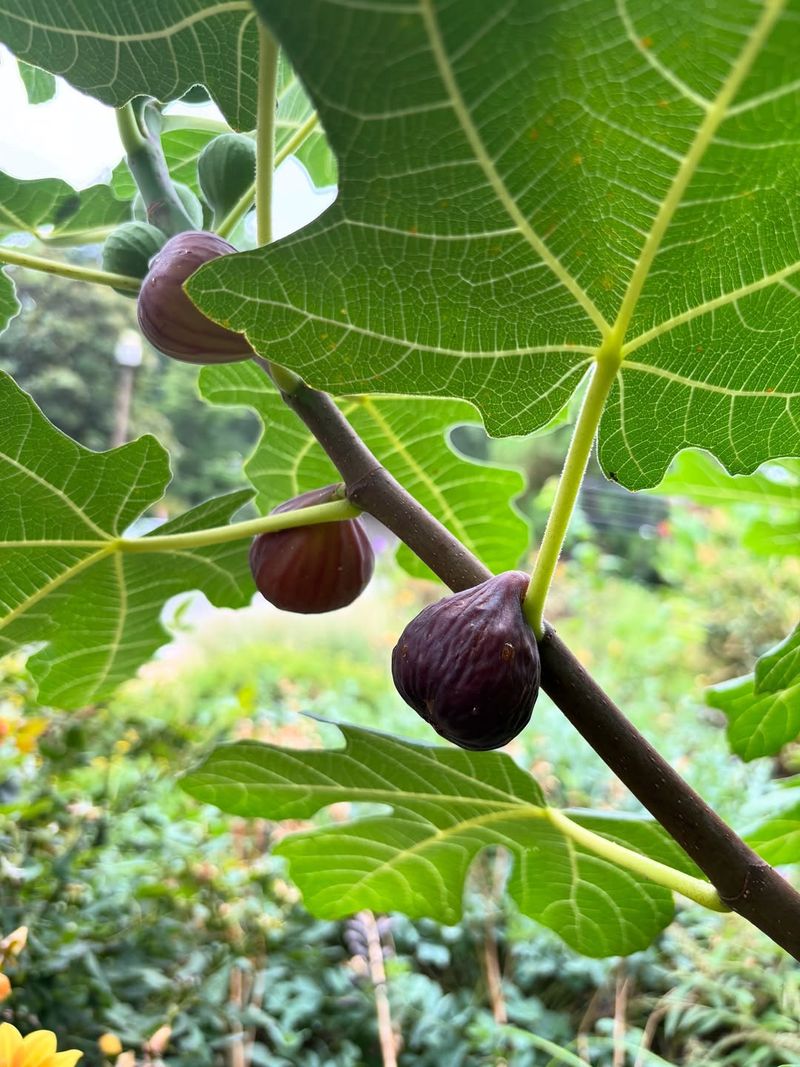
Few fruits feel as ancient and satisfying as a perfectly ripe fig pulled straight from the tree. Oregon’s mild coastal climate suits figs surprisingly well, especially in the Willamette Valley and other lower-elevation areas where winter temperatures rarely dip to damaging extremes.
Figs are naturally tough plants. They have thick, waxy leaves that most insects simply do not bother with, and they rarely attract the fungal diseases that plague other fruit trees.
You do not need to spray them to keep them productive. A well-placed fig in a sunny, sheltered spot against a south-facing wall will reward you with two crops per year in warmer parts of our state.
Varieties like Brown Turkey and Desert King are especially popular here because they ripen reliably even during cooler summers. Brown Turkey produces sweet, mild fruit that is great fresh or dried.
Desert King is known for its large, green-skinned figs with a rich, honey-like flavor that tastes incredible right off the branch.
Plant your fig in well-drained soil and give it plenty of room to spread. Container growing is also an option if you want to move the plant indoors during harsh winters in northern regions.
Figs do not need much fertilizer, and overfeeding them with nitrogen can actually reduce fruit production. Water deeply but infrequently once established, and you will have a generous harvest with almost no effort at all.
2. Persimmons
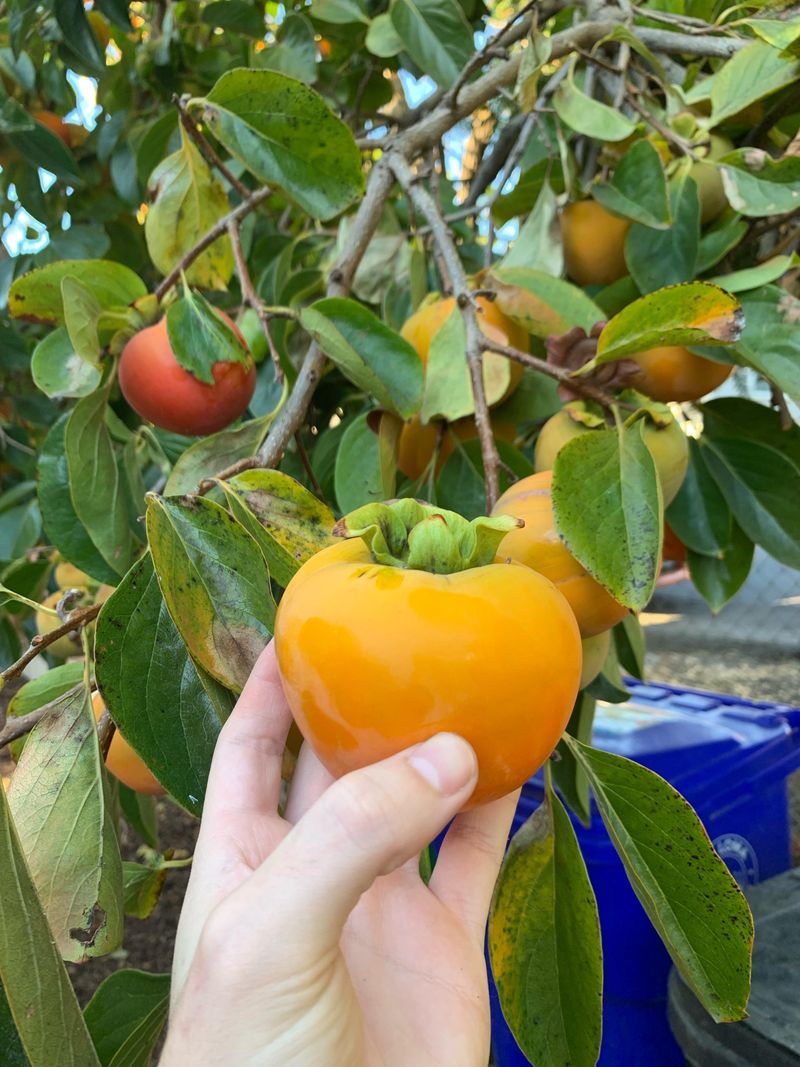
There is something almost magical about a persimmon tree in fall. When every other plant in the garden has gone dormant, this tree is still glowing with bright orange fruit hanging like little lanterns from bare branches.
It is one of the most striking sights a home garden can offer.
Persimmons are remarkably low-maintenance. They are naturally resistant to most pests and diseases, and they ask for very little once established.
No sprays, no complicated pruning schedules, and no dramatic watering routines. Just plant them in a sunny spot with decent drainage and let them do their thing.
Two main types grow well in our state. Fuyu persimmons are non-astringent, meaning you can eat them while they are still firm, much like an apple.
Your Oregon Garden Changes Every Week. Your Plan Should Too.
Gardening in Oregon changes quickly throughout the season. Every Friday you’ll receive a simple weekly plan showing exactly what to plant, prune, fertilize, harvest, and protect so you never miss the right timing.
Hachiya persimmons are astringent and need to soften fully before eating, but the resulting flavor is rich, custardy, and absolutely worth the wait.
Both types handle our wet winters without complaint. They are cold-hardy enough for most parts of the state, though growers in high-elevation or northeastern areas may want to choose the most cold-tolerant varieties available.
Persimmon trees are also drought-tolerant once mature, which makes them a smart choice for gardeners who want a fruit tree that does not demand constant attention. Did you know persimmons have been cultivated in Asia for over two thousand years?
Their long history speaks to just how reliable they really are.
3. Mulberries
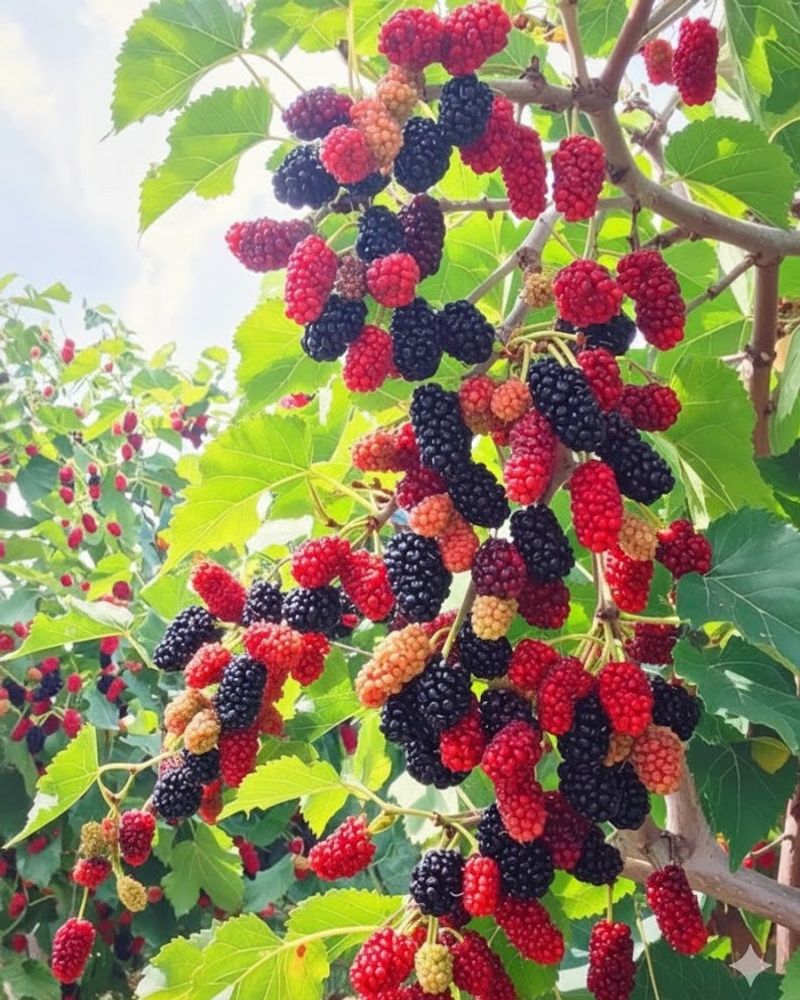
Mulberries might just be the most underrated fruit you can grow in our state. They produce enormous quantities of sweet, blackberry-like fruit with almost zero effort, and they do it year after year without any need for pesticides or fungicides.
The trees grow fast and strong. Once established, a mulberry tree is practically unstoppable.
It handles our wet springs and dry summers with equal ease, and it shrugs off most pests because its leaves contain natural compounds that insects tend to avoid. Birds love mulberries too, so planting one near a sitting area gives you both fruit and a front-row seat to some lively wildlife activity.
Red mulberry is native to North America and does beautifully here. White mulberry, originally from China, is another excellent option that tends to be even more productive.
The Illinois Everbearing variety is a popular hybrid that produces fruit over a long season, giving you weeks of harvests instead of just one short burst.
One thing to keep in mind is that mulberry fruit stains everything it touches. Sidewalks, patios, and light-colored clothing are all at risk during harvest season.
Plant the tree somewhere the falling fruit will not cause a mess, or lay tarps below the branches when harvest time comes. Fresh mulberries are wonderful in smoothies, pies, and jams, and they freeze beautifully for enjoying all year long.
Few trees give back so generously for so little work.
4. Blueberries
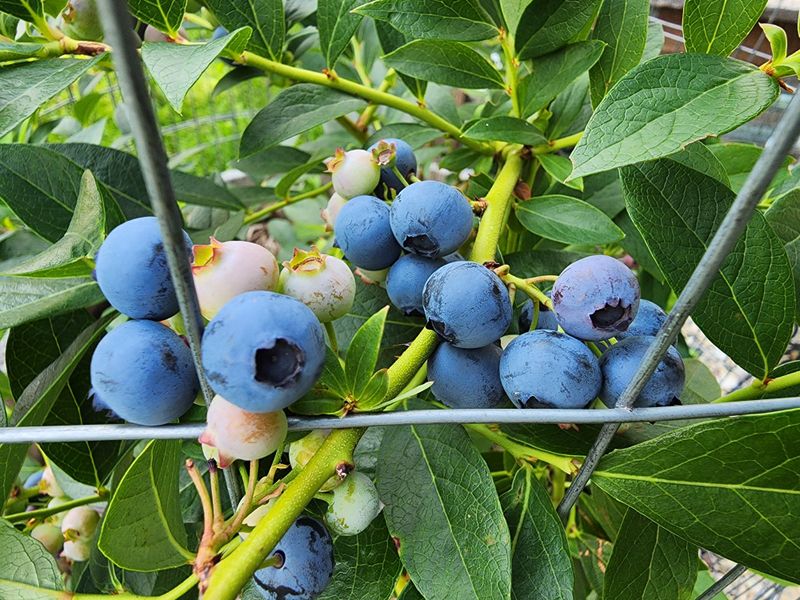
Blueberries and Oregon are basically made for each other. Our state is one of the top blueberry-producing regions in the entire country, and for good reason.
The naturally acidic, well-drained soils found across much of the Willamette Valley are exactly what blueberry plants crave.
Home gardeners love blueberries because they are extraordinarily low-maintenance once the soil conditions are right. They do not need spraying to stay healthy.
Good drainage, a soil pH between 4.5 and 5.5, and consistent moisture are really all they need to thrive. Amend your soil with peat moss or pine bark if your pH is too high, and your plants will respond with vigorous growth and heavy fruit production.
Highbush varieties like Bluecrop, Duke, and Legacy are excellent performers in our climate. Planting at least two different varieties nearby improves pollination and dramatically increases your harvest.
A single mature blueberry bush can produce up to fifteen pounds of fruit in a good season, which is more than most families can eat fresh.
Blueberries also happen to be incredibly good for you. They are packed with antioxidants and have been linked to improved brain health, better heart function, and reduced inflammation.
Growing them at home means you get the freshest possible fruit without any chemical residue. Net your bushes as the berries ripen to protect them from birds, and you will enjoy an outstanding harvest every single summer with very minimal fuss.
5. Raspberries
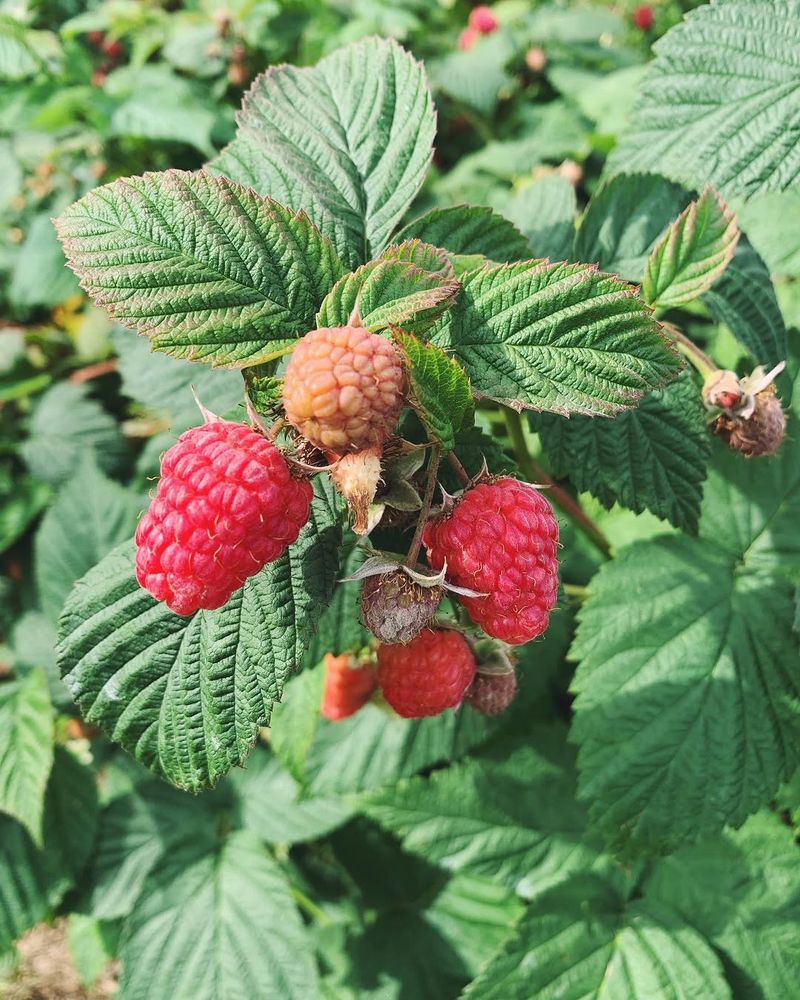
Sweet, tart, and incredibly fragrant, raspberries are one of those fruits that taste completely different when eaten fresh from the garden compared to anything you buy at a store. Growing them here is genuinely easy, and they do not require any chemical sprays to stay healthy and productive.
Our cool, moist climate is a natural fit for raspberries. They love mild summers and do not do well in extreme heat, which makes the Pacific Northwest practically ideal.
Summer-bearing varieties like Willamette and Meeker produce one big crop in early summer. Everbearing types like Heritage give you two crops, one in summer and one in early fall, which stretches your harvest season considerably.
Cane management is the main task with raspberries. After summer-bearing canes finish fruiting, cut them down to the ground and let the new canes take over.
This simple annual task keeps the planting healthy and productive. No sprays needed, no complicated treatments, just a little pruning and some basic care.
Plant raspberries in a sunny spot with excellent drainage. They hate sitting in soggy soil, so raised beds or gently sloped ground work best.
A trellis system helps keep the canes upright and makes harvesting much easier. Mulch around the base to hold moisture and suppress weeds.
With proper setup, a raspberry patch will reward you generously for ten years or more, all without a single chemical input. That is a pretty remarkable return on a modest investment of time and space.
6. Blackberries
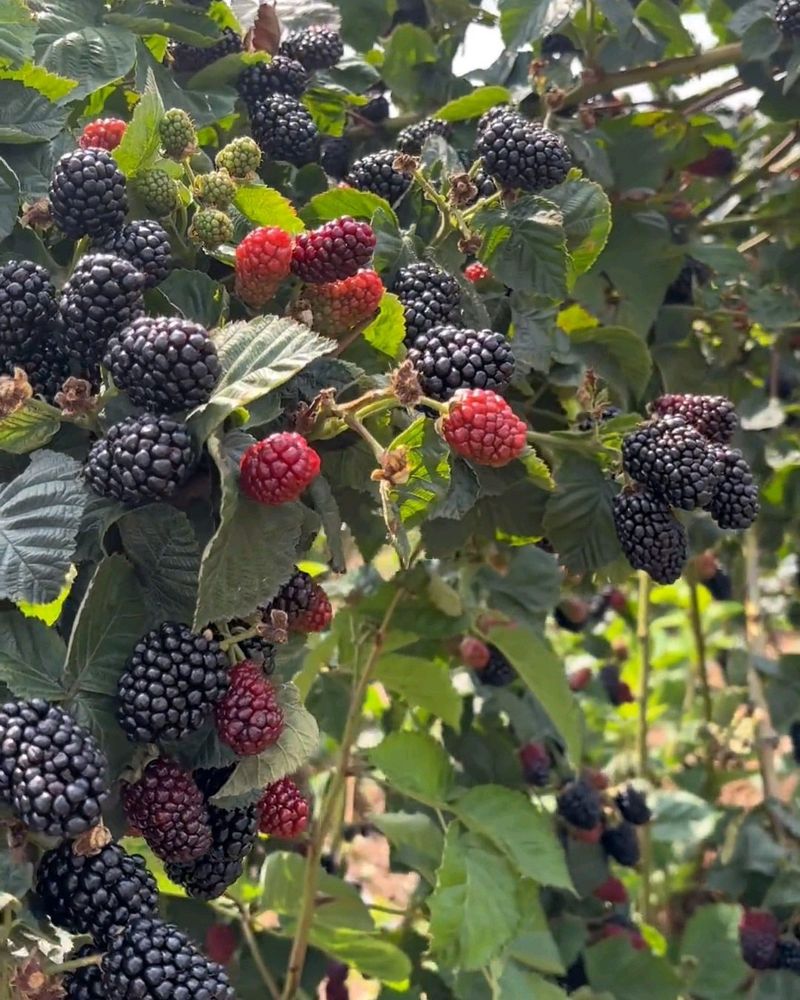
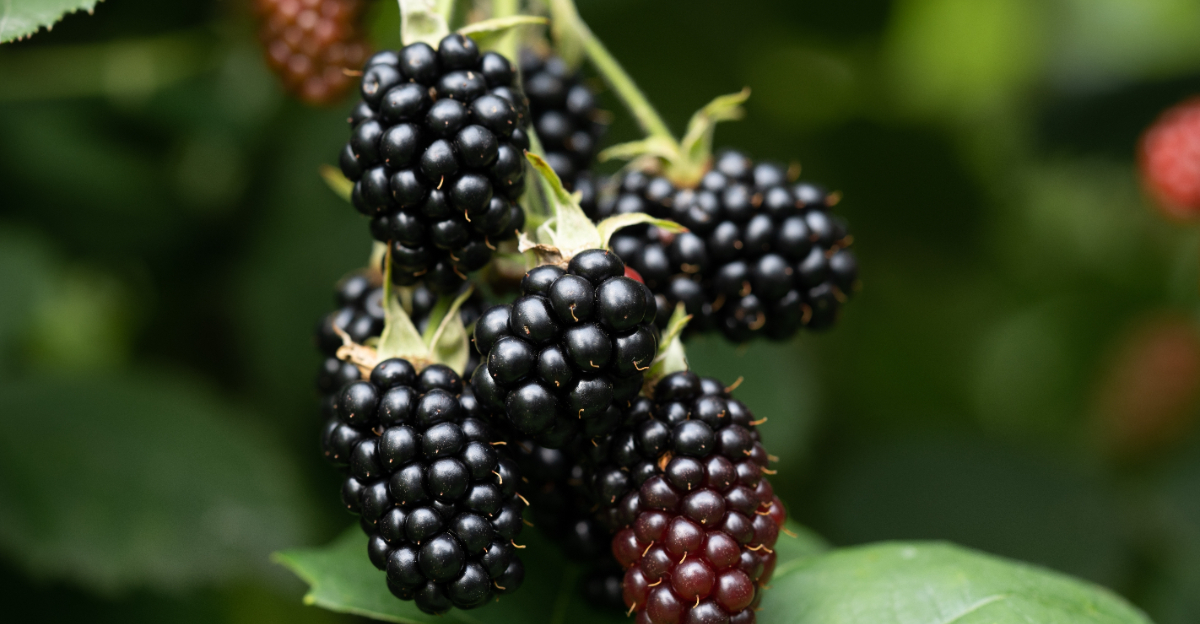
Anyone who has spent time outdoors in our state already knows how aggressively blackberries can grow. Wild Himalayan blackberries line roadsides and fence lines across the region, which is a clear sign that cultivated varieties will thrive here with almost no encouragement at all.
For the home garden, thornless cultivated varieties are a far better choice than the wild types. Varieties like Triple Crown, Chester, and Columbia Star produce large, sweet, glossy berries without the painful thorns that make harvesting wild plants such a challenge.
These cultivated types are also better behaved in the garden, spreading more predictably and staying where you plant them.
Blackberries are naturally disease-resistant in our climate. They do not need spraying and they handle our wet winters without developing the fungal problems that affect many other fruit plants.
Good air circulation around the canes is the main thing you can do to keep them healthy. Trellising the canes and pruning out old wood each year goes a long way toward preventing any issues.
The fruit itself is extraordinary. Fresh blackberries are sweet, slightly tart, and deeply flavorful in a way that store-bought berries rarely match.
They are excellent in cobblers, jams, smoothies, and sauces, and they freeze perfectly for off-season use. A well-managed blackberry planting along a fence or trellis can produce an impressive amount of fruit from a relatively small space.
Plant in full sun, keep the soil moist but not waterlogged, and enjoy a generous harvest every summer.
7. Currants
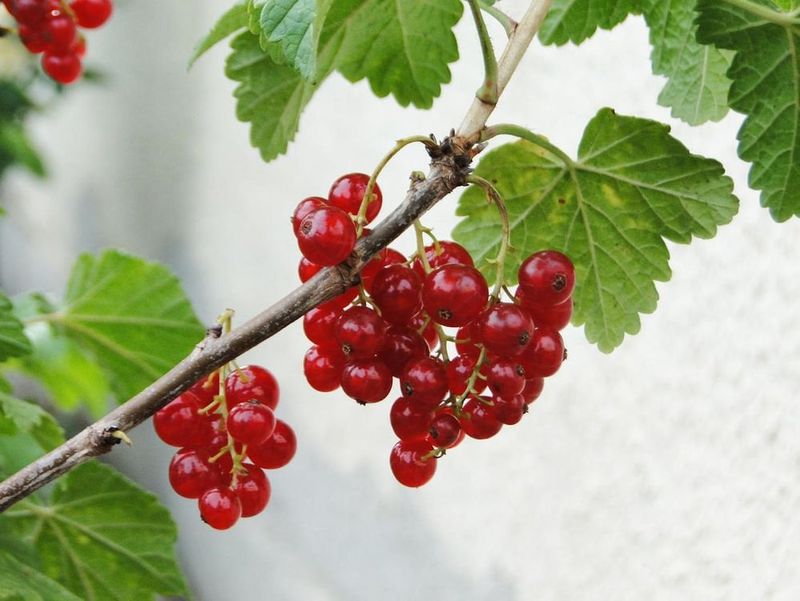
Currants are the kind of fruit that serious gardeners get genuinely excited about. They are productive, beautiful, and almost completely carefree, making them one of the best-kept secrets in the world of home fruit growing.
Our cool, moist climate is practically tailor-made for them.
Both red and black currants grow beautifully here. Red currants like Red Lake and Rovada produce long, jewel-like clusters of translucent berries that look almost too pretty to eat.
Black currants, such as Ben Sarek and Titania, have a much stronger, more complex flavor and are exceptionally high in vitamin C, containing several times more than an orange by weight.
One of the biggest advantages of currants is their shade tolerance. Unlike most fruits, they actually prefer a bit of afternoon shade, which makes them a smart choice for spots in the garden that do not get full sun all day.
They also handle cold winters extremely well, which means growers in the Cascades foothills and other cooler parts of our state have excellent options here.
Currant shrubs need very little pruning and no spraying whatsoever. They are naturally resistant to most common pests and diseases when given good air circulation and reasonable drainage.
Harvest the whole cluster at once for easy processing, and use the berries in jams, syrups, and baked goods. Their bold flavor adds something special to anything they go into, and the plants themselves are attractive enough to earn a spot in an ornamental garden too.
8. Gooseberries
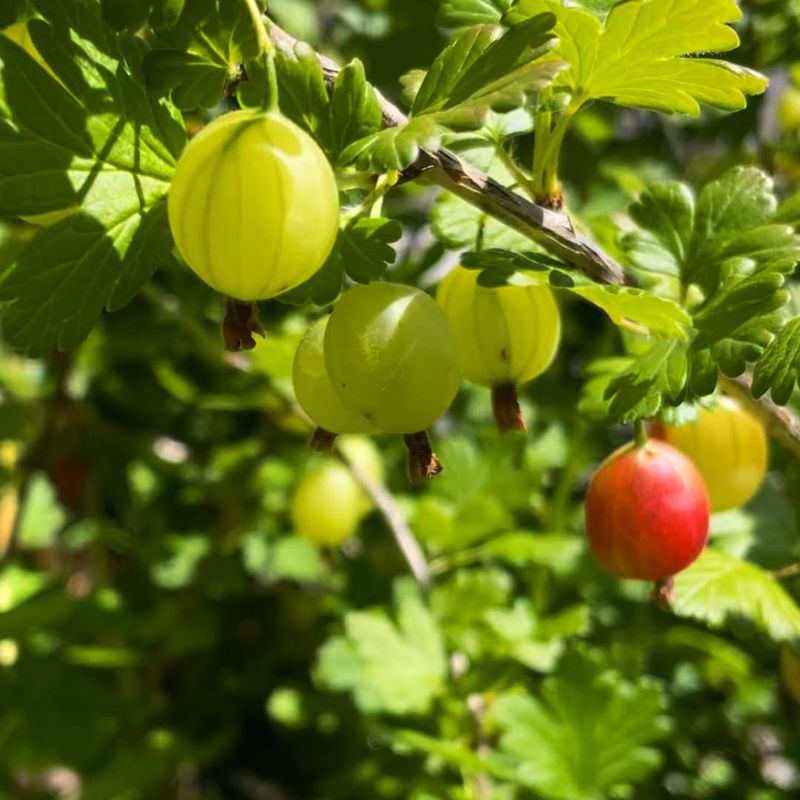
Gooseberries have a bit of a reputation for being old-fashioned, and honestly, that reputation is well deserved. These are the kinds of fruits that grandmothers grew and that most modern gardeners have completely forgotten about.
Rediscovering them feels like finding something genuinely wonderful that was hiding in plain sight.
Our state’s cool, humid climate is ideal for gooseberries. They are naturally adapted to exactly the kind of weather we get here, which is why they grow so effortlessly without any spraying or special treatments.
Varieties like Invicta, Pixwell, and Hinnomaki Red are all excellent performers that produce reliably year after year.
The flavor of a ripe gooseberry is hard to describe if you have never had one. Green varieties are tart and bright, almost like a very complex grape.
Red and pink varieties are sweeter and have a flavor that is reminiscent of both strawberries and grapes at the same time. They are outstanding in pies, crumbles, chutneys, and jams.
Gooseberry shrubs stay compact, usually reaching only three to four feet tall and wide, which makes them a great option for smaller gardens. They tolerate partial shade, handle clay soil better than most fruits, and need only basic pruning each year to stay productive.
The thorns can be a nuisance at harvest time, so wearing gloves is a smart idea. Net the plants before the fruit fully ripens to keep birds from taking the whole crop before you get a chance to enjoy it.
9. Serviceberries
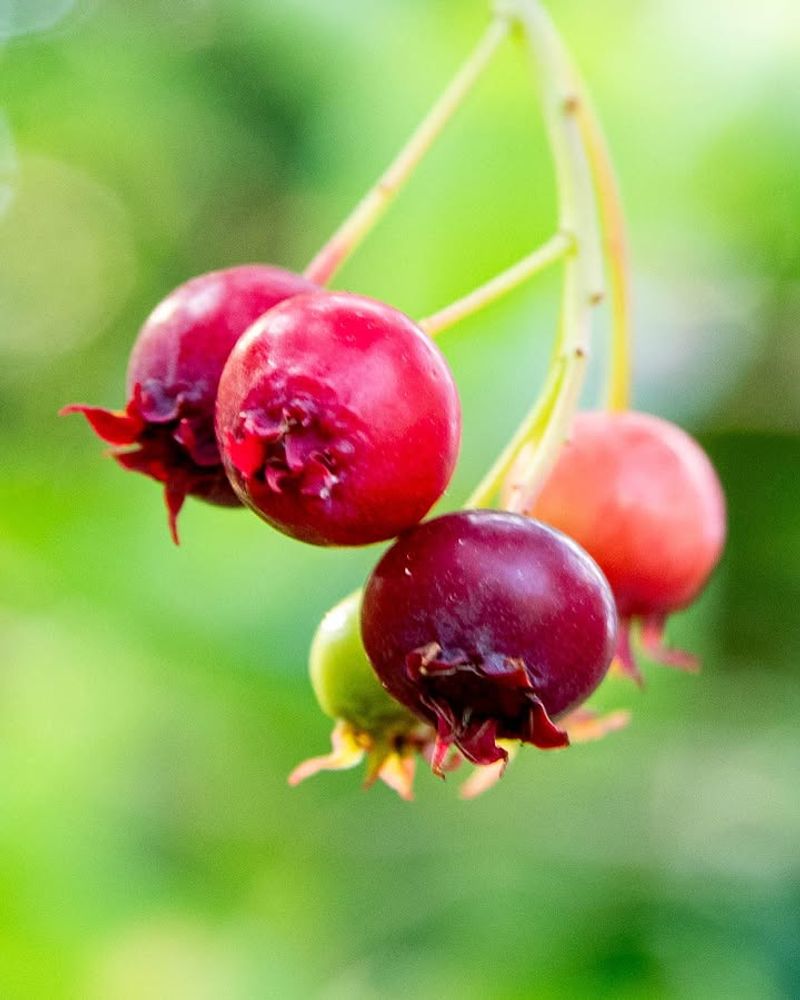
Not enough people know about serviceberries, and that is a genuine shame. Also called Juneberries or Saskatoon berries, these native shrubs produce clusters of small, blueberry-like fruit that taste like a cross between a blueberry and an almond, with a sweet, mild flavor that is genuinely hard to resist.
Serviceberries are native to the Pacific Northwest, which tells you immediately how well they handle our local conditions. They evolved here, which means they are naturally adapted to our wet winters, dry summers, and everything in between.
No sprays, no special soil amendments, and no complicated care routines are necessary. Just plant them and let nature do its work.
They are also one of the earliest fruiting plants in the garden. Serviceberries ripen in late spring to early summer, well before most other fruits are ready.
That early harvest is a real treat after a long winter, and the birds know it too. Netting is strongly recommended if you want to save any fruit for yourself, because robins and cedar waxwings will strip a plant bare in a single morning.
Beyond the fruit, serviceberries are genuinely beautiful ornamental plants. They produce white blossoms in early spring before the leaves emerge, turning the shrub into a cloud of flowers.
Fall foliage is brilliant orange and red. Many landscape designers use them as specimen plants without even thinking about the edible bonus they provide.
Growing serviceberries means getting a gorgeous four-season plant that also feeds you. That is a hard combination to beat in any garden.
10. Table Grapes
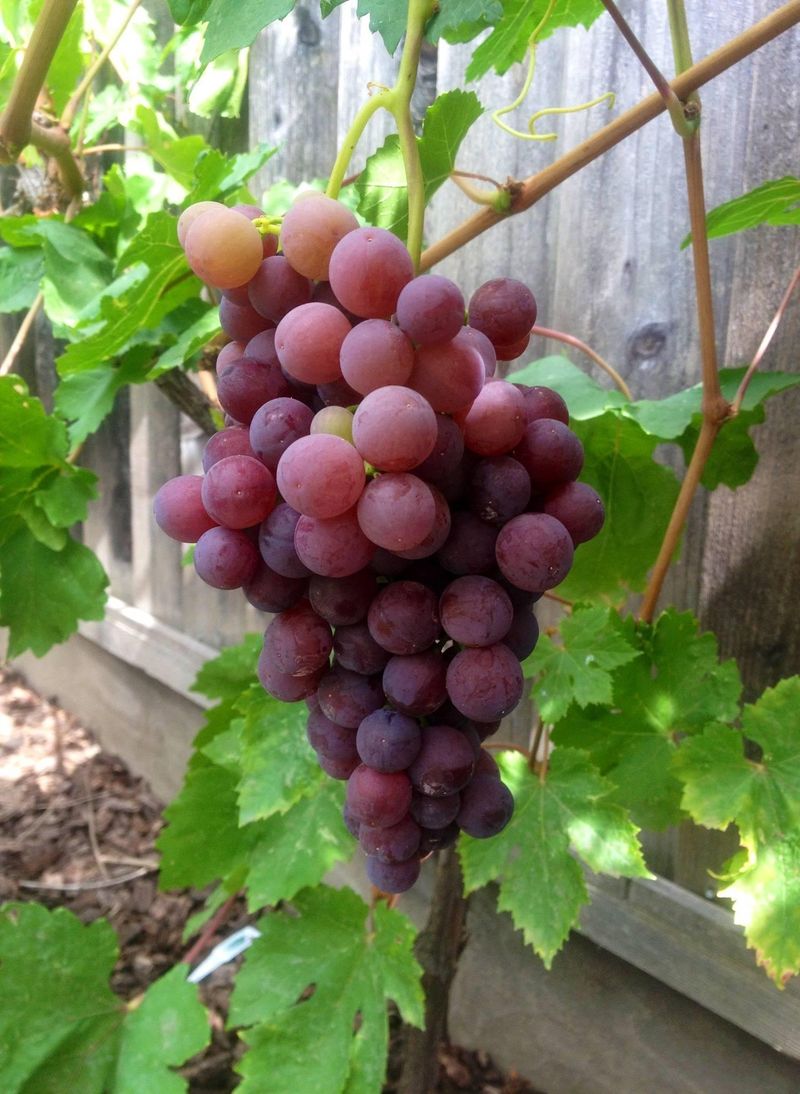
Growing table grapes at home feels a little bit luxurious, and the good news is that it is far easier than most people think. Our state’s warm, dry summers and mild winters create excellent conditions for many grape varieties, and with the right selection, you can grow a beautiful, productive vine without spraying a single thing.
The key is choosing varieties that are naturally resistant to powdery mildew and other fungal diseases, which are the main challenges for grapes in our climate. Himrod, Interlaken, and Canadice are all outstanding choices that have built-in disease resistance and ripen reliably in our shorter growing seasons.
These are seedless varieties, which makes eating them straight from the vine even more enjoyable.
Grapevines are vigorous growers that need a sturdy trellis or fence for support. Proper pruning each winter is the single most important thing you can do to keep a vine healthy and productive.
It sounds intimidating, but basic spur pruning is straightforward once you learn it, and there are plenty of helpful guides available from local extension offices.
Plant grapes in the sunniest, warmest spot in your yard. South-facing slopes and spots near heat-absorbing walls are ideal.
Good air circulation around the leaves is critical for preventing disease, so avoid planting in low-lying, damp areas. A well-established grape vine can live for fifty years or more and produce an incredible amount of fruit season after season.
Few garden plants offer that kind of long-term return for the effort involved.