8 Vegetables Arizona Gardeners Can Easily Grow In Buckets This Spring
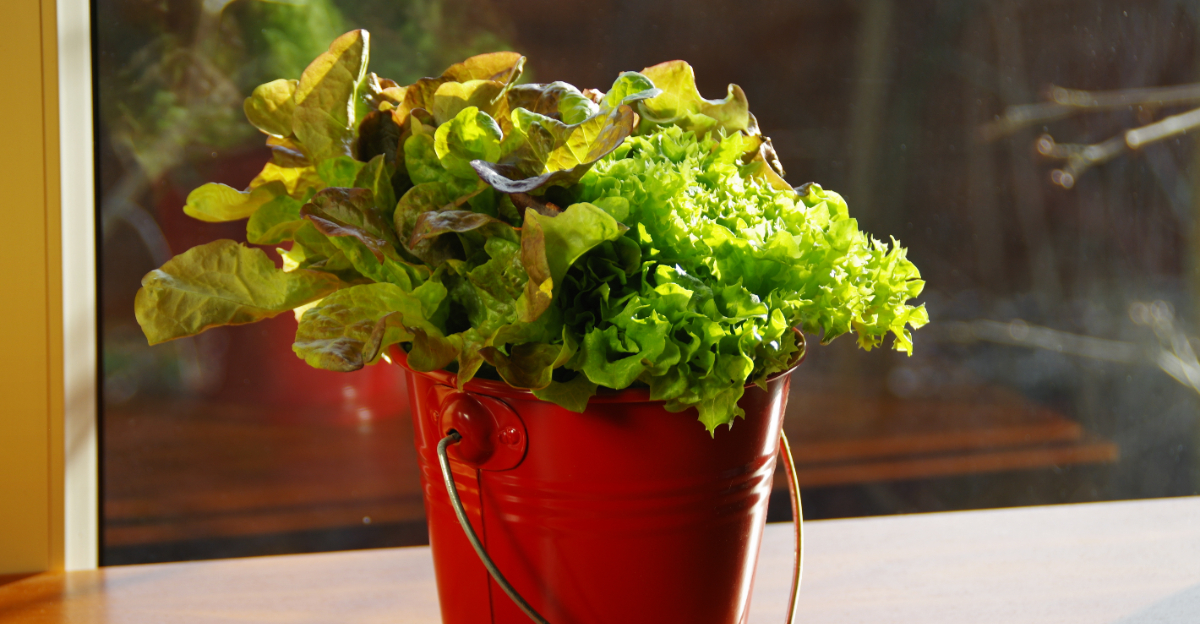
Arizona spring has a way of making gardening feel exciting again right before the extreme heat shows up and starts stressing everything out.
Buckets end up becoming one of the easiest ways to grow vegetables without turning the whole yard into a project that needs constant work.
Moving plants into better sunlight or pulling them out of harsh afternoon heat feels a lot simpler when everything stays portable.
Fresh growth starts showing up fast during spring, which makes small container gardens surprisingly satisfying to keep up with. Even a quiet patio or tiny corner can start producing enough to make the setup feel worth it.
Store bought vegetables also lose some of their appeal once fresh picks are sitting a few steps away from the kitchen.
Simple bucket gardens usually start small, then somehow keep growing once results start showing up.
1. Bush Beans Produce Well Without Much Garden Space
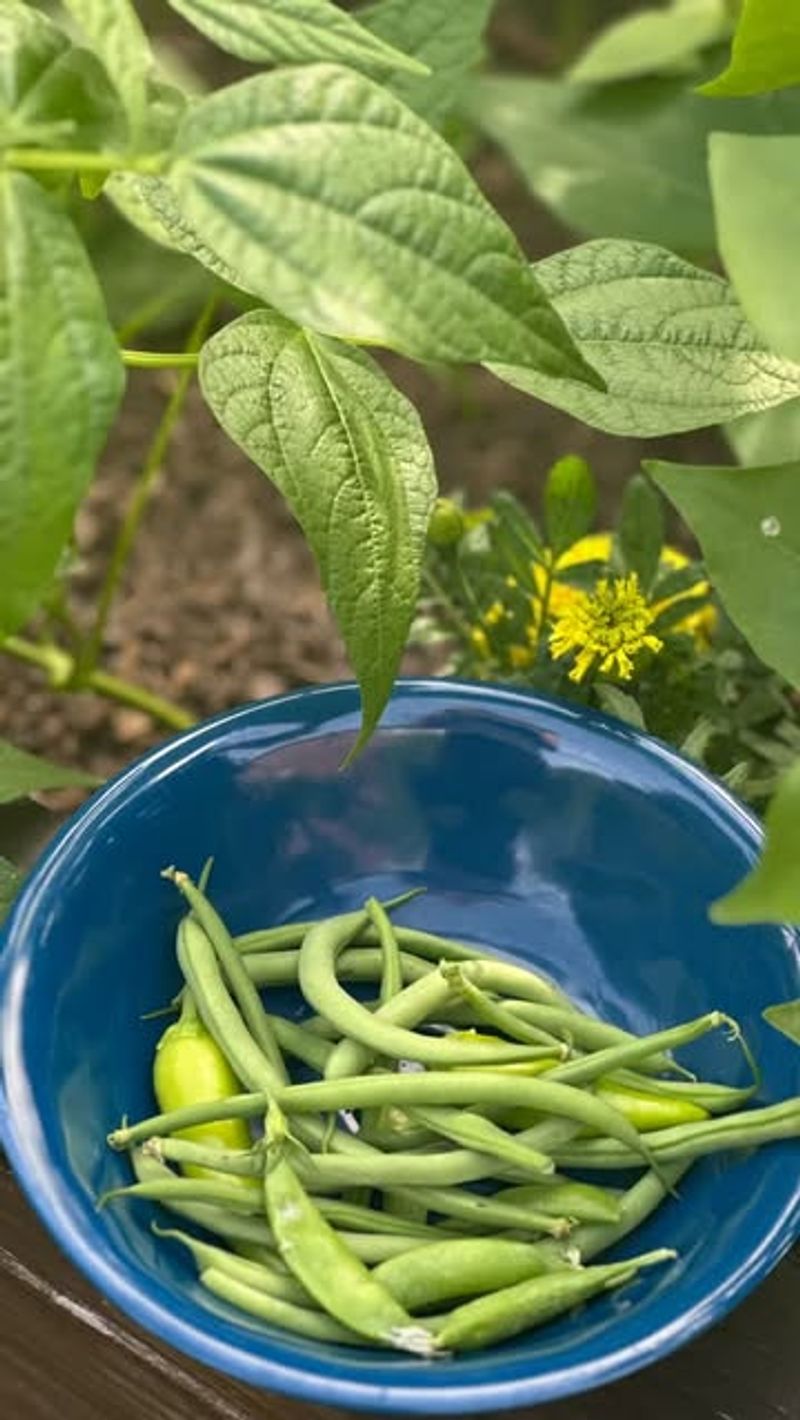
Bush beans are one of those vegetables that quietly outperform expectations. In Arizona, spring planting works great because bush beans love warm soil and plenty of sunshine, both of which are easy to find here.
A standard five-gallon bucket gives roots enough room to spread out comfortably.
Fill your container with a quality potting mix rather than garden soil, since heavy soil compacts quickly and slows growth. Plant seeds about an inch deep and two inches apart.
Water consistently, but avoid soaking the soil completely, because soggy roots slow bean development significantly.
Bush beans do not need stakes or trellises, which makes them especially beginner-friendly. Unlike pole beans, they grow compact and stay manageable in small spaces.
Most varieties are ready to harvest in about 50 to 60 days after planting.
Pick pods regularly once they reach finger length. Leaving mature pods on the plant too long signals the plant to stop producing new ones.
Arizona gardeners often get two solid harvests before summer heat becomes too intense, making early spring planting the smartest move for a good yield.
Morning sun and light afternoon protection can help bush beans stay productive longer once late spring temperatures start climbing fast.
Harvesting pods while they still feel tender keeps the plants producing steadily instead of slowing down early in the season.
2. Cherry Tomatoes Adapt Easily To Bucket Growing
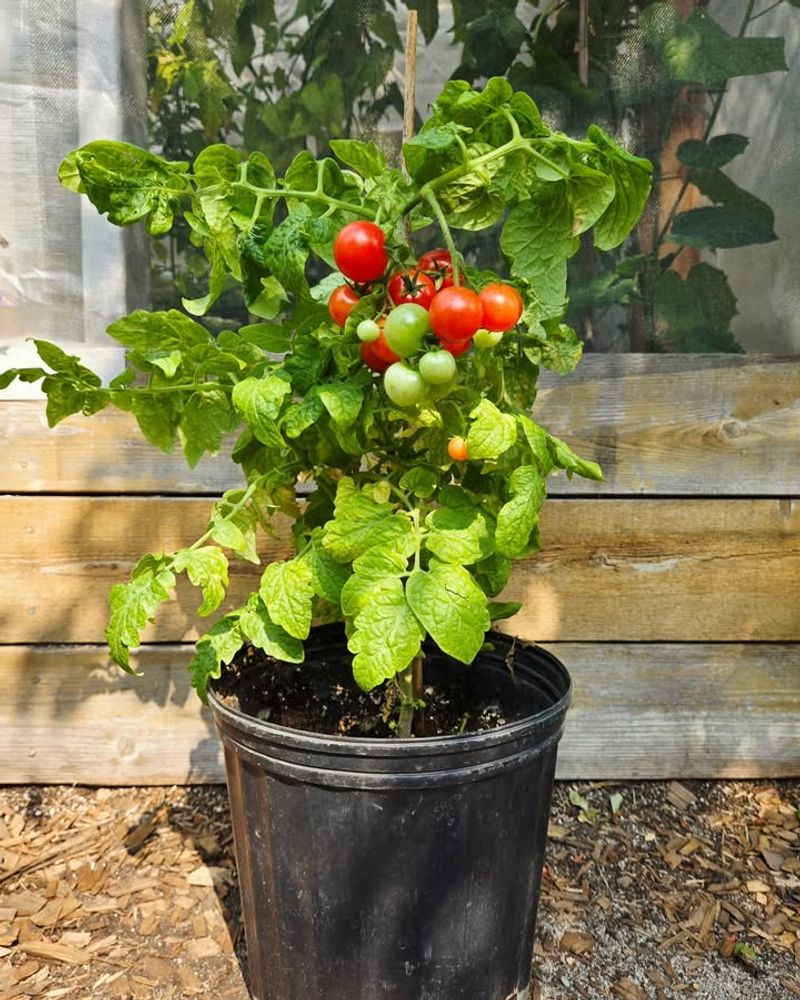
Few vegetables bring as much satisfaction as pulling a ripe cherry tomato straight off the vine. Warm spring climates are almost perfectly suited for tomatoes, and bucket growing removes many of the usual challenges that come with planting directly in the ground.
Choose a container that holds at least five gallons, ideally closer to seven or ten. Cherry tomato roots run deeper than most people expect, and a cramped container limits fruit production noticeably.
Fill with a well-draining potting mix and add a slow-release fertilizer at planting time.
Varieties like Sungold, Sweet 100, or Juliet perform reliably in warm climates. Place your bucket where it receives at least six to eight hours of direct sunlight daily.
South-facing patios and west-facing walls work especially well during spring months.
Your Arizona Garden Changes Every Week. Your Plan Should Too.
Gardening in Arizona changes quickly throughout the season. Every Friday you’ll receive a simple weekly plan showing exactly what to plant, prune, fertilize, harvest, and protect so you never miss the right timing.
Water deeply every day or two once temperatures climb past 85 degrees. Buckets dry out faster than garden beds, so checking soil moisture daily becomes a good habit.
Adding a small cage or stake early prevents the plant from flopping over under the weight of developing fruit clusters. Most cherry tomato varieties begin producing within 60 to 70 days, giving a generous harvest window before extreme summer heat arrives.
Mulching the top of the bucket with straw or shredded bark helps the soil stay cooler once late spring temperatures start rising quickly.
3. Green Onions Fit Nicely On Small Patios
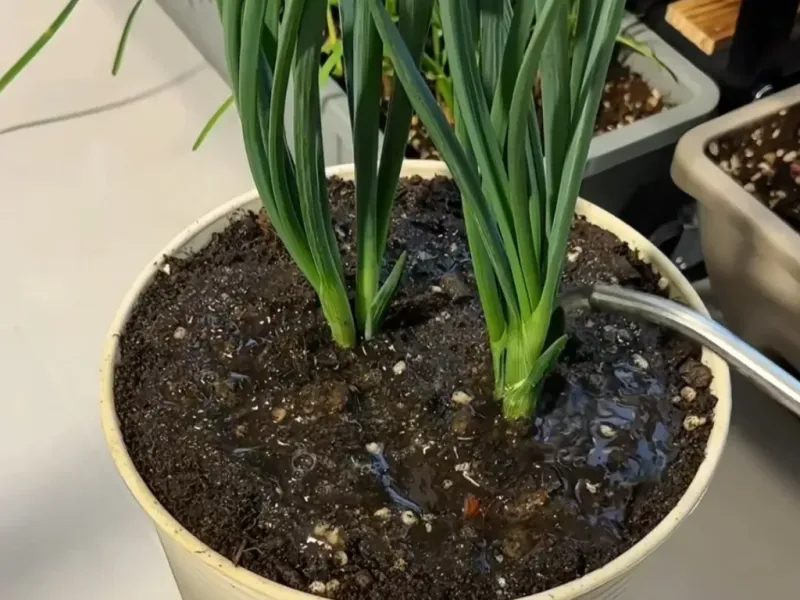
Green onions might be the most underrated container vegetable out there. They take up almost no space, grow quickly, and can be harvested repeatedly without replanting.
For Arizona gardeners working with a small patio or balcony, a single container of green onions delivers a steady supply of fresh flavor all spring long.
Any pot or bucket at least six inches deep will work well. Plant seedlings or sets about an inch apart and water lightly but regularly.
Green onions prefer moist soil without standing water, so a container with good drainage holes is a must.
One clever trick is regrowing green onions from store-bought bunches. Place the white root ends in a shallow cup of water for a few days until new green shoots emerge, then transfer them directly into your container.
This method saves money and gets you growing almost instantly.
Arizona’s mild spring temperatures between March and May create ideal conditions for green onions. They handle light fluctuations in temperature without much stress, making them reliable even for first-time gardeners.
Snip the tops with scissors when they reach about six to eight inches tall, leaving the base intact so regrowth continues. Positioned near a kitchen door, a container of green onions becomes one of the most practical and convenient harvests you can have.
A little afternoon shade can help keep green onions from drying out too quickly once late spring heat starts building across Arizona patios and balconies.
4. Peppers Thrive In Warm Sunny Containers
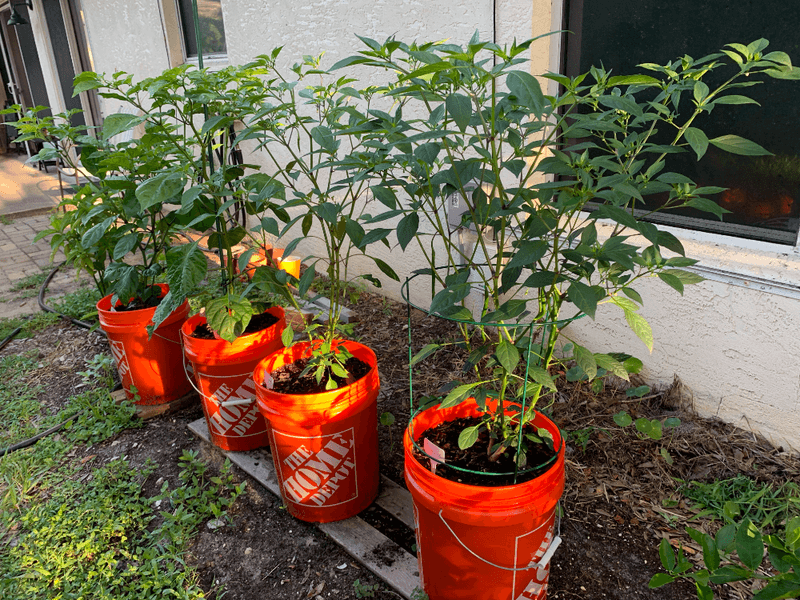
Peppers and Arizona were practically made for each other. Hot summers can eventually stress pepper plants, but spring offers the warm, sunny conditions that peppers absolutely love before temperatures push into extreme territory.
Starting them in buckets gives you control over soil quality and drainage right from the beginning.
Use a container at least twelve inches deep and wide. Bell peppers and jalapeños both perform well in spring gardens, but compact varieties like Lunchbox or Patio Red work especially well in buckets because they stay smaller without sacrificing flavor or yield.
Peppers need consistent moisture to produce well. Uneven watering leads to a condition called blossom end rot, where the bottom of the fruit turns dark and soft.
Checking soil moisture every day and watering deeply when the top inch feels dry helps prevent this problem reliably.
Feed plants with a balanced fertilizer every two to three weeks once flowers appear. Avoid high-nitrogen fertilizers at this stage because they push leafy growth instead of fruit development.
Place containers in a spot that gets full sun for most of the day, since peppers need that warmth to set fruit properly.
Gardeners who start peppers in early March can often harvest their first fruits by late April or early May, well ahead of the intense summer heat season.
Adding a layer of mulch on top of the soil helps pepper roots stay cooler and slows moisture loss once spring temperatures start climbing quickly.
5. Radishes Grow Fast In Lightweight Potting Soil
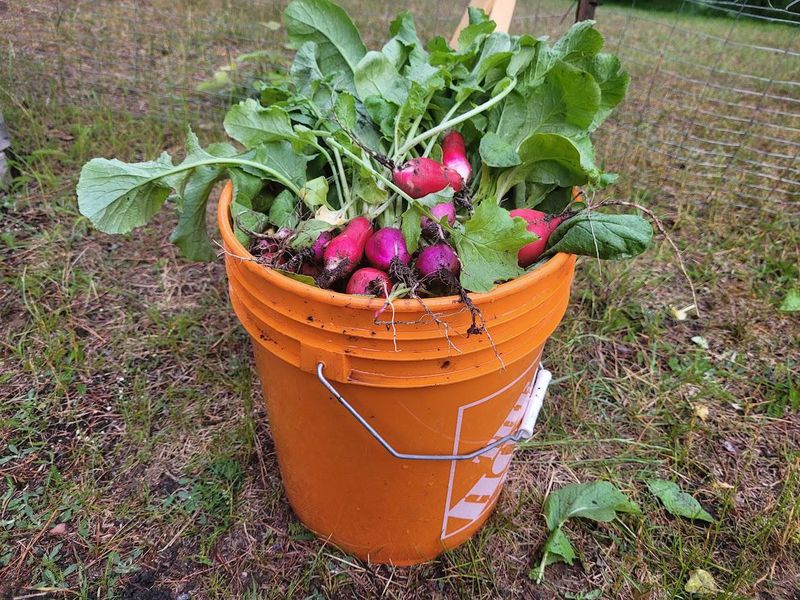
Want results in under a month? Radishes are the answer.
Among all the vegetables Arizona gardeners can grow in containers this spring, radishes deliver the fastest payoff, going from seed to harvest in as little as 22 to 30 days depending on the variety. That kind of speed is deeply satisfying, especially for newer gardeners.
A container just eight to ten inches deep is plenty for most radish varieties. Lightweight potting soil works better than dense mixes because radishes need loose, airy conditions to swell properly underground.
Heavy or compacted soil causes misshapen roots that taste fine but look rough.
Sow seeds directly in the container, spacing them about two inches apart. Thin seedlings to prevent crowding once they reach an inch tall.
Crowded radishes compete for space underground and end up small and woody rather than crisp and round.
Spring in Arizona is genuinely ideal for radishes because they prefer cooler soil temperatures. Once summer heat sets in, radishes bolt quickly, sending up flowers instead of developing roots.
Getting seeds in the ground in late February or early March takes full advantage of Arizona’s mild spring window. Cherry Belle and French Breakfast are two reliable varieties that perform consistently well in containers.
Harvest promptly once roots reach the size of a large marble to keep flavor crisp and mild.
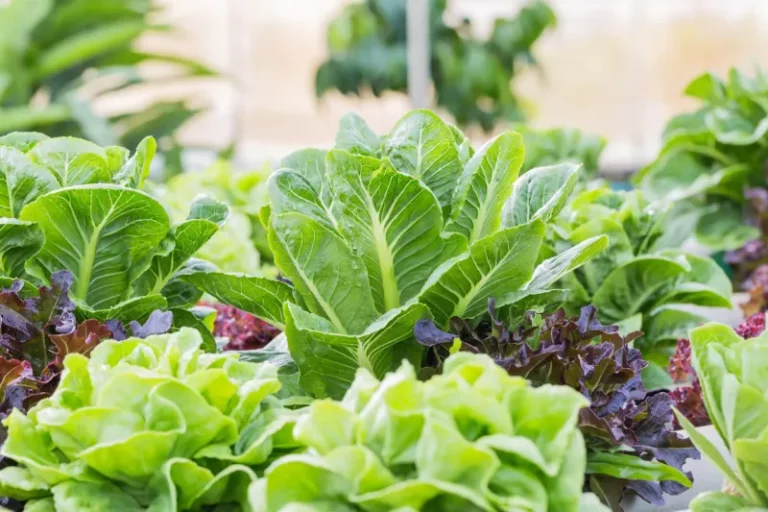
6. Lettuce Handles Mild Spring Weather More Comfortably
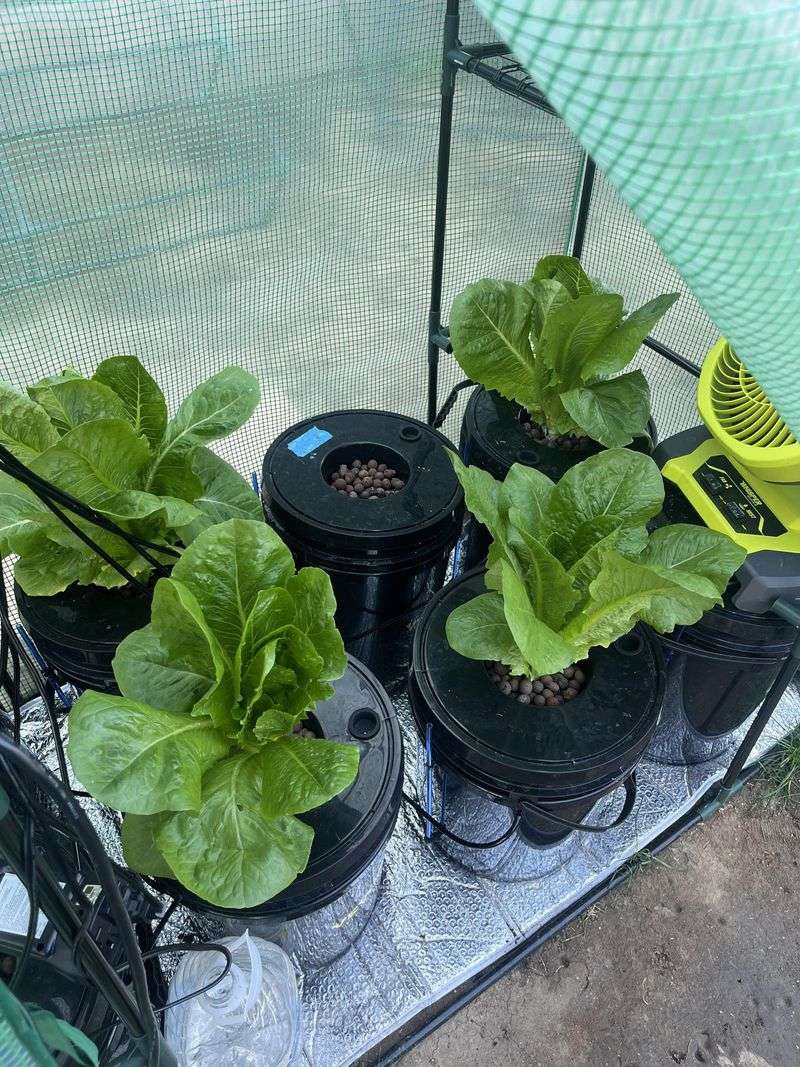
Lettuce has a reputation for being delicate, but in Arizona’s spring climate, it actually performs remarkably well when given a little shade during the hottest part of the afternoon.
Buckets and containers make it easy to move plants around as temperatures shift, which is a big advantage over in-ground planting.
Wide, shallow containers work best for lettuce since roots do not go very deep. A container about six to eight inches deep with good drainage holes is all you need.
Loose-leaf varieties like Red Sails, Black Seeded Simpson, or Buttercrunch tend to be more forgiving than head lettuce types in container conditions.
Plant seeds or transplants in early spring before daytime highs consistently exceed 80 degrees. Lettuce begins to bolt and turn bitter once heat builds, so timing matters.
Morning sun with afternoon shade extends the harvest window noticeably, especially in Arizona’s warmer low-desert regions like Phoenix and Tucson.
Water regularly to keep soil evenly moist, as lettuce roots are shallow and dry out quickly in containers. Harvest outer leaves as needed rather than pulling the whole plant at once.
This cut-and-come-again method keeps fresh leaves coming for weeks.
Adding a light layer of mulch on top of the soil helps retain moisture and keeps roots slightly cooler during warm afternoons, which lettuce genuinely appreciates throughout the spring season.
7. Cucumbers Climb Easily With Simple Bucket Trellises
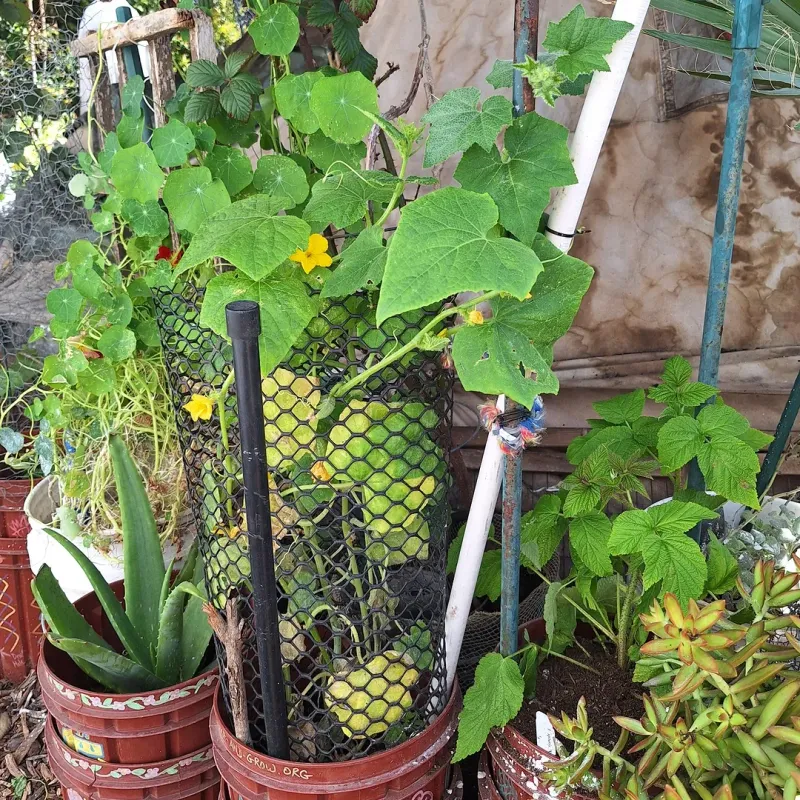
Cucumbers in a bucket might sound ambitious, but it works better than most people expect. The key is giving vines something to climb.
A simple wooden stake, a small wire cage, or a bamboo frame attached to the bucket keeps growth vertical, saves space, and actually improves air circulation around the leaves.
Use a large container, at least five gallons, preferably more. Cucumbers are thirsty plants, and small containers dry out too fast in spring sunshine.
Bush cucumber varieties like Spacemaster or Patio Snacker work especially well in buckets because they stay compact while still producing a solid harvest.
Plant seeds or transplants after the last frost risk has passed, which in many low desert areas happens well before March.
Cucumbers grow fast once soil temperatures stay consistently above 60 degrees, and spring soil warms up quickly. Expect flowers within four to five weeks of planting.
Consistent watering is critical. Irregular moisture causes a bitter flavor in cucumbers, so aim for steady, deep watering every day or two depending on temperatures.
Harvest fruits when they reach full size but before they yellow, because overripe cucumbers signal the plant to slow production.
Gardeners in the Phoenix and Scottsdale areas often find that buckets placed against a south-facing wall give cucumbers the warmth boost they need to thrive all spring long without extra effort.
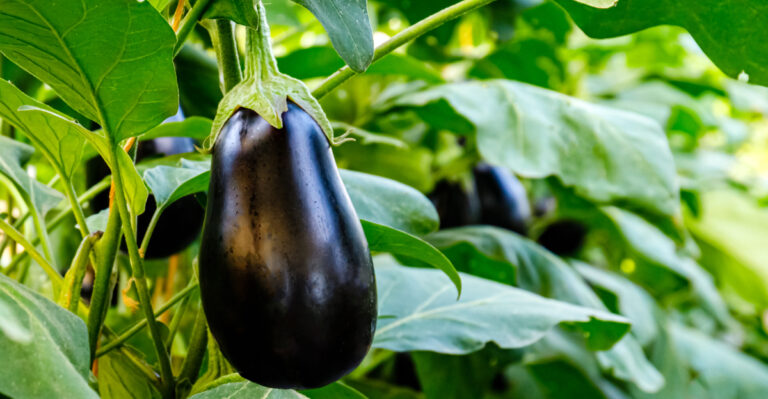
8. Eggplant Develops Strong Roots In Deep Containers
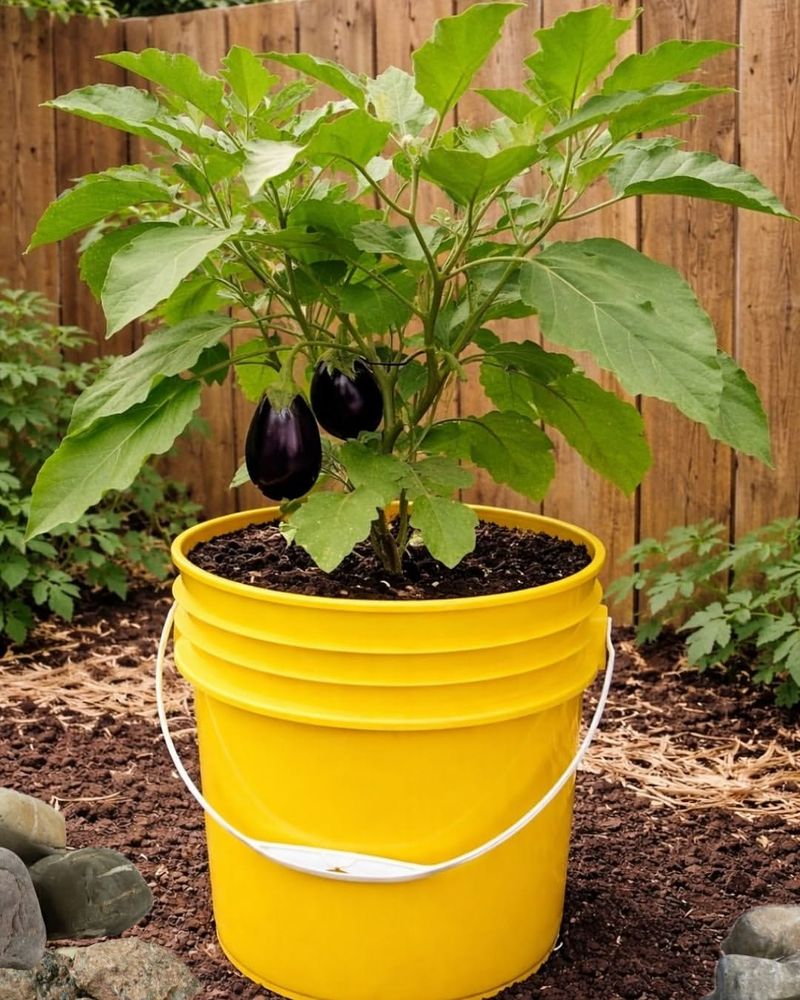
Eggplant is not usually the first vegetable that comes to mind for bucket gardening, but it genuinely excels in containers when given enough depth.
Arizona’s warm spring temperatures match almost perfectly with what eggplant needs to establish strong roots and start producing fruit before summer pushes temperatures past comfortable growing ranges.
Select a container at least twelve to fifteen inches deep. Eggplant roots run significantly deeper than most other vegetables, and shallow containers restrict growth in ways that reduce fruit size and overall production.
Fill with a rich, well-draining potting mix and add compost if available.
Compact varieties like Patio Baby or Ichiban perform especially well in Arizona container gardens. Patio Baby in particular stays small enough to thrive in a single large bucket while still producing dozens of small, flavorful fruits.
Place containers in full sun, since eggplant needs warmth and light to develop properly.
Water deeply and consistently, aiming to keep soil evenly moist without creating waterlogged conditions. Eggplant is slightly more drought-tolerant than tomatoes or cucumbers, but dry spells still cause fruit to develop poorly.
Feed every two weeks with a balanced fertilizer once flowering begins.
Arizona gardeners who start eggplant in March can often harvest their first fruits by late May, making spring the ideal season to get this rewarding vegetable established in containers before summer fully arrives.