This Is The Right Way To Water Ohio Hydrangeas
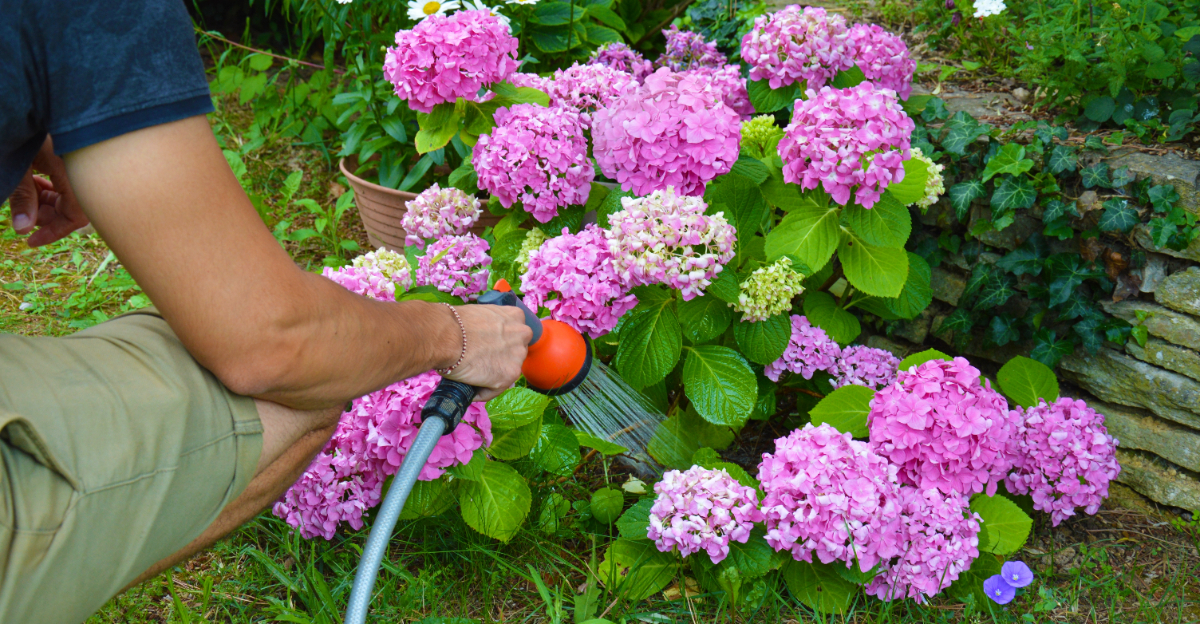
Ohio hydrangeas can be dramatic little weather reporters. One hot afternoon, and their leaves droop like the whole plant has given up on life.
The tricky part is that more water is not always the answer. Too little can stress them, too much can leave the roots sitting in trouble, and Ohio’s clay soil loves to make the whole thing more confusing.
So how do you water hydrangeas without babying them or drowning them? It comes down to timing, depth, and paying attention to what the soil is doing below the surface.
Once you get that part right, your hydrangeas have a much better shot at holding their blooms, handling summer heat, and looking lush instead of permanently exhausted.
1. Water Deeply Instead Of Sprinkling The Surface
A quick sprinkle at the surface can fool you into thinking the job is done. The top inch of soil might feel damp right after watering, but just a few inches below, the root zone could still be bone dry.
Roots need moisture at depth, not just at the surface, so shallow watering often does not reach where it counts most.
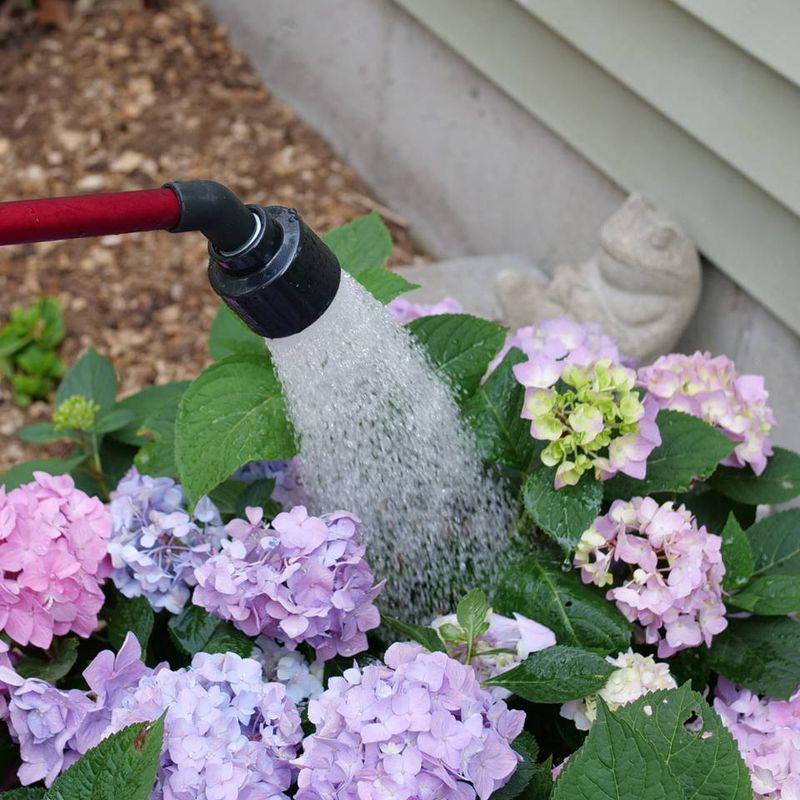
Slow, deep watering lets water move down through the soil profile and reach the root zone where hydrangeas actually take it up. University Extension resources recommend watering slowly around the base of shrubs.
Avoid quick sprays across the foliage and top layer of soil. This approach is especially useful during dry summer stretches when the soil dries out quickly between rain events.
A soaker hose or a slow trickle from the hose laid near the base of the plant works well for this. You are not aiming to flood the area.
The goal is steady, gradual moisture that gives the soil time to absorb water before it runs off. Deep watering also encourages roots to grow downward, which helps the plant handle dry periods better over time.
2. Check The Soil Before Reaching For The Hose
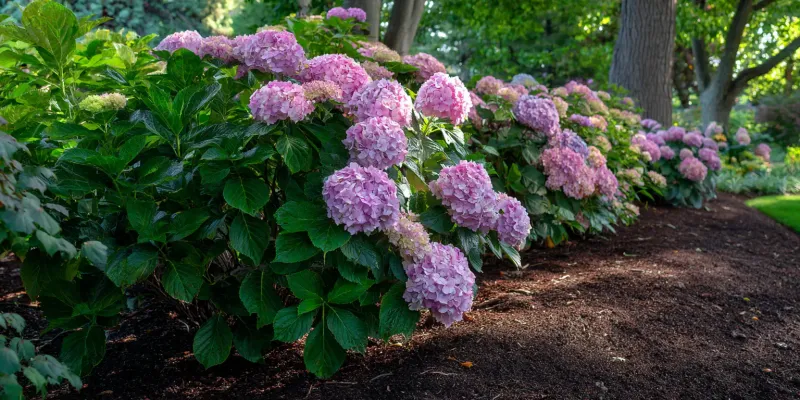
Soil can be misleading. The surface dries out fast on a warm afternoon, making it look like the whole root zone needs water.
Dig down a couple of inches, though, and you may still find plenty of moisture. Watering by looks alone can lead to overwatering, which stresses roots just as much as drought does.
A simple finger test is one of the most practical tools a home gardener has. Push your finger two to three inches into the soil near the base of the plant.
If the soil at that depth still feels cool and moist, hold off on watering. If it feels dry, it is time to water.
This quick check takes seconds and keeps you from adding water the plant does not need.
Avoid falling into a fixed watering schedule that ignores what the soil is actually telling you. Weather, soil type, mulch cover, and recent rainfall all change how fast the root zone dries out.
A week of cloudy, cool weather in northern counties will leave soil much wetter than a stretch of hot, dry days in southern areas. Let the soil guide you, not the calendar.
Your Ohio Garden Changes Every Week. Your Plan Should Too.
Gardening in Ohio changes quickly throughout the season. Every Friday you’ll receive a simple weekly plan showing exactly what to plant, prune, fertilize, harvest, and protect so you never miss the right timing.
3. Keep Roots Moist, Not Waterlogged
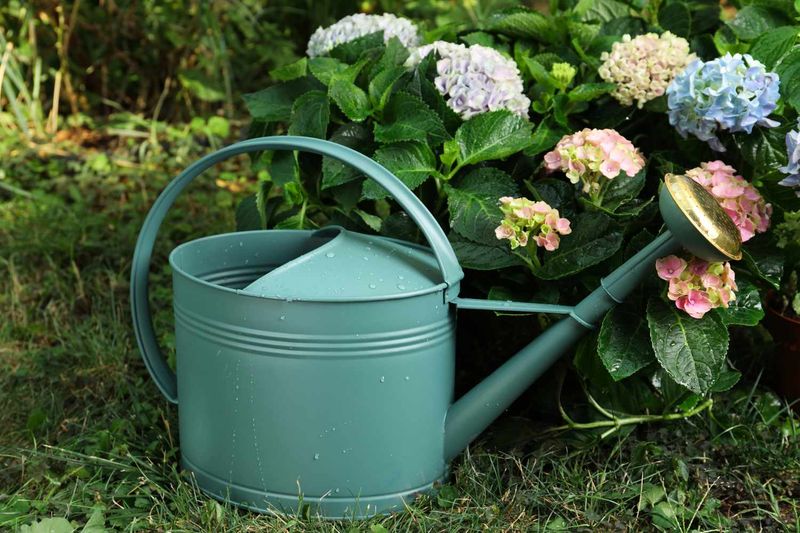
Hydrangeas have a reputation for loving water, and they do prefer consistently moist soil.
But there is a real difference between moist and waterlogged, and that difference matters a lot for root health.
Soggy soil that does not drain well can stress roots and weaken the plant over time.
Good drainage is just as important as regular moisture. Roots need oxygen in the soil to function properly.
When soil stays saturated for extended periods, air spaces fill with water and roots can struggle. Ohio State University Extension guidance emphasizes well-drained soil for healthy woody plants.
That includes ornamental shrubs like hydrangeas.
Clay-heavy yards across the state are especially prone to holding water too long after heavy rain. If water pools around your hydrangeas for more than a day after a storm, that is a sign the drainage situation needs attention before you add more water.
Sandy or loamy soils drain faster and may need more frequent moisture checks during dry spells. The goal is steady moisture with enough drainage to keep roots breathing.
Finding that balance is the core of good hydrangea care, and it looks different depending on your soil and site.
4. Use Mulch To Hold Moisture During Dry Spells
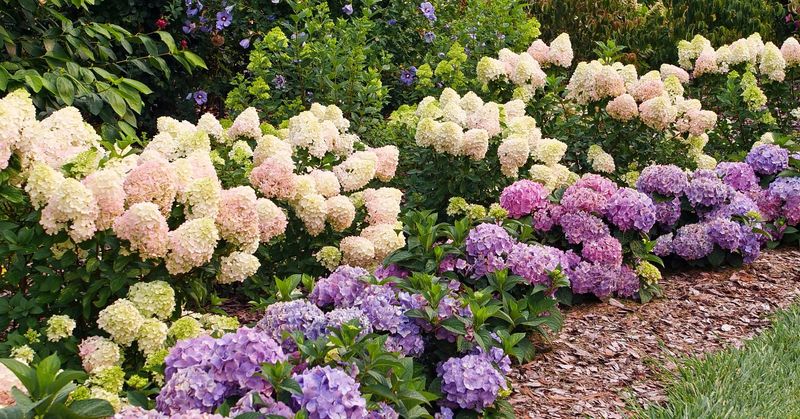
Mulch is one of the most underused tools in a home gardener’s routine. A layer of organic mulch around your hydrangeas can slow moisture loss from the soil surface.
That means less frequent watering during hot, dry stretches. It also helps moderate soil temperature and can suppress weeds that compete for water and nutrients.
Ohio State University Extension recommends applying two to four inches of organic mulch around trees and shrubs, keeping it away from the base of the stem. Pull mulch back from the crown and stem of the plant.
Piling mulch against the stem can hold excess moisture in the wrong place and cause problems over time.
Shredded bark, wood chips, and similar organic materials work well as mulch for shrub beds. As organic mulch breaks down, it also adds organic matter to the soil, which can improve moisture retention and soil structure over time.
Reapply mulch as needed to maintain an appropriate depth, especially after it compacts or decomposes. In clay-heavy yards, mulch helps buffer the soil from heavy rain by slowing runoff.
In drier, sandier spots, it plays an even bigger role in keeping moisture in the root zone between waterings.
5. Water At The Base To Keep Leaves Drier
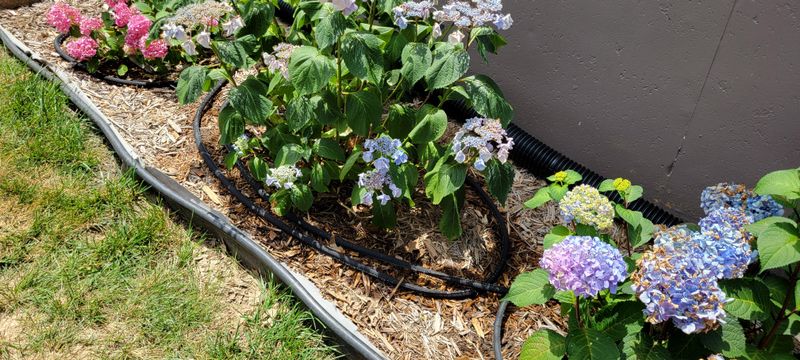
Aiming water at the soil instead of the foliage is a straightforward habit that makes a real difference. Watering at the base directs moisture toward the root zone, which is where the plant uses it.
Spraying water over the leaves and flowers can leave foliage wet, especially in the humid summers common across the Midwest.
Wet foliage in warm, humid conditions can be more troublesome than dry foliage. Watering at the base does not guarantee a disease-free plant.
Still, keeping leaves drier is a sound practice supported by general shrub-care guidance. University Extension resources on landscape plant care often suggest watering at the soil level as a good habit for ornamental shrubs.
Drip irrigation, soaker hoses, or a hose wand with a gentle setting placed near the base all work well for base watering. Morning is generally a better time to water than evening, since any moisture that does land on leaves has time to dry before nightfall.
Avoiding overhead watering from sprinklers is especially worth considering for bigleaf hydrangeas, which tend to have large, soft leaves that hold water easily. Small adjustments in how you deliver water can add up to healthier foliage over an entire growing season.
6. Read Midday Wilt Before You Panic
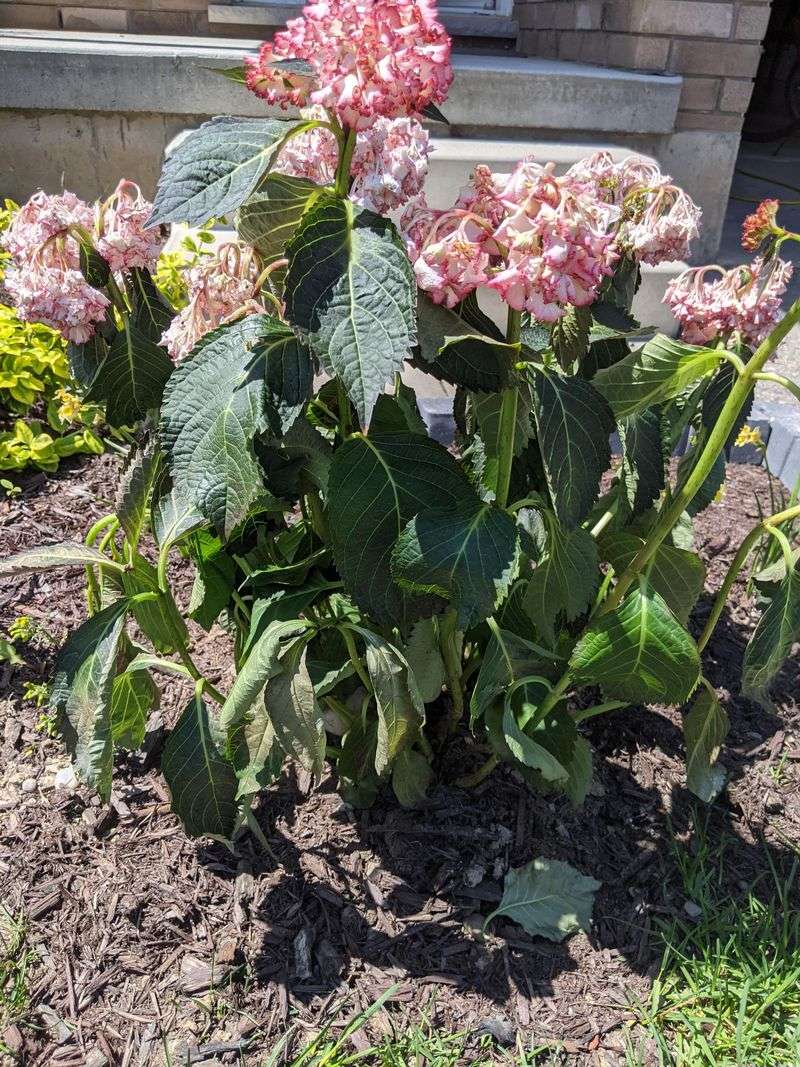
Seeing a hydrangea with drooping, limp leaves on a hot afternoon can send any gardener straight to the hose. But midday wilt is not always a sign that the plant is thirsty.
Hydrangeas, especially bigleaf types, are known to wilt during peak afternoon heat even when the soil has plenty of moisture. The plant is simply losing water through its leaves faster than the roots can take it up.
Before you water, check the soil two to three inches down. If the root zone still feels moist, hold off.
Adding water to already-moist soil will not fix heat stress wilt, and it can contribute to waterlogging if it happens repeatedly. Give the plant until early evening and check again.
If the leaves have perked back up and the soil is moist, the plant was responding to heat, not drought.
Real drought wilt tends to show up in the morning, when temperatures are cooler and the plant has had overnight hours to recover. If leaves are still drooping at the start of the day and the soil is dry below the surface, that is a clear signal to water.
Learning to tell the difference between heat wilt and drought wilt saves you from overwatering and keeps the root zone in better shape through the summer.
7. Give Bigleaf Hydrangeas Extra Attention
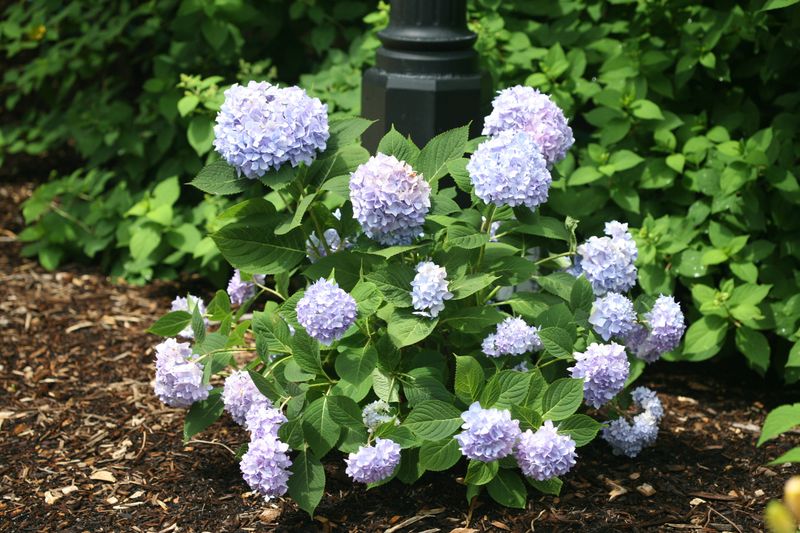
Not every hydrangea handles heat and dry spells the same way. Bigleaf hydrangeas, which include the popular mophead and lacecap types, are especially sensitive to moisture stress.
Their large, soft leaves lose water quickly in hot weather, and they tend to wilt faster and more dramatically than other types.
Oakleaf hydrangeas are native to the southeastern United States and tend to be more tolerant of drought and heat once established. Panicle hydrangeas are also considered more adaptable to a range of conditions, including periods of dryness.
Smooth hydrangeas, like the familiar Annabelle, generally prefer consistent moisture. They can handle clay soil and varied yard conditions better than bigleaf types.
Ohio State University Extension notes that plant selection matters for long-term success in the landscape. Matching the hydrangea type to your site conditions makes watering easier from the start.
If you have a spot with reflected heat, compacted urban soil, or limited irrigation access, a panicle or smooth hydrangea may be a better fit than a bigleaf. But if you already have bigleaf hydrangeas, plan for closer moisture monitoring during hot, dry stretches.
They reward the extra attention with striking blooms that are hard to match in a shaded garden bed.
8. Adjust For Clay Soil, Containers, And Hot Spots
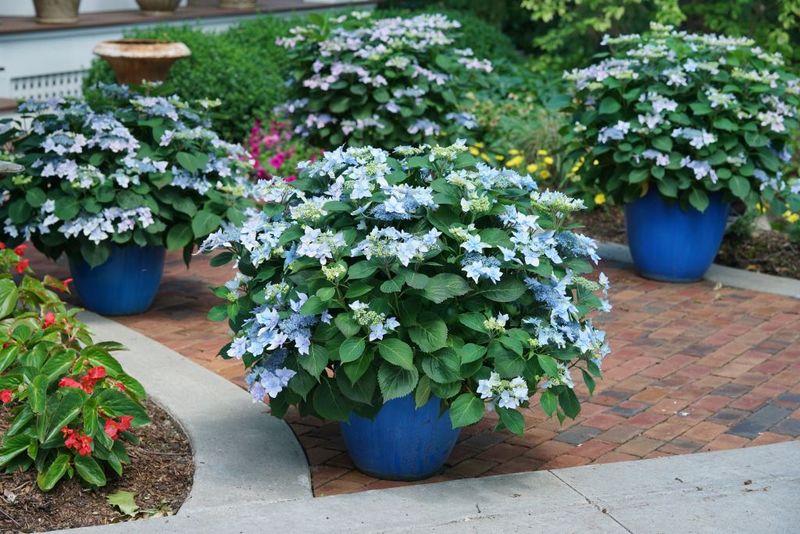
Your watering routine should match your site, not just the plant label. Clay soil is common across many parts of the state, and it behaves very differently from sandy or loamy ground.
Clay holds water longer, which means the root zone can stay wet well after rain. Checking soil moisture before watering is especially important in clay-heavy yards to avoid adding water to soil that is already saturated.
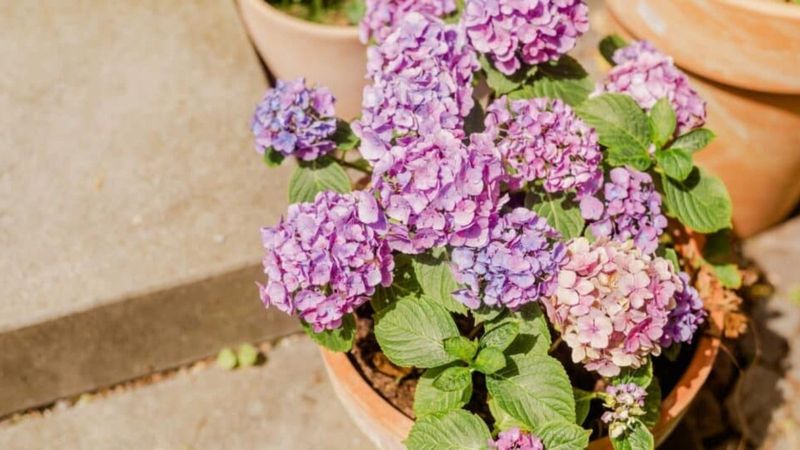
Containers are at the opposite end of the spectrum. A hydrangea growing in a pot on a sunny patio dries out much faster than one planted in the ground.
Containers lose moisture through their walls and drain more quickly, so they need more frequent checks, especially during hot weather. Urban gardens near pavement or walls can also dry faster because reflected heat pulls moisture from both the plant and the soil.
Slopes and exposed spots present their own challenges. Water runs off slopes before it has time to soak in, so slow watering is even more important in those locations.
Shaded beds under trees may stay moist longer but can also compete with tree roots for water. Southern counties tend to face longer stretches of summer heat than northern gardens, which shortens the time between dry spells.
Matching your watering to the actual conditions of your specific spot is the most reliable approach.
9. Fix Drainage Before Watering More Often
A hydrangea that looks stressed in constantly wet soil is not asking for more water. It may actually be suffering from too much of it.
Poor drainage keeps roots sitting in saturated soil, which limits their ability to function well. Adding more water to an already soggy spot makes the problem worse, not better.
If water pools around your hydrangeas after rain and takes more than a day to drain away, the drainage situation needs attention before anything else.
Ohio State University Extension guidance on landscape planting notes that poorly drained sites can limit plant establishment and long-term health.
Improving drainage might mean choosing a different planting location. You can also add organic matter over time or consider a raised bed if the issue is severe.
Moving a hydrangea to a spot with better drainage is sometimes the most practical fix. Sites with gentle slopes that allow water to move away from the root zone naturally tend to work better than low spots where water collects.
Raised beds can also help in areas where in-ground drainage is limited. If you are not sure whether drainage or drought is the issue, check the soil at root depth.
Moist or wet soil combined with a struggling plant usually points to drainage, not thirst. Solving the right problem makes all the difference.