The Biggest Mistake Ohio Gardeners Make With No Mow May
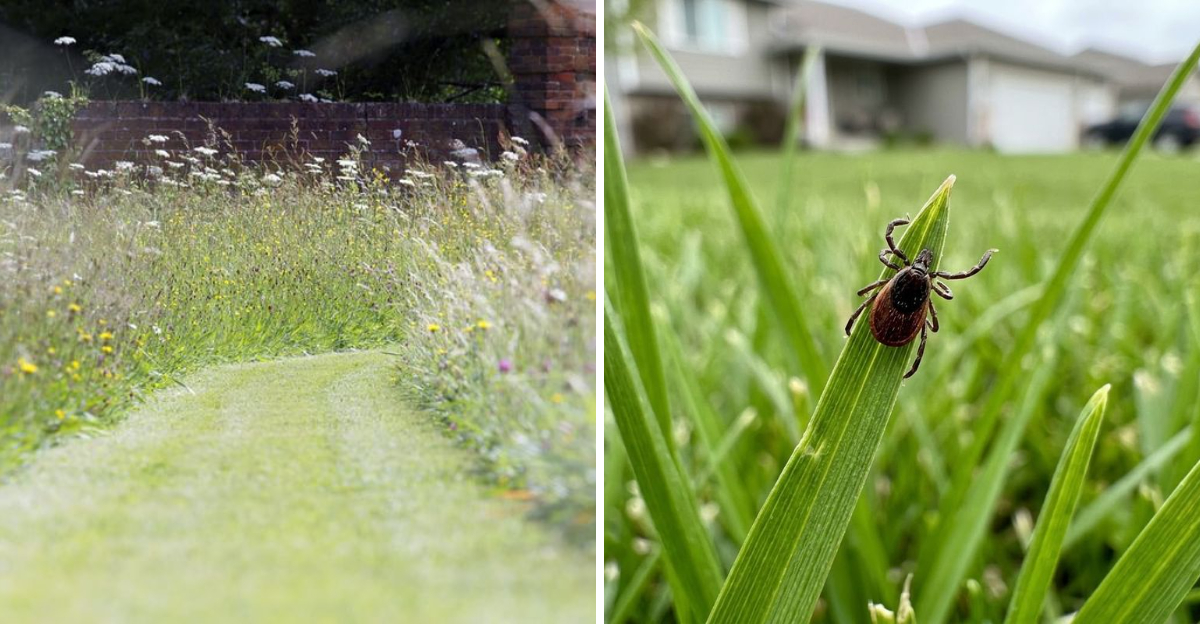
No Mow May has picked up a lot of momentum in Ohio over the last few years. The idea is simple, put the mower away for a month, let things grow, and give early pollinators a fighting chance before summer kicks in.
Hard to argue with the intention behind it. But somewhere between the concept and the execution, a lot of Ohio gardeners run into problems they did not see coming.
The month ends, they look at their yard, and the situation is more complicated than they expected. Some of those complications are cosmetic.
Some affect your soil. And some, if you are not paying attention to what is actually growing back there, can turn your yard into prime real estate for ticks before you even realize it.
1. Do Not Let No Mow May Turn Into Tick Habitat
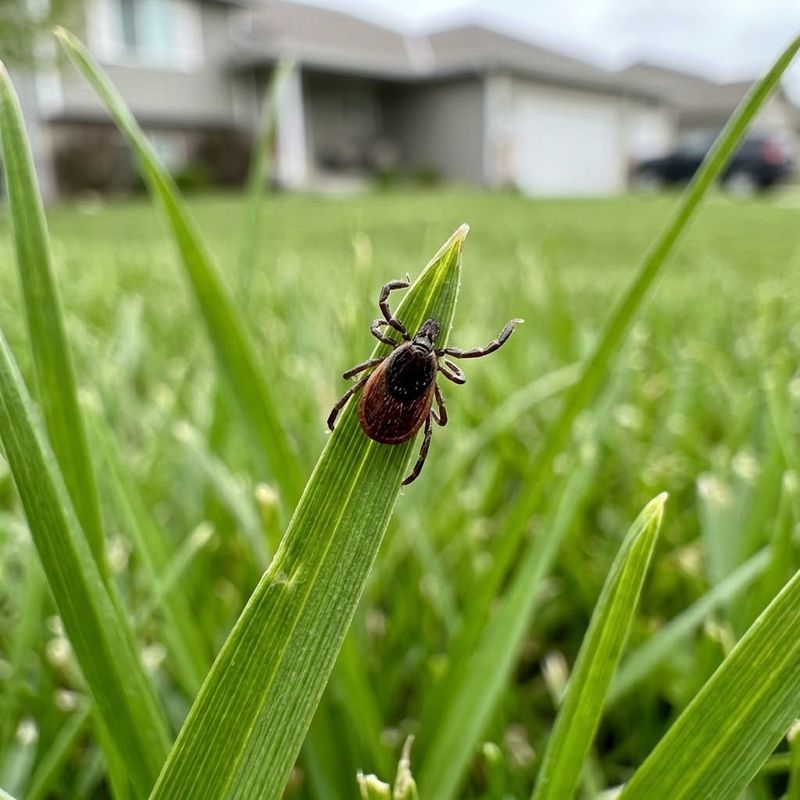
Somewhere between the best intentions and a busy May schedule, a lot of Ohio lawns quietly turn into something ticks would love.
That is the core mistake of No Mow May as most people practice it: skipping all mowing everywhere, including the spots where families actually spend time.
Ticks in Ohio are active during warm months, and May fits that window perfectly. They tend to gather in taller grass, brushy edges, leaf litter, and low-hanging vegetation, basically anywhere people or pets brush against plants while moving through the yard.
Letting the entire lawn grow unchecked raises the chance of tick contact in exactly the places where contact is most likely.
A pollinator-friendly yard can still be a managed yard. The goal is not to mow every blade of grass on the first of May and again on the thirty-first.
The goal is to be thoughtful about which parts of the yard grow longer and which parts stay short enough for safe, comfortable everyday use.
Practical takeaway: keep No Mow May as your inspiration, but draw a clear line between the areas you are intentionally leaving for pollinators and the areas where your family moves around every day. Unmanaged growth in high-use zones is the mistake.
Managed longer growth in low-use spots is the whole point.
2. No Mow May Helps Pollinators But It Still Needs Boundaries
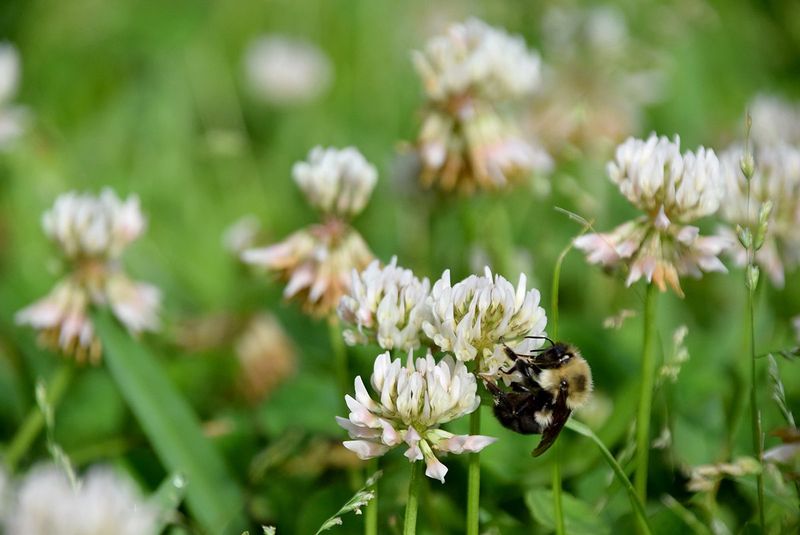
Clover, violets, and dandelions are not weeds to a hungry bumblebee. Early May in Ohio can be a tough stretch for pollinators because many garden flowers have not opened yet, and these low-growing lawn plants fill a real gap in the food supply.
That is the genuine value of No Mow May, and it deserves credit.
The movement works best when gardeners set intentional boundaries instead of simply stopping all mowing everywhere.
Lower-use areas of the yard, a back corner, a strip along a fence line, or a sunny patch away from foot traffic, are natural candidates for longer growth.
Walkways, play areas, edges near the patio, and dog runs do not need to be part of the experiment.
Ohio yards come in all shapes and sizes, and not every lawn has a neat back corner to designate. Even a few square feet of intentionally unmowed clover near a garden bed can provide real pollinator value without turning the whole yard into unmanaged growth.
Your Ohio Garden Changes Every Week. Your Plan Should Too.
Gardening in Ohio changes quickly throughout the season. Every Friday you’ll receive a simple weekly plan showing exactly what to plant, prune, fertilize, harvest, and protect so you never miss the right timing.
Boundaries protect both the people using the yard and the pollinators benefiting from it.
Practical takeaway: before May starts, spend five minutes walking your yard and deciding where longer growth makes sense.
Choosing ahead of time means No Mow May becomes a plan instead of an accident, and that small difference changes everything about how the month goes.
3. Ticks Turn Tall Grass Into A Bigger May Concern
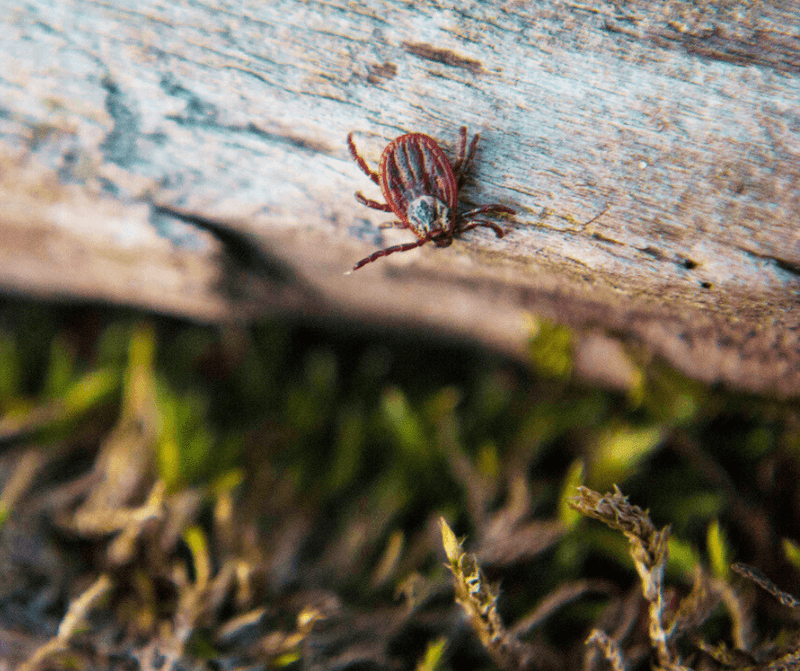
Ohio health officials warn that tickborne diseases are an increasing concern in the state, and spring is not too early to start paying attention. Warm May temperatures bring ticks out of dormancy, and the habits that come with No Mow May, walking through tall lawn patches, gardening near brushy edges, letting dogs roam unmowed areas, can quietly increase tick contact.
The problem is not a dandelion blooming in the lawn. The problem is unmanaged vegetation in the places where people and pets move around most.
A child cutting through the backyard, a dog doing laps around the fence line, a gardener kneeling near a brushy edge to pull weeds, all of these are moments of potential tick contact when the surrounding grass is tall and untrimmed.
Looking at the yard from tick-contact height, roughly knee level and below, is a useful habit. That is the zone where most tick encounters happen.
Grass that brushes against ankles, calves, and a dog’s belly is the grass worth managing carefully, even during No Mow May.
Walk your yard and notice where people and pets actually travel. Those travel routes are the zones that matter most for tick management.
Letting a distant corner grow long is very different from letting the main backyard path grow unchecked, and treating them the same is the mistake to avoid.
4. Keep Paths Play Areas And Pet Runs Mowed Short
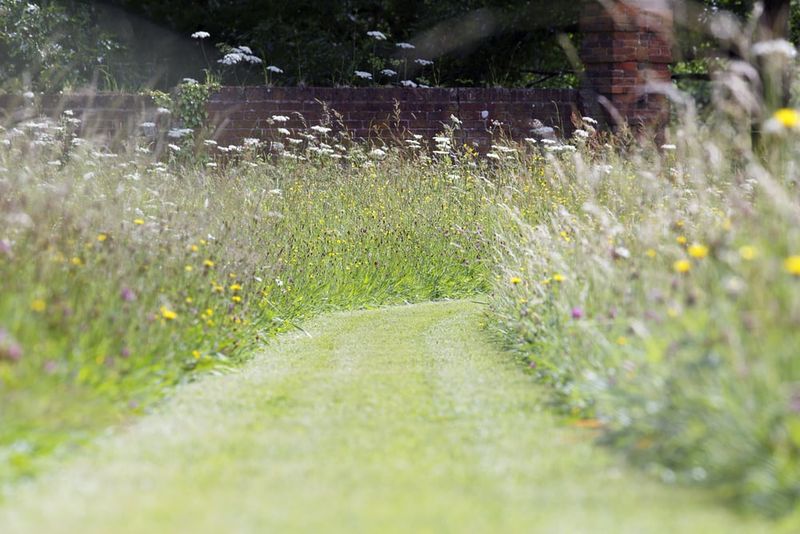
One of the simplest and most effective things an Ohio gardener can do during No Mow May costs nothing and takes less than an afternoon: mow a short buffer around the places where life actually happens in the yard.
Sidewalks, patios, mailbox strips, swing sets, raised garden beds, shed pathways, gate openings, and dog runs are all worth keeping trimmed short throughout the month.
Short grass in these zones acts like a practical border. People move through without brushing against tall vegetation, kids can play without wading through ankle-high growth, and dogs can follow their usual routes without picking up hitchhikers along the way.
Ticks can attach to pets just as easily as to people, and a dog that runs through tall grass every day and then comes inside is worth thinking about in May.
The contrast between a mowed path and an intentional flowering patch nearby actually makes the pollinator area look more like a design choice and less like a neglected lawn.
Neighbors and guests notice the difference between managed and unmanaged, and a tidy border goes a long way toward making the whole yard feel intentional.
Map the most-used routes in your yard and make sure those stay short all month. The pollinator value of No Mow May lives in the flowering patches you choose, not in the grass that happens to grow across your main walking path.
5. Check Yourself Kids And Pets After Yard Time
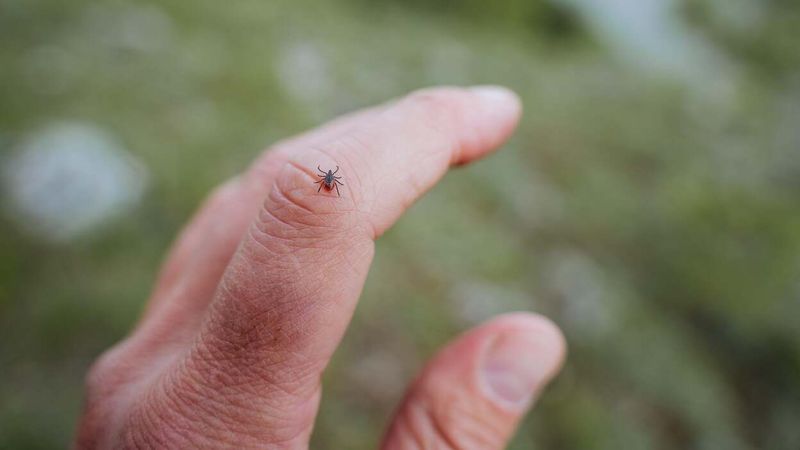
Spending time in the yard in May is one of the best parts of living in Ohio, and a tick check afterward does not have to be a big production. Making it a quick routine habit, like rinsing muddy shoes at the back door or putting garden tools away, keeps the habit realistic enough to actually stick through the whole season.
Anyone who has been near taller grass, brushy edges, leaf litter, or garden borders should do a check after coming inside. For people, that means running a hand along the hairline, behind the knees, around the waistline, and along sock lines, the spots where ticks tend to settle.
For kids, who often roll in grass and crouch near plants in ways adults do not, a quick once-over of the neck, scalp, and behind the ears is worth the extra minute.
Pets deserve attention too. Dogs that roam through any kind of taller vegetation should have their legs, belly, ears, and collar area checked regularly.
A tick found early is a tick removed before it has time to cause problems.
Post a simple reminder near the back door during May and June if it helps. Something as low-key as a sticky note that says check yourself and the dog is enough to turn a new habit into an automatic one.
Consistency through the season matters more than perfection on any single day.
6. Use Repellent When The Lawn Gets Taller
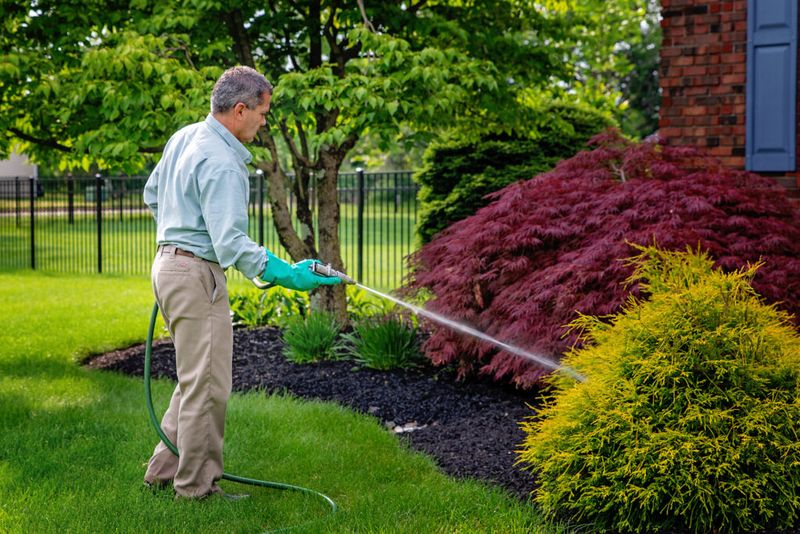
Long pants tucked into socks might not be the most glamorous garden look, but it is one of the most practical things you can wear when working near taller grass or brushy edges in May.
Clothing that covers skin and reduces direct contact with vegetation is a straightforward first line of protection when the lawn is on the longer side.
Ohio health guidance recommends EPA-registered repellents for tick protection, with the instruction to follow label directions carefully. Products containing DEET, picaridin, or IR3535 are among the options registered for this use.
Reading the label matters because concentration levels, reapplication timing, and guidance for children vary between products, and following directions is the responsible way to use any repellent.
Treated clothing is another option worth knowing about. Some outdoor clothing is pre-treated with permethrin, and loose clothing can also be treated at home using permethrin spray products designed for fabric.
Wearing this kind of clothing when gardening near brushy spots or taller grass gives an extra layer of protection without requiring constant reapplication.
If you plan to work in or around taller grass, brushy edges, or wooded yard borders during May, dress for tick exposure, not just for gardening comfort.
A little preparation before heading outside goes a long way toward reducing contact risk without requiring you to change anything about how you manage the rest of your yard.
7. Replace Random Tall Grass With Better Pollinator Planting
No Mow May can be a genuine turning point for Ohio gardeners who want to do more for pollinators, but the lesson does not have to stop when June arrives. A yard that depends entirely on unmowed turf for pollinator support is working with a pretty limited toolkit.
Intentional flowering plants, especially native or Ohio-friendly species, offer something much more lasting.
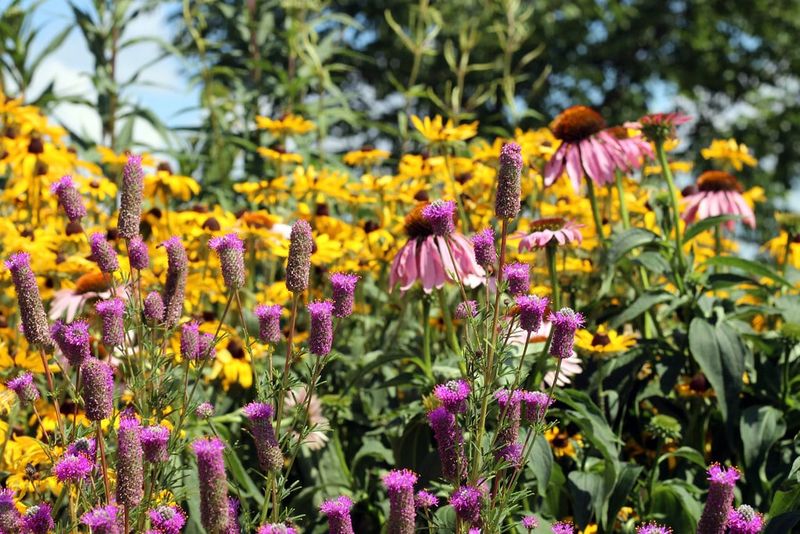
Ohio native plants like wild bergamot, straight species purple coneflower, black-eyed Susan, asters, and mountain mint bloom at different points through the season, giving bees, butterflies, and other pollinators a consistent food source from spring through fall.
A small dedicated pollinator bed, even just a few feet wide along a fence or at the edge of the yard, can outperform an entire unmowed lawn in terms of actual flower density and variety.
Clover-tolerant lawn mixes are another practical option. Some gardeners also choose clover-tolerant lawns or low-growing clover mixes, understanding that white clover and microclover are not Ohio natives.
These can create a shorter flowering lawn surface, but they should be managed so blooms are not concentrated in high-traffic barefoot or pet areas.
Pollinators visit clover-rich lawns even when they are kept at a reasonable height, which removes the tension between pollinator support and tick management entirely.
Use No Mow May as the motivation to add one new native plant or flowering border this season.
That single addition will do more for Ohio pollinators over the long run than a month of skipped mowing, and it gives you a yard that looks and functions better through the whole growing season.
8. Mow Back Gradually Before The Yard Becomes A Mess
By the last week of May, some Ohio lawns have grown tall enough that a single aggressive mow would leave them looking scalped and stressed.
Cutting very tall grass extremely short all at once is hard on the turf and can leave bare patches, yellowed stubble, and a yard that takes weeks to recover its normal look.
Easing back down gradually is the smarter move.
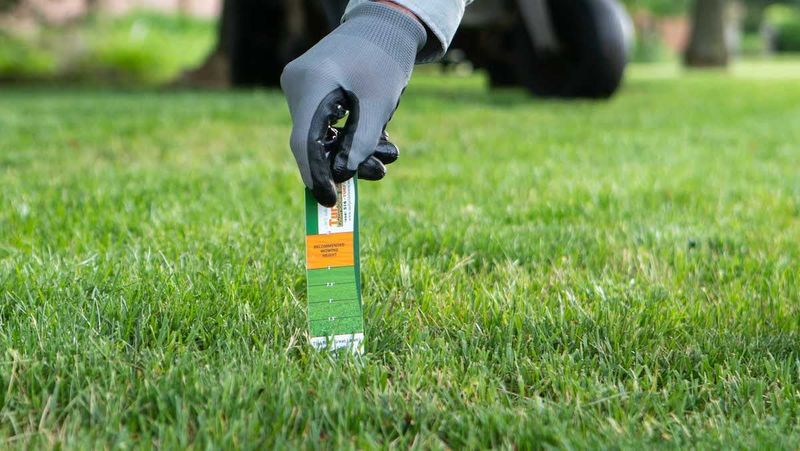
A good rule of thumb is to never remove more than one-third of the grass blade height in a single mowing session. If the lawn has gotten significantly taller than usual, raise the mower deck for the first pass, then come back a few days later and lower it slightly.
Repeating that process over a week or two brings the lawn back to a comfortable height without shocking the grass or leaving it vulnerable.
Sharp mower blades make a real difference here. A dull blade tears grass rather than cutting it cleanly, which stresses the turf and creates ragged tips that turn brown.
May is a good time to sharpen blades or have them sharpened if it has not been done recently.
Plan the end of No Mow May as carefully as the beginning. Keep a few intentional flowering patches going if you want to, but bring high-use areas back to a safe, manageable height gradually.
A thoughtful May lawn is one that works for pollinators, people, pets, and tick awareness, all at the same time, and that balance is what makes the whole effort worth it.