How To Fertilize Geraniums In Florida For More Colorful Blooms
Nobody warns you about the hunger. Geraniums growing in sandy, fast-draining soil are in a constant race against nutrient loss, and most of the time the soil wins before the blooms ever hit their peak.
That is the quiet reason so many Florida patio containers and garden borders look halfway there, plenty of green, not enough color.
The fix is not expensive and it is not complicated, but it does require understanding what geraniums actually need versus what generic fertilizer advice tells you to do.
Bag instructions were not written with subtropical heat and afternoon downpours in mind.
A feeding schedule that works beautifully in spring can stall blooms and stress foliage by midsummer if nobody told you to adjust.
Geraniums are generous plants. Point them in the right direction with the right nutrients at the right time and they show up for you in a way that makes the whole patio look intentional.
1. Start Feeding When Geraniums Are Actively Growing
A good feeding routine starts with timing, and timing means watching the plant rather than just flipping to a calendar page. Geraniums respond best to fertilizer when they are already putting out new growth, showing firm green stems, and drinking water at a steady pace.
Those are the signs that roots are active and the plant is ready to use nutrients.
Feeding a stressed or struggling plant is a very different situation. A geranium that has been sitting in soggy soil, recovering from extreme heat, or adjusting to a new pot is not in the best position to take up nutrients efficiently.
Fertilizing too early in that case can sometimes add more stress than it relieves.
Look for clear growth cues before you start your feeding schedule. Fresh leaf tips pushing out, buds forming along the stems, and a plant that seems to be filling out its container are all good green lights.
When those signs are present, the plant is telling you it is ready to be fed. Starting your routine at the right moment gives your geraniums a much stronger foundation.
It works better than relying on a fixed date when you want colorful, steady blooms all season long.
2. Use A Balanced Fertilizer For Steady Blooms
The label matters more than guesswork when you are choosing a fertilizer for your geraniums. A balanced fertilizer has nitrogen, phosphorus, and potassium in relatively even proportions.
It can support healthy leaves, strong roots, and reliable blooms without pushing one type of growth at the expense of another. Many Florida gardeners find this approach works well for both container plants and flower bed geraniums.
Fertilizers with a very high nitrogen number tend to encourage lots of leafy green growth. That lush look might seem healthy, but it can sometimes come at the cost of flower production.
A more balanced formula keeps the whole plant working together rather than sending energy in just one direction.
Always follow the product label directions. Rates and application schedules can vary quite a bit from one product to the next, and the label is written with those specific concentrations in mind.
Your Florida Garden Changes Every Week. Your Plan Should Too.
Gardening in Florida changes quickly throughout the season. Every Friday you’ll receive a simple weekly plan showing exactly what to plant, prune, fertilize, harvest, and protect so you never miss the right timing.
Using more than the recommended amount does not speed up blooming and can actually set your plants back. Liquid balanced fertilizers are popular for containers because they move through the potting mix quickly and evenly.
Granular balanced options can work well in garden beds. Whichever form you choose, steady and consistent feeding at the right rate tends to produce better results.
Irregular heavy applications are less helpful throughout the growing season.
3. Feed Lightly Instead Of Pushing Too Hard
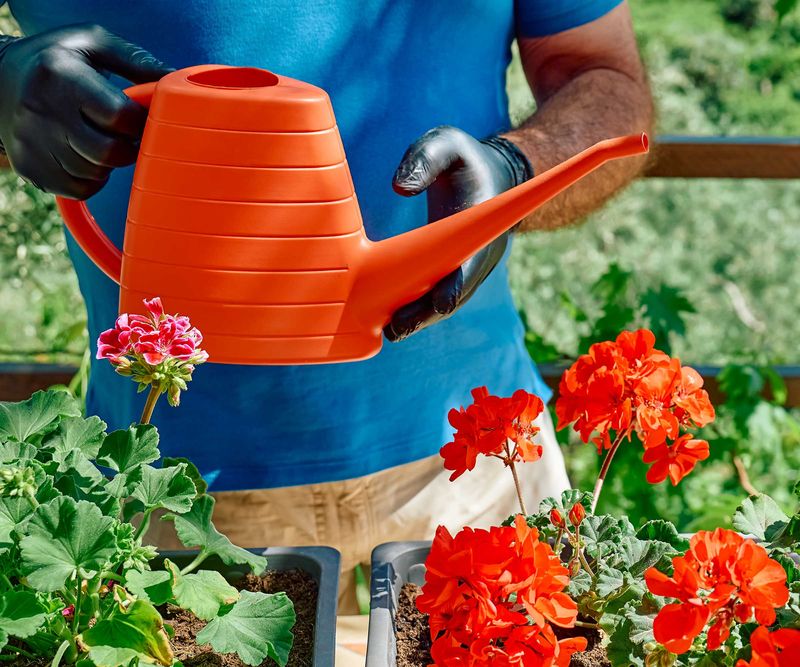
More fertilizer is not always better, and geraniums are a good example of a plant that can show you that pretty quickly. Overfeeding often leads to soft, floppy growth that looks lush but does not hold up well in heat or humidity.
Plants that have been pushed too hard with nutrients can also produce fewer reliable blooms over time.
In containers, one of the more common side effects of heavy fertilizing is salt buildup in the potting mix. Fertilizer salts can accumulate near the roots when plants are fed too frequently or in large amounts.
This buildup can make it harder for roots to absorb water properly, even when the soil feels moist. A gentle, steady routine avoids this problem and keeps the root environment healthier.
Think of light, regular feeding as a slow and steady approach rather than a dramatic boost.
Many experienced container gardeners prefer to feed at a reduced rate more often rather than applying a full dose all at once.
This keeps nutrients available without overwhelming the plant or the potting mix. If you ever notice the tips of leaves looking brown or crispy without an obvious watering issue, look closer.
Salt buildup from overfertilizing is worth considering as a possible cause. Flushing the container with plain water occasionally can help clear out accumulated salts between feeding cycles.
4. Water First To Protect The Roots
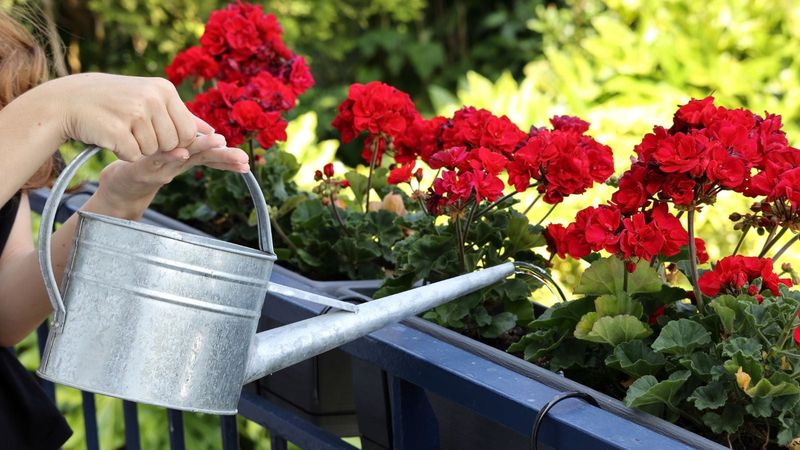
Dry soil can make feeding harder on plants than most gardeners expect. Applying fertilizer to a very dry potting mix or parched garden soil can concentrate nutrients near the root zone in a way that causes stress rather than helping growth.
Watering your geraniums before fertilizing is a simple habit that makes the whole process gentler and more effective.
When the soil is already moist, nutrients from liquid or dissolved fertilizers can move more evenly through the root zone. Roots that are hydrated are also better prepared to absorb what you are offering them.
For container plants, check that the drainage holes are clear and working before you water.
Good drainage means water moves through the mix without pooling at the bottom, which keeps roots healthy and reduces the risk of soggy conditions.
Avoid the opposite extreme as well. Soggy, waterlogged soil is not a good environment for fertilizing either, because roots that are sitting in standing water are already under stress.
The goal is moist but well-drained soil when you apply fertilizer. A quick check before each feeding session, pressing a finger about an inch into the potting mix, can tell you a lot about whether conditions are right.
This small step protects the roots, improves nutrient uptake, and helps your geraniums make the most of every feeding you give them.
5. Slow Down During Extreme Heat
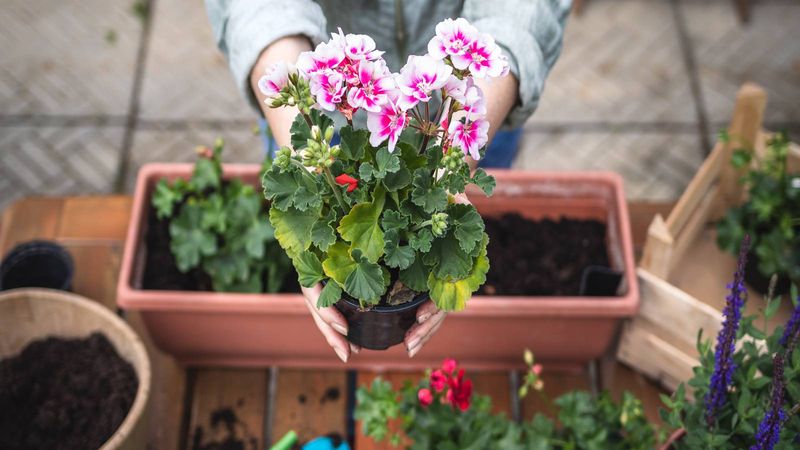
Heat changes the way flowers respond to feeding, and in this state, that is something every geranium grower needs to keep in mind. During stretches of very hot and humid weather, geraniums often slow their growth, reduce blooming, or look temporarily stressed.
That is a natural response to the conditions, not necessarily a sign that something is wrong with your care routine.
Fertilizing a heat-stressed plant is not a reliable fix. When a geranium is wilting in midday heat, dropping older leaves, or simply not putting out new growth, it is in a rest-like state rather than an active growing phase.
Adding nutrients at that point does not speed up recovery and can sometimes add unnecessary pressure on already stressed roots.
The practical approach is to reduce or pause feeding during the hottest spells, particularly in the peak summer months when temperatures stay high day and night.
Focus instead on consistent watering, some afternoon shade if possible, and good air circulation around the plants.
Once temperatures ease a bit and you notice new growth returning, that is a good signal to resume a lighter feeding schedule. Geraniums are more resilient than they sometimes look during heat waves.
Giving them a rest from fertilizing during those periods supports long-term plant health and future bloom production.
6. Watch The Leaves For Feeding Clues
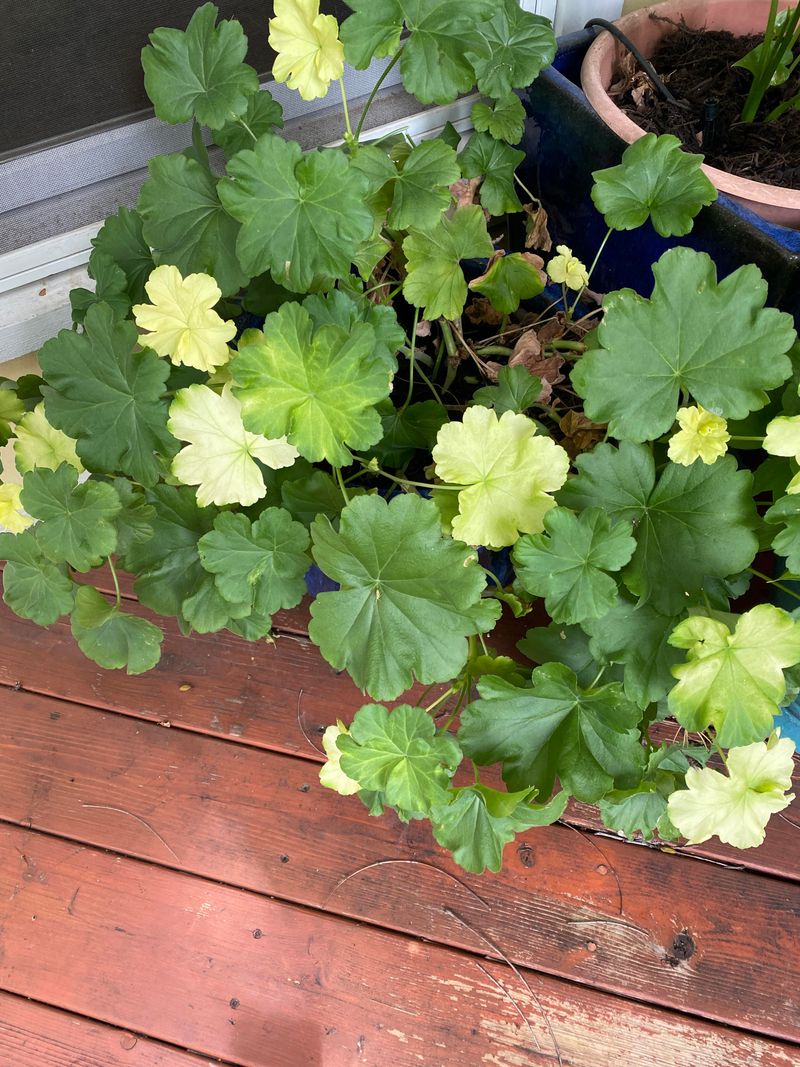
Leaves often tell part of the story when something is off with your feeding routine, but they do not tell the whole story. Pale or yellowing leaves are one of the more common signs gardeners notice and associate with nutrient deficiency.
That connection is sometimes correct. Pale leaves can also result from overwatering, poor drainage, heat stress, root problems, or simply too much direct afternoon sun.
Before adjusting your fertilizer routine based on leaf color alone, take a broader look at the plant’s situation. Check the soil moisture, examine the drainage, and think about recent weather patterns.
A geranium that has been sitting in soggy soil for a week may show pale leaves for reasons that have nothing to do with nutrients. Jumping to add more fertilizer in that case could make things worse rather than better.
On the other hand, slow growth combined with consistently pale leaves on a plant with good drainage and steady watering might genuinely point to a feeding gap. Bloom quality is another useful clue.
Flowers that seem smaller than usual or fade quickly may suggest the plant could benefit from a more consistent feeding routine. Watching the whole plant over time gives you a much clearer and more reliable picture.
It works better than reacting to a single symptom when deciding what your geraniums need from their feeding schedule each season.
7. Refresh Container Soil For Better Nutrient Flow
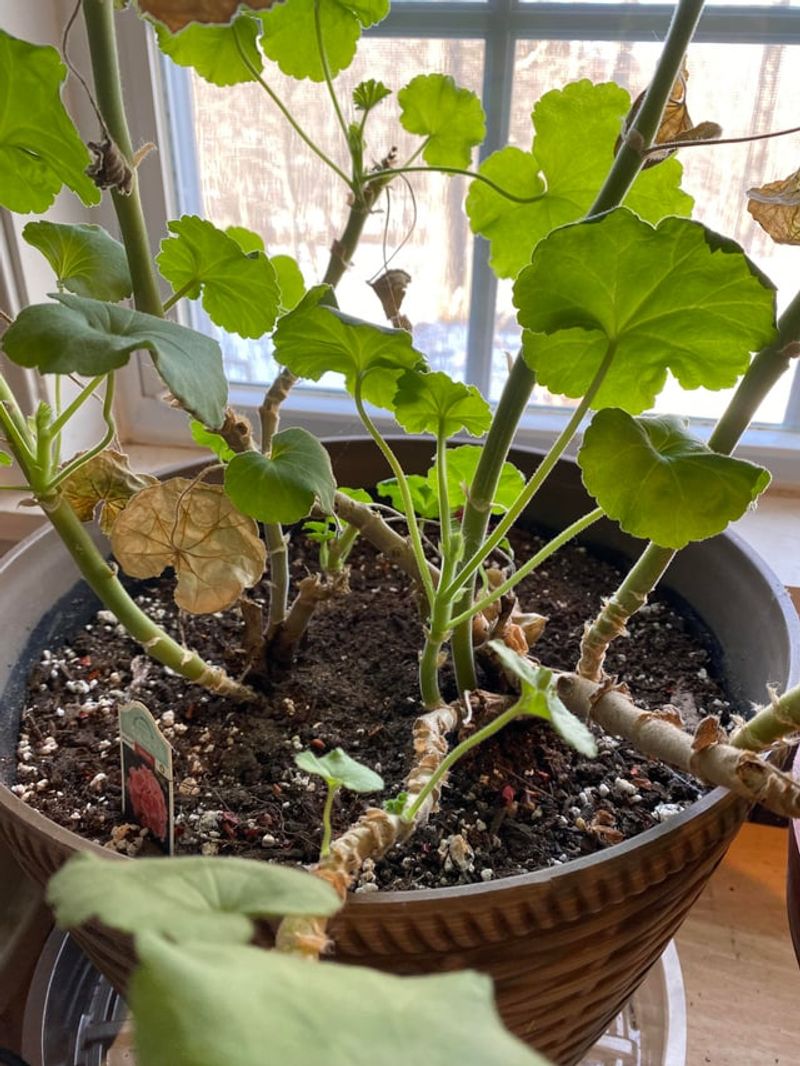
Container plants rely on their potting mix for almost everything, including water retention, drainage, and the ability to deliver nutrients to the roots. Over time, potting mix breaks down, compacts, and loses the open texture that makes it work well.
When that happens, even a good fertilizing routine can struggle to produce the results you are hoping for.
Old potting mix that has become dense and compacted tends to drain poorly and can hold fertilizer salts in ways that are not helpful to the roots. You may notice water sitting on the surface longer than it used to, or the mix pulling away from the sides of the pot as it dries.
Both of those are signs that the mix has aged past its best performance window.
Refreshing the potting mix when you repot your geraniums, typically once a year or when the plant clearly needs more room, gives the roots a clean start.
Use a quality potting mix designed for containers rather than heavy garden soil, which compacts quickly and drains poorly in pots.
A mix with good drainage materials built in will support nutrient uptake much more effectively. Adding fresh mix also reduces salt accumulation and restores beneficial soil structure to the container.
This helps your geraniums stay healthy and ready to respond well to regular feeding throughout the growing season.
8. Adjust Feeding By Region And Season
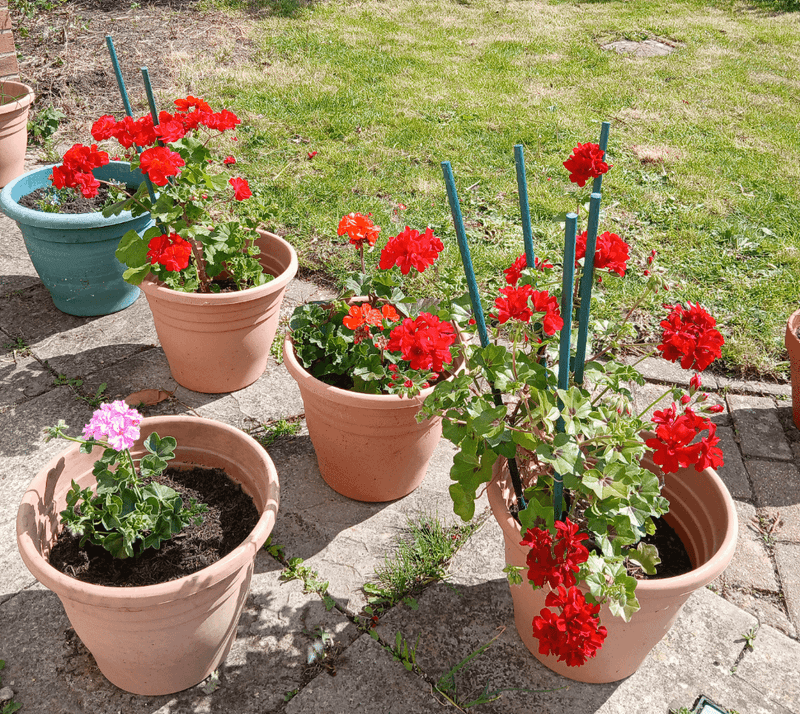
The right schedule can shift by region, and this state covers enough ground that growing conditions in Pensacola look quite different from those in Miami. Gardeners in northern regions of the state often experience more distinct seasonal shifts.
Cooler winters can slow geranium growth or bring plants into a rest period. During those slower months, pulling back on fertilizing makes sense because the plant simply is not growing fast enough to use it efficiently.
Central regions often enjoy longer blooming windows, but summer heat and heavy afternoon rains can still interrupt active growth phases. Gardeners in those areas may find that a flexible schedule works better than a fixed year-round routine.
Feed steadily in spring and fall while easing off during the hottest stretches. Rainfall patterns also matter because heavy summer rains can flush nutrients out of containers more quickly than expected.
In the southern part of the state, geraniums may remain in active growth through more of the year. Still, the heat and humidity during peak summer months call for a careful approach.
Feeding during cooler, drier stretches and reducing applications during hot humid spells tends to produce better results than pushing nutrients year-round. Paying attention to what your specific plants are doing in your specific location is the most practical approach.
It works better than following a one-size-fits-all schedule when you want consistently colorful blooms across any region of this state.