The Oregon Shrubs That Handle Both Wet Winters And Dry Summers Without Any Help
Most shrubs in Oregon get picked for how they look on the tag, not how they actually perform through a full year of Pacific Northwest weather.
That is a problem when wet season arrives and roots start sitting in waterlogged soil for months, then summer flips the switch and the ground turns dry and hard almost overnight.
Very few shrubs handle both extremes without showing the stress. The ones that do are in a category of their own.
Oregon’s climate is not gentle, and it does not forgive plants that were never built for it. But the shrubs on this list were.
They push through soggy winters without rotting out at the roots, then turn around and handle the dry stretch without dropping leaves or looking half gone by August. No extra watering, no drainage fixes, no seasonal babysitting.
Just solid, reliable plants that treat the most difficult conditions like business as usual.
1. Tall Oregon Grape
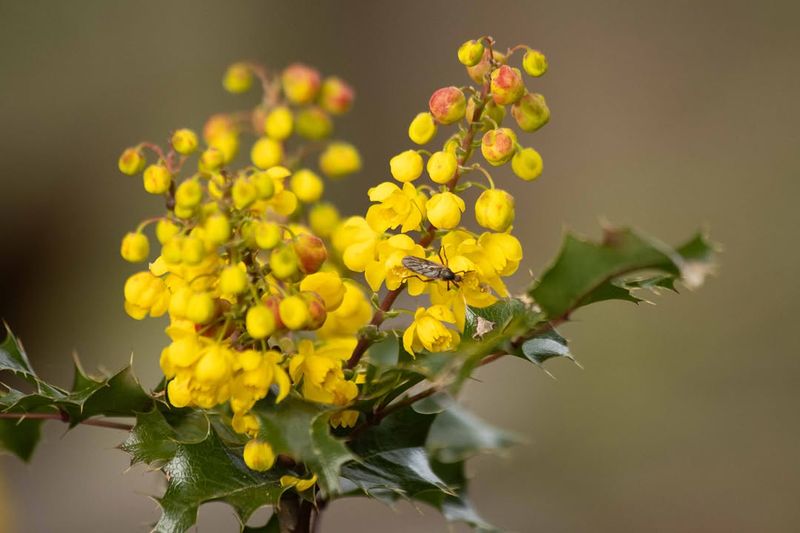
Few plants wear every season as boldly as this one. Tall Oregon Grape is one of the most recognized native shrubs in the Pacific Northwest, and for good reason.
It grows upright, stays evergreen, and never seems to complain no matter what the weather does.
The leaves are stiff and spiny, almost like holly, and they stay deep green through the wettest winters. In early spring, bright yellow flower clusters appear and fill the air with a light, sweet scent.
Those flowers attract bees and other pollinators at a time when not much else is blooming yet.
By late summer, the flowers turn into clusters of small, dusty blue berries. Birds love them, and people have used them for centuries to make jelly and juice.
The berries are tart but loaded with antioxidants, so they are actually good for you too.
Once established, this shrub handles dry summers without any extra watering. It grows in full sun or part shade and tolerates clay soil well.
Plant it as a foundation shrub, a hedge, or a woodland understory plant. It works in almost any spot in your yard.
The roots also contain berberine, a natural compound used in herbal medicine for centuries. This shrub is not just tough and pretty.
It is genuinely useful, deeply rooted in the history of this land, and perfectly built for the climate here.
2. Western Serviceberry
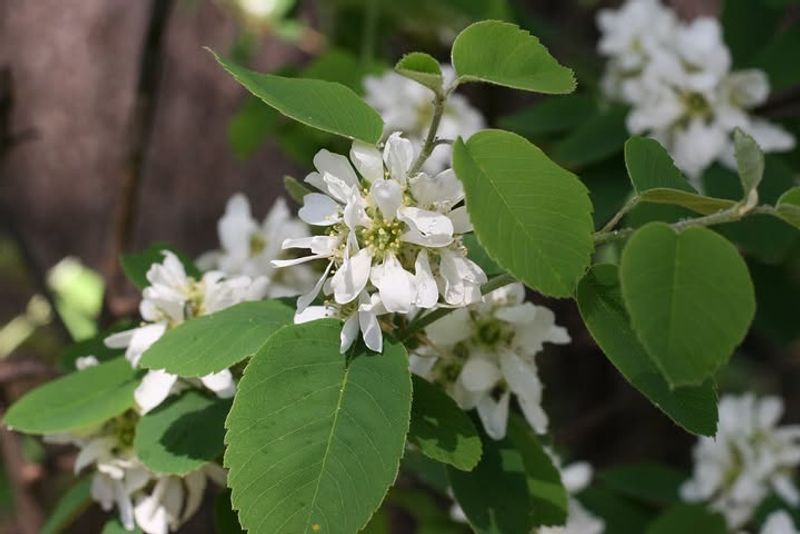
Spring arrives quietly with this one. Western Serviceberry is often one of the very first shrubs to bloom each year, pushing out clusters of delicate white flowers before most trees have even leafed out.
That early bloom makes it a lifeline for pollinators waking up from winter.
The shrub grows naturally along stream banks, rocky slopes, and forest edges throughout this state. That range tells you a lot about its flexibility.
It handles both wet and dry conditions without skipping a beat, which makes it perfect for gardens where the soil moisture changes with the seasons.
By early summer, the flowers give way to small, round berries that ripen from red to deep purple. The berries taste sweet and mild, similar to blueberries, and birds absolutely flock to them.
Your Oregon Garden Changes Every Week. Your Plan Should Too.
Gardening in Oregon changes quickly throughout the season. Every Friday you’ll receive a simple weekly plan showing exactly what to plant, prune, fertilize, harvest, and protect so you never miss the right timing.
If you want to attract cedar waxwings, robins, and other fruit-eating birds, this shrub is one of the best choices you can make.
In fall, the leaves turn shades of orange and red before dropping, so the plant earns its keep in every single season.
It can grow as a multi-stemmed shrub or be trained into a small tree, giving you flexibility in how you use it.
Plant it in a sunny or lightly shaded spot, and give it a season to get its roots settled. After that, it needs almost nothing from you and just keeps on giving.
3. Ocean Spray
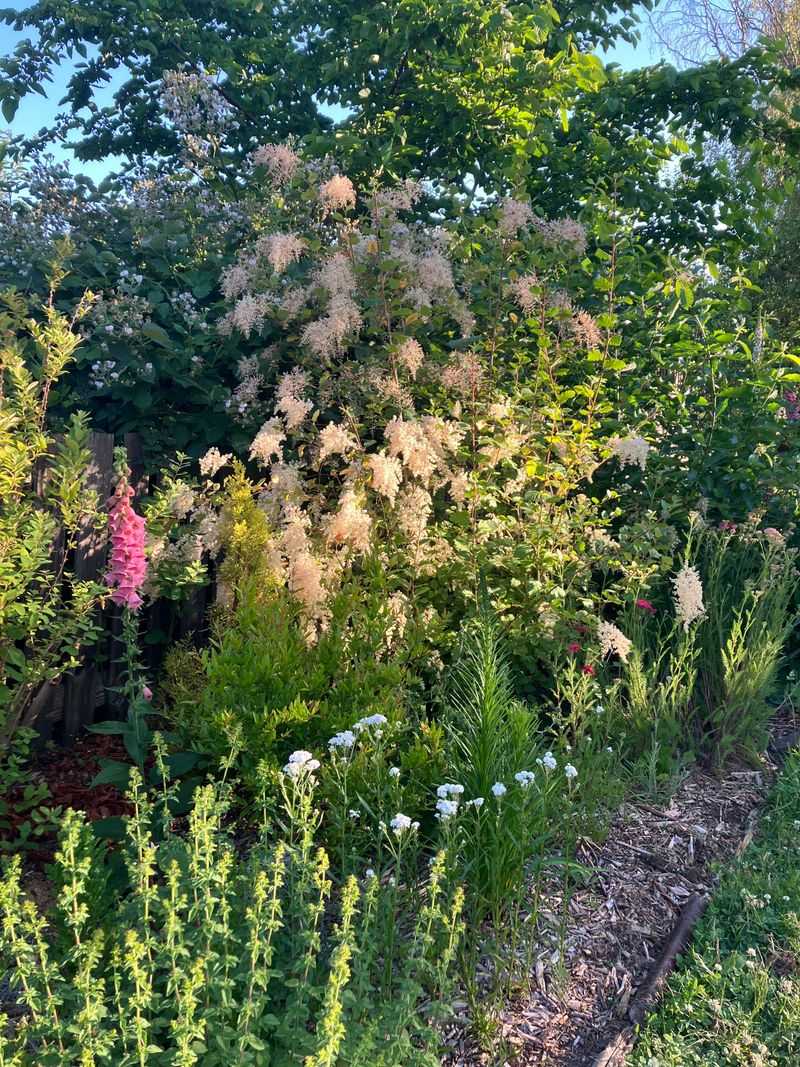
When Ocean Spray blooms in early summer, it looks like someone draped a wave of cream-colored foam over the hillside. The long, arching branches get covered in dense, feathery flower clusters that can stretch up to a foot long.
It is one of the most dramatic-looking native shrubs in the entire Pacific Northwest.
What makes this plant even more impressive is how tough it actually is. It thrives on dry, rocky slopes where almost nothing else wants to grow.
Once established, it rarely needs any water at all during summer. It handles poor soil, full sun, and steep terrain without any complaints.
The plant grows fast and can reach eight to twelve feet tall in the right conditions. That size makes it great for screening, erosion control, or adding structure to a wild garden.
Deer tend to leave it alone, which is a big bonus if you live in a rural or semi-rural area.
Historically, Indigenous peoples used the hard, straight wood of Ocean Spray to make tools, arrows, and knitting needles. The branches are surprisingly strong and dense for a shrub.
After the flowers fade, dry seed clusters hang on through winter and give the plant a silvery, rustic look that adds texture to the garden even in the coldest months.
If you want a statement shrub that thrives on neglect and rewards you with stunning seasonal displays, this is a top pick.
4. Red Flowering Currant
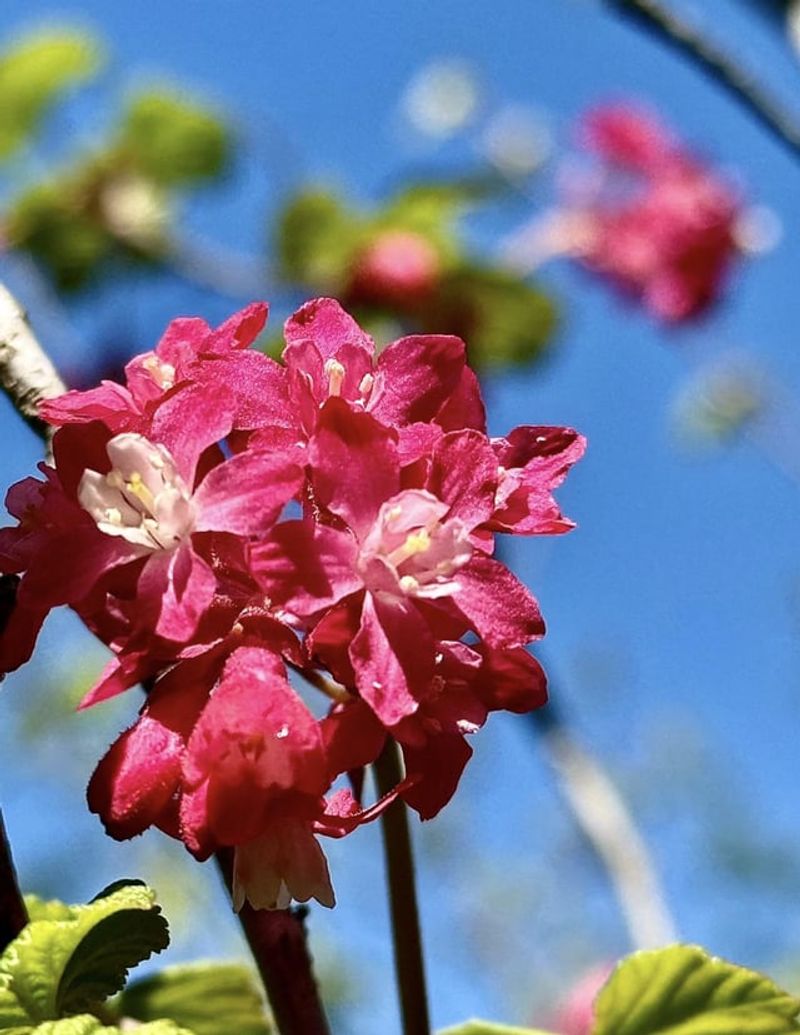
There is nothing subtle about Red Flowering Currant when it blooms. In late winter and early spring, before most plants have woken up, this shrub bursts into long, dangling clusters of deep pink to red flowers that are almost impossible to miss.
It is one of the most cheerful sights in an early spring garden. Hummingbirds notice it immediately.
The flowers are perfectly shaped for hummingbird feeding, and the timing of the bloom matches almost exactly when rufous hummingbirds return to the Pacific Northwest each spring.
Planting this shrub is basically setting up a welcome sign for one of the most beloved birds in the region.
The shrub is highly adaptable. It grows well in full sun or partial shade and handles both wet winter soils and dry summer conditions with ease.
Once established, it needs no supplemental watering. It fits naturally into woodland gardens, mixed borders, or hedgerows.
After the flowers fade, small blue-black berries appear and attract a variety of songbirds through summer and fall. The berries are edible but very tart, so they are best left for the wildlife.
The leaves have a faintly spicy scent when crushed, which adds a sensory element to the garden that most people find pleasant.
Growing to about five to ten feet tall, this shrub fills space beautifully without becoming invasive or needing constant trimming to stay in shape.
5. Pacific Ninebark
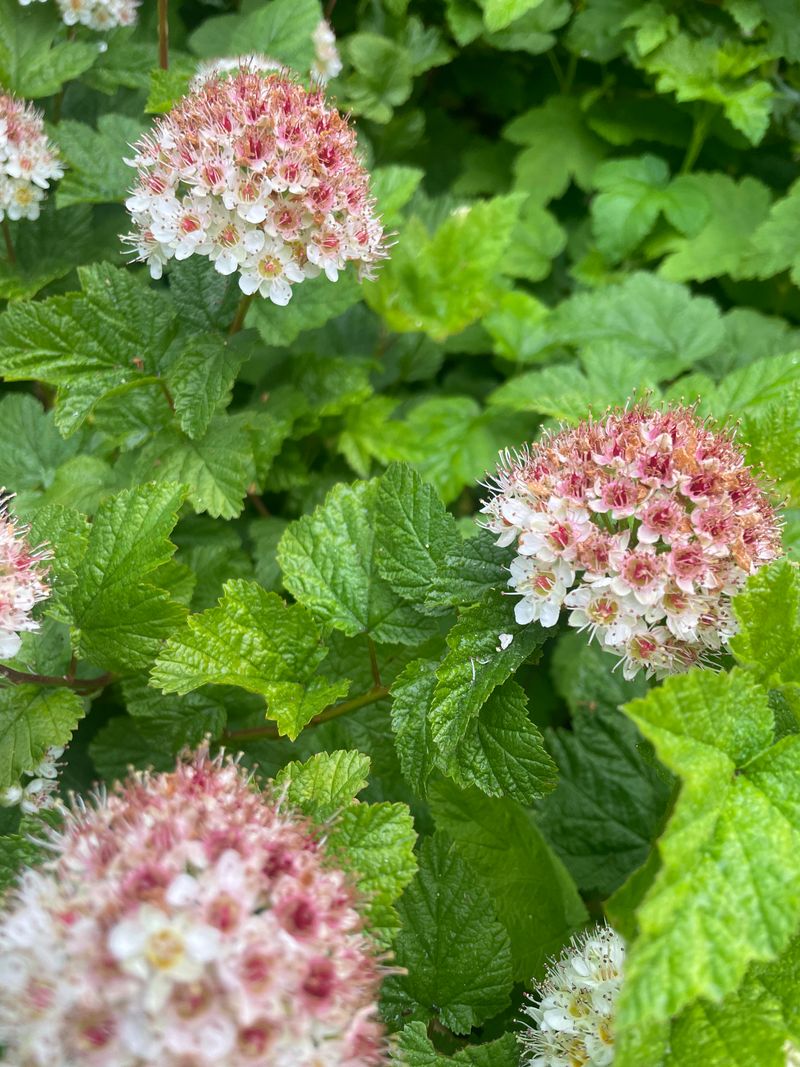
Pacific Ninebark gets its quirky name from the way its bark peels back in multiple thin layers, revealing reddish-brown and cinnamon-colored tones underneath.
That peeling bark is genuinely beautiful, especially in winter when the leaves are gone and the stems are the main feature.
It adds year-round visual interest that most shrubs simply cannot match.
In late spring, the plant covers itself in rounded clusters of small white flowers that bees and other pollinators love. The flowers are followed by reddish seed capsules that add another layer of color through summer and into fall.
Birds pick at the seeds during winter, making the plant useful even in the off-season.
Naturally, this shrub grows along stream banks and moist slopes, so it handles wet winter conditions without any drainage issues.
But it also has surprising drought tolerance once its roots are well established. That combination makes it a reliable performer in gardens with variable moisture levels.
Pacific Ninebark grows fast and can reach six to twelve feet tall. It works well as a privacy screen, a riparian buffer, or a bold specimen plant in a mixed border.
Pruning is rarely necessary, but if you want to keep it tidy, a light trim after flowering is all it needs.
The layered, textured bark makes bare winter stems look like living sculpture, keeping your garden interesting even when nothing else is happening.
6. Indian Plum
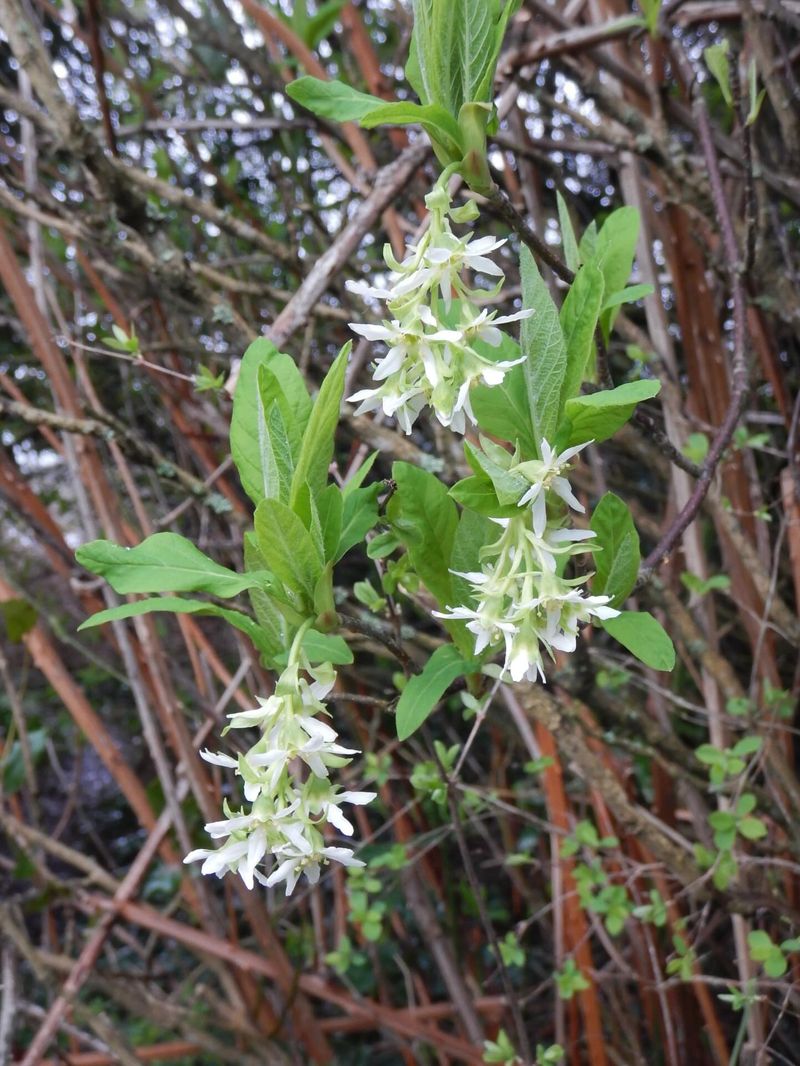
Long before the calendar says spring is here, Indian Plum is already showing off. It is often the very first native shrub to leaf out and bloom in late winter, sometimes as early as February.
Walking through a forest and spotting those small white drooping flower clusters hanging from bare branches feels like a genuine gift after months of gray skies.
The plant grows naturally in forest edges, stream sides, and shaded slopes across the Pacific Northwest. It thrives in the shade of larger trees and fills in understory spaces that most other shrubs avoid.
That makes it incredibly useful in shaded gardens where finding attractive plants can be a real challenge.
Small blue-black fruits follow the flowers in summer. They are edible but very astringent, so most people leave them for the birds and small mammals that rely on them.
The fruit ripens early in the season, which fills an important gap in the wildlife food supply before other berries come along.
Indian Plum handles wet winters well and tolerates summer drought once established. It can grow as a loose, arching shrub reaching ten to fifteen feet, or be kept shorter with occasional pruning.
The leaves turn soft yellow in fall before dropping, adding one final seasonal color note. For a shady corner that needs life, movement, and wildlife value, few native shrubs deliver as consistently and effortlessly as this one does throughout the year.
7. Oval-Leafed Viburnum
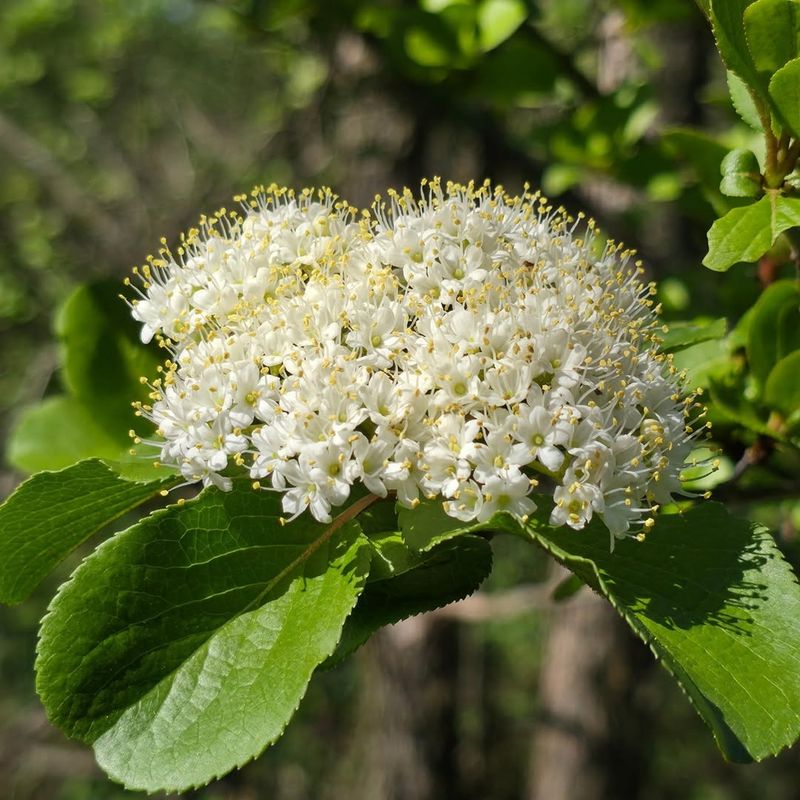
Not every native shrub needs to be the loudest thing in the garden. Oval-Leafed Viburnum plays a quieter role, but it is absolutely indispensable once you understand what it brings to the table.
It grows naturally in moist forests and along stream banks throughout the Pacific Northwest, where it provides dense cover and reliable food for wildlife.
In late spring, clusters of small white flowers appear and attract a range of native pollinators. The flowers are not flashy, but they are effective.
By late summer, the clusters turn into dark blue-black berries that many bird species eagerly consume. Black bears, deer, and smaller mammals also rely on the fruit during late summer and early fall.
The shrub grows well in full shade to partial sun, which makes it one of the most versatile options for woodland gardens.
It handles wet, clay-heavy soils better than most shrubs and tolerates seasonal flooding without complaint. Summer drought is also manageable once the roots are established.
Oval-Leafed Viburnum grows slowly but steadily, eventually reaching six to fifteen feet depending on site conditions. The leaves are large, deep green, and oval-shaped, creating a lush, layered look in the garden.
Fall color ranges from dull yellow to soft red, depending on how much sun the plant receives.
For a low-drama, high-impact shrub that works hard for wildlife while asking almost nothing from the gardener, this one is hard to beat.
8. Pioneer Gooseberry
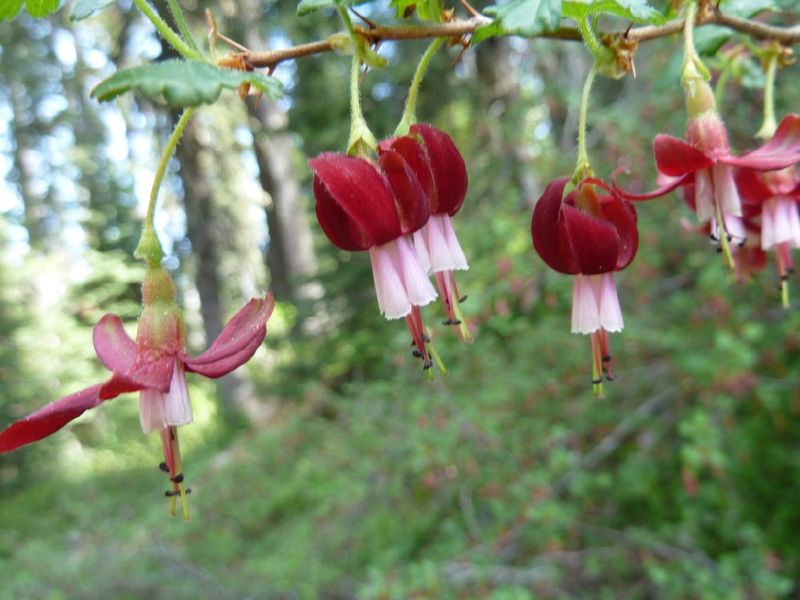
Tough as nails and surprisingly charming, Pioneer Gooseberry is a small native shrub that earns respect fast.
It grows naturally on rocky slopes, forest edges, and open woodlands throughout the Pacific Northwest, often in spots where the soil is thin and the summers are brutally dry. That kind of resilience is exactly what makes it valuable in a low-maintenance garden.
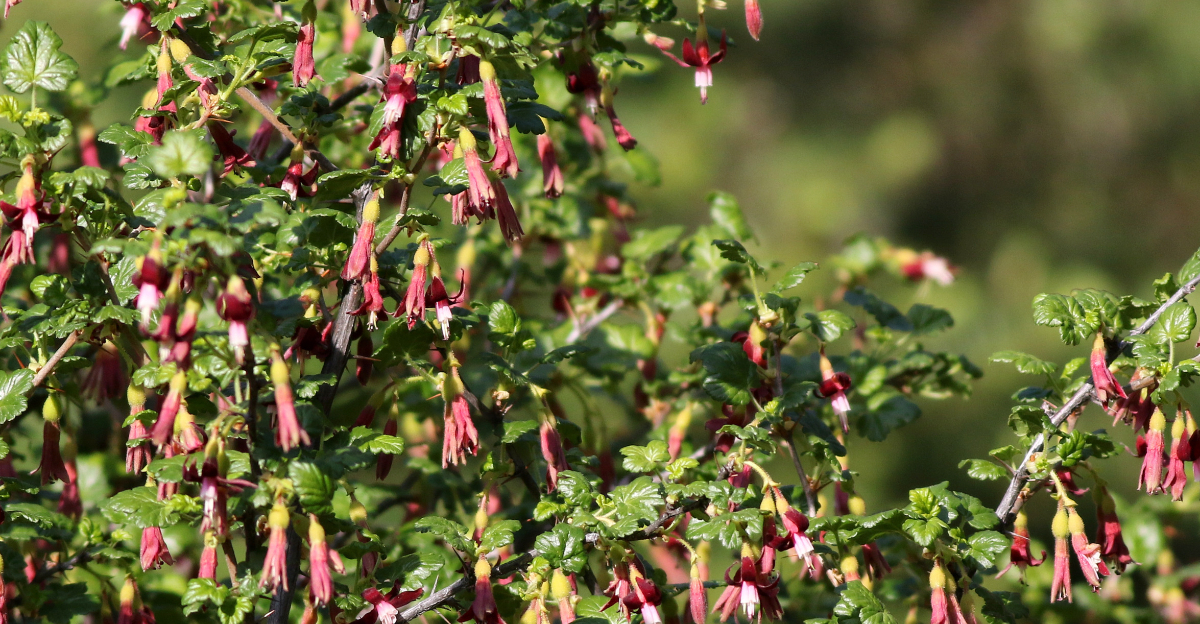
The flowers are small and tubular, usually pink or reddish, and they bloom in early spring when pollinators are hungry and resources are scarce.
Hummingbirds and native bees visit regularly, making this shrub a solid early-season food source.
The spiny stems also provide great nesting cover for small birds looking for a protected spot.
By summer, the flowers develop into small round berries that turn from green to purplish-red as they ripen. The berries are tart but edible and can be used in jams and pies if you get to them before the birds do.
Wildlife competition for these berries is fierce, which tells you how nutritious and appealing they really are.
Pioneer Gooseberry stays compact, usually reaching three to five feet tall and wide. It fits neatly into rock gardens, native plant borders, or wildlife-friendly hedgerows.
The spiny branches mean it also works as a natural barrier in spots where you want to discourage foot traffic.
Plant it in full sun to partial shade and let the dry summers and wet winters do the rest. It genuinely thrives on minimal care.
9. Creeping Snowberry
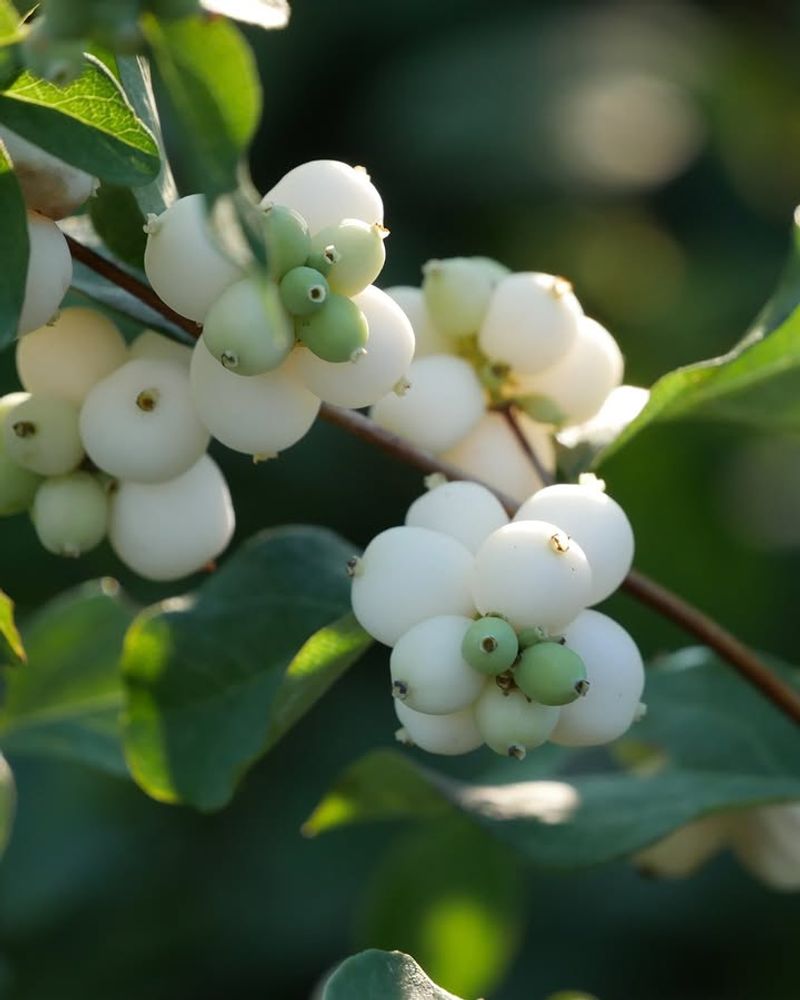
Small but mighty, Creeping Snowberry is a ground-hugging native shrub that quietly does important work in the garden.
It spreads low across the ground, rarely getting more than a foot or two tall, making it one of the best native options for covering bare soil under trees where grass refuses to grow.
In summer, tiny pink bell-shaped flowers appear along the stems and attract small native bees. Those flowers give way to clusters of bright white, waxy berries that persist through fall and into winter.
The berries are not edible for people, but birds and small mammals rely on them as a late-season food source when other options have run out.
This shrub grows naturally in shaded forests and along woodland edges throughout the Pacific Northwest. It handles the deep shade under conifers well, which is a rare quality that most ground covers simply do not have.
Wet winters do not bother it at all, and once established, it handles summer drought with ease.
Creeping Snowberry spreads slowly by underground stems, gradually filling in bare patches without becoming aggressive or invasive.
It works beautifully as a living mulch, protecting soil from erosion and keeping moisture locked in during dry months.
The white berries add a bright, almost festive look to shaded garden spaces in fall and winter. For a low-growing, no-fuss native plant that works hard in tough spots, this one is a quiet champion worth planting everywhere you have shade.
10. Blue Elderberry
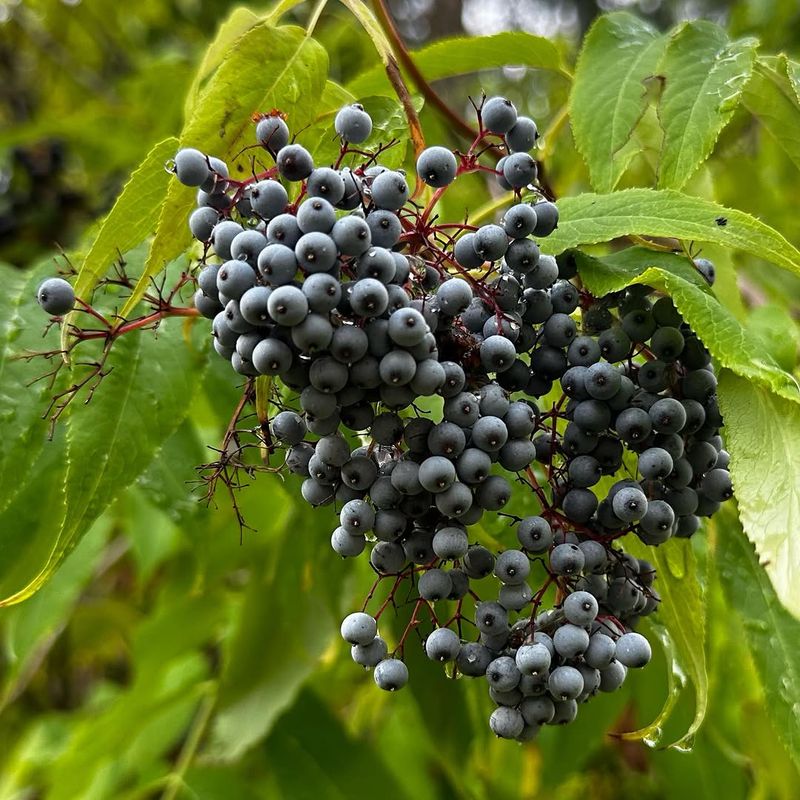
Bold, generous, and deeply connected to the land, Blue Elderberry is one of the hardest-working native shrubs you can plant in the Pacific Northwest. It grows fast, gets large, and produces an abundance of flowers and fruit that support an impressive range of wildlife.
Pollinators swarm the flat-topped flower clusters in early summer, and birds mob the berry clusters all through late summer and fall.
The creamy white flowers bloom in large, flat-topped clusters that can span nearly a foot across. They have a soft, pleasant scent and are edible, often used to make elderflower syrup, cordials, and baked goods.
The dark blue-black berries that follow are also edible when cooked and have been used for centuries in jams, pies, and herbal remedies by Indigenous peoples and settlers alike.
Blue Elderberry grows naturally in a wide range of habitats, from moist stream banks to dry hillsides and open forest edges. That broad natural range reflects its remarkable adaptability.
It handles winter flooding and summer drought better than almost any other large native shrub in this region.
The plant can reach fifteen to twenty feet tall if left unpruned, making it ideal for screening, windbreaks, or naturalized areas. Cut it back hard in late winter and it rebounds quickly with fresh, vigorous growth.
For a shrub that feeds people, wildlife, and pollinators while asking almost nothing in return, Blue Elderberry is in a class all its own.