North Carolina Perennials That Bloom From June Through September With Almost No Care
A perennial that blooms for two weeks and disappears is not doing enough work in a North Carolina garden.
The growing season here is long, summers are demanding, and the plants worth keeping are the ones that stay productive through the heat rather than peaking in spring and coasting the rest of the year.
North Carolina has a strong selection of perennials that bloom from June straight through September without removing spent blooms on a strict schedule, supplemental feeding, or constant attention. Heat and humidity do not slow them down.
Dry stretches between rain do not stop them. They show up, perform through the hardest months of the season, and come back ready to do it again the following year.
These are the perennials worth building a low maintenance North Carolina garden around.
1. Purple Coneflower
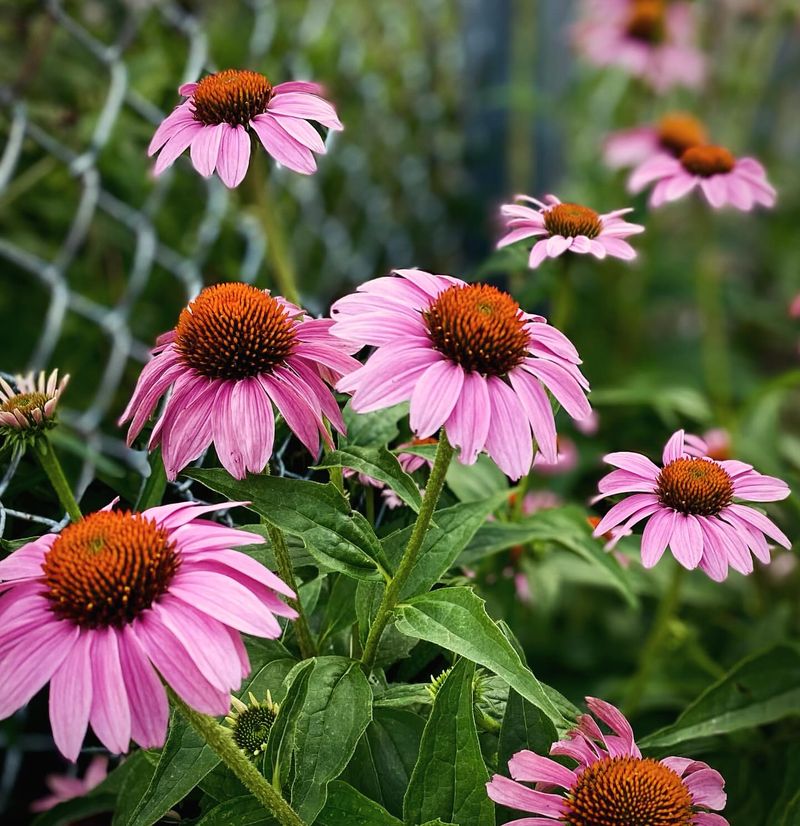
Few native plants earn their place in a North Carolina garden quite like Purple Coneflower, known botanically as Echinacea purpurea.
The bold, rosy-purple petals surrounding a spiky orange-brown central cone have become a symbol of the American summer garden, and for very good reason. Once you plant it, this perennial basically takes care of itself.
Purple Coneflower thrives in full sun and handles the intense summer heat of North Carolina with impressive ease. It prefers well-drained soil and does not need rich amendments to perform well.
In fact, overly fertile or soggy soil can actually work against it, causing floppy stems and fewer blooms over time.
Bloom time typically runs from late June through August, sometimes stretching into September if conditions stay warm. Spacing plants about 18 to 24 inches apart gives each one room to breathe and reduces the chance of fungal issues during humid stretches.
Water regularly during the first growing season to help roots get established, but after that, rainfall alone usually handles the job.
Pollinators absolutely love this plant. Bumblebees, butterflies, and native bees visit constantly throughout the bloom period.
Once the flowers fade, the seed heads stay on the plant and attract goldfinches and other seed-eating birds well into fall and winter.
Removing spent blooms is optional. Removing spent flowers can encourage more blooms, but leaving them standing rewards wildlife and adds winter structure to your garden beds.
Purple Coneflower truly earns its reputation as one of the most rewarding low-care perennials available to North Carolina gardeners.
2. Black-Eyed Susan
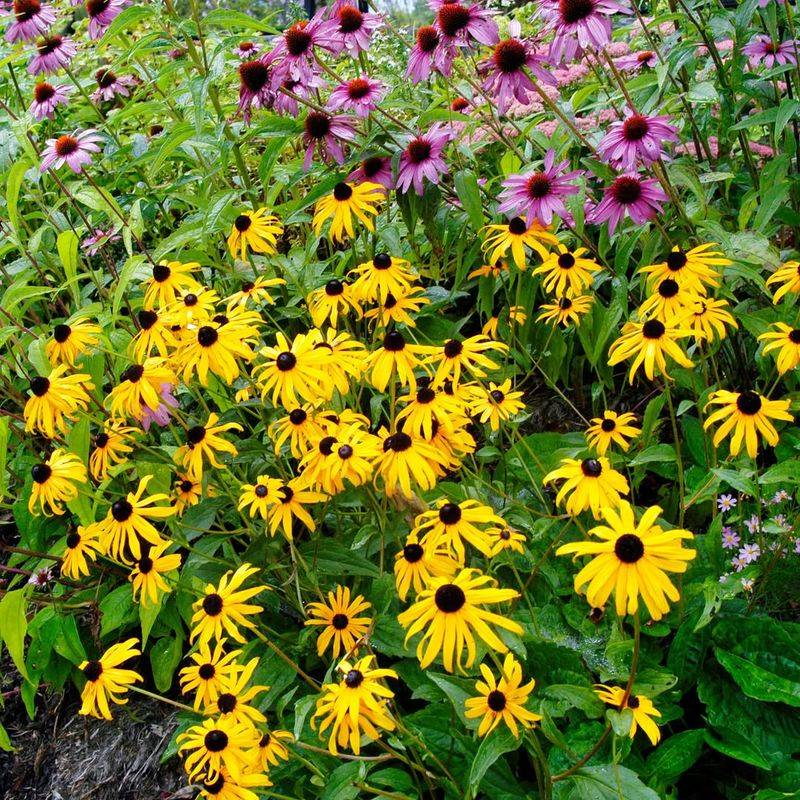
Golden, cheerful, and nearly unstoppable, Black-Eyed Susan is one of the most reliable summer bloomers you can grow in North Carolina.
The perennial species Rudbeckia fulgida is the one to look for, since it returns year after year unlike annual types that need replanting each spring.
Once it settles in, it rewards you with waves of bright yellow blooms from June well into September.
The flowers feature rich golden-yellow petals surrounding a dark brown center, creating a bold contrast that reads beautifully from across the yard. Heat does not slow this plant down at all.
Even during the driest and hottest stretches of a Carolina summer, Rudbeckia fulgida keeps blooming when many other plants have taken a break.
Your North Carolina Garden Changes Every Week. Your Plan Should Too.
Gardening in North Carolina changes quickly throughout the season. Every Friday you’ll receive a simple weekly plan showing exactly what to plant, prune, fertilize, harvest, and protect so you never miss the right timing.
Full sun is ideal, though it tolerates a bit of afternoon shade without much complaint. Average, well-drained soil suits it perfectly, and there is no need to amend or fertilize heavily.
Water during the first growing season to help roots establish, then step back and let the plant do its thing.
Spacing plants 18 to 24 inches apart gives them room to fill in naturally without crowding. Pollinators flock to the blooms, with bumblebees and monarch butterflies among the most frequent visitors.
Trimming faded flowers during the peak of summer can extend the bloom period by encouraging new buds to form.
By late summer, leaving seed heads in place feeds birds and adds texture to the garden. Black-Eyed Susan is genuinely one of the easiest perennials a North Carolina gardener can grow.
3. Spotted Bee Balm
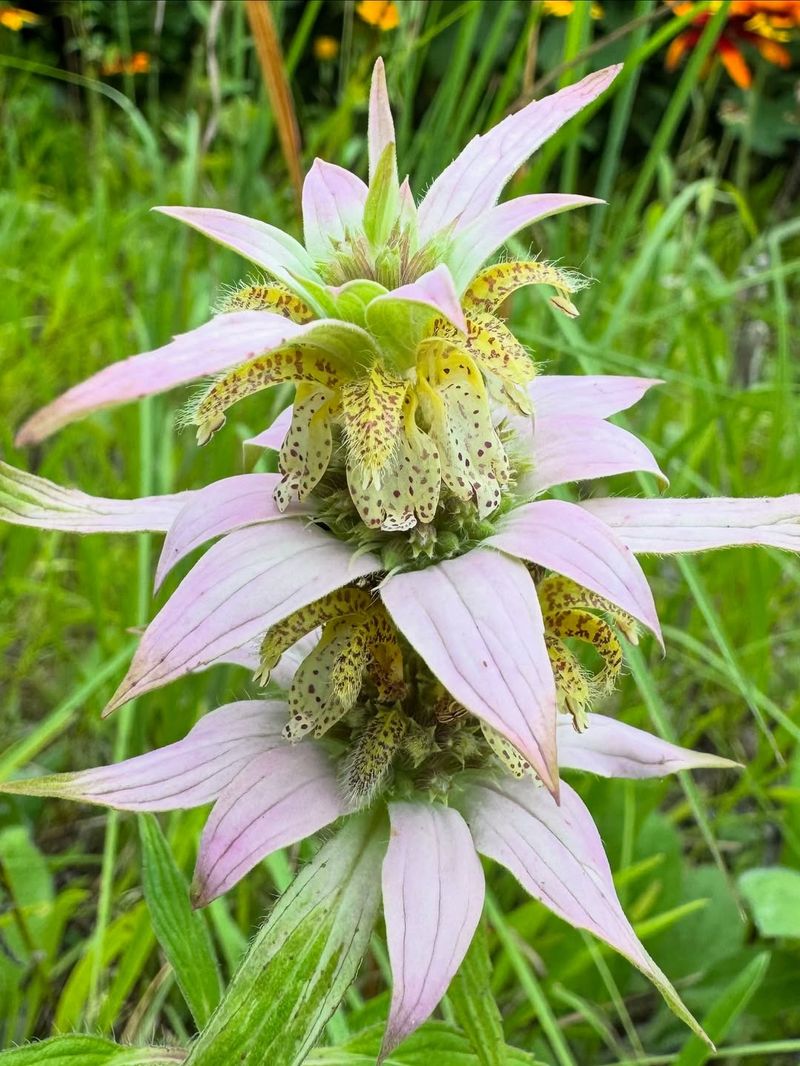
Spotted Bee Balm, known scientifically as Monarda punctata, is one of those plants that stops visitors in their tracks.
The flowers themselves are small and spotted, but they sit above stacked rings of showy pink and white bracts that create a layered, eye-catching display unlike anything else in the summer garden.
It looks exotic, but it is a true native of North Carolina. This perennial is built for hot, sunny spots with good drainage and lean soil.
Unlike many garden plants that need regular feeding and coddling, Spotted Bee Balm actually performs better when the soil is not too rich.
Overly fertile ground encourages lush, floppy growth and can make the plant more prone to powdery mildew, which is the one issue to watch for in humid conditions.
Bloom time runs from approximately late June through August, with pollinators visiting in remarkable numbers. Bumblebees, hummingbirds, and a wide range of native bees are drawn to the flowers constantly.
Few plants attract this level of pollinator activity over such a long stretch of the summer season.
Space plants about 18 to 24 inches apart and make sure air can circulate freely around them. Water during establishment, then scale back once the roots are settled since overwatering is a bigger risk than underwatering with this species.
Lean, sandy, or rocky soil suits it surprisingly well. Spotted Bee Balm self-seeds modestly, so a few new plants may appear nearby each year. It is a genuinely low-effort plant with outstanding wildlife value and a personality all its own.
4. Threadleaf Coreopsis
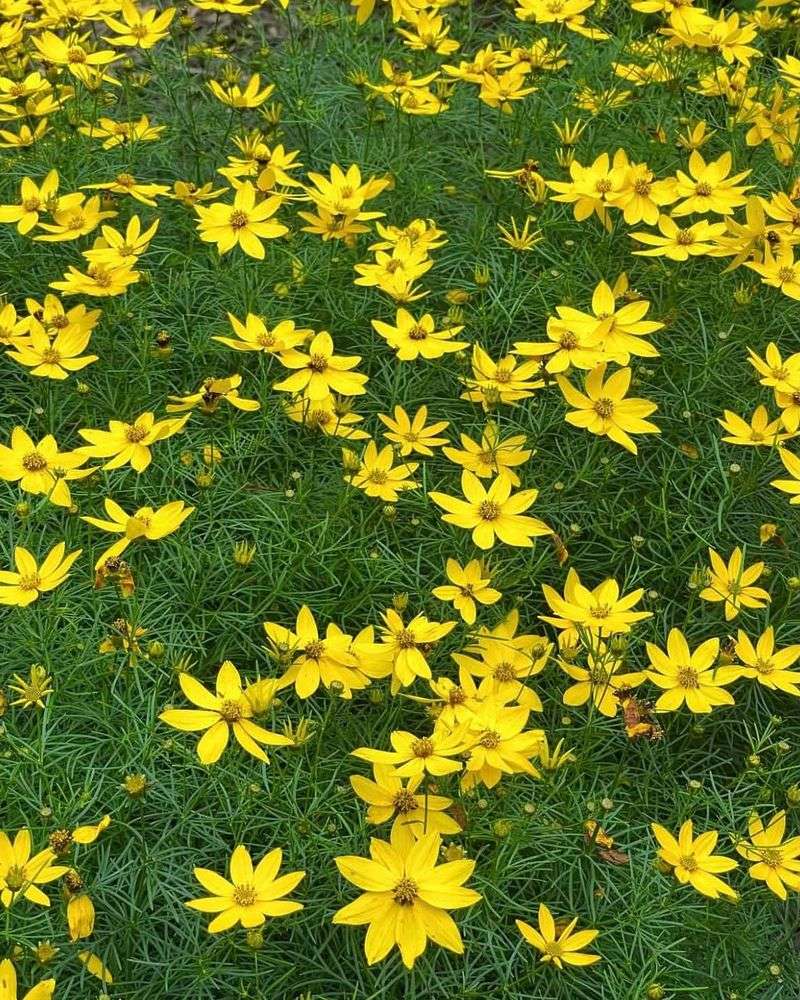
Threadleaf Coreopsis, or Coreopsis verticillata, has a delicate, almost airy look that makes people underestimate just how tough it really is.
The fine, needle-like foliage creates a soft, feathery mound that gets completely covered in small, bright yellow flowers from June through August and often well into September. It looks fragile, but this plant laughs at heat and drought.
North Carolina summers can be punishing, and Threadleaf Coreopsis takes it all in stride. Once established, it handles dry spells with minimal fuss, making it a smart pick for gardeners who want color without constant watering.
Full sun brings out the best performance, and well-drained soil is essential since standing water around the roots is the one thing this plant genuinely dislikes.
Spacing plants about 18 inches apart allows each clump to spread naturally and fill in over a couple of seasons. A light trim after the heaviest flush of blooms in midsummer can rejuvenate the plant and push out a fresh round of flowers heading into late summer.
This simple step takes about five minutes and makes a noticeable difference.
Pollinators, especially small native bees and butterflies, visit the flowers regularly throughout the season. The plant spreads gradually by rhizomes, slowly expanding into a wider clump that fills empty spaces beautifully over time.
No fertilizer is needed, and no staking is required since the compact mounding habit keeps everything upright naturally. Threadleaf Coreopsis is a genuine workhorse that earns its spot in any low-maintenance North Carolina perennial garden.
5. Narrowleaf Mountain Mint
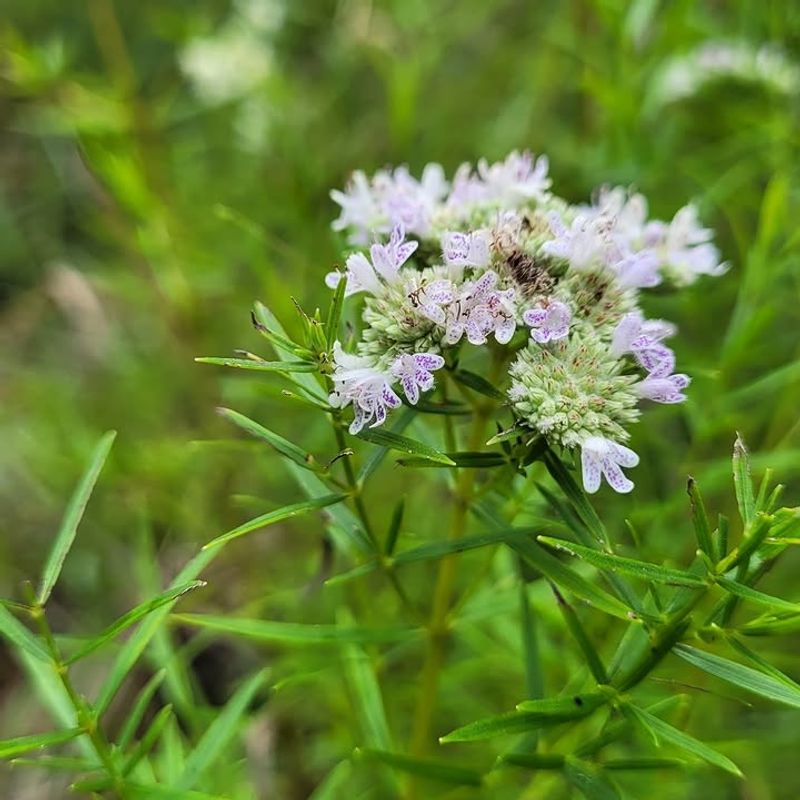
Walk past a patch of Narrowleaf Mountain Mint on a warm afternoon and the clean, sharp fragrance hits you immediately.
Pycnanthemum tenuifolium is one of the most powerfully fragrant native plants in the eastern United States, and that scent is exactly what makes it irresistible to pollinators all summer long. Bees find it almost impossible to ignore.
The bloom period stretches from late June through August, with clusters of tiny white flowers packed tightly along upright stems that typically reach two to three feet tall. Despite its delicate appearance, this plant is extremely tough.
Full sun and average to dry, well-drained soil suit it perfectly, and once established it handles drought without skipping a beat.
Research from the Xerces Society and other pollinator conservation groups consistently ranks Mountain Mint among the top native plants for supporting bees and beneficial insects.
The sheer number of insect visitors on a single plant in peak bloom is genuinely impressive and worth experiencing up close.
It also attracts parasitic wasps that help control garden pests naturally.
Space plants about 18 to 24 inches apart to allow the clumps to expand over time. No fertilizer is needed, and the plant rarely struggles with pests or disease.
A light trim in early spring removes old woody stems and keeps the plant looking tidy heading into the new season.
Narrowleaf Mountain Mint spreads by rhizomes, so give it a defined space where it can fill in freely. In a low-care native bed, it is one of the most reliable and ecologically valuable perennials you can plant.
6. Blue Mistflower
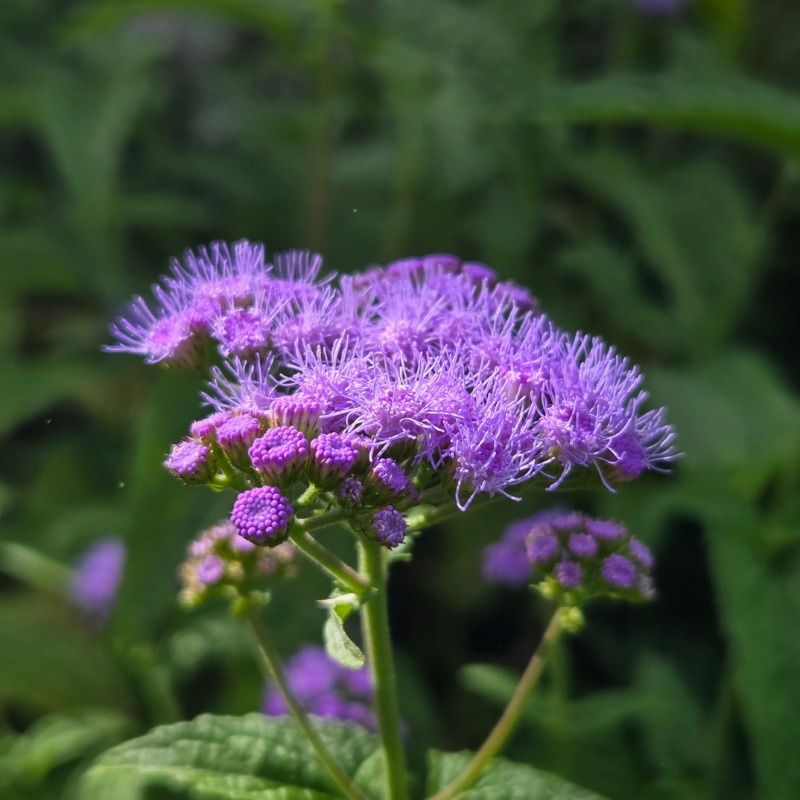
When August arrives and many summer perennials start winding down, Blue Mistflower is just getting started.
Conoclinium coelestinum produces fluffy clusters of blue-purple flowers from late summer right into early fall, filling a gap in the garden calendar that few other native perennials can cover. That late-season color is genuinely hard to find.
The flowers have a soft, hazy texture that gives the plant its common name, and the blue-purple shade is one of the truest blues available in the native perennial palette.
Butterflies, especially migrating monarchs and swallowtails passing through North Carolina in late summer, are strongly attracted to the blooms.
Planting it near other late-season nectar sources creates a powerful stopping point for pollinators heading south.
Blue Mistflower grows well in full sun to partial shade and prefers consistently moist soil, making it an excellent choice for low spots, rain garden edges, or areas near downspouts where water tends to collect.
It handles brief dry periods but performs best when moisture is steady, especially during the hottest weeks.
The plant spreads by underground runners and can expand fairly quickly in favorable conditions. Giving it a contained area or checking its spread each spring keeps it from overtaking neighbors.
Dividing clumps every two or three years refreshes the planting and provides extra plants to fill other spots in the garden.
Bloom time runs from roughly August through October, making it one of the latest-blooming native perennials available. For North Carolina gardeners who want color deep into fall with almost no effort, Blue Mistflower is a smart and beautiful choice.
7. Obedient Plant
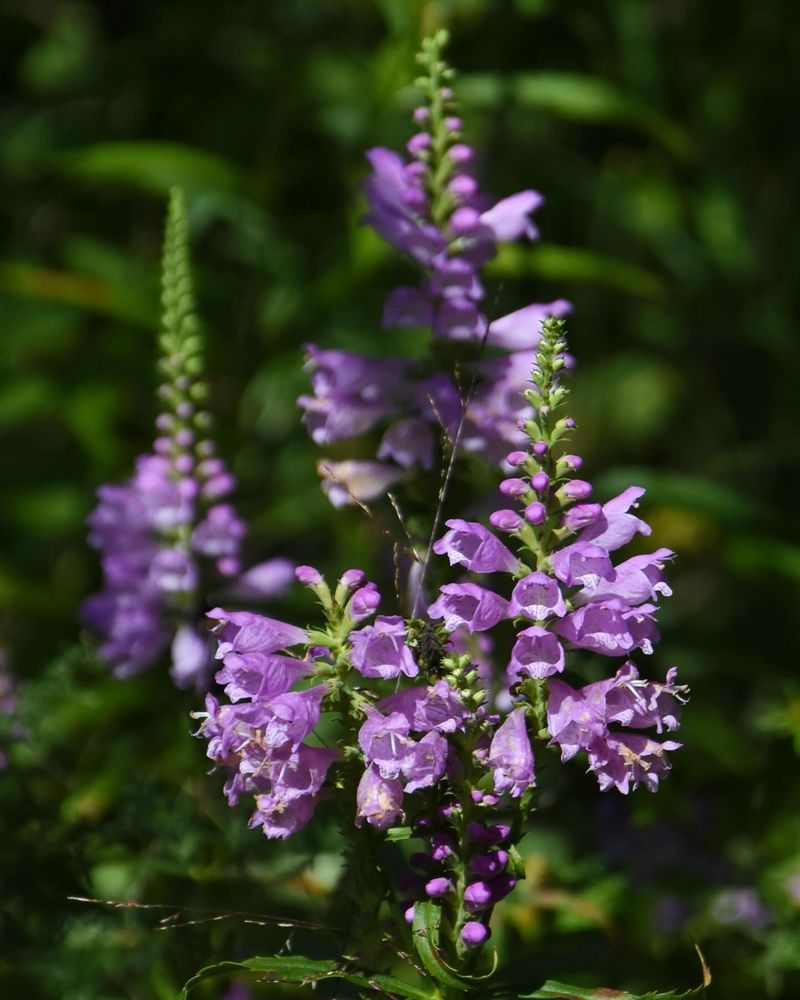
The name Obedient Plant comes from a quirky botanical trait: the individual flowers along each spike can be nudged sideways and they stay put, as if following instructions. Physostegia virginiana brings more than just that fun party trick to the garden, though.
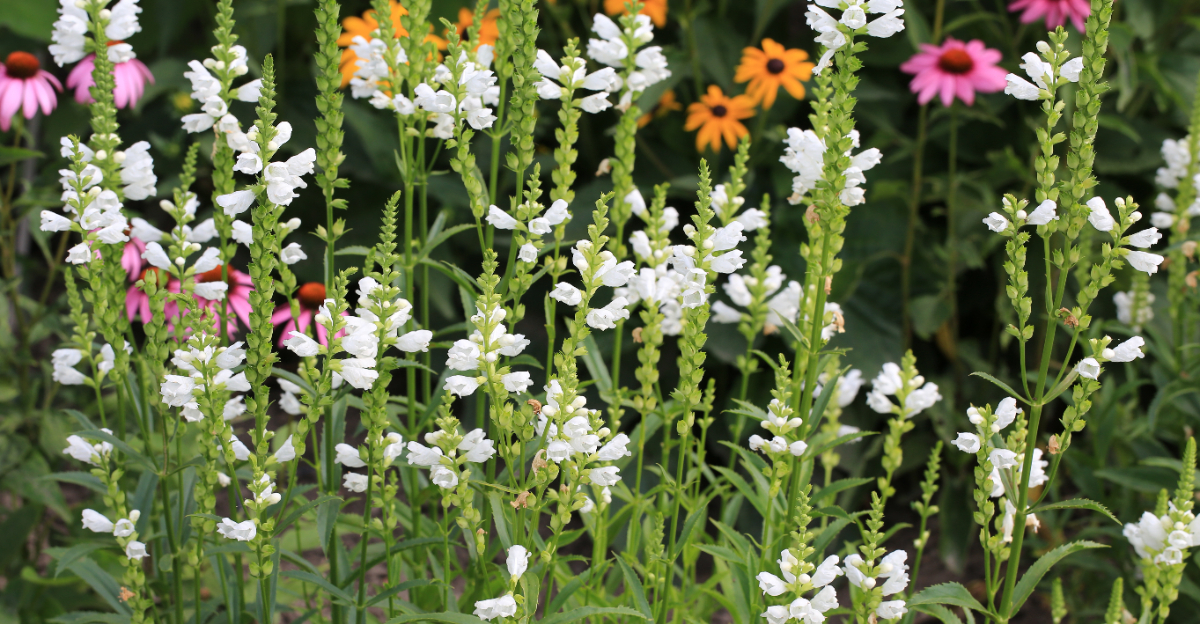
The tall, upright flower spikes covered in tubular pink-purple blooms make a striking vertical statement in any sunny, moist planting area from July through September.
North Carolina gardeners dealing with wet spots, rain garden edges, or low-lying areas that hold moisture after storms will find this plant particularly useful.
It thrives where other perennials struggle, turning a soggy problem area into a colorful, productive garden feature.
Full sun produces the best blooms, though it handles light afternoon shade without much drop in performance.
Hummingbirds visit the flowers regularly, drawn by the tubular shape and the long bloom period. Bumblebees and native bees also work the spikes from top to bottom throughout the season.
Few perennials offer this combination of pollinator appeal and moisture tolerance in one easy-to-grow package.
Spreading by underground rhizomes is where this plant earns its reputation for enthusiasm. Space plants about 18 to 24 inches apart and plan to divide clumps every two to three years to keep growth manageable.
Planting it inside a buried root barrier or against a hard edge like a sidewalk or driveway helps contain the spread naturally.
Water during the first growing season to establish roots, then let natural rainfall take over in most years. Obedient Plant rewards minimal care with maximum seasonal impact, especially in spots where moisture makes other perennials reluctant to perform.