The No Mow May Trend Is Spreading In New Jersey And So Are The Ticks
Putting away the lawn mower for an entire month sounds like the kind of advice you follow without needing to be told twice.
No Mow May has been winning over New Jersey homeowners for a few years now, and honestly, the idea is hard to argue with.
Let the grass grow, feed the bees, feel good about it.
Simple.
There is one part of this story that tends to get left out of the Instagram posts and neighborhood newsletters, though.
New Jersey has long been considered one of the most tick-dense states in the country.
And tall grass is essentially a welcome mat for the very creatures that can ruin your summer and, in some cases, your health for years.
That does not mean you have to choose between saving the pollinators and protecting your family.
But with May already underway it is not too late to know what is growing in that grass of yours.
Why New Jersey Homeowners Are Embracing No Mow May

Picture your neighbor’s lawn looking like a meadow in the middle of a tidy suburb, and instead of complaints, people are actually cheering.
No Mow May started in the United Kingdom with a simple idea.
Skip mowing for one month so early-blooming wildflowers can feed bees and other pollinators when food is scarce.
The concept crossed the Atlantic fast, and homeowners across New Jersey have embraced it with real enthusiasm.
Some municipalities across New Jersey have quietly encouraged residents to participate.
Some towns have even relaxed their lawn ordinances temporarily to allow taller grass during May.
For many homeowners, it feels like an easy, low-effort way to help the environment without spending a single dollar.
Pollinators are struggling across the country, and that matters more than most people realize.
About one-third of the food we eat depends on pollination, so giving bees a fighting chance in spring is a genuinely meaningful act.
Dandelions, clover, and creeping thyme all bloom low to the ground and provide critical early nutrition for bee colonies waking up after winter.
The appeal is obvious: do less, help nature, feel good about your yard.
But here in New Jersey, something else is thriving in that tall grass too, and it is not a wildflower.
How Tall Grass Creates The Perfect Environment For Ticks
Ticks do not jump, fly, or chase you down the street, but they are surprisingly strategic about where they wait.
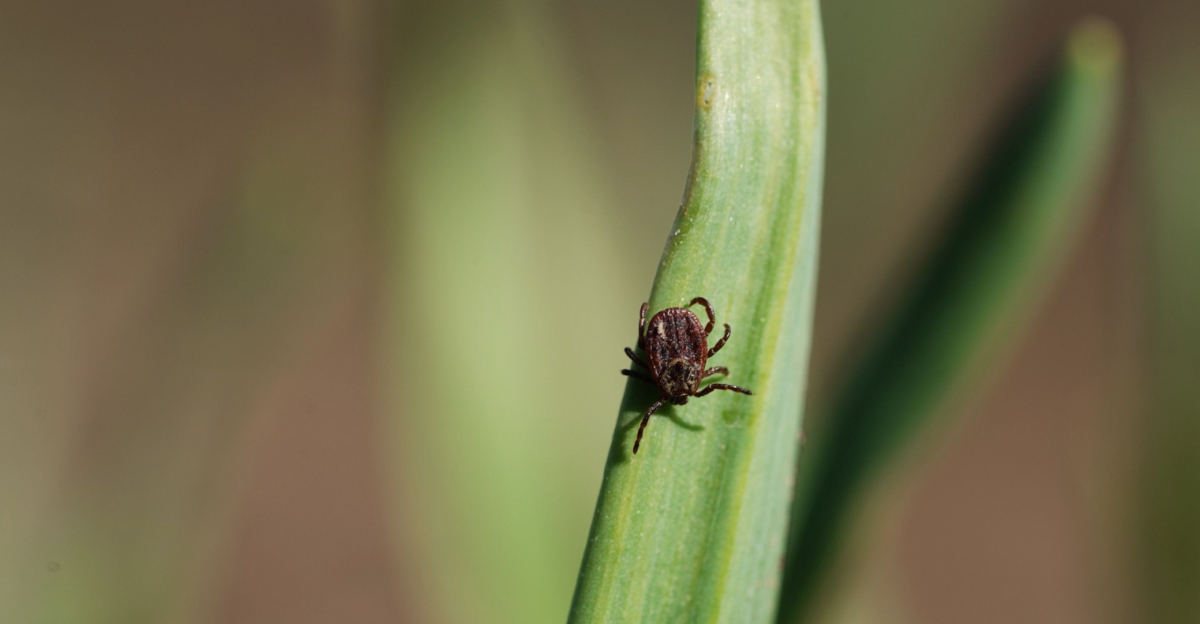
These tiny parasites have a hunting strategy called questing.
It is simple and patient: climb to the tip of a grass blade or shrub, hold out their front legs, and wait for a warm body to brush past.
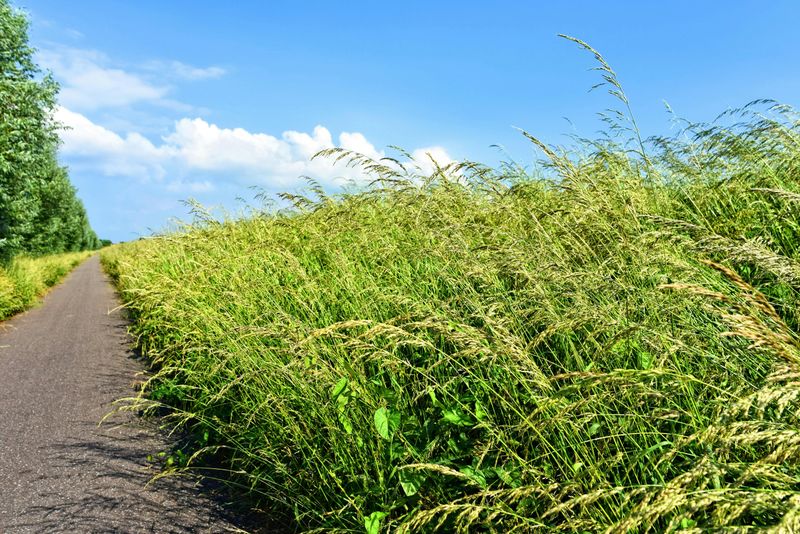
Tall grass gives them more surface area, more height, and far more opportunity to latch on.
Moisture is another huge factor that most people overlook.
Ticks need humidity to survive, and long grass traps moisture near the soil in a way that short, mowed lawns simply do not.
A lawn left unmowed through May essentially becomes a five-star hotel for ticks.
Your New Jersey Garden Changes Every Week. Your Plan Should Too.
Gardening in New Jersey changes quickly throughout the season. Every Friday you’ll receive a simple weekly plan showing exactly what to plant, prune, fertilize, harvest, and protect so you never miss the right timing.
The most concerning guest is the blacklegged tick, also known as the deer tick, which is the primary carrier of Lyme disease in the Northeast.
Sunlight also plays a role that surprises many homeowners.
Short grass allows sunlight to dry out the soil surface, which is actually hostile to tick survival.
When grass grows tall and dense, it creates cool, shaded, humid microhabitats at ground level, which are exactly the conditions ticks need to stay active and healthy throughout the season.
Leaf litter, garden borders, and wooded edges amplify the risk even further when combined with tall lawn grass.
A yard that borders trees or shrubs and also skips mowing for a full month can accumulate tick populations noticeably fast.
Knowing this does not mean you have to abandon the movement.
It means you stop being a passive participant and start being a smart one.
New Jersey Already Has A Serious Tick Problem
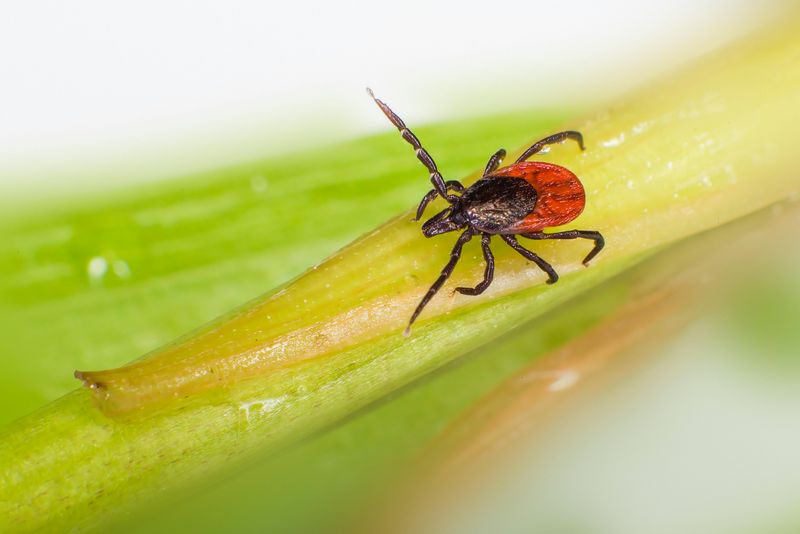
New Jersey consistently ranks among the top states in the country for reported Lyme disease cases according to the CDC.
Blacklegged ticks are found in every single county, from Cape May to Sussex.
Research suggests that milder winters in recent years have contributed to longer and more active tick seasons across the Northeast.
Ticks that once went dormant in cold weather are now staying active through what used to be safe winter months.
Spring tick season now starts earlier than it did twenty years ago, which means May is no longer a low-risk month, it is prime time.
Beyond Lyme disease, New Jersey residents also face risks from anaplasmosis, babesiosis, and Powassan virus, all of which are spread by the same blacklegged tick.
These conditions range from flu-like illness to serious neurological complications, and cases have been climbing steadily.
The lone star tick, which is spreading northward, adds another layer of concern with its own set of associated illnesses.
Outdoor spaces that were once considered safe suburban backyards now carry measurable risk, especially near tree lines or areas with heavy wildlife traffic.
Families with children and pets who use their yards regularly face the most direct exposure.
Setting up a pollinator-friendly lawn without factoring in tick risk means trading one environmental concern for another.
That is not progress.
That is just a different problem with better branding.
What The Research Actually Says About Lawn Height And Tick Risk
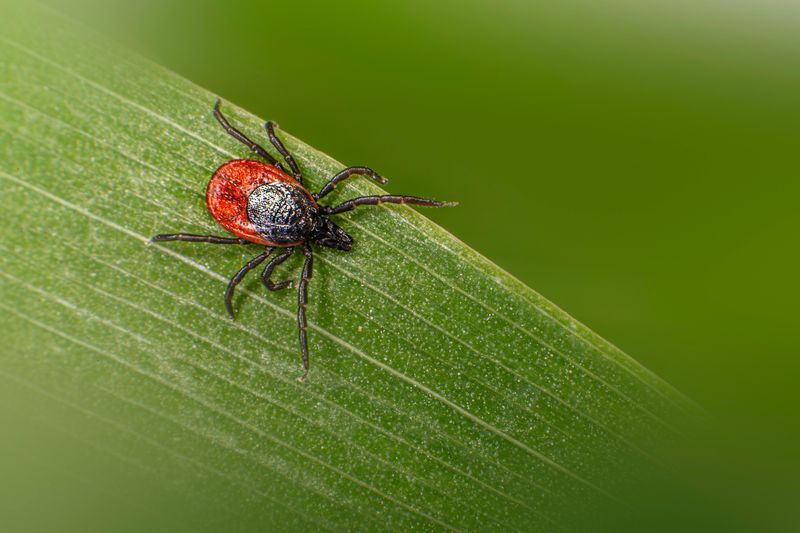
Science backs this up, and the data on lawn height and tick populations is worth paying attention to.
When it comes to tick research in the Northeast, few institutions carry more weight than the Connecticut Agricultural Experiment Station.
Their research has shown that the vast majority of ticks encountered in residential settings were located in or near unmowed grass and leaf litter.
Mowed turf areas had noticeably lower tick activity by comparison.
Additional research has consistently shown that ticks prefer taller vegetation, with encounter rates rising as grass height increases beyond typical mowing thresholds.
A full month of no mowing in May can easily push lawns well past that point in most parts of the state.
Researchers are careful to note that the relationship is not absolute.
Ticks can still be found in short grass, especially near wooded borders or areas with heavy wildlife traffic.
But the overall body of evidence strongly suggests that lawn height is one of the most controllable risk factors homeowners have at their disposal.
What experts do agree on is this: even small changes in lawn management can make a measurable difference.
Keeping a mowed buffer around the edges of your yard will not win you any pollinator awards, but it might just keep your summer intact.
How To Enjoy No Mow May Without Putting Your Family At Risk

You do not have to choose between helping pollinators and protecting your kids.
A zone-based approach is one practical strategy worth considering when balancing pollinator support with tick awareness.
The idea is simple: designate a specific section of your yard as your pollinator patch.
Keep it away from play areas and foot traffic, and mow the rest short.
Tick tubes and perimeter treatments can add another layer of protection without harming beneficial insects when applied correctly.
Tick tubes are small cardboard cylinders filled with permethrin-treated cotton that mice collect for nesting, which breaks the tick lifecycle at the source.
Placing them along fence lines and wooded edges in early spring is a low-effort strategy that many pest control professionals recommend.
Daily tick checks after time outdoors should become a non-negotiable habit for every family member, including pets.
Ticks are small enough to hide behind knees, in hair, and along waistbands without being noticed for hours.
Finding and removing a tick within 36 hours significantly reduces the chance of Lyme disease transmission.
Light-colored clothing, long sleeves, and EPA-approved repellents containing DEET or picaridin round out a solid personal protection plan.
Creating a mulch or gravel border between your lawn and any wooded areas can help reduce the number of ticks migrating from wooded edges into your yard.
Small adjustments like these let you support the spirit of No Mow May while keeping your family safe all season long.
What Pest Control Experts Recommend
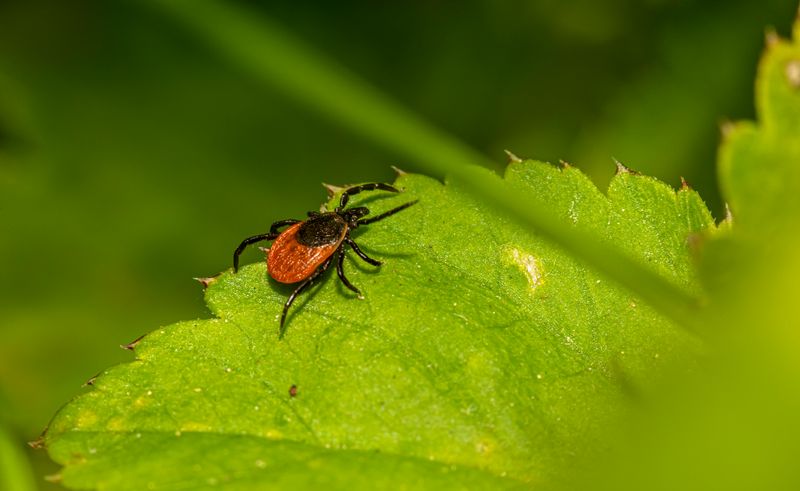
New Jersey pest control professionals are fielding more No Mow May calls than ever, and most of them are not here to ruin your plans.
Most experts are not telling homeowners to abandon the movement entirely.
Instead, they are urging people to approach it with a plan rather than simply stopping all lawn maintenance for a full month.
The consistent advice from licensed professionals is to treat your yard perimeter before May begins.
A barrier spray applied along fence lines, garden beds, and wooded edges in late April can meaningfully reduce the tick population.
Many companies now offer eco-conscious options that target ticks while minimizing impact on pollinators.
Professionals also recommend keeping any unmowed sections well away from areas where children and pets spend time.
A wildflower patch tucked into a back corner or along a fence is very different from letting the entire front and back lawn grow unchecked.
That small distinction can make a significant difference in how much tick exposure your household actually experiences.
No Mow May and tick awareness are not enemies, and the pest control community in the Garden State largely agrees on that point.
The movement has genuine environmental value, and with the right precautions, most families can participate without dramatically increasing their risk.
Be intentional, stay informed, and never skip your tick checks.
No Mow May is worth doing.
Just make sure it is worth it for everyone in your household, not just the pollinators.