What Actually Grows In A Virginia Lawn When You Put The Mower Away For 30 Days
Skip mowing for 30 days, and most Virginia homeowners brace for one of two outcomes: a nature documentary or an HOA letter.
The reality lands somewhere far more interesting than either.
What actually happens when you put the mower away is less about transformation and more about revelation.
Your lawn does not become something new.
It shows you what it already was when you were not paying attention.
The humidity, the clay-heavy soil, the relentless weed pressure unique to Virginia… all of it plays a role in what surfaces once you step back.
Some of what you find will genuinely delight you.
Some of it will make you rethink every Saturday morning you spent pushing that mower around.
Either way, you are about to find out that your lawn has had a lot more going on than you ever gave it credit for.
The First Week Looks Boring, But Your Soil Is Already Changing
Day one looks identical to yesterday.
Your lawn has more going on than it lets on.
The grass blades are just a little taller.
Maybe the edges look slightly shaggy.
But underground, your soil is quietly shifting in ways that matter a lot.
When mowing stops, grass roots begin extending deeper instead of spreading laterally.
The constant clipping stress is removed, and the plant can finally focus energy downward.
Soil compaction near the surface starts to ease as root channels widen.
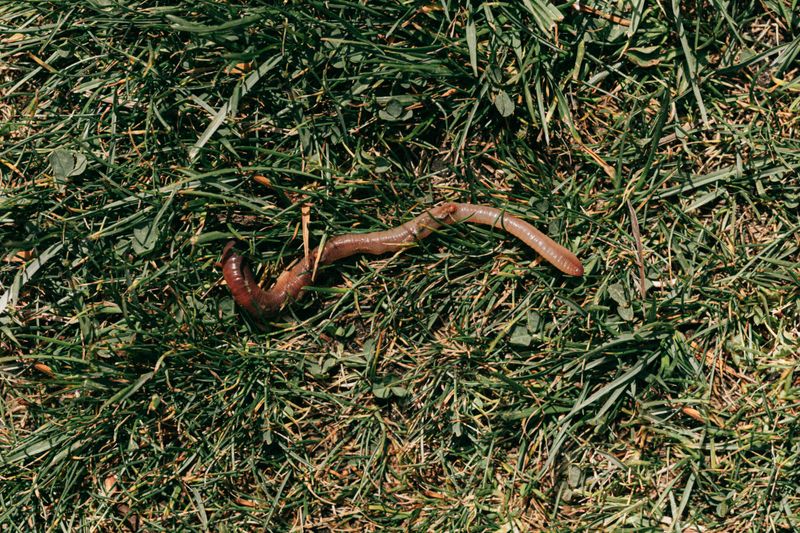
Earthworms, which avoid heavily trafficked and frequently cut zones, begin moving closer to the top layer.
You might not see them, but they are already working.
Microbial activity in Virginia clay soils increases measurably within just five to seven days of mowing cessation.
Bacteria and fungi that break down organic matter get a head start.
The lawn is essentially exhaling for the first time in months.
Moisture retention also improves during this first week.
Taller blades shade the soil surface, reducing evaporation during Virginia’s notoriously humid summer afternoons.
Those extra degrees of shade cool the soil just enough to flip a switch, and beneficial insects notice before you do.
The Opportunists That Show Up Before Anything Beautiful Does
The pretty stuff has not shown up yet.
First come the opportunists.
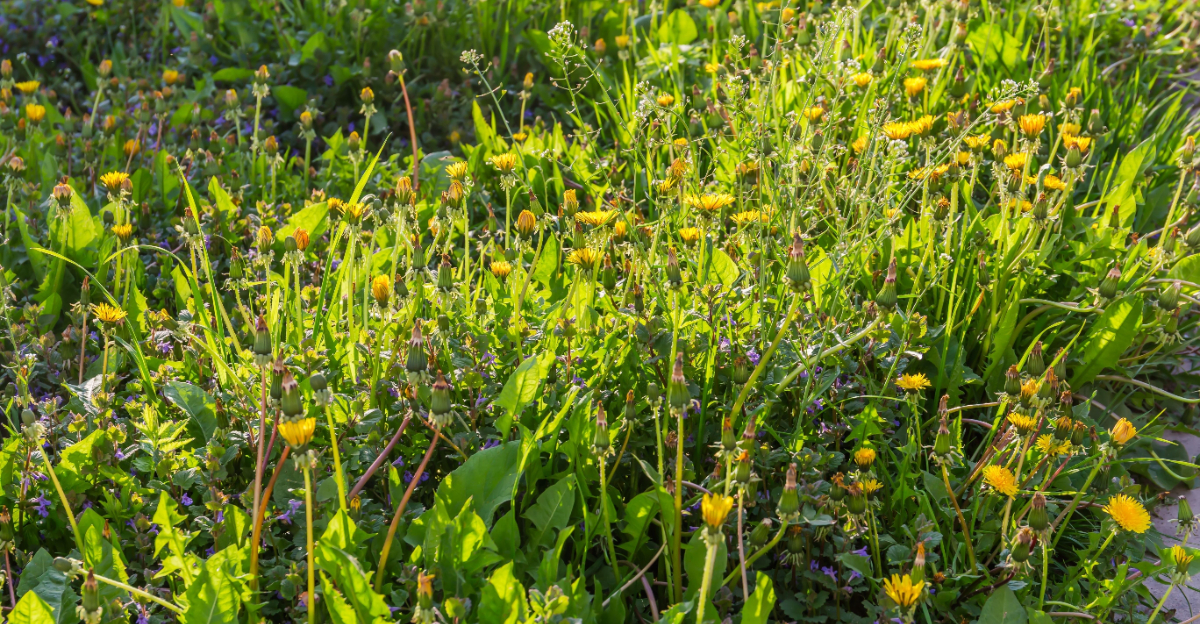
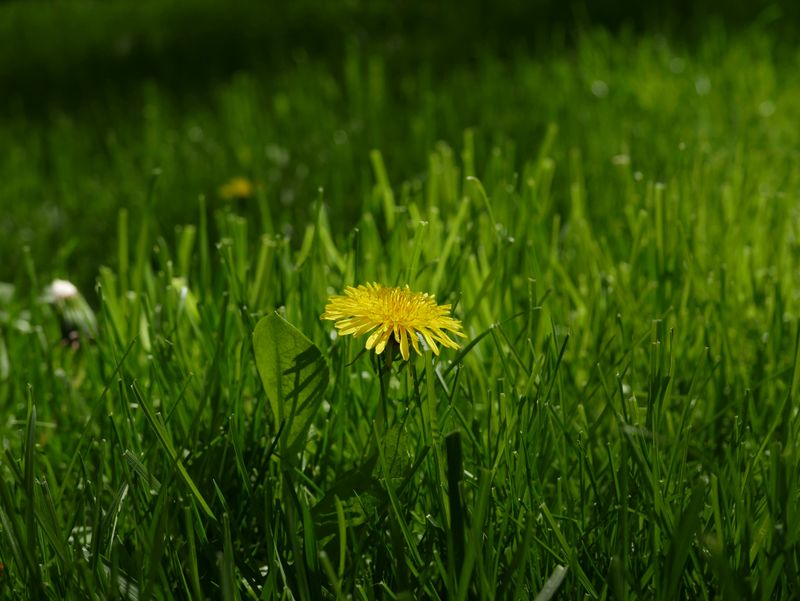
Dandelions are almost always first, popping up within days because their seeds were already waiting in the soil.
They are not shy about it either.
Wild garlic and wild onion are close behind, and you will smell them before you see them on a warm morning.
These plants have been suppressed by regular mowing but never eliminated.
A two-week pause gives them exactly the window they need.
Chickweed spreads low and fast, creating a soft green carpet between grass blades.
It looks almost pleasant until you realize how aggressively it crowds out slower-growing plants.
In Virginia’s spring and fall seasons, chickweed can spread rapidly, sometimes doubling its coverage within a week under favorable conditions.
Ground ivy, also called creeping Charlie, snakes along the surface with surprising speed.
Your Virginia Garden Changes Every Week. Your Plan Should Too.
Gardening in Virginia changes quickly throughout the season. Every Friday you’ll receive a simple weekly plan showing exactly what to plant, prune, fertilize, harvest, and protect so you never miss the right timing.
Its small purple flowers look innocent enough, but this plant is a serious spreader.
Once established in a lawn, it is genuinely difficult to push back.
Spotted spurge and hairy bittercress also tend to show up during this phase.
Neither one is particularly attractive, and both signal that your lawn has open soil gaps from past mowing stress.
Empty ecological space does not stay empty for long, and these plants are always first through the door.
When The Pollinators Finally Notice Your Virginia Lawn
Around day 14, something genuinely noticeable starts happening above the grass.
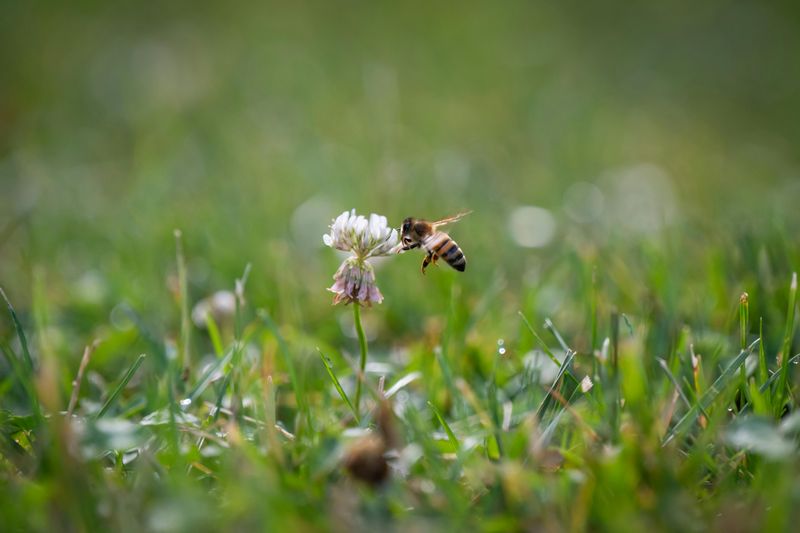
Bees show up, and not just one or two.
A clover-filled unmowed lawn can support dozens of foraging bees on a single warm afternoon.
White clover is one of the most valuable pollinator plants in the entire mid-Atlantic region, and it thrives when mowing stops.
Most Virginia yards already have clover seeds in the soil from decades of natural dispersal.
Without the weekly blade coming through, those plants finally bloom.
Butterflies start appearing around the same time, particularly cabbage whites and orange sulphurs.
They are drawn to the dandelion blooms and any early wildflower species that managed to establish.
You might also notice skippers, which are small fast butterflies that often get mistaken for moths.
Native bees, including ground-nesting species like mining bees, benefit from the reduced foot traffic and soil disturbance.
They need open patches of soil near flowering plants, and an unmowed lawn provides both.
Virginia has over 400 native bee species, and many of them are struggling due to habitat loss.
Watching pollinators work your yard feels genuinely rewarding.
It shifts how you see the yard entirely.
Suddenly that patchy clover section looks less like a flaw and more like a feature worth protecting.
The Honest Visual Reality At Day 30 No Filter No Wildflower Fantasy
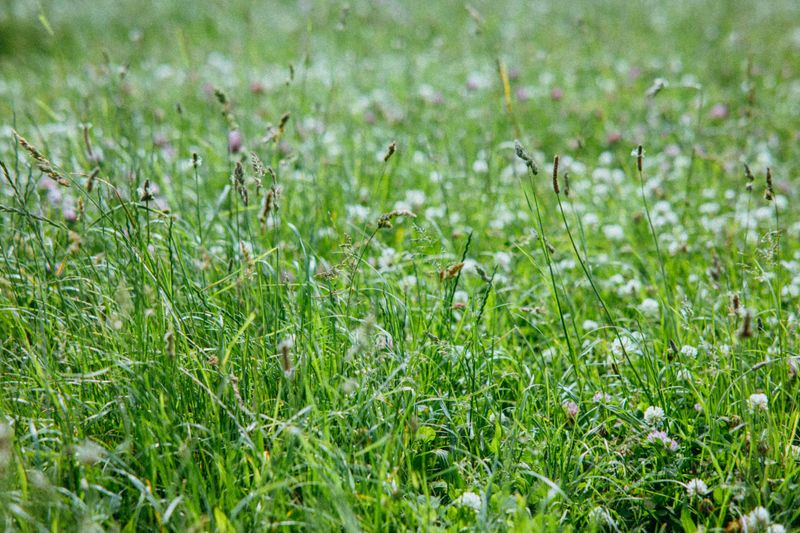
Let’s be honest about what a 30-day unmowed Virginia lawn actually looks like.
It is not a Pinterest wildflower meadow.
It is not the rolling English countryside.
Most Virginia yards at day 30 look like three things happening at once.
Tall fescue pushing eight to twelve inches.
Scattered weed clusters at varying heights.
And a few flowering patches that look genuinely nice.
The overall impression is more “forgot about it” than “intentional naturalist garden.”
Neighbors will notice, and not all of them will be supportive.
Certain areas will look better than others depending on sun exposure and soil moisture.
Shady spots under trees tend to look scraggly because the grass there was already stressed before the experiment started.
Sunny open sections with good drainage often look the most lush and interesting.
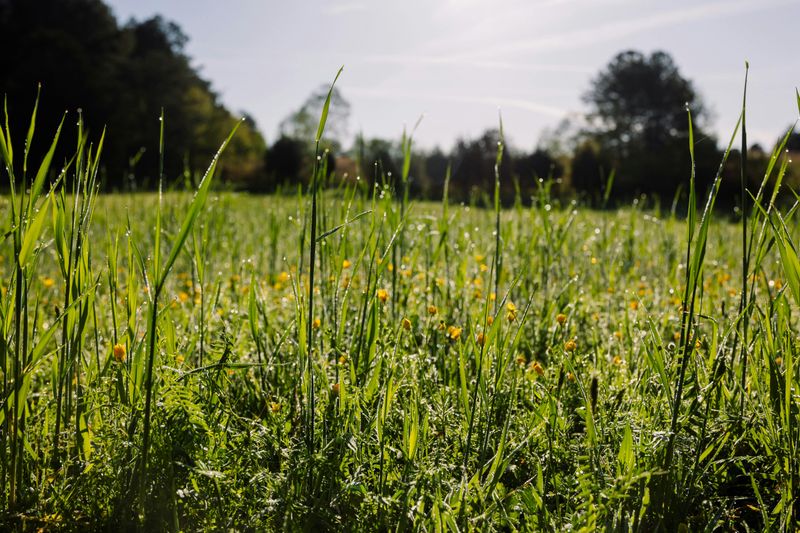
Seed heads on tall fescue and Kentucky bluegrass add a soft, golden texture that is actually attractive in the right light.
Early morning or late afternoon sun hits those seed heads beautifully.
That is the moment your lawn looks closest to the romantic version you imagined.
Results vary based on what was already growing in your yard before the experiment started.
Manage your expectations going in, and you will appreciate the genuine surprises that show up along the way.
Why Virginia Humidity And Soil Type Change Everything About This Experiment
Humidity changes everything about what grows when you stop mowing, and Virginia’s climate is a wild card.
The state sits in a zone where humid subtropical conditions meet cooler Appalachian air, creating wildly different microclimates within just a few miles.
What happens in a Northern Virginia suburb can differ significantly from what happens in the Shenandoah Valley or coastal Hampton Roads.
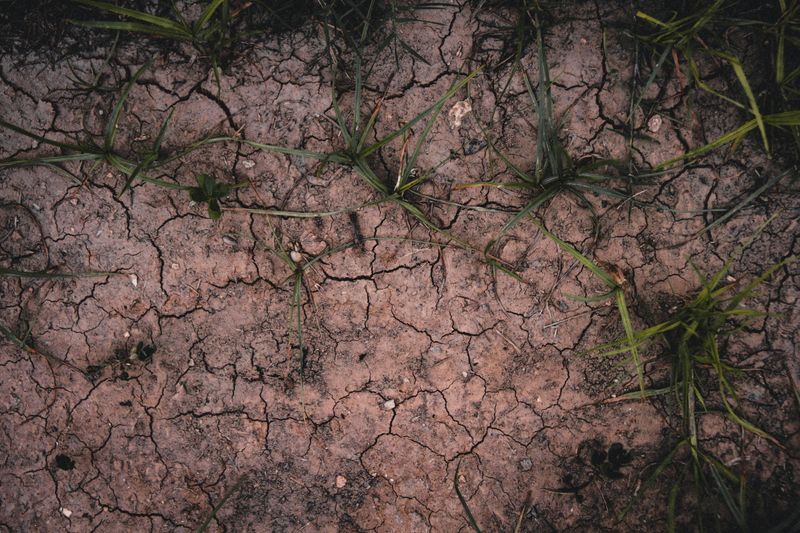
Clay-heavy soils, which dominate much of the Piedmont region, hold moisture longer and warm up slowly.
That combination encourages fungal growth, and a 30-day mowing pause in a wet spring can lead to visible lawn fungus patches.
Brown patch and dollar spot are two common culprits in yards with clay soil.
Sandy loam soils found in coastal and eastern counties drain faster and heat up quickly.
Those conditions favor different plants entirely, including sandwort, evening primrose, and certain native grasses that would never survive in clay.
The diversity of what emerges is genuinely fascinating if you pay attention.
Humidity also accelerates seed germination across the board.
A plant that might take three weeks to sprout in a drier state can pop up in ten days here.
The wildflowers you want and the weeds you do not are running the exact same race.
The finish line is your lawn.
What Survives The First Mow Back And What Does Not Come Back
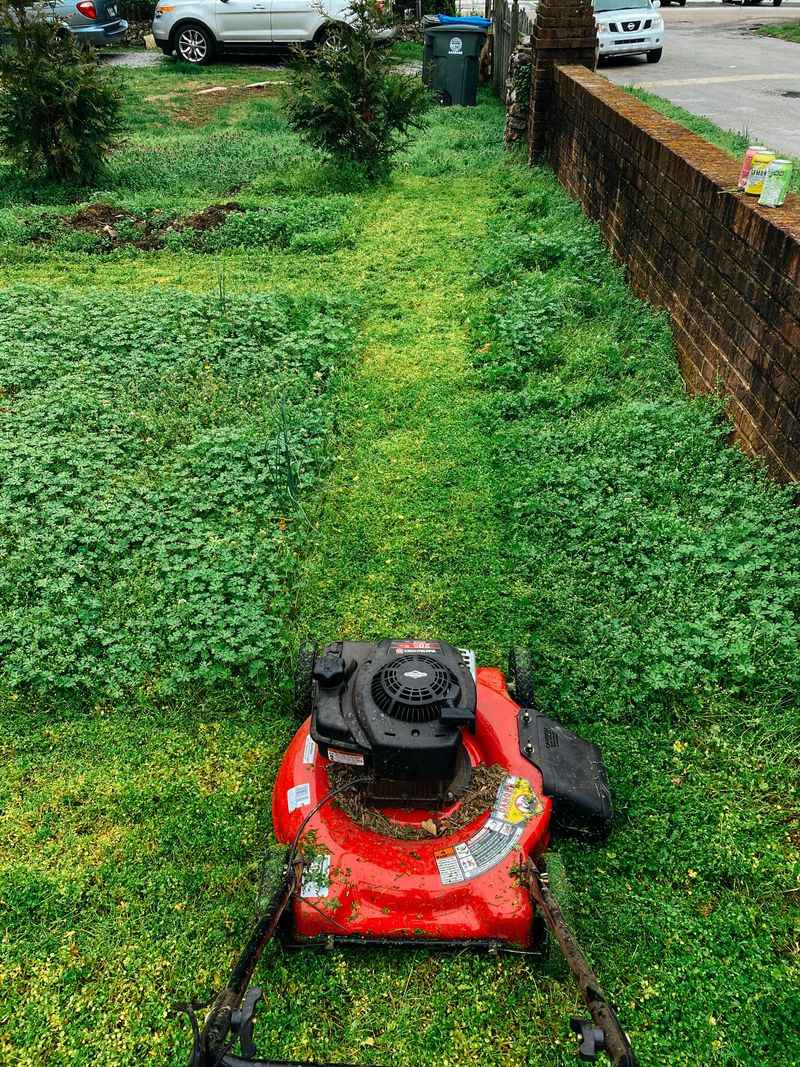
The first mow after 30 days is a moment of reckoning for your lawn.
You will feel the resistance in the mower almost immediately.
Grass that has grown to ten or twelve inches does not cut cleanly the way a maintained lawn does.
Clover, surprisingly, handles the first mow quite well.
Its low-growing structure means the blades often pass above the root crown, and the plant rebounds quickly.
Within a week of mowing, clover patches are often flowering again, which is great news for the pollinators that found your yard.
Dandelions are more complicated.
If they set seed before the mow, those seeds are already in the soil.
Some have drifted into your neighbors’ yards too.
Cutting them back does not eliminate them; the taproot goes deep and will push up new growth within days.
Annual weeds like chickweed and hairy bittercress often disappear after the first mow because cutting interrupts their reproductive cycle.
Those plants live fast and spread through seeds rather than roots.
Remove the seed-producing tops and you set them back significantly.
Native grasses that established during the 30 days are the real winners here.
Many of them handle mowing pressure better than turf grasses because they evolved alongside grazing animals.
Your Virginia lawn does not forget a month of native grasses.
Neither do the insects that found it.
Is No Mow May Actually Worth It For Virginia Homeowners
Skipping the mower for a month in a Virginia lawn is not a simple yes or no answer.
The honest truth is that it depends on your goals, your soil, your neighborhood rules, and how comfortable you are with a yard that looks a little wild.
For some homeowners, the experience is genuinely eye-opening.
Pollinator benefits are real and measurable.
Research on unmowed urban lawns consistently shows more bee species showing up compared to regularly mowed yards.
Not a marginal difference either, enough to notice without counting.
For a state with significant native bee population pressures, that matters.
HOA restrictions and local ordinances are a legitimate concern for many Virginia homeowners.
Some municipalities have grass height ordinances that kick in around six to eight inches.
Knowing your local rules before skipping a month of mowing is genuinely important, not just a technicality.
The weed seed bank in your soil will also grow larger during the pause.
Some of those seeds will persist for years.
That is a real tradeoff you should factor into your decision.
What No Mow May really offers is a reset in perspective.
You start seeing your yard as an ecosystem rather than a surface to maintain.
The mower starts back up.
But the way you think about your lawn does not have to go back to what it was.